
Reviewed · HISTORICAL TOURS
Kyoto: Nijo Castle World Heritage Guided Tour with Admission
A castle tour with theater in every room. This 90-minute Nijo Castle visit turns Kyoto’s politics into something you can actually see, with a small group (up to 10) that stays conversational. Admission included means you spend less time lining up and more time listening for the famous details.
I love how the guide makes the palace feel logical, not just old. The nightingale floors are a standout, and English-speaking guides (like Nao and Uta) are known for answering questions on the spot, not brushing you off.
One practical catch: inside the palace you’ll need to remove your shoes, so plan for a slower pace than a walk-and-go sightseeing stop.
In This Review
- Key highlights
- Enter at Nijōjō-mae Exit 1 and get oriented fast
- Koi carp moats and gardens before the palace gets political
- Gates and corridors built to intimidate without fighting
- Shoe-off palace time: what to expect when you enter Ninomaru
- Ninomaru Palace rooms that show hierarchy the moment you step in
- The nightingale floors: why the chirp matters
- The 1867 room where power returns to the Emperor
- Price and value: $40 for admission plus a 90-minute guide
- Who should book this Nijo Castle tour (and who might prefer DIY)
- Should you book this Nijo Castle guided tour?
- FAQ
- FAQ
- Where do I meet the guide?
- Is admission to Nijo Castle included?
- How long is the tour?
- What language is the tour guide?
- How big is the group?
- Is the tour wheelchair accessible?
- Do I need to remove my shoes?
- What are the main highlights I should look for?
- Where will the tour start and end?
- Is there a cancellation option?
- Can I reserve now and pay later?
Key highlights
- Up to 10 people so you can ask about shogun vs. emperor power moves
- Koi-filled moats that give you photogenic moments before the palace turns serious
- Ninomaru Palace rooms where space, floor height, and decoration signal social rank
- Nightingale floors that chirp to help detect intruders
- The 1867 authority handover room tied to Tokugawa Yoshinobu returning power to the Emperor
- English live guides with strong storytelling (names you may encounter include Nao, Uta, Benjamin, and Alexander)
Enter at Nijōjō-mae Exit 1 and get oriented fast
Your day starts at Nijōjō-mae Station, outside Exit 1. The meeting point is easy to spot: look for the guide holding a sign that says Local Guide Stars.
I like this kind of start because it reduces the usual Kyoto friction—trying to figure out which entrance lines up with your planned route. With a guide already in place, you can focus on what matters: understanding what you’re looking at once you arrive.
Also, the tour runs about 90 minutes, so you’ll want to arrive a few minutes early. It’s long enough to cover the Ninomaru Palace highlights, but short enough that you can pair it with other Kyoto stops the same day.
Readers also shortlisted these Tokyo bookings:
- Tokyo 6hr Private Tour with Government-Licensed Guide
★ 5.0 · 3,902 reviews - Tokyo: Shinjuku Local Bar and Izakaya Guided Walking Tour
★ 4.9 · 1,794 reviews - Tokyo: Private City Highlights Tour with Local Guide
★ 4.8 · 1,433 reviews - Tokyo: Tsukiji Fish Market Guided Walking Tour
★ 4.9 · 1,397 reviews
Koi carp moats and gardens before the palace gets political
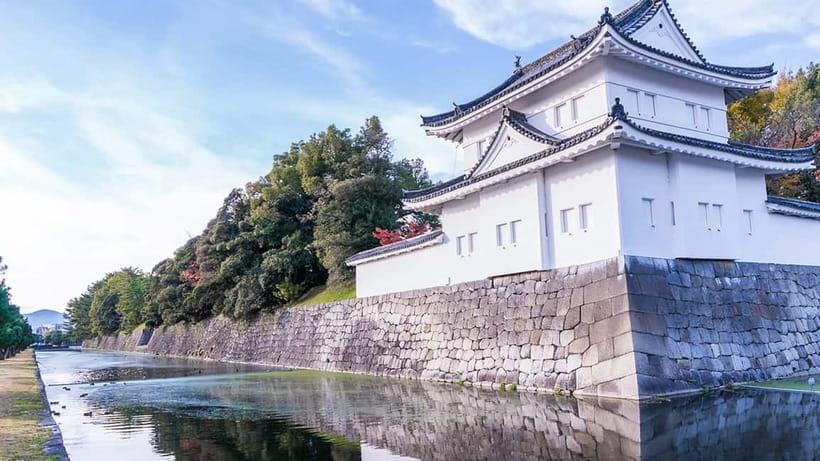
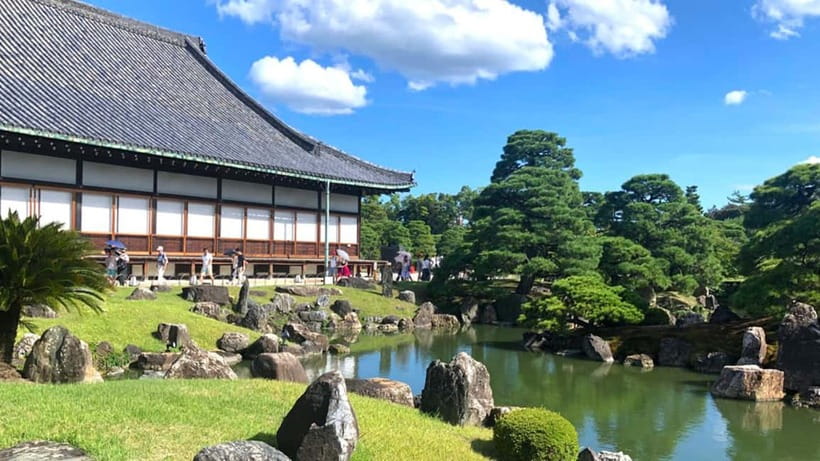
Before you even hit the palace rooms, the setting does some smart work for you. Nijo Castle is known for those photogenic gardens and moats where colorful koi can be swimming in view—perfect for photos and a calm start before you walk into a place built to control people.
This is more than pretty scenery. The castle’s design idea is simple: display power, intimidate quietly, and keep everyone “in line” without firing a shot. Starting outside helps you shift your brain into the right mode for the interior.
If you like a smooth flow—scenery first, meaning second—you’ll appreciate how the tour keeps momentum.
Gates and corridors built to intimidate without fighting
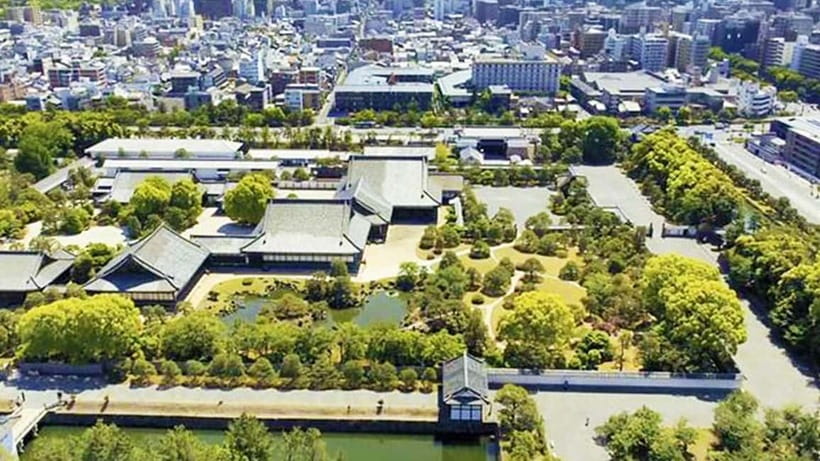
Once you’re inside the grounds, you’ll notice something that’s easy to miss on your own: the castle isn’t trying to look like a battlefield fortress. It’s built for silent control, using layers of gates and corridors to mess with your movement and your expectations.
That’s the key theme your guide will point out: not defense in the medieval sense, but dominance through architecture. You’re walking through spaces designed not for war, but for display—spaces that make you feel watched and guided.
This is where a small group matters. With up to 10 people, you can ask why a passage is shaped a certain way or what the shogun’s message really was in Kyoto. If you’re the type who reads signs and still wants the “so what,” this tour format fits you.
Shoe-off palace time: what to expect when you enter Ninomaru
You’ll likely get your first reminder about one basic rule: inside the palace, everyone removes their shoes. That can feel slightly awkward at first, but it’s part of the experience. You’re stepping into a space built for careful etiquette, not casual wandering.
The tour stays mostly flat, so the physical effort is low. Still, plan for a slower rhythm once you’re inside—shoe removal and careful movement take a bit of time, even for confident walkers.
If you’re traveling with kids or older family members, this matters too. The good news is the overall tour length is controlled, and the pacing is gentle. In at least some bookings, people have even described it as private-style when the group is tiny, which can make the “shoe-off” moment easier because you’re not constantly waiting behind a crowd.
Ninomaru Palace rooms that show hierarchy the moment you step in
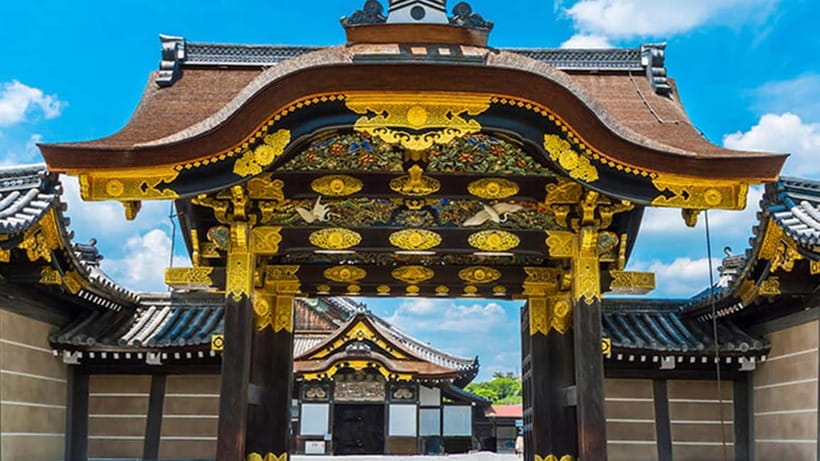
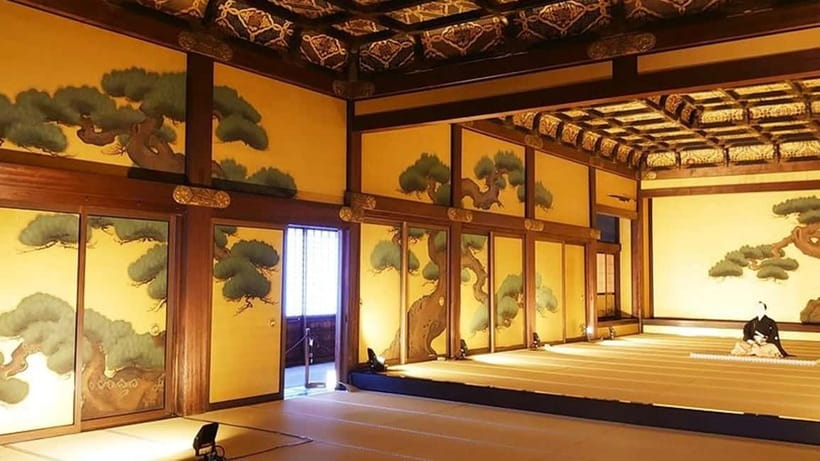
The heart of Nijo Castle’s storytelling is the Ninomaru Palace. Your guide will point out how the building uses everyday details to communicate strict social hierarchy—like room size, floor height, and decoration choices that signal who is expected to sit where and how people should behave.
This is one of my favorite parts because it turns architecture into an explanation. You’re not just hearing dates and names; you’re learning how power was practiced through physical comfort, sightlines, and access.
Your eyes will start doing more work here. You’ll notice layered corridors and gates that can psychologically overwhelm you—not with violence, but with confusion and control. It’s a big idea, explained in small design decisions you can actually see.
Readers also shortlisted these Tokyo bookings:
- Tokyo: Imperial Palace and Shogun Historical Walking Tour★ 5.0 · 2,251 reviews
- Tokyo: Imperial Palace Japanese History Walking Tour★ 4.9 · 987 reviews
- Yanaka Walking Tour: Historic and Traditional District of Tokyo★ 5.0 · 530 reviews
- Tokyo: Shinjuku Historical Walking Tour & Secret Backstreets★ 5.0 · 530 reviews
- Mt. Fuji Heritage Tour: Traditional Villages, Lakes & Shrine★ 4.5 · 509 reviews
The nightingale floors: why the chirp matters
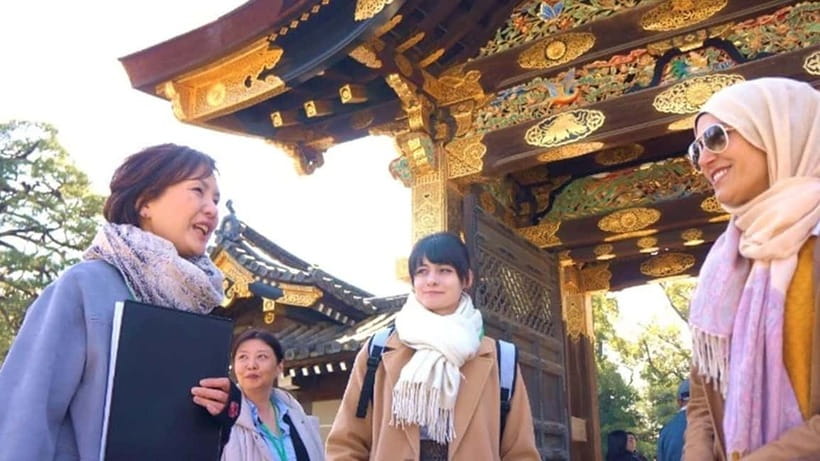
Then comes the famous feature: the nightingale floors. These are the boards that chirp when someone steps on them, and that sound wasn’t an accident—it was a way to expose intruders.
This is one of those moments that feels almost too clever until you understand the logic behind it. In a palace meant for authority and surveillance, sound becomes a security system. It’s also a reminder that “peaceful” can still mean “watchful.”
I’d treat this as your cue to slow down. Listen while you move, and pay attention to what your guide explains about why this floor detail exists and what it was meant to do.
The 1867 room where power returns to the Emperor
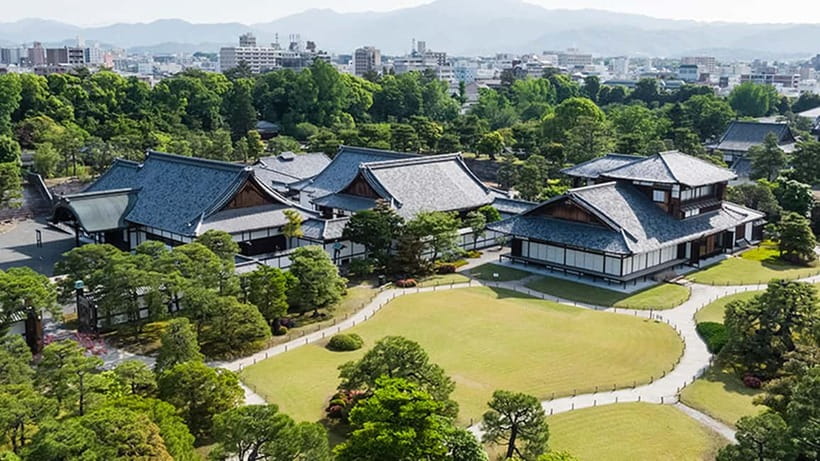
The tour doesn’t stop at shogun-era architecture for its own sake. You’ll also stand in the very room where, in 1867, Tokugawa Yoshinobu returned authority to the Emperor—ending over 260 years of shogunate rule and helping usher in the Meiji Restoration.
That moment gives the castle a second meaning. Early on, you’re seeing Tokugawa power in display mode. Later, you see how that same system eventually loses its grip, and how the story shifts back toward the Emperor.
This is also where the shogun vs. emperor rivalry theme lands hardest. You’re not learning it as trivia—you’re connecting it to the physical space that held the turning point.
If you enjoy history you can picture, this ending will stick with you longer than a checklist of sights.
Price and value: $40 for admission plus a 90-minute guide
At $40 per person for admission included and a 1.5-hour guided walkthrough, the value is strong for a few reasons.
First, you’re paying for time with an English-speaking guide who can connect details you’d otherwise skip. Second, the small group cap keeps questions realistic. You can ask the “why” behind the design choices, and you’re not waiting your turn for the one planned photo stop.
Also, the tour format is built for decision-makers: you get the big Nijo Castle ideas without turning it into a half-day project. That’s useful if you’re juggling multiple Kyoto locations (and want to keep your energy for evenings).
Who should book this Nijo Castle tour (and who might prefer DIY)
This tour is a great match if you:
- want Nijo Castle’s meaning, not just its look
- like English explanations and Q&A
- enjoy learning how power works through everyday design choices
- travel with family members who benefit from structured timing (the tour can work well even with mixed ages)
You might prefer a DIY visit if you:
- want maximum time to linger in one room
- hate removing shoes in indoor spaces
- prefer quiet, independent pacing without a guide timeline
One more practical note: because the group is small, some departures can feel almost private. If you’re hoping for more interaction, this is exactly the kind of tour setup that makes that possible.
Should you book this Nijo Castle guided tour?
If you’re visiting Kyoto and you want one World Heritage site that explains power, hierarchy, and a turning-point in Japanese history, I think this is an easy yes. The admission-included price plus the guided focus on details you’d miss on your own makes it a strong value.
Book it especially if the nightingale floors and the shogun-to-Emperor transition matter to you. If you’re just sightseeing without caring about meaning, you could still enjoy it—but you’ll likely get the most from it when you’re ready to listen and look closely.
FAQ
FAQ
Where do I meet the guide?
Meet outside Exit 1 of Nijōjō-mae Station. The guide will be holding a sign that says Local Guide Stars.
Is admission to Nijo Castle included?
Yes. Admission to Nijo Castle is included in the tour price.
How long is the tour?
The tour lasts about 90 minutes, including the guided walk through the castle areas.
What language is the tour guide?
The live tour guide speaks English.
How big is the group?
The group is limited to a small size, with up to 10 participants.
Is the tour wheelchair accessible?
Yes, the tour is wheelchair accessible.
Do I need to remove my shoes?
Yes. When entering the palace, all visitors must remove their shoes.
What are the main highlights I should look for?
Expect the nightingale floors that chirp beneath your feet, the Ninomaru Palace with its hierarchy-focused layout, the koi views around the moats, and the room tied to the 1867 authority return by Tokugawa Yoshinobu.
Where will the tour start and end?
It starts and ends at Nijōjō-mae Station.
Is there a cancellation option?
Yes. You can cancel up to 24 hours in advance for a full refund.
Can I reserve now and pay later?
Yes. You can reserve your spot and pay later to keep plans flexible.
More Guided in Tokyo
- Tokyo 6hr Private Tour with Government-Licensed Guide
★ 5.0 · 3,902 reviews - Tokyo: Shinjuku Local Bar and Izakaya Guided Walking Tour
★ 4.9 · 1,794 reviews - Tokyo: Private City Highlights Tour with Local Guide
★ 4.8 · 1,433 reviews - Tokyo: Tsukiji Fish Market Guided Walking Tour
★ 4.9 · 1,397 reviews - Tokyo 4hr Private Tour with Government-Licensed Guide
★ 5.0 · 1,394 reviews
More Tours in Tokyo
- Mt Fuji and Hakone 1-Day Bus Tour Return by Bullet Train
★ 5.0 · 26,383 reviews - 1-Day Tokyo Bus Tour
★ 5.0 · 14,250 reviews - Tokyo: Shinjuku Food Tour (13 Dishes at 4 Local Eateries)
★ 5.0 · 6,603 reviews - Tokyo Mt Fuji 5th St & Hakone Cruise Bus Tour w/Bullet Train
★ 4.4 · 5,024 reviews - Flagship 2-Hours Official Street Go-Kart Tour – Tokyo Bay Shop
★ 5.0 · 4,974 reviews
More Tour Reviews in Tokyo
- Mt Fuji and Hakone 1-Day Bus Tour Return by Bullet Train
★ 5.0 · 26,383 reviews - 1-Day Tokyo Bus Tour
★ 5.0 · 14,250 reviews - Tokyo: teamLab Planets TOKYO Digital Art Museum Entry Ticket
★ 4.6 · 9,779 reviews - Mt Fuji & Hakone Cruise, Drum Show Bullet Train 1 Day from Tokyo
★ 4.0 · 7,413 reviews - Tokyo: Shinjuku Food Tour (13 Dishes at 4 Local Eateries)
★ 5.0 · 6,603 reviews
Latest Tokyo reviews off our desk






Historical Tours, compared.
 ★ 5.0Imperial Palace and Shogun Historical Walking TourFrom $222,251 reviews
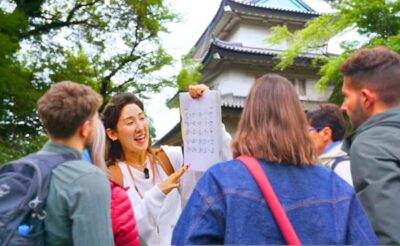 ★ 4.9Imperial Palace Japanese History Walking TourFrom $32987 reviews
 ★ 5.0Shinjuku Historical Walking Tour & Secret BackstreetsFrom $25530 reviews
 ★ 5.0Yanaka Walking Tour: Historic and Traditional District of TokyoFrom $72530 reviews
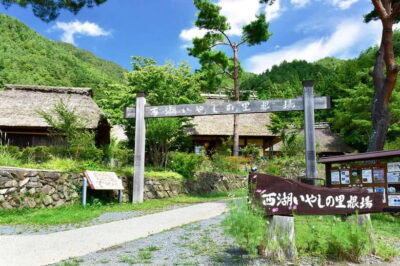 ★ 4.5Mt. Fuji Heritage Tour: Traditional Villages, Lakes & ShrineFrom $50509 reviews
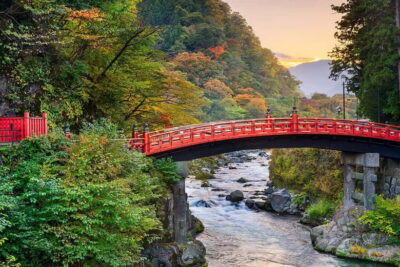 ★ 4.9From Tokyo: Nikko World Heritage Site Private Full-Day TripFrom $483243 reviews
 ★ 4.9The Best of Izakaya in Shinjuku Food & Cultural TourFrom $129221 reviews
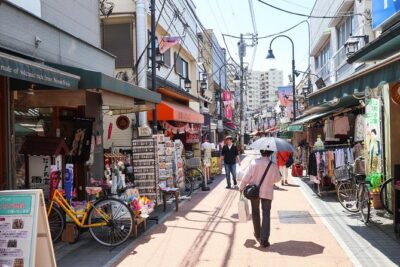 ★ 5.0Yanaka Historical Walking Tour in Tokyo’s Old TownFrom $81182 reviews
Browse the lists this tour appears in