
Reviewed · SHIBUYA EXPERIENCES
Make Traditional Nerikiri Sweets & Matcha experience in Shibuya
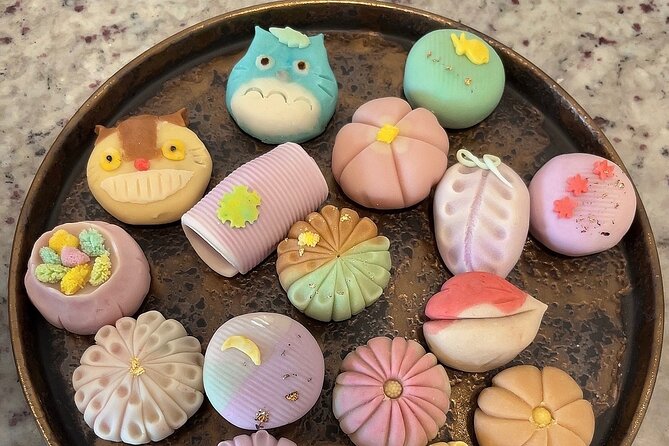
Tokyo can feel fast. This class slows you down. In a small-group setting near Omotesando, you learn how to shape nerikiri (bean-paste confectionery) with clear, patient guidance from Hana sensei, then you finish with a calm, table-style matcha tea moment. I especially like the hands-on flow: you start with sample designs, shape multiple pieces, and end up with an original creation you can take home. One thing to consider is that you’re working with delicate shapes and hot tea, so it helps if you’re comfortable taking your time and staying focused rather than rushing.
What I like most is the balance of technique and creativity—three guided shapes first, then your own design. I also like that the experience is practical: the skills are the kind you can try again later, plus you get to see everyday Tokyo life in your instructor’s home. The possible drawback is that this is in a residential setting, so it’s not the place for big sightseeing stops mid-class—you’ll plan around it.
In This Review
- Key things to know before you go
- Nerikiri and matcha in Harajuku: why this feels like more than dessert
- Meeting at Omotesando and stepping into a local home
- The class rhythm: sample shapes first, then your original nerikiri
- What you’ll eat during the lesson: 4 sweets plus hot matcha
- Matcha etiquette at the table: calm focus, not performance pressure
- Timing in Tokyo: 9:00, 13:00, or 15:30 with Shibuya and Harajuku plans
- Price and value: why $60 can make sense for craft + tea
- Who should book (and who might skip)
- The host factor: why Hana sensei keeps showing up in reviews
- Final verdict: should you book this nerikiri and matcha class?
- FAQ
- What exactly do I make in the nerikiri class?
- How long does the experience take?
- What’s included in the food and drinks?
- Where does the class start and how do I find it?
- What group size should I expect?
- Is this class suitable for vegans or vegetarians?
- Are there set session times?
Key things to know before you go
- Small-group class (max 4 travelers), so you get hands-on attention instead of waiting your turn
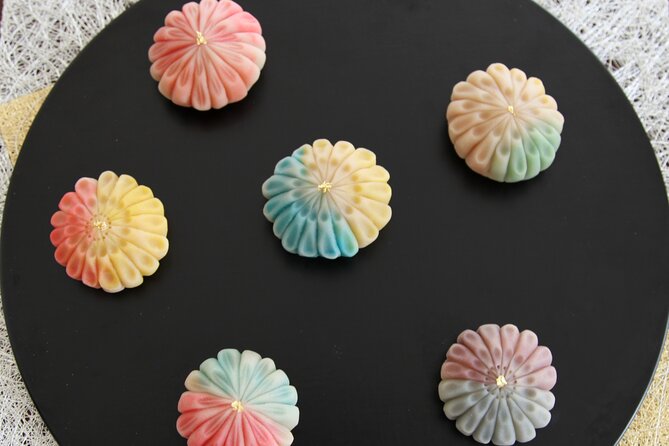
- Make and take home all your nerikiri, including an original design
- Table-style matcha tea ceremony paired with Japanese sweets sourced from across Japan
- Harajuku/Omotesando location means you can tack on Meiji Shrine, Takeshita Street, and Shibuya Crossing afterward
- All-ages friendly with vegan/vegetarian suitability, plus the host can handle certain ingredient requests
Nerikiri and matcha in Harajuku: why this feels like more than dessert
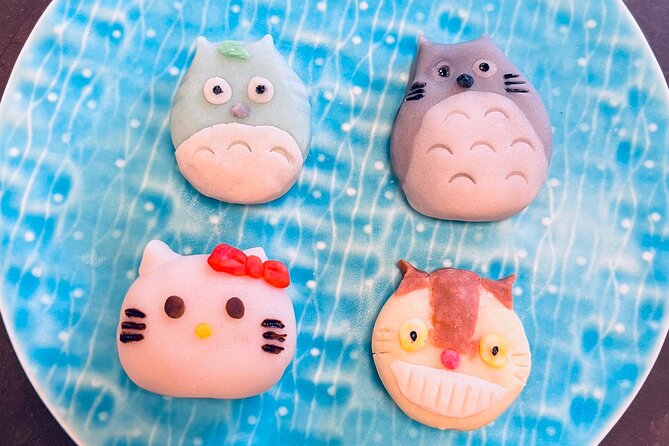
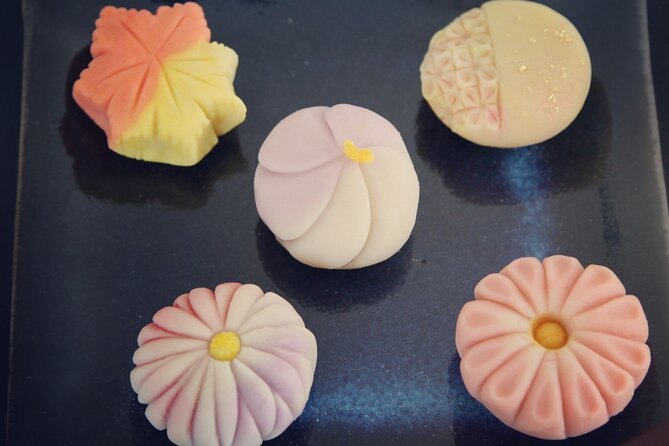
If you like Japanese food, this class gives you the why behind the sweetness. Nerikiri isn’t just “cute dessert.” It’s a craft built around texture, color, and shape—usually seasonal, usually precise. You’ll practice the steps that make the dough flexible, then shape it into sets of small, elegant forms.
The other reason I’d put this on your Tokyo shortlist is the pairing. You don’t just make sweets and leave. You sit down for matcha served as part of a neat, respectful tea ceremony style. That turns the whole experience into something you can remember with your senses—scent, temperature, and the way sweetness changes when you drink tea with it.
And because it’s in central Tokyo, you’re not stuck on the outskirts. You’re close to Harajuku and Shibuya, which makes it easier to balance “culture class” with “real Tokyo wandering.”
More booked around Shibuya Crossing
- Official Street Go-Kart in Shibuya
★ 5.0 · 3,435 reviews - Tokyo: Street Kart Experience in Shibuya
★ 4.9 · 1,484 reviews - Shibuya Meltdown Nightlife Tour: All-You-Can-Drink Bar Hopping
★ 5.0 · 1,058 reviews - Shibuya Official Street Go-Kart in Shibuya Annex
★ 5.0 · 972 reviews
Meeting at Omotesando and stepping into a local home
You meet at CHUMS Omotesando—specifically across the street in front of the Brown building—then you take a short walk together (about 30 seconds) to the instructor’s place. The starting address is 5-chōme-2-21 Jingūmae, Shibuya, Tokyo 150-0001, and you’re also described as being about a 3-minute walk from Omotesando Station.
That location matters more than it sounds. Omotesando is convenient, clean, and easy to navigate, even if you’re new to Tokyo transit. It also helps that the experience ends back at the meeting point area, so you’re not stuck reverse-traveling across the city.
Once you arrive, you’re not in a demo studio. You’re in the instructor’s home environment. Multiple reviews highlight this as a highlight because it feels more real than a storefront workshop—an inside look at how inner-city Tokyoites live.
The class rhythm: sample shapes first, then your original nerikiri
The workshop is built like a skills lesson, not just a craft session. First, you choose from sample designs and practice making three different shapes. This step is important because it teaches you the “language” of nerikiri—how the bean paste behaves, how to keep edges clean, and how to get the right look without forcing it.
Then comes the part you’ll likely remember most: creating your own original design. You get to select an idea, refine it, and build something personal. Since you’re making multiple pieces, you also get time to compare textures and shapes as you go—your earlier attempts help you improve the later one.
You’ll also get the practical angle. The highlights promise skills you can recreate at home later, and that usually means you’re learning techniques rather than just following a single recipe. With a careful instructor—Hana sensei shows up repeatedly in reviews as patient and encouraging—you’ll feel less intimidated when your first shapes don’t look perfect.
A quick reality check: nerikiri requires concentration. It’s not heavy labor, but it is “hands-on and careful.” If you like fast, chaotic experiences, this one may feel intentionally slow. If you enjoy detail work, it’s a sweet payoff.
What you’ll eat during the lesson: 4 sweets plus hot matcha
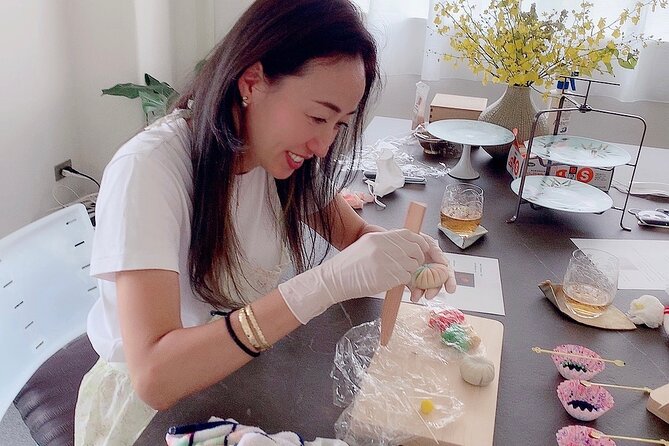
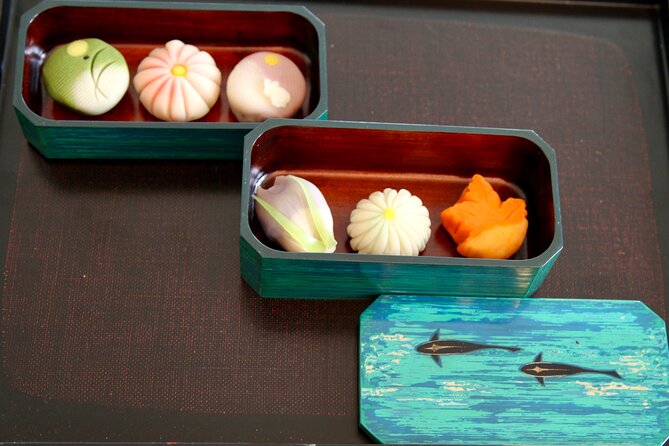
Your meal is baked into the experience. The class includes four sweets total and a hot drink. The structure is basically: you make the nerikiri pieces, then you sit down for matcha along with Japanese sweets that are selected from all over Japan.
This is a smart design for food lovers. You get to taste the end result you made (the nerikiri you shaped), and then you taste additional confections to broaden your idea of what Japanese sweets can be. That pairing is where the flavors start to make sense—bean paste sweetness reads differently when matched with freshly prepared matcha.
If you’re thinking about dietary fit, the information says the experience is suitable for vegans and vegetarians. And while the data doesn’t promise every ingredient substitution for every request, there is an example in the reviews of the host contacting a guest about swapping alcohol-containing ingredients for halal sensibility. Translation: don’t be shy about mentioning needs at booking.
Also, don’t underestimate the temperature factor. Hot matcha changes how you perceive sweetness and texture, especially alongside delicate, shaped sweets. You’ll be eating at a table in a calmer setting, not standing in a rush.
Matcha etiquette at the table: calm focus, not performance pressure
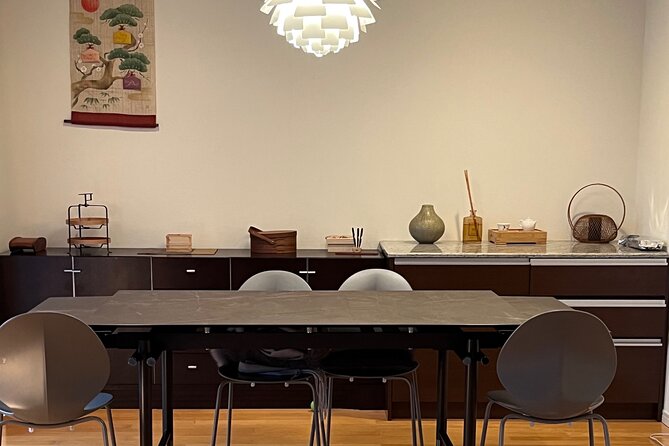
The tea portion is described as a table-style tea ceremony, and reviews repeatedly frame it as neat and easy to follow. This matters because many tea experiences can feel overly formal if you don’t know the background.
Here, you’re guided through the process while still being able to enjoy the moment. You learn the flow—how matcha is prepared and served, and how the ritual supports the tasting. In reviews, people also call out the combination of matcha etiquette plus nerikiri shaping as unforgettable, especially for families and first-timers.
I like table-style tea for one simple reason: it’s approachable. You’re not standing in a strict choreographed space. You’re sitting, eating, and learning, which means the class feels friendly even if it’s your first time in Japan.
More tea rooms our readers rated
- Matcha Making Class in Tokyo with Authentic Japanese Sweets Set★ 5.0 · 744 reviews
- Tokyo: Traditional Tea Ceremony with a Tea Master★ 5.0 · 528 reviews
- Tokyo: Matcha Making Experience with Mochi Sweets in Asakusa★ 4.9 · 388 reviews
- Tokyo: Matcha and Kimono Experience★ 4.7 · 219 reviews
- Tea Ceremony Workshop in Tokyo by the Experienced Instrucor★ 5.0 · 189 reviews
Timing in Tokyo: 9:00, 13:00, or 15:30 with Shibuya and Harajuku plans
Your session times are 9:00, 13:00, and 15:30, and the workshop is about 1 hour 30 minutes. Time choice affects how much Tokyo you can pack around it, and the location makes that easier.
A morning session at 9:00 is useful because many shops open later. That gives you a head start on your Tokyo day while everyone else is still waking up. It’s also a nice way to avoid peak crowds before you head toward busier streets later.
An afternoon slot can work best if you’re already doing neighborhood sightseeing. Harajuku and Omotesando are perfect for a “walk and snack” mood, then this class becomes your sit-down break with something hands-on.
After the experience, you’re set up for iconic stops on foot, including Meiji Shrine, Takeshita Street, and Shibuya Crossing. That’s one of the quiet benefits of booking a central cultural activity: it’s not competing with your sightseeing—it supports it.
Price and value: why $60 can make sense for craft + tea
At $60 per person, you’re paying for more than ingredients. You’re paying for (1) teacher time, (2) a small group size (max 4), and (3) the experience design that bundles nerikiri making with matcha and additional sweets.
If you’ve done Tokyo workshops before, you know the main cost driver is personal instruction. This class isn’t a big factory line where you all make one identical sweet. It’s a guided practice where you make multiple pieces and create an original design.
You also get physical take-home value: everything you make can be taken with you. That’s a big deal in Tokyo, where food experiences often end on the spot and you’re left wishing you could recreate them later.
So the “value” equation here is pretty clean:
- Skill-building (technique practice)
- Output you can keep (your nerikiri pieces)
- Food included (4 sweets plus hot matcha and other Japanese sweets)
- Central location that reduces transit friction
If your priority is just a quick dessert, you’ll find cheaper options. If your priority is a meaningful Japanese food craft with guided tea, this price is easier to justify.
Who should book (and who might skip)
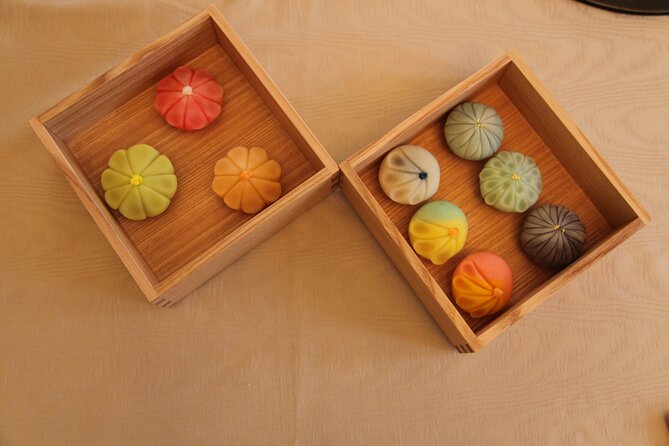
This class is ideal if you want Japanese culture through food you can actually handle. It’s especially good for people who enjoy detail work, like shaping, coloring, and careful finishing. Reviews also show it works well for young kids through seniors, which suggests the instructor is skilled at pacing different ages in the same group.
It’s also a good choice if you like taking home a souvenir that isn’t mass-produced. Your nerikiri pieces—made by your hands—carry the story of the class. That’s the kind of souvenir that makes sense in a suitcase.
You might want a different activity if you dislike structured instruction or you strongly prefer high-energy sightseeing nonstop. This is intentionally a calm, thoughtful class. The upside is that time flies, but the style is still slow-craft, not chaotic fun.
The host factor: why Hana sensei keeps showing up in reviews
In the reviews, Hana sensei is repeatedly mentioned as patient, kind, and encouraging. People call out clear techniques and the courage to try again if a first attempt doesn’t go well. That’s not a small detail. Nerikiri can look intimidating, and a nervous student won’t suddenly become confident without good guidance.
Many reviews also mention that she offers extra travel suggestions for the rest of your Tokyo day, which is a bonus when you’re trying to map out a route. One review even notes that the host used fluent English and Japanese support, which reduces the chance of missing key steps in the craft.
If you’re someone who values a warm teacher, this matters. A small group plus strong instruction is how you get the sense that you learned something real, not just attended a performance.
Final verdict: should you book this nerikiri and matcha class?
I’d book this if you want a hands-on Japanese sweets experience in central Tokyo that ends with an actual tea ritual, not just a taste. The combination of making multiple nerikiri pieces, adding an original design, and then enjoying matcha with included sweets makes it feel complete.
Choose a time slot based on your day plan: 9:00 for a head start, 13:00 if you want a mid-day break, and 15:30 if you want an afternoon craft before evening exploring.
One more decision tip: if you have dietary concerns, mention them clearly at booking. The information says vegan/vegetarian suitability, and at least one review shows ingredient sensitivity was addressed. That’s a sign the host pays attention.
FAQ
What exactly do I make in the nerikiri class?
You start by choosing from sample designs and making three different nerikiri shapes, then you make your own original nerikiri design. Everything you make can be taken home.
How long does the experience take?
It’s about 1 hour 30 minutes (approx.).
What’s included in the food and drinks?
You’ll receive four sweets total, plus a hot drink. After making the nerikiri, you enjoy matcha in a table-style tea ceremony, along with additional Japanese sweets.
Where does the class start and how do I find it?
You meet across CHUMS Omotesando (in front of the Brown building). The meeting area is listed at 5-chōme-2-21 Jingūmae, Shibuya, Tokyo 150-0001, and it’s about a 3-minute walk from Omotesando Station.
What group size should I expect?
The class has a maximum of 4 travelers, so it’s designed to be small and interactive.
Is this class suitable for vegans or vegetarians?
Yes. The experience is described as suitable for vegans and vegetarians.
Are there set session times?
Yes. The listed times are 9:00, 13:00, and 15:30.
More Tour Reviews in Tokyo
- Mt Fuji and Hakone 1-Day Bus Tour Return by Bullet Train
★ 5.0 · 26,383 reviews - 1-Day Tokyo Bus Tour
★ 5.0 · 14,250 reviews - Tokyo: teamLab Planets TOKYO Digital Art Museum Entry Ticket
★ 4.6 · 9,779 reviews - Mt Fuji & Hakone Cruise, Drum Show Bullet Train 1 Day from Tokyo
★ 4.0 · 7,413 reviews - Tokyo: Shinjuku Food Tour (13 Dishes at 4 Local Eateries)
★ 5.0 · 6,603 reviews
More Tea and Matcha Rooms
- Matcha Making Class in Tokyo with Authentic Japanese Sweets Set
★ 5.0 · 744 reviews - Tokyo: Traditional Tea Ceremony with a Tea Master
★ 5.0 · 528 reviews - Tokyo: Matcha Making Experience with Mochi Sweets in Asakusa
★ 4.9 · 388 reviews - Tokyo: Matcha and Kimono Experience
★ 4.7 · 219 reviews - Tea Ceremony Workshop in Tokyo by the Experienced Instrucor
★ 5.0 · 189 reviews
More Around Shibuya Crossing
- Official Street Go-Kart in Shibuya
★ 5.0 · 3,435 reviews - Tokyo: Street Kart Experience in Shibuya
★ 4.9 · 1,484 reviews - Shibuya Meltdown Nightlife Tour: All-You-Can-Drink Bar Hopping
★ 5.0 · 1,058 reviews - Shibuya Official Street Go-Kart in Shibuya Annex
★ 5.0 · 972 reviews - Tokyo: Shibuya Food Tour (13 dishes and 4 Eateries)
★ 5.0 · 770 reviews
Latest Tokyo reviews off our desk




Shibuya Experiences, compared.
 ★ 5.0Official Street Go-Kart in ShibuyaFrom $763,435 reviews
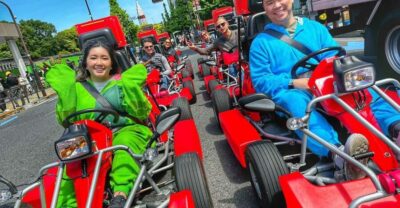 ★ 4.9Street Kart Experience in ShibuyaFrom $741,484 reviews
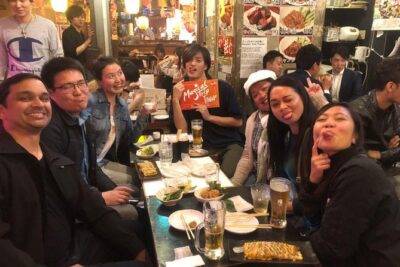 ★ 5.0Shibuya Meltdown Nightlife Tour: All-You-Can-Drink Bar HoppingFrom $1061,058 reviews
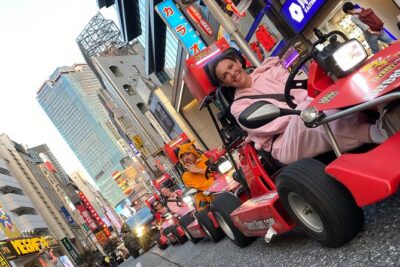 ★ 5.0Shibuya Official Street Go-Kart in Shibuya AnnexFrom $69972 reviews
 ★ 5.0Shibuya Food Tour (13 dishes and 4 Eateries)From $77770 reviews
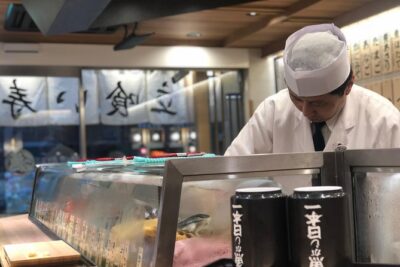 ★ 5.0Best of Shibuya Food TourFrom $217612 reviews
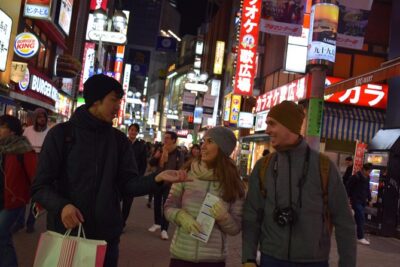 ★ 4.8Shibuya Highlights Walking TourFrom $19601 reviews
 ★ 4.7Premium Go-Kart Tour with Tower & Shibuya CrossingFrom $116528 reviews
Browse the lists this tour appears in