
Reviewed · TEA CEREMONY & MATCHA
Tokyo: Traditional Tea Ceremony with a Tea Master
Matcha lessons can be strangely calming. Ocharu Tea Ceremony, right across from Tokyo University, turns Japanese tea culture into a practical, hands-on session where you make and drink matcha in just 60 minutes. I love the direct, step-by-step matcha making with a real tea master, plus the calm pacing that makes it feel more like a workshop than a performance.
I also like the tasting lineup: you start with wakocha, then move into Gyokuro sencha, and you get seasonal wagashi from Ougiya during the tasting. One consideration: the experience is not suitable for wheelchair users.
In This Review
- Key Highlights Worth Prioritizing
- One-Hour Tokyo Tea Ceremony: What the Timing Really Gives You
- Wakocha Welcome: The Fruity-Floral Start That Sets Your Palate
- Gyokuro Sencha Tasting and Ougiya Wagashi: Seeing Tea as Flavor Layers
- Make Your Own Matcha: The Part You’ll Actually Use Later
- Genmaicha Finale: The Comfort Tea That Closes the Loop
- Keepsakes That Make It Feel Real: Certificate, Photo, and Small Extras
- Across From Tokyo University: How to Find Ocharu Without Wasting Time
- Price and Value: Is $38 a Good Deal for 60 Minutes?
- Who This Tea Ceremony Works Best For
- Should You Book Ocharu Tea Ceremony?
- FAQ
- How long is the tea ceremony?
- What teas will I try during the session?
- Is the session taught in English?
- Where do I meet for the activity?
- Is this experience suitable for wheelchair users?
- Can I cancel and get a refund?
Key Highlights Worth Prioritizing
- Hands-on matcha whisking with traditional tools and utensils
- Four tea stages: wakocha, Gyokuro sencha, matcha, then Genmaicha
- Seasonal wagashi from Ougiya, a longtime name in Japanese confectionery
- Certificate plus group photo so the experience feels real and keepsake-worthy
- Across from Tokyo University, so you can plan it with other nearby stops
- English guidance from an English-speaking tea master (names you may see include Ekiko and Shinichi-san)
One-Hour Tokyo Tea Ceremony: What the Timing Really Gives You
This is a tight, focused 60-minute format, which is a plus in Tokyo. You get enough structure to learn the sequence (and why each step comes next), without losing half a day to a long tour.
The flow is built around clear stages: a welcome pour, a tea-and-sweets tasting, hands-on matcha making, and a cozy finish with Genmaicha. If you like experiences where you leave with something practical—like knowing what Gyokuro feels like compared with matcha—this one-hour setup fits your time and your attention.
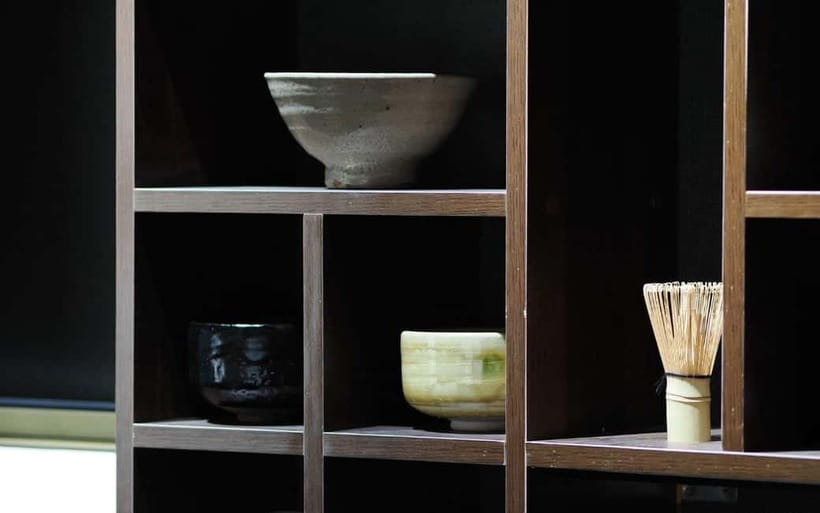
You’ll also be in the dedicated Ocharu Tea Ceremony Room opposite Tokyo University. That location matters more than it sounds. It makes the activity easy to slot into a day of sightseeing, and it keeps you from spending your energy hunting down a hard-to-reach venue.
More tea rooms our readers rated
- Matcha Making Class in Tokyo with Authentic Japanese Sweets Set
★ 5.0 · 744 reviews - Tokyo: Traditional Tea Ceremony with a Tea Master
★ 5.0 · 528 reviews - Tokyo: Matcha Making Experience with Mochi Sweets in Asakusa
★ 4.9 · 388 reviews - Tokyo: Matcha and Kimono Experience
★ 4.7 · 219 reviews
Wakocha Welcome: The Fruity-Floral Start That Sets Your Palate
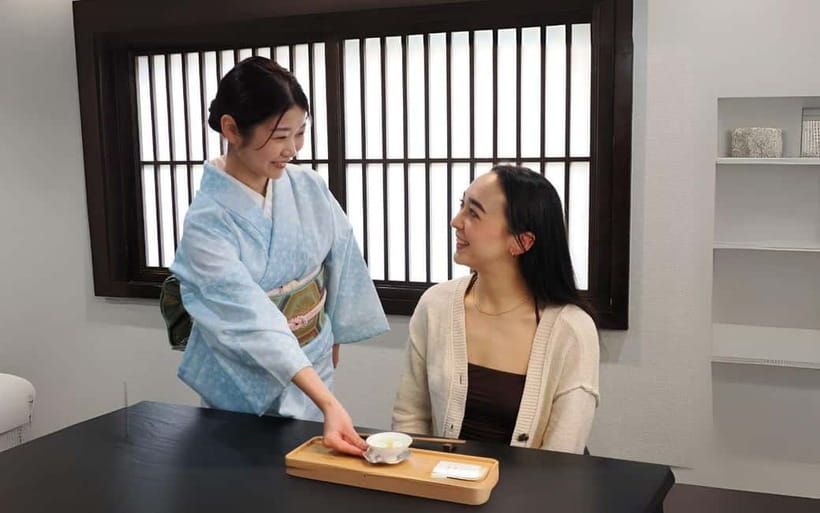
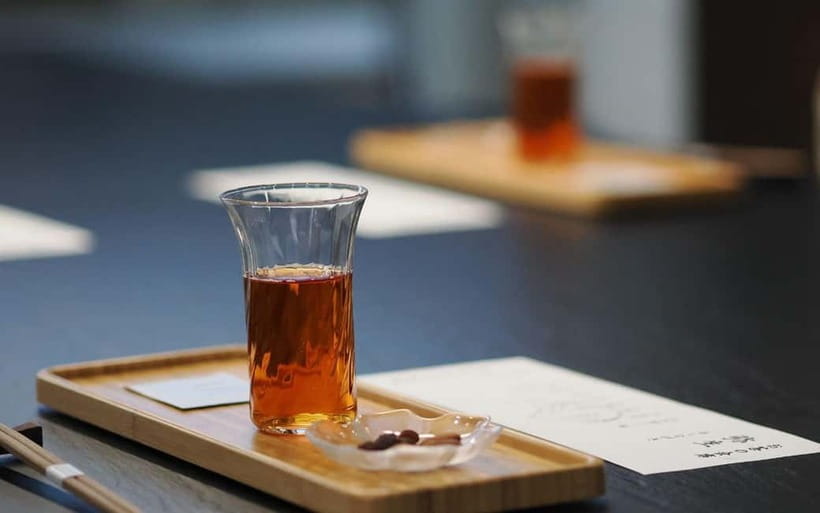
You begin with a welcome tea plus cake. The tea is wakocha, a Japanese black tea from Shizuoka, paired with a traditional tea cake.
Here’s why that opening matters: starting with a black tea profile helps your palate “wake up” before you move into green tea territory. Wakocha brings fruity and floral notes, so it doesn’t taste like a heavy, bitter warm-up. It also gives you a reference point for what changes as the ceremony shifts to higher-grade green teas.
If you’re new to Japanese tea, this is a smart first step. You’ll get a flavor you can recognize (tea cake plus black tea comfort), then you’ll notice the differences as the session progresses.
Gyokuro Sencha Tasting and Ougiya Wagashi: Seeing Tea as Flavor Layers
Next comes Gyokuro sencha. The session isn’t just about drinking; you also get to taste the tea leaves themselves, which makes the tasting more grounded. That small shift helps you understand what you’re actually sampling: not only the liquid, but the flavor locked in the leaves.
During this stage, seasonal wagashi from Ougiya enters the picture. Ougiya is specifically called out for a reason: the sweets are treated like part of the tasting, not a random add-on. Wagashi are often shaped around seasonality and texture, and in a tea ceremony format they’re meant to balance, not compete.
What you should watch for:
- How the sweetness and texture of the wagashi changes the way Gyokuro tastes
- How the tea’s character feels as you move between sips (not just your first impression)
- How the conversation and guidance affect what you notice (especially if you’re listening for details like preparation and water temperature)
This is one of the most praised parts of the experience, and it’s easy to see why. You’re not just consuming tea—you’re learning how tea and sweets work as a pair.
Make Your Own Matcha: The Part You’ll Actually Use Later
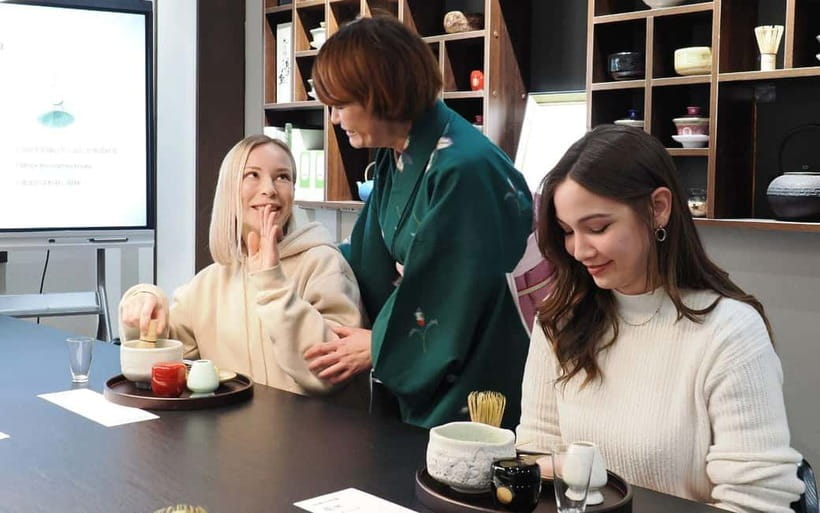
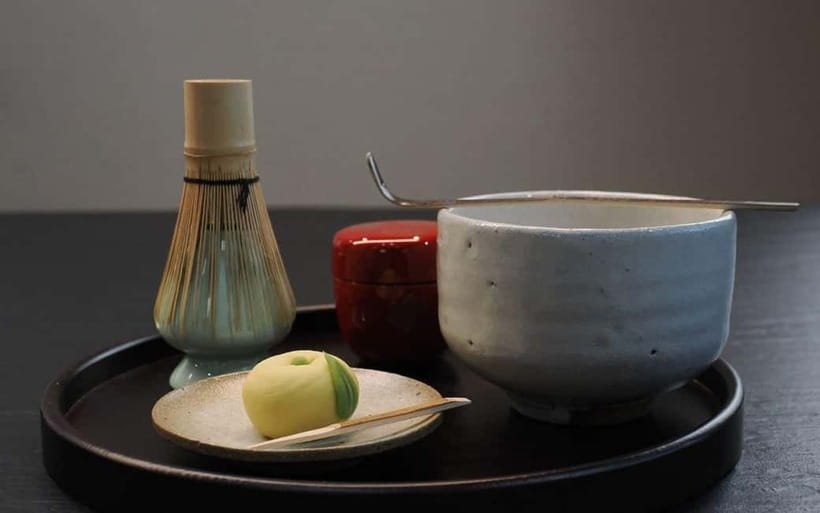
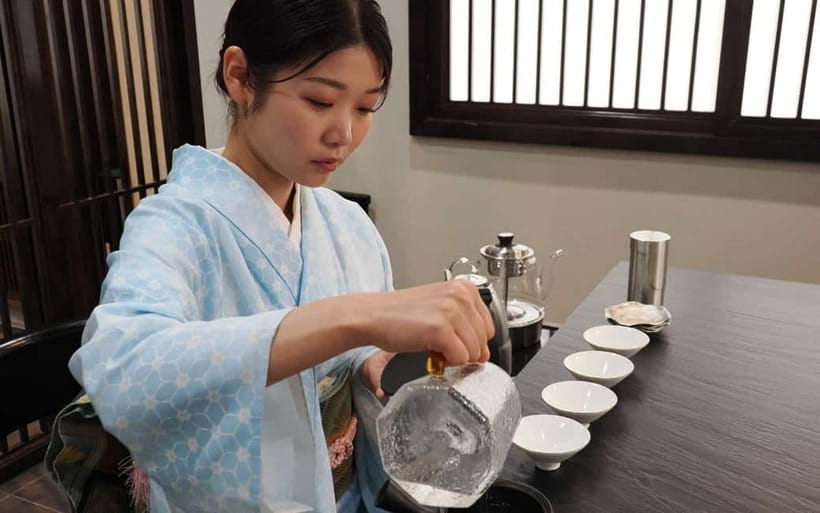
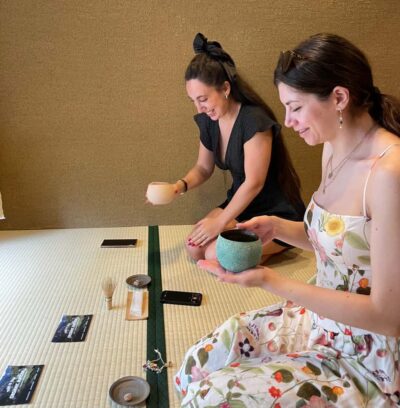
Then you get hands-on. You’ll whisk your own matcha under expert guidance using traditional tools and utensils.
For first-timers, this is the payoff: matcha can taste surprising if you only ever buy it premixed or as a sweet drink. In a ceremony setting, you learn how the foam, thickness, and aroma come from technique and proportions. You also get a better sense of why matcha is treated with more attention than other teas.
From the experience description and what people highlight most, you’re not rushed. You get time to do it yourself, and you’re guided through the basics so you don’t feel lost.
A practical tip: go in with a neutral expectation about how matcha should taste. Your first sip might be stronger or more “green” than a store-bought latte. That’s normal. The point is to learn what fresh matcha tastes like and how ceremony technique shapes the experience.
Also, some sessions include extra teaching moments like etiquette and even discussion around how tea leaves can be eaten. That kind of detail turns matcha making into a deeper cultural lesson, not only a how-to.
Genmaicha Finale: The Comfort Tea That Closes the Loop
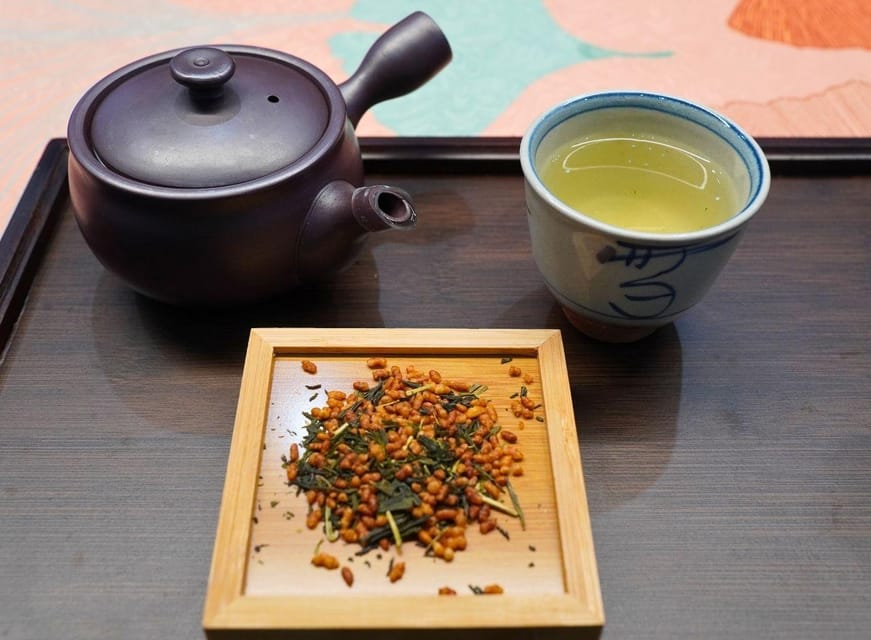
After matcha, you end with Genmaicha: sencha blended with roasted rice from Niigata Prefecture.
This finale is comforting on purpose. Roasted rice softens the green-tea edge and adds a nutty, toasty feeling. It gives your palate a “landing spot” after the intensity of matcha.
If you’re thinking about what to order later in Tokyo, Genmaicha is also a useful takeaway. It’s a tea you can more easily translate to everyday life, especially if you want something less sharp than pure green tea.
- Tokyo: Shinjuku Food Tour (13 Dishes at 4 Local Eateries)★ 5.0 · 6,603 reviews
- Tokyo Mt Fuji 5th St & Hakone Cruise Bus Tour w/Bullet Train★ 4.4 · 5,024 reviews
- Flagship 2-Hours Official Street Go-Kart Tour – Tokyo Bay Shop★ 5.0 · 4,974 reviews
- From Tokyo: Mount Fuji Full-Day Sightseeing Trip★ 4.5 · 4,970 reviews
- Tokyo: Hop-On Hop-Off Sightseeing Bus Ticket★ 3.9 · 4,207 reviews
Keepsakes That Make It Feel Real: Certificate, Photo, and Small Extras
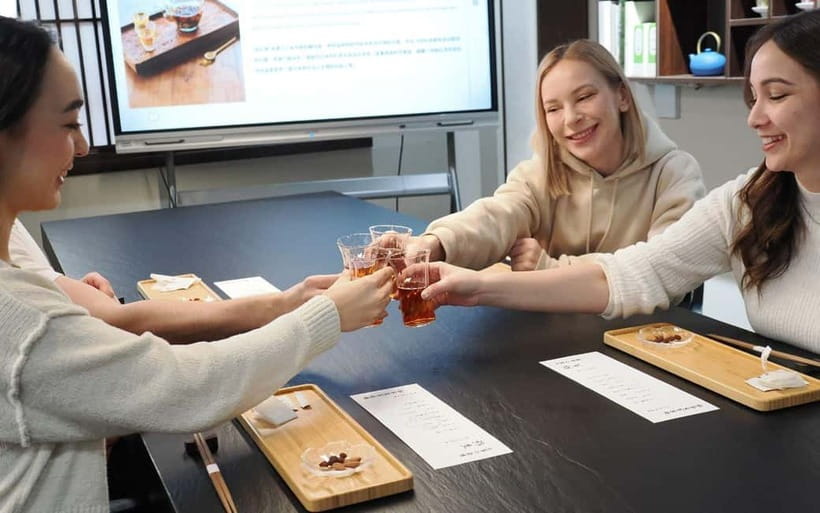
This isn’t just a tea lesson that vanishes the moment you leave. You get a certificate of completion and a group photo as keepsakes.
The certificate adds a satisfying layer of ceremony. In at least some sessions, the certificate is written with your name in Japanese, which makes it feel personal even if you’re traveling light.
You may also pick up small extras along the way. One highlight from people who have done this is being able to keep chopsticks used during the session. It sounds small, but it’s the kind of souvenir that reminds you how specific the details are.
And there’s often a downstairs cafe area connected to the space, where you can keep the tea vibe going. People have mentioned it as a place to drink matcha and even buy tea to take home. Some have also noted buying matcha accessories, and it’s one of the easiest ways to bring the flavors home without turning your trip into a shopping mission.
Across From Tokyo University: How to Find Ocharu Without Wasting Time
Location is a real advantage here. Ocharu is across from Tokyo University, which makes planning easier.
For the meeting point, look for a building with a green logo that says OCHARU. Arrive about 5 minutes early to check in and be ready for the experience.
If you’re using the subway, one practical routing that comes up in people’s comments looks like this: start from Shibuya toward Meiji-Jingumae, then continue to Nezu Station and walk from there. It’s also noted as being near the zoo area, which can help you anchor it on a map.
One last practical thought: the sign can be easy to miss if you’re watching street life instead of the building itself. When you get close, slow down and scan for that green OCHARU logo.
Price and Value: Is $38 a Good Deal for 60 Minutes?
$38 for a one-hour, multi-stage tea ceremony is generally fair value in Tokyo, especially because you’re getting more than a tasting.
You’re included for:
- Multiple tea pours (wakocha, Gyokuro sencha, Genmaicha)
- Seasonal wagashi from Ougiya
- A hands-on matcha making session
- A certificate and group photo
- Entry into the Ocharu Tea Ceremony Room
The value isn’t only the number of items—it’s the structure. You learn the sequence and what each tea style is supposed to taste like, with guidance that helps you notice differences you’d miss if you just ordered tea at a cafe.
If you’re choosing between this and a more general food tour, think about what you want to remember. Food tours give you variety; this gives you a skill-like experience tied to technique, flavor, and etiquette.
Who This Tea Ceremony Works Best For
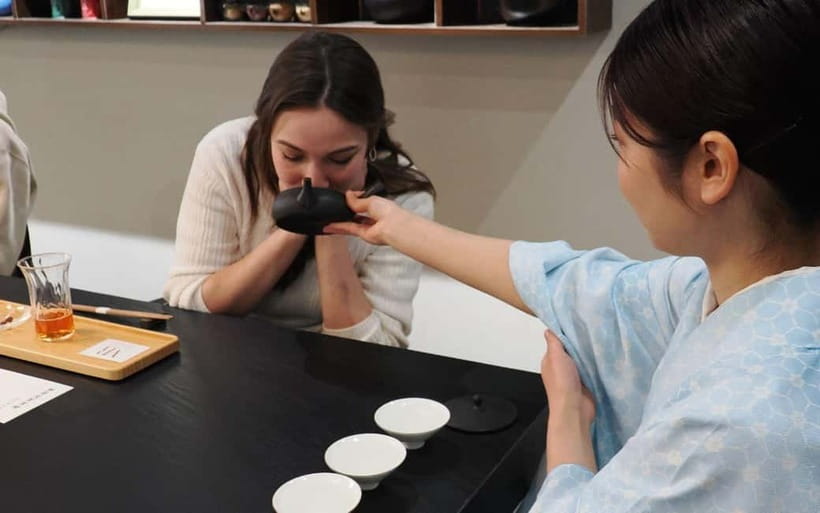
This experience fits especially well if you:
- Want a short cultural activity that won’t eat a full day
- Like food-and-drink learning moments where you can compare flavors
- Enjoy calm, guided experiences more than fast-paced group sightseeing
- Have tea interest but want a clear starting point (Gyokuro, matcha, and Genmaicha are a strong trio)
It also works for mixed groups. People have noted that even non–tea lovers ended up enjoying it, and a family with a 10-year-old mentioned that the guide made an effort to include the child.
The only firm mismatch is mobility: it’s not suitable for wheelchair users.
Should You Book Ocharu Tea Ceremony?
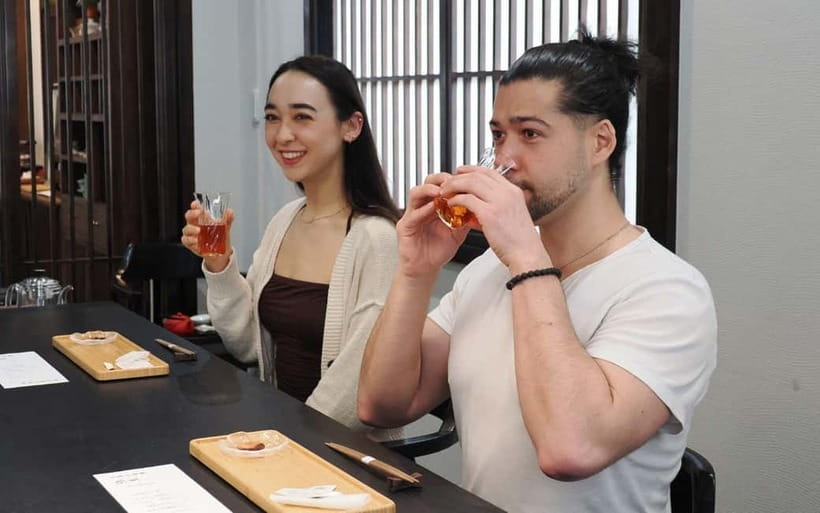
If you’re in Tokyo and you want one memorable tea-focused stop with real instruction, I’d book it. The one-hour schedule is efficient, the tea line-up is diverse (black tea to high-grade green to roasted-rice comfort), and the matcha making is the kind of hands-on learning that sticks.
Book this especially if you like experiences where you leave with both a taste memory and a small artifact like a certificate. If you’re worried about understanding English, note that guidance is English-speaking, but accents can vary—so if that matters to you, arrive a bit early and ask questions if you don’t catch a detail.
FAQ
How long is the tea ceremony?
It lasts 1 hour.
What teas will I try during the session?
You’ll have a welcome wakocha with cake, taste Gyokuro sencha with seasonal wagashi, make and drink matcha, and finish with Genmaicha.
Is the session taught in English?
Yes. The instructor provides English guidance.
Where do I meet for the activity?
Meet at the building with the green OCHARU logo. Plan to arrive about 5 minutes early for check-in.
Is this experience suitable for wheelchair users?
No, it is not suitable for wheelchair users.
Can I cancel and get a refund?
Yes. You can cancel up to 24 hours in advance for a full refund.
More Tour Reviews in Tokyo
- Mt Fuji and Hakone 1-Day Bus Tour Return by Bullet Train
★ 5.0 · 26,383 reviews - 1-Day Tokyo Bus Tour
★ 5.0 · 14,250 reviews - Tokyo: teamLab Planets TOKYO Digital Art Museum Entry Ticket
★ 4.6 · 9,779 reviews - Mt Fuji & Hakone Cruise, Drum Show Bullet Train 1 Day from Tokyo
★ 4.0 · 7,413 reviews - Tokyo: Shinjuku Food Tour (13 Dishes at 4 Local Eateries)
★ 5.0 · 6,603 reviews
More Tea and Matcha Rooms
- Matcha Making Class in Tokyo with Authentic Japanese Sweets Set
★ 5.0 · 744 reviews - Tokyo: Matcha Making Experience with Mochi Sweets in Asakusa
★ 4.9 · 388 reviews - Tokyo: Matcha and Kimono Experience
★ 4.7 · 219 reviews - Tea Ceremony Workshop in Tokyo by the Experienced Instrucor
★ 5.0 · 189 reviews - Tokyo: Asakusa Kimono Dressing and Matcha Experience
★ 4.9 · 173 reviews
Latest Tokyo reviews off our desk






Tea Ceremony & Matcha, compared.
 ★ 5.0Matcha Making Class in Tokyo with Authentic Japanese Sweets SetFrom $21744 reviews
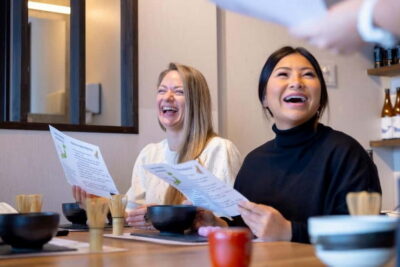 ★ 4.9Matcha Making Experience with Mochi Sweets in AsakusaFrom $22388 reviews
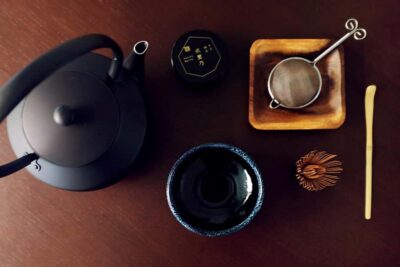 ★ 4.7Matcha and Kimono ExperienceFrom $57219 reviews
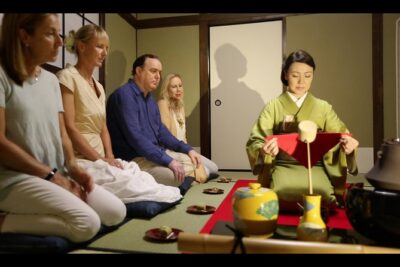 ★ 5.0Tea Ceremony Workshop in Tokyo by the Experienced InstrucorFrom $38189 reviews
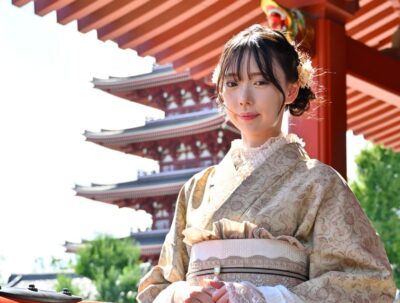 ★ 4.9Asakusa Kimono Dressing and Matcha ExperienceFrom $56173 reviews
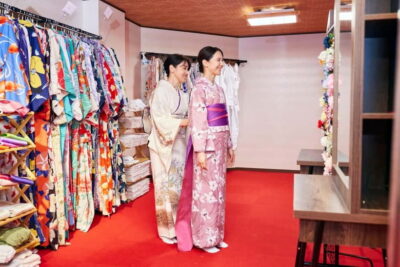 ★ 4.9Asakusa: Kimono Tea Ceremony with Matcha and SweetFrom $66153 reviews
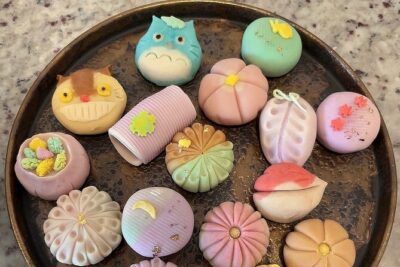 ★ 5.0Make Traditional Nerikiri Sweets & Matcha experience in ShibuyaFrom $60130 reviews
 ★ 4.9Tea Ceremony Experience in a Private Tea Room in ShibuyaFrom $30125 reviews
Browse the lists this tour appears in