
Reviewed · TEA CEREMONY & MATCHA
Tokyo: Matcha and Kimono Experience
A kimono and matcha lesson in Shinjuku. What makes this class fun is the combo: an easy-to-wear kimono that gets you photo-ready fast, and an exclusive first flush matcha experience that turns tasting into a mini skill you can use back home. You’ll explore the big ideas behind Japanese tea culture, then get hands-on with matcha tools and a practical method for making a beautiful bowl.
I love that the session isn’t just one flavor poured once. You’ll compare matcha varieties (including the first-flush pick from a 100+ collection), use your eyes, nose, and tongue to find what you like, and even sort out what makes Japanese matcha different from overseas versions. One possible drawback: a good chunk of time starts with kimono dressing, so if you want the most minutes possible whisking matcha, plan your expectations around that warm-up.
In This Review
- Key highlights worth your time
- First Flush Matcha and an Easy Kimono Near Yotsuya
- Meeting Point Setup: Socks, Silence, and Getting Started
- Your Lesson Plan: Tea Ceremony, Teaism, Matcha, and Kimono
- Finding Your Favorite Matcha by Eyes, Nose, and Tongue
- Real Match vs Fake Matcha: What You’re Supposed to Notice
- Hands-On Matcha Making: Tools, Technique, and Serving Manner
- Kimono Basics: Quick Dressing, Proper Wearing, and Photo Moments
- What You Drink and Eat: Sweets, Welcome Drink, and Timing
- Price and Value at $57 per Person
- Who This Tokyo Matcha and Kimono Class Fits Best
- Should You Book This Matchaful Tokyo Experience?
- FAQ
- Where is the meeting point?
- What should I bring?
- Is the tour suitable for small children?
- What’s included in the experience?
- What matcha will I taste?
- Are alcohol or strong scents allowed?
- Can I make noise during the session?
- What languages is the class taught in?
- What happens if I’m late?
- What is the cancellation policy?
Key highlights worth your time
- First flush matcha tasting from a 100+ selection across Japan
- Real match vs fake matcha comparison to train your palate
- Teaism + tea ceremony taught by a tea expert (often with the host named Komei)
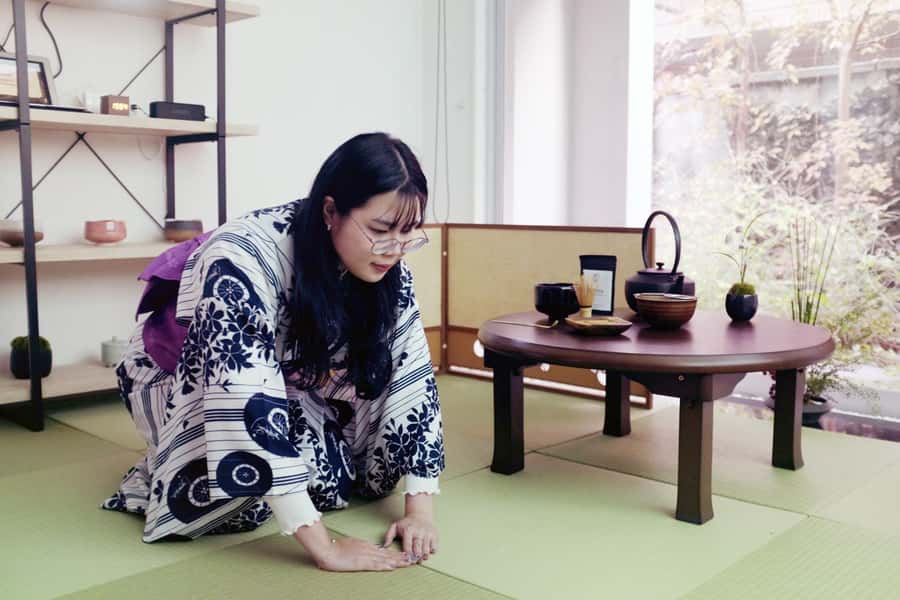
- Easy-to-wear kimono designed for quicker getting dressed than a traditional style
- Matcha tools rental plus etiquette for how to serve and drink
- 4 key points for preparing a beautiful bowl of matcha at home
First Flush Matcha and an Easy Kimono Near Yotsuya
This is a Tokyo cultural class that feels like two great experiences stitched together: kimono time and matcha practice. The location is convenient for sightseeing too, since the meeting point is about a 6-minute walk from Yotsuya station and close to Shinjuku.
The kimono matters here because it’s designed to be easier than the traditional version that can take about 30 minutes to put on. That means you spend less time fussing with fabric and more time doing the cultural bits you came for: learning the tea philosophy, tasting matcha, and making a bowl with the proper tools.
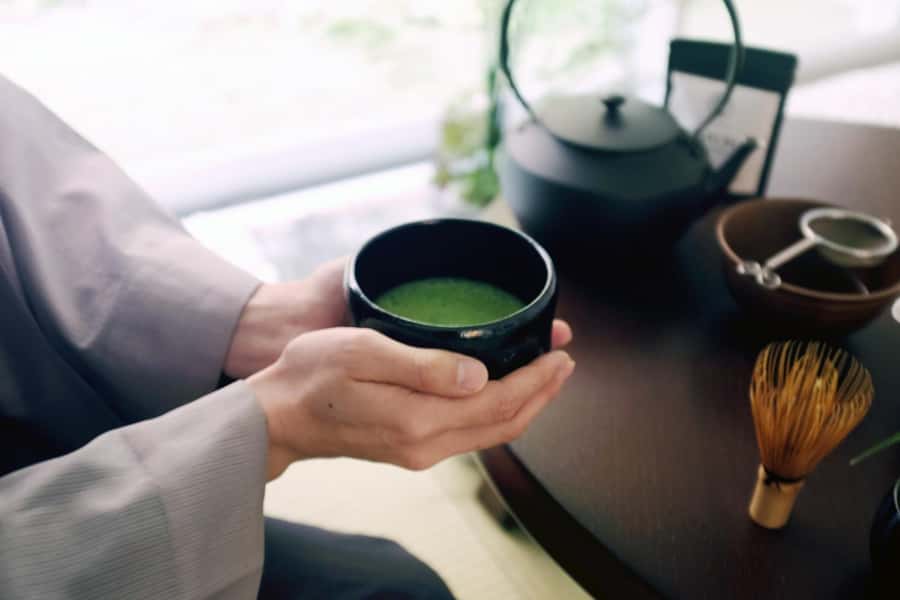
And then there’s the matcha. The class includes an exclusive first flush matcha—positioned as the highest quality first harvest. You’ll be tasting from a larger 100+ matcha collection, which is a big part of why the session doesn’t feel like a one-note tea tour. It’s structured so you can actually decide what you like and why.
More tea rooms our readers rated
- Matcha Making Class in Tokyo with Authentic Japanese Sweets Set
★ 5.0 · 744 reviews - Tokyo: Traditional Tea Ceremony with a Tea Master
★ 5.0 · 528 reviews - Tokyo: Matcha Making Experience with Mochi Sweets in Asakusa
★ 4.9 · 388 reviews - Tokyo: Matcha and Kimono Experience
★ 4.7 · 219 reviews
Meeting Point Setup: Socks, Silence, and Getting Started
Before anything tea-related happens, you’re asked to bring socks. The reason is simple: you’ll protect the traditional flooring inside. If you forget, you can be asked to buy socks at the workshop place, so either way you’re covered—just don’t assume you can walk in barefoot.
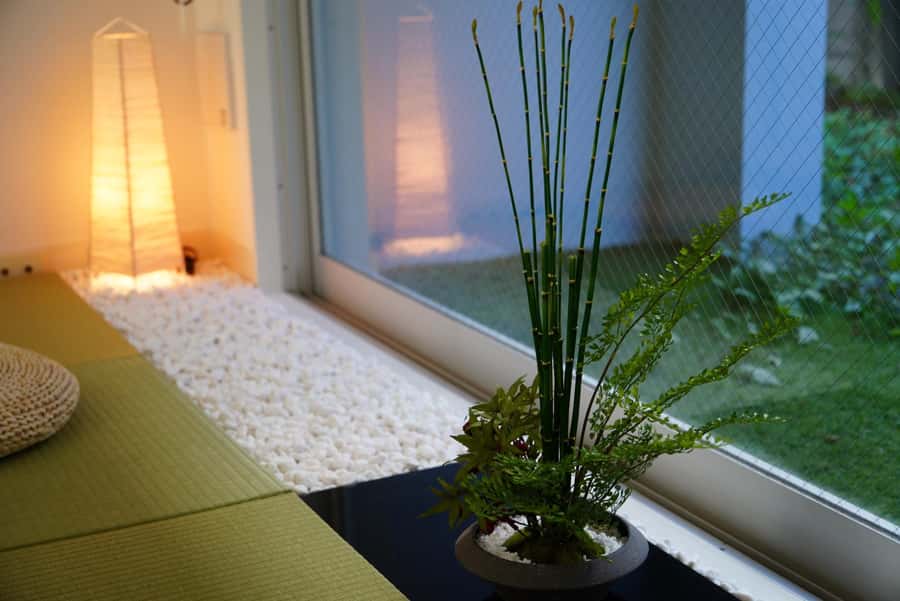
The class also asks for a calm environment: no alcohol or drugs, no strong fragrances, and keep noise to a minimum. That’s not just rule-worship. Tea ceremony spaces tend to be sensitive to scent and distraction, and the whole point is to let your senses do the work when you start comparing matcha.
Logistically, you meet outside: the guide stands in front of the LUUP scooter stand next to the ACN Yotsuya Building with a workshop sign. The activity ends back at the same meeting point, so it’s a simple out-and-back plan rather than a hopscotch across town.
Your Lesson Plan: Tea Ceremony, Teaism, Matcha, and Kimono
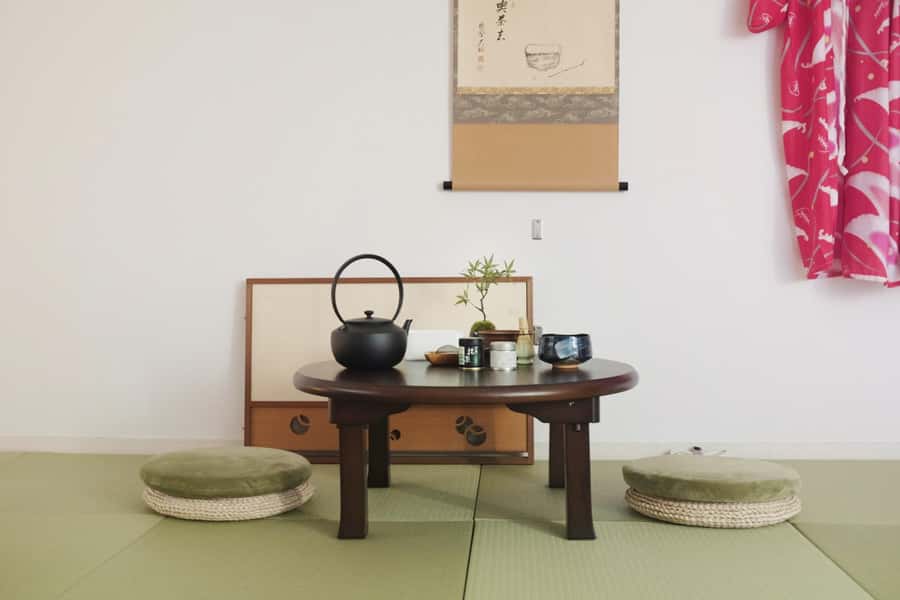
This experience is built around 4 themes: Tea ceremony, Teaism, Matcha, and Kimono. The way it’s paced helps you understand what you’re tasting and why your instructor cares about the small gestures.
You start with the cultural framework. The lecture covers differences between types of tea (including green and black, plus Chinese tea references), and it introduces the philosophy of Teaism and tea ceremony. That gives you the mental map for what follows, because matcha isn’t taught as a trendy beverage. It’s treated as a ritualized way of paying attention.
Then you move into the practical side. You’ll learn about the tea tools used for making matcha and the basic manner of how to drink a bowl properly. If you’re the type who likes doing things the right way once, this portion is worth it.
One more thing I appreciate: the class explicitly addresses how matcha from Japan differs from what you might see overseas. That’s useful because it keeps you from expecting your supermarket cup to match what you’re tasting in a tea-focused setting.
Finding Your Favorite Matcha by Eyes, Nose, and Tongue
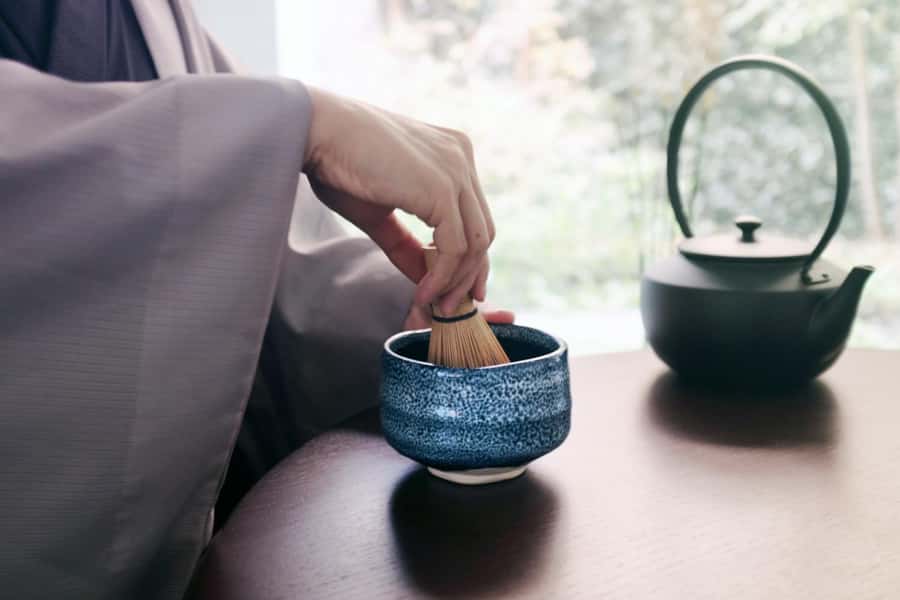
Instead of pouring one cup and calling it a day, you’ll work through a tasting approach. The class includes a process to help you find your favorite matcha using your eyes, nose, and tongue.
That matters because matcha quality is not only about the final flavor. You’re training your senses to notice things that can change from one matcha to another—things like aroma, color impression, and taste balance. When an instructor builds the tasting process into the lesson, you’re more likely to leave with personal preferences, not just trivia.
You’ll also compare matcha varieties and learn why the same word can mean very different products depending on where and how it’s made. The experience positions Japanese and overseas matcha as “VERY different,” and the class aims to make that difference tangible rather than theoretical.
Real Match vs Fake Matcha: What You’re Supposed to Notice
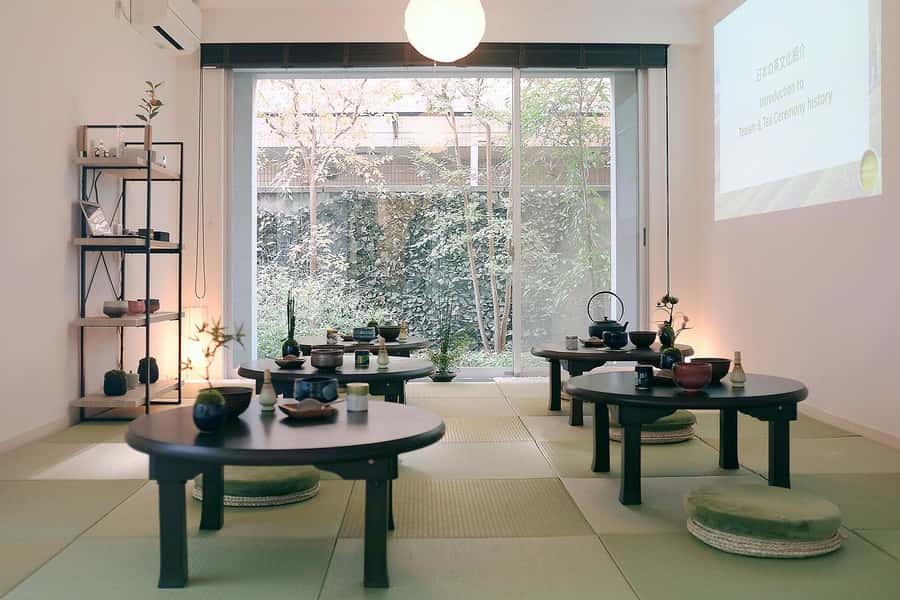
A standout highlight here is the matcha comparison concept: real match vs fake matcha. The goal isn’t to scare you—it’s to sharpen your instincts so you can make better choices later.
In practice, this kind of comparison usually helps you notice how matcha should feel in the cup, how it behaves on the palate, and how the tasting experience changes with quality. The class includes this topic as a key part of turning the lesson into something useful for everyday life.
If you’re already a matcha fan, you’ll likely appreciate the chance to connect what you think you know with what you can actually detect. If you’re new, this part can be a quick reality check that prevents you from lumping all matcha together.
More kimono shoots, compared
- Tokyo: Kimono Dressing, Walking, and Photography Session★ 4.9 · 427 reviews
- Let’s make kimono !(Kimono is a gift for you★ 5.0 · 252 reviews
- Tokyo: Matcha and Kimono Experience★ 4.7 · 219 reviews
- Tokyo: Asakusa Kimono Dressing and Matcha Experience★ 4.9 · 173 reviews
- Asakusa: Kimono Tea Ceremony with Matcha and Sweet★ 4.9 · 153 reviews
Hands-On Matcha Making: Tools, Technique, and Serving Manner
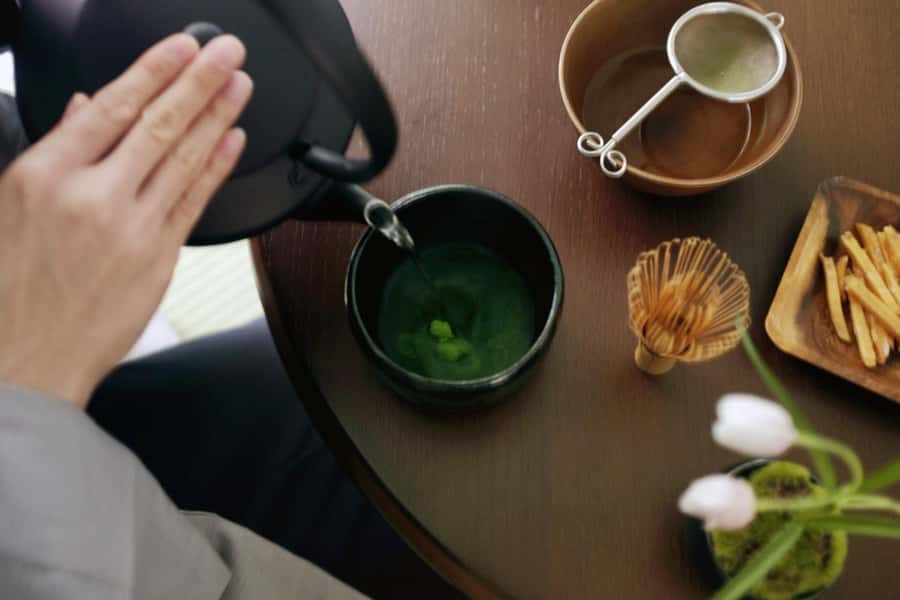
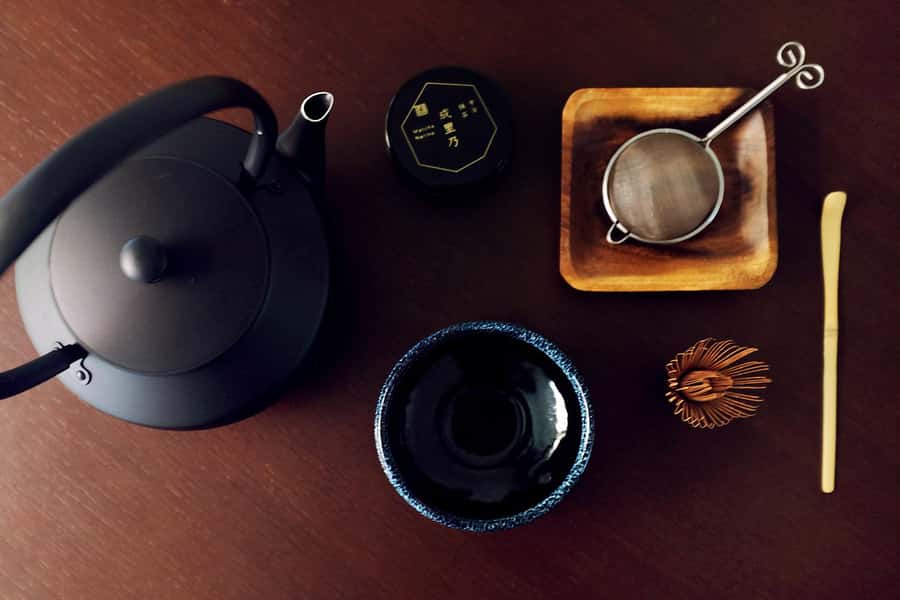
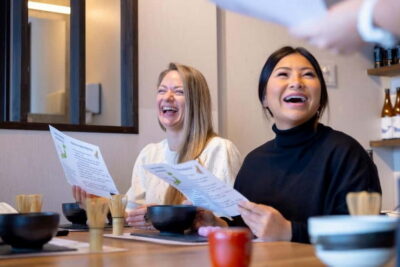
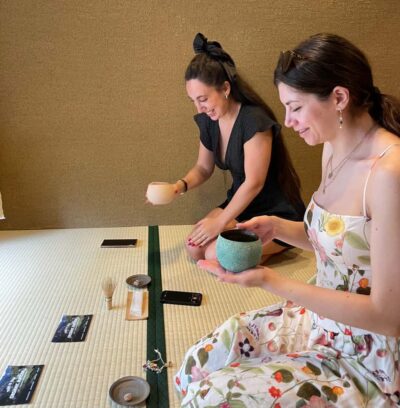
After the lecture, it’s time to make matcha. You’ll use the tea ceremony tools (rental is included) and practice preparing a beautiful bowl.
The class promises 4 keypoints for making matcha at home. You don’t have to guess what the instructor will emphasize—this is taught as a structured method you can follow again. The best kind of workshop is the one that turns into repeatable technique, and that’s the intent here.
You’ll also cover basic manner of how to drink matcha. This isn’t about being overly formal. It’s more like learning the proper flow—how to handle the bowl, how to participate in a tea setting, and how to treat the drink with respect. Those rules also help with consistency, because matcha is all about timing and correct preparation.
Kimono Basics: Quick Dressing, Proper Wearing, and Photo Moments
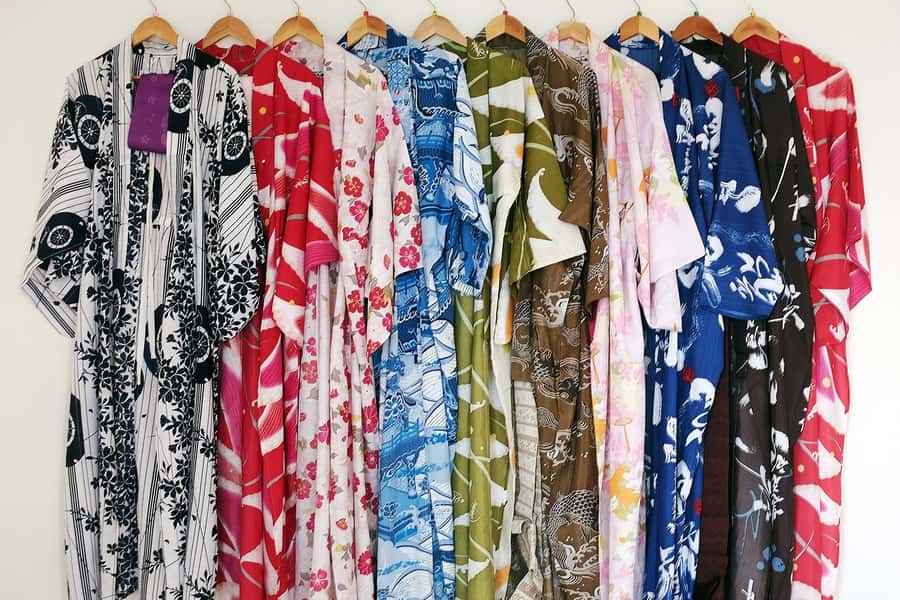
The kimono portion is designed to be easier than a traditional full dressing process. The class specifically calls out that it is not like other normal kimono that take around 30 minutes to put on, because this one is designed for easier and quicker wear.
That matters in a place like Tokyo where your schedule is tight. You still get the cultural experience—proper wearing and the chance to understand how it’s meant to sit—but you’re not spending the whole class fighting fabric.
The kimono also becomes a natural photo moment. More than one person notes the host takes group photos, which is a practical perk if you want something better than a blurry selfie in a moving crowd.
What You Drink and Eat: Sweets, Welcome Drink, and Timing
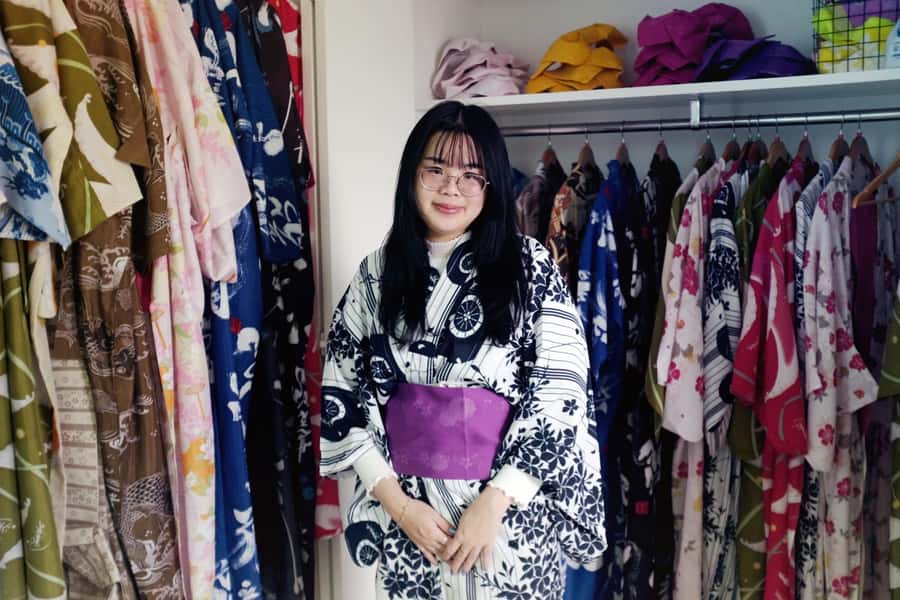
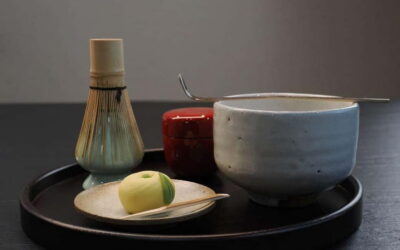
You get a welcome drink and Japanese traditional sweets as part of the session. That’s helpful because matcha tasting works best with a little structure: you can start with the lecture, taste, and practice with food support rather than trying to power through on an empty stomach.
Tea etiquette plus sweets also helps you slow down. Even if you’re rushing between Tokyo neighborhoods, this kind of pause is one reason these classes are popular. It’s not just a souvenir activity—it’s a small break that trains your attention.
Price and Value at $57 per Person
At $57 per person, this class bundles a lot of moving pieces into one ticket:
- the matcha experience, including tasting and a hands-on making lesson
- an easy-to-wear kimono you wear throughout
- a tea expert lecture covering Teaism and tea ceremony
- an exclusive first flush matcha element
- Japanese sweets, plus a welcome drink
- tea ceremony tool rental
The real value isn’t that it includes a kimono and a drink. It’s that you get instruction tied directly to the tasting and the tools. You leave with a method to make matcha at home (the class explicitly teaches 4 key points), plus a clearer sense of what makes quality matcha different.
If you’re the type who hates paying for a “watch and drink” event, this is the better-priced option because it includes practice and tools. If you’re purely there for a quick kimono photo and you don’t care about matcha technique, you might feel the matcha lesson time is more than you need.
Who This Tokyo Matcha and Kimono Class Fits Best
This experience fits best if you want hands-on culture, not just sightseeing.
You’ll enjoy it most if you:
- like matcha and want to learn the differences between varieties, including real vs fake matcha
- want to wear a kimono without committing to a full dressing session
- enjoy structured lessons that mix philosophy with technique
- want something easy to add to a Shinjuku/Yotsuya day
It’s not suitable for children under 5, and it’s offered in English and Japanese, which is great if you want the lesson explained clearly in your preferred language.
Should You Book This Matchaful Tokyo Experience?
Book it if you want a clear, skill-based matcha class combined with a kimono you can actually get into quickly. The first flush matcha tasting, the Teaism and tea ceremony lecture, and the hands-on making lesson are the big reasons this works.
Skip it (or at least adjust expectations) if you’re mainly hunting for the longest possible matcha practice time. The session does start with dressing and ceremony setup, so plan to enjoy the full flow rather than treating it like a matcha workshop only.
If you’re building a Tokyo day around Shinjuku and you want one experience that feels quietly traditional but still practical, this one is a strong choice.
FAQ
Where is the meeting point?
You meet in front of the LUUP scooter stand next to the ACN Yotsuya Building, with a workshop sign. It’s about a 6-minute walk from Yotsuya station.
What should I bring?
Bring socks to protect the traditional flooring. If you forget, you may be asked to buy socks at the workshop place.
Is the tour suitable for small children?
It is not suitable for children under 5 years old.
What’s included in the experience?
The experience includes matcha experience, a kimono to wear during the activity, a teaism and matcha lecture by a tea expert, a matcha making lesson, exclusive first flush matcha, Japanese traditional sweets, a welcome drink, and tea ceremony tool rental.
What matcha will I taste?
You’ll taste the exclusive first flush matcha chosen from a collection of 100+ matcha options, and you’ll also compare Japanese versus overseas matcha.
Are alcohol or strong scents allowed?
No. Alcohol and drugs are not allowed, and strong fragrances are also not allowed.
Can I make noise during the session?
No. Making noise is not allowed.
What languages is the class taught in?
The languages offered are English and Japanese.
What happens if I’m late?
Your booking is automatically canceled after 10 minutes of delay from the appointment time, and no refund is accepted in that case.
What is the cancellation policy?
You can cancel up to 24 hours in advance for a full refund.
More Tour Reviews in Tokyo
- Mt Fuji and Hakone 1-Day Bus Tour Return by Bullet Train
★ 5.0 · 26,383 reviews - 1-Day Tokyo Bus Tour
★ 5.0 · 14,250 reviews - Tokyo: teamLab Planets TOKYO Digital Art Museum Entry Ticket
★ 4.6 · 9,779 reviews - Mt Fuji & Hakone Cruise, Drum Show Bullet Train 1 Day from Tokyo
★ 4.0 · 7,413 reviews - Tokyo: Shinjuku Food Tour (13 Dishes at 4 Local Eateries)
★ 5.0 · 6,603 reviews
More Kimono Photo Shoots
- Tokyo: Kimono Dressing, Walking, and Photography Session
★ 4.9 · 427 reviews - Let’s make kimono !(Kimono is a gift for you
★ 5.0 · 252 reviews - Tokyo: Asakusa Kimono Dressing and Matcha Experience
★ 4.9 · 173 reviews - Asakusa: Kimono Tea Ceremony with Matcha and Sweet
★ 4.9 · 153 reviews - Matcha Kimono Tea Ceremony in Tokyo
★ 5.0 · 104 reviews
More Tea and Matcha Rooms
- Matcha Making Class in Tokyo with Authentic Japanese Sweets Set
★ 5.0 · 744 reviews - Tokyo: Traditional Tea Ceremony with a Tea Master
★ 5.0 · 528 reviews - Tokyo: Matcha Making Experience with Mochi Sweets in Asakusa
★ 4.9 · 388 reviews - Tea Ceremony Workshop in Tokyo by the Experienced Instrucor
★ 5.0 · 189 reviews - Tokyo: Asakusa Kimono Dressing and Matcha Experience
★ 4.9 · 173 reviews
Latest Tokyo reviews off our desk






Tea Ceremony & Matcha, compared.
 ★ 5.0Matcha Making Class in Tokyo with Authentic Japanese Sweets SetFrom $21744 reviews
 ★ 5.0Traditional Tea Ceremony with a Tea MasterFrom $38528 reviews
 ★ 4.9Matcha Making Experience with Mochi Sweets in AsakusaFrom $22388 reviews
 ★ 5.0Tea Ceremony Workshop in Tokyo by the Experienced InstrucorFrom $38189 reviews
 ★ 4.9Asakusa Kimono Dressing and Matcha ExperienceFrom $56173 reviews
 ★ 4.9Asakusa: Kimono Tea Ceremony with Matcha and SweetFrom $66153 reviews
 ★ 5.0Make Traditional Nerikiri Sweets & Matcha experience in ShibuyaFrom $60130 reviews
 ★ 4.9Tea Ceremony Experience in a Private Tea Room in ShibuyaFrom $30125 reviews
Browse the lists this tour appears in