
Reviewed · TEA CEREMONY & MATCHA
Matcha Making Class in Tokyo with Authentic Japanese Sweets Set
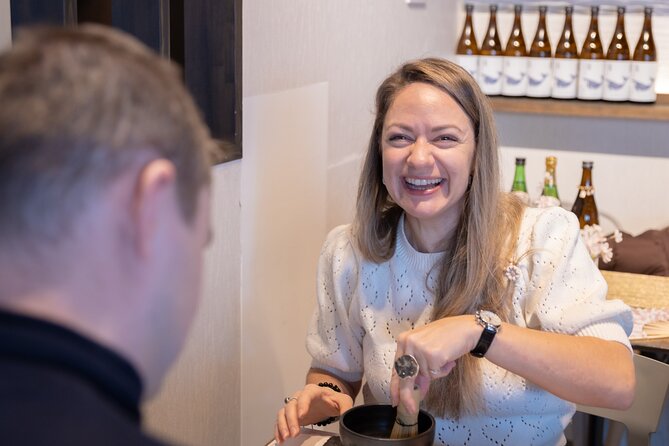
Whisking matcha teaches you more than tea. In Asakusa, this short, hands-on class turns ceremonial-style whisking into a beginner-friendly lesson, finished with a cup you make yourself and seasonal Japanese sweets. I like the personal, step-by-step attention from English-speaking hosts (you may even meet leaders named Hiya, Rino, Shuri, or Nama in past classes), and I like that you get practical know-how you can repeat at home.
One thing to consider: it is an about-1-hour workshop, so it is not built like a long, formal tea ceremony with a full multi-stage program.
In This Review
- Key things worth knowing before you go
- Matcha Making in Asakusa: the calm, traditional setting
- What you actually get: matcha + sweets, guided in English
- The 1-hour flow: from learning matcha to whisking your own cup
- 1) Start with the basics, then get hands-on
- 2) Learn the whisking technique in a relaxed way
- 3) Taste your cup with seasonal Japanese sweets
- 4) Take photos and wrap up
- One-to-one style attention: the difference between a class and a workshop
- How to spot better matcha powder (and avoid common beginner mistakes)
- Pairing matcha with seasonal Japanese sweets
- Photos, tools, and the calm of doing it the slow way
- Price and value: is $21.89 per person worth it
- Where to meet in Asakusa and how to time it
- Who should book (and who might skip)
- Should you book this matcha making class in Tokyo?
- FAQ
- How long is the matcha making class?
- Where is the meeting point?
- Is hotel pickup included?
- Do I need prior tea ceremony experience?
- What is included in the class?
- Is the ticket digital?
- Is it offered in English?
- How big is the group?
- Are service animals allowed?
Key things worth knowing before you go
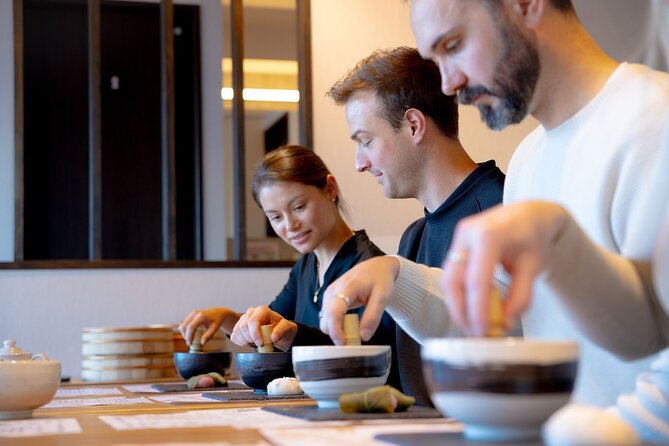
- Hands-on matcha coaching so you adjust technique while you’re doing it
- English-speaking instructors who explain history and process clearly
- Seasonal Japanese sweets chosen to match the tea
- A short, friendly time window (about 1 hour) that fits tight Tokyo schedules
- Small group size up to 30 for a more manageable class feel
- Photo-friendly moment with help from your host after you whisk
Matcha Making in Asakusa: the calm, traditional setting
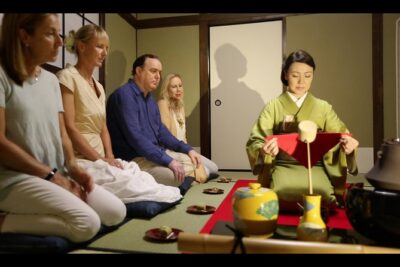
Asakusa is one of those Tokyo neighborhoods that helps your brain slow down. The streets feel older, the vibe feels local, and you’re not just learning about tea—you’re doing it in a place where Japanese food culture is part of daily life. This class is centered around a real café-style experience, and in some sessions you may even notice a quiet, upstairs nook and traditional seating that makes the lesson feel special without being stiff.
A big part of the value here is that you’re not watching a demo from across the room. You’re in the action: preparing matcha, whisking it, and tasting it with sweets. That’s the kind of souvenir that lasts longer than a photo.
Also, the timing works. At about one hour, you can fit this into your Asakusa day without turning it into a complicated mission. If you want a cultural activity that feels authentic but still easy to pull off as a first-timer, this is a strong match.
More tea rooms our readers rated
- Matcha Making Class in Tokyo with Authentic Japanese Sweets Set
★ 5.0 · 744 reviews - Tokyo: Traditional Tea Ceremony with a Tea Master
★ 5.0 · 528 reviews - Tokyo: Matcha Making Experience with Mochi Sweets in Asakusa
★ 4.9 · 388 reviews - Tokyo: Matcha and Kimono Experience
★ 4.7 · 219 reviews
What you actually get: matcha + sweets, guided in English
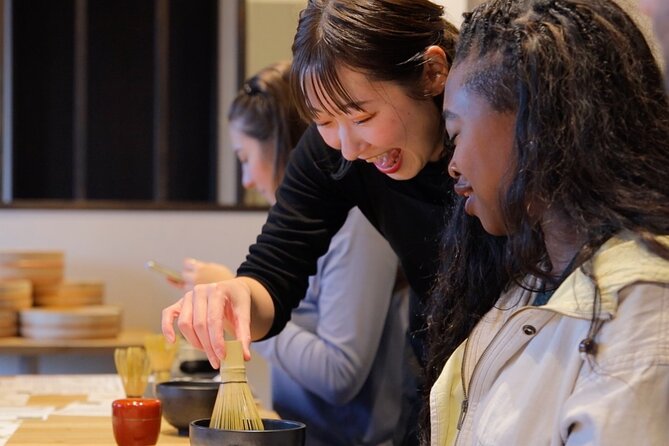
This is not a lecture tour. It is a working class. You receive an English-speaking instructor and the lesson includes matcha with Japanese sweets. There’s no hotel pickup or drop-off, so you’ll want to plan on arriving at the meeting point under your own steam.
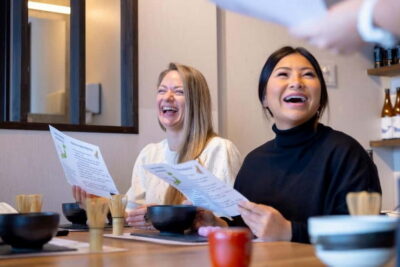
Because the format is built for beginners, you do not need prior tea ceremony experience. The class is designed to take you from first steps to making a cup you can feel confident about. A couple details that make a difference for first-timers: the hosts use simple explanations (and often visual aids on an iPad) and they guide you through what to do next, not just what the tea is.
That beginner-friendly structure also makes it a good fit for families. There’s nothing overly fragile here, and the pace is flexible enough that kids can participate without getting lost.
The 1-hour flow: from learning matcha to whisking your own cup
Here’s how the experience tends to play out once you’re seated:
1) Start with the basics, then get hands-on
Your instructor walks you through the process step by step. Expect an overview of matcha and how it’s prepared, plus time to ask questions. You’ll also learn about how to think about matcha quality—how to spot better powder—so you understand why the tea tastes the way it does.
2) Learn the whisking technique in a relaxed way
Then comes the part that makes it memorable: whisking. You’ll practice the motion needed to get matcha mixed properly and smooth in the bowl. The key is that your leader doesn’t just say a few sentences and move on. You get feedback while you’re doing it, so you can fix issues in the moment.
Readers also shortlisted these Tokyo bookings:
- Matcha Making Class in Tokyo with Authentic Japanese Sweets Set★ 5.0 · 744 reviews
- Tokyo: Matcha Making Experience with Mochi Sweets in Asakusa★ 4.9 · 388 reviews
- Make Traditional Nerikiri Sweets & Matcha experience in Shibuya★ 5.0 · 130 reviews
- Private Mochi Sweets Making class near Shibuya area★ 5.0 · 93 reviews
- Japanese Traditional Sweets making and Tea Ceremony★ 4.7 · 50 reviews
3) Taste your cup with seasonal Japanese sweets
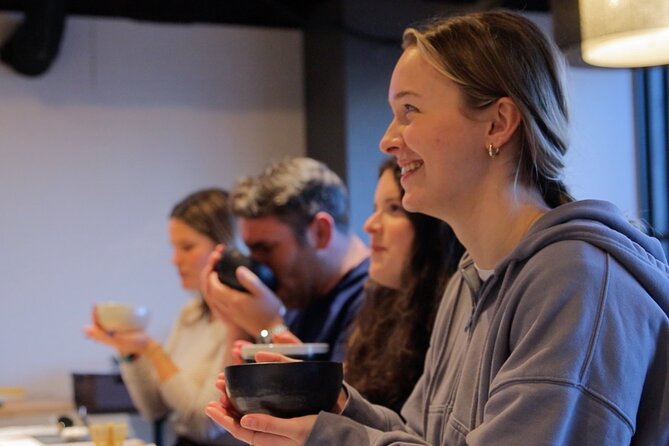
Once your matcha is made, you’ll enjoy it with traditional Japanese sweets. This pairing matters more than you might think. Matcha has a distinct, slightly bitter-green character, and sweets help balance it. You taste the result of the technique and the pairing together—so it becomes a complete mini experience, not just a snack stop.
4) Take photos and wrap up
You’ll have time to take photos during the class. Some sessions also include help getting a family or group photo, which is a small thing that saves you hassle at the end.
One-to-one style attention: the difference between a class and a workshop
What I really like about this kind of matcha workshop is the teaching method. The class is small enough that your leader can notice when your whisking needs adjusting. That hands-on feedback is the whole game for learning something that looks simple but takes feel and timing.
In past sessions, instructors have been praised for being friendly and patient—leaders like Hiya, Rino, Shuri, and Nama show up in feedback as hosts who explain matcha history and process in a way that actually lands for international visitors. You’ll hear the cultural context too, not just the how-to.
You also get an organized structure. Visuals on an iPad are used in some classes to show what’s going on and why. That means you don’t need Japanese language skills to follow along. You just need curiosity and a willingness to try the motion for yourself.
How to spot better matcha powder (and avoid common beginner mistakes)
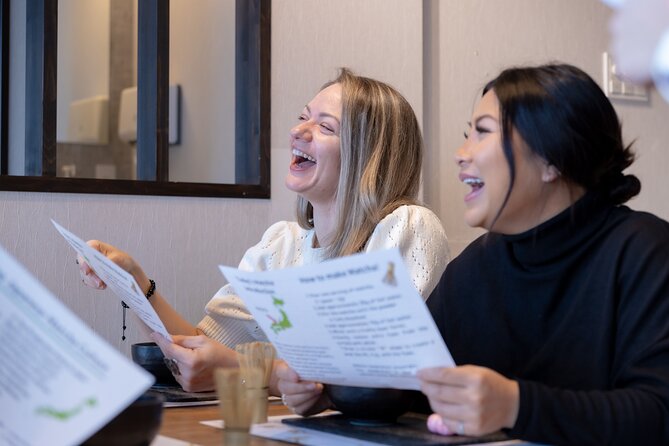
One of the most useful parts of the experience is that it trains your eye and palate, not just your wrist.
You’ll learn how to spot higher-quality matcha powder. You might not remember every detail, but you will come away with a clear sense that not all matcha tastes the same and the powder itself drives a lot of that outcome. In practice, this makes your next matcha purchase in Tokyo easier, because you’ll know what you’re looking for.
Beginner mistakes are also covered indirectly through guidance. If your whisking is off, the instructor can help you correct it while you’re making the drink. That’s better than struggling alone and guessing what went wrong. And because the class includes tasting immediately after whisking, you can connect cause and effect fast.
Pairing matcha with seasonal Japanese sweets
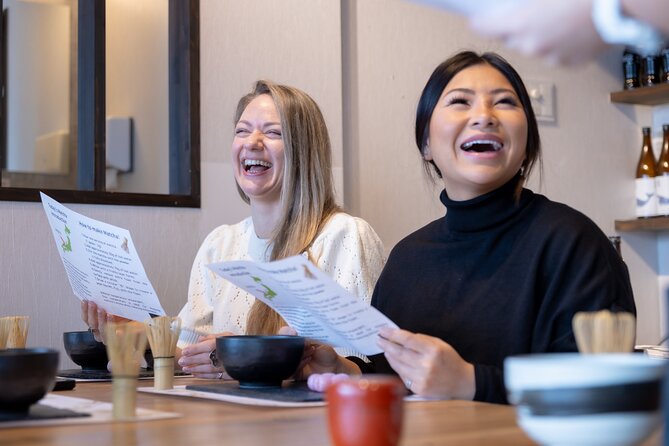
Matcha and sweets are a classic duo for a reason. In this class, the sweets are seasonal, which keeps the experience feeling current instead of generic. You’ll taste a combination that aims to balance the tea’s character.
Here’s how to get more out of the pairing while you’re there:
- Taste the matcha first, then notice what changes when you add a bite of sweet.
- Pay attention to bitterness versus sweetness. With the right pairing, the matcha feels smoother instead of harsh.
- Take a moment to compare the sweetness level to the matcha flavor you created—your whisking choices influence the overall result.
Because you’re making the tea yourself, the pairing feels more like a dialogue between technique and ingredients. That’s a big reason people walk away saying it was worth it as a first Tokyo activity.
Photos, tools, and the calm of doing it the slow way
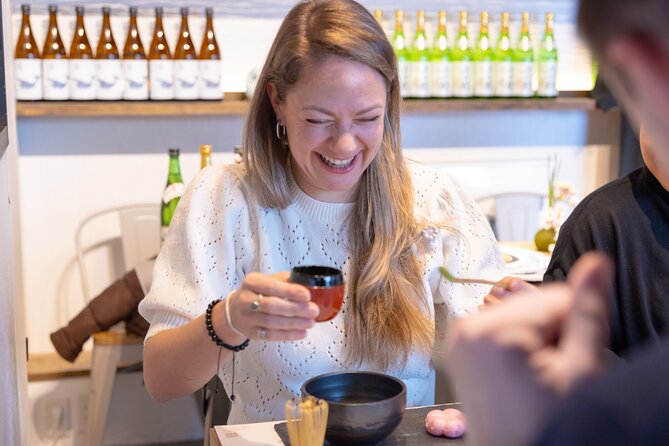
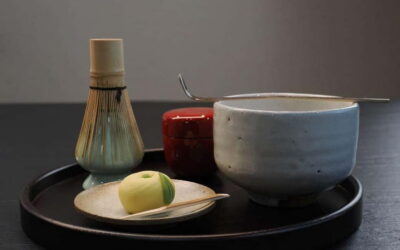
This class is designed for real participation, and that makes it naturally photo-friendly. You’ll be able to take pictures of your setup and your finished cup. In some sessions, the space feels peaceful and intimate, like a cozy upstairs nook where you sit close to the instructor and your group.
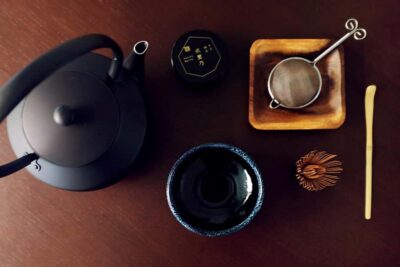
The tools are traditional, and that adds charm without turning the class into a performance. You’re not expected to be formal or perfect. You’re expected to try, learn the motion, and enjoy the result.
One practical note: if you care about photos, keep your camera ready during the whisking moment. That’s when your matcha looks most alive, and it’s also the moment you’ll want to capture the process before tasting.
Price and value: is $21.89 per person worth it
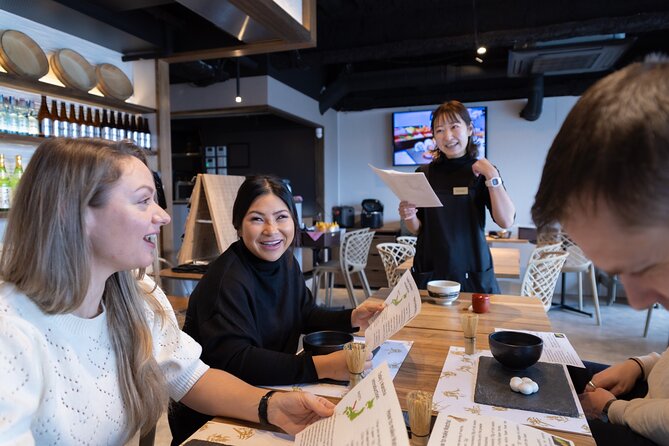
At $21.89 per person, this is one of the more affordable “learn-by-doing” cultural activities you can schedule in Tokyo. The value comes from three things:
- You are not just sampling. You learn a repeatable skill: whisking matcha with the right technique.
- You get guided attention during the process, which reduces the trial-and-error that usually frustrates beginners.
- The experience includes matcha plus traditional Japanese sweets, so you’re not paying extra for a separate dessert stop.
It’s also a fair price for an English-speaking, instructor-led class in a central, traditional neighborhood like Asakusa. If you’re deciding between a quick tasting and a hands-on workshop, the workshop wins for most people because you leave with both a skill and a memory tied to it.
Where to meet in Asakusa and how to time it
You’ll meet at Matcha Making Tokyo | Cooking Class in Japan, 2-chōme-17-9 Kaminarimon, Taito City, Tokyo 111-0034, Japan. The class ends back at the meeting point, so plan your next activity nearby.
A few practical tips for your schedule:
- Give yourself time to arrive a bit early. One of the most positive parts of the experience is how hosts have handled early arrivals by letting people wait comfortably.
- If you’re doing other Asakusa sights, treat this like a anchor event. The class is short, so it’s easy to build around.
- If you want photos with a nicer backdrop, consider lining up this class around daylight hours when you can enjoy the atmosphere outside after.
Some classes also mention a pleasant view along the river area from the surrounding setting, so if your route through Asakusa naturally includes waterways, it can make the whole morning or afternoon feel more like a story.
Who should book (and who might skip)
This matcha workshop is ideal if you:
- Want a beginner-friendly cultural food experience
- Prefer hands-on learning instead of watching demos
- Are traveling with kids and want something short and interactive
- Like tasting the result you helped create
You might consider skipping if:
- You want a long, formal tea ceremony with extended ritual stages and quiet etiquette
- You are only interested in buying matcha, not learning technique
For most first-timers, though, this hits a sweet spot: a real skill, real context, and a real cup at the end.
Should you book this matcha making class in Tokyo?
I’d book it if you want a compact, authentic-feeling Tokyo experience that teaches a practical skill. For the price, you get instruction in English, hands-on coaching, and a matcha + sweets tasting that actually ties together.
If you’re the type who remembers food best when you learn it, this is a strong use of an hour. Come curious, whisk with a little courage, and you’ll leave with something you can repeat at home.
FAQ
How long is the matcha making class?
The class runs for about 1 hour.
Where is the meeting point?
You meet at Matcha Making Tokyo | Cooking Class in Japan, 2-chōme-17-9 Kaminarimon, Taito City, Tokyo 111-0034, Japan.
Is hotel pickup included?
No, hotel pickup and drop-off are not included.
Do I need prior tea ceremony experience?
No. No prior tea ceremony experience is required.
What is included in the class?
You’ll have an English-speaking instructor and matcha with Japanese sweets.
Is the ticket digital?
Yes, you get a mobile ticket.
Is it offered in English?
Yes. The instructor is English speaking.
How big is the group?
The class has a maximum of 30 travelers.
Are service animals allowed?
Yes, service animals are allowed.
More Dessert Tours in Tokyo
- Tokyo: Matcha Making Experience with Mochi Sweets in Asakusa
★ 4.9 · 388 reviews - Make Traditional Nerikiri Sweets & Matcha experience in Shibuya
★ 5.0 · 130 reviews - Private Mochi Sweets Making class near Shibuya area
★ 5.0 · 93 reviews - Japanese Traditional Sweets making and Tea Ceremony
★ 4.7 · 50 reviews - Tokyo Local Food Tour: Noodles, Skewers, Dumplings, Sweets
★ 5.0 · 48 reviews
More Tour Reviews in Tokyo
- Mt Fuji and Hakone 1-Day Bus Tour Return by Bullet Train
★ 5.0 · 26,383 reviews - 1-Day Tokyo Bus Tour
★ 5.0 · 14,250 reviews - Tokyo: teamLab Planets TOKYO Digital Art Museum Entry Ticket
★ 4.6 · 9,779 reviews - Mt Fuji & Hakone Cruise, Drum Show Bullet Train 1 Day from Tokyo
★ 4.0 · 7,413 reviews - Tokyo: Shinjuku Food Tour (13 Dishes at 4 Local Eateries)
★ 5.0 · 6,603 reviews
More Tea and Matcha Rooms
- Tokyo: Traditional Tea Ceremony with a Tea Master
★ 5.0 · 528 reviews - Tokyo: Matcha Making Experience with Mochi Sweets in Asakusa
★ 4.9 · 388 reviews - Tokyo: Matcha and Kimono Experience
★ 4.7 · 219 reviews - Tea Ceremony Workshop in Tokyo by the Experienced Instrucor
★ 5.0 · 189 reviews - Tokyo: Asakusa Kimono Dressing and Matcha Experience
★ 4.9 · 173 reviews
Latest Tokyo reviews off our desk






Tea Ceremony & Matcha, compared.
 ★ 5.0Traditional Tea Ceremony with a Tea MasterFrom $38528 reviews
 ★ 4.9Matcha Making Experience with Mochi Sweets in AsakusaFrom $22388 reviews
 ★ 4.7Matcha and Kimono ExperienceFrom $57219 reviews
 ★ 5.0Tea Ceremony Workshop in Tokyo by the Experienced InstrucorFrom $38189 reviews
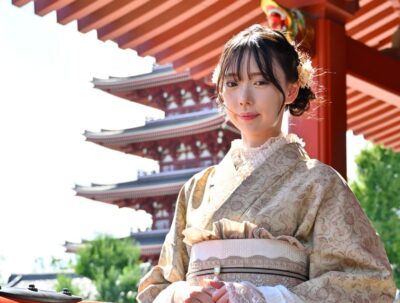 ★ 4.9Asakusa Kimono Dressing and Matcha ExperienceFrom $56173 reviews
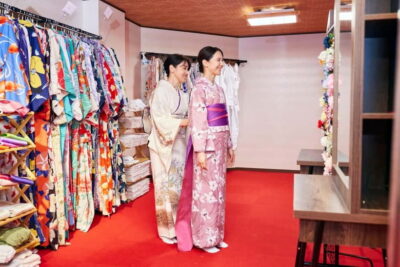 ★ 4.9Asakusa: Kimono Tea Ceremony with Matcha and SweetFrom $66153 reviews
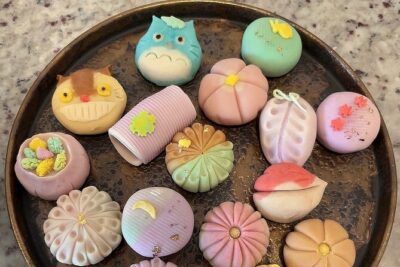 ★ 5.0Make Traditional Nerikiri Sweets & Matcha experience in ShibuyaFrom $60130 reviews
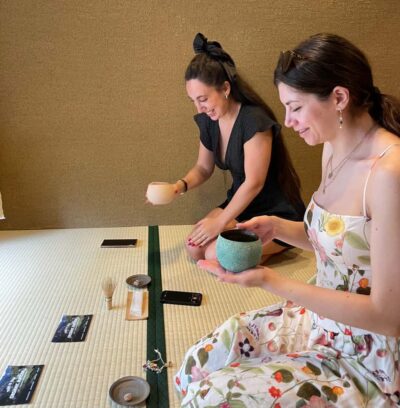 ★ 4.9Tea Ceremony Experience in a Private Tea Room in ShibuyaFrom $30125 reviews
Browse the lists this tour appears in