
Reviewed · PRIVATE
Mochi Making at a Private Studio in Tokyo
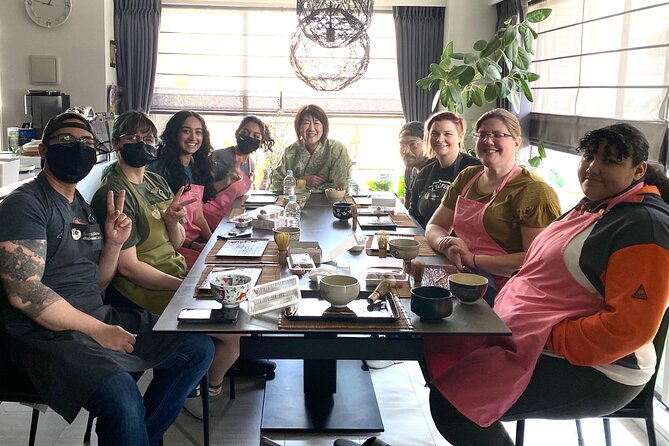
Sticky rice magic happens in a private Tokyo studio. I love the small-group feel and the fact you learn from a certified instructor in her own home kitchen—hands-on, step-by-step, and grounded in Japanese food culture.
You’ll also like the lineup. You’ll make classic styles like strawberry daifuku plus dango and warabi mochi, then finish with tastings and drinks like green tea or hojicha. In different sessions, instructors named in past classes include Michiko-san, Ayumi, Waka-san, Miho, and Owa, and they consistently cover both technique and what mochi means in Japan.
One consideration: mochi is sticky, and you’ll get a little messy. Wear clothes you don’t mind and plan for the fun chaos.
In This Review
- Key highlights you’ll care about
- Mochi 101: What This Class Really Teaches You
- Where You Meet in Meguro and How to Get There Smoothly
- The 2-Hour Flow: From Short Lesson to Hands-On Shaping
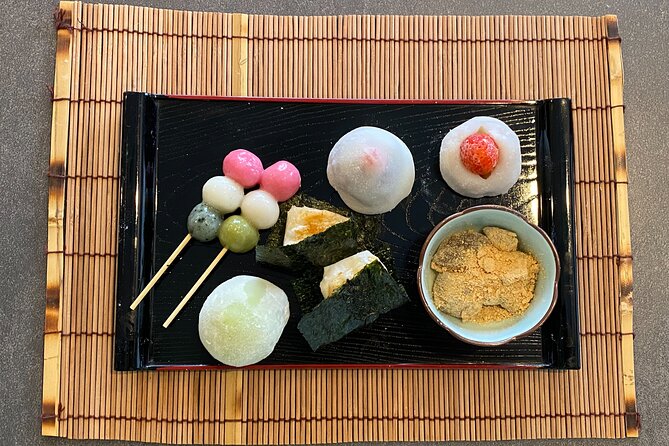
- Your Mochi Lineup: Strawberry Daifuku, Dango, and Warabi
- Strawberry daifuku mochi
- Three-color dango (mochi on skewers)
- Warabi mochi
- Mochi Ice Cream Demo: What You Learn Without the Pressure
- The Savory Moment: Grilled Mochi with Soy Sauce and Nori
- Tasting Session: Green Tea, Hojicha, or Coffee
- Price and Value: Is $79.26 Worth It?
- Who Should Book This Mochi Class in Tokyo
- Practical Tips: How to Enjoy the Mess (and Not Hate Your Outfit)
- Should You Book Mochi Making at This Private Studio?
- FAQ
- How long does the mochi making class last?
- Where is the meeting point?
- How big is the group?
- What will I make during the class?
- Does the instructor speak English?
- What drinks and tastings are included?
- Is there a minimum age to join?
- Can dairy-free ice cream be made?
Key highlights you’ll care about
- A studio near Meguro Station on the JR Yamanote Line or the metro lines, so you’re not wasting half your day commuting.
- Small group (max six people) with a max of 12 travelers total, which keeps the class personal and gives you time to actually work.
- You make multiple mochi types, not just one tasting—sweet mochi, skewer-style dango, and warabi mochi.
- Mochi ice cream gets a demo, so you learn the method without needing to rush it as a final scramble.
- Sweet plus savory is built in, including grilled mochi with soy sauce and nori seaweed.
Mochi 101: What This Class Really Teaches You
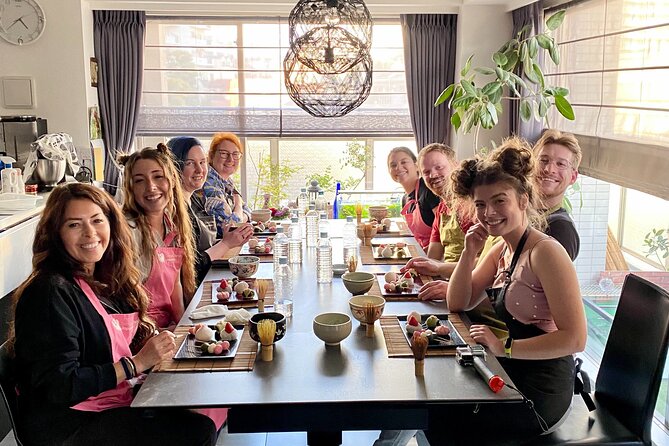
This isn’t a “watch and snack” workshop. You’re learning how mochi is put together—sticky rice dough, fillings, shaping, and the little tricks that keep it from turning into a sad, glued-together mess.
The class starts with a short talk about mochi traditions and festivals. Expect the focus to be on why mochi shows up in Japanese life—how people associate it with celebrations, seasons, and comfort food. You’ll also get cultural context tied to the types you’re making, like what the different colors and forms represent.
Then you get hands-on. You work with the dough and fillings yourself, and you’ll see that mochi isn’t one single thing. It’s a base you can shape into sweets and savory bites.
Readers also shortlisted these Tokyo bookings:
- Tokyo 6hr Private Tour with Government-Licensed Guide
★ 5.0 · 3,902 reviews - Private Tour to Mt. Fuji and Hakone (Fully Licenced Operator)
★ 5.0 · 1,910 reviews - Tokyo Customized Private Tour (Must See Places in 1 Day)
★ 5.0 · 1,499 reviews - Mount Fuji Full-Day Private Tour from Tokyo (Customizable)
★ 4.9 · 1,470 reviews
Where You Meet in Meguro and How to Get There Smoothly
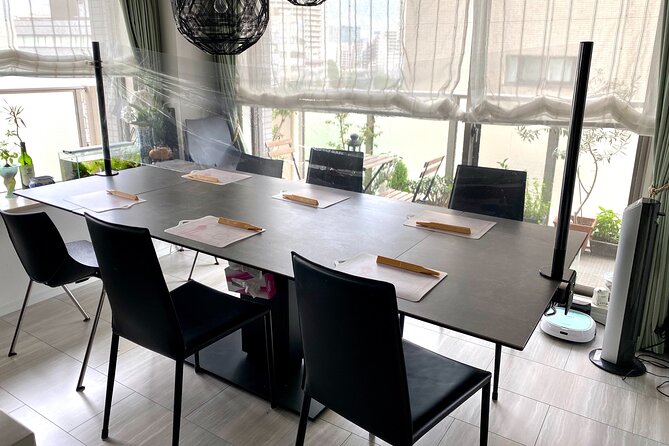
The class takes place in a private studio within walking distance of Meguro Station (JR Yamanote Line) or a nearby metro station. Your meeting point is listed at Japan, 153-0063 Tokyo, Meguro City, Meguro, 1-chōme316 プレジデント目黒ハイツ.
That location choice matters. You’re not dealing with long transfers or trying to time a bus in Tokyo traffic. And because the studio is close to major lines, you can pair this with sightseeing before or after without turning it into a logistical marathon.
You’ll use a mobile ticket, and the activity ends back at the meeting point. No hotel pickup, and no transportation from attractions is included—so build a buffer if you’re coming straight from a museum or temple.
The 2-Hour Flow: From Short Lesson to Hands-On Shaping
This class runs about two hours (morning or afternoon departure options). The pacing is practical: a quick start with cultural background, then guided making, then a finishing tasting.
The best part for me is the structure. You don’t just jump into dough first. You get a foundation, then you practice the steps while the instructor is right there to correct how you handle the sticky bits.
And if you’ve never made sweets before, that matters. Several past students highlighted how the instructor explains each step clearly and stays patient while people figure out how to work with mochi without panicking.
Your Mochi Lineup: Strawberry Daifuku, Dango, and Warabi
Here’s the core “you make it” section. Your exact sequence can vary slightly, but the class description covers these main items:
Strawberry daifuku mochi
Daifuku is one of Japan’s most recognizable mochi-style sweets. In this class, you’ll learn how to shape mochi around a filling and keep the outside smooth enough to feel like proper daifuku instead of a sticky scramble.
Strawberry matters too. Fresh fruit changes the texture experience, and it’s one reason this style feels special compared with plain filling sweets. Plus, it’s photogenic—bright and clean compared with the classic brown-red tones of bean-based mochi.
- Tokyo: Shinjuku Food Tour (13 Dishes at 4 Local Eateries)★ 5.0 · 6,603 reviews
- Tokyo Mt Fuji 5th St & Hakone Cruise Bus Tour w/Bullet Train★ 4.4 · 5,024 reviews
- Flagship 2-Hours Official Street Go-Kart Tour – Tokyo Bay Shop★ 5.0 · 4,974 reviews
- From Tokyo: Mount Fuji Full-Day Sightseeing Trip★ 4.5 · 4,970 reviews
- Tokyo: Hop-On Hop-Off Sightseeing Bus Ticket★ 3.9 · 4,207 reviews
Three-color dango (mochi on skewers)
You’ll also make three-color dango, which are mochi-style dumplings served on skewers. Dango isn’t just about taste; it’s about form. You get to practice portioning and shaping so the pieces cook and hold their look.
Past participants also liked that the class connects dango to how mochi shows up beyond sweets-only contexts, because dango appears in festival settings and everyday snack culture.
Warabi mochi
Warabi mochi is a mochi cousin with a very particular texture. The class includes warabi mochi so you can experience how mochi-like sweets can feel different even when the concept sounds similar.
This is a good stop on your learning journey. If you only ever think of mochi as chewy sticky rice cake, warabi mochi will broaden that. You’ll start noticing texture as a form of Japanese culinary technique.
Mochi Ice Cream Demo: What You Learn Without the Pressure
You’ll get a demonstration on making mochi ice cream. That’s a smart compromise for a two-hour class.
Mochi ice cream can be tricky at home if your timing or handling is off, because you’re balancing sticky dough work with maintaining the ice cream’s cold structure. In class, you see the steps and how the dough is handled, and you can ask questions about what to watch for.
Even if you don’t personally assemble mochi ice cream in this session, you’ll still walk away with practical knowledge: how the dough behaves, how filling and temperature interact, and why technique matters more than fancy ingredients.
Tip for you: if you’re the kind of person who likes to recreate things later, ask your instructor what part is easiest to mess up at home. That answer usually tells you what to focus on when you try again.
The Savory Moment: Grilled Mochi with Soy Sauce and Nori
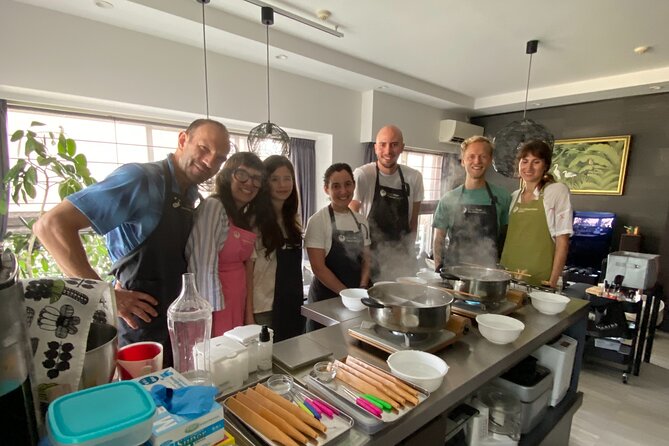
After the sweets come the savory flavors, and honestly, this is where mochi surprises people.
You’ll be served savory grilled mochi with soy sauce and nori seaweed. This flips mochi from dessert mode into snack mode. The soy sauce adds depth and salt, while nori brings that unmistakable seaweed aroma.
If your mochi experience so far is limited to sweet daifuku, this part gives you a fuller picture of mochi as a flexible Japanese food, not a one-note treat.
Tasting Session: Green Tea, Hojicha, or Coffee
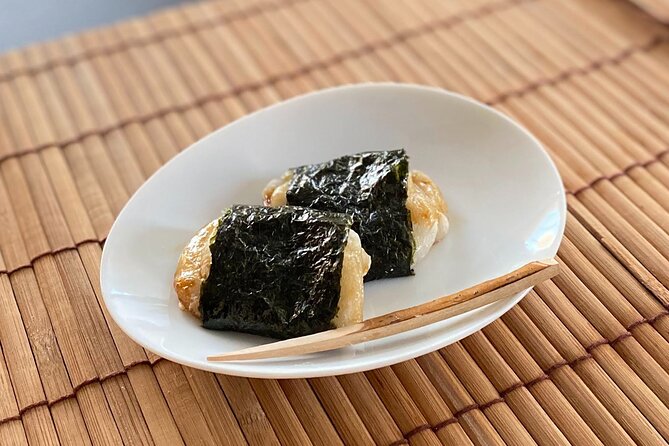
At the end, you sit down for a tasting session with drinks like green tea, hojicha, or coffee (the class description also mentions green tea or coffee). This is where you test your own work and compare it to the flavors you learned about earlier.
It also gives your hands time to recover. Two hours of sticky dough handling is great fun, but your fingers will appreciate a pause.
Several students mentioned they got enough to eat after cooking, and some noted they received containers to take home if they couldn’t finish everything. If that’s important to you, it’s worth coming with a plan for storage so you can enjoy your mochi later.
Price and Value: Is $79.26 Worth It?
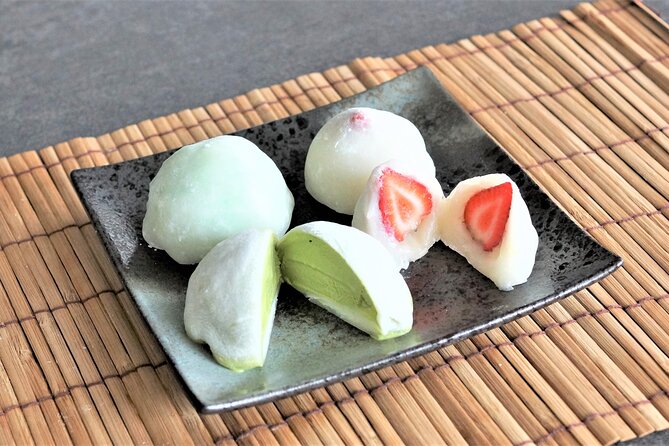
At $79.26 per person for about two hours, you’re paying for more than ingredients. You’re paying for:
- A small-group cooking setting
- A private studio environment
- Guided instruction in English
- Aprons, an English recipe sheet, and included drinks
- Multiple mochi styles plus tastings
If you’ve tried “DIY” food tours that end up being mostly shopping and a short demo, this class is the opposite. You’ll actively work with the dough, make several types, and learn cultural context while you’re doing it.
It’s also a strong value if you’re traveling with someone who likes hands-on experiences. The small group format means you’re not competing for tools or attention.
Who Should Book This Mochi Class in Tokyo
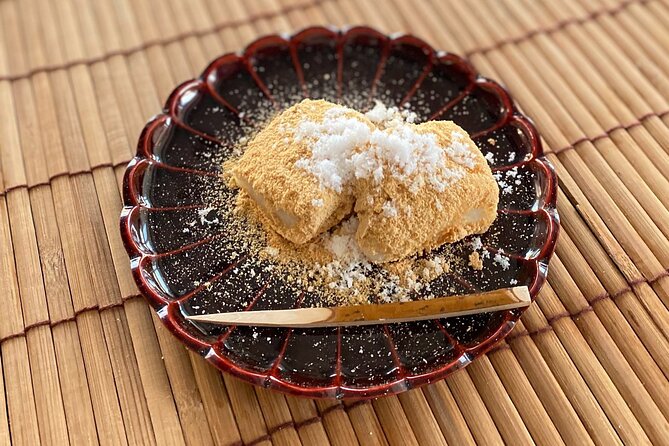
This is a great fit if you want a Tokyo activity that feels Japanese but doesn’t require perfect Japanese language skills. The instructor is fluent in English, and past students highlighted how easy it was to communicate, ask questions, and learn what’s happening at each step.
You’ll especially enjoy it if:
- You like food you can recreate at home
- You want something indoors that still feels authentic
- You’re into learning the “why,” not just following steps
- You want both sweet and savory mochi in one session
It’s also family-friendly, with a minimum age of 4. If you’re traveling with kids, the class provides a structured, supportive environment—just remember children under 4 aren’t allowed in class due to safety reasons.
Practical Tips: How to Enjoy the Mess (and Not Hate Your Outfit)
Mochi sticks. That’s not a warning; it’s the physics of the situation.
Do this and you’ll be happier:
- Wear clothes you can handle getting flour/starch/miscellaneous sticky bits on.
- Follow the instructor’s handling tips immediately. The fastest way to improve is usually changing one small motion.
- If you’re taking photos, do it mid-process and after shaping. One tip: once mochi is set and ready, it’s easier to photograph clean edges.
- If you’re dairy sensitive, note that dairy-free ice cream can be prepared upon request.
If you want to shop after class, ask the instructor for local suggestions. Several students specifically liked that the instructors shared advice on where to shop or go sightseeing in Tokyo.
Should You Book Mochi Making at This Private Studio?
Yes, I’d book it if you’re looking for an indoor Tokyo experience that’s hands-on, culturally grounded, and small enough to feel personal. You’re not just eating mochi—you’re learning how different styles are built and how they connect to Japanese food traditions.
Skip it only if you’re short on time and need a quick activity, or if you strongly dislike sticky food textures (because even with aprons, mochi has a way of doing what mochi does).
If you want a memorable Tokyo day that’s equal parts technique and tasting, this class is a very solid choice.
FAQ
How long does the mochi making class last?
The class is about 2 hours.
Where is the meeting point?
You meet at Japan, 153-0063 Tokyo, Meguro City, Meguro, 1-chōme316 プレジデント目黒ハイツ. The studio is a short walk from Meguro Station.
How big is the group?
It’s a small-group class with a maximum of six people.
What will I make during the class?
You’ll learn to make strawberry daifuku mochi, three-color dango, and warabi mochi. There is also a mochi ice cream demonstration.
Does the instructor speak English?
Yes. The instructor is fluent in English and provides instruction in English.
What drinks and tastings are included?
You’ll have a tasting at the end with green tea, hojicha, or coffee, and the class also includes food tastings.
Is there a minimum age to join?
Yes, the minimum age is 4 years old. Children under 4 aren’t allowed due to safety reasons.
Can dairy-free ice cream be made?
Dairy-free ice cream can be prepared upon request.
More Private in Tokyo
- Tokyo 6hr Private Tour with Government-Licensed Guide
★ 5.0 · 3,902 reviews - Private Tour to Mt. Fuji and Hakone (Fully Licenced Operator)
★ 5.0 · 1,910 reviews - Tokyo Customized Private Tour (Must See Places in 1 Day)
★ 5.0 · 1,499 reviews - Mount Fuji Full-Day Private Tour from Tokyo (Customizable)
★ 4.9 · 1,470 reviews - Tokyo: Private City Highlights Tour with Local Guide
★ 4.8 · 1,433 reviews
More Tour Reviews in Tokyo
- Mt Fuji and Hakone 1-Day Bus Tour Return by Bullet Train
★ 5.0 · 26,383 reviews - 1-Day Tokyo Bus Tour
★ 5.0 · 14,250 reviews - Tokyo: teamLab Planets TOKYO Digital Art Museum Entry Ticket
★ 4.6 · 9,779 reviews - Mt Fuji & Hakone Cruise, Drum Show Bullet Train 1 Day from Tokyo
★ 4.0 · 7,413 reviews - Tokyo: Shinjuku Food Tour (13 Dishes at 4 Local Eateries)
★ 5.0 · 6,603 reviews
Latest Tokyo reviews off our desk






Private, compared.
 ★ 5.0Tokyo 6hr Private Tour with Government-Licensed GuideFrom $1553,902 reviews
 ★ 5.0Private Tour to Mt. Fuji and Hakone (Fully Licenced Operator)From $4971,910 reviews
 ★ 5.0Tokyo Customized Private Tour (Must See Places in 1 Day)From $1451,499 reviews
 ★ 4.9Mount Fuji Full-Day Private Tour from Tokyo (Customizable)From $3931,470 reviews
 ★ 4.8Private City Highlights Tour with Local GuideFrom $1061,433 reviews
 ★ 5.0Private Custom Tour: Tokyo in a DayFrom $1591,432 reviews
 ★ 5.0Tokyo 4hr Private Tour with Government-Licensed GuideFrom $1091,394 reviews
 ★ 5.0Tokyo Customized Private Tour: See Top Attractions in 1 DayFrom $1451,351 reviews