
Reviewed · MOUNT FUJI TOURS
Mt. Fuji and Hakone Private Sightseeing from Tokyo “ENGLISH”
Mt. Fuji and Hakone in one day is a classic. This private setup trades train changes for a door-to-door car ride, then stacks in big-view stops like Fuji’s 5th Station and Hakone’s Lake Ashi area. I like the way the day can be adjusted to your pace, and how drivers such as Hassan or Adeel tend to plan around timing and traffic.
Two things I really like: first, you get hotel pickup and drop-off in Tokyo’s 23 wards, which saves a lot of stress. Second, the schedule hits multiple “Fuji-and-water” viewpoints, so even when skies shift, you’re still likely to come away with strong scenery and photos.
One drawback to watch: it’s still a long day with heavy road time, so if you’re hoping for lots of hiking, museums, and long meals, this format can feel a bit rushed.
In This Review
- Key things to know before you go
- Private car from Tokyo: why this day trip feels easier
- Mt. Fuji 5th Station: entrance fee, altitude, and what you can realistically see
- Shrines and pagodas: Arakura Fuji Sengen and the stair reality
- Lake Kawaguchiko: the Fuji-from-water pause
- Kitaguchi Hongu Fuji Sengen Jinja: a quieter follow-up in the forest
- Hakone Ropeway and Lake Ashinoko: caldera views and big travel time
- Timing reality check: traffic, crowds, and why some days feel tight
- What’s extra: lunch, Fuji 5th Station, and optional full guidance
- Guides in the driver seat: what to expect from the English-speaking help
- Who this tour suits best (and who should adjust expectations)
- Tips to maximize your chances of seeing Fuji clearly
- Should you book this Mt. Fuji and Hakone private day trip?
- FAQ
- How many people is this private tour for?
- What’s included in the price?
- Is lunch included?
- Do I need to pay for the Mt. Fuji 5th Station?
- Are the shrine and lake stops included in the entry fees?
- Is the Hakone Ropeway ticket included?
- Can I do a cruise or hot spring in Hakone?
Key things to know before you go
- Private car from Tokyo keeps transfers simple and reduces decision fatigue
- Fuji’s 5th Station is the altitude highlight, with an extra entrance fee
- Arakura Fuji Sengen Shrine adds the iconic pagoda view, plus a steep stair climb
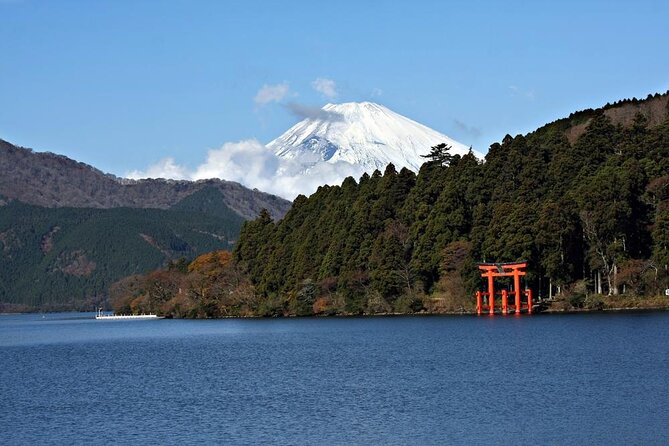
- Lake stops include Kawaguchiko and Lake Ashinoko for Fuji framed by water
- Hakone Ropeway connects Sounzan to Togendai (ticket not included)
- Optional extra help: a fully guided English experience costs ¥20,000
Private car from Tokyo: why this day trip feels easier
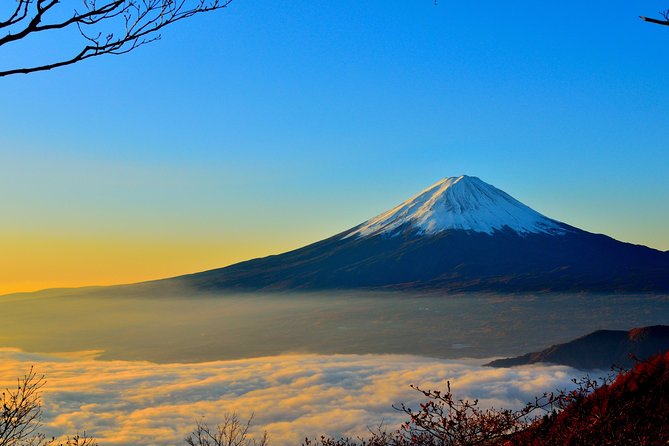
The biggest win here is the simple logistics. You’re picked up from your Tokyo hotel and dropped back at the end, using a modern, clean vehicle and an English-speaking driver.
That matters because the road to both Fuji and Hakone can be time-consuming, and train routes often involve transfers and walking. With a private setup, you can spend your energy on views, not on maps.
This is also a small-group experience (up to 3 in your private group), which tends to make the day more practical for families or anyone who doesn’t want to rush with strangers.
More Fuji day trips our readers rated highly
- Mt Fuji and Hakone 1-Day Bus Tour Return by Bullet Train
★ 5.0 · 26,383 reviews - Mt Fuji & Hakone Cruise, Drum Show Bullet Train 1 Day from Tokyo
★ 4.0 · 7,413 reviews - Tokyo Mt Fuji 5th St & Hakone Cruise Bus Tour w/Bullet Train
★ 4.4 · 5,024 reviews - From Tokyo: Mount Fuji Full-Day Sightseeing Trip
★ 4.5 · 4,970 reviews
Mt. Fuji 5th Station: entrance fee, altitude, and what you can realistically see
Fuji’s 5th Station is the altitude centerpiece at about 2,300 meters / 7,546 feet. It’s a prime place to look out over the surrounding area, and on a clear day you can even spot Tokyo far in the distance.
Here’s what to plan for: there’s an extra cost for the Fuji 5th Station entrance fee (2100¥ per group), and it’s not included. Also, remember this is not a guarantee of seeing the summit of Mt. Fuji; you’re mostly dealing with viewpoint conditions and cloud cover.
If you’re tempted to set expectations for a perfect summit photo, keep them flexible. The mountain is famous for changing moods fast.
Shrines and pagodas: Arakura Fuji Sengen and the stair reality
The day includes Arakura Fuji Sengen Shrine, known for a five-tiered pagoda and an observation deck with wide views. This stop is short (about 30 minutes), and the key thing is that you’ll still want time to climb and find a good photo angle.
Plan for the physical part. One common note is that the approach can involve steep stairs (around 400 steps is mentioned), so bring shoes you’re comfortable in and go at a steady pace.
The good news: shrine entry is listed as free here, so you’re paying for time and effort, not another ticket. That makes it one of the better value stops on a day where other costs add up.
Lake Kawaguchiko: the Fuji-from-water pause
Next comes Lake Kawaguchiko, one of Fuji’s five lakes and the most accessible option for a day trip. You’re given about an hour here, which is enough time to walk around a bit, enjoy the lake edge, and grab views without feeling like you need to sprint.
This is the spot where seasonal changes can really show. Kawaguchiko is known for displays tied to cherry blossoms and autumn leaves, plus various flower festivals, depending on the time of year.
A practical tip: treat this like your “reset” stop. By the time you reach the lake, you’ve already been traveling, so slow down. Even when Fuji hides from the skyline, the lake setting still gives you a calm, satisfying break.
Kitaguchi Hongu Fuji Sengen Jinja: a quieter follow-up in the forest
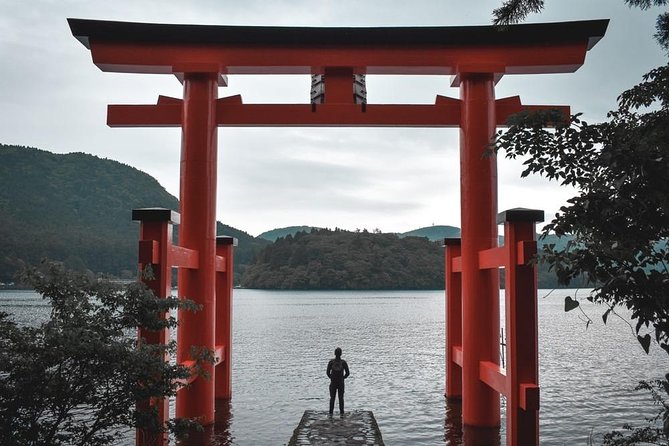
After Kawaguchiko, you’ll visit Kitaguchi Hongu Fuji Sengen Jinja, a shrine complex with wooden structures and stone lanterns lining paths through wooded areas. You’re allotted around one hour, which usually works well for a relaxed walk and photos.
This is another free-admission stop, so it’s a low-cost way to add cultural texture to the day. If you like Shinto atmosphere—quiet paths, ritual spaces, and the feel of stepping out of the main crowds—this is a good match.
It’s also a nice contrast to the bigger view stops. You’re not only chasing the mountain; you’re seeing how people live alongside it.
Other Hakone loops worth the fare
- Tokyo: Mt. Fuji Tour, Hakone Ropeway, Owakudani, Lake Ashi★ 4.7 · 4,002 reviews
- Private Tour to Mt. Fuji and Hakone (Fully Licenced Operator)★ 5.0 · 1,910 reviews
- Mt Fuji & Hakone Cruise, Drum Show Bus 1 Day from Tokyo★ 4.0 · 1,287 reviews
- From Tokyo: Mt. Fuji & Hakone Tour w/ Return by Bullet Train★ 4.2 · 1,278 reviews
- Mt Fuji and Hakone 1-Day Bus Tour Return by Bus★ 4.5 · 929 reviews
Hakone Ropeway and Lake Ashinoko: caldera views and big travel time
Hakone’s centerpiece here is Lake Ashinoko, the volcanic caldera lake that became the symbol of the region. You’ll spend about 30 minutes in this area, which is enough for a short lakeside look and getting oriented before the next mode of transport.
Lake Ashinoko itself is mostly undeveloped along the shores, with small towns and a couple of resort hotels. That matters because the views tend to feel less like a theme park and more like a scenic corridor.
Then you head to the Hakone Ropeway, part of the Hakone Round Course system connecting Sounzan Station to Togendai Station. The ropeway ride is about 3 hours in the overall plan, but the important detail is that the Ropeway ticket is not included.
This is where timing becomes everything. If weather is clear, the ropeway can deliver sweeping views. If clouds roll in, it still gets you moving efficiently through Hakone’s viewpoints.
Timing reality check: traffic, crowds, and why some days feel tight
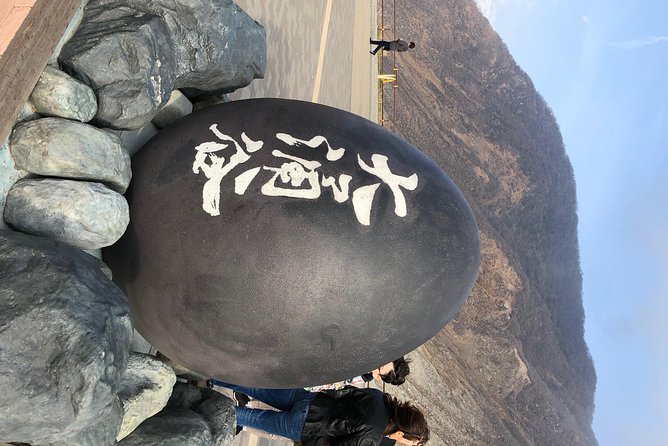
Even with private driving, you’re dealing with one big constant: road time. One note from a similar day is that driving alone can take about 5–7 hours depending on traffic, leaving only 3–5 hours to spread across multiple stops.
That’s why the itinerary style matters. You’ll hit several distinct locations, but you won’t get long hangs at each one. If your ideal day is slow and detailed—plus extra eating, extra walking, or extra detours—this tour may feel like a checklist.
Crowds can also shape your experience. Weekend traffic is heavy, and popular Fuji routes can stack up. When a driver is good at timing (getting you to the right places before lines swell), your day feels smoother and you can enjoy more.
The best way to think about this: you’re buying access and efficiency. You’re not buying leisure time.
What’s extra: lunch, Fuji 5th Station, and optional full guidance
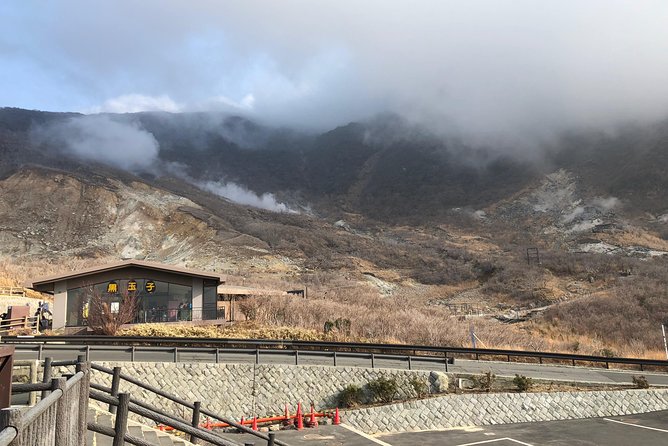
Let’s talk money beyond the base price. Lunch is not included, so plan on budgeting for food somewhere along the route.
The Mt. Fuji 5th Station entrance fee is also extra at 2100¥ per group. And if you do the Hakone Ropeway, that ticket is not included either.
One more cost option is about how “guided” the day feels. Your package includes an English-speaking driver, but it also notes that a fully guided English experience with an English-speaking guide requires an additional ¥20,000. In practice, that means your day might be more like careful driving plus some helpful explanation, unless you add the full guide option.
If your top priority is deep cultural storytelling at each shrine and viewpoint, this is the part to decide early.
Guides in the driver seat: what to expect from the English-speaking help
What consistently improves the day is how the driver manages timing. Several guide experiences highlight traits like being on time, communicating about traffic, and adjusting plans when weather changes.
If clouds steal Fuji visibility, the best drivers pivot fast: shifting where you pause, suggesting alternate viewpoints, and keeping the day enjoyable rather than stuck. That kind of flexibility is a real value add on a mountain day.
Still, manage expectations on explanation level. Some experiences can feel more driver-led than guide-led, depending on whether you add the full English guide option.
If you want more narration, bring a short list of what you care about most—Fuji geology, Shinto shrines, Hakone history, or practical photo tips—and ask early. You’ll get more out of the time that way.
Who this tour suits best (and who should adjust expectations)
This private trip makes the most sense if you want big sights with minimal logistics. It’s great for families with kids who need smooth transit, couples who want a romantic Fuji day without train hassles, and anyone staying in central Tokyo who doesn’t want to spend a half-day figuring out routes.
It’s also a smart choice if you’re visiting in a season when weather can shift quickly. Having one responsible driver and a plan you can adjust saves you from scrambling.
Who should reconsider: if you want long hikes, multiple meals with zero rush, or a very paced “slow travel” day, the travel time and stop density may feel tight.
Tips to maximize your chances of seeing Fuji clearly
1) Aim for an early start. When you get moving before crowds and traffic fully build, you buy time for better viewpoints.
2) Bring layers. At the 5th Station altitude, temperatures can drop and wind can make it feel colder than you expect.
3) Treat each stop as a different photo strategy. Fuji can vanish and reappear; rotate between lake views, shrine viewpoints, and lake ashore angles.
4) Wear good walking shoes. Shrines can mean steep steps, and ropeway areas involve walking even when you’re not climbing mountains.
5) Keep one flexible mindset. If clouds roll in at Fuji, you’ll still enjoy shrines and lake scenery, especially if your driver is proactive about timing.
Should you book this Mt. Fuji and Hakone private day trip?
Book it if you value door-to-door convenience, want a private-group day, and like the idea of stacking Fuji-and-lakes viewpoints in one shot. The extra fees (Fuji 5th Station, ropeway ticket, lunch) still tend to be manageable because most of the core transport and major time savings come from the private pickup/drop-off.
Hold off or adjust expectations if you’re only happy with summit-level Fuji photos, or if you want hours at each place. This day is efficient, not slow, and road time is the boss.
My practical call: if your group is small and you want a smooth, scenic day without train stress, this is a good way to do it. Just plan your budget for the ticket extras and keep your schedule realistic.
FAQ
How many people is this private tour for?
The price is listed per group for up to 3 people. That makes it a good fit for small groups who want private transport.
What’s included in the price?
Hotel pickup and drop-off are included for Tokyo’s 23 wards, along with a modern vehicle, an English-speaking driver, fuel, highway tolls, and parking fees. Mobile ticket is also mentioned as a feature.
Is lunch included?
No. Lunch is listed as an extra cost.
Do I need to pay for the Mt. Fuji 5th Station?
Yes. The Mt. Fuji 5th Station entrance fee is listed as 2100¥ per group, and it’s not included.
Are the shrine and lake stops included in the entry fees?
Some are free based on what’s listed for each stop. For example, Arakura Fuji Sengen Shrine and the other listed shrine stops show admission ticket as free, while Mt. Fuji 5th Station and activity tickets are not included.
Is the Hakone Ropeway ticket included?
No. The Hakone Ropeway entrance fee/ticket is listed as not included.
Can I do a cruise or hot spring in Hakone?
The overview says you can opt to cruise on Lake Ashi or bathe in a hot spring. The exact tickets for those options are not listed as included, so you should expect extra costs.
More Tour Reviews in Tokyo
- Mt Fuji and Hakone 1-Day Bus Tour Return by Bullet Train
★ 5.0 · 26,383 reviews - 1-Day Tokyo Bus Tour
★ 5.0 · 14,250 reviews - Tokyo: teamLab Planets TOKYO Digital Art Museum Entry Ticket
★ 4.6 · 9,779 reviews - Mt Fuji & Hakone Cruise, Drum Show Bullet Train 1 Day from Tokyo
★ 4.0 · 7,413 reviews - Tokyo: Shinjuku Food Tour (13 Dishes at 4 Local Eateries)
★ 5.0 · 6,603 reviews
Hakone, A Few More Ways
- Mt Fuji and Hakone 1-Day Bus Tour Return by Bullet Train
★ 5.0 · 26,383 reviews - Mt Fuji & Hakone Cruise, Drum Show Bullet Train 1 Day from Tokyo
★ 4.0 · 7,413 reviews - Tokyo Mt Fuji 5th St & Hakone Cruise Bus Tour w/Bullet Train
★ 4.4 · 5,024 reviews - Tokyo: Mt. Fuji Tour, Hakone Ropeway, Owakudani, Lake Ashi
★ 4.7 · 4,002 reviews - Private Tour to Mt. Fuji and Hakone (Fully Licenced Operator)
★ 5.0 · 1,910 reviews
More Mount Fuji Days We Have Reviewed
- Mt Fuji and Hakone 1-Day Bus Tour Return by Bullet Train
★ 5.0 · 26,383 reviews - Mt Fuji & Hakone Cruise, Drum Show Bullet Train 1 Day from Tokyo
★ 4.0 · 7,413 reviews - Tokyo Mt Fuji 5th St & Hakone Cruise Bus Tour w/Bullet Train
★ 4.4 · 5,024 reviews - From Tokyo: Mount Fuji Full-Day Sightseeing Trip
★ 4.5 · 4,970 reviews - Tokyo: Mt. Fuji Tour, Hakone Ropeway, Owakudani, Lake Ashi
★ 4.7 · 4,002 reviews
Latest Tokyo reviews off our desk






Mount Fuji Tours, compared.
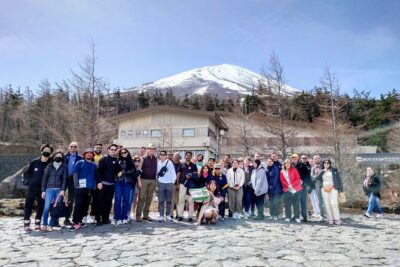 ★ 5.0Mt Fuji and Hakone 1-Day Bus Tour Return by Bullet TrainFrom $16326,383 reviews
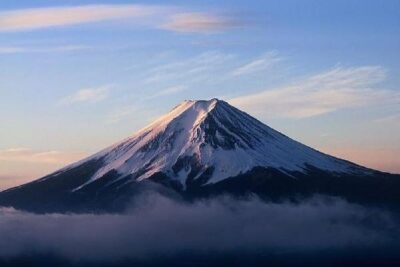 ★ 4.0Mt Fuji & Hakone Cruise, Drum Show Bullet Train 1 Day from TokyoFrom $1497,413 reviews
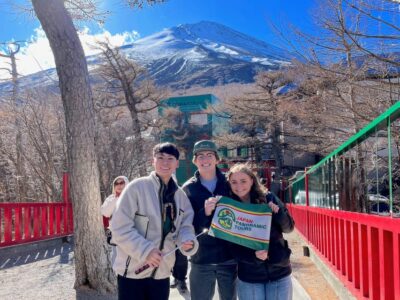 ★ 4.4Tokyo Mt Fuji 5th St & Hakone Cruise Bus Tour w/Bullet TrainFrom $1545,024 reviews
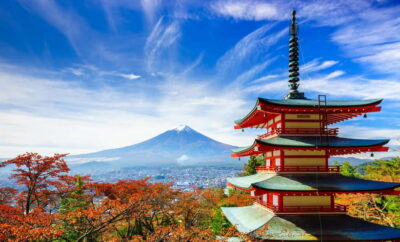 ★ 4.5From Tokyo: Mount Fuji Full-Day Sightseeing TripFrom $684,970 reviews
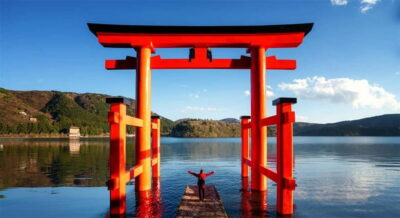 ★ 4.7Mt. Fuji Tour, Hakone Ropeway, Owakudani, Lake AshiFrom $544,002 reviews
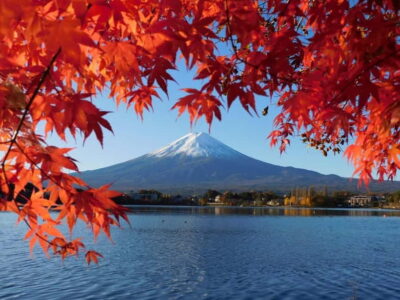 ★ 4.4Mt.Fuji,Kawaguchiko Oishi Park,Arakurayama Sengen ParkFrom $542,682 reviews
 ★ 4.2Mt. Fuji 5th Station & Hakone Cruise 1-Day Bus TourFrom $1292,381 reviews
 ★ 4.7Mt Fuji Top 5 Spots Day Tour: Arakurayama Park,Oshino HakkaiFrom $532,066 reviews
Browse the lists this tour appears in