
Reviewed · MOUNT FUJI TOURS
Mt. Fuji & Hakone Cherry Blossom private One Day Tour
Mt. Fuji feels real up close. This private one-day plan mixes Japan’s big-picture icons with smaller, calmer moments in Hakone—so you spend less time sorting transport and more time looking. You’ll likely appreciate the hotel pickup/drop-off option and the comfort of an air-conditioned private vehicle for the long ride.
I especially like that the day is built around high-value stops: Fuji Subaru Line 5th Station for classic angles of the mountain, plus Lake Ashinoko and the nearby shrines for softer, photo-friendly breaks. The whole schedule is paced in chunks, so you aren’t stuck for hours doing one exhausting thing.
One thing to consider: this tour can feel like a car-first day rather than a deep guided lecture. If you want lots of history or fluent explanations, it’s worth being clear about your expectations before you book.
In This Review
- Quick hits
- Private Mt. Fuji and Hakone: the real point of a one-day car
- Price and what you actually get for up to five
- The morning start: Tokyo Station meet-up and how the day stays on track
- Fuji Subaru Line 5th Station: classic views, snow risk, and a fee you should plan for
- Oshino Hakkai: spring ponds, easy walking, and that Mount Fuji reflection factor
- Lake Ashinoko: crater-lake views with Togendai nearby
- Moto Hakone Shrine’s torii-in-the-lake moment
- Owakudani Valley: sulfur fumes, black eggs, and timing matters for Fuji
- Gotemba Premium Outlets: why a shopping stop can be smart
- What can make or break the day: guide expectations and vehicle comfort
- Who this private one-day plan fits best
- Should you book this Mt. Fuji & Hakone private one-day tour?
- FAQ
- How long is the Mt. Fuji & Hakone Cherry Blossom private one-day tour?
- Is hotel pickup and drop-off included?
- What is the price for this private tour?
- What’s the meeting point in Tokyo?
- Are meals included?
- Do I need to pay extra for Mt. Fuji 5th Station?
- Is there an admission fee at Hakone stops?
- What stops are included during the day?
Quick hits
- Private Tokyo pickup/drop-off helps you dodge transfers and time-wasting connections
- Fuji 5th Station is the most practical 5th station for sightseeing, though access can shift with snow or rules
- Oshino Hakkai is a short, easy stop with spring-fed ponds and Mount Fuji reflections on clear days
- Lake Ashi + Moto Hakone Shrine gives you calm water views and the famous torii gate in the lake
- Owakudani is volcanic drama in one hour, including sulfur fumes and the well-known black eggs
- Gotemba Premium Outlets adds a flexible shopping block at the base of Fuji
Private Mt. Fuji and Hakone: the real point of a one-day car
Tokyo to Mt. Fuji and Hakone is one of those classic travel routes where the map looks simple, but real life can be messy. Trains, buses, ticket lines, and timing all stack up. A private car day takes that weight off your shoulders.
What makes this style of tour work is that it treats the day like a set of sightseeing “zones.” You get transportation that keeps you moving between the icons, and you arrive at places where you can actually stop, look, and take photos without constantly checking schedules.
The other hidden win: it’s easier to travel with a mixed group. This tour is priced per group (up to five), and that matters if you have kids, older parents, or anyone who doesn’t want a day built around stair-heavy stations and tight connections.
More Fuji day trips our readers rated highly
- Mt Fuji and Hakone 1-Day Bus Tour Return by Bullet Train
★ 5.0 · 26,383 reviews - Mt Fuji & Hakone Cruise, Drum Show Bullet Train 1 Day from Tokyo
★ 4.0 · 7,413 reviews - Tokyo Mt Fuji 5th St & Hakone Cruise Bus Tour w/Bullet Train
★ 4.4 · 5,024 reviews - From Tokyo: Mount Fuji Full-Day Sightseeing Trip
★ 4.5 · 4,970 reviews
Price and what you actually get for up to five
At $450 per group (up to five), this is not a cheap impulse buy. But the math changes depending on who you’re traveling with and what you’re trying to avoid.
Here’s what you’re paying for:
- Private transportation (air-conditioned vehicle)
- Pickup offered from your hotel and drop-off back to where you started
- A mobile ticket and a hotspot on the board so you’re not stuck offline
- Entrance fees and listed taxes covered, with a couple important exceptions
The key “exceptions” are where value can swing:
- Fuji Subaru Line 5th Station fee is listed as $15 USD not included
- Hakone Open Air Museum fee is also listed as $15 USD only if you go there
If your group is 4–5 people, the private car cost spreads out. If you’re traveling solo or as a couple, it becomes more of a comfort-and-effort tradeoff. In that case, I’d ask yourself: would you rather pay to avoid transfers and timing pressure, or do you enjoy building a day yourself?
The morning start: Tokyo Station meet-up and how the day stays on track
The plan starts from Tokyo Station (1 Chome-9 Marunouchi, Chiyoda City, Tokyo) and returns you back there. Pickup is offered from your hotel, which can be a big deal if you’re staying outside the immediate Tokyo Station area.
Plan for a long day. The duration is about 10 hours, and that’s realistic because you’re mixing several distinct stops—Fuji, springs, a lake area, a volcanic zone, and a shopping stop. When travel involves winding roads and seasonal closures, early timing matters.
Also note what’s not included: lunch and coffee/tea. That means you should carry a snack or be ready to buy something on the road. I’d rather show up with water and a small emergency bite than gamble on having exactly what you want during gaps between stops.
Fuji Subaru Line 5th Station: classic views, snow risk, and a fee you should plan for
This is the centerpiece stop for many people, because it puts you high enough to get a commanding sense of the mountain. Fuji Subaru Line 5th Station sits at about 2,300 meters and is one of the more accessible 5th stations for travelers coming from Tokyo.
The best part here is practical: it’s a sightseeing spot even outside peak climbing time, as long as conditions allow.
Two realities to keep in mind:
- Winter snow and closures can affect access, and the road may partially close during heavy snow
- During the climbing season (noted as July 14 to September 10, 2023), the road is closed to private vehicles for most of that period, so the exact access may depend on the rules in effect
You should also budget for the Subaru Line fee of $15 USD since it’s not included. If you hate surprise charges on travel days, treat that as part of your “Fuji budget.”
Time allocation is about 2 hours here. That’s enough to walk around, take photos, and get a feel for altitude—without turning it into an all-day march.
Oshino Hakkai: spring ponds, easy walking, and that Mount Fuji reflection factor
Next up is Oshino Hakkai, the Eight Seas of Oshino—eight natural spring ponds fed by snowmelt filtering through volcanic rock. The practical magic of this stop is that it’s visually simple. Clear water, traditional-style surroundings, and Mount Fuji reflections on the right day.
The tour allots about 30 minutes, and that’s right for Oshino Hakkai. This isn’t a place you need half a day. You can stroll, look for reflections, check out small shops, and still keep your energy for Hakone.
A bonus detail: there’s fresh water you can drink directly from the springs (it’s often a point of interest in this area). If you’re sensitive to taste or stomachs get grumpy on travel days, you might treat that as a optional add-on rather than a must.
Admission here is listed as free, so it’s a lower-cost, high-relaxation moment in the day.
Other Hakone loops worth the fare
- Tokyo: Mt. Fuji Tour, Hakone Ropeway, Owakudani, Lake Ashi★ 4.7 · 4,002 reviews
- Private Tour to Mt. Fuji and Hakone (Fully Licenced Operator)★ 5.0 · 1,910 reviews
- Mt Fuji & Hakone Cruise, Drum Show Bus 1 Day from Tokyo★ 4.0 · 1,287 reviews
- From Tokyo: Mt. Fuji & Hakone Tour w/ Return by Bullet Train★ 4.2 · 1,278 reviews
- Mt Fuji and Hakone 1-Day Bus Tour Return by Bus★ 4.5 · 929 reviews
Lake Ashinoko: crater-lake views with Togendai nearby
Lake Ashinoko (Lake Ashi) is a crater lake formed after a volcanic eruption about 3,000 years ago. In practical terms, it gives you wide open water views and often one of the most photogenic backdrops for Mt. Fuji, depending on weather.
The tour gives you about 2 hours in this area. That’s a good window because Lake Ashi days can include wandering viewpoints and timing something like a short boat experience if it fits your day. The tour data also references Togendai as a nearby starting point for a Fujisan Gotemba trail ascent, and that makes sense: this zone is built for sightseeing and movement.
Since the admission listed for this stop is free, you’re mainly paying in time and comfort from the private car.
If the weather is hazy, Lake Ashi still works because you’re looking at water, mountains, and the Hakone “caldera” feel. Clear days are the dream; average days still won’t feel like a waste if you use the time to walk and take photos.
Moto Hakone Shrine’s torii-in-the-lake moment
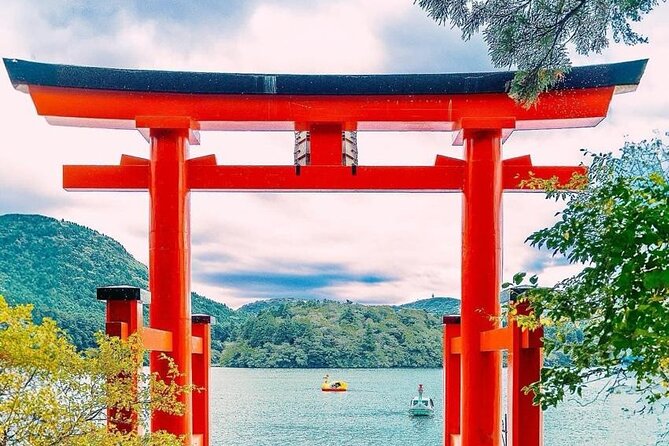
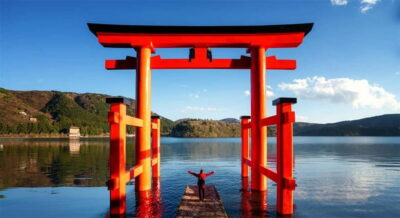
At Moto Hakone Shrine (元箱根神社, Moto-Hakone Jinja), the big draw is the torii gate standing in the water. It’s one of those instant photo subjects that also feels calm when you’re there in person.
The shrine sits in a forested area with Lake Ashi and Mount Hakone as a backdrop, and on clear days you may catch Mount Fuji too. Even if you don’t, the setting is still peaceful and different from the more “touristy high-volume” places earlier in the day.
You’ll have about 30 minutes here. That’s enough time to reach the main view, take photos, and do a quick prayer stop without rushing.
Admission is listed as free. So again, it’s a budget-friendly stop with a high payoff in atmosphere.
Owakudani Valley: sulfur fumes, black eggs, and timing matters for Fuji
Ōwakudani (Owakudani) is Hakone’s volcanic zone—an area around a crater created during the last eruption roughly 3,000 years ago. You’re in active volcanic territory here, which means the air can smell strongly of sulfur and you’ll see hot spots, fumes, and hot environments.
The tour gives you about 1 hour. That’s the right amount of time. Owakudani is intense. You get enough to experience the energy, see the geothermal activity, and try the signature local snack without dragging it into your whole day.
The well-known attraction: eggs cooked in hot spring pools with shells blackened by sulfur. People say eating one will prolong life by seven years, which is the kind of local myth that makes travel fun.
Admission is listed as free. It’s also a place where your Mount Fuji visibility is weather-dependent. On clear days, you may catch views of Fuji from the valley; on cloudy or misty days, you’ll still have the volcanic drama.
Gotemba Premium Outlets: why a shopping stop can be smart
After volcano and springs, you may welcome a more casual, flexible block. Gotemba Premium Outlets is located in Gotemba City at the base of Mt. Fuji and is described as Japan’s most popular outlet mall, with around 300 stores, restaurants, and a 50-meter-high Ferris wheel.
The tour allots about 2 hours and lists this stop as admission free.
Here’s the practical value: it gives you time to reset and do something easy, especially if your group includes people who don’t want more walking temples or crater viewpoints. Even if shopping isn’t your goal, it’s a convenient place to grab a snack or a warm drink and keep your day moving.
Also, outlet pricing isn’t always shockingly low, but it tends to be better than regular retail in Japan. That matters if you’ve been hunting for basics like sneakers, outerwear, or gifts and want prices that feel less stressful.
What can make or break the day: guide expectations and vehicle comfort
This is a private tour, but it’s still a moving-day experience. The big “quality variable” is how much guidance you get versus how much the day feels like a driver-led transfer.
In plain terms:
- If you want history, cultural context, and a lot of spoken guidance, confirm that upfront.
- If your goal is primarily transportation and timely stops for photos, this format can feel perfect.
One clue from past experience with this operator is that different drivers handle the day differently. A group shared that a driver named Rezi helped them reach sites with fewer crowds and allowed extra time for photos, even adding a stop connected to the Hakone Open Air Museum interest. That points to the best version of this tour: flexible pacing where your day fits your priorities.
The other thing I like to flag: road rules and weather can force changes. Mt. Fuji access can be affected by snow and seasonal private-vehicle restrictions. That doesn’t mean the day is doomed; it means you should go in expecting that the route is shaped by real-world conditions.
If you’re traveling with children or older adults, it’s worth asking how restroom breaks are handled and how quickly you’ll be moving between locations. Comfort matters when the day is long.
Who this private one-day plan fits best
This tour style is a strong match if:
- You want Mt. Fuji + Hakone in a single day without building a multi-leg itinerary
- Your group includes people with different walking stamina
- You prefer private, timed sightseeing over public transit juggling
- You value convenience over maximum flexibility to wander on your own
It may be less ideal if:
- You’re hoping for a deep, lecture-style guide experience all day
- You dislike shopping blocks (Gotemba Outlets are built in)
- You get frustrated by weather-driven visibility changes around Fuji
Also keep in mind the tour is described as most travelers can participate, and service animals are allowed. If you have specific mobility needs, you’ll want to check in before booking so the pacing and walking distances match your expectations.
Should you book this Mt. Fuji & Hakone private one-day tour?
If you’re traveling as a couple or small group and you’d rather pay for convenience than spend the day planning and transferring, I’d book this. The mix of Fuji 5th Station, Oshino Hakkai, Lake Ashi, Moto Hakone Shrine, Owakudani, and Gotemba creates a full picture of the region without turning your day into a logistics project.
Before you click confirm, do two things:
- Plan your Fuji budget with the Fuji Subaru Line fee in mind
- Decide what you want from the guide: if you need lots of cultural explanation, ask about language and commentary style
When those boxes are checked, this is the kind of one-day outing that lets you come away with photos, calm moments, and less stress.
FAQ
How long is the Mt. Fuji & Hakone Cherry Blossom private one-day tour?
The tour runs for about 10 hours (approx.).
Is hotel pickup and drop-off included?
Pickup is offered, and the tour includes convenience pickup/drop-off from your hotel.
What is the price for this private tour?
It’s $450 per group, up to five people.
What’s the meeting point in Tokyo?
The start point is Tokyo Station (1 Chome-9 Marunouchi, Chiyoda City, Tokyo 100-0005, Japan), and the activity ends back at the meeting point.
Are meals included?
No. Lunch, coffee, and/or tea are listed as not included.
Do I need to pay extra for Mt. Fuji 5th Station?
Yes. The Fuji Subaru Line 5th Station fee is listed as $15 USD and is not included.
Is there an admission fee at Hakone stops?
Most stops listed are free, but the Hakone Open Air Museum fee is listed as $15 USD only if you go there.
What stops are included during the day?
Key stops include Fuji Subaru Line 5th Station, Oshino Hakkai, Lake Ashinoko, Moto Hakone Shrine, Owakudani Valley, and Gotemba Premium Outlets.
More Tour Reviews in Tokyo
- Mt Fuji and Hakone 1-Day Bus Tour Return by Bullet Train
★ 5.0 · 26,383 reviews - 1-Day Tokyo Bus Tour
★ 5.0 · 14,250 reviews - Tokyo: teamLab Planets TOKYO Digital Art Museum Entry Ticket
★ 4.6 · 9,779 reviews - Mt Fuji & Hakone Cruise, Drum Show Bullet Train 1 Day from Tokyo
★ 4.0 · 7,413 reviews - Tokyo: Shinjuku Food Tour (13 Dishes at 4 Local Eateries)
★ 5.0 · 6,603 reviews
Hakone, A Few More Ways
- Mt Fuji and Hakone 1-Day Bus Tour Return by Bullet Train
★ 5.0 · 26,383 reviews - Mt Fuji & Hakone Cruise, Drum Show Bullet Train 1 Day from Tokyo
★ 4.0 · 7,413 reviews - Tokyo Mt Fuji 5th St & Hakone Cruise Bus Tour w/Bullet Train
★ 4.4 · 5,024 reviews - Tokyo: Mt. Fuji Tour, Hakone Ropeway, Owakudani, Lake Ashi
★ 4.7 · 4,002 reviews - Private Tour to Mt. Fuji and Hakone (Fully Licenced Operator)
★ 5.0 · 1,910 reviews
More Mount Fuji Days We Have Reviewed
- Mt Fuji and Hakone 1-Day Bus Tour Return by Bullet Train
★ 5.0 · 26,383 reviews - Mt Fuji & Hakone Cruise, Drum Show Bullet Train 1 Day from Tokyo
★ 4.0 · 7,413 reviews - Tokyo Mt Fuji 5th St & Hakone Cruise Bus Tour w/Bullet Train
★ 4.4 · 5,024 reviews - From Tokyo: Mount Fuji Full-Day Sightseeing Trip
★ 4.5 · 4,970 reviews - Tokyo: Mt. Fuji Tour, Hakone Ropeway, Owakudani, Lake Ashi
★ 4.7 · 4,002 reviews
Latest Tokyo reviews off our desk






Mount Fuji Tours, compared.
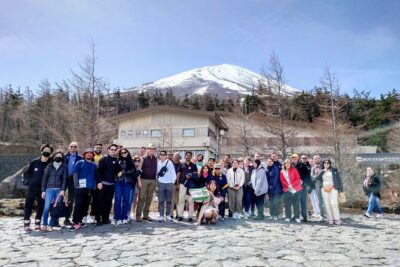 ★ 5.0Mt Fuji and Hakone 1-Day Bus Tour Return by Bullet TrainFrom $16326,383 reviews
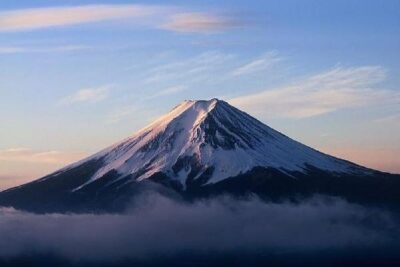 ★ 4.0Mt Fuji & Hakone Cruise, Drum Show Bullet Train 1 Day from TokyoFrom $1497,413 reviews
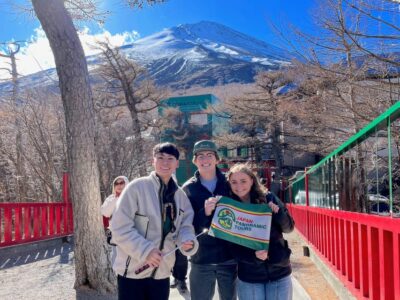 ★ 4.4Tokyo Mt Fuji 5th St & Hakone Cruise Bus Tour w/Bullet TrainFrom $1545,024 reviews
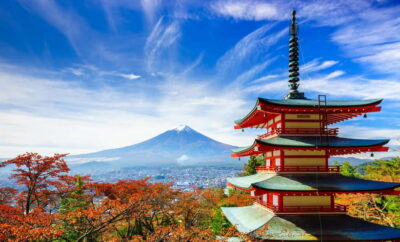 ★ 4.5From Tokyo: Mount Fuji Full-Day Sightseeing TripFrom $684,970 reviews
 ★ 4.7Mt. Fuji Tour, Hakone Ropeway, Owakudani, Lake AshiFrom $544,002 reviews
 ★ 4.4Mt.Fuji,Kawaguchiko Oishi Park,Arakurayama Sengen ParkFrom $542,682 reviews
 ★ 4.2Mt. Fuji 5th Station & Hakone Cruise 1-Day Bus TourFrom $1292,381 reviews
 ★ 4.7Mt Fuji Top 5 Spots Day Tour: Arakurayama Park,Oshino HakkaiFrom $532,066 reviews
Browse the lists this tour appears in