
Reviewed · MOUNT FUJI TOURS
Mt. Fuji & Hakone: Fuji Sengen Shrine, Cruise, and Ramen-Making
Mt. Fuji views can happen fast. This long day links the big sights in one smooth package: a Lake Ashi cruise (weather-permitting), ramen-making from scratch, and scenic stops around Hakone and Mt. Fuji. For me, the standout value is that you get real experiences, not just photo ops, and you do it without juggling trains or transfers all day.
One thing to plan for: the day can shift with weather and traffic, and there’s a fair amount of walking—especially at the Arakura Fuji Sengen Shrine area where you may choose between a staircase or a longer slope. If you don’t move well for 10–15 minutes at a time, this won’t feel relaxed.
In This Review
- Key Points at a Glance
- Why This Mt. Fuji and Hakone Day Trip Fits Real Life
- Shinjuku Morning Start: Getting on the Bus Without Drama
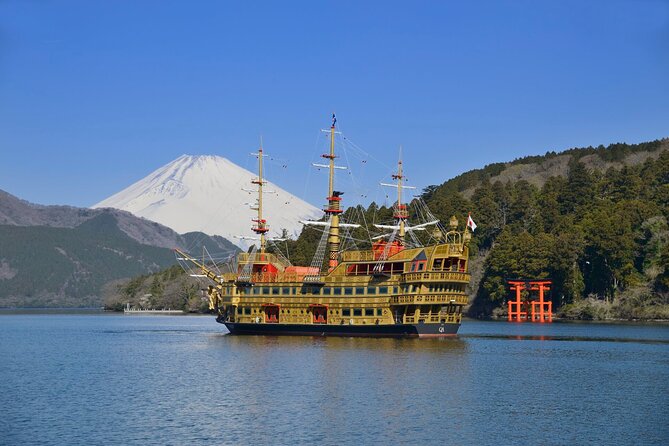
- Lake Ashi Cruise on Hakone Pirate Ship: Mt. Fuji From the Water
- DIY Ramen Lunch in Fujikawaguchiko-machi: Make It, Then Eat It
- Arakura Fuji Sengen Shrine (and Tenku no Torii): Your Fuji Photo Moment
- Oshino Hakkai: Eight Ponds, One Calm Break From the Bus
- Timing, Walking, and Photo Strategy for a Long Day
- Price and Value: What You’re Really Paying For
- Guide and Driver Experience: Small Details That Change Everything
- So, Should You Book It?
- FAQ
- What time does the tour start?
- Where do I meet the group?
- How long is the day trip?
- Is lunch included?
- Can I include the Lake Ashi cruise?
- What if the cruise can’t run due to weather or other issues?
- Are vegetarian meals available?
- Is the tour mostly walking?
- Does the bus have Wi‑Fi?
- Is hotel pickup included?
Key Points at a Glance
- Direct Shinjuku pickup keeps you out of train-scheduling math
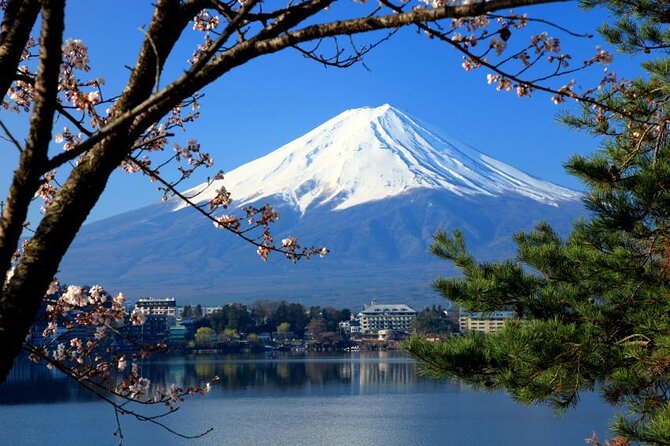
- Lake Ashi cruise offers a classic Mt. Fuji-from-the-water view when conditions cooperate
- DIY ramen lunch lets you pick soup base, toppings, and noodle firmness
- Arakura Fuji Sengen Shrine delivers a postcard-style Fuji viewpoint plus red torii and pagoda views
- Oshino Hakkai is a calm, cultural break centered on eight Fuji snowmelt ponds filtered through volcanic rock
- Small-group feel (up to 42) makes it easier to keep track of timing and meeting points
Why This Mt. Fuji and Hakone Day Trip Fits Real Life
This is a “see a lot, do it with less stress” kind of day. You start in Shinjuku early, ride in an air-conditioned bus with free Wi‑Fi, and let someone else handle the timing between Hakone, Fuji viewpoints, and the ramen factory. If you want a strong first taste of the region without spending your whole day moving through stations, this style works.
I also like that the day includes hands-on culture. You’re not just standing around. You’re making ramen noodles and choosing flavors—then eating your own bowl right afterward. It’s one of those activities that turns sightseeing into a memory you can actually describe later.
The final piece is variety. You get water views on Lake Ashi, a shrine climb at Arakura Fuji Sengen Shrine (or an alternate shrine option), and then the peaceful ponds at Oshino Hakkai. It’s a nice mix of photo stops, food, and tradition, all packed into about 11–12 hours.
More Fuji day trips our readers rated highly
- Mt Fuji and Hakone 1-Day Bus Tour Return by Bullet Train
★ 5.0 · 26,383 reviews - Mt Fuji & Hakone Cruise, Drum Show Bullet Train 1 Day from Tokyo
★ 4.0 · 7,413 reviews - Tokyo Mt Fuji 5th St & Hakone Cruise Bus Tour w/Bullet Train
★ 4.4 · 5,024 reviews - From Tokyo: Mount Fuji Full-Day Sightseeing Trip
★ 4.5 · 4,970 reviews
Shinjuku Morning Start: Getting on the Bus Without Drama
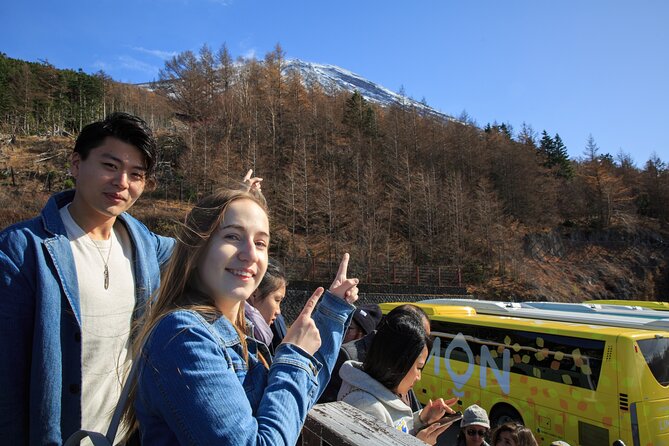
The meeting point is the Shinjuku Center Building (1-chōme-25 Nishishinjuku), and it’s about a 7-minute walk from JR Shinjuku Station. The start time is 7:40 am and the bus leaves on schedule, meaning it won’t wait if you’re still hunting for the right curb.
Here’s the practical move: give yourself extra margin. Shinjuku is confusing even on a good day, and even people with good maps can end up walking in circles. In past trips, the meeting spot has been tricky for some, so I’d treat this like a “be early, not brave” situation.
Good news: once you’re on board, the bus experience is built for comfort. Reviews mention reclining seats, power outlets, and plenty of room, plus the helpful presence of an English-speaking guide who gives context during the ride.
Lake Ashi Cruise on Hakone Pirate Ship: Mt. Fuji From the Water
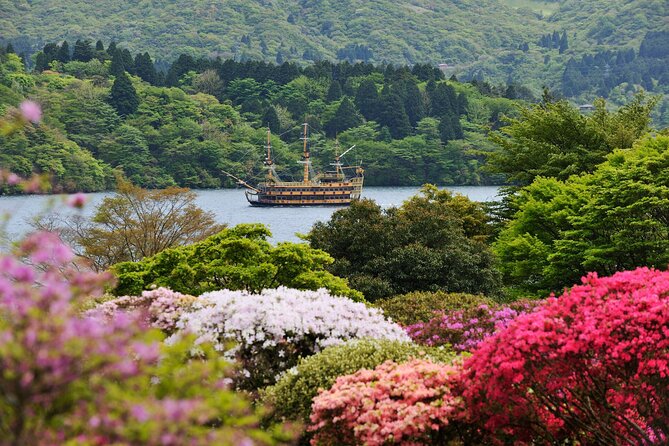
Lake Ashi is where Hakone starts feeling cinematic. You board the Hakone Pirate Ship and glide across the lake, with Mt. Fuji often visible in the background—though the key phrase is weather permitting. When visibility is good, the whole day feels like it has a “main event” anchor.
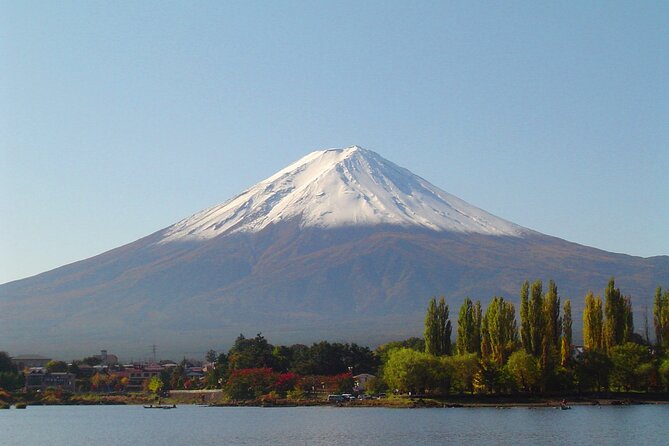
Why this matters: seeing Mt. Fuji isn’t just about a distant peak. A lake view changes the mood. It’s less about chasing a single perfect photo and more about watching the shape of the mountain reflected and framed by water and shoreline greenery.
If the cruise can’t run—because of suspension, bad weather, or traffic delays—you’ll be taken to alternative facilities. The tour notes that refunds won’t be given in that case, so your best approach is to treat the cruise as a bonus if conditions allow, not the one guaranteed moment.
DIY Ramen Lunch in Fujikawaguchiko-machi: Make It, Then Eat It

Food days in Japan can be a gamble when you’re touring. This one is set up well because you’re doing ramen-making from scratch, not just ordering off a menu.
At the ramen factory stop, you build your lunch around choices:
- pick a soup base
- choose seasonings and toppings
- even control how you want the noodles: boil until your desired firmness
- then you sit down and eat what you made
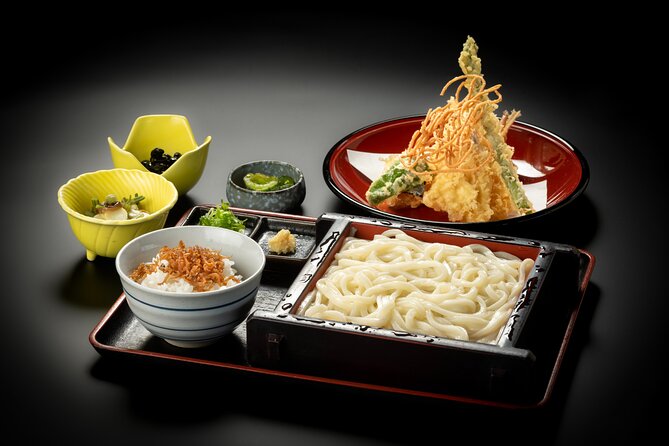
This is the part I’d recommend even if you already ate well before the tour. You’re gaining the technique and the timing, which makes the lunch more than a quick meal. It also slows the day down in a good way. After long rides and sightseeing, hands-on cooking gives your brain a reset.
A caution worth knowing: one review mentioned lunch was served a bit cold and that the seating can be traditional low seating on the floor. If you have mobility issues or you’re not comfortable sitting low for a while, it might be smart to wear supportive footwear and plan for a slightly less “restaurant-style” setup.
Arakura Fuji Sengen Shrine (and Tenku no Torii): Your Fuji Photo Moment
This stop is where the day turns scenic and spiritual at the same time. The default option described is Arakura Fuji Sengen Shrine, a Shinto site founded over 1,500 years ago. It’s known for its famous viewpoint of Mt. Fuji and for seasonal cherry blossoms in the right conditions.
What you’ll do here:
- walk through the big red torii gate
- explore stone stairs and smaller shrines along the way (including ones dedicated to safe childbirth and fire protection)
- reach the main area with a five-story pagoda view and an observatory deck
One important planning detail: to reach the area near the pagoda and viewpoint, you can take either a staircase or a more gradual path. The staircase route is listed at 398 steps, which sounds manageable until you realize you’ve already been on a bus since the morning. If your legs feel it easily, choose the gentler route early.
The tour also mentions that you’ll visit a shrine of your choice: Arakura Fuji Sengen Shrine or Tenku no Torii. If you care most about classic views and a structured shrine climb, Arakura is the obvious pick. If you like a more minimal, iconic torii-in-the-sky vibe, Tenku no Torii may fit your taste better (but your day’s timing matters).
Either way, this is one of the best “stop for a long look” moments. Even if the mountain is hazy, the shrine architecture and steps make it interesting on their own.
Other Hakone loops worth the fare
- Tokyo: Mt. Fuji Tour, Hakone Ropeway, Owakudani, Lake Ashi★ 4.7 · 4,002 reviews
- Private Tour to Mt. Fuji and Hakone (Fully Licenced Operator)★ 5.0 · 1,910 reviews
- Mt Fuji & Hakone Cruise, Drum Show Bus 1 Day from Tokyo★ 4.0 · 1,287 reviews
- From Tokyo: Mt. Fuji & Hakone Tour w/ Return by Bullet Train★ 4.2 · 1,278 reviews
- Mt Fuji and Hakone 1-Day Bus Tour Return by Bus★ 4.5 · 929 reviews
Oshino Hakkai: Eight Ponds, One Calm Break From the Bus
After shrine time, you head to Oshino Hakkai, famous for its eight ponds fed by melted snow from Mt. Fuji’s peak. The tour explains that the water filters through volcanic rock over roughly 80 years, which is a mind-blowing detail for such a quiet place.
The ponds and springs create a calmer rhythm than the earlier stops. You’re more likely to slow down here, look closely, and browse small vendors rather than rush for a single photo. The area is also known for food and shopping—markets and smaller vendors sell things like local wine, fresh fruit, and regional souvenirs.
This stop is also good for people who want a break from the “everything is steps and viewpoints” feeling. Even though you’ll still walk, the vibe is easier: wander, taste something local, and reset before your return ride to Tokyo.
Timing, Walking, and Photo Strategy for a Long Day
This is a full-day format, and it’s not shy about movement. You’re looking at 11–12 hours total, and the tour itself warns about a significant amount of walking.
My practical take: your best photo strategy is to think in phases:
1) Cruise phase: expect the mountain only if weather allows. If you don’t see it clearly, focus on reflections, shoreline, and greenery.
2) Shrine phase: plan for steps or a longer slope. If you choose stairs, take it slow early so you don’t regret it near the pagoda.
3) Oshino phase: slow down and enjoy the ponds. This is where you get photos that look real because you’re not sprinting between angles.
Also, aim to travel with layers. Even when the weather is mild, you may be outside for part of the shrine walk and inside for the ramen cooking and bus rides. One review noted lunch being cold on arrival, which is a reminder that food and comfort can vary by day and timing.
Price and Value: What You’re Really Paying For
At $128.69 per person, this tour isn’t cheap, but it’s also not overpriced for the amount of structure you get. You’re paying for:
- round-trip bus transfers from Shinjuku
- an English-speaking guide
- the ramen-making/lunch experience
- and potentially a cruise boarding ticket (if you select the cruise option)
The value is strongest if you’re doing your first trip to Tokyo and you don’t want to build your own day plan to cover both Hakone and Mt. Fuji. If you tried to do this solo, you’d spend time figuring out trains, transfers, and timing for the cruise and ramen factory—plus you’d likely have to manage your own contingency plan for weather.
The only real “value worry” to keep in mind is that when weather disrupts the cruise, you can’t count on compensation. If the mountain is fogged or rain hits hard, you’ll still have stops—but the water-view moment might not happen the way you imagined.
Guide and Driver Experience: Small Details That Change Everything
The human factor shows up in the reviews, and it matters on a day like this. Guides named Yoko, Mami, and Hiro have been praised for being friendly and helpful, with guides also sharing Mt. Fuji context during the bus ride.
One detail I’d file under “this is why tours work”: when something went off the rails with cruise timing, a guide stepped in to arrange an alternative pick-up point. That’s the kind of problem-solving you don’t want to handle with your own travel app and a tight schedule.
Driving style can also shape the day. One review singled out a driver as very skilled, while another mentioned the driver being slower and the group missing the original cruise station. Bottom line: you’re dealing with traffic and logistics in the region, so a tour’s job is to keep you moving—and good guides make that feel smooth.
So, Should You Book It?
If you want a single day that hits Hakone + Mt. Fuji viewpoints + a hands-on food experience + Oshino Hakkai, I’d lean yes. The ramen-making stop is genuinely fun, and the bus setup (air-conditioned, Wi‑Fi, comfortable seats) makes the long day feel manageable.
Book it if:
- you’re short on time and want a well-built itinerary
- you don’t want to figure out transportation from Tokyo on your own
- you enjoy food activities, not just eating
Think twice if:
- you have trouble with walking or standing for stretches, especially with the shrine steps/slope
- you’re extremely dependent on a guaranteed Mt. Fuji cruise view, since weather can change the plan
If you do book, bring realistic expectations. You’re not buying a guaranteed perfect mountain day—you’re buying a structured way to maximize your chances while still enjoying Japan’s food and traditions along the way.
FAQ
What time does the tour start?
The tour starts at 7:40 am.
Where do I meet the group?
Meet at Shinjuku Center Building, 1-chōme-25 Nishishinjuku, Shinjuku City, Tokyo 160-0023, Japan, which is about a 7-minute walk from JR Shinjuku Station.
How long is the day trip?
It lasts about 11 to 12 hours.
Is lunch included?
Yes, the tour includes the ramen-making experience/lunch.
Can I include the Lake Ashi cruise?
The sightseeing cruise boarding ticket is included if the option is selected.
What if the cruise can’t run due to weather or other issues?
If the cruise becomes inaccessible due to things like bad weather, suspension of service, or traffic jams, you’ll be taken to alternative facilities, and refunds will not be given for that reason.
Are vegetarian meals available?
For vegetarian requests, you need to contact the activity provider at least one week (7 days) before the tour. Halal and vegan lunches are not available.
Is the tour mostly walking?
There is a significant amount of walking. For the shrine area, you can choose the staircase or a gentler sloping path, but it is not recommended if you have difficulty walking 10–15 minutes.
Does the bus have Wi‑Fi?
Yes. The tour uses an air-conditioned bus with free Wi‑Fi.
Is hotel pickup included?
No. Hotel pickup and drop-off are not included, and the tour ends back at the meeting point in Shinjuku.
More Tour Reviews in Tokyo
- Mt Fuji and Hakone 1-Day Bus Tour Return by Bullet Train
★ 5.0 · 26,383 reviews - 1-Day Tokyo Bus Tour
★ 5.0 · 14,250 reviews - Tokyo: teamLab Planets TOKYO Digital Art Museum Entry Ticket
★ 4.6 · 9,779 reviews - Mt Fuji & Hakone Cruise, Drum Show Bullet Train 1 Day from Tokyo
★ 4.0 · 7,413 reviews - Tokyo: Shinjuku Food Tour (13 Dishes at 4 Local Eateries)
★ 5.0 · 6,603 reviews
Hakone, A Few More Ways
- Mt Fuji and Hakone 1-Day Bus Tour Return by Bullet Train
★ 5.0 · 26,383 reviews - Mt Fuji & Hakone Cruise, Drum Show Bullet Train 1 Day from Tokyo
★ 4.0 · 7,413 reviews - Tokyo Mt Fuji 5th St & Hakone Cruise Bus Tour w/Bullet Train
★ 4.4 · 5,024 reviews - Tokyo: Mt. Fuji Tour, Hakone Ropeway, Owakudani, Lake Ashi
★ 4.7 · 4,002 reviews - Private Tour to Mt. Fuji and Hakone (Fully Licenced Operator)
★ 5.0 · 1,910 reviews
More Mount Fuji Days We Have Reviewed
- Mt Fuji and Hakone 1-Day Bus Tour Return by Bullet Train
★ 5.0 · 26,383 reviews - Mt Fuji & Hakone Cruise, Drum Show Bullet Train 1 Day from Tokyo
★ 4.0 · 7,413 reviews - Tokyo Mt Fuji 5th St & Hakone Cruise Bus Tour w/Bullet Train
★ 4.4 · 5,024 reviews - From Tokyo: Mount Fuji Full-Day Sightseeing Trip
★ 4.5 · 4,970 reviews - Tokyo: Mt. Fuji Tour, Hakone Ropeway, Owakudani, Lake Ashi
★ 4.7 · 4,002 reviews
Latest Tokyo reviews off our desk






Mount Fuji Tours, compared.
 ★ 5.0Mt Fuji and Hakone 1-Day Bus Tour Return by Bullet TrainFrom $16326,383 reviews
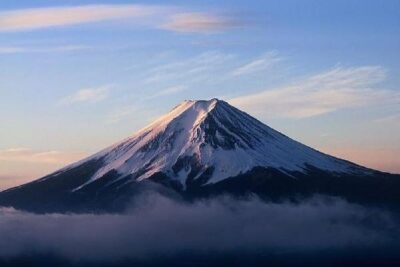 ★ 4.0Mt Fuji & Hakone Cruise, Drum Show Bullet Train 1 Day from TokyoFrom $1497,413 reviews
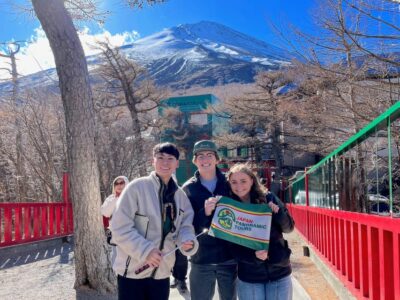 ★ 4.4Tokyo Mt Fuji 5th St & Hakone Cruise Bus Tour w/Bullet TrainFrom $1545,024 reviews
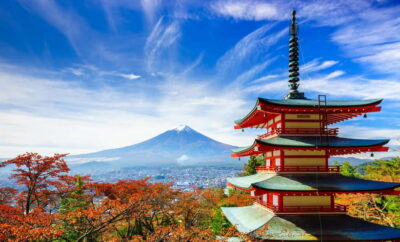 ★ 4.5From Tokyo: Mount Fuji Full-Day Sightseeing TripFrom $684,970 reviews
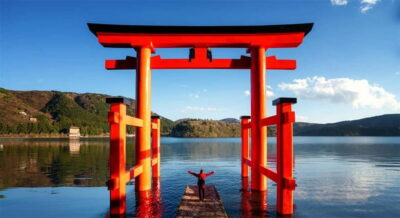 ★ 4.7Mt. Fuji Tour, Hakone Ropeway, Owakudani, Lake AshiFrom $544,002 reviews
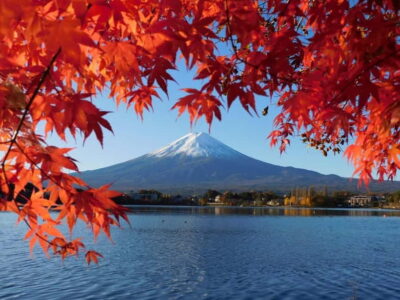 ★ 4.4Mt.Fuji,Kawaguchiko Oishi Park,Arakurayama Sengen ParkFrom $542,682 reviews
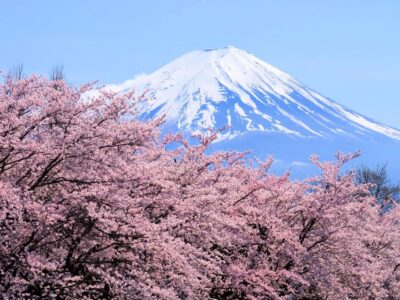 ★ 4.2Mt. Fuji 5th Station & Hakone Cruise 1-Day Bus TourFrom $1292,381 reviews
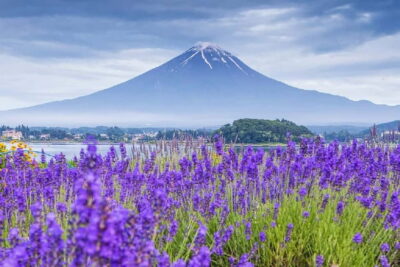 ★ 4.7Mt Fuji Top 5 Spots Day Tour: Arakurayama Park,Oshino HakkaiFrom $532,066 reviews
Browse the lists this tour appears in