
Reviewed · PRIVATE
Perfect Start for your Japan Trip – Private Tour in Tokyo
Tokyo hits different with a local guide. This private walk strings together Meiji Jingu calm, Shibuya Crossing energy, and the fashion chaos of Harajuku—plus tea, snacks, and plenty of story time. I like that it’s structured enough to keep your bearings fast, yet flexible enough to match your interests with a guide such as Jero, who brings an upbeat, professional vibe.
The big thing to watch is the pace. You’ll cover a lot on foot, and it’s not a good fit for mobility impairments or wheelchair users.
In This Review
- Key Points I Think Matter
- A 4-hour private Tokyo starter for $145: is it good value?
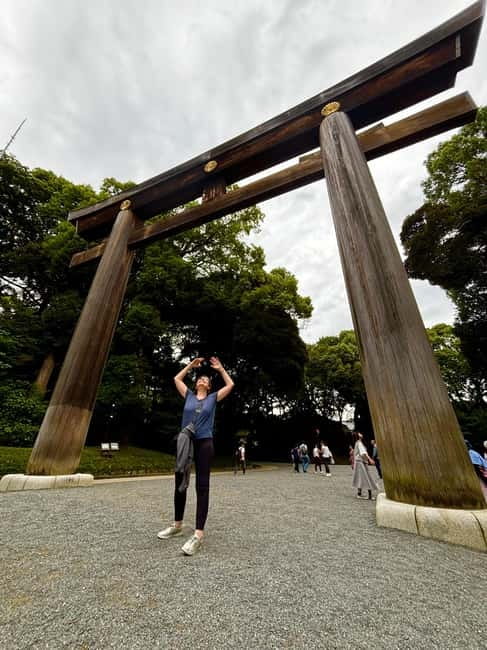
- Starting at Meiji Jingu Ichino Torii: a calm reset before the chaos
- Walking from shrine peace into Harajuku’s Takeshita Street
- Street-style in Harajuku: Cat Street and photo-worthy Tokyo corners
- Shibuya Crossing: crossing a legend without losing the plot
- Train to Shinjuku and the shift into neon Tokyo
- How an Asakusa stop can fit (and what to check)
- What you actually get from the guide (and why Jero-style tailoring matters)
- Food and tea: what’s included, what you’ll pay for
- Gear, comfort, and weather: small things that save your day
- Getting to the meeting point: Meiji Jingu area is the easy start
- Who this tour suits best
- Who should skip it
- Should you book this Tokyo private tour?
- FAQ
- How long is the private tour?
- What areas does the tour cover?
- Is this a private tour?
- Are meals included?
- Does the tour include transportation?
- What languages are the guides?
- What should I bring?
- Is the tour suitable for wheelchair users?
- What’s the cancellation and payment policy?
Key Points I Think Matter
- Meiji Jingu start: you begin with traditional Shinto atmosphere before hitting the trend districts
- Harajuku fashion focus: Takeshita Street, street-style streets, and real shopping-and-snacking energy
- Shibuya Crossing timing: you’ll be coached on when and where to cross so the moment lands
- Shinjuku neon set-pieces: Omoide Yokocho and Godzilla sightings, then Kabukichō lights
- You’ll get photos: your guide helps capture landmark shots during the walk
- Food is an option, not a package deal: tea and snacks are included, but meals are on you
A 4-hour private Tokyo starter for $145: is it good value?
At $145 per person, this isn’t the cheapest way to see Tokyo. But it’s a smart value if you want a guided “first chapters” tour rather than trying to stitch together trains, crossings, and vibe-shopping on your own.
The value comes from three things working together. First, it’s private, so your guide can slow down (or speed up) based on what you’re actually curious about. Second, you get landmark coverage that would be hard to sequence cleanly as a first-timer—Meiji Jingu, Harajuku, Shibuya, and Shinjuku all in one go. Third, the included touches (tea, snacks, and photos) keep you from wasting time hunting for small comforts mid-tour.
One more practical point: the guide provides tips about Japanese culture and rituals, and that matters in Tokyo where etiquette can be subtle. You don’t need to be perfect. You just need to know what to avoid and what to look for.
Readers also shortlisted these Tokyo bookings:
- Tokyo 6hr Private Tour with Government-Licensed Guide
★ 5.0 · 3,902 reviews - Private Tour to Mt. Fuji and Hakone (Fully Licenced Operator)
★ 5.0 · 1,910 reviews - Tokyo Customized Private Tour (Must See Places in 1 Day)
★ 5.0 · 1,499 reviews - Mount Fuji Full-Day Private Tour from Tokyo (Customizable)
★ 4.9 · 1,470 reviews
Starting at Meiji Jingu Ichino Torii: a calm reset before the chaos
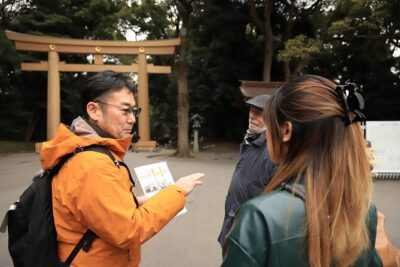
Your tour starts at Meiji Jingu Ichino Torii, the kind of entryway that makes you lower your voice without trying. From there, you walk to the main shrine area with guided context and a focus on what you’re seeing and why it matters.
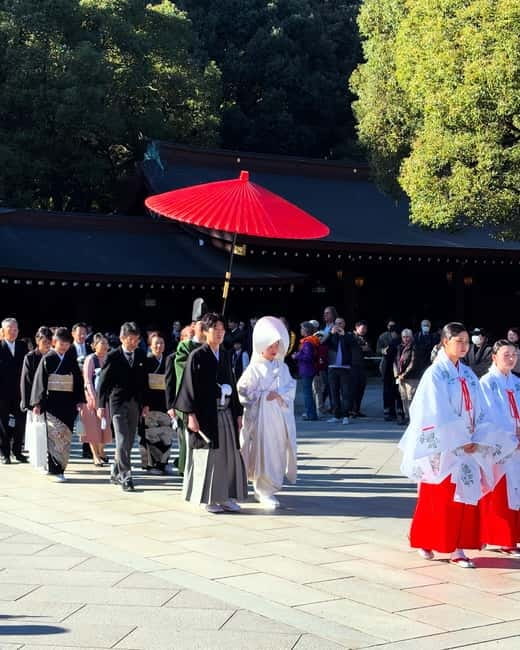
This part is more than a photo stop. Meiji Jingu is one of Tokyo’s best-known Shinto shrines, and the guide explains traditional rituals you might otherwise miss—things like how worship works and what the space is asking visitors to do. I love this setup because it gives you contrast right away: quiet, orderly tradition first, then the city’s noise and style later.
Practical tip: Meiji Jingu involves walking on uneven ground in places and can be shaded or not, depending on the route. Comfortable shoes are non-negotiable.
Walking from shrine peace into Harajuku’s Takeshita Street
Then you shift into Harajuku, and the change is dramatic—in a good way. Takeshita Street is famous for a reason: it’s a high-energy shopping lane where youth fashion and quick-snack culture collide.
You’ll spend about 20 minutes on Takeshita Street with a guide, which is the right amount for a first pass. You get the highlights without getting stuck in decision fatigue. This is where a guide earns their fee by pointing you toward what’s worth stopping for and what to simply glance at and move on.
If you like pop culture and style trends, this is the stop you’ll remember. Expect lots of bold outfits, accessory shopping, and storefronts designed to pull you in from every angle. You can also use this time to spot your own interests—someone might drift toward accessories and street sweets, while others focus on fashion and photo-worthy details.
One consideration: street lanes can get crowded. The tour keeps you moving so you’re not stuck behind slow groups or confused about where to stand for the best photos.
Street-style in Harajuku: Cat Street and photo-worthy Tokyo corners
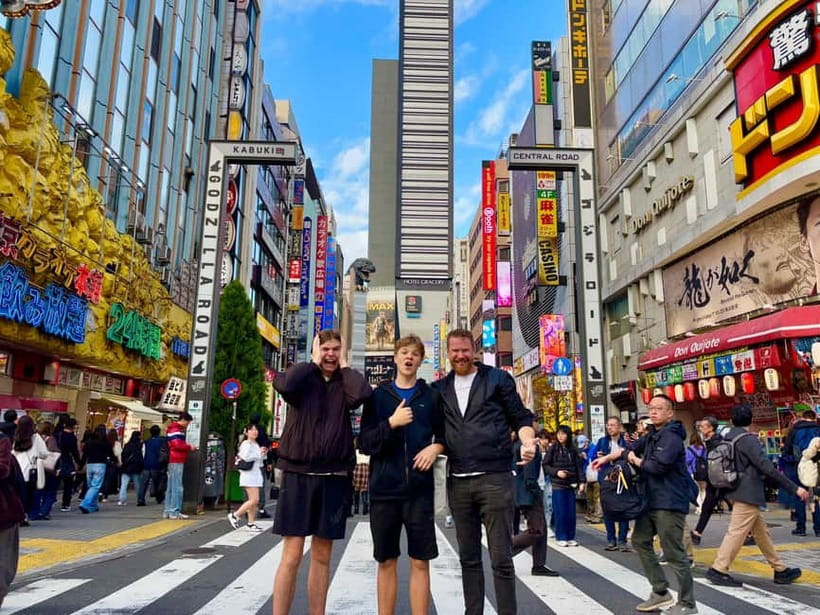
After Takeshita Street, the tour continues into Harajuku’s street-style playground. This is where you’ll get a stronger look at how Harajuku fashion works day to day—less about runway polish and more about personal expression.
You also get time around Tokyu Plaza for pictures, plus a pass by Cat Street. That’s a smart combo: Tokyu Plaza gives you an easy, recognizable backdrop, while Cat Street feels more like wandering with intent—small street moments that are fun to photograph and watch.
This section is also where the guide’s storytelling helps. Instead of treating fashion like a random parade, the guide ties it into Japanese subcultures—so you understand what you’re seeing instead of just collecting images.
Shibuya Crossing: crossing a legend without losing the plot
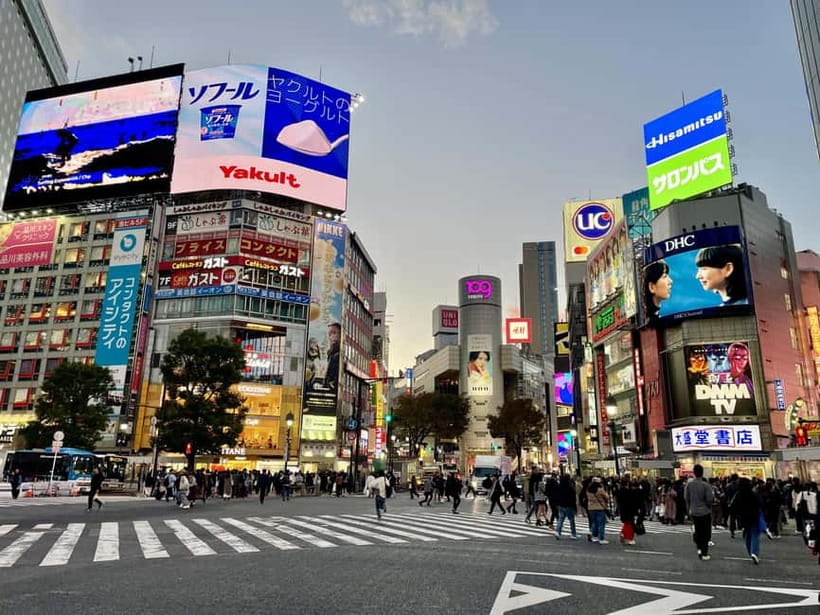
Then comes Shibuya Crossing, the famous intersection where everything moves like it’s on rails—until you try crossing and realize your brain needs a second to sync up.
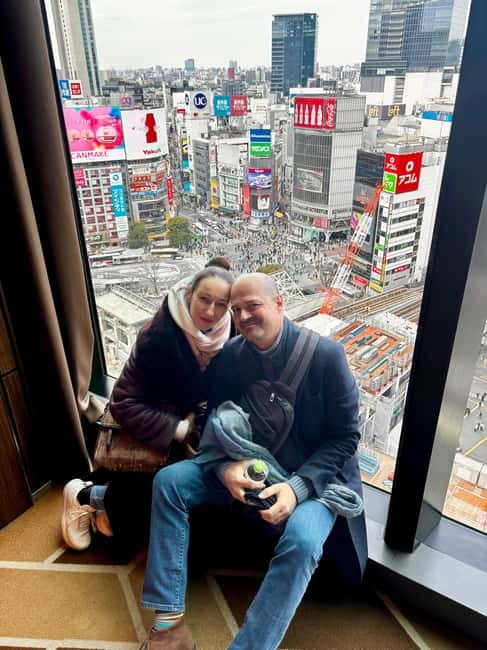
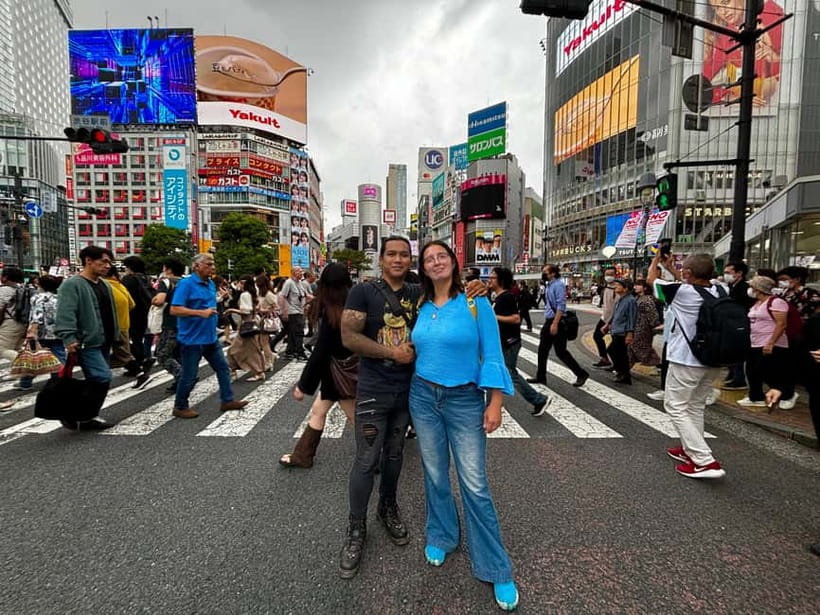
You get guided time here, around 40 minutes, which is useful because the key to Shibuya isn’t just standing in the middle of it. It’s knowing how to navigate the flows and time your crossing so you actually experience the crossing moment rather than circling the edges.
Before the biggest crossing moment, there’s a short stop at Miyashita Park. It’s a nice pause—grab a coffee, take in the atmosphere, and reset your legs. That quick breather makes the next step feel less like sprinting and more like you’re watching Tokyo perform.
If you care about photos: this is one of the easiest places to overshoot your timing. Having the guide help with where to stand can save you from taking the same shot at the wrong second.
- Tokyo: Shinjuku Food Tour (13 Dishes at 4 Local Eateries)★ 5.0 · 6,603 reviews
- Tokyo Mt Fuji 5th St & Hakone Cruise Bus Tour w/Bullet Train★ 4.4 · 5,024 reviews
- Flagship 2-Hours Official Street Go-Kart Tour – Tokyo Bay Shop★ 5.0 · 4,974 reviews
- From Tokyo: Mount Fuji Full-Day Sightseeing Trip★ 4.5 · 4,970 reviews
- Tokyo: Hop-On Hop-Off Sightseeing Bus Ticket★ 3.9 · 4,207 reviews
Train to Shinjuku and the shift into neon Tokyo
Next you travel by train to Shinjuku, and the vibe flips again. Shinjuku is all lights, tall buildings, and late-night energy. The tour treats Shinjuku like a proper mini-show: you’ll see the skyscraper glow, then head into the fun, older streets and icon sightings.
One of the most memorable segments is the stop around Omoide Yokocho, an old traditional food street. This is the kind of place that feels like it existed before social media. You get the atmosphere, and if you want to try snacks or drinks there, you’ll be able to—just remember food and drinks are not included.
And then there’s the Godzilla stop—yes, really. It’s the kind of Tokyo wink that makes tourists grin and locals roll their eyes in a fond way. It works as a break from the constant street-scene intensity.
Finally, the tour ends with a look at the lights from Kubukichō Tower in Shinjuku Kabukichō. This is where the idea of neon Tokyo becomes real: sign lighting, crowd motion, and that layered urban glow.
How an Asakusa stop can fit (and what to check)
Your plan also includes a visit to Asakusa with guided time. That can be a great way to balance the modern intensity of Harajuku, Shibuya, and Shinjuku with another side of Tokyo.
One practical thing: the tour data shows timed blocks that suggest a longer day than the advertised 4 hours. So if your schedule is tight—hotel check-in, a dinner reservation, or a last train—ask your guide how your exact route and timing will work on your date.
In most cases, Asakusa adds value because it changes the textures: you get different streetscapes and a more traditional feel. Even if you only do the key sights with guidance, it’s a strong contrast.
What you actually get from the guide (and why Jero-style tailoring matters)
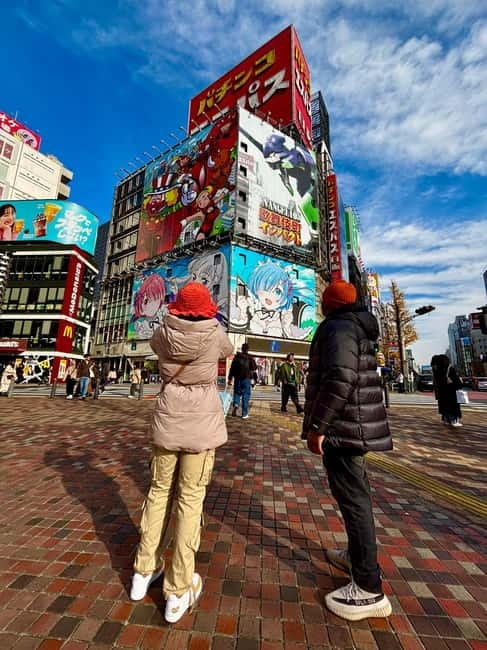
The biggest praise I see in accounts of this tour is the guide’s warm, professional approach and the way they tailor the day. Jero, for example, comes across as genuinely enthusiastic, with stories that connect Tokyo’s history, culture, and everyday details into something you can hold onto.
That matters because private walking tours can easily turn into a list of places with no meaning. Here, the point is more “understand what you’re seeing” than “collect checkboxes.” You’ll get explanations of culture and subcultures, and the guide answers questions with genuine energy.
Another useful benefit from this kind of tailoring: you can ask for practical follow-ups during the walk. Want help figuring out what to eat next? Want shopping suggestions that match your taste? In a private format, you can steer the conversation instead of hoping the group question gets asked.
Food and tea: what’s included, what you’ll pay for
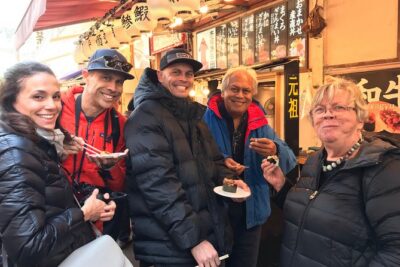
This experience includes tea (a typical green tea) and snacks. So even if you’re not eating a full meal during the tour, you still get a comfortable pause built in.
You also have opportunities to try street food and local delicacies. The catch is simple: food and drinks are not included. That means you’ll want some cash on hand for bites, and you should plan to spend a bit extra depending on what you choose.
My advice: treat the included tea and snack as your base. Then decide on 1–2 street-food splurges you truly want, rather than trying to sample everything in sight.
Gear, comfort, and weather: small things that save your day
To enjoy this tour, bring the basics:
- Comfortable shoes (you will walk a lot)
- Umbrella (Tokyo weather can shift fast)
- Camera (photos are part of the experience)
- Water
- Cash (for street food and shopping)
If it rains, expect fewer outdoor photo windows and more crowd pressure in covered areas. Umbrella solves the first problem, and good shoes solve the second.
Also keep your phone ready, because your guide will help you with photo moments at specific landmarks. You’ll want to capture both the big signs and the smaller street details.
Getting to the meeting point: Meiji Jingu area is the easy start
You meet next to the big entry gate on the left side. If you’re arriving via the JR Yamanote line, take the west exit.
This is one of those details that makes the difference between a smooth start and a stressful hunt. Before you go, take a minute to confirm which exit you use so you’re not arriving flustered.
Pro tip: arrive a little early. Not because the tour needs it, but because Tokyo is easy to navigate once you’re calm.
Who this tour suits best
This is a strong choice if you:
- Want a guided introduction to Tokyo’s trend districts and iconic crossings
- Prefer private pacing over group speed
- Like culture context, not just sightseeing photos
- Want a guide who can customize the day based on your interests
It’s also a good first-day activity because it gives you a mental map: shrine area, Harajuku fashion lanes, Shibuya energy, and Shinjuku neon—then you can explore more later with confidence.
Who should skip it
Skip it if you have mobility impairments or need wheelchair-friendly routes. The walking demands are clear, and the tour is not listed as suitable for those needs.
Also, if you’re on a super tight schedule, double-check timing since the plan includes multiple timed segments plus train hops and an Asakusa stop.
Should you book this Tokyo private tour?
Book it if you want a smart Tokyo starter that balances major icons with real neighborhood feel. The included tea and snacks, photo help, and the guide’s knack for tailoring (with guides like Jero) make it more than a simple walk—it’s a way to understand Tokyo quickly.
Pass on it if you hate walking, dislike crowds, or you want a purely self-guided day with no extra context. In that case, you can still see Harajuku, Shibuya, and Shinjuku on your own—just plan more time and accept that you’ll miss some cultural context.
FAQ
How long is the private tour?
The tour duration is listed as 4 hours.
What areas does the tour cover?
It includes Meiji Jingu Shrine, Harajuku (including Takeshita Street and Cat Street), Shibuya Crossing, Shinjuku (including Omoide Yokocho and a Godzilla stop), and it also includes a visit to Asakusa.
Is this a private tour?
Yes, it’s a private group experience.
Are meals included?
Food and drinks are not included. The tour includes tea and snacks, and you’ll have opportunities to try street food and local delicacies, but you’ll pay for what you eat.
Does the tour include transportation?
A transportation fee to Shinjuku is included.
What languages are the guides?
The live tour guide is available in English and German.
What should I bring?
Bring comfortable shoes, an umbrella, a camera, water, and some cash.
Is the tour suitable for wheelchair users?
No. It’s not suitable for people with mobility impairments or wheelchair users.
What’s the cancellation and payment policy?
You can cancel up to 24 hours in advance for a full refund. You can also reserve now and pay later.
More Private in Tokyo
- Tokyo 6hr Private Tour with Government-Licensed Guide
★ 5.0 · 3,902 reviews - Private Tour to Mt. Fuji and Hakone (Fully Licenced Operator)
★ 5.0 · 1,910 reviews - Tokyo Customized Private Tour (Must See Places in 1 Day)
★ 5.0 · 1,499 reviews - Mount Fuji Full-Day Private Tour from Tokyo (Customizable)
★ 4.9 · 1,470 reviews - Tokyo: Private City Highlights Tour with Local Guide
★ 4.8 · 1,433 reviews
More Tours in Tokyo
- Mt Fuji and Hakone 1-Day Bus Tour Return by Bullet Train
★ 5.0 · 26,383 reviews - 1-Day Tokyo Bus Tour
★ 5.0 · 14,250 reviews - Tokyo: Shinjuku Food Tour (13 Dishes at 4 Local Eateries)
★ 5.0 · 6,603 reviews - Tokyo Mt Fuji 5th St & Hakone Cruise Bus Tour w/Bullet Train
★ 4.4 · 5,024 reviews - Flagship 2-Hours Official Street Go-Kart Tour – Tokyo Bay Shop
★ 5.0 · 4,974 reviews
More Tour Reviews in Tokyo
- Mt Fuji and Hakone 1-Day Bus Tour Return by Bullet Train
★ 5.0 · 26,383 reviews - 1-Day Tokyo Bus Tour
★ 5.0 · 14,250 reviews - Tokyo: teamLab Planets TOKYO Digital Art Museum Entry Ticket
★ 4.6 · 9,779 reviews - Mt Fuji & Hakone Cruise, Drum Show Bullet Train 1 Day from Tokyo
★ 4.0 · 7,413 reviews - Tokyo: Shinjuku Food Tour (13 Dishes at 4 Local Eateries)
★ 5.0 · 6,603 reviews
Latest Tokyo reviews off our desk






Private, compared.
 ★ 5.0Tokyo 6hr Private Tour with Government-Licensed GuideFrom $1553,902 reviews
 ★ 5.0Private Tour to Mt. Fuji and Hakone (Fully Licenced Operator)From $4971,910 reviews
 ★ 5.0Tokyo Customized Private Tour (Must See Places in 1 Day)From $1451,499 reviews
 ★ 4.9Mount Fuji Full-Day Private Tour from Tokyo (Customizable)From $3931,470 reviews
 ★ 4.8Private City Highlights Tour with Local GuideFrom $1061,433 reviews
 ★ 5.0Private Custom Tour: Tokyo in a DayFrom $1591,432 reviews
 ★ 5.0Tokyo 4hr Private Tour with Government-Licensed GuideFrom $1091,394 reviews
 ★ 5.0Tokyo Customized Private Tour: See Top Attractions in 1 DayFrom $1451,351 reviews