
Reviewed · PHOTOGRAPHY SESSIONS
Photoshoot with Professional Photographer in Tokyo
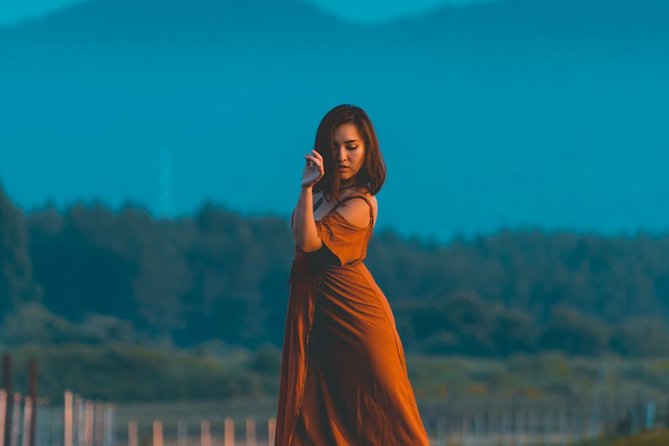
Better photos start when you stop asking strangers. This Tokyo private photoshoot pairs you with an English-speaking professional photographer who plans a route around what you like, and then hands you edited images from the best spots. The big wins for me are the “no-interruptions” feeling of a private shoot just for you and your partner, and the fact you get a solid batch of edits (10–12 for a 1-hour session). One thing to watch: a 1-hour slot can be tight if you want outfit changes, so you may feel rushed if you’re planning more than one look.
What also helps is that you’re not stuck with the same postcard angles everyone gets. Your photographer chooses locations based on your interests, so if you want street style near Omotesando or shrine-and-temple vibes in Asakusa, you’re steering the look. If you’re hoping for very bright, evenly exposed photos, you’ll want to talk lighting preferences before you start—Tokyo can be dramatic, and one past shoot had images that landed on the darker side for a customer.
In This Review
- Key things I’d bet you’ll care about
- Tokyo Pro Photoshoot Basics: how the hour actually feels
- Price and value: paying for time, not just photos
- How the location plan works: from your style to the streets
- Shibuya and the Hachiko corner: iconic Tokyo in a tight radius
- Harajuku to Omotesando: street fashion and clean design lines
- Asakusa and Sensō-ji area: traditional Tokyo with real character
- Akihabara and the arcade vibe: electronics, neon, and quirky detail
- Ueno Park, gardens, and the “breathing room” effect
- Fish market and auction-adjacent scenes: salty, kinetic, and very Tokyo
- Meiji Shrine and Yoyogi Park: nature light without leaving the city
- Chiyoda and palace-area stops: shrines, gardens, and postcard geometry
- Tokyo Station and Ginza: red brick nostalgia and polished streets
- Anata no Warehouse in Kawasaki: cyberpunk set-style portraits
- Outfits, timing, and the small details that change your results
- Should you book this Tokyo professional photoshoot?
- FAQ
- How many edited photos do I get?
- When will my photos be delivered?
- Where do we meet, and do we go back to the start?
- Is transportation to attractions included?
- Can the photographer choose locations based on what we like?
- Is this a private photoshoot?
Key things I’d bet you’ll care about
- Private, you-and-your-partner time so you’re not negotiating for a spot in line.
- Custom location planning based on your interests and photo goals.
- A real photo delivery pack: edited images plus unedited versions.
- A strong mix of neighborhoods like Shibuya, Harajuku/Omotesando, Asakusa, and Ginza.
- Weather matters, since poor conditions can affect whether the shoot goes forward.
Tokyo Pro Photoshoot Basics: how the hour actually feels
This is a private Tokyo photoshoot with a professional photographer, designed for couples. The session runs about 1 hour to 1 hour 30 minutes, and the pace is built around getting you workable lighting and angles without wasting your time. You meet in Shibuya, and the experience ends back at the meeting point.
You’ll like this format if you’re the type who hates stopping every ten minutes to ask a stranger for a quick snap. Instead, you follow the photographer’s direction, pose when needed, and focus on enjoying Tokyo while you’re doing it. Your photographer also speaks English, so you can explain what you want without playing charades.
Readers also shortlisted these Tokyo bookings:
- Tokyo: Kimono Dressing, Walking, and Photography Session
★ 4.9 · 427 reviews - Best Go Kart Experience in Shibuya Crossing with Iconic Photos
★ 5.0 · 348 reviews - Tokyo Go-Karting Experience: Shibuya Crossing with Photos
★ 4.8 · 190 reviews - Tokyo by Night Photography Tour (Private Option Available)
★ 5.0 · 151 reviews
Price and value: paying for time, not just photos
At $209.79 per person, you’re buying more than shutter clicks. You’re paying for:
- A photographer who picks good backdrops for your style
- Planning that saves you from wandering aimlessly with a camera
- Editing work that turns “we were there” photos into something you’ll actually print or keep on your phone
For a 1-hour session, you should expect 10–12 edited photos, plus unedited versions. That’s a nice ratio: you get enough variety to cover different outfits and moods, and you still have the original files if you want to tweak later. The shoot also includes photoshoot locations chosen based on your interests and objectives, which is where the value really shows.
Where the value can slip is time. If you’re hoping for multiple outfit changes, a shorter session might feel like a sprint. The provider specifically recommends thinking about a 2-hour session if you want ample wardrobe changes.
How the location plan works: from your style to the streets
Tokyo photos look best when your background matches your vibe. That’s why this shoot is built around the idea that your photographer will select locations based on what you care about—urban street scenes, traditional temple areas, fashion zones, or neon/arcade-style sets.
The itinerary includes a wide range of iconic places, but you shouldn’t assume you’ll hit every stop in one go. In practice, you’ll get a route that makes sense for the time you have, your interests, and the light that day.
Here’s how the options typically break down.
Shibuya and the Hachiko corner: iconic Tokyo in a tight radius
If you want that immediately recognizable Tokyo energy, Shibuya is the place. This route includes classic Shibuya hits like the Hachiko statue (the bronze dog honoring Akita loyalty). It’s one of those spots where you can get photos that instantly read Tokyo, even when the background looks chaotic in real life.
You’ll also see the Shibuya scramble intersection area, which is perfect if you like motion, layered crowds, and wide-angle drama. The trade-off: it’s busy, so your photographer will guide you into angles that look intentional instead of random. This is where having a pro matters. You don’t just point and hope.
There’s also mention of a small side street with shopping and a few restaurants, especially good after dark. That matters because Tokyo night lighting can add texture—if your session timing allows it, this kind of street can give you warmer, more cinematic shots than the main intersections.
Harajuku to Omotesando: street fashion and clean design lines
For fashion-forward photos, your itinerary options swing toward Harajuku and Omotesando. Harajuku shows up through Takeshita Street, which is narrow and extremely busy at times. It’s great for playful, high-contrast street style images, but it can also feel visually noisy. Your photographer’s job is to keep your face and outfit as the focus, even when the street is doing ten things at once.
Right next door in spirit is Omotesando Hills and Omotesando Avenue—areas that tend to give you more architectural lines and a smoother background for portraits. There’s also Tokyu Plaza at the intersection of Omotesando and Harajuku, noted for its very photo-friendly design. Think: cleaner frames, better for couples who want photos that look styled instead of accidental.
A helpful detail from past experience: the photographer Yosuke has done street photostyle shooting around Omotesando and Aoyama, using creative composition with both model positioning and ambient surroundings. If your dream is “cool Tokyo street photo” rather than “stand in front of a landmark,” tell your photographer that early.
- Tokyo: Shinjuku Food Tour (13 Dishes at 4 Local Eateries)★ 5.0 · 6,603 reviews
- Tokyo Mt Fuji 5th St & Hakone Cruise Bus Tour w/Bullet Train★ 4.4 · 5,024 reviews
- Flagship 2-Hours Official Street Go-Kart Tour – Tokyo Bay Shop★ 5.0 · 4,974 reviews
- From Tokyo: Mount Fuji Full-Day Sightseeing Trip★ 4.5 · 4,970 reviews
- Tokyo: Hop-On Hop-Off Sightseeing Bus Ticket★ 3.9 · 4,207 reviews
Asakusa and Sensō-ji area: traditional Tokyo with real character
If you want Tokyo that feels older and more human, head for Asakusa. This part of the itinerary centers around the area near Nakamise Street leading to Sensō-ji, plus Asakusa Shrine (also known as Sanja-sama).
What makes this section work for photos is the blend: temple architecture, traditional craft shops, and street-food-stall energy in the same neighborhood. You can get portraits with a sense of place—something that feels more like travel and less like a photo backdrop.
The potential drawback is crowds. Asakusa can be lively, especially around temple areas. The upside is that a pro can help you use the crowd texture without turning every photo into faces blurred everywhere. You’ll get better results if you’re open to some direction and a few angle changes.
Also, one stop in the itinerary is described as Tokyo’s oldest temple. In this area, that feeling connects to Sensō-ji, so if “classic Tokyo spiritual photography” is your goal, this is the zone that delivers.
Akihabara and the arcade vibe: electronics, neon, and quirky detail
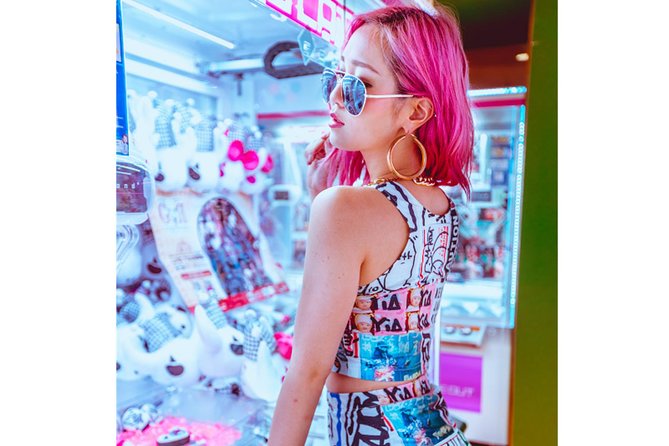
If your Tokyo love language is tech, you’ll appreciate Akihabara. It’s described as a buzzing electronics hub—everything from tiny stalls to large department stores like Yodobashi Multimedia Akiba.
For couples, this type of place can be surprisingly flattering because you can frame your outfits against bright signage, reflective surfaces, and shopfront details. It’s also a fun change of pace if you’ve already done a couple of shrine or garden photos.
One note: Akihabara is visually busy. If you like simple compositions, ask your photographer for settings that reduce background clutter. You can still capture the neighborhood without every photo screaming electronics everywhere.
Ueno Park, gardens, and the “breathing room” effect
Between intense shopping and temple crowds, Ueno Park gives you green space in the middle of the city. It’s described as Tokyo’s largest green space and a popular tourist attraction. For photos, this matters because trees and open paths give you soft depth and a calmer background for portraits.
You also have options like Hibiya Park, described as an oasis of calm near the Imperial Palace and Ginza. If your goal is “Tokyo couple photos that feel peaceful,” these parks can make your set look balanced—even if your earlier stops were high-energy streets.
Fish market and auction-adjacent scenes: salty, kinetic, and very Tokyo
The itinerary includes a wholesale fish market area with viewing spots and a popular tuna auction. This is not a quiet, posed kind of location. It’s kinetic, smells like seafood, and can look intense in photos.
That can be a great thing if your style is documentary. If your style is more polished portrait shots, you’ll want your photographer to choose angles that keep you as the focus while the market activity becomes the texture behind you. This is a good reminder that Tokyo photos don’t have to be only pretty—they can be full of story.
Meiji Shrine and Yoyogi Park: nature light without leaving the city
When Tokyo feels too loud, the shoot can pull you toward calm. Meiji Shrine is surrounded by a lush forest of trees donated from different regions of Japan. It’s a strong contrast to Shibuya’s visual intensity.
Paired with Yoyogi Park (and Yoyogi Park is noted as adjacent to Harajuku and Meiji Shrine), you can get photos that look like you escaped the city for a day. Even if you’re only there for a short stretch, the tree canopy and park paths can soften the light and create a more relaxed mood.
If you’re planning cherry-blossom-style photos, the itinerary notes that Yoyogi Park is great for hanami in spring, and another stop is a small park famous for spring cherry blossoms near the outer side of the Imperial Palace moat. If your dates are in spring, this is where you might ask your photographer to lean into blossom timing.
Chiyoda and palace-area stops: shrines, gardens, and postcard geometry
The itinerary includes a cluster of places around Imperial Palace grounds and nearby gardens. This is where Tokyo photos start looking classic and composed.
You have options like:
- The Imperial Palace main residence area with scenic gardens and grounds tours
- A moat-side cherry blossom park stop outside the Imperial Palace
- Kitanomaru Park, including the Nippon Budokan area
- Kanda Shrine, with a long history dating back 1,270 years (the current structure rebuilt after fires and earthquakes)
- A pond park in Edo-period style on the site of a 17th-century shogun villa
- Large palace gardens connected to a palace first built in 1888 and linked to Edo castle ruins
These spots are fantastic for couples who want photos that feel refined: clean lines, symmetrical garden frames, and a “Tokyo at a slower pace” look. The drawback is that timing and pacing matter more here. Gardens and shrine gates can involve more walking and waiting for clear sight lines, especially if foot traffic is heavy.
Tokyo Station and Ginza: red brick nostalgia and polished streets
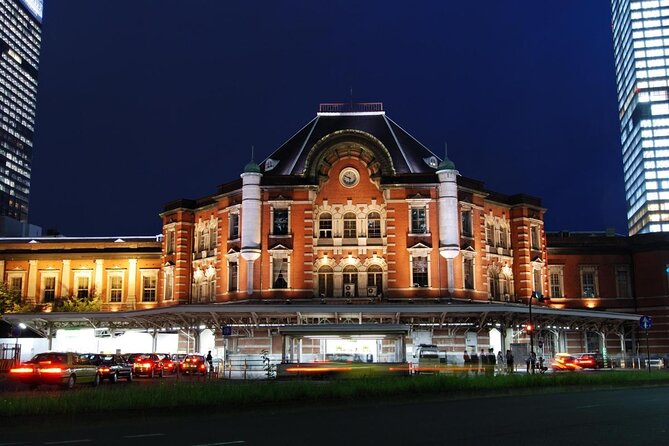
If you want that “we did Tokyo the proper way” feel, Tokyo Station is listed with its beautiful red brick building. It’s one of those backgrounds that looks good in almost any season because it reads as classic.
Then you have Ginza, described as a top shopping district with upmarket boutiques, plus ritzy cocktail and sushi bar areas. For photos, Ginza can deliver clean, upscale street portraits—especially when you keep your framing simple and let the street design do the work.
You can also blend this with Hibiya Park nearby for a break between commercial streets and more calm greenery.
Anata no Warehouse in Kawasaki: cyberpunk set-style portraits
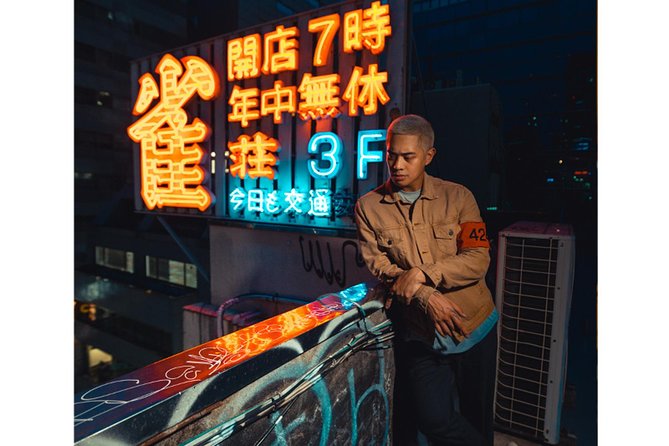
One of the most unique options listed is Anata no Warehouse in Kawasaki. It’s a five-story arcade facility designed to look like the former Kowloon Walled City in Hong Kong, plus a cyberpunk aesthetic.
If your style leans toward neon, sci-fi texture, and film-like vibes, this is the kind of place that makes your photo set feel different from the usual “temple + street” mix. Since your meet point is Shibuya and transportation isn’t included, you’ll want to treat this as an add-on your photographer may choose if your interests line up and your session length supports the trip.
Outfits, timing, and the small details that change your results
Shoes and clothing matter more than you think. Tokyo streets range from smooth sidewalks to crowded pedestrian lanes and shrines where you’ll want to move carefully.
Also consider the wardrobe advice: guests often like changing outfits during the shoot, but a 1-hour session may not provide enough time for multiple changes. If you want variety—casual street look plus something dressier—this is where booking 2 hours is the smarter move.
Finally, remember that weather is a real factor. The experience notes that it requires good weather and can be canceled due to poor conditions. If your day is iffy, I’d choose a backup plan for the rest of your schedule.
Should you book this Tokyo professional photoshoot?
I’d book it if you want:
- Stress-free couple photos without chasing strangers or cropping your way out of awkward moments
- A photographer who takes direction well (you can explain your interests)
- A practical delivery promise: edited photos within a few days, plus unedited files
I’d pause if:
- You only have a tight schedule and you’re set on multiple outfit changes in 1 hour
- You’re extremely sensitive to how bright or dark photos look, since lighting can swing hard in Tokyo and you’ll want to communicate your preferred style at the start
If you fit the first group, this is one of the most efficient ways to turn Tokyo into a photo story you’ll actually keep.
FAQ
How many edited photos do I get?
For a 1-hour session, you get 10–12 edited photos and the unedited versions. For a 2-hour session, you get 20–22 edited photos and the unedited versions.
When will my photos be delivered?
You’ll receive your edited photographs within a few days after the photoshoot.
Where do we meet, and do we go back to the start?
The photoshoot starts in Shibuya, Tokyo, and it ends back at the meeting point.
Is transportation to attractions included?
No. Transportation to/from attractions is not included.
Can the photographer choose locations based on what we like?
Yes. The photoshoot locations are chosen based on your interests and objectives.
Is this a private photoshoot?
Yes. It’s a private tour/activity, meaning only your group participates.
More Photography Sessions in Tokyo
- Tokyo: Kimono Dressing, Walking, and Photography Session
★ 4.9 · 427 reviews - Best Go Kart Experience in Shibuya Crossing with Iconic Photos
★ 5.0 · 348 reviews - Tokyo Go-Karting Experience: Shibuya Crossing with Photos
★ 4.8 · 190 reviews - Tokyo Cyberpunk Street Photo Tour
★ 5.0 · 165 reviews - Tokyo by Night Photography Tour (Private Option Available)
★ 5.0 · 151 reviews
More Tour Reviews in Tokyo
- Mt Fuji and Hakone 1-Day Bus Tour Return by Bullet Train
★ 5.0 · 26,383 reviews - 1-Day Tokyo Bus Tour
★ 5.0 · 14,250 reviews - Tokyo: teamLab Planets TOKYO Digital Art Museum Entry Ticket
★ 4.6 · 9,779 reviews - Mt Fuji & Hakone Cruise, Drum Show Bullet Train 1 Day from Tokyo
★ 4.0 · 7,413 reviews - Tokyo: Shinjuku Food Tour (13 Dishes at 4 Local Eateries)
★ 5.0 · 6,603 reviews
Latest Tokyo reviews off our desk






Photography Sessions, compared.
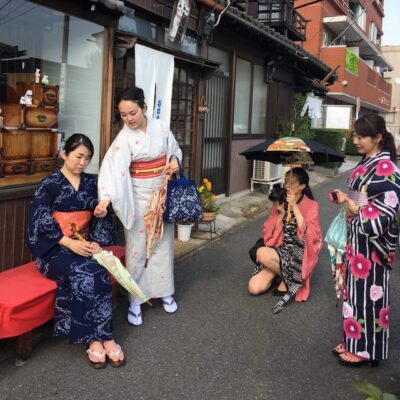 ★ 4.9Kimono Dressing, Walking, and Photography SessionFrom $67427 reviews
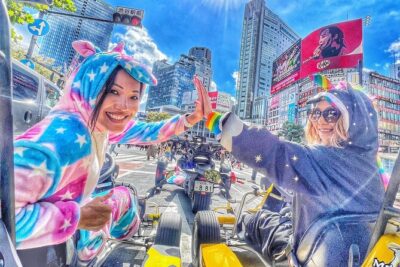 ★ 5.0Best Go Kart Experience in Shibuya Crossing with Iconic PhotosFrom $106348 reviews
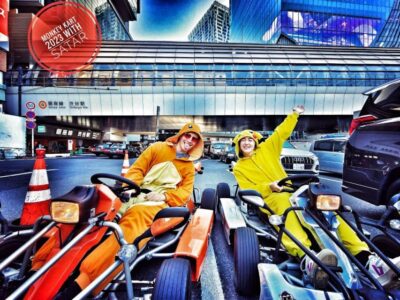 ★ 4.8Tokyo Go-Karting Experience: Shibuya Crossing with PhotosFrom $90190 reviews
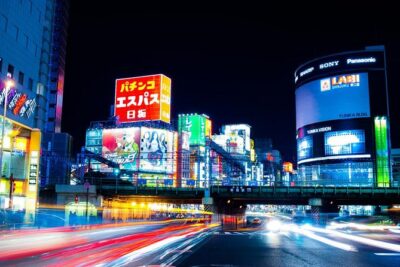 ★ 5.0Tokyo Cyberpunk Street Photo TourFrom $184165 reviews
 ★ 5.0Tokyo by Night Photography Tour (Private Option Available)From $105151 reviews
 ★ 5.0Tokyo Shinjuku Night Photo Tour with Pro GotaFrom $85142 reviews
 ★ 4.8Exclusive Access to Sumo Morning Practice with PhotosFrom $96107 reviews
 ★ 4.7Sumo Practice Tour with Ring-Side Seat and PhotoshootFrom $96103 reviews
Browse the lists this tour appears in