
Reviewed · PRIVATE
Private Customizable Car and Mini Van Tour in Tokyo
Tokyo moves fast. This tour lets you keep up without tiring out.
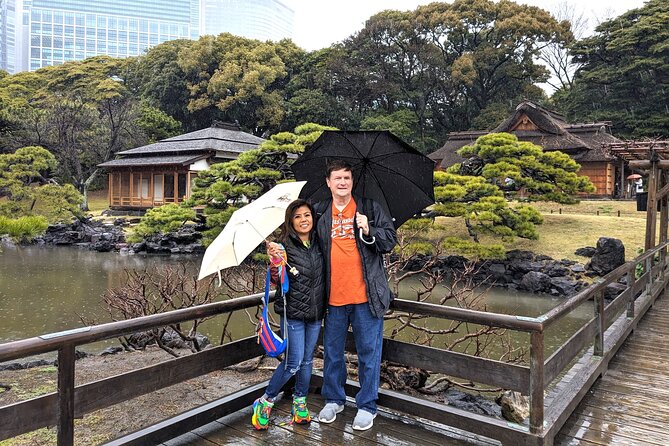
I like the big idea here: you get a private driver + guide and an itinerary that’s flexible, so you’re not trapped with a fixed group schedule. It’s built for people who want Tokyo highlights but don’t want the long, stop-and-go walking grind—then you can hop in and out when something grabs your attention.
My other favorite part is the guide talent. You may tour with guides such as Keiko or Miko, and the common thread is strong English and a calm, friendly style that makes the day feel easy. The main drawback to plan for is time and priorities: a 4 to 8 hour route can cover a lot, but you’ll still need to choose what matters most (especially if you add skyline tickets like Skytree or Shibuya Sky).
In This Review
- Key highlights worth planning around
- Why Tokyo feels easier with your own car
- The custom part: what it means for your day
- Pickup to pacing: how you’ll actually experience the route
- Shibuya Crossing and Harajuku youth streets
- Meiji Jingu’s forest calm and shrine etiquette basics
- Shinjuku neon to Asakusa’s old-center feel
- Akihabara without the electronics overload
- Marunouchi and Nihonbashi: Tokyo’s elegant business edges
- Tsukiji outer market for a food-first Tokyo moment
- Yanaka’s old-town stroll—and how it complements the day
- Imperial Palace East Gardens and Edo Castle remnants
- Optional skyline decks: Skytree, Tokyo Tower, and Shibuya Sky
- Who this tour is best for
- Price and value: what $513 per person buys you
- The small details that matter on a private day
- Should you book this Tokyo private car tour?
- FAQ
- How long is the private customizable car tour?
- Does the tour include hotel pickup and drop-off?
- Are entrance fees included for temples, markets, and observation decks?
- Can I customize the stops during the tour?
- Is this tour private or shared with strangers?
- Are children allowed, and is there a kid discount?
- Can I travel with a service animal?
- What’s the cancellation policy?
Key highlights worth planning around
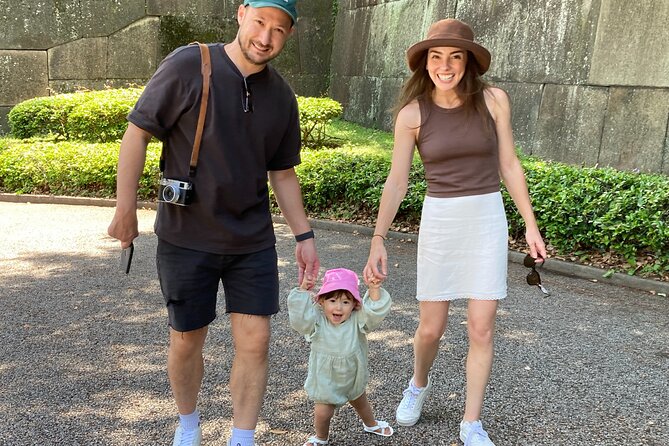
- Hotel pickup and drop-off so your day starts and ends without transit stress
- Fully customizable routing so your interests steer the schedule
- Shibuya, Harajuku, Meiji Jingu, Asakusa, Akihabara packed into a practical drive-and-walk flow
- Service animals welcome for an easier, less complicated travel day
- Optional skyline decks (not included) if you want the big Tokyo views
- Baggage-friendly vehicles (Alphard or HiAce) for families or longer stays
Why Tokyo feels easier with your own car
Tokyo is fantastic, but it’s also a lot. Between crowds, crossings, and the sheer number of districts, the easiest days are often the ones where you spend less energy on getting from A to B and more energy on actually seeing things.
This is a private customizable car and mini van tour, which changes your whole rhythm. Instead of marching from stop to stop, you ride, pause, and return to the vehicle on your terms. The driver knows the city well, which matters because Tokyo traffic and parking can make a self-guided day feel harder than it looks.
You also get hotel meet-up and drop-off. That’s huge if you’re staying in a busy area or you don’t want to play transportation roulette after a full day of walking.
Readers also shortlisted these Tokyo bookings:
- Tokyo 6hr Private Tour with Government-Licensed Guide
★ 5.0 · 3,902 reviews - Private Tour to Mt. Fuji and Hakone (Fully Licenced Operator)
★ 5.0 · 1,910 reviews - Tokyo Customized Private Tour (Must See Places in 1 Day)
★ 5.0 · 1,499 reviews - Mount Fuji Full-Day Private Tour from Tokyo (Customizable)
★ 4.9 · 1,470 reviews
The custom part: what it means for your day
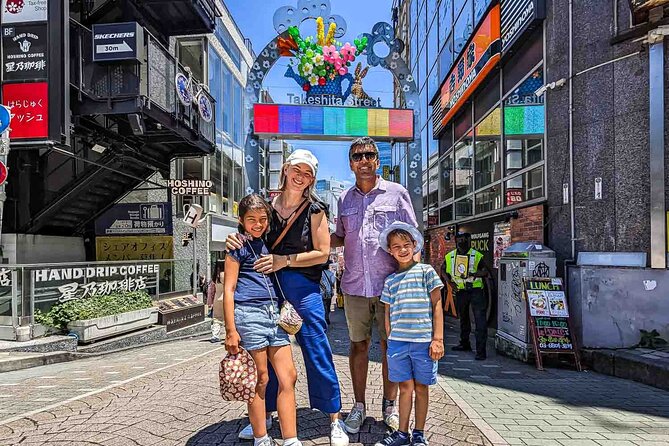
The itinerary is designed around your interests, not a generic template. So if you’re more into shrines, neighborhoods, and craft streets, you’ll spend more time where that’s the focus. If you love street-level fashion and electronics, you’ll weight things toward the youth and pop-culture zones.
Your day also comes with realistic stop durations. Many stops are about 20 to 45 minutes, which is long enough to get the main photo moments and do a careful wander without turning it into an all-day sprint.
Here’s the trick: choose your “musts” early. With skyline add-ons and market-style stops, it’s easy to hit a time crunch if you try to do everything at once. This tour works best when you tell the guide what you care about most, then let Tokyo fill in the rest.
Pickup to pacing: how you’ll actually experience the route
Expect a smooth drive between districts, followed by short, focused walks. The stops are structured so you can see a lot while still keeping your feet fresh.
This is also ideal if you’re traveling with kids or anyone who doesn’t want long distances. The highlights are short and memorable, and if someone needs a break, you can step back into the car instead of waiting for a whole group to catch up.
One more detail that matters in Tokyo: luggage. The tour notes that an Alphard can handle up to 4 suitcases with up to 3 people, and a HiAce can handle up to 8 suitcases. That’s a real quality-of-life upgrade if you’re moving hotels, shopping, or traveling with extra bags.
Shibuya Crossing and Harajuku youth streets
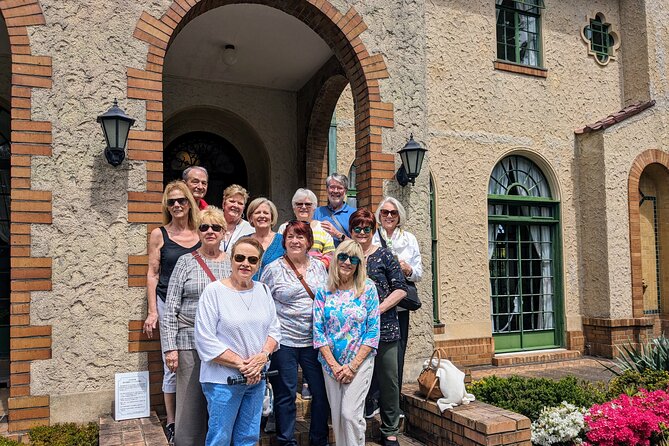
You’ll start in Shibuya, and yes, the big draw is the Shibuya Crossing. It’s one of those places where the scale hits you in real life, and crossing it at least once is still worth it. This stop is built around that classic first look at modern Tokyo.
From there it’s on to Harajuku, right next to Meiji Shrine. Harajuku is famous for youth fashion and street culture, and you can feel the contrast immediately after Shibuya. Even if you’re not a fashion shopper, the backstreets and side alleys tend to deliver the interesting, human details—signs, snacks, and tiny shops.
A practical tip: treat Harajuku like a browse district, not a checklist district. In 30 minutes, you want a path, not a chase.
Meiji Jingu’s forest calm and shrine etiquette basics
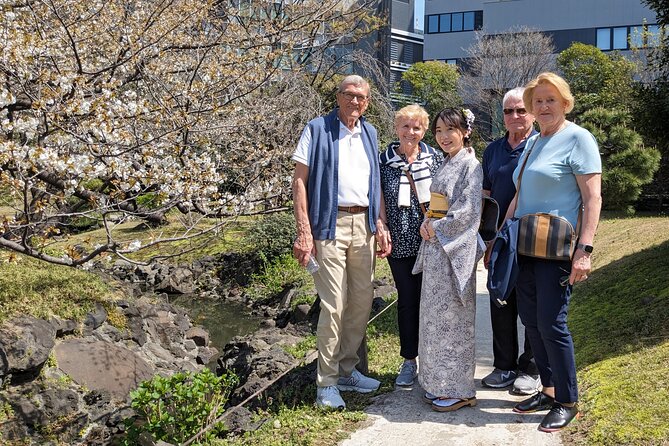
Then comes Meiji Jingu, set inside a large forested area. This is one of Tokyo’s best resets: a quiet walk where the city noise feels far away. The focus here is Shinto, so it’s less about grand architecture and more about atmosphere and ritual.
The stop works well with the rest of the day. After fashion and crowds, Meiji Jingu gives you a chance to slow down and look closely. And since it’s in a huge green space, your short time still feels substantial.
If you want to be respectful and not stall the group, aim to keep the wandering simple: walk the main approach, take in the key views, then step aside to let foot traffic flow.
- Tokyo: Shinjuku Food Tour (13 Dishes at 4 Local Eateries)★ 5.0 · 6,603 reviews
- Tokyo Mt Fuji 5th St & Hakone Cruise Bus Tour w/Bullet Train★ 4.4 · 5,024 reviews
- Flagship 2-Hours Official Street Go-Kart Tour – Tokyo Bay Shop★ 5.0 · 4,974 reviews
- From Tokyo: Mount Fuji Full-Day Sightseeing Trip★ 4.5 · 4,970 reviews
- Tokyo: Hop-On Hop-Off Sightseeing Bus Ticket★ 3.9 · 4,207 reviews
Shinjuku neon to Asakusa’s old-center feel
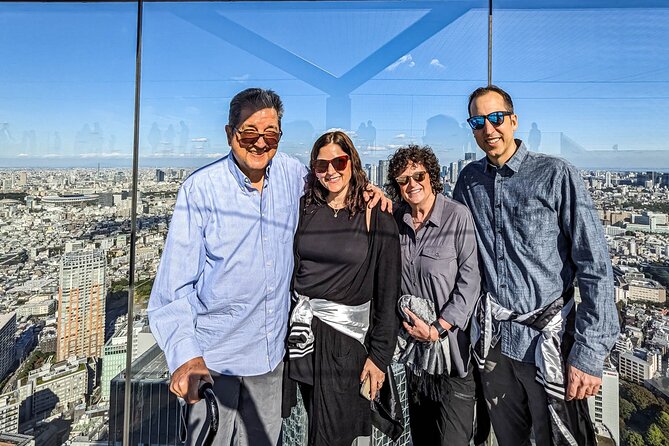
Next you’ll roll into Shinjuku, Tokyo’s entertainment and skyline district. The guide portion matters here because Shinjuku has a lot of layers—neon streets, tall buildings, and busy junctions where a self-guided plan can get messy.
The itinerary includes time for views from an observatory area on the 45th floor of the Tokyo Metropolitan Government building. That’s a smart move because it gives you a wide Tokyo panorama without the pressure of a ticketed tower stop.
Later you’ll head to Asakusa, Tokyo’s historic center. This is where traditional streets start taking over. You’ll get Nakamise Shopping Street in the approach area, then the main draw: Senso-ji Temple.
Asakusa is also a great place to buy small souvenirs without feeling like you’re shopping for shopping’s sake. In short time, you can taste the local vibe—craft items, snacks, and the temple area’s classic energy.
Akihabara without the electronics overload
Then it’s Akihabara, the zone for anime, manga, video games, and electronics. This can be sensory overload in the best way, but it also can eat time fast if you chase every storefront.
That’s why a time-boxed stop works. You get the feel of the district, then you move on before it turns into a distraction marathon. If you have a specific interest—like retro games, character goods, or gadget browsing—this is the moment to focus.
If you’re traveling with teens or an electronics-obsessed adult, this stop often becomes the highlight. If you’re not into that scene, tell the guide up front. You can still get the cultural feel without forcing hours of browsing.
Marunouchi and Nihonbashi: Tokyo’s elegant business edges
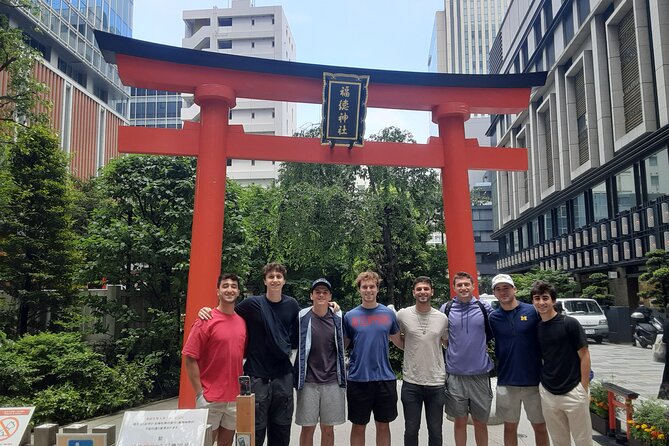
After the pop culture, you’ll shift to Marunouchi, a business district around the Imperial area. This part of the route tends to surprise people who only think of Tokyo as neon. You’ll see impressive architecture and good food options nearby.
From there it’s to Nihonbashi, the original center of trade from the Edo period. It’s a calmer, more historical contrast. What I like about pairing Marunouchi and Nihonbashi is that you get both the modern city’s polish and the older Tokyo trading story in the same arc.
This is also the kind of stop where you can snack and keep moving. If you want food context, Nihonbashi connects the dots between market life and Japanese cooking roots.
Tsukiji outer market for a food-first Tokyo moment
Next comes Tsukiji Fish Market, with an important distinction: the inner market and tuna auction moved to Toyosu, while the outer market remains. This stop is still valuable because you’ll see the fish-and-food energy up close, even if you’re not watching auction activity.
The best way to experience this stop in a short time is to treat it like a tasting walk. Pick a couple items, read the scene, and don’t get stuck waiting for one stall to solve all your cravings.
Also, it’s easy to underestimate how much food can cost here if you go wild. Decide on your snack budget before you start, and you’ll feel in control instead of surprised at checkout.
Yanaka’s old-town stroll—and how it complements the day
Then you’ll reach Yanaka, a more nostalgic neighborhood with temples, sweets, and the chance to see traditional ways of life. This part of the route is great if you want something different from the big landmark circuits.
The itinerary hints at learning and experiencing traditions like a tea ceremony option in the area. Even if you don’t do a full ceremony, Yanaka’s vibe makes it a useful counterweight to the busy districts earlier in the day.
If you’ve been in Tokyo for a few days already and you’re starting to crave variety, Yanaka is often the stop that restores that sense of discovery.
Imperial Palace East Gardens and Edo Castle remnants
Another key stop is the East Gardens of the Imperial Palace and the Edo Castle ruin area, including moats walls remnants. This is a different kind of Tokyo sight: less “look at this building,” more “read the landscape.”
Even with limited time, it’s a meaningful break because the grounds give you space. You also get historical context in a way that feels physical—walls, edges, and the shape of what used to be there.
If you like history but dislike museum overload, this is a good compromise.
Optional skyline decks: Skytree, Tokyo Tower, and Shibuya Sky
You may add ticketed observation experiences. The itinerary specifically lists Tokyo Skytree (634 meters), Tokyo Tower, and Shibuya Sky as options where tickets are not included.
If you’re the kind of traveler who wants one big “Tokyo from above” moment, I’d pick just one. Three observation decks in a short day can turn into repeats of similar city angles—while the time you could have spent exploring streets or markets gets eaten.
Also, note the practical reality: skyline decks can be affected by weather. If clouds roll in, your view may be less dramatic than you hoped. If you care about views most, plan your skyline choice early in your decision-making so you still have flexibility if the weather looks iffy.
Who this tour is best for
This is a strong match if you:
- Don’t want to walk long distances but still want Tokyo highlights
- Prefer a private pace over a group schedule
- Travel with kids, family members, or anyone who needs breaks
- Want a mix of neighborhoods, temples, markets, and a pop-culture stop
- Have specific interests and want your route shaped around them
It’s also a good choice for first-timers who want to see a wide cross-section of Tokyo without spending hours planning transfers.
Price and value: what $513 per person buys you
$513 per person sounds steep on paper, so here’s the value logic I use.
You’re paying for three things at once:
- Private transportation in a city where moving efficiently is hard
- Hotel pickup and drop-off, which cuts real time and real stress
- A professional guide who can shape the day, keep it practical, and help you make quick choices
If you were to build your own plan, you’d still need to manage navigation, district timing, and crowd dynamics. That work becomes expensive in time and energy, even if the direct transit costs look cheaper.
Where this price can feel like a deal is when your group includes adults plus kids who qualify for the free policy. The tour notes that children aged 11 and under are free of charge if you tell the operator they’re coming.
Also, group discounts are listed. If you’re traveling with friends or extended family, ask about combining groups where possible.
The small details that matter on a private day
A few things make this tour feel smoother than a standard city bus plan:
- Mobile ticket for convenience
- Service animals allowed, which reduces friction for many travelers
- Family-friendly pacing with short, planned stops
- Your ability to choose when to explore and when to stay in the car
One more note: the tour is private, so your group only shares the vehicle with your party. That matters for families and for anyone who likes a calm day where you can ask questions without holding up strangers.
Should you book this Tokyo private car tour?
Yes, if your goal is a Tokyo highlights day with less walking pain and more control. This is the kind of tour that helps you see Tokyo instead of just passing through it.
I’d especially book it if you want a smart mix: Shibuya and Harajuku for energy, Meiji Jingu and Asakusa for calm and tradition, Akihabara and Tsukiji for culture and food, plus optional skyline views if you want the big wow shot.
If you’re a super-ambitious walker who enjoys planning every transit leg and you want zero guidance time, you might feel you could do Tokyo cheaper on your own. But if you value comfort, pacing, and expert steering, this is a practical way to get a lot of Tokyo done well.
FAQ
How long is the private customizable car tour?
It runs about 4 to 8 hours, depending on the itinerary you build around your interests.
Does the tour include hotel pickup and drop-off?
Yes. Hotel meet-up and drop-off are included.
Are entrance fees included for temples, markets, and observation decks?
Food and drinks are not included, and entrance fees of paid attractions you request are not included. The observatory-style stops like Tokyo Skytree, Tokyo Tower, and Shibuya Sky indicate ticketed admission is not included.
Can I customize the stops during the tour?
Yes. The tour is designed so your exact itinerary is planned according to your interests.
Is this tour private or shared with strangers?
It’s private. Only your group participates.
Are children allowed, and is there a kid discount?
Children aged 11 and under are free of charge. You just need to tell the operator that they are coming.
Can I travel with a service animal?
Service animals are allowed.
What’s the cancellation policy?
The information provided includes conflicting notes. One section states non-refundable with no changes, while another section describes refund tiers based on timing. Double-check the exact cancellation terms shown during checkout before you book.
More Private in Tokyo
- Tokyo 6hr Private Tour with Government-Licensed Guide
★ 5.0 · 3,902 reviews - Private Tour to Mt. Fuji and Hakone (Fully Licenced Operator)
★ 5.0 · 1,910 reviews - Tokyo Customized Private Tour (Must See Places in 1 Day)
★ 5.0 · 1,499 reviews - Mount Fuji Full-Day Private Tour from Tokyo (Customizable)
★ 4.9 · 1,470 reviews - Tokyo: Private City Highlights Tour with Local Guide
★ 4.8 · 1,433 reviews
More Tours in Tokyo
- Mt Fuji and Hakone 1-Day Bus Tour Return by Bullet Train
★ 5.0 · 26,383 reviews - 1-Day Tokyo Bus Tour
★ 5.0 · 14,250 reviews - Tokyo: Shinjuku Food Tour (13 Dishes at 4 Local Eateries)
★ 5.0 · 6,603 reviews - Tokyo Mt Fuji 5th St & Hakone Cruise Bus Tour w/Bullet Train
★ 4.4 · 5,024 reviews - Flagship 2-Hours Official Street Go-Kart Tour – Tokyo Bay Shop
★ 5.0 · 4,974 reviews
More Tour Reviews in Tokyo
- Mt Fuji and Hakone 1-Day Bus Tour Return by Bullet Train
★ 5.0 · 26,383 reviews - 1-Day Tokyo Bus Tour
★ 5.0 · 14,250 reviews - Tokyo: teamLab Planets TOKYO Digital Art Museum Entry Ticket
★ 4.6 · 9,779 reviews - Mt Fuji & Hakone Cruise, Drum Show Bullet Train 1 Day from Tokyo
★ 4.0 · 7,413 reviews - Tokyo: Shinjuku Food Tour (13 Dishes at 4 Local Eateries)
★ 5.0 · 6,603 reviews
Latest Tokyo reviews off our desk






Private, compared.
 ★ 5.0Tokyo 6hr Private Tour with Government-Licensed GuideFrom $1553,902 reviews
 ★ 5.0Private Tour to Mt. Fuji and Hakone (Fully Licenced Operator)From $4971,910 reviews
 ★ 5.0Tokyo Customized Private Tour (Must See Places in 1 Day)From $1451,499 reviews
 ★ 4.9Mount Fuji Full-Day Private Tour from Tokyo (Customizable)From $3931,470 reviews
 ★ 4.8Private City Highlights Tour with Local GuideFrom $1061,433 reviews
 ★ 5.0Private Custom Tour: Tokyo in a DayFrom $1591,432 reviews
 ★ 5.0Tokyo 4hr Private Tour with Government-Licensed GuideFrom $1091,394 reviews
 ★ 5.0Tokyo Customized Private Tour: See Top Attractions in 1 DayFrom $1451,351 reviews