
Reviewed · PRIVATE
Private Ginza Architecture Tour
Ginza through an architect’s eyes sounds oddly fun. This private architecture tour strings together surprising contrasts, from Tsukiji Hongwan-ji’s Indian-style exterior paired with a European-church-like interior to Ginza’s big-name modern facades. I especially like the Metabolism movement angle—those 1960s to 70s proposals for new urbanism—and the way the walk balances tradition with newer designs. One consideration: it’s a 210-minute walking tour, so plan for stamina and bring comfortable shoes.
You’ll get a live English guide, plus a short break with drinks, and the route ends at Ginza 4-chome by the Wako (SEIKO watch) building. The “secret” backstreet side trip also helps you see Ginza as more than just shopfronts and polished streets.
In This Review
- Key highlights at a glance
- Tsukiji Hongwan-ji starts the story with visual shock
- Kabuki Theatre (2013): modern construction that remembers tradition
- Nicolas G. Hayek Center and Maison Hermes: design as identity
- Tokyu Plaza Ginza and Mikimoto Ginza 2: the middle layer of Ginza
- Okuno Building to the Wako (SEIKO watch) finish: the tour’s closing beat
- The Metabolism movement lens (1960s–70s): architecture as future thinking
- The secret backstreet side trip: Ginza beyond the obvious fronts
- What you get for $129 and 210 minutes
- Who this tour fits best (and who should think twice)
- Quick booking advice: when to say yes
- FAQ
- Where does the tour start?
- How long is the tour?
- Is this tour private and in English?
- What’s included in the price?
- What isn’t included?
- What are the cancellation and payment options?
Key highlights at a glance
- Tsukiji Hongwan-ji Temple’s unlikely mix of Indian-style exterior and a European-church-like interior
- Kabuki Theatre (2013) with inherited design roots, connecting newer construction to older tradition
- Ginza big names in walking distance, including Nicolas G. Hayek Center, Maison Hermes, Tokyu Plaza Ginza, and Mikimoto Ginza 2
- A focused look at Japanese Metabolism, the 1960s–70s thinking behind new urbanism
- A backstreet side trip that shows a quieter, more local side of the area
- Private group pacing with drinks included, so the tour doesn’t feel rushed
Tsukiji Hongwan-ji starts the story with visual shock
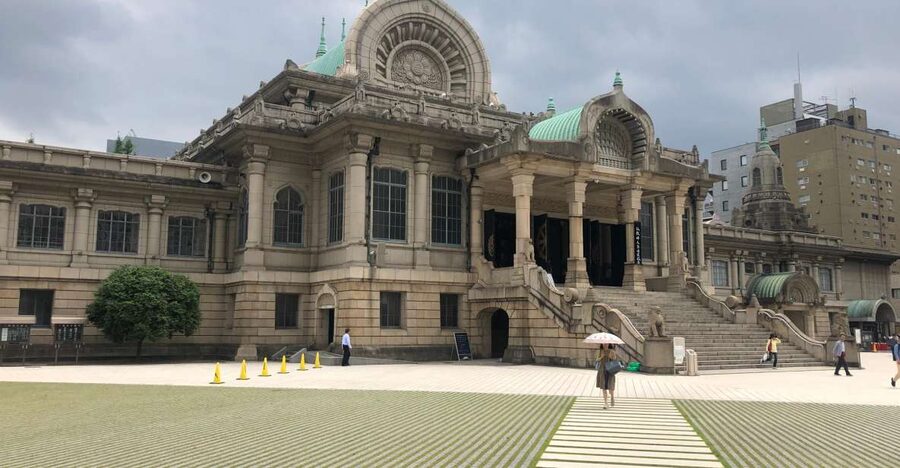
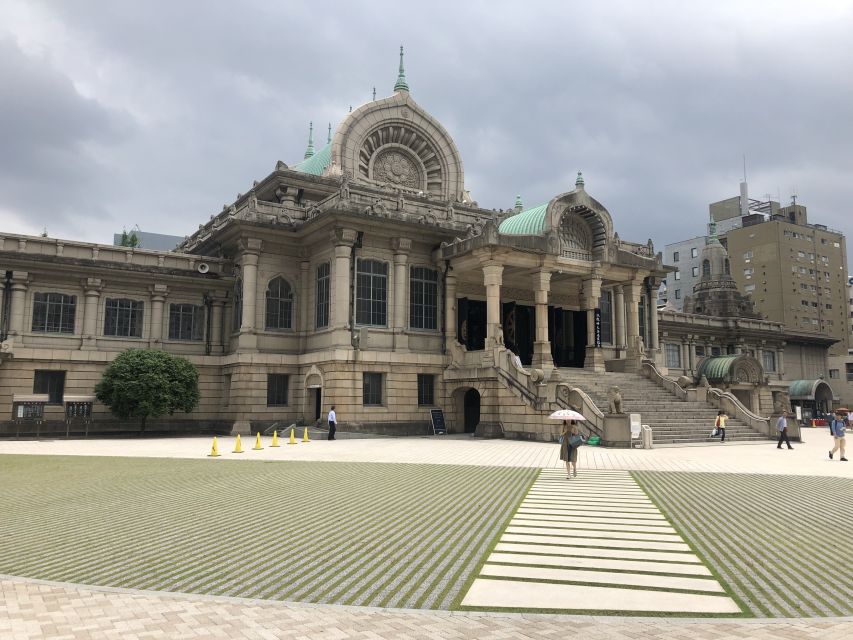
The tour begins at the front gate of Tsukiji Hongwan-ji temple. It’s easy to find: from Tsukiji Station (Tokyo Metro Hibiya line), take Exit 1, turn left, and walk straight for less than a minute.
What makes this first stop such a smart opener is the contrast. The building’s Indian-style exterior sets one expectation, then the interior plays a different card—something you can compare to a European church-like feel. That’s not just a cool fact for a photo. It’s a reminder that Tokyo architecture isn’t one-note. Japan has a long habit of borrowing, translating, and recombining influences, and you see that immediately rather than halfway through the day.
Practical tip: spend a little extra time watching how people move inside. With a building like this, the space encourages you to slow down, look up, and notice details you might otherwise miss on a fast street-corner stop.
Readers also shortlisted these Tokyo bookings:
- Tokyo 6hr Private Tour with Government-Licensed Guide
★ 5.0 · 3,902 reviews - Private Tour to Mt. Fuji and Hakone (Fully Licenced Operator)
★ 5.0 · 1,910 reviews - Tokyo Customized Private Tour (Must See Places in 1 Day)
★ 5.0 · 1,499 reviews - Mount Fuji Full-Day Private Tour from Tokyo (Customizable)
★ 4.9 · 1,470 reviews
Kabuki Theatre (2013): modern construction that remembers tradition
Next you head to the newly built Kabuki theatre, completed in 2013. The key idea here is continuity. The tour frames it as a theatre that inherited traditional style from past generations.
That matters because architecture for performance isn’t just about aesthetics—it’s about how the building supports rituals, sightlines, and the sense of ceremony that comes with kabuki. Even if you don’t know the stage mechanics, you can still read the building like a tool built for attention: where your eyes naturally go, how the space guides you, and how the design reflects the seriousness of the art form.
If you’re an architecture fan, this stop gives you a useful bridge. You move from a surprise-mix temple interior into a modern public building that still signals its cultural roots. It’s a nice way to avoid the “everything here is just new and shiny” trap people often fall into with Ginza.
Nicolas G. Hayek Center and Maison Hermes: design as identity
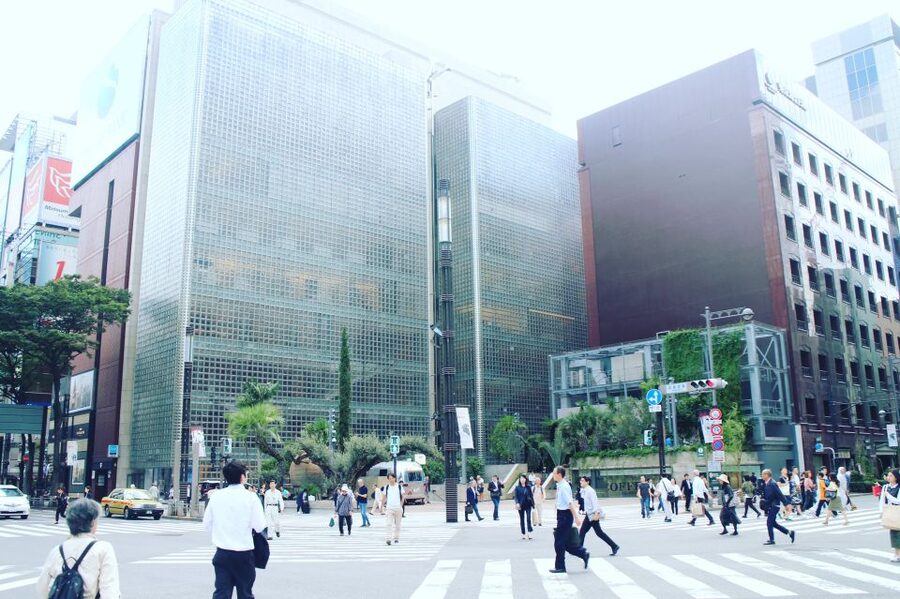
After Kabuki Theatre, the walk continues through central Ginza landmarks, including the Nicolas G. Hayek Center and Maison Hermes. These are the kinds of stops where you can feel how architecture becomes brand language.
Even without getting overly technical, you’ll likely notice how the buildings communicate different moods: polished surfaces, clean lines, and the careful way facades handle street-level presence. The tour’s value isn’t that it labels each building as good or bad—it helps you understand why the architecture exists as a piece of public messaging.
One helpful way to enjoy this section is to switch your focus. Instead of hunting for one perfect photo spot, watch how the building edges meet the street, and how the entrance area manages foot traffic. Ginza is full of people and shops, but the design around them determines whether the area feels orderly, dramatic, or slightly chaotic.
Tokyu Plaza Ginza and Mikimoto Ginza 2: the middle layer of Ginza
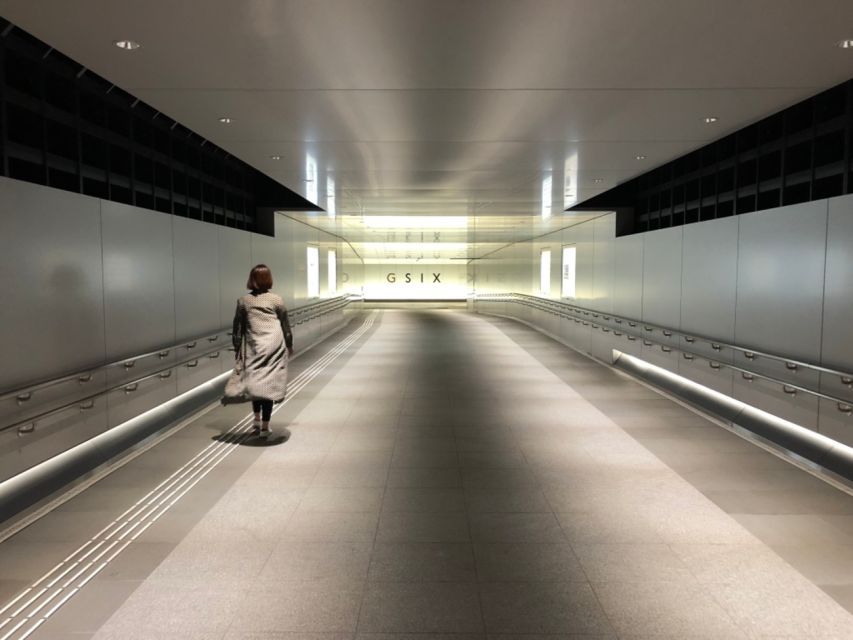
You’ll also see Tokyu Plaza Ginza and Mikimoto Ginza 2 as part of the route. These stops are important because they represent the “middle layer” of architecture in an area famous for luxury retail and landmark buildings.
This is where the tour’s promise of balance really shows. You’re not only doing one kind of architecture (big statement buildings or temple-like sites). Instead, you’re seeing how different types of structures handle everyday use—how people enter, shop, pause, and move through multi-purpose spaces.
A small strategy that helps: stand still for 60 seconds at a corner and just observe circulation. You’ll start to see patterns: where people naturally cluster, how entrances pull you in, and how signage and geometry guide your path without you thinking about it.
Okuno Building to the Wako (SEIKO watch) finish: the tour’s closing beat
As the walk continues, you’ll pass the Okuno Building and finish at the intersection of Ginza 4-chome where the Wako (SEIKO watch) building stands.
Ending at a major intersection is a smart design choice for a walking tour. It gives you a wide view to “reset” your eyes after several stops. Also, intersections act like mini galleries: you can look in multiple directions and compare building scale, street width, and facade rhythm all at once.
If you want to keep the architecture mood going after the tour, this is a good place to do it. You’re already in the area where you can continue browsing or grabbing a drink nearby—without scrambling to figure out where to go next.
- Tokyo: Shinjuku Food Tour (13 Dishes at 4 Local Eateries)★ 5.0 · 6,603 reviews
- Tokyo Mt Fuji 5th St & Hakone Cruise Bus Tour w/Bullet Train★ 4.4 · 5,024 reviews
- Flagship 2-Hours Official Street Go-Kart Tour – Tokyo Bay Shop★ 5.0 · 4,974 reviews
- From Tokyo: Mount Fuji Full-Day Sightseeing Trip★ 4.5 · 4,970 reviews
- Tokyo: Hop-On Hop-Off Sightseeing Bus Ticket★ 3.9 · 4,207 reviews
The Metabolism movement lens (1960s–70s): architecture as future thinking
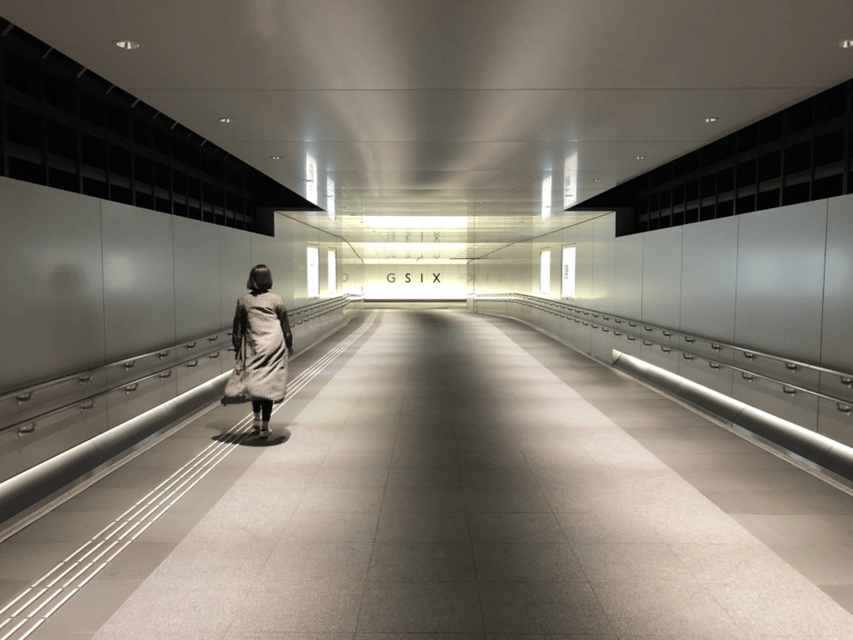
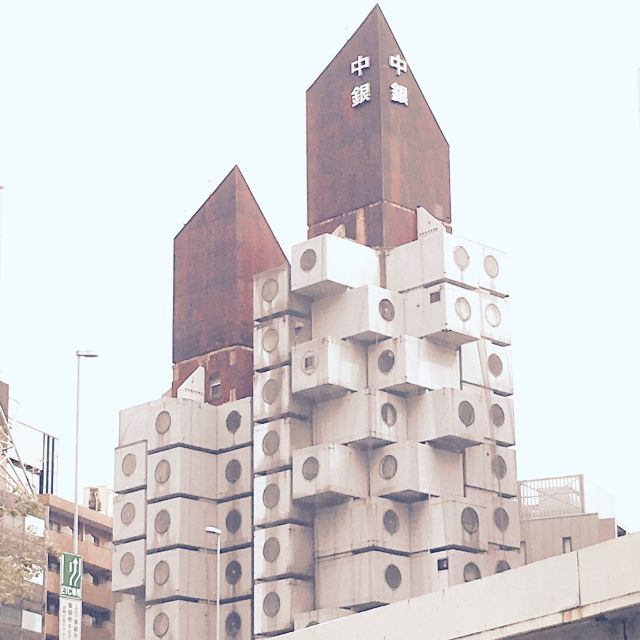
One of the tour’s stated highlights is admiring a masterpiece from the Japanese Metabolism movement, described here as proposals for a New Urbanism in the 1960s to 70s.
Even if you’re not deep into architectural theory, this is a valuable lens because it changes how you read buildings. Metabolism is essentially the idea that cities could be designed like living systems—adaptable, expandable, and structured for change. Instead of treating architecture as fixed forever, the movement asks, what if urban space could evolve?
On a walking route in a modern district, that perspective helps you notice things you might otherwise ignore:
- How a building’s form feels “designed for growth” rather than a single purpose
- How the surroundings (streets, connections, building relationships) can support change over time
- Why a “futuristic” idea from decades ago can still feel relevant when you’re standing in today’s Ginza
This is also where you’ll appreciate the tour’s promise of traditional-to-modern balance. You’re not only collecting pretty buildings. You’re learning how ideas from a specific period of Japanese design thinking still echo through what you see now.
The secret backstreet side trip: Ginza beyond the obvious fronts
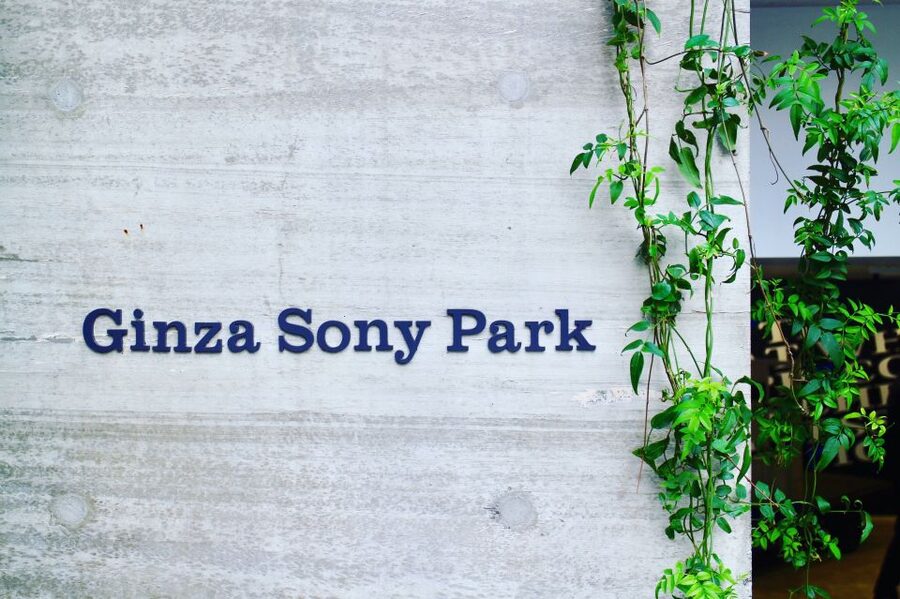
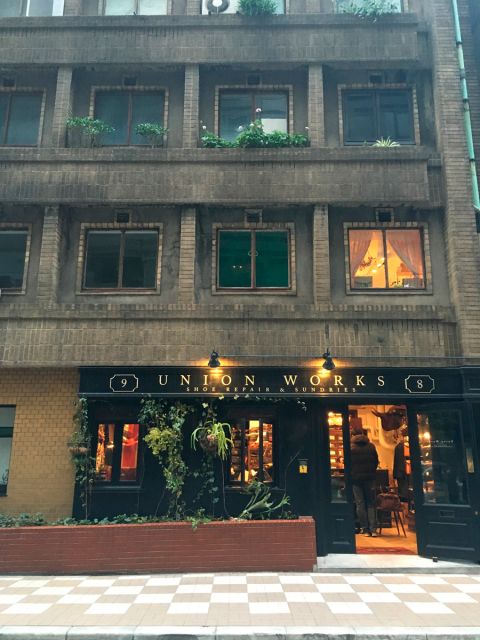
You’ll also take a secret side trip to see the backstreet neighborhood. That’s more than a cute add-on. It’s one of the most practical ways to understand any district—because the “real” feeling of a place often lives just one turn away from the headline streets.
Backstreets tend to show you different textures: smaller storefront behavior, altered street rhythms, and a calmer relationship between buildings and daily life. The tour gives you this perspective shift, so your architecture reading doesn’t stay trapped at luxury facades and flagship corners.
If you’re worried about getting through Ginza without missing the human scale, this side trip is the fix. It helps you connect architecture to how people actually experience the neighborhood.
What you get for $129 and 210 minutes
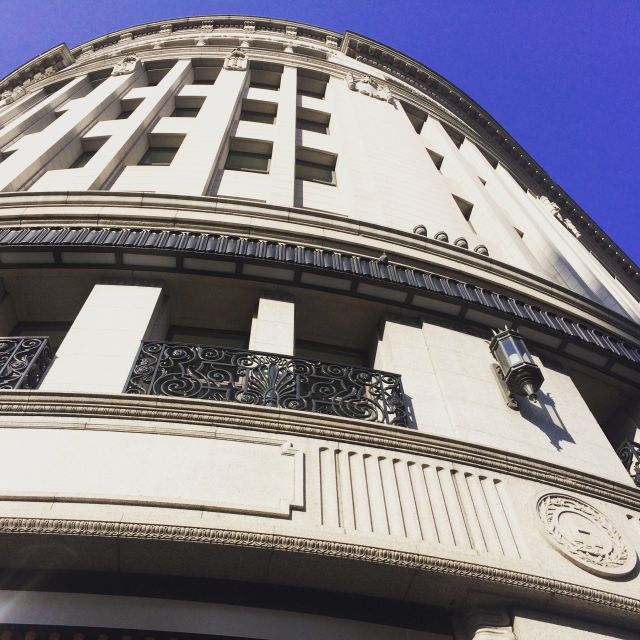
At $129 per person for 210 minutes, the main value is the guided structure. This isn’t a self-guided stroll where you hope to find meaning by googling as you walk. Instead, you’re getting a live English guide, a walking tour format, and a break with drinks.
Here’s how I’d measure value as a practical traveler:
- You’re buying interpretation, not just access to buildings.
- The timing is tight but doable for an architecture-focused route. Just remember it’s 3.5 hours on your feet.
- Drinks are included during a break, which helps keep energy up mid-walk.
Two costs to factor in: meals aren’t included, and transportation fees to and from the Ginza area aren’t included. In other words, treat the tour price as the guided experience itself, then budget your own transit and meals around it.
One more benefit you shouldn’t ignore: it’s a private group. Private tours usually mean the pacing can match your questions better, and you’re less likely to feel like you’re getting shoved along with a herd.
Who this tour fits best (and who should think twice)
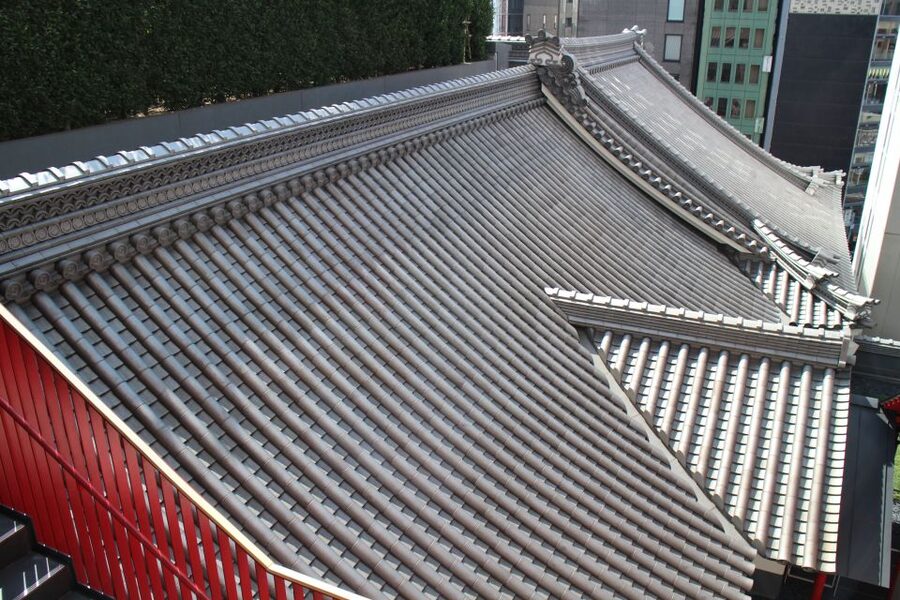
This tour makes a lot of sense if you:
- Like walking and want architecture explanations in English
- Enjoy seeing how design ideas connect, especially through the Metabolism lens
- Prefer a route that mixes temple, theatre, and modern commercial buildings rather than just one architectural style
You might think twice if:
- You’re not comfortable with a 210-minute walking schedule
- You want a lot of time sitting down or doing indoor museum-style visits (this is a walking tour focused on seeing and interpreting exteriors and key structures)
Quick booking advice: when to say yes
I’d book this if you want an architecture experience that’s both structured and varied—temple to theatre to modern Ginza icons—without spending your day hopscotching between far-apart neighborhoods. The Metabolism framing is also a strong reason to choose this over a generic “Ginza highlights” walk, because it gives you a storyline: how ideas from the 1960s–70s still shape how we think about urban space today.
If you’re planning a Tokyo trip and you’ve already seen the usual big-name sights, this is a smart way to add a different kind of Tokyo—one you can read with your eyes, not just your ticket.
FAQ
Where does the tour start?
It starts in front of the main gate of Tsukiji Hongwan-ji temple. From Tsukiji Station (Tokyo Metro Hibiya line), take Exit 1, turn left, and walk straight for less than a minute.
How long is the tour?
The duration is 210 minutes.
Is this tour private and in English?
Yes. It’s a private group and the live tour guide speaks English.
What’s included in the price?
Included are the guide, the walking tour, and a break time with drinks.
What isn’t included?
Meals and the transportation fee to/from the Ginza area are not included.
What are the cancellation and payment options?
You can cancel up to 24 hours in advance for a full refund. You can also reserve now and pay later, with payment deferred.
More Private in Tokyo
- Tokyo 6hr Private Tour with Government-Licensed Guide
★ 5.0 · 3,902 reviews - Private Tour to Mt. Fuji and Hakone (Fully Licenced Operator)
★ 5.0 · 1,910 reviews - Tokyo Customized Private Tour (Must See Places in 1 Day)
★ 5.0 · 1,499 reviews - Mount Fuji Full-Day Private Tour from Tokyo (Customizable)
★ 4.9 · 1,470 reviews - Tokyo: Private City Highlights Tour with Local Guide
★ 4.8 · 1,433 reviews
More Tours in Tokyo
- Mt Fuji and Hakone 1-Day Bus Tour Return by Bullet Train
★ 5.0 · 26,383 reviews - 1-Day Tokyo Bus Tour
★ 5.0 · 14,250 reviews - Tokyo: Shinjuku Food Tour (13 Dishes at 4 Local Eateries)
★ 5.0 · 6,603 reviews - Tokyo Mt Fuji 5th St & Hakone Cruise Bus Tour w/Bullet Train
★ 4.4 · 5,024 reviews - Flagship 2-Hours Official Street Go-Kart Tour – Tokyo Bay Shop
★ 5.0 · 4,974 reviews
More Tour Reviews in Tokyo
- Mt Fuji and Hakone 1-Day Bus Tour Return by Bullet Train
★ 5.0 · 26,383 reviews - 1-Day Tokyo Bus Tour
★ 5.0 · 14,250 reviews - Tokyo: teamLab Planets TOKYO Digital Art Museum Entry Ticket
★ 4.6 · 9,779 reviews - Mt Fuji & Hakone Cruise, Drum Show Bullet Train 1 Day from Tokyo
★ 4.0 · 7,413 reviews - Tokyo: Shinjuku Food Tour (13 Dishes at 4 Local Eateries)
★ 5.0 · 6,603 reviews
Latest Tokyo reviews off our desk






Private, compared.
 ★ 5.0Tokyo 6hr Private Tour with Government-Licensed GuideFrom $1553,902 reviews
 ★ 5.0Private Tour to Mt. Fuji and Hakone (Fully Licenced Operator)From $4971,910 reviews
 ★ 5.0Tokyo Customized Private Tour (Must See Places in 1 Day)From $1451,499 reviews
 ★ 4.9Mount Fuji Full-Day Private Tour from Tokyo (Customizable)From $3931,470 reviews
 ★ 4.8Private City Highlights Tour with Local GuideFrom $1061,433 reviews
 ★ 5.0Private Custom Tour: Tokyo in a DayFrom $1591,432 reviews
 ★ 5.0Tokyo 4hr Private Tour with Government-Licensed GuideFrom $1091,394 reviews
 ★ 5.0Tokyo Customized Private Tour: See Top Attractions in 1 DayFrom $1451,351 reviews