
Reviewed · MOUNT FUJI TOURS
Private Hakone Tour – View of Mt. Fuji, Nature and Culture
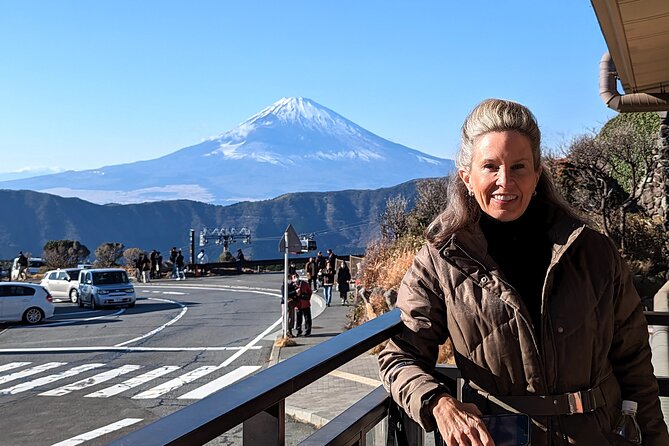
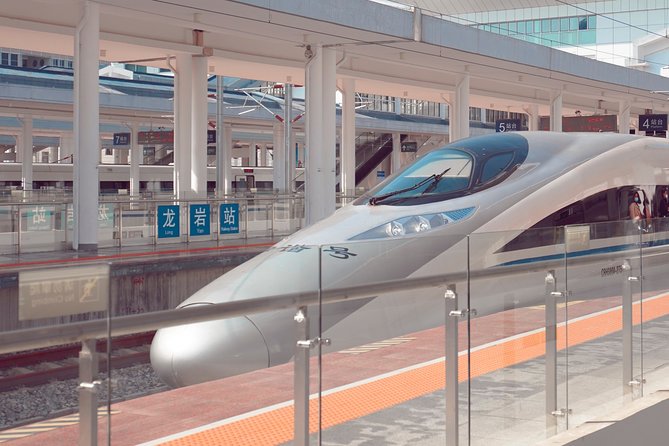
Hakone day trips can be a headache, and this one is built to cut the stress. You get a private day plan that also targets Mt. Fuji viewpoints, so the day feels purposeful instead of random hop-on/hop-off. The trade-off: you’ll be walking a lot, including uneven ground and stairs.
I like that someone meets you right in your hotel lobby and then handles the train moves cleanly. In one standout moment, the guide named Yasu is specifically praised for keeping people from getting lost in Tokyo’s subway maze—exactly the kind of help you want on a tight start time.
In This Review
- Key Takeaways Before You Go
- Why This Hakone-From-Tokyo Day Feels Easier Than DIY
- The Tokyo Start: Meeting Your Guide and Getting on the Right Track
- Odawara to Hakone-Yumoto: Your Gateway Into the Volcano-and-Shrine Area
- Hakone Shrine and the Torii in the Water: Culture Before the View Stops
- Lake Ashinoko Cruise: The Most Fuji-Forward Moment
- Hakone Ropeway and Gora: More Than a Ride, a View Angle Switch
- Owakudani Valley: Sulfur Fumes and the Black Eggs Moment
- Hakone Open-Air Museum or Onsen: Your Choice for the Penultimate Stop
- Hakone-Yumoto Finish: Souvenir Time and a Smooth Return to Tokyo
- Price and What You’re Actually Paying For (And Where It Feels Worth It)
- Weather-Dependent Fuji: How to Play It Smart
- Walking, Stairs, and the Real Fitness Check
- Who This Private Hakone Tour Suits Best
- Should You Book This Hakone Private Tour?
- FAQ
- FAQ
- What time does the tour start?
- How long is the Hakone tour?
- Is this tour private?
- What transportation is included?
- What are the main included activities and tickets?
- Is Mount Fuji viewing guaranteed?
- How much walking is involved?
- Is food provided during the tour?
Key Takeaways Before You Go
- Hotel lobby meet-and-greet makes the Tokyo departure day feel simple
- All key transit plus entry fees included so you don’t do math all day
- Lake Ashi cruise with Fuji views can be a highlight when weather cooperates
- Owakudani black eggs are part of the official route, not an optional detour
- You choose Open-Air Museum or an onsen near the end of the tour
Why This Hakone-From-Tokyo Day Feels Easier Than DIY
Hakone is popular for a reason, but popularity creates two problems for most DIY plans: timing and navigation. This private format removes both. You’re not trying to coordinate bullet train schedules, local trains, and ropeway/cable car timing while also chasing Fuji views that depend on cloud cover.
I also like the pacing approach: you’re not stuck on one “Instagram spot” for hours. The day mixes nature viewpoints (Lake Ashi, ropeway/cable car angles) with classic Hakone culture (Hakone Shrine) and a hands-on stop (Owakudani). That mix makes it easier to stay interested even if one weather window doesn’t deliver perfect visibility.
The other value I see is how the plan reduces decision fatigue. You’ll still choose between the Open-Air Museum or a traditional onsen, but the rest is locked in. For many travelers, that’s the difference between having fun and feeling stressed.
More Fuji day trips our readers rated highly
- Mt Fuji and Hakone 1-Day Bus Tour Return by Bullet Train
★ 5.0 · 26,383 reviews - Mt Fuji & Hakone Cruise, Drum Show Bullet Train 1 Day from Tokyo
★ 4.0 · 7,413 reviews - Tokyo Mt Fuji 5th St & Hakone Cruise Bus Tour w/Bullet Train
★ 4.4 · 5,024 reviews - From Tokyo: Mount Fuji Full-Day Sightseeing Trip
★ 4.5 · 4,970 reviews
The Tokyo Start: Meeting Your Guide and Getting on the Right Track
The day begins early—start time is 7:30 am—and the guide meets you in your hotel lobby between 7:30 am and 8:30 am depending on where your hotel is. If your hotel location makes it easier, you can also meet the group at a nearby transit point. The plan includes getting you to Shinagawa or Tokyo Station (you can use subway or taxi if you prefer).
This is where Yasu’s reputation matters. When you’re dealing with Tokyo stations that sprawl and shift across multiple lines, a competent guide helps you keep your bearings fast. If you’ve ever spent time sprinting between platforms while trying to hold luggage and read signs, you already understand why this kind of support is worth paying for.
Once everyone’s moving, you head to Odawara by bullet train. The goal is straightforward: arrive ready to explore, not exhausted from transit wrangling.
Odawara to Hakone-Yumoto: Your Gateway Into the Volcano-and-Shrine Area
After the bullet train ride lands you at Odawara Station, you switch to local transportation toward Hakone-Yumoto. This town acts like the launchpad for much of Hakone’s sightseeing, and it’s also a good place to end the day with a little breathing room.
You’ll spend a short stretch here before the itinerary deepens into the sights:
- You’ll arrive, settle into the local rhythm, and then move toward Hakone Shrine.
- Later, you’ll return to Hakone-Yumoto for a quick look around, with time for simple shopping stops.
There’s a practical comfort factor in this structure. You’re not trying to do everything from one remote point. Hakone tends to work better when you rotate between a few base areas, and your route does that for you.
Hakone Shrine and the Torii in the Water: Culture Before the View Stops
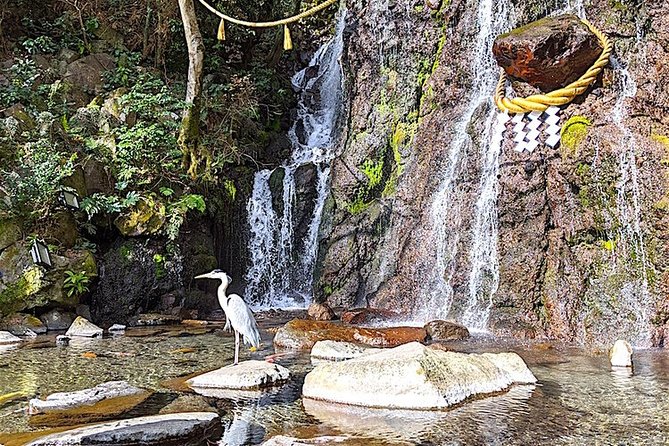
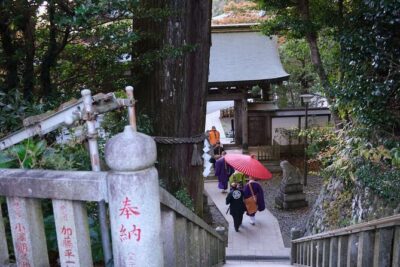
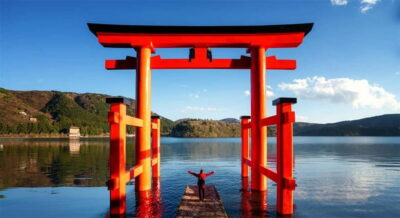
Your first Hakone sightseeing stop is Hakone Shrine, an iconic location with roots dating back to 1667. The big visual is the famous torii gate set in water, the kind of scene that instantly tells you you’re in a special place—Japan’s religious and nature-focused design approach at work.
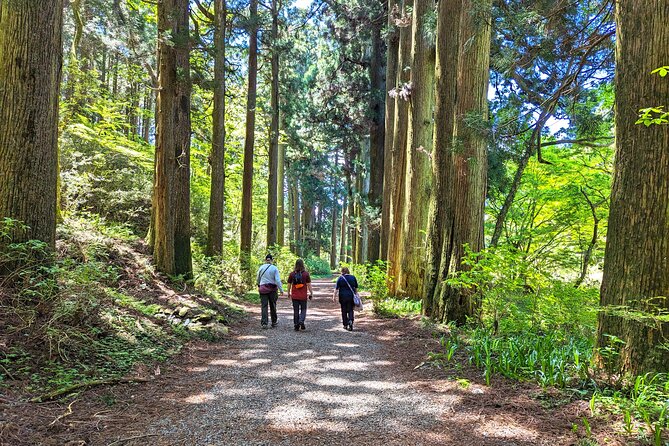
Plan for a short but meaningful stroll around the area. You’ll be walking on natural grounds, and the tour information flags that this includes uneven terrain and stairs. Admission is free for this stop, but the bigger benefit is timing: you’re visiting before the day gets heavier with more transport segments and viewpoint climbs.
If you’re trying to keep photos easy, come with shoes you trust. You’ll want stable footing because the terrain isn’t “theme park smooth,” and the overall day involves more walking than you might expect.
Lake Ashinoko Cruise: The Most Fuji-Forward Moment
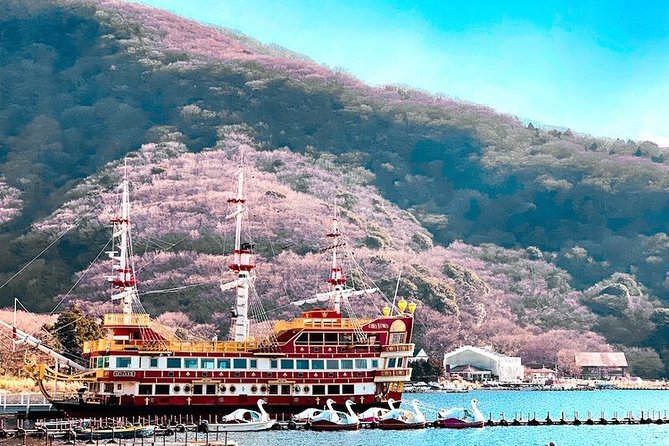
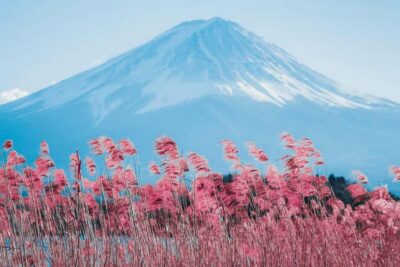
One of the most appealing parts of the plan is the Lake Ashi cruise. You board a sightseeing boat and cross the lake for about 25 minutes, with Mt. Fuji views depending on weather.
This is the stop where the day’s concept clicks. Instead of just looking at Fuji from a lookout platform, you’re getting a “from the water” perspective. That matters because Fuji looks different depending on distance and angle—and a lake cruise naturally changes your viewpoint as the boat moves.
What to know: weather drives results here. If clouds roll in, you might not see Fuji clearly, but the lake itself still delivers atmosphere. On clear days, the cruise becomes a real highlight because it’s not rushed and it offers a steady, scenic progression.
Tip for comfort: plan to bring a light layer. Lake surfaces can bring cooler air than you’d expect, especially in the morning-to-midday transition.
Other Hakone loops worth the fare
- Tokyo: Mt. Fuji Tour, Hakone Ropeway, Owakudani, Lake Ashi★ 4.7 · 4,002 reviews
- Private Tour to Mt. Fuji and Hakone (Fully Licenced Operator)★ 5.0 · 1,910 reviews
- Mt Fuji & Hakone Cruise, Drum Show Bus 1 Day from Tokyo★ 4.0 · 1,287 reviews
- From Tokyo: Mt. Fuji & Hakone Tour w/ Return by Bullet Train★ 4.2 · 1,278 reviews
- Mt Fuji and Hakone 1-Day Bus Tour Return by Bus★ 4.5 · 929 reviews
Hakone Ropeway and Gora: More Than a Ride, a View Angle Switch
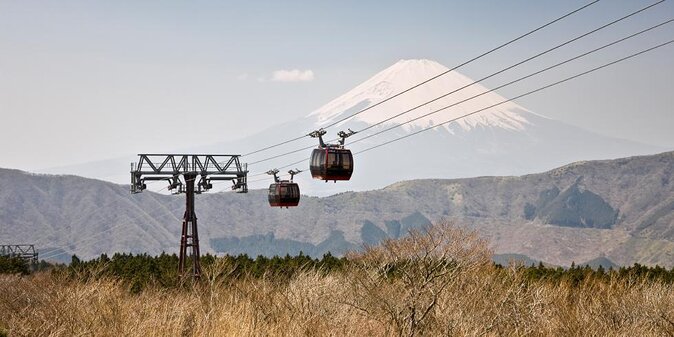
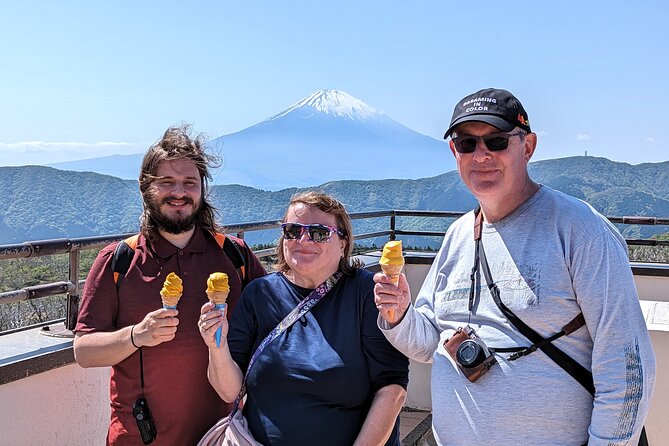
After the lake, you move up toward higher viewpoints via the Hakone Ropeway. This is a short segment (about 10 minutes), but it changes the geometry of what you’re seeing. You’ll get a different vantage over Mt. Hakone and possibly Fuji, again with visibility depending on conditions.
Then the route continues through Gora Station, where you transfer into the mountain rail system: the Hakone-tozan cable car. The plan describes it as a railway built into the mountains, and the design is part of what makes this segment feel like a real “Hakone experience,” not just transportation.
These vertical moves also help with pacing. You’re not walking every minute, and the lifts let you rest your legs while still moving toward the day’s key sights.
Owakudani Valley: Sulfur Fumes and the Black Eggs Moment
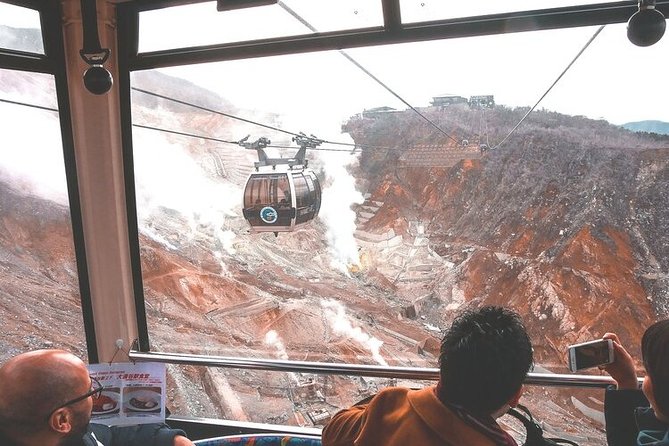
Next comes the famous Owakudani Valley, often called the valley of hell. You’ll see sulfurous fumes from an active volcanic area and you’ll also have the included chance to try the legendary black eggs, cooked in local hot springs.
The important point is tone and expectations. This isn’t a “walk around and hope you see something cool” stop. The experience is structured around the volcanic spectacle and the food tradition that goes with it. The tour notes that it’s perfectly safe, and you’ll be guided through what you’re looking at so you don’t feel like you’re wandering into something mysterious.
Time here is about 1 hour 30 minutes. That’s long enough to take photos, read the scene, and not feel rushed as you enjoy the black eggs.
What I’d plan for mentally: volcanic areas can be hazy. If you’re expecting crisp mountain clarity, adjust your expectations. Even when Fuji disappears, Owakudani still gives you a strong sense of place.
Hakone Open-Air Museum or Onsen: Your Choice for the Penultimate Stop
Near the end of the tour, you choose between two very different experiences:
1) Hakone Open-Air Museum
This is an art-and-nature setup, meaning you’ll be moving through outdoor spaces where sculpture and landscape work together. You’re likely to enjoy it more if you like your art with breathing room and walking paths.
2) A traditional onsen option
This gives you the classic Hakone payoff: hot spring relaxation. It’s also the best choice if you want to end the day with recovery rather than another long stretch of sightseeing.
Since the route is already walking heavy earlier, I’d pick based on what you want most at that point. If you’re enjoying cultural variety and like mixing walking with indoor/outdoor stops, the museum makes sense. If your legs are already tired (very possible by this stage), the onsen is often the more rewarding finale.
Hakone-Yumoto Finish: Souvenir Time and a Smooth Return to Tokyo
After your penultimate choice, you end with a quick look around Hakone-Yumoto—about 30 minutes including some souvenir shop time. Then you head back through Odawara and return to Tokyo by bullet train.
The guide helps you finish cleanly at the station when you reach Tokyo (your tour ends at the station), including assistance arranging a taxi or subway back to your hotel. This matters because you’ll likely be thinking about dinner the moment you arrive, and the easier your transit is, the more you’ll enjoy the rest of the evening.
Price and What You’re Actually Paying For (And Where It Feels Worth It)
At $867 per person, this is not a budget day. But the price includes the things that usually make DIY days expensive or stressful in Japan: round-trip bullet train, multiple local transfers, and paid entry/experience costs.
What’s included in your day:
- Bullet train to and from Odawara
- Hakone Open-Air Museum or onsen entrance
- Lake Ashi cruise
- Hakone Ropeway
- Hakone-tozan cable car
- Owakudani black eggs
- All bus rides in Hakone (so you’re not timing buses)
- All fees and taxes
What’s not included:
- Food beyond the black eggs and drinks
- Optional gratuities
So where’s the value? In practice, you’re buying time and certainty. You’re not spending hours comparing pass options, figuring out which transport lines link smoothly, and re-planning when weather changes. You also don’t have to pay entry fees one by one while you’re tired and hungry.
If you’re going with someone and splitting a cab back to Tokyo later, private tours also reduce hidden “day cost” friction. The day feels like a package, and in Japan that convenience can be real money.
Weather-Dependent Fuji: How to Play It Smart
The tour is clear that Fuji views are weather-dependent for both the Lake Ashi cruise and ropeway time. That means you shouldn’t treat Fuji sightings as guaranteed. Still, you can improve your odds by choosing a flexible mindset.
Here’s what I recommend:
- Dress in layers so shifting temperatures don’t ruin your comfort.
- Keep your camera ready but don’t freeze while you search. Clouds move; viewpoints don’t.
- Think of this day as two experiences: the “Fuji possibility” and the “Hakone experience.” Even if Fuji is shy, you still get the shrine, the volcanic stop, and the onsen/museum choice.
Also, the provider notes good weather matters for the tour. If poor conditions force a cancellation, you’ll be offered a different date or a full refund. That’s a helpful safety net when weather plays such a big role.
Walking, Stairs, and the Real Fitness Check
This is the part you should take seriously. You’ll walk about 9 to 12 km during the day (the tour also mentions around 12 km), and you need to be able to walk unaided.
You’ll also handle:
- Uneven grounds at Hakone Shrine
- Stairs and slopes in station areas
- Stairs where required during the shrine stop
If you’re comfortable with long city walking and stairs, you’ll likely be fine. If you typically avoid hills or long walking days, this may feel like too much.
I’d plan your clothing around this reality: sturdy shoes matter more than style, and you’ll want breathable layers.
Who This Private Hakone Tour Suits Best
This is a great fit if you want:
- A private day with a guide who handles transit
- A Fuji-focused route without DIY stress
- A clean mix of culture, volcanic scenery, and scenic transport
- The option to end with either museum walking or hot spring recovery
It’s also a smart choice if you dislike “figure it out” travel during the first half of the day. Tokyo stations can be confusing, and starting with someone who knows how to move you between platforms can set the whole day’s mood.
Should You Book This Hakone Private Tour?
If you’re planning Hakone as a highlight and you’d rather pay for smooth logistics than spend your day managing trains, then yes—this is the kind of tour that earns its price. You’re also getting a thoughtful selection of Hakone’s major textures: shrine tradition, lake scenery, volcanic drama, and a relaxing finish via onsen or a museum.
If you’re on a tight budget, or if long walking days with stairs are hard for you, I’d think twice. The route is active, and Fuji visibility isn’t guaranteed.
FAQ
FAQ
What time does the tour start?
The start time is listed as 7:30 am, with the guide meeting you in your hotel lobby between 7:30 am and 8:30 am depending on where your hotel is.
How long is the Hakone tour?
The tour runs about 11 hours.
Is this tour private?
Yes. It’s a private tour, meaning only your group participates.
What transportation is included?
You get round-trip bullet train tickets between Tokyo and Odawara, plus local buses at Hakone as part of the tour.
What are the main included activities and tickets?
Included are the Lake Ashi sightseeing cruise, Hakone Ropeway, Hakone-tozan cable car, Owakudani black eggs, and admission to either the Hakone Open Air Museum or the onsen option.
Is Mount Fuji viewing guaranteed?
No. Fuji views during the cruise and ropeway ride are weather dependent.
How much walking is involved?
You should be ready to walk about 9 to 12 km in total, and you need to be able to walk up and down stairs and handle uneven ground.
Is food provided during the tour?
Only the legendary black eggs at Owakudani are included. Other food and drinks are not included and would be on your own.
More Tour Reviews in Tokyo
- Mt Fuji and Hakone 1-Day Bus Tour Return by Bullet Train
★ 5.0 · 26,383 reviews - 1-Day Tokyo Bus Tour
★ 5.0 · 14,250 reviews - Tokyo: teamLab Planets TOKYO Digital Art Museum Entry Ticket
★ 4.6 · 9,779 reviews - Mt Fuji & Hakone Cruise, Drum Show Bullet Train 1 Day from Tokyo
★ 4.0 · 7,413 reviews - Tokyo: Shinjuku Food Tour (13 Dishes at 4 Local Eateries)
★ 5.0 · 6,603 reviews
Hakone, A Few More Ways
- Mt Fuji and Hakone 1-Day Bus Tour Return by Bullet Train
★ 5.0 · 26,383 reviews - Mt Fuji & Hakone Cruise, Drum Show Bullet Train 1 Day from Tokyo
★ 4.0 · 7,413 reviews - Tokyo Mt Fuji 5th St & Hakone Cruise Bus Tour w/Bullet Train
★ 4.4 · 5,024 reviews - Tokyo: Mt. Fuji Tour, Hakone Ropeway, Owakudani, Lake Ashi
★ 4.7 · 4,002 reviews - Private Tour to Mt. Fuji and Hakone (Fully Licenced Operator)
★ 5.0 · 1,910 reviews
More Mount Fuji Days We Have Reviewed
- Mt Fuji and Hakone 1-Day Bus Tour Return by Bullet Train
★ 5.0 · 26,383 reviews - Mt Fuji & Hakone Cruise, Drum Show Bullet Train 1 Day from Tokyo
★ 4.0 · 7,413 reviews - Tokyo Mt Fuji 5th St & Hakone Cruise Bus Tour w/Bullet Train
★ 4.4 · 5,024 reviews - From Tokyo: Mount Fuji Full-Day Sightseeing Trip
★ 4.5 · 4,970 reviews - Tokyo: Mt. Fuji Tour, Hakone Ropeway, Owakudani, Lake Ashi
★ 4.7 · 4,002 reviews
Latest Tokyo reviews off our desk


Mount Fuji Tours, compared.
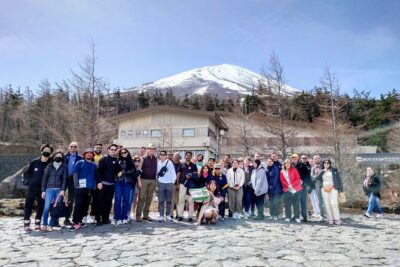 ★ 5.0Mt Fuji and Hakone 1-Day Bus Tour Return by Bullet TrainFrom $16326,383 reviews
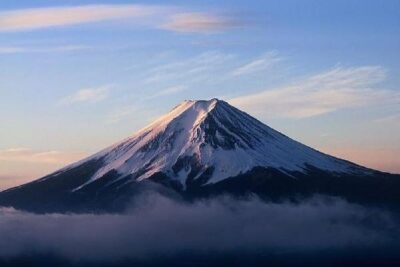 ★ 4.0Mt Fuji & Hakone Cruise, Drum Show Bullet Train 1 Day from TokyoFrom $1497,413 reviews
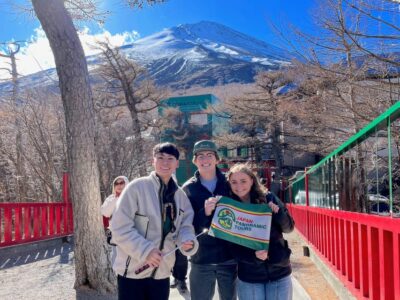 ★ 4.4Tokyo Mt Fuji 5th St & Hakone Cruise Bus Tour w/Bullet TrainFrom $1545,024 reviews
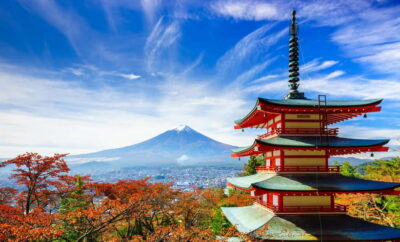 ★ 4.5From Tokyo: Mount Fuji Full-Day Sightseeing TripFrom $684,970 reviews
 ★ 4.7Mt. Fuji Tour, Hakone Ropeway, Owakudani, Lake AshiFrom $544,002 reviews
 ★ 4.4Mt.Fuji,Kawaguchiko Oishi Park,Arakurayama Sengen ParkFrom $542,682 reviews
 ★ 4.2Mt. Fuji 5th Station & Hakone Cruise 1-Day Bus TourFrom $1292,381 reviews
 ★ 4.7Mt Fuji Top 5 Spots Day Tour: Arakurayama Park,Oshino HakkaiFrom $532,066 reviews
Browse the lists this tour appears in