
Reviewed · PRIVATE
Private homevisit for whole cultual experience, 20min from Tokyo
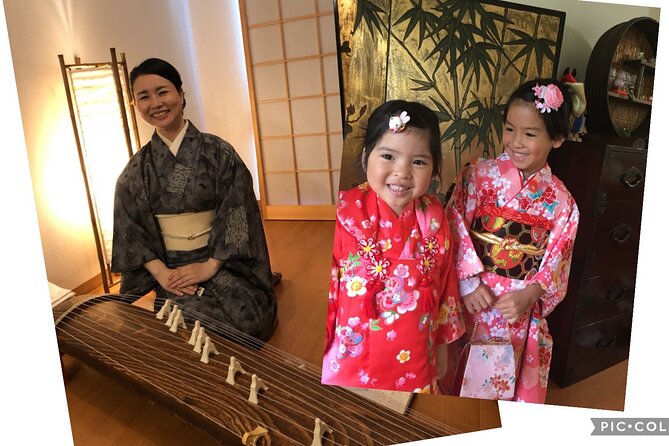
A Tokyo home, a day of practice. In a private visit about 20 minutes from Tokyo Station, I like yukata photo time and koto hands-on lessons with host Noriko. You’re not rushed, and you get real answers to real questions while you learn by doing.
One thing to consider: you choose either Hiroshima-style okonomiyaki or norimaki sushi rolls for the whole group in advance, so coordinate preferences early.
Before the fun starts, Noriko meets you at Shin-Urayasu Station and guides you to the home, including a supermarket stop where you’ll learn about Japanese ingredients and what makes them taste right.
In This Review
- Key highlights at a glance
- Meeting Noriko at Shin-Urayasu Station (and getting to the home fast)
- Yukata, kimono-style dress-up, and the photo-friendly fun part
- The supermarket stop: where the tour earns its keep
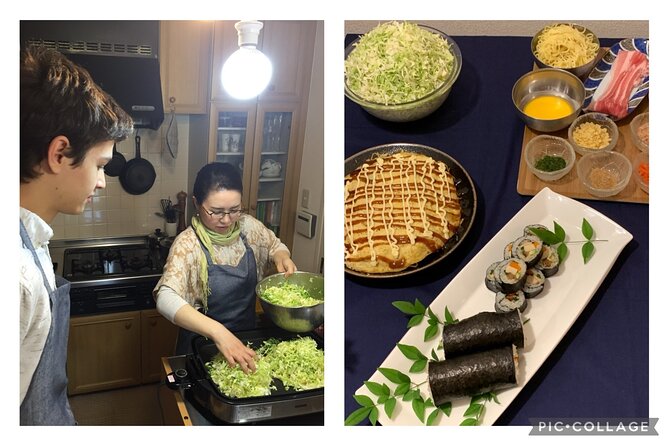
- Lunch you make: Hiroshima-style okonomiyaki or norimaki sushi rolls
- If you pick okonomiyaki
- If you pick sushi rolls
- Matcha with ceremony energy, without making it stiff
- Koto music: listen first, then play (with real guidance)
- Wooden house details: architecture you can see and ask about
- Why this private format feels different (especially for families)
- Price and value: what $165.53 buys you in practice
- Who should book this (and who might want a different option)
- So, should you book Japan at Home?
- FAQ
- Where does the experience start?
- How long is the experience?
- How do I get there from Tokyo Station?
- What can I choose for lunch?
- What tea experience is included?
- Is there music, and do I get to participate?
- What is the cancellation policy?
Key highlights at a glance
- Private in a real Japanese home: you’re with Noriko and your group only, with plenty of time to ask questions
- Yukata-to-photo moments: cotton yukata dress-up that looks good and feels fun
- Food you actually make: either Hiroshima-style okonomiyaki or norimaki sushi rolls for lunch
- Two bowls of matcha: first served with a casual ceremony, then you make the second
- Koto music practice: you listen, then you play, with guidance to help you produce good sounds
- A supermarket stop with purpose: learn ingredients you may not notice on your own
Meeting Noriko at Shin-Urayasu Station (and getting to the home fast)
This experience starts in south-eastern Tokyo, but it’s easy to reach. The ride from Tokyo Station to Shin-Urayasu Station (JE08) is about 20 minutes, and the meeting point is a short walk from there. In other words, you get out of the city hum without losing the convenience.
Noriko meets you right at Shin-Urayasu, then you head toward the home together. On the way, you stop by a supermarket. This isn’t just a quick peek. It’s there to teach you how Japanese ingredients work in real cooking—what’s common, what to look for, and why certain items matter for flavor. Even if you’re not planning to cook at home right away, this kind of ingredient awareness makes your future Tokyo meals more fun.
A small but important point: you’ll make your own way to the station. That’s not a problem if you’re comfortable using trains and following signs, but it does mean you should give yourself buffer time. The whole day runs smoother when you’re not sprinting to meet your host.
Readers also shortlisted these Tokyo bookings:
- Tokyo 6hr Private Tour with Government-Licensed Guide
★ 5.0 · 3,902 reviews - Private Tour to Mt. Fuji and Hakone (Fully Licenced Operator)
★ 5.0 · 1,910 reviews - Tokyo Customized Private Tour (Must See Places in 1 Day)
★ 5.0 · 1,499 reviews - Mount Fuji Full-Day Private Tour from Tokyo (Customizable)
★ 4.9 · 1,470 reviews
Yukata, kimono-style dress-up, and the photo-friendly fun part
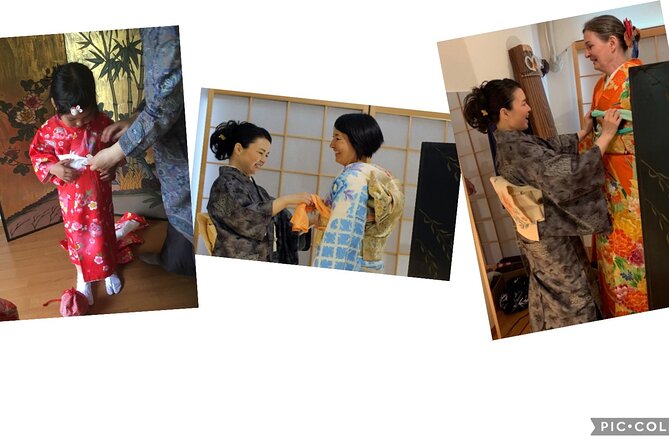
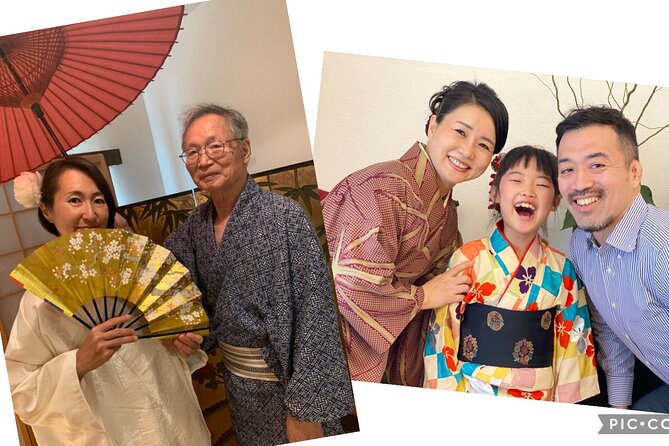
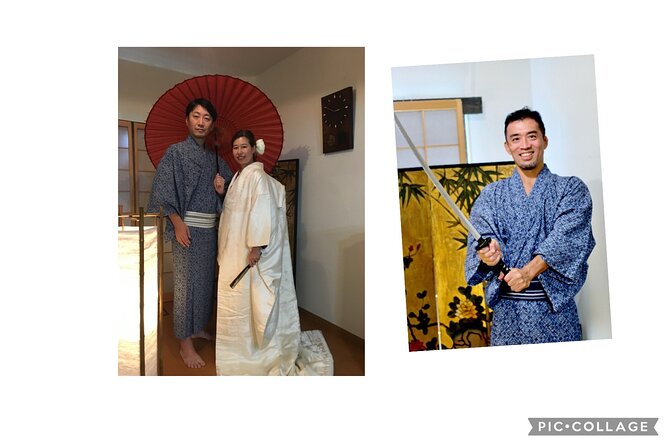
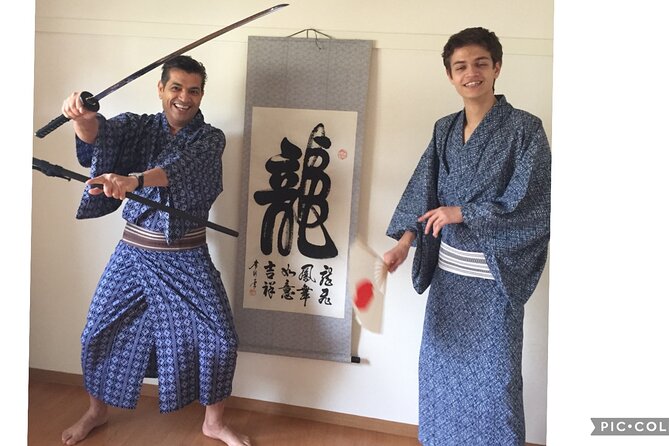
Once you arrive, the first step is changing into a cotton yukata. It’s the kind of outfit that instantly changes the feel of the day. You don’t need to be a fashion expert to appreciate it. It’s comfortable enough to move around in, and it photographs beautifully.
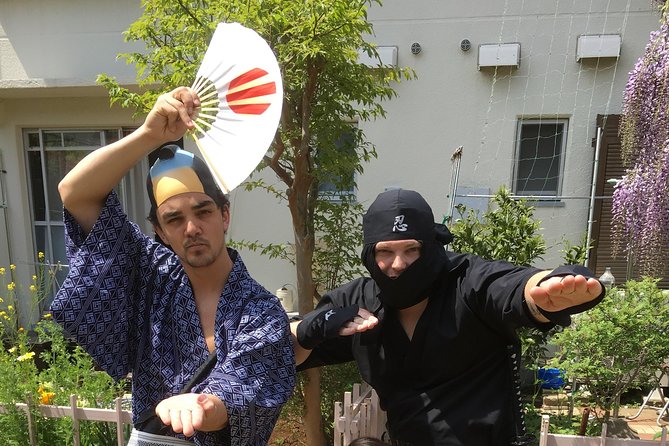
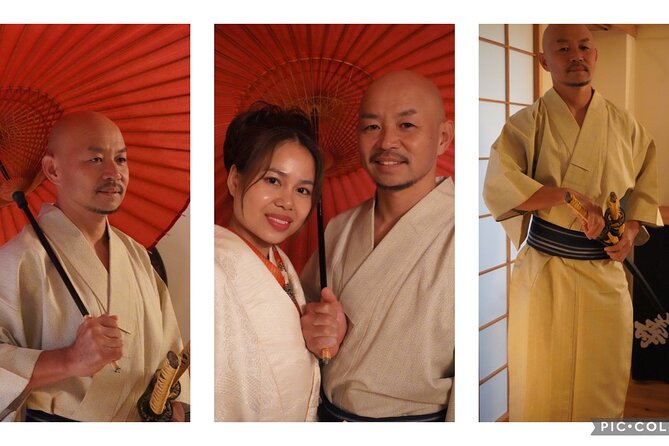
The experience also includes photo opportunities in traditional clothing themes. The description mentions kimono or ninja outfit options for great pictures. That matters because dress-up in Japan shouldn’t feel like a tourist costume where you stand and pose and then rush away. Here, you’re in a home setting, with time to enjoy the moment, not just check a box.
If you’re traveling with family, this is often the easiest “win.” Kids tend to love the quick costume change, and adults love the chance to slow down and play with how Japanese clothing looks in real life (not just on a mannequin or in a store).
The supermarket stop: where the tour earns its keep
One of my favorite parts of structured cultural days is when they teach you a practical skill, not just a story. This supermarket stop does that.
You’ll learn about unique Japanese ingredients while you’re walking through the store with your host. The goal is simple: you should leave knowing what to look for next time you’re in a Japanese market. Even if you’ve eaten Japanese food for years, you may not know what specific ingredients give certain dishes their identity.
This is also a good moment to ask questions. You can point at items, ask what they’re used for, or ask about flavors and cooking styles. Because it’s private, you’re not competing with a big group for attention.
Lunch you make: Hiroshima-style okonomiyaki or norimaki sushi rolls
Lunch is hands-on, and that’s the core reason this experience feels different from a typical museum-and-photo day. You get to make your own meal in the home.
Here’s the key detail you should plan for: you choose in advance between:
- Hiroshima-style okonomiyaki (a savory pancake), or
- norimaki sushi rolls
And one menu choice applies to the whole group. That means if you book with friends or family, you’ll want to agree ahead of time. It’s a small administrative detail, but it directly affects your day.
If you pick okonomiyaki
Okonomiyaki is thick, savory, and built for participation. You’ll handle ingredients and put together a dish that you can eat soon after. It’s a great choice for people who enjoy cooking textures and flavors, and it’s usually friendly for a wide range of palates.
A practical tip: if someone in your group is picky about specific textures, okonomiyaki can be easier because you’re building the pancake style dish with familiar savory components.
- Tokyo: Shinjuku Food Tour (13 Dishes at 4 Local Eateries)★ 5.0 · 6,603 reviews
- Tokyo Mt Fuji 5th St & Hakone Cruise Bus Tour w/Bullet Train★ 4.4 · 5,024 reviews
- Flagship 2-Hours Official Street Go-Kart Tour – Tokyo Bay Shop★ 5.0 · 4,974 reviews
- From Tokyo: Mount Fuji Full-Day Sightseeing Trip★ 4.5 · 4,970 reviews
- Tokyo: Hop-On Hop-Off Sightseeing Bus Ticket★ 3.9 · 4,207 reviews
If you pick sushi rolls
Norimaki sushi rolls bring a different kind of challenge. Rolling takes coordination, and you’ll learn the basics with guidance from your host. This option is great for people who want a “skill” feeling to the day—something you can practice and maybe replicate later.
One consideration: sushi-related cooking can feel fiddly for younger kids or anyone who gets frustrated with precision tasks. The upside is that you get help, and the goal is participation, not perfection.
In both cases, the lunch you make becomes part of the cultural learning. You’re tasting something you helped create, which makes the whole experience stick.
Matcha with ceremony energy, without making it stiff
You’ll enjoy two bowls of matcha during the visit.
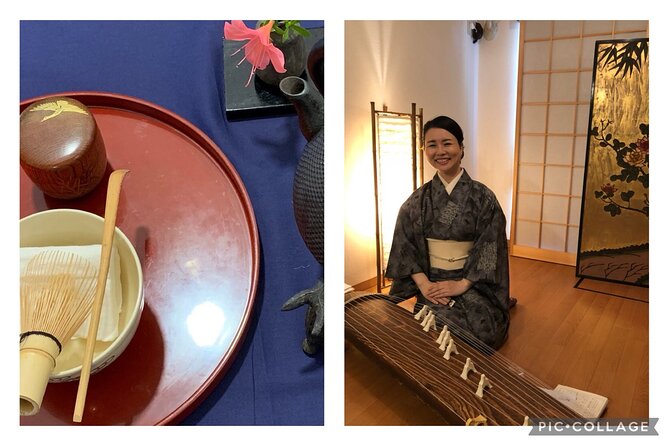
First, you’ll have matcha served to you with a beautiful ceremony. This is more than just a drink. It’s a moment of calm in the middle of a hands-on day, and it teaches you the rhythm of tea culture in a way that doesn’t require you to be an expert.
Then comes the best kind of learning: you prepare the second bowl yourself. The ceremony becomes personal because your hands are involved. You’ll feel the difference between ordering matcha and actually making it.
The tour description calls it a casual tea ceremony, which is exactly what I look for. You still get the respectful structure, but you don’t feel like you’re being graded. If you’ve ever worried about cultural activities being too formal for beginners, this is the kind of format that helps you relax.
Koto music: listen first, then play (with real guidance)
After lunch and tea, the experience turns musical—specifically to the koto, a traditional Japanese string instrument.
You’ll enjoy live koto pieces played by your host. Then it’s your turn. The wording here matters: guidance is provided, and you don’t need prior training to join in. This is one of the most praised parts of the day in the feedback, because it’s both approachable and genuinely musical.
A good way to think about it: koto playing on a tour is not the same as a concert. You’re learning what it feels like to produce sound and shape notes. Even if you only play a simple part, you walk away understanding why Japanese instrument music has that distinct, careful quality.
If you’re traveling with kids, this can be a standout segment because it’s interactive. They don’t just watch; they try.
Wooden house details: architecture you can see and ask about
The setting is a real home, so you naturally notice more than you would in a staged venue. One of the most enjoyable parts of this kind of visit is catching everyday architecture details—how rooms feel, how the space works, and how the past and present overlap inside one house.
This is also where private time helps. You can ask questions about the home’s design and how people lived with (and around) that kind of space. When the host explains, you stop treating the house like a backdrop and start treating it like a learning environment.
Why this private format feels different (especially for families)
This is a private experience, meaning only your group participates. That does more than cut crowd noise. It gives you control.
You can go at your own pace. You can ask anything you’re curious about. And your host can adjust explanations to the people in front of them—whether that’s a first-time visitor, a family with kids, or adults who want deeper detail.
It’s also about pacing across five hours. You’re not just rushing through four activities. You’re living them with breaks and transitions. That’s why the day can feel full without being exhausting.
And because it happens in someone’s home, it often turns into a conversation. You learn bits of Japanese culture that don’t fit neatly into a guidebook category—small habits, everyday perspectives, and the way traditions live at home rather than only on stage.
Price and value: what $165.53 buys you in practice
At $165.53 per person, this isn’t an impulse buy. But it can be good value if you’re looking for more than photos and basic facts.
Here’s what your money supports:
- A private host experience with Noriko
- Transport guidance from the station to the home (including the stop at a supermarket)
- Hands-on lunch-making (either okonomiyaki or norimaki sushi rolls)
- Two bowls of matcha, including one prepared by you
- Live koto performances plus guided participation
- Time in a real Japanese home setting with personal Q&A
In Tokyo, a lot of “culture” activities cost money but don’t include real participation. This one does. You make food. You make matcha. You try an instrument. You put on traditional clothing. That’s a lot of learning moments for one fixed time block.
One caution on value: because the menu choice applies to the whole group, make sure your party agrees on the food option. If half your group would much rather do the other dish, you might feel the price more sharply.
For most families, couples, and small groups who want a more human-sized Japan day, the payoff is the hands-on factor.
Who should book this (and who might want a different option)
This experience is a strong match if you want culture that’s practical, not just observational.
You’ll likely enjoy it if you:
- Want a family-friendly day with lots of participation
- Like food experiences where you actually cook, not just watch
- Are curious about Japanese tea culture and want it explained in a casual, beginner-friendly way
- Want to try traditional music with guidance
- Prefer a private setting where you can ask questions freely
You might reconsider if:
- Your group is split on lunch preferences, since only one menu choice can be selected for everyone
- You hate any chance of basic hands-on tasks (cooking and rolling sushi take some involvement)
So, should you book Japan at Home?
If you want an authentic, hands-on Japan day near Tokyo, I think this is worth serious consideration. The mix of yukata dress-up, cooking lunch, matcha (served then made), and koto practice gives you multiple entry points into Japanese culture in a short window. It’s also private, which is huge for families and for anyone who doesn’t want a rigid, crowded pace.
My main recommendation is to get your group on the same page about the lunch choice. Pick okonomiyaki or sushi rolls as a shared decision, and you’ll feel the day flows better.
If you’re booking for a birthday or a special occasion, this kind of home visit also has the emotional feel of a personal celebration, not a generic activity stamp.
FAQ
Where does the experience start?
It starts at Shin-Urayasu Station at 1 Chome-1 Irifune, Urayasu, Chiba 279-0012, Japan, and the activity ends back at the meeting point.
How long is the experience?
It runs for about 5 hours.
How do I get there from Tokyo Station?
Tokyo Station to Shin-Urayasu (JE08) is about 20 minutes by train.
What can I choose for lunch?
You choose in advance between Hiroshima-style okonomiyaki or norimaki sushi rolls. The same menu choice applies to the whole group.
What tea experience is included?
You’ll enjoy two bowls of matcha: one served with a ceremony and a second bowl that you prepare yourself in a casual format.
Is there music, and do I get to participate?
Yes. You’ll enjoy koto music performed by the host, and then it’s your turn to play with guidance.
What is the cancellation policy?
You can cancel for a full refund up to 24 hours before the experience starts. If you cancel less than 24 hours before the start time, the amount paid is not refunded.
More Private in Tokyo
- Tokyo 6hr Private Tour with Government-Licensed Guide
★ 5.0 · 3,902 reviews - Private Tour to Mt. Fuji and Hakone (Fully Licenced Operator)
★ 5.0 · 1,910 reviews - Tokyo Customized Private Tour (Must See Places in 1 Day)
★ 5.0 · 1,499 reviews - Mount Fuji Full-Day Private Tour from Tokyo (Customizable)
★ 4.9 · 1,470 reviews - Tokyo: Private City Highlights Tour with Local Guide
★ 4.8 · 1,433 reviews
More Tour Reviews in Tokyo
- Mt Fuji and Hakone 1-Day Bus Tour Return by Bullet Train
★ 5.0 · 26,383 reviews - 1-Day Tokyo Bus Tour
★ 5.0 · 14,250 reviews - Tokyo: teamLab Planets TOKYO Digital Art Museum Entry Ticket
★ 4.6 · 9,779 reviews - Mt Fuji & Hakone Cruise, Drum Show Bullet Train 1 Day from Tokyo
★ 4.0 · 7,413 reviews - Tokyo: Shinjuku Food Tour (13 Dishes at 4 Local Eateries)
★ 5.0 · 6,603 reviews
Latest Tokyo reviews off our desk




Private, compared.
 ★ 5.0Tokyo 6hr Private Tour with Government-Licensed GuideFrom $1553,902 reviews
 ★ 5.0Private Tour to Mt. Fuji and Hakone (Fully Licenced Operator)From $4971,910 reviews
 ★ 5.0Tokyo Customized Private Tour (Must See Places in 1 Day)From $1451,499 reviews
 ★ 4.9Mount Fuji Full-Day Private Tour from Tokyo (Customizable)From $3931,470 reviews
 ★ 4.8Private City Highlights Tour with Local GuideFrom $1061,433 reviews
 ★ 5.0Private Custom Tour: Tokyo in a DayFrom $1591,432 reviews
 ★ 5.0Tokyo 4hr Private Tour with Government-Licensed GuideFrom $1091,394 reviews
 ★ 5.0Tokyo Customized Private Tour: See Top Attractions in 1 DayFrom $1451,351 reviews