
Reviewed · SHIBUYA EXPERIENCES
Private Mochi・Matcha sweets Making Class Near Shibuya Area
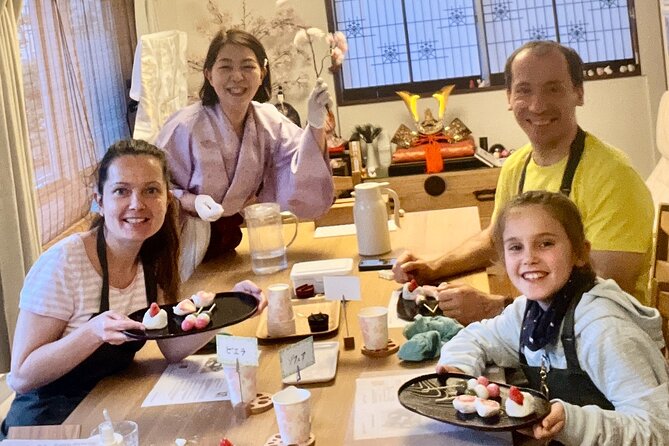
Make sweets in a Tokyo home. I like the hands-on, personalized instruction and the chance to add a matcha tea ceremony in a proper tea room. One thing to consider: there’s a toy poodle in the house, so dog allergies are a no-go.
This isn’t a cookie-cutter demo. You get explanations that connect mochi to Japanese culture, not just step-by-step motions, and the class runs in a real residential setting near Shibuya.
With a max group size of 8, you’re more likely to get coaching when your fingers get sticky and your shapes go a little lopsided. The drawback for some: it’s a private home experience, so you should expect a quieter, more intimate vibe than a high-energy workshop.
In This Review
- Key Points You’ll Actually Care About
- Mochi and Nerikiri in a Real Tokyo House, Not a Studio
- Sangenjaya Meeting Point: Getting There Without Drama
- What You’ll Do First: Mochi Making, Step by Step
- Nerikiri: The Precision Side of Wagashi
- The Optional Tea Room Moment: Matcha and Simple Ceremony
- Local City Tips While You’re There
- Price and Value: Is $78.83 Worth It?
- Who This Class Fits Best (and Who Should Think Twice)
- Tips to Get the Best Results (and Less Stress)
- Should You Book This Mochi and Matcha Class Near Shibuya?
- FAQ
- How long is the mochi and matcha sweets making class?
- What sweets will I learn to make?
- Does the class include matcha and tea ceremony?
- Where does the class meet?
- What is the group size limit?
- Is the class okay if I have allergies to dogs?
Key Points You’ll Actually Care About

- Personal coaching in a small group (max 8) so you’re not stuck watching from the sidelines
- Mochi and nerikiri skills in one session, giving you more than one type of wagashi craft
- Matcha is included, and you can opt into a simple tea ceremony in the tea room
- Sangenjaya location: a local neighborhood feel with public transport nearby
- Pet-in-house factor: a toy poodle lives there, which matters for allergy planning
- Culture talk plus cooking, including why mochi matters in Japanese life
Mochi and Nerikiri in a Real Tokyo House, Not a Studio
If you’re tired of the same tourist sweets class setup, this one feels different fast. The lesson happens at an authentic Japanese house, with a tea room available if you want to slow down for a simple ceremony moment after you finish shaping your sweets.
You’ll learn how to make mochi, plus nerikiri, which is the more delicate, artful side of traditional Japanese sweets. That combo matters. Mochi is chewy comfort; nerikiri is more about texture, technique, and careful form. Doing both in one go gives you a fuller picture of what wagashi is beyond a single flavor or shape.
I also like that the instruction comes from a wagashi sweets-making instructor (the classes are run by Hello japan matcha・wagashi classes). In the feedback I’ve seen reflected from past participants, the explanations go past the recipe and touch on cultural context—like the importance of mochi in Japanese culture—so it feels meaningful, not just hands-on fun.
More booked around Shibuya Crossing
- Official Street Go-Kart in Shibuya
★ 5.0 · 3,435 reviews - Tokyo: Street Kart Experience in Shibuya
★ 4.9 · 1,484 reviews - Shibuya Meltdown Nightlife Tour: All-You-Can-Drink Bar Hopping
★ 5.0 · 1,058 reviews - Shibuya Official Street Go-Kart in Shibuya Annex
★ 5.0 · 972 reviews
Sangenjaya Meeting Point: Getting There Without Drama
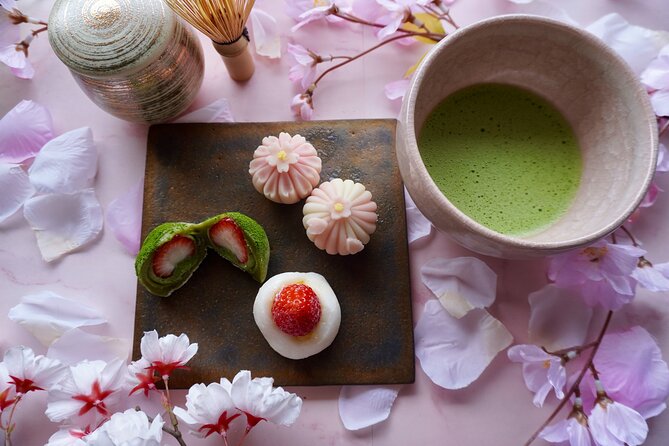
The class meets at 1-chōme-11-13 Sangenjaya, Setagaya City, Tokyo 154-0024. Sangenjaya is a practical base if you want a calmer slice of Tokyo while still being close enough to the Shibuya area to connect easily.
You’re also told it’s near public transportation, which matters because a sweets class is only fun when you arrive relaxed. Plan to build in extra time the first time you navigate the neighborhood streets. Tokyo addresses can be very specific, and the session starts promptly in a home setting where there’s less patience for late arrivals than in big attractions.
One more practical point: the activity ends back at the meeting point. That’s a quiet advantage. You don’t need to figure out a second transfer plan after the lesson—your route is basically “arrive, cook, and head back.”
What You’ll Do First: Mochi Making, Step by Step
You should expect a true cooking class rhythm: instruction, technique, hands-on work, then sampling. Mochi is the centerpiece, and that’s where most people start to understand how different homemade mochi is from what you might buy ready-made.
The important part isn’t only getting something that looks right. You’ll learn the thinking behind the texture—how to handle, how to shape, and how to work with the dough so it stays elastic instead of tough. In a home class, you get the chance to ask questions mid-process, rather than waiting until the end while your mochi cools.
This is also where the cultural explanation pays off. Mochi isn’t just a sweet. In the guidance you’ll receive, mochi is framed as something tied to Japanese life and tradition. That context helps you taste with more intention, like you’re learning a skill and a story at the same time.
If you’re coming with a kid, this is often the stage they remember most: the tactile part, the shaping, and the moment you realize you can make a chewy Japanese classic with your own hands.
Nerikiri: The Precision Side of Wagashi
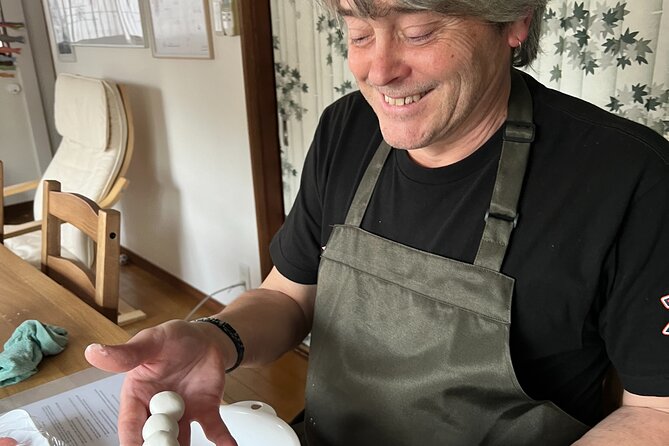
Nerikiri is where the class stretches you a little. Compared with basic mochi, nerikiri often needs careful shaping and attention to fine details. Even if your end result isn’t perfect, the value is in practicing the technique and seeing what changes when you adjust how you handle the dough.
This matters for your takeaway. A restaurant won’t show you the control needed to get the right feel and shape. Here, you learn what the instructor watches for while guiding you, so you walk away understanding the craft rather than just the final dessert.
Nerikiri also tends to make the class feel like “art you can eat.” That’s a good change of pace if your Tokyo trip includes a lot of walking, temples, and screens. You get to slow down, focus on your hands, and produce something that looks like it belongs in a seasonal wagashi set.
The Optional Tea Room Moment: Matcha and Simple Ceremony
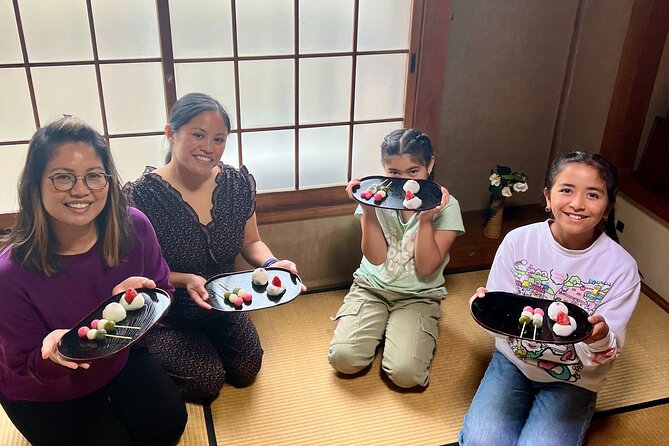
After cooking, you have the option to take part in a simple tea ceremony experience with matcha included. This isn’t just a drink at the end. It gives your mochi and nerikiri a context moment—something ceremonial that helps you shift from cooking mode to tasting mode.
I like that the tea is built into the experience instead of being an afterthought you have to hunt down elsewhere. If you’re the type who enjoys small rituals, this is one of the best reasons to pick this class over a standard sweets workshop.
Practical note: if you’d rather keep things strictly hands-on, you can skip the tea room. The class setting is designed to support either choice.
More tea rooms our readers rated
- Matcha Making Class in Tokyo with Authentic Japanese Sweets Set★ 5.0 · 744 reviews
- Tokyo: Traditional Tea Ceremony with a Tea Master★ 5.0 · 528 reviews
- Tokyo: Matcha Making Experience with Mochi Sweets in Asakusa★ 4.9 · 388 reviews
- Tokyo: Matcha and Kimono Experience★ 4.7 · 219 reviews
- Tea Ceremony Workshop in Tokyo by the Experienced Instrucor★ 5.0 · 189 reviews
Local City Tips While You’re There
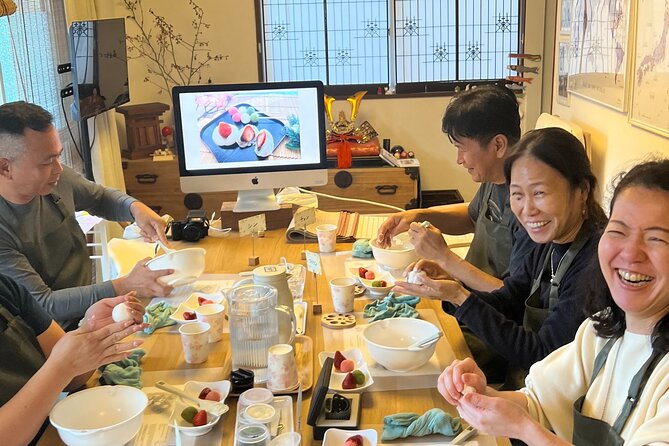
One underrated feature here is the informal guidance that comes along with the lesson. You’ll hear recommendations for your time in the city along the way—helpful when you’re staying in a busy area and want something more specific than generic sightseeing.
This is especially valuable because you’re in Sangenjaya, not the most famous part of Tokyo. The instructor’s perspective can help you connect the neighborhood feel to the bigger trip plan, like what to do nearby on your same day or how to structure your Shibuya area time.
If you’re planning an itinerary and you hate overplanning, this kind of advice helps you make real choices without turning your day into a spreadsheet.
Price and Value: Is $78.83 Worth It?
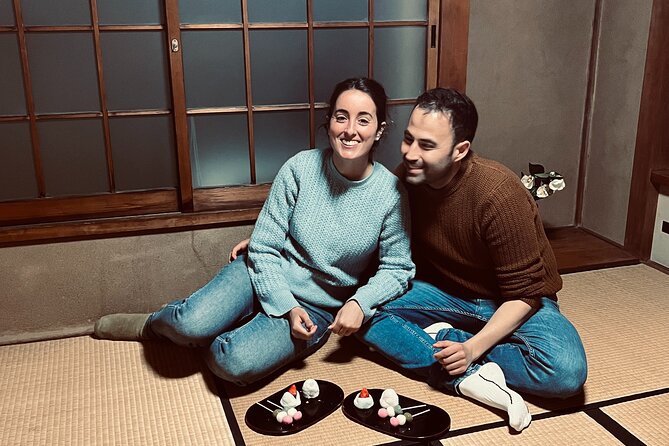
At $78.83 per person for about 2 hours, the price can feel high at first glance—until you match it to what you’re actually getting.
Here’s the value equation I’d use:
- You’re not just tasting sweets. You’re getting instruction to make mochi and nerikiri.
- It’s led by a wagashi instructor in a home setting, which usually means more attention and fewer people per session.
- Matcha is included, and you can add the tea ceremony in the tea room.
- The group size is capped at 8, which helps keep the class from turning into a rushed show.
Also, this is described as a private experience. Even if you end up sharing the kitchen space with other small groups (the maximum is 8), the coaching style tends to be the difference between a quick activity and a real skill lesson.
One more planning detail: the average booking window is around 26 days in advance, so if you want a specific slot, you should book early instead of waiting for last-minute inspiration.
Who This Class Fits Best (and Who Should Think Twice)
This class is a great fit if you want:
- A hands-on cultural activity that’s not just watching
- A quieter, local Tokyo feel in Sangenjaya
- Time with a sweets expert who explains more than the recipe
- A chance to learn both mochi and nerikiri
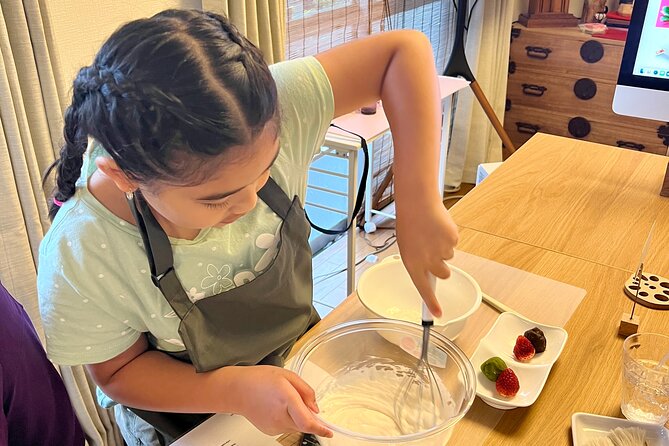
It’s also family-friendly in practice. Some of the past participants included kids, and the instruction style is described as attentive and supportive. If you’re traveling with children, this kind of tactile craft can be a fun break from crowds and long transit days.
The main caution is the house pet. There is a toy poodle in the home, and the guidance specifically says it’s not recommended for people who have a dog allergy. Even if you personally think you’re fine around dogs, allergies can be unpredictable in close indoor settings, so take that warning seriously.
Finally, this experience is suitable for service animals, and the class is near public transportation—so you’re not walking blind through the city with a difficult logistics plan.
Tips to Get the Best Results (and Less Stress)
Keep your expectations practical. In a 2-hour class, you’re learning technique, not producing museum-perfect wagashi. Aim for learning what the instructor is correcting—shape, texture, and handling.
Wear something comfortable. You’re working with dough, so expect a bit of mess. Also, plan to stay present. This is one of those activities where small corrections make a big difference.
If you want the tea ceremony, decide ahead of time. The class offers that option, but you’ll enjoy it more if you mentally switch gears once cooking is done instead of rushing between steps.
And don’t be shy with questions. This kind of instructor-led class works best when you ask about ingredients, texture, and what makes mochi and nerikiri different. If you’re curious about what you tasted or what you’re making, this is the moment to ask.
Should You Book This Mochi and Matcha Class Near Shibuya?
If your Tokyo trip includes shopping, temples, and long walks, this class gives you something tactile and memorable. I’d book it if you want a true skill lesson in mochi and nerikiri, plus the option of matcha tea in a tea room.
Skip it if dog allergies are an issue—this is in a home with a toy poodle, and the recommendation is not to book in that case. Also, if you want a big, flashy attraction with constant motion, the home setting will feel calmer and more intimate.
One last deciding factor: you’re paying for time with an instructor and a small group, not just for dessert. If that’s what you want, this is a strong value for a 2-hour afternoon or morning plan near Shibuya.
FAQ
How long is the mochi and matcha sweets making class?
The class runs for about 2 hours.
What sweets will I learn to make?
You’ll learn how to make mochi and nerikiri, traditional Japanese sweets.
Does the class include matcha and tea ceremony?
Yes. A simple tea ceremony experience is available, and matcha is included. You can have it if you want.
Where does the class meet?
You’ll meet at 1-chōme-11-13 Sangenjaya, Setagaya City, Tokyo 154-0024, Japan, and the activity ends back at the meeting point.
What is the group size limit?
This activity has a maximum of 8 travelers.
Is the class okay if I have allergies to dogs?
There is a toy poodle in the house. The experience specifically notes it does not recommend booking for people with dog allergies.
More Tour Reviews in Tokyo
- Mt Fuji and Hakone 1-Day Bus Tour Return by Bullet Train
★ 5.0 · 26,383 reviews - 1-Day Tokyo Bus Tour
★ 5.0 · 14,250 reviews - Tokyo: teamLab Planets TOKYO Digital Art Museum Entry Ticket
★ 4.6 · 9,779 reviews - Mt Fuji & Hakone Cruise, Drum Show Bullet Train 1 Day from Tokyo
★ 4.0 · 7,413 reviews - Tokyo: Shinjuku Food Tour (13 Dishes at 4 Local Eateries)
★ 5.0 · 6,603 reviews
More Tea and Matcha Rooms
- Matcha Making Class in Tokyo with Authentic Japanese Sweets Set
★ 5.0 · 744 reviews - Tokyo: Traditional Tea Ceremony with a Tea Master
★ 5.0 · 528 reviews - Tokyo: Matcha Making Experience with Mochi Sweets in Asakusa
★ 4.9 · 388 reviews - Tokyo: Matcha and Kimono Experience
★ 4.7 · 219 reviews - Tea Ceremony Workshop in Tokyo by the Experienced Instrucor
★ 5.0 · 189 reviews
More Around Shibuya Crossing
- Official Street Go-Kart in Shibuya
★ 5.0 · 3,435 reviews - Tokyo: Street Kart Experience in Shibuya
★ 4.9 · 1,484 reviews - Shibuya Meltdown Nightlife Tour: All-You-Can-Drink Bar Hopping
★ 5.0 · 1,058 reviews - Shibuya Official Street Go-Kart in Shibuya Annex
★ 5.0 · 972 reviews - Tokyo: Shibuya Food Tour (13 dishes and 4 Eateries)
★ 5.0 · 770 reviews
Latest Tokyo reviews off our desk






Shibuya Experiences, compared.
 ★ 5.0Official Street Go-Kart in ShibuyaFrom $763,435 reviews
 ★ 4.9Street Kart Experience in ShibuyaFrom $741,484 reviews
 ★ 5.0Shibuya Meltdown Nightlife Tour: All-You-Can-Drink Bar HoppingFrom $1061,058 reviews
 ★ 5.0Shibuya Official Street Go-Kart in Shibuya AnnexFrom $69972 reviews
 ★ 5.0Shibuya Food Tour (13 dishes and 4 Eateries)From $77770 reviews
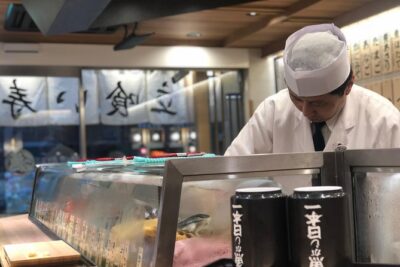 ★ 5.0Best of Shibuya Food TourFrom $217612 reviews
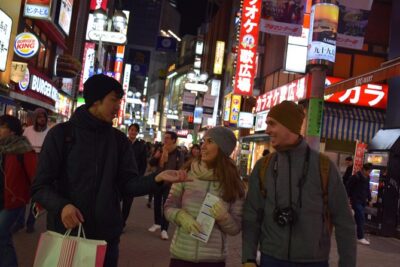 ★ 4.8Shibuya Highlights Walking TourFrom $19601 reviews
 ★ 4.7Premium Go-Kart Tour with Tower & Shibuya CrossingFrom $116528 reviews
Browse the lists this tour appears in