

Reviewed · MOUNT FUJI TOURS
Private Mt Fuji, Hakone and Tokyo Tour – English Speaking Driver
A day that swaps Tokyo noise for Fuji air. This private outing strings together Mt Fuji viewpoints and Hakone scenery with a no-stress ride in your own chauffeured vehicle, plus an end-of-day stop at Shibuya Crossing.
Two things I really like: first, the door-to-door pickup and drop-off that spares you from hunting trains and transfers. Second, you get an English-speaking driver-guide who can share practical tips and help you make smart choices while you’re on the road. One possible drawback: it’s a long day (about 10 hours), and weather can affect Mt Fuji visibility and whether the 5th Station is reachable.
In This Review
- Key takeaways before you book
- Why a private Mt Fuji–Hakone–Tokyo day makes sense
- Shinjuku meet-up and the 7:00 am rhythm
- Owakudani Valley: sulfur views and the Kuro-tamago moment
- Hakone Open-Air Museum: art in the open and mountain views
- Oshino Hakkai: eight springs fed by Mount Fuji
- Lake Kawaguchiko: the easiest Fuji Five Lakes base
- The Mt Fuji Panoramic Ropeway: a vertical boost toward the view deck
- Mt Fuji 5th Station: the halfway-up atmosphere
- Gotemba Premium Outlets: a practical break at the foot of Fuji
- Shibuya Crossing at the end: Tokyo’s chaos on a schedule
- Price and value: $750 per group, up to 5
- Is this tour guided, or just driven?
- Who this is best for (and who should skip it)
- Should you book this private Mt Fuji–Hakone–Tokyo day?
- FAQ
- What time does the tour start, and how long is it?
- How much is the tour, and what’s the group size?
- Where do we meet, and does the tour offer pickup?
- Is this tour fully guided?
- Are the admission tickets included for every stop?
- What happens if Mt Fuji isn’t visible or the 5th Station can’t be reached?
- Can the tour include Shibuya Crossing, and where does it end?
Key takeaways before you book
- Door-to-door private transport means you skip the subway math and ride in comfort
- Owakudani Valley includes time to see the sulfur valley and the famous black eggs idea
- Hakone Open-Air Museum is a big outdoor sculpture park in the mountains (admission not included)
- Oshino Hakkai gives you that Fuji-fed spring setting with eight springs and easy wandering time
- Ropeway + 5th Station timing is built in, but visibility and access depend on conditions
- Shibuya Crossing caps the day with a quick, classic Tokyo finish
Why a private Mt Fuji–Hakone–Tokyo day makes sense
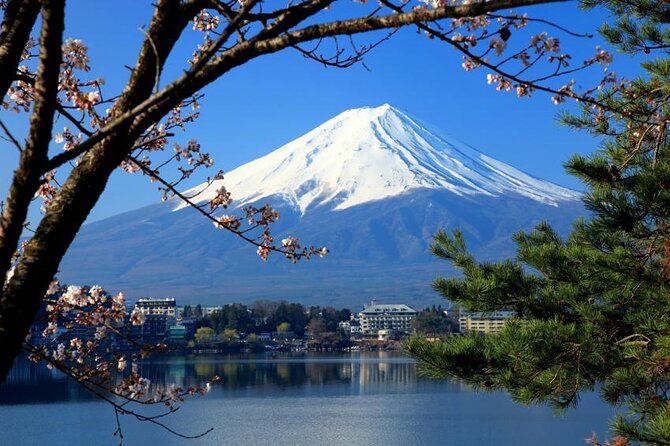
Trying to do Tokyo highlights and also see Mt Fuji and Hakone in the same day is tough—mainly because the logistics steal your energy. This tour cuts out the planning headache. You’re not piecing together trains, buses, and long walks while trying to hit multiple scenic regions.
I also like that it’s private, so you can keep your day flowing at your pace. You’ll spend time where it matters and move on when the timing works. And yes, you still get iconic stops, but you’re not cramming them in on a tight public-transit schedule.
More Fuji day trips our readers rated highly
- Mt Fuji and Hakone 1-Day Bus Tour Return by Bullet Train
★ 5.0 · 26,383 reviews - Mt Fuji & Hakone Cruise, Drum Show Bullet Train 1 Day from Tokyo
★ 4.0 · 7,413 reviews - Tokyo Mt Fuji 5th St & Hakone Cruise Bus Tour w/Bullet Train
★ 4.4 · 5,024 reviews - From Tokyo: Mount Fuji Full-Day Sightseeing Trip
★ 4.5 · 4,970 reviews
Shinjuku meet-up and the 7:00 am rhythm
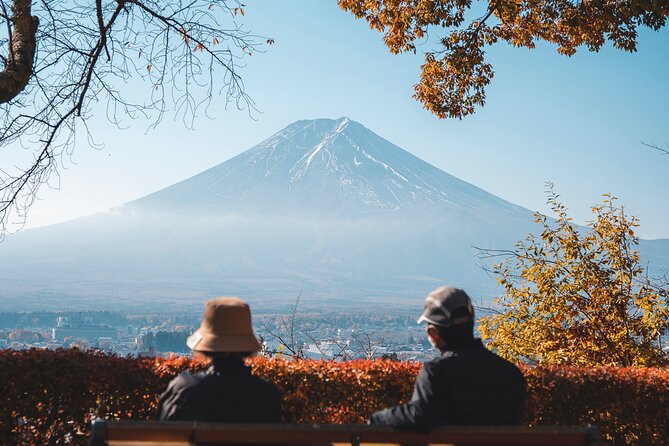
You start at Shinjuku Station (3-chōme, 38-1) at 7:00 am, and the tour ends back at the meeting point. Pickup is offered, and the concept is door-to-door from your Tokyo hotel, which is a big deal if you want your morning to feel calm instead of chaotic.
Be ready for a full schedule. The total day runs about 10 hours including commuting time, and it can shift slightly due to traffic or weather. That means shoes for walking, layers for mountain air, and a little patience for roads that can take longer than expected.
Owakudani Valley: sulfur views and the Kuro-tamago moment
Your first stop is Owakudani Valley, known for its hot springs and sulfur activity. The experience centers on a great view area you can reach by rope way, and you’ll also see how the region’s sulfur is tied to the famous story of kuro-tamago, or black eggs.
Even if you skip any food-style experiences, the visuals are the main point. Think steam, dramatic earth tones, and that very specific volcanic energy. It’s a short stop (about 45 minutes), so use the time for photos and a quick circuit rather than lingering too long.
A small practical note: Owakudani is free for admission per the listing, so this part of the day is budget-friendly compared with paid museum stops later.
Hakone Open-Air Museum: art in the open and mountain views
Next comes Hakone Open-Air Museum, an outdoor sculpture gallery spread across 70,000 square meters. This is one of those places where you can slow down a bit. You’re looking at art, but you’re also surrounded by nature and mountain scenery, which changes the feel of each walk.
Your time here is about 1 hour, and the museum admission is not included. I suggest you plan around that mentally: bring cashless payment options if you use them, and check the hours in advance when possible.
This stop is a good counterbalance to the more scenic, viewpoint-heavy parts of the day. It’s also a nice break if you want something that isn’t only about looking outward at the scenery.
Oshino Hakkai: eight springs fed by Mount Fuji
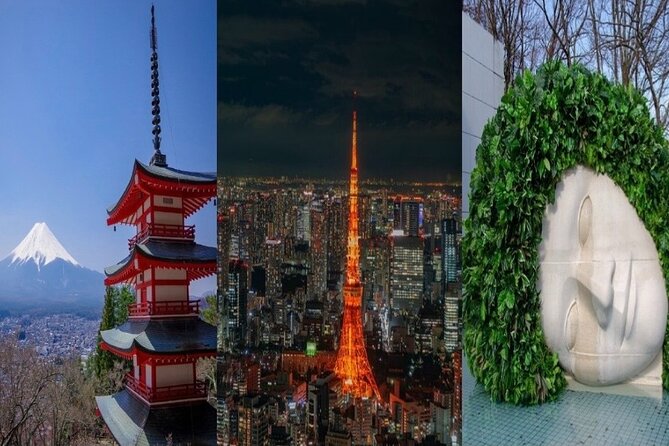
Then you get Oshino Hakkai, the set of eight springs in Oshino. The key idea is simple: this area is fed by an aquifer connected to Mt Fuji’s water, which forms the springs. It’s listed as a natural monument area, and you get about 45 minutes here.
This stop is free for admission per the listing, so it’s easy to say yes to. The time is long enough to wander, take photos, and enjoy that quiet pocket feeling—without needing hours of commitment.
I also like how Oshino Hakkai fits your day flow. You’ve had volcanic energy at Owakudani, museum time in Hakone, and now you’re switching to water and calm. It keeps the day from blending into one long blur.
Other Hakone loops worth the fare
- Tokyo: Mt. Fuji Tour, Hakone Ropeway, Owakudani, Lake Ashi★ 4.7 · 4,002 reviews
- Private Tour to Mt. Fuji and Hakone (Fully Licenced Operator)★ 5.0 · 1,910 reviews
- Mt Fuji & Hakone Cruise, Drum Show Bus 1 Day from Tokyo★ 4.0 · 1,287 reviews
- From Tokyo: Mt. Fuji & Hakone Tour w/ Return by Bullet Train★ 4.2 · 1,278 reviews
- Mt Fuji and Hakone 1-Day Bus Tour Return by Bus★ 4.5 · 929 reviews
Lake Kawaguchiko: the easiest Fuji Five Lakes base
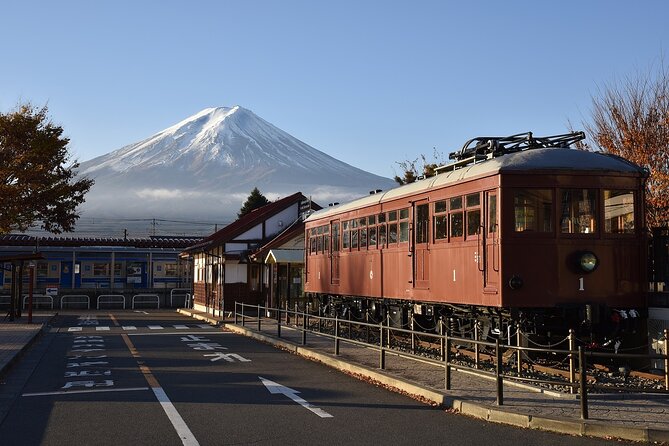
After Oshino Hakkai, you move to Lake Kawaguchiko, one of the Fuji Five Lakes. This lake is highlighted as the most easily accessible option, with direct connections out of Tokyo.
In the schedule you’re there briefly (about 10 minutes), and admission is listed as free. That short timing means you should treat it as a view-and-position stop rather than a long exploration. Use it to locate the best sight lines toward Mt Fuji, especially if you’re hoping for clear visibility.
Lake Kawaguchiko is also described as a hot spring resort town, which matters because it sets expectations. Even if you’re not doing a bath, you’re in an area built for Fuji visitors—so it’s familiar and convenient.
The Mt Fuji Panoramic Ropeway: a vertical boost toward the view deck
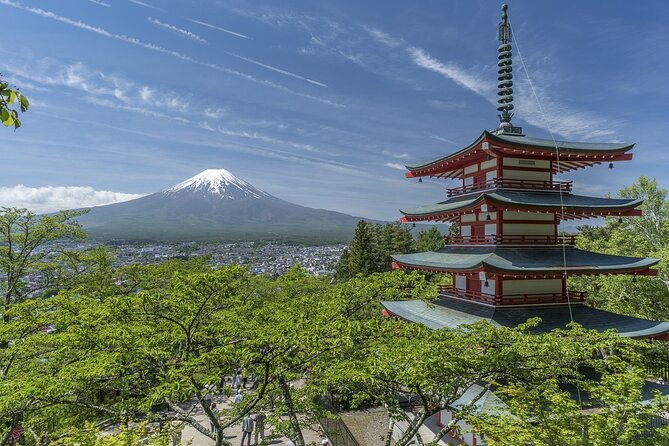
Next is the Mt Fuji Panoramic Ropeway, which ascends 400 meters from the eastern shore of Lake Kawaguchiko to an observation deck near Mount Tenjo. This part is where the scenery starts to feel more serious. You’re not just looking at Fuji from ground level—you’re gaining height.
You’ll get about 1 hour here, and the ropeway admission is not included. So again: think ahead about what costs are coming from your own pocket versus what’s covered.
This stop is also a great time to manage your gear. Wind can pick up near observation points. Bring a light layer and avoid packing everything in one bag you have to wrestle in a crowd. You’ll thank yourself.
Mt Fuji 5th Station: the halfway-up atmosphere
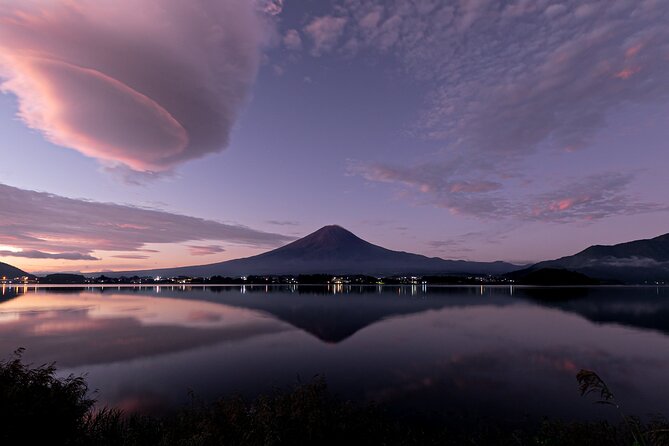
The big hit on this itinerary is Mt Fuji 5th Station. This is where many hikers begin, described as being about halfway up the mountain. Your time here is about 2 hours, and admission is listed as not included.
The key detail for you: Mt Fuji visibility affects this stop. If Mt Fuji isn’t visible from the base, or if the 5th Station can’t be reached due to weather conditions, the tour will go to the highest elevation point possible. There’s no tour cancellation or refund for this reason.
That’s not meant to be a downer—it’s a reality check. This tour is built around conditions you can’t control, like cloud cover and access. If you want the best shot, dress for cold and wind, and have a flexible attitude about swapping plans if visibility is poor.
Gotemba Premium Outlets: a practical break at the foot of Fuji
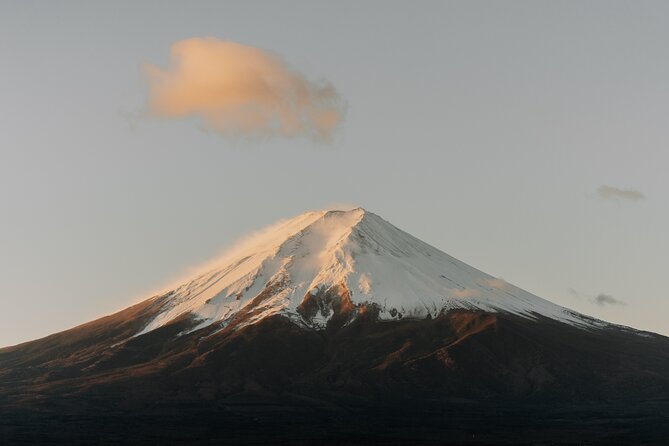
After the mountain focus, the schedule shifts to a calmer, useful option: Gotemba Premium Outlets. You have about 2 hours here, and admission is listed as free.
Why this stop works (even if you’re not a shopper): it’s built for a long day. You can grab snacks, warm up, and reset. The location is also associated with green tea cultivation around the foot of Mt Fuji, and the area is noted as a horseradish capital. Those details are more than trivia here—they explain why food and flavors in this region can be different from what you’d get back in central Tokyo.
It’s a good time to handle any last-minute needs: souvenirs, a drink, and a bathroom break. It can make the Shibuya finish feel like a reward instead of a scramble.
Shibuya Crossing at the end: Tokyo’s chaos on a schedule
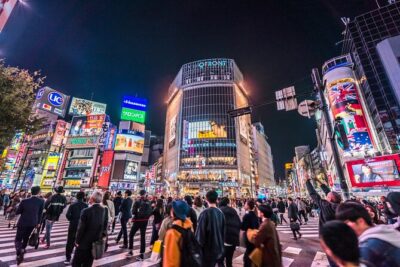
You wrap with Shibuya Crossing, the famously busy pedestrian scramble just outside Shibuya Station. The listing notes that it can involve as many as 3,000 people crossing at a time, and your time here is about 20 minutes.
This is a classic move, and it’s practical as a finale. You’ve already done mountains and lakes; now you get the big city energy for a short, contained moment. Admission is free, so you’re paying only for the experience, not tickets.
Also check the drop-off plan: Shibuya Crossing can be covered if your drop off location will be nearby. Otherwise, your tour ends back at the meeting point area. It’s worth confirming what “nearby” means for your exact hotel location.
Price and value: $750 per group, up to 5
The price is $750 per group (up to 5 people). That means your per-person cost depends on how many seats you fill. With a smaller group, it costs more per person; with a full group, it becomes more reasonable.
Here’s the value angle I’d focus on. You’re paying for three things at once:
- a private English-speaking driver-guide (including tips and recommendations)
- door-to-door transportation that reduces time spent navigating systems
- a full-day plan that hits multiple regions without you micromanaging the schedule
If you’ve done Japan public-transit days before, you know how quickly fatigue stacks up. This tour replaces that effort with a direct route and a driver who handles the motion.
One more cost consideration: multiple stops have admissions listed as not included, like the Hakone Open-Air Museum, Mt Fuji Panoramic Ropeway, and Mt Fuji 5th Station. The base transport is still the main value, but you should budget for those add-ons.
Is this tour guided, or just driven?
This is a private tour, but it’s described as not a guided tour by default. That said, you’re not sitting in silence. The driver-guide role includes tips and recommendations for visiting Japan.
If you want a more formal guiding layer, a guide can be arranged on request for an additional cost. So you can match the level of narration to what you like—some people want a chatty day, others prefer quiet time for photos.
Who this is best for (and who should skip it)
This tour is a strong match if you want a controlled, efficient day: families, small groups of friends, couples, or anyone who doesn’t want to spend half the trip planning routes.
It also fits well if you care about Mt Fuji and Hakone but don’t want the friction of coordinating timing across different areas and transit lines. When you’re spending the day that far from Tokyo, it helps to let someone else handle the driving.
I’d think twice if you’re on a strict budget and you love public transport as part of the fun. This is priced for convenience and a private vehicle, not for bare-minimum costs. Also, if you need guaranteed Mt Fuji views no matter what, you should know the visibility/access rules for the 5th Station are condition-based.
Should you book this private Mt Fuji–Hakone–Tokyo day?
I’d book it if you want a clean plan and low stress, and you’re okay with the fact that weather can change what you see. The best part of this format is that it trades navigation work for time. You’re getting volcanic scenery, Fuji spring calm, Hakone’s outdoor art, and then a Tokyo finale—all in one long day.
If your top goal is Mt Fuji at its best, do pack for cold and wind and stay flexible. If Fuji visibility is limited, you’ll still go to the highest elevation point possible, but you might not get exactly the scene you pictured from the ground.
If you like the idea of a driver who can help you make the day work—and you’re traveling with up to five people—this is often the kind of tour that feels worth it the moment you stop thinking about routes.
FAQ
What time does the tour start, and how long is it?
The tour starts at 7:00 am and runs for about 10 hours, including commuting time.
How much is the tour, and what’s the group size?
The price is $750 per group for up to 5 people.
Where do we meet, and does the tour offer pickup?
The meeting point is Shinjuku Station (3-chōme, 38-1 Shinjuku). Pickup is offered, and door-to-door pickup and drop-off from your Tokyo hotel is part of the tour concept.
Is this tour fully guided?
It is not a guided tour by default. The driver can provide tips and recommendations, and you can arrange a guide on request for an additional cost.
Are the admission tickets included for every stop?
No. Admission is listed as free for some stops (for example Owakudani Valley, Oshino Hakkai, Lake Kawaguchiko, Gotemba Premium Outlets, and Shibuya Crossing), while not included for others (such as Hakone Open-Air Museum, Mt Fuji Panoramic Ropeway, and Mt Fuji 5th Station).
What happens if Mt Fuji isn’t visible or the 5th Station can’t be reached?
If Mt Fuji’s 5th Station will not be visible from the base or the 5th Station can’t be reached due to weather conditions, the tour will go to the highest elevation point possible. Cancellation or refund is not applicable due to this reason.
Can the tour include Shibuya Crossing, and where does it end?
Shibuya Crossing can be covered if your drop-off location will be nearby. The tour ends back at the meeting point.
More Tour Reviews in Tokyo
- Mt Fuji and Hakone 1-Day Bus Tour Return by Bullet Train
★ 5.0 · 26,383 reviews - 1-Day Tokyo Bus Tour
★ 5.0 · 14,250 reviews - Tokyo: teamLab Planets TOKYO Digital Art Museum Entry Ticket
★ 4.6 · 9,779 reviews - Mt Fuji & Hakone Cruise, Drum Show Bullet Train 1 Day from Tokyo
★ 4.0 · 7,413 reviews - Tokyo: Shinjuku Food Tour (13 Dishes at 4 Local Eateries)
★ 5.0 · 6,603 reviews
Hakone, A Few More Ways
- Mt Fuji and Hakone 1-Day Bus Tour Return by Bullet Train
★ 5.0 · 26,383 reviews - Mt Fuji & Hakone Cruise, Drum Show Bullet Train 1 Day from Tokyo
★ 4.0 · 7,413 reviews - Tokyo Mt Fuji 5th St & Hakone Cruise Bus Tour w/Bullet Train
★ 4.4 · 5,024 reviews - Tokyo: Mt. Fuji Tour, Hakone Ropeway, Owakudani, Lake Ashi
★ 4.7 · 4,002 reviews - Private Tour to Mt. Fuji and Hakone (Fully Licenced Operator)
★ 5.0 · 1,910 reviews
More Mount Fuji Days We Have Reviewed
- Mt Fuji and Hakone 1-Day Bus Tour Return by Bullet Train
★ 5.0 · 26,383 reviews - Mt Fuji & Hakone Cruise, Drum Show Bullet Train 1 Day from Tokyo
★ 4.0 · 7,413 reviews - Tokyo Mt Fuji 5th St & Hakone Cruise Bus Tour w/Bullet Train
★ 4.4 · 5,024 reviews - From Tokyo: Mount Fuji Full-Day Sightseeing Trip
★ 4.5 · 4,970 reviews - Tokyo: Mt. Fuji Tour, Hakone Ropeway, Owakudani, Lake Ashi
★ 4.7 · 4,002 reviews
Latest Tokyo reviews off our desk

Mount Fuji Tours, compared.
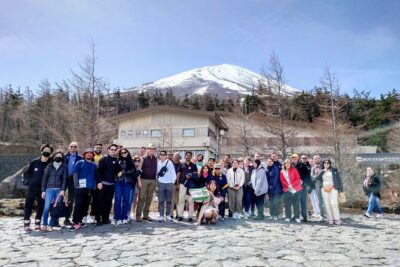 ★ 5.0Mt Fuji and Hakone 1-Day Bus Tour Return by Bullet TrainFrom $16326,383 reviews
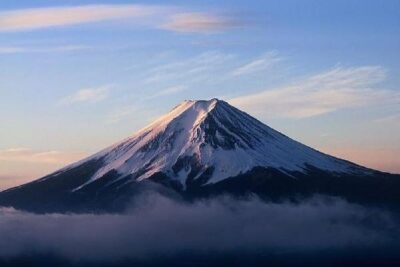 ★ 4.0Mt Fuji & Hakone Cruise, Drum Show Bullet Train 1 Day from TokyoFrom $1497,413 reviews
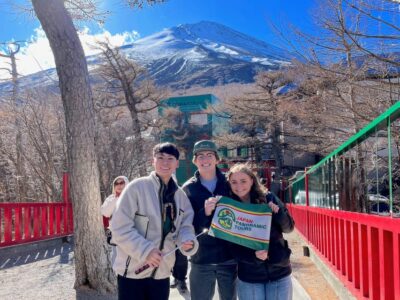 ★ 4.4Tokyo Mt Fuji 5th St & Hakone Cruise Bus Tour w/Bullet TrainFrom $1545,024 reviews
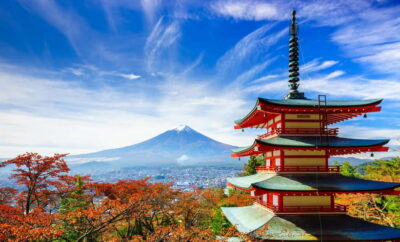 ★ 4.5From Tokyo: Mount Fuji Full-Day Sightseeing TripFrom $684,970 reviews
 ★ 4.7Mt. Fuji Tour, Hakone Ropeway, Owakudani, Lake AshiFrom $544,002 reviews
 ★ 4.4Mt.Fuji,Kawaguchiko Oishi Park,Arakurayama Sengen ParkFrom $542,682 reviews
 ★ 4.2Mt. Fuji 5th Station & Hakone Cruise 1-Day Bus TourFrom $1292,381 reviews
 ★ 4.7Mt Fuji Top 5 Spots Day Tour: Arakurayama Park,Oshino HakkaiFrom $532,066 reviews
Browse the lists this tour appears in