
Reviewed · PRIVATE
Private Tour – Thousands of lucky cats! Go by tram, Gotokuji Tour
Tokyo really does have a cat problem.
This private tram-friendly tour takes you to Gotokuji Temple to see thousands of maneki neko, then threads through a quieter pocket of Setagaya that feels far from the neon core.
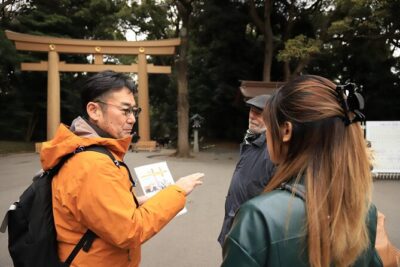
I love the format: a private tour lets you set a slower pace, pause for photos, and get explanations in a way that actually sticks.
You’re not being shuttled like luggage; your English-speaking guide can also help tailor the day if you want more time somewhere.
One thing to plan around: even though most stops are free, you should bring cash, since some places don’t take credit cards and lunch isn’t included.
And if a spot is closed temporarily, the itinerary can shift.
In This Review
- Key things that make this tour worth your time
- Maneki Neko in a Quiet Setagaya Neighborhood
- Private Tour Pacing: What changes with a smaller group
- Price and Logistics: What you pay, what you still need to budget
- Getting There from Sangenjaya Station to Gotokuji
- Stop-by-Stop: Shoin Shrine to Gotokuji Temple
- Stop 1: Shoin Shrine (Shoin Yoshida, educator-philosopher)
- Stop 2: Shoin Shrine Avenue and a long-established shopping street
- Stop 3: Setagaya Daikan’s Residence site (Edo-era mansion feel)
- Stop 4: Setagaya Local History Museum (and the reality of closures)
- Stop 5: Gotokuji Temple (thousands of maneki neko, Zen context)
- The Tram and the Walking Mix: How to make it comfortable
- What You’ll Learn (Beyond the Cats)
- Who This Tour Suits Best
- Should You Book the Go by Tram Gotokuji Tour?
- FAQ
- How long is the Gotokuji private tour?
- How much does the tour cost per person?
- Where does the tour start and where does it end?
- Is this tour private or shared?
- What’s included in the price?
- Are entrance fees included?
- Do I need cash?
- Is lunch included?
- What if bad weather hits?
- What is the cancellation policy?
Key things that make this tour worth your time
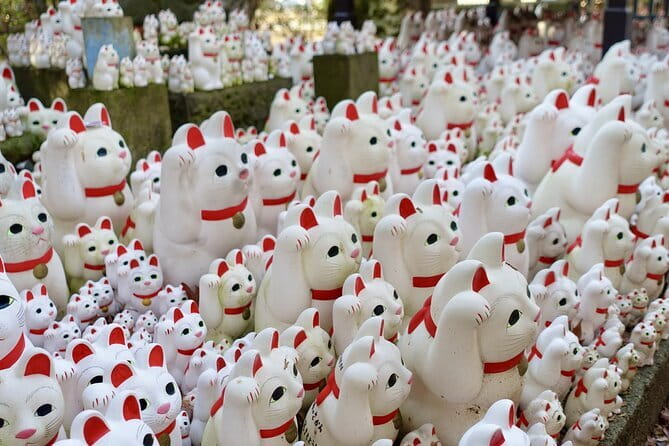
- Thousands of maneki neko at Gotokuji Temple, plus context so you understand what you’re seeing
- A peaceful Setagaya walk through places many visitors never reach
- Private pacing that works even if your group includes kids
- Free entry at every listed stop, with a small transport budget to cover getting around
- A shrine, a shopping street, and Edo-era sites in one tight 3.5-hour loop
Maneki Neko in a Quiet Setagaya Neighborhood
The big Tokyo temples can be fun, but they’re often packed and noisy.
This tour is different. You’re moving into Setagaya’s everyday rhythm, with a guide who helps you notice the small stuff: the way streets feel, what a shrine space is trying to communicate, and why people treat maneki neko as more than just cute décor.
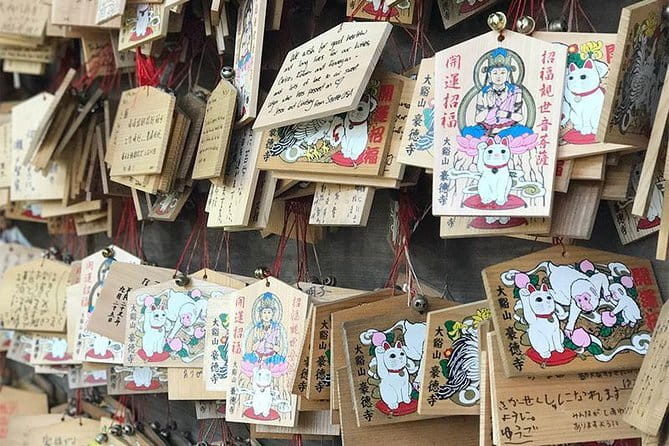
The star is Gotokuji Temple, where you’ll see an eye-catching concentration of beckoning cats. The key is that you don’t just look at them and move on. You get cultural context—why these cats show up here, how the temple frames good luck and success (especially for business), and how the Zen setting changes the mood compared to flashier stops.
I also like that the day isn’t only about the temple. You spend time at a shrine tied to Shoin Yoshida, you walk a classic shopping street, and you visit a traditional mansion site plus a local history museum nearby. That mix makes the cat theme feel grounded, not random.
Readers also shortlisted these Tokyo bookings:
- Tokyo 6hr Private Tour with Government-Licensed Guide
★ 5.0 · 3,902 reviews - Private Tour to Mt. Fuji and Hakone (Fully Licenced Operator)
★ 5.0 · 1,910 reviews - Tokyo Customized Private Tour (Must See Places in 1 Day)
★ 5.0 · 1,499 reviews - Mount Fuji Full-Day Private Tour from Tokyo (Customizable)
★ 4.9 · 1,470 reviews
Private Tour Pacing: What changes with a smaller group
A private tour is worth it when you care about two things: pace and attention.
On this 3 hours 30 minutes route, that means you can slow down around the lanterns, stop to read what’s meant to be read, and take photos without feeling like you’re holding everyone up.
It also helps for families. In a recent experience, a ten-year-old stayed riveted through the full route—exactly the kind of sign that the guide’s explanations weren’t boring and the walking wasn’t too long between stops. Kids tend to react well when there’s a story behind what they’re seeing, not just a checklist.
If you’re the type who hates rushing, you’ll like the flexibility. The tour can be customized to fit your needs, and since it’s private, you’re more likely to get a day that matches your energy level.
Possible drawback: a private day still needs cooperation. If you add lots of extra stops, you may start crowding the timeline and trimming the final temple time. Keep your wish list realistic and let the guide steer.
Price and Logistics: What you pay, what you still need to budget
The price is $68.64 per person for a private tour lasting about 3 hours 30 minutes. That sounds reasonable when you compare it to the cost of transportation + an English-speaking guide + having someone plan a coherent route for you.
What’s included is straightforward: the guide, the private format, and necessary expenses for the guide.
What’s not included includes an estimated per-person cost of about 380 JPY for transportation (plus any optional spending). Listed admissions and the stops’ ticket costs are free, but you still need local transit money.
You’ll also want cash on you. Some locations on the route don’t accept credit cards, even if admission is free. Bring small bills so you’re not scrambling. And plan for the simple fact that lunch isn’t included—so decide where you’ll eat before or after, based on what you feel like.
One more practical point: the tour uses public transportation and you’ll go by tram as part of the route. The meeting and ending stations are different, so build time into your onward travel. The tour ends at Gotokuji Station, not where you started.
Getting There from Sangenjaya Station to Gotokuji
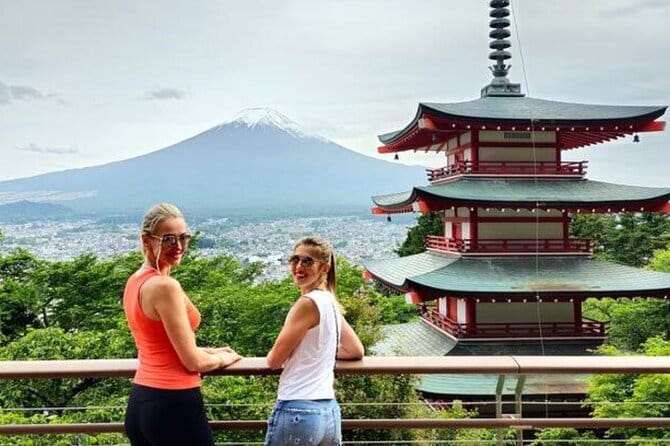
You start at Sangenjaya Station, then end at Gotokuji Station.
This is nice because you’re not retracing steps to get back. It also means you can tack on other neighborhood plans after the tour, especially since Setagaya is more “local Tokyo” than “tour-bus Tokyo.”
Because you’re moving between stations and walking between points, this is best suited for people who can comfortably do a walking tour. The tour notes that most travelers can participate, which is a helpful signal, but it still means you should wear supportive shoes.
If weather turns bad, expect possible changes in transportation, destinations, or route. That’s not unusual for outdoor walking days, but it does mean you should keep your day flexible and not lock in a tight schedule for the hour right after the tour.
Stop-by-Stop: Shoin Shrine to Gotokuji Temple
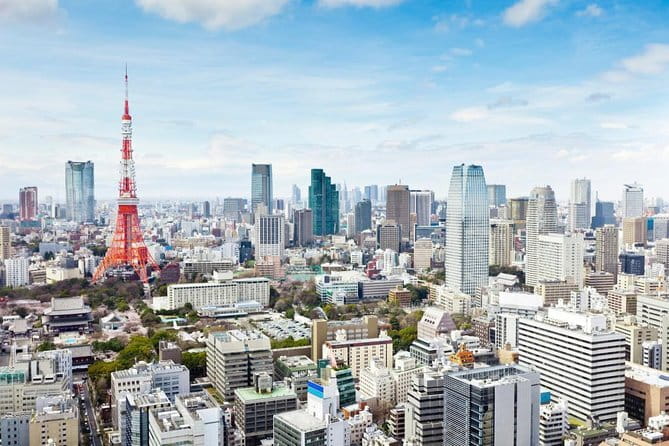
This route is built like a story: philosophy and spirituality, everyday neighborhood life, Edo-era power and home life, local education, and then the temple that steals the show.
You’ll move through five stops total, generally in the range of 20–30 minutes each, with a slightly longer temple segment near the end.
- Tokyo: Shinjuku Food Tour (13 Dishes at 4 Local Eateries)★ 5.0 · 6,603 reviews
- Tokyo Mt Fuji 5th St & Hakone Cruise Bus Tour w/Bullet Train★ 4.4 · 5,024 reviews
- Flagship 2-Hours Official Street Go-Kart Tour – Tokyo Bay Shop★ 5.0 · 4,974 reviews
- From Tokyo: Mount Fuji Full-Day Sightseeing Trip★ 4.5 · 4,970 reviews
- Tokyo: Hop-On Hop-Off Sightseeing Bus Ticket★ 3.9 · 4,207 reviews
Stop 1: Shoin Shrine (Shoin Yoshida, educator-philosopher)
Your first stop is Shoin Shrine, dedicated to Shoin Yoshida, an educator and philosopher from the 19th century.
It’s a quick stop, about 25 minutes, and it’s free.
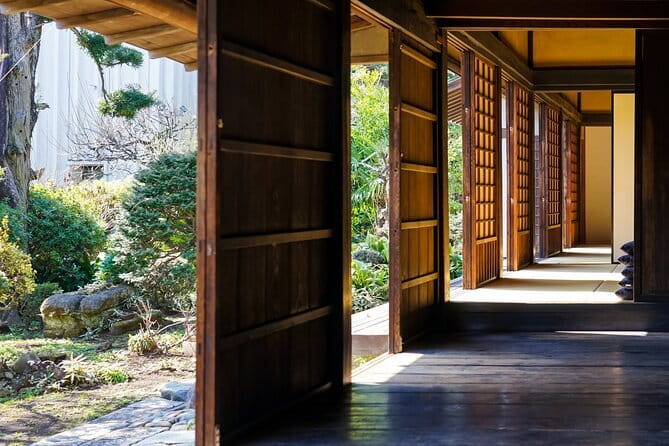
What you can look for: stone lanterns and a stage area used for playing music to the gods. That combination makes it feel less like a background landmark and more like a living spiritual site. If you’re used to tourist temples where everything is just visual, this shrine helps you notice ritual design—spaces made for offering and sound, not just sightseeing.
If you like learning about how Japanese culture links education, ethics, and community, this is the start that sets the tone.
Stop 2: Shoin Shrine Avenue and a long-established shopping street
Next comes a 30-minute walk through the Shoin Shrine Avenue shopping area, tied to a local shopping street promotion group.
This is where the day turns from formal spirituality to neighborhood texture.
You’re looking for old-school shopfronts and small stores—exactly the kind of place where you can pop in, browse, and feel the pace of the area. Even if you don’t buy anything, it’s a valuable reset after the shrine. It also helps you understand how temples and shrines coexist with daily commerce.
Small consideration: shopping streets are less structured than temple grounds. You may spend a few minutes simply orienting yourself in the flow of pedestrians. That’s normal, but it helps to go slowly and let the guide point out what’s worth your attention.
Stop 3: Setagaya Daikan’s Residence site (Edo-era mansion feel)
Stop 3 is about the people who ran the area long ago.
You’ll visit the Site of Setagaya Daikan’s Residence, a traditional mansion site connected to the clan that ruled the region in the Edo era (1700–1900 AD).
This is about 20 minutes and free.
The value here is perspective: you’re not just seeing a temple. You’re connecting the temple to the broader social world—administration, hierarchy, and how local power shaped everyday life.
In a place like this, details matter. Watch for how the setting makes you feel like you’ve stepped into someone’s home world, not just a museum display. Even if you’re not a history nerd, this stop usually clicks because it’s tangible.
Stop 4: Setagaya Local History Museum (and the reality of closures)
Then you head to the Setagaya Local History Museum, also about 20 minutes and listed as free.
The museum focuses on local history, with things like Edo-era literature and paintings.
This stop adds an educational layer that helps connect the shrine and mansion sites to real cultural material. It’s the kind of stop that can give you something to talk about later, not just photos for your camera roll.
Here’s the practical note: museum schedules can be tricky. If you hit it on a local holiday, it may be closed, and a last-minute realization can be disappointing. Also, communication can sometimes lag when a closure happens unexpectedly. For that reason, I’d treat the museum as important but not fragile in your planning mindset—if it changes, the rest of the day should still make sense.
Stop 5: Gotokuji Temple (thousands of maneki neko, Zen context)
Finally, you arrive at Gotokuji Temple for about 30 minutes, free entry.
This is the centerpiece: it’s a Zen sect temple with a history of 600 years.
And yes, the maneki neko are everywhere.
But the cultural point matters: the beckoning cat figurine is thought to bring good luck and success in business, and Gotokuji is one of the most famous places where people associate that idea with the temple itself.
This is where the guide’s explanations become especially helpful. In a crowd-free setting, you can actually notice how the cats are arranged and how the temple space shifts your attention. In other parts of Tokyo, maneki neko can feel like souvenir clutter. Here, it reads more like part of a spiritual ecosystem.
Tip: take your time for a full look before you start photographing. You’ll appreciate the overall pattern more once you’ve seen the whole area at least once.
The Tram and the Walking Mix: How to make it comfortable
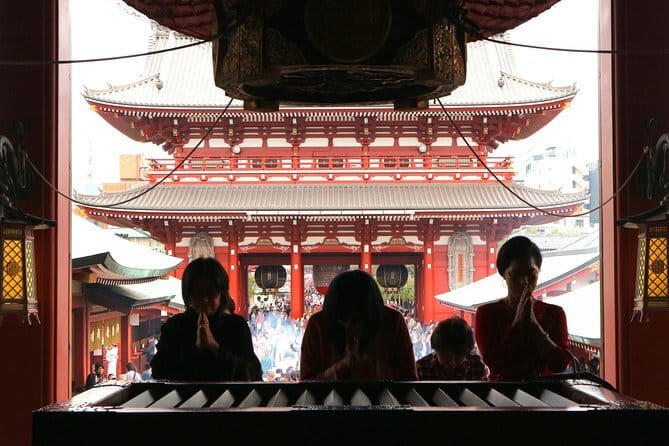
Because you’re using public transportation and doing a walking circuit, your comfort affects your enjoyment.
Bring comfortable shoes, because you’re walking between neighborhood spots that aren’t all right next to each other.
The tram portion is a nice touch because it turns the day into a real local commute. You’ll spend less time staring at transit screens and more time moving like someone who actually lives nearby.
Also, watch your day structure. The tour is about 3 hours 30 minutes, not a whole-afternoon outing. That’s good for a focused Tokyo itinerary, but it does mean you should plan meals and additional attractions with some breathing room.
What You’ll Learn (Beyond the Cats)
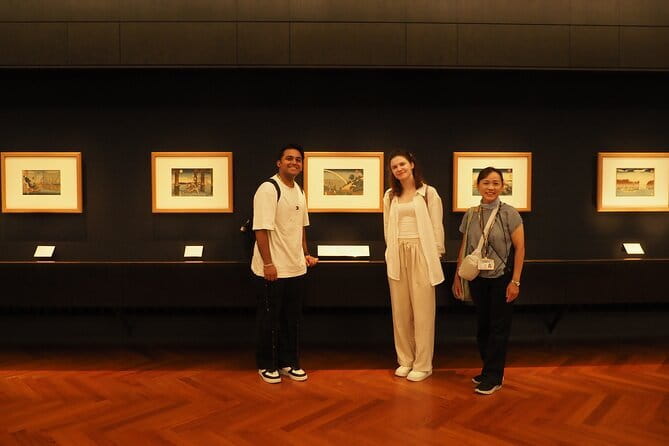
The best tours teach you how to see.
This one is set up so the cat theme has meaning, and the other stops add context.
You’ll get cultural links between:
- a shrine honoring Shoin Yoshida, an educator-philosopher, with ritual spaces like stone lanterns and music offerings
- an everyday shopping street that shows how local life runs beside sacred sites
- Edo-era power through the mansion residence site in Setagaya
- local identity through the Setagaya Local History Museum
- Zen temple setting and the business-good-luck idea behind maneki neko
That layering turns a cute photo mission into something with a brain.
Who This Tour Suits Best
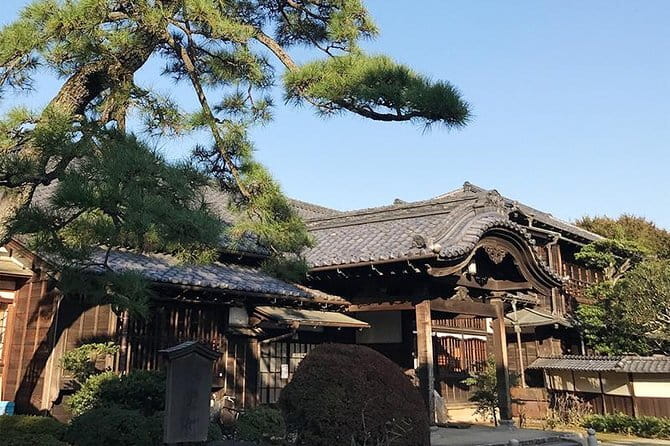
I think this is a strong choice for:
- first-time Tokyo visitors who want something calmer than the busiest central neighborhoods
- people who like local culture and historical context, even if they’re not hardcore history buffs
- families who want a guide who can keep kids interested
- anyone who wants a private, flexible pace instead of a timed group stampede
It may be less ideal if:
- you hate walking in neighborhoods (this is a walking tour)
- you want a full-day itinerary with lunch and long museum time
- you’re the kind of traveler who needs credit cards accepted everywhere (some stops don’t)
Should You Book the Go by Tram Gotokuji Tour?
Yes, if you want a focused, meaningful detour from mainstream Tokyo routes.
For the money, you’re buying three things that are hard to DIY: a private English-speaking guide, a short set of culturally connected stops, and a route that shows you quieter Setagaya instead of only the big-name highlights.
Book it especially if maneki neko are your thing but you also want the story behind them. If you’re okay with bringing cash, wearing comfortable shoes, and keeping your schedule flexible for occasional closures, this tour is a satisfying afternoon that feels both special and grounded.
FAQ
How long is the Gotokuji private tour?
It runs about 3 hours 30 minutes.
How much does the tour cost per person?
The price is $68.64 per person.
Where does the tour start and where does it end?
It starts at Sangenjaya Station (2 Chome-15 Taishido, Setagaya City) and ends at Gotokuji Station (1 Chome-43 Gotokuji, Setagaya City).
Is this tour private or shared?
It’s a private tour/activity, so only your group participates.
What’s included in the price?
Included items are a tour guide, the private tour format, and necessary expenses for the tour guide.
Are entrance fees included?
The listed stops have free admission tickets. Still, you should be prepared for any costs that arise, since the tour notes that expenses for transportation are borne by the customer.
Do I need cash?
Yes. Some spots on the route do not accept credit cards, so it’s smart to bring cash even if admissions are free.
Is lunch included?
No. Lunch is not included.
What if bad weather hits?
If the weather is bad, transportation, destinations, and routes may be changed.
What is the cancellation policy?
You can cancel for a full refund if you cancel up to 24 hours in advance. If you cancel less than 24 hours before the start time, the amount paid is not refunded.
More Private in Tokyo
- Tokyo 6hr Private Tour with Government-Licensed Guide
★ 5.0 · 3,902 reviews - Private Tour to Mt. Fuji and Hakone (Fully Licenced Operator)
★ 5.0 · 1,910 reviews - Tokyo Customized Private Tour (Must See Places in 1 Day)
★ 5.0 · 1,499 reviews - Mount Fuji Full-Day Private Tour from Tokyo (Customizable)
★ 4.9 · 1,470 reviews - Tokyo: Private City Highlights Tour with Local Guide
★ 4.8 · 1,433 reviews
More Tours in Tokyo
- Mt Fuji and Hakone 1-Day Bus Tour Return by Bullet Train
★ 5.0 · 26,383 reviews - 1-Day Tokyo Bus Tour
★ 5.0 · 14,250 reviews - Tokyo: Shinjuku Food Tour (13 Dishes at 4 Local Eateries)
★ 5.0 · 6,603 reviews - Tokyo Mt Fuji 5th St & Hakone Cruise Bus Tour w/Bullet Train
★ 4.4 · 5,024 reviews - Flagship 2-Hours Official Street Go-Kart Tour – Tokyo Bay Shop
★ 5.0 · 4,974 reviews
More Tour Reviews in Tokyo
- Mt Fuji and Hakone 1-Day Bus Tour Return by Bullet Train
★ 5.0 · 26,383 reviews - 1-Day Tokyo Bus Tour
★ 5.0 · 14,250 reviews - Tokyo: teamLab Planets TOKYO Digital Art Museum Entry Ticket
★ 4.6 · 9,779 reviews - Mt Fuji & Hakone Cruise, Drum Show Bullet Train 1 Day from Tokyo
★ 4.0 · 7,413 reviews - Tokyo: Shinjuku Food Tour (13 Dishes at 4 Local Eateries)
★ 5.0 · 6,603 reviews
Latest Tokyo reviews off our desk

Private, compared.
 ★ 5.0Tokyo 6hr Private Tour with Government-Licensed GuideFrom $1553,902 reviews
 ★ 5.0Private Tour to Mt. Fuji and Hakone (Fully Licenced Operator)From $4971,910 reviews
 ★ 5.0Tokyo Customized Private Tour (Must See Places in 1 Day)From $1451,499 reviews
 ★ 4.9Mount Fuji Full-Day Private Tour from Tokyo (Customizable)From $3931,470 reviews
 ★ 4.8Private City Highlights Tour with Local GuideFrom $1061,433 reviews
 ★ 5.0Private Custom Tour: Tokyo in a DayFrom $1591,432 reviews
 ★ 5.0Tokyo 4hr Private Tour with Government-Licensed GuideFrom $1091,394 reviews
 ★ 5.0Tokyo Customized Private Tour: See Top Attractions in 1 DayFrom $1451,351 reviews