
Reviewed · SHIBUYA EXPERIENCES
Shibuya Authentic Tea Ceremony with experienced instructor
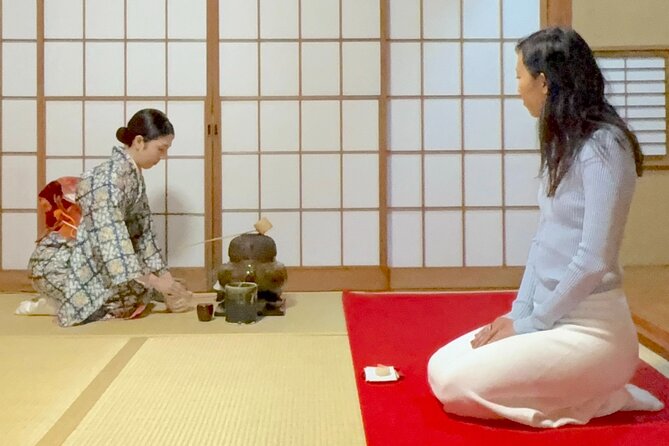
Shibuya goes quiet for tea. This Shibuya authentic tea ceremony turns a noisy area into a calm, hands-on lesson in matcha. I love the small group setup (max 8) because it stays personal, and I also love that you go beyond watching—you actually make your own matcha with traditional tools.
One thing to consider: the whole experience is only about 50 minutes, so it is perfect for a first taste of tea ceremony etiquette, but not a long practice session.
You’ll meet in Shibuya’s Dōgenzaka area and spend the hour listening to the story of Japanese tea, seeing how matcha is prepared, tasting fresh matcha with classic sweets, and then whisking your own bowl.
In This Review
- Key things to know before you go
- Where the tea ceremony happens in Shibuya (and how to find it)
- The 50-minute flow: what you’ll do step by step
- Step 1: Tea history and seeing matcha made with a stone mill
- Step 2: Watching the traditional tea ritual and tasting nerikiri sweets
- Step 3: Make your own matcha using traditional tools
- The setting: an intimate tea house break from Shibuya
- The tea master moment: why watching matters
- Matcha basics you’ll actually remember
- Nerikiri and the snack pairing you shouldn’t skip
- Choosing your chawan: why the bowl matters
- Value in Shibuya: is $25.76 worth it?
- Practical considerations before you book
- Who this tea ceremony suits best
- Should you book Shibuya Authentic Tea Ceremony with a tea master?
- FAQ
- How long is the Shibuya authentic tea ceremony?
- What size group is this tea ceremony?
- Is there mobile ticketing?
- Where is the meeting point?
- What do I do during the session?
- Can I choose the tea bowl?
- What if I need to cancel?
Key things to know before you go
- Small-group comfort (max 8): more attention from the instructor and less waiting around
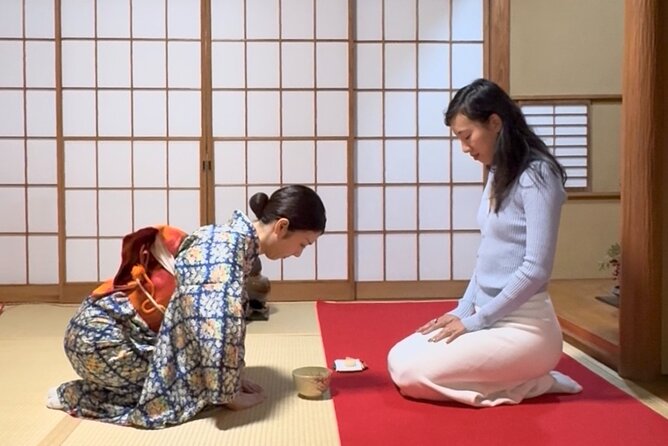
- A real ritual, not just a show: you watch a traditional tea-making sequence with historical context
- Hands-on matcha making: you learn the steps and use the traditional tools
- Pick your own chawan: you can choose from different matcha bowls before you whisk
- Matcha history plus technique: you see how matcha is made using a stone mill
Where the tea ceremony happens in Shibuya (and how to find it)
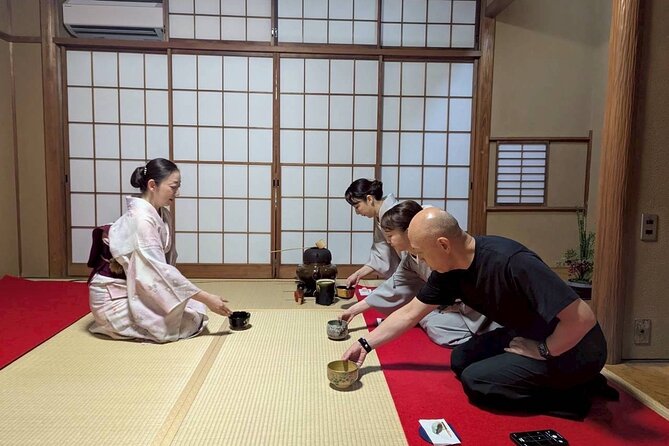
The ceremony starts back at a specific meeting point in Shibuya, Dōgenzaka: 1-chōme, 15 万字ビル (Tokyo, 150-0043). End time is simple: the activity finishes back at the meeting point.
This matters because Shibuya can be a navigation test. If you’ve ever wandered for 10 minutes just to find the right side street, treat this like that—but faster. Plan to arrive a little early so you can orient yourself before the session begins. The good news: the experience is designed to be easy once you’re at the right address, and you get a mobile ticket for smoother check-in.
More booked around Shibuya Crossing
- Official Street Go-Kart in Shibuya
★ 5.0 · 3,435 reviews - Tokyo: Street Kart Experience in Shibuya
★ 4.9 · 1,484 reviews - Shibuya Meltdown Nightlife Tour: All-You-Can-Drink Bar Hopping
★ 5.0 · 1,058 reviews - Shibuya Official Street Go-Kart in Shibuya Annex
★ 5.0 · 972 reviews
The 50-minute flow: what you’ll do step by step
Think of this as a tight, well-paced intro to Japanese tea culture. You’re not stuck in a long lecture, and you’re not left with a short tasting and nothing else.
Step 1: Tea history and seeing matcha made with a stone mill
First, you’ll get a short explanation of the history of tea in Japan. Then you’ll watch matcha preparation using a traditional stone mill. This part is more than a cool demo. Seeing the process helps you understand why matcha has a different feel than powdered tea mixes you might be used to.
You’ll also get the foundation for what comes next: the ceremony isn’t just about drinking tea. It’s about the steps, the tools, and the mindset behind making a bowl correctly.
Step 2: Watching the traditional tea ritual and tasting nerikiri sweets
Next comes the ceremony portion. A tea ceremony master performs the traditional tea-making ritual, which the experience describes as having a history of over 500 years.
Right after the ritual, you’ll enjoy freshly prepared matcha along with nerikiri, a traditional Japanese sweet. Nerikiri is not just a random snack. It’s part of the seasonal and cultural rhythm of tea time—sweet flavors designed to pair with the clean taste of matcha.
If you’re the type who likes learning by doing, this segment is a breather. You get to observe closely, then taste what the ceremony produces.
Step 3: Make your own matcha using traditional tools
Finally, it’s your turn. You’ll make your own bowl of matcha using traditional tea tools.
You also get a special choice: you can pick your favorite tea bowl (chawan) from a selection of beautiful options. That small decision is surprisingly meaningful. When you’re holding a bowl you chose yourself, you pay more attention to your movements, and you remember the feel of the process better afterward.
More tea rooms our readers rated
- Matcha Making Class in Tokyo with Authentic Japanese Sweets Set★ 5.0 · 744 reviews
- Tokyo: Traditional Tea Ceremony with a Tea Master★ 5.0 · 528 reviews
- Tokyo: Matcha Making Experience with Mochi Sweets in Asakusa★ 4.9 · 388 reviews
- Tokyo: Matcha and Kimono Experience★ 4.7 · 219 reviews
- Tea Ceremony Workshop in Tokyo by the Experienced Instrucor★ 5.0 · 189 reviews
The setting: an intimate tea house break from Shibuya
This experience is built for contrast. Shibuya outside the door is loud, fast, and crowded. Inside, the tone is calm and quiet.
In the reviews, people describe the place as an old, original tea house tucked on a side street, with a relaxing, peaceful atmosphere. That vibe matters because tea ceremony is sensory. If your brain is stuck on traffic noise, it’s harder to focus on the rhythm of whisking and the details of the tools.
The format helps too. With a max group size of 8, you’re not fighting for attention, and you’re not constantly watching others go ahead of you.
The tea master moment: why watching matters
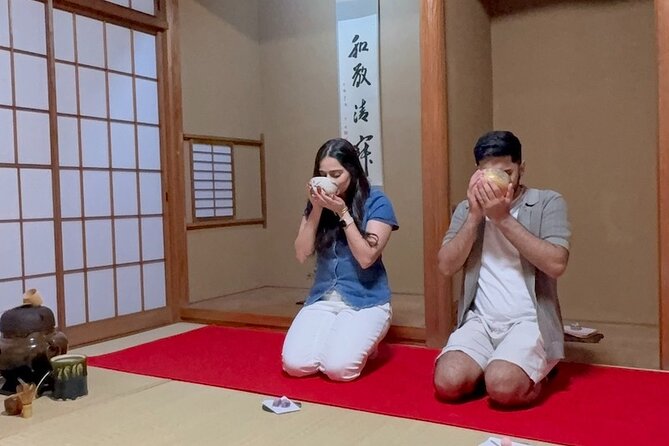
Some tea experiences rush you straight to tasting. Here, you get the ritual first. That sequence is useful for two reasons.
First, you see the order of actions before you copy them. When it’s time to make your own bowl, you’re not guessing what happens next—you’ve already watched how it should look and feel.
Second, you pick up small cues that are hard to learn from a description. Reviews call out hosts who are friendly and welcoming, and one guest specifically highlighted a session with Mai. That kind of warm teaching style makes it easier to ask questions and not feel rushed.
You’ll still leave with a simple, doable method for making matcha at home. But you’ll also understand why the ritual steps exist in the first place.
Matcha basics you’ll actually remember
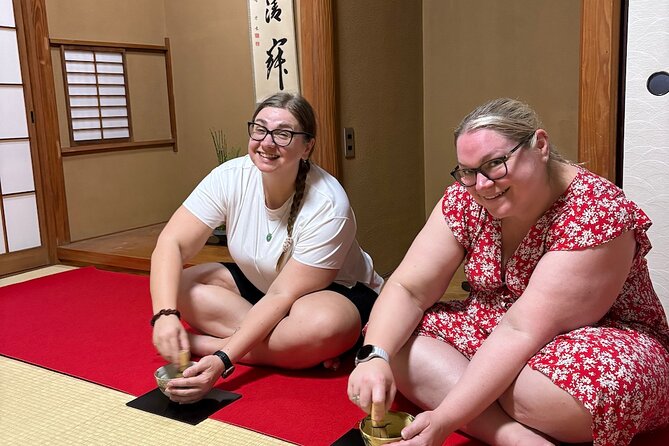
A tea ceremony can sound fancy, but the technique is practical. The session focuses on matcha history, matcha preparation, and then making a bowl yourself.
Here’s what you can expect to walk away with:
- A clear sense of the matcha process after seeing it made with a stone mill
- The basic flow of how a bowl is prepared in a traditional ceremony
- Hands-on handling of traditional tools, so you’re not learning with guesswork
Even in a short 50-minute session, watching the stone mill and then making your bowl helps your brain connect the dots. You understand what you’re drinking, not just how it tastes.
Nerikiri and the snack pairing you shouldn’t skip
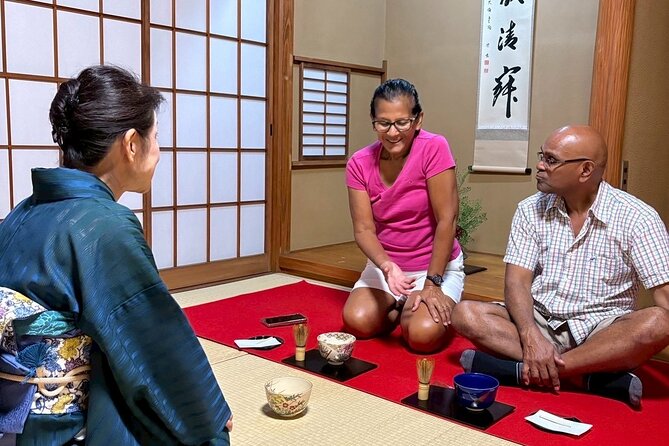
The matcha arrives with nerikiri, a traditional Japanese sweet. I like this pairing because it forces a more complete tea-time experience.
Matcha is earthy and slightly bitter. Nerikiri tends to bring sweetness and a more structured flavor experience. Together, they make the tea feel less like a one-note beverage and more like part of a thoughtful moment.
Also, it’s a chance to sample something cultural without turning it into a whole food hunt across the city. In Shibuya, you can easily spend more time choosing where to eat than actually enjoying what you ordered. This helps you do both without the stress.
Choosing your chawan: why the bowl matters
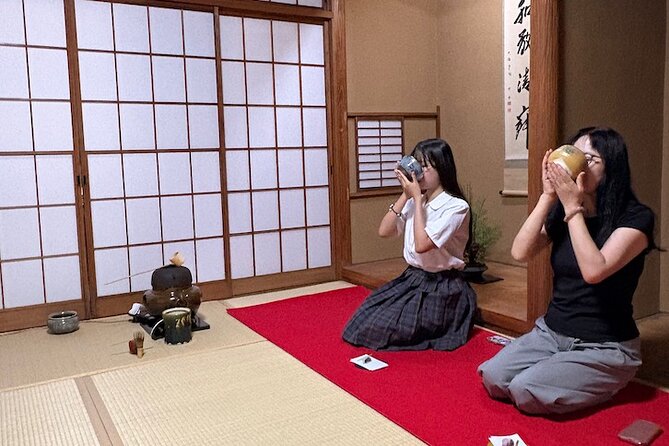
The session lets you select a favorite chawan from a variety of matcha bowls. That’s not just a fun add-on. The chawan influences the feel of pouring, whisking, and the final presentation of your bowl.
When you choose your own, you remember the process better because you’re emotionally invested in the tool. You also get a practical lesson in how matcha serving is treated with care, not treated like a disposable cup.
Value in Shibuya: is $25.76 worth it?
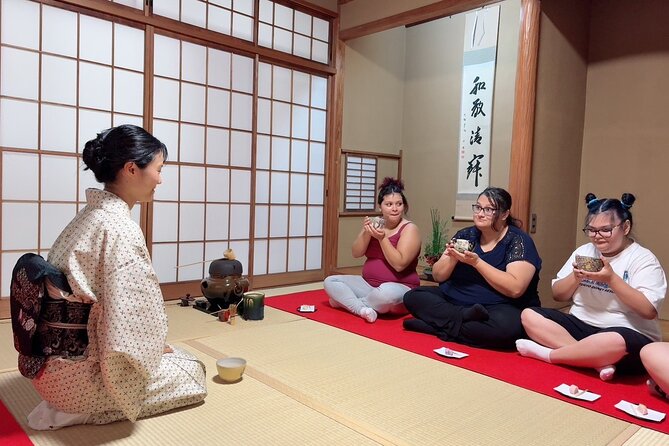
At $25.76 per person for about 50 minutes, the price can feel small at first. But here’s how I think about value in this case:
You’re paying for more than a drink.
- You’re learning from an experienced instructor
- You’re watching a traditional ritual
- You’re tasting freshly prepared matcha with sweets
- You’re making your own bowl with traditional tools
- You’re doing all of that in an intimate group (max 8)
In other words, you’re buying instruction and hands-on time, not just admission. In a city where cultural experiences often charge for a quick photo stop, this one pushes you to participate.
If you want a matcha story plus technique in a short window, this is strong value. If you want a half-day craft class with deeper practice, you may find 50 minutes a bit short.
Practical considerations before you book
A few realistic points to help you set expectations:
- Time is focused: plan for a concentrated experience, not a long workshop
- Location is in Shibuya: arrive early enough to find the address without rushing
- Group size stays small: that’s a plus for interaction, but you’ll still share time with others
One more tip: if you’re the kind of person who wants to take photos during everything, you might need to balance that with the ritual flow. Tea ceremony is quiet by design. Give your eyes permission to learn first, and save the photos for moments that feel natural.
Who this tea ceremony suits best
This is a great fit if you:
- Want an authentic cultural activity that’s more than a generic tasting
- Prefer a calm environment over crowded sightseeing
- Like guided learning with hands-on steps
- Are curious about matcha beyond just ordering it at a café
It’s also ideal for a quick Tokyo day when you still want something meaningful. You can do Shibuya’s energy later. For now, you get a reset.
Should you book Shibuya Authentic Tea Ceremony with a tea master?
I’d book this if you want a short, friendly, hands-on Shibuya tea ceremony that includes history, a real ritual, sweets, and making your own matcha with traditional tools. The format makes it easy to learn without feeling lost, and the small-group size helps the experience feel personal.
Skip it only if you know you want a longer practice session or you dislike structured cultural rituals. For most people visiting Tokyo, this is a smart use of time: calm, guided, and built around actually doing the thing.
FAQ
How long is the Shibuya authentic tea ceremony?
It runs for about 50 minutes.
What size group is this tea ceremony?
The tour has a maximum of 8 travelers.
Is there mobile ticketing?
Yes. You receive a mobile ticket.
Where is the meeting point?
The meeting point is in Shibuya at Japan, 150-0043 Tokyo, Shibuya, Dōgenzaka, 1-chōme15 万字ビル.
What do I do during the session?
You’ll learn about the history of tea in Japan, see how matcha is made using a stone mill, watch a traditional tea ritual, taste matcha with nerikiri sweets, and then make your own matcha using traditional tools.
Can I choose the tea bowl?
Yes. You can choose your favorite chawan (matcha bowl) from the options provided.
What if I need to cancel?
You can cancel for a full refund up to 24 hours in advance. Changes made less than 24 hours before the start time aren’t accepted, and cancellations within 24 hours won’t be refunded.
More Tour Reviews in Tokyo
- Mt Fuji and Hakone 1-Day Bus Tour Return by Bullet Train
★ 5.0 · 26,383 reviews - 1-Day Tokyo Bus Tour
★ 5.0 · 14,250 reviews - Tokyo: teamLab Planets TOKYO Digital Art Museum Entry Ticket
★ 4.6 · 9,779 reviews - Mt Fuji & Hakone Cruise, Drum Show Bullet Train 1 Day from Tokyo
★ 4.0 · 7,413 reviews - Tokyo: Shinjuku Food Tour (13 Dishes at 4 Local Eateries)
★ 5.0 · 6,603 reviews
More Tea and Matcha Rooms
- Matcha Making Class in Tokyo with Authentic Japanese Sweets Set
★ 5.0 · 744 reviews - Tokyo: Traditional Tea Ceremony with a Tea Master
★ 5.0 · 528 reviews - Tokyo: Matcha Making Experience with Mochi Sweets in Asakusa
★ 4.9 · 388 reviews - Tokyo: Matcha and Kimono Experience
★ 4.7 · 219 reviews - Tea Ceremony Workshop in Tokyo by the Experienced Instrucor
★ 5.0 · 189 reviews
More Around Shibuya Crossing
- Official Street Go-Kart in Shibuya
★ 5.0 · 3,435 reviews - Tokyo: Street Kart Experience in Shibuya
★ 4.9 · 1,484 reviews - Shibuya Meltdown Nightlife Tour: All-You-Can-Drink Bar Hopping
★ 5.0 · 1,058 reviews - Shibuya Official Street Go-Kart in Shibuya Annex
★ 5.0 · 972 reviews - Tokyo: Shibuya Food Tour (13 dishes and 4 Eateries)
★ 5.0 · 770 reviews
Latest Tokyo reviews off our desk




Shibuya Experiences, compared.
 ★ 5.0Official Street Go-Kart in ShibuyaFrom $763,435 reviews
 ★ 4.9Street Kart Experience in ShibuyaFrom $741,484 reviews
 ★ 5.0Shibuya Meltdown Nightlife Tour: All-You-Can-Drink Bar HoppingFrom $1061,058 reviews
 ★ 5.0Shibuya Official Street Go-Kart in Shibuya AnnexFrom $69972 reviews
 ★ 5.0Shibuya Food Tour (13 dishes and 4 Eateries)From $77770 reviews
 ★ 5.0Best of Shibuya Food TourFrom $217612 reviews
 ★ 4.8Shibuya Highlights Walking TourFrom $19601 reviews
 ★ 4.7Premium Go-Kart Tour with Tower & Shibuya CrossingFrom $116528 reviews
Browse the lists this tour appears in