
Reviewed · SHIBUYA EXPERIENCES
Shibuya Hands On Sushi Making Class with Chef
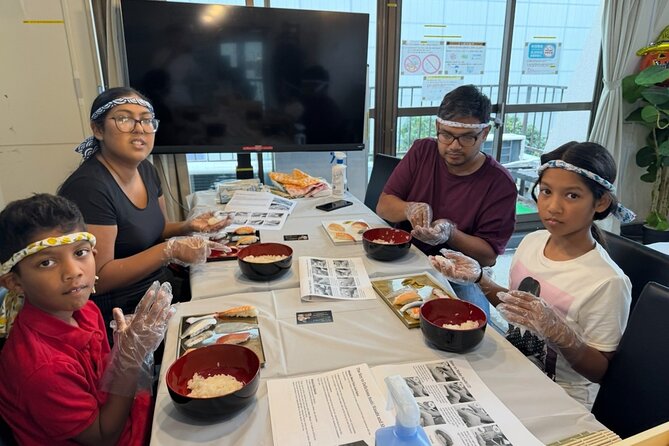
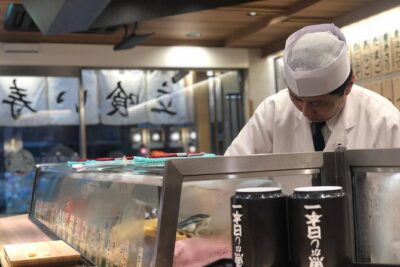
Hands-on sushi in Shibuya is surprisingly fun. In just 90 minutes, you’ll learn the core moves behind nigiri and classic rolls while a sushi chef guides you step by step. It’s a great way to slow down Tokyo and do something you can’t really fake at a restaurant.
Two things I really like: you get focused practice shaping sushi with more than 7 topping options, and you also learn the rice basics that make sushi taste right, not just look good. One consideration: this is a tight class—so it’s not a long training session where you master everything deeply, but you will leave with real technique you can repeat.
In This Review
- Key Highlights You’ll Care About
- Why This Shibuya Sushi Class Works for First-Timers
- Arriving at 2-chōme-14-6 Shibuya: Location and Classroom Flow
- The Rice Step: Where Flavor Actually Gets Controlled
- Making Nigiri, Maki, and Gunkan: Skills You’ll Actually Use
- Toppings and Neta Choices: Tuna, Salmon, and Gizzard Shad
- Wearing the Hachimaki and Getting a Tenugui Souvenir
- Meal Time: Eating Your Sushi With Your Group
- Price and Timing: Is $43.18 Good Value?
- Who This Class Fits Best (and Who Might Skip It)
- Should You Book This Shibuya Sushi Class?
- FAQ
- How long is the Shibuya sushi making class?
- Where does the class start and end?
- How many people are in the group?
- What sushi types will I make?
- How many pieces will I make?
- What toppings will we use?
- Do I get a souvenir?
- What is the cancellation policy?
Key Highlights You’ll Care About
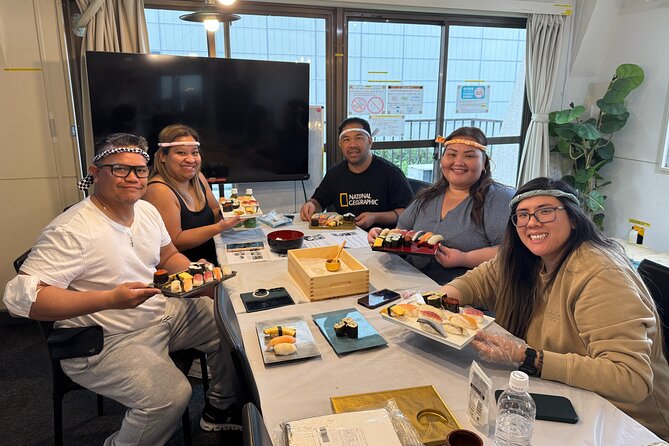
- Chef instruction in a max-6 group keeps things personal and gives you time to get questions answered
- You’ll wear a hachimaki headband and feel the part while learning
- More than 7 types of neta (toppings), including tuna, salmon, and gizzard shad
- You’ll make over 7 pieces: nigiri, maki, and gunkan
- You get a tenugui souvenir (traditional Japanese hand towel) to take home
- You eat what you make with your group, with time for chatting and photos
Why This Shibuya Sushi Class Works for First-Timers
If you’re visiting Tokyo for the first time, sushi can feel like one of those things you either do perfectly or you overthink. This class is built for the middle ground—learning what matters, then practicing it in a small group with a professional chef.
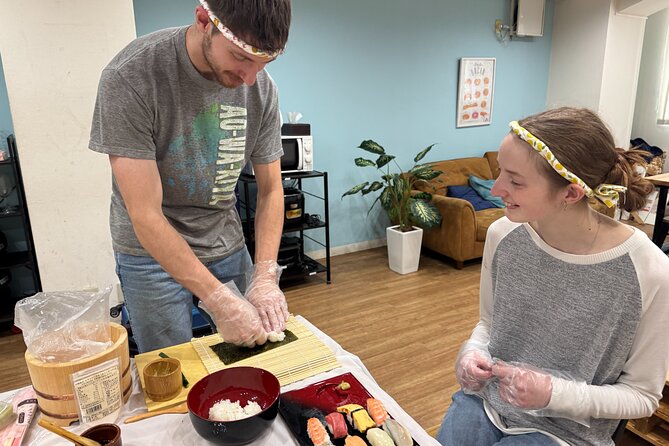
I especially like that you’re not just watching. You’re shaping sushi with your own hands, and you’re learning why certain steps affect taste. The chef’s role is practical: correct your rice handling, show you how to form pieces, then let you try again.
It’s also a nice way to get local culture beyond a single meal. You’ll handle tools, learn terminology like nigiri and maki, and use Japanese-style setup habits—like wearing a headband—without needing any prior skills.
More booked around Shibuya Crossing
- Official Street Go-Kart in Shibuya
★ 5.0 · 3,435 reviews - Tokyo: Street Kart Experience in Shibuya
★ 4.9 · 1,484 reviews - Shibuya Meltdown Nightlife Tour: All-You-Can-Drink Bar Hopping
★ 5.0 · 1,058 reviews - Shibuya Official Street Go-Kart in Shibuya Annex
★ 5.0 · 972 reviews
Arriving at 2-chōme-14-6 Shibuya: Location and Classroom Flow
The class starts and ends at the same meeting point in Shibuya (2-chōme-14-6, Tokyo 150-0002). That’s a plus in a city where transit can be a puzzle when you’re hungry and curious at the same time.
You’ll want to arrive a few minutes early so you can settle in before hands-on work begins. The format is compact: a workshop rather than a lecture, and the group is capped at 6 travelers, which helps you actually interact instead of waiting your turn.
The experience runs about 90 minutes, so expect a brisk pace. It’s not stressful-fast, but it is efficient. If you’re the type who likes to linger and redo steps, you may feel a small rush. That said, most people leave happy because they end up with finished pieces to eat right away.
The Rice Step: Where Flavor Actually Gets Controlled
Sushi rice sounds simple until you try it. The chef focuses on the parts that determine flavor and texture: seasoning and handling. This is the backbone of good sushi, and it’s where many home cooks struggle.
In class, you’ll learn the fundamentals behind perfectly seasoned rice. You’ll also practice the touch points that keep rice from getting too sticky or too loose. It’s the kind of skill that sounds minor until you notice the difference between sushi that tastes balanced and sushi that tastes flat.
I love that this part is taught with purpose. Once you understand how the rice should feel, rolling and shaping becomes easier. You stop fighting the food and start steering it.
If you’re picky about results, this is one reason the class is worth the money. You’re paying for the chef’s feedback on your technique, not just the ingredients.
Making Nigiri, Maki, and Gunkan: Skills You’ll Actually Use
You’ll practice several sushi styles: Nigiri, Maki, and Gunkan. The main value here is variety. Instead of one technique, you learn multiple formats that use different shaping and wrapping styles.
Nigiri is all about form and restraint. Your goal is a clean topping placement and a firm enough base without compressing it into something dense. The chef guides you through the motions so your pieces look more like sushi and less like, well, improvised rice sculptures.
Maki adds another skill set—rolling. You’ll work on classic rolls, where you need control of the filling, even spreading, and a tight roll that slices cleanly. It’s very learnable, but it takes a few tries, and the group size helps you get corrections quickly.
Gunkan is the one that makes people smile because it looks dramatic and fun. It uses a more distinct shaping approach, and it’s a great way to create a piece that feels like what you see in a sushi bar—without needing years of training.
And yes, you’ll make more than 7 pieces. That matters because you’ll spend less time waiting and more time producing edible results. You’ll likely leave with a sense of accomplishment that’s hard to get from just eating sushi and moving on.
Toppings and Neta Choices: Tuna, Salmon, and Gizzard Shad
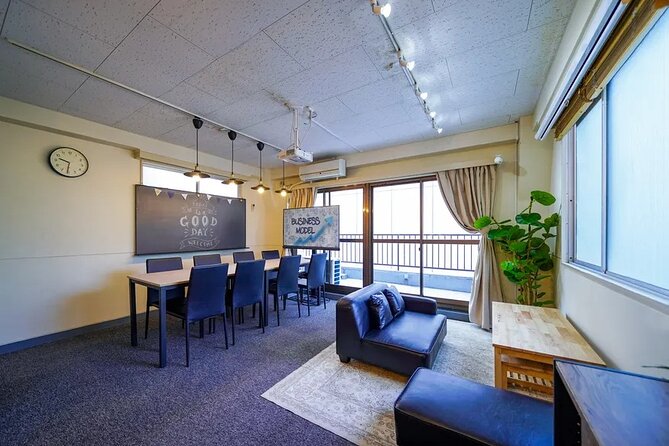
This class gives you a real mix of toppings (neta), not just the basics. You’ll work with high-quality options, including tuna and salmon, plus traditional favorites like gizzard shad.
That combination is valuable for two reasons. First, it lets you compare flavors and textures in a short time. Second, you get exposure to Japanese fish options you might not order automatically at a restaurant.
One detail worth noting: in feedback about the experience, people mentioned the fish felt fresh and the chef kept things informative. Freshness matters with sushi, and when the ingredients are good, your own mistakes hurt less—you can still end up with something tasty while learning.
Also, you can use this class as a decision tool for future sushi meals. After making it, you’ll understand what you actually like—so your next order in Tokyo is smarter.
More sushi counters to book, ranked
- Sushi Making Tokyo Roll and Authentic Japanese Sushi Class★ 5.0 · 3,971 reviews
- Tokyo: Roll and Authentic Sushi Making Class in Asakusa★ 4.9 · 1,957 reviews
- Make Sushi and Create Unforgettable Memories in Tokyo★ 5.0 · 1,413 reviews
- Tokyo: Sushi Making Class in a Happi Coat near a Famous Spot★ 4.9 · 1,377 reviews
- Tokyo Sushi Making Class in Tsukiji with Professional Chef★ 5.0 · 1,177 reviews
Wearing the Hachimaki and Getting a Tenugui Souvenir
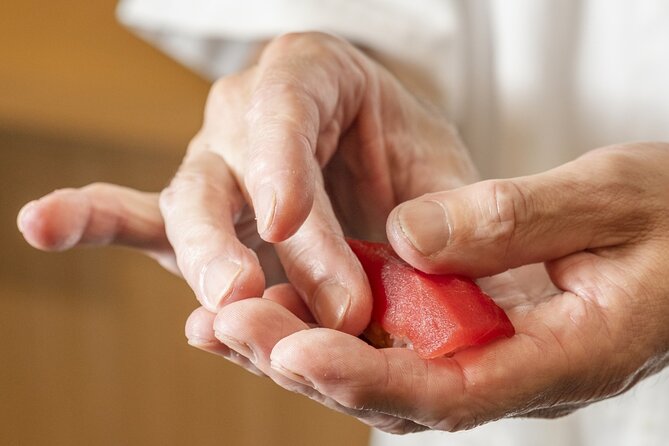
Small cultural touches can make a class feel memorable instead of routine. You’ll put on a traditional hachimaki headband during the workshop. It’s silly in the best way—like being handed a role in a tiny Japanese cooking scene.
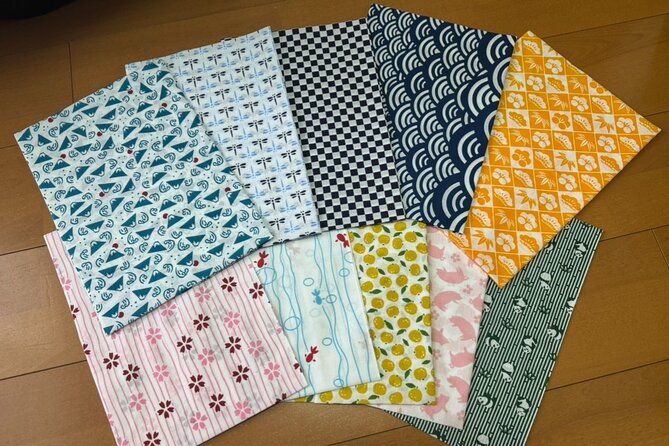
You’ll also receive a traditional tenugui hand towel as a souvenir. That’s one of those practical keepsakes: easy to pack, meaningful, and tied to what you did rather than a generic store-bought item.
The souvenir plus the photo-friendly group moment makes this feel shareable without being gimmicky. You’re not just learning for learning’s sake. You get a story you can take home.
Meal Time: Eating Your Sushi With Your Group
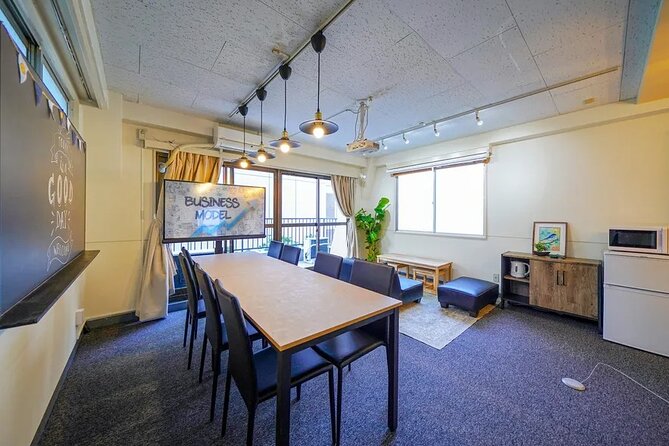
The best part of hands-on classes is always the payoff: you eat what you make. In this workshop, you’ll enjoy your handmade sushi with your group while chatting and taking photos.
That’s more important than it sounds. Sushi has flavors that are subtle, and your brain appreciates the learning when you taste it immediately. You’ll connect the rice seasoning step to how the whole piece tastes. You’ll connect shaping mistakes to texture and mouthfeel.
It also makes the experience social. With a max-6 group, conversation is realistic. You can ask quick questions, compare what worked for each person, and help each other troubleshoot rolling or shaping.
If you travel solo, you still won’t feel like you’re trapped at an impersonal counter. You’ll be part of a small group with shared focus.
Price and Timing: Is $43.18 Good Value?
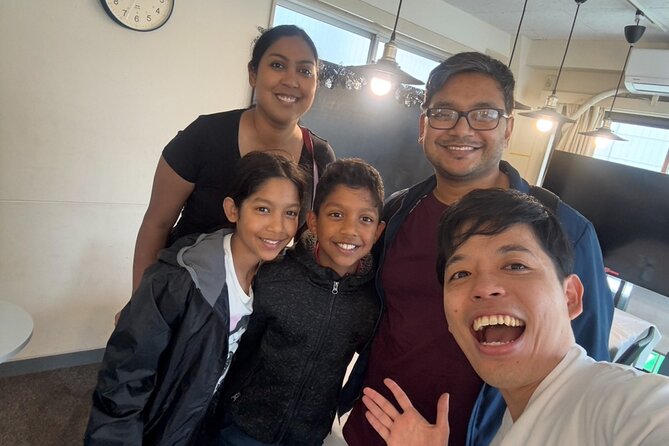
$43.18 for about 90 minutes with a sushi chef may feel like a lot at first glance—especially in Tokyo, where you can eat well for less if you’re careful. But this isn’t just a meal. You’re paying for instruction, ingredients, and the chance to produce and eat your own sushi.
Value checks I’d use for a class like this:
- Small group size (max 6) means more hands-on coaching
- You make multiple styles (nigiri, maki, gunkan) instead of one
- You produce and eat over 7 pieces, so it’s not a tiny tasting-only session
- You learn the rice fundamentals, which is where sushi quality starts
Also, classes tend to book ahead. On average, this one is booked about 15 days in advance, so if you’re going during a busy week, it’s smart to plan early.
As for time of day, the experience length is fixed. I’d choose a time when you’re not rushing to a late-night plan right after. Sushi is filling in a satisfying way, and you’ll likely want a light walk after.
Who This Class Fits Best (and Who Might Skip It)
This is a strong pick for:
- Food lovers who want to do something active rather than only eat
- First-time visitors to Tokyo who want a cultural activity that feels approachable
- Families: one review specifically highlighted the chef being great with kids and handling the class in a friendly way
It may not be ideal if:
- You want a long, slow, repeat-all-day cooking experience. This is 90 minutes and moves on.
- You’re expecting a full restaurant-style sushi education where you master everything like a professional. You’ll learn key technique, not a lifetime of craft.
If you’re traveling with kids, it’s worth considering because the class is small and the chef approach sounds patient and clear.
Should You Book This Shibuya Sushi Class?
I’d book it if you want a hands-on Tokyo experience with a clear payoff: you learn the fundamentals, shape real sushi, then eat your own work. The combination of chef guidance, small group size, and making multiple sushi styles is what makes this a good use of limited time in the city.
If you’re on a strict budget, it’s still a thoughtful splurge rather than a random add-on. At $43.18, you’re not paying just for food—you’re paying for the instruction that turns sushi from intimidating to doable.
Take a practical approach: bring curiosity, arrive on time, and be ready to get your hands a little messy. You’ll likely leave with better sushi instincts for your next meal in Tokyo—and a souvenir that doesn’t feel like clutter.
FAQ
How long is the Shibuya sushi making class?
The class runs about 1 hour 30 minutes.
Where does the class start and end?
It starts at 2-chōme-14-6 Shibuya, Tokyo 150-0002, Japan, and it ends back at the meeting point.
How many people are in the group?
The experience has a maximum of 6 travelers.
What sushi types will I make?
You’ll practice making Nigiri, Maki, and Gunkan sushi.
How many pieces will I make?
You’ll make more than 7 pieces.
What toppings will we use?
You’ll use more than 7 types of high-quality neta, including tuna, salmon, and gizzard shad.
Do I get a souvenir?
Yes. You receive a traditional Japanese tenugui hand towel.
What is the cancellation policy?
Free cancellation is available up to 24 hours in advance for a full refund. If you cancel less than 24 hours before the start time, the amount paid is not refunded.
More Tour Reviews in Tokyo
- Mt Fuji and Hakone 1-Day Bus Tour Return by Bullet Train
★ 5.0 · 26,383 reviews - 1-Day Tokyo Bus Tour
★ 5.0 · 14,250 reviews - Tokyo: teamLab Planets TOKYO Digital Art Museum Entry Ticket
★ 4.6 · 9,779 reviews - Mt Fuji & Hakone Cruise, Drum Show Bullet Train 1 Day from Tokyo
★ 4.0 · 7,413 reviews - Tokyo: Shinjuku Food Tour (13 Dishes at 4 Local Eateries)
★ 5.0 · 6,603 reviews
More Sushi Counters to Book
- Sushi Making Tokyo Roll and Authentic Japanese Sushi Class
★ 5.0 · 3,971 reviews - Tokyo: Roll and Authentic Sushi Making Class in Asakusa
★ 4.9 · 1,957 reviews - Make Sushi and Create Unforgettable Memories in Tokyo
★ 5.0 · 1,413 reviews - Tokyo: Sushi Making Class in a Happi Coat near a Famous Spot
★ 4.9 · 1,377 reviews - Tokyo Sushi Making Class in Tsukiji with Professional Chef
★ 5.0 · 1,177 reviews
More Around Shibuya Crossing
- Official Street Go-Kart in Shibuya
★ 5.0 · 3,435 reviews - Tokyo: Street Kart Experience in Shibuya
★ 4.9 · 1,484 reviews - Shibuya Meltdown Nightlife Tour: All-You-Can-Drink Bar Hopping
★ 5.0 · 1,058 reviews - Shibuya Official Street Go-Kart in Shibuya Annex
★ 5.0 · 972 reviews - Tokyo: Shibuya Food Tour (13 dishes and 4 Eateries)
★ 5.0 · 770 reviews
Latest Tokyo reviews off our desk






Shibuya Experiences, compared.
 ★ 5.0Official Street Go-Kart in ShibuyaFrom $763,435 reviews
 ★ 4.9Street Kart Experience in ShibuyaFrom $741,484 reviews
 ★ 5.0Shibuya Meltdown Nightlife Tour: All-You-Can-Drink Bar HoppingFrom $1061,058 reviews
 ★ 5.0Shibuya Official Street Go-Kart in Shibuya AnnexFrom $69972 reviews
 ★ 5.0Shibuya Food Tour (13 dishes and 4 Eateries)From $77770 reviews
 ★ 5.0Best of Shibuya Food TourFrom $217612 reviews
 ★ 4.8Shibuya Highlights Walking TourFrom $19601 reviews
 ★ 4.7Premium Go-Kart Tour with Tower & Shibuya CrossingFrom $116528 reviews
Browse the lists this tour appears in