
Reviewed · SUSHI MAKING CLASSES
Sushi Making Tokyo Roll and Authentic Japanese Sushi Class
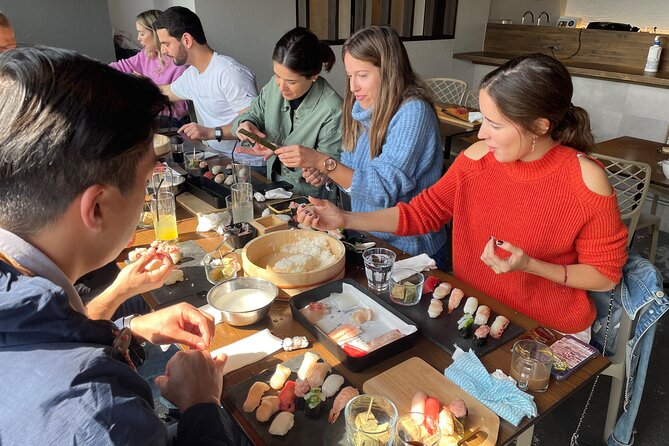
Sushi making in Tokyo beats the usual museum plan. This class takes place just steps from Senso-ji Temple in classic Asakusa, and you learn how to build maki rolls and nigiri with friendly English-speaking instructors. It’s a hands-on way to leave with a skill, not just a photo.
I like that it’s genuinely beginner-friendly, with step-by-step guidance and plenty of ingredients for a real meal. I also like the “learn, then eat” format, because you sit down afterward with what you made and it’s enough to feel like lunch, not a snack.
One consideration: you’ll need to handle getting yourself to the meeting point, and the location can be a bit tricky to spot, so arriving a little early helps.
In This Review
- Key things you’ll notice fast
- Asakusa sushi class steps from Senso-ji
- Inside the 1 hour 40 minutes: maki rolls and nigiri basics
- What you make becomes your lunch
- English-speaking instructors and a beginner-proof approach
- Why this $59.69 class feels like good value
- Who this sushi class is best for
- Practical tips before you go
- Should you book Sushi Making Tokyo Roll and Authentic Japanese Sushi Class?
- FAQ
- How long is the sushi making class?
- Where do I meet for the experience?
- Is sushi-making experience required?
- What’s included in the price?
- Is hotel pickup and drop-off provided?
- What will I make and eat?
- How large is the group?
- What if I need to cancel?
Key things you’ll notice fast
- Asakusa location right by Senso-ji, easy to add to a temple morning or afternoon walk
- Hands-on instruction for sushi rolls and authentic nigiri, not just watching
- English-speaking guidance with clear explanations and visuals in some sessions
- Full lunch payoff, with enough ingredients to make a proper meal
- Small group size (up to 30), which keeps the vibe relaxed and interactive
Asakusa sushi class steps from Senso-ji
Asakusa is where Tokyo still feels like it has layers. You’ll meet near Kaminarimon, the thunder gate area by Senso-ji, so this class naturally fits into a day where you want old-school streets, temple energy, and local food culture all in one loop.
The meeting point is at 2-chōme-17-9 Kaminarimon, Taito City, Tokyo 111-0034. The exact experience runs about 1 hour 40 minutes, and it ends back at the same place, so you’re not stuck with a long transit shuffle afterward.
The biggest win is that this isn’t a distant “activity bus” situation. You’re already in the neighborhood, and you can think of it as one very practical way to learn Japanese food culture while you’re actually standing in Tokyo’s historic core.
More sushi counters to book, ranked
- Tokyo: Roll and Authentic Sushi Making Class in Asakusa
★ 4.9 · 1,957 reviews - Make Sushi and Create Unforgettable Memories in Tokyo
★ 5.0 · 1,413 reviews - Tokyo: Sushi Making Class in a Happi Coat near a Famous Spot
★ 4.9 · 1,377 reviews - Tokyo Sushi Making Class in Tsukiji with Professional Chef
★ 5.0 · 1,177 reviews
Inside the 1 hour 40 minutes: maki rolls and nigiri basics
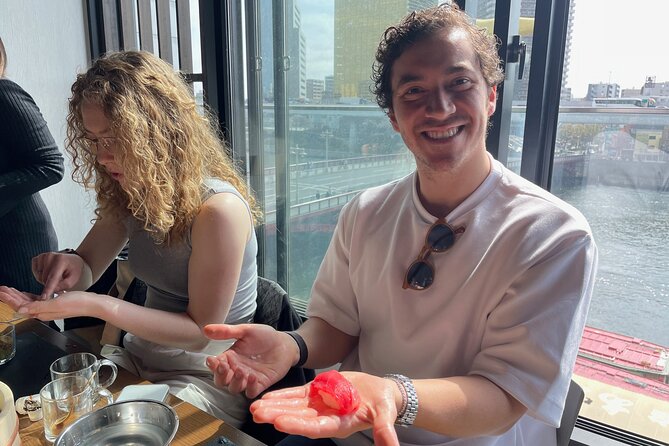
This is a step-by-step sushi class with hands-on guidance from the class leader. You’ll learn both sushi rolls (maki) and nigiri, so you’re not stuck only rolling nori into a cylinder and calling it a day.
Expect a relaxed pace designed for beginners. The teaching style is clear and structured, and the class includes cultural context, not just technique. In the past, instructors have used simple teaching tools like short videos or slide presentations, and that can make the process easier to follow when you’re working with rice, nori, and knife-free or light handling steps.
Here’s how you should think about the flow. First comes the foundation: how sushi rice is treated, how ingredients are portioned, and what makes a roll hold together. Then you move into assembly and shaping, with instructor corrections when your form needs a tweak. After that, you shift into nigiri-style work, where shaping matters and the goal is simple: get it to look right and taste balanced.
You might get a little rice stuck to your hands. That’s normal in sushi classes, and it’s exactly why having a leader at your table helps. You don’t have to guess.
What you make becomes your lunch
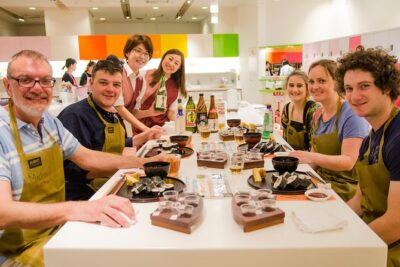
The class doesn’t end with a polite goodbye and a tiny bite. You eat the sushi and rolls you make, and the experience is built around that payoff.
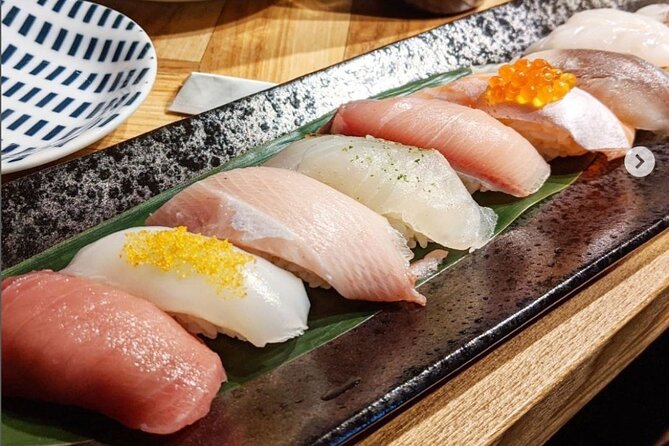
Multiple people highlight that there are plenty of ingredients, enough to feel like a full lunch. That matters because a lot of cooking classes elsewhere teach technique but send you off hungry. Here, the meal is part of the lesson.
Quality also comes up in the details. You’ll hear that fish quality and rice quality are strong, and that the instructors help you build flavors that actually come together. If you’re picky about textures or you’re traveling with kids, the fact that you can see, smell, and assemble the food yourself makes it much less intimidating.
And yes, this is the sort of meal where photos happen. The class explicitly includes time to take pictures afterward, which is helpful because sushi rolls look great when you’ve worked on them.
English-speaking instructors and a beginner-proof approach
This class stands out for the teaching clarity aimed at international visitors. The instructor is English-speaking, and you get hands-on attention rather than a one-size-fits-all demo. In practice, that means you can ask small questions without feeling lost.
You’ll also notice the class doesn’t assume prior kitchen experience. That’s big value in Tokyo, because you’re already juggling a lot: trains, crowds, neighborhoods, and jet lag. Here, someone gives you the structure you need to learn safely and confidently at a table.
From the names that show up in past sessions, you can see the variety of instructors, including Moe, Ken, Arisa, Jun, Kazu, Kyuto, Karoi, and Shiroi, along with other guides like Kaori. The consistent theme is friendly, energetic teaching with explanations that connect sushi technique to the culture around it.
One small caution: because this is designed for travelers and mixed levels, the cultural talk may feel lighter than what you’d get in a strict traditional kitchen setting. If you’re chasing deep technical knife skills or an omakase-level process, this may not replace a high-end sushi counter. But if you want sushi basics you can actually replicate at home, it hits the mark.
Why this $59.69 class feels like good value
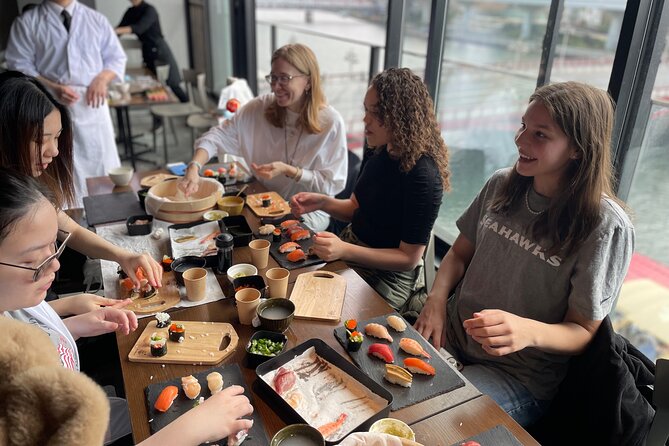
Let’s talk value without hand-waving. At $59.69 per person, you’re paying for three things most trips don’t bundle together: instruction, ingredients, and a meal you eat. That combination is what makes it feel fair.
If you tried to recreate sushi at home without guidance, you’d quickly run into problems. Sushi rice setup, rolling pressure, and nigiri shaping are harder than they look. You also need ingredients you might not buy otherwise, and that can add up, especially in a foreign country. Here, the ingredients are included, and the class format solves the trial-and-error part for you.
Also, the group size is kept to a maximum of 30 travelers. Smaller groups tend to mean you get more attention. When people describe this class as fun, interactive, and easy to follow, that usually comes from the instructor being able to circulate and help rather than just talk at the room.
Finally, it’s recognized as a two-time TripAdvisor Best of the Best award winner. That doesn’t guarantee quality by itself, but it’s a sign the format works for many different kinds of people: couples, families, and solo travelers.
Readers also shortlisted these Tokyo bookings:
- Sushi Making Tokyo Roll and Authentic Japanese Sushi Class★ 5.0 · 3,971 reviews
- Tokyo: Roll and Authentic Sushi Making Class in Asakusa★ 4.9 · 1,957 reviews
- Tokyo Shinjuku Chopsticks Making Class★ 5.0 · 1,763 reviews
- Tokyo: Sushi Making Class in a Happi Coat near a Famous Spot★ 4.9 · 1,377 reviews
- Chopstick Making Workshop in Ginza★ 4.8 · 1,366 reviews
Who this sushi class is best for
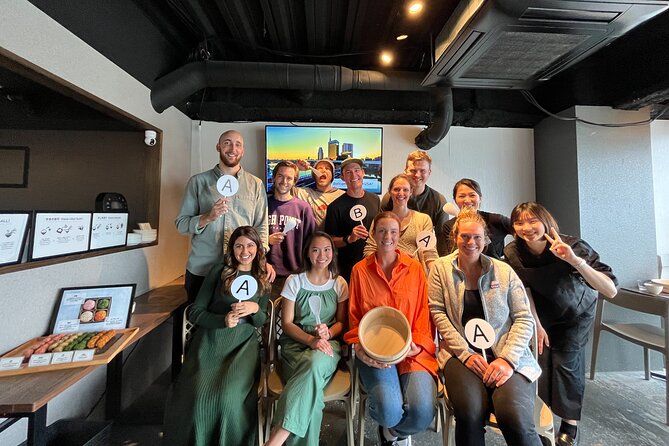
This class is an easy recommendation if you fall into any of these buckets.
Families with kids do well here because it’s beginner-friendly and interactive. In past experiences, families have brought children around the primary-school to early-teen range, and the structure helped kids stay engaged rather than bored by a lecture.
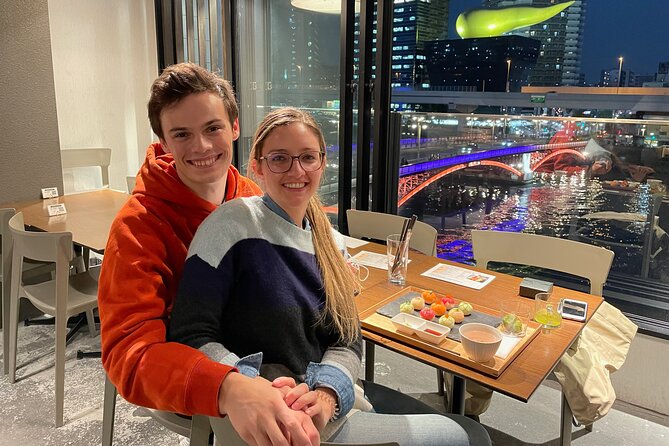
Couples also like it because it’s shared. You’re doing something together that isn’t just walking and eating, and you leave with a meal and a story. Sushi-making turns into a conversation topic that survives after the trip ends.
Food lovers who want a skill will get the most out of it. The best takeaway isn’t just that sushi tastes good in Tokyo. It’s that you learn why certain basics matter, so you can attempt it again at home without guessing.
If you’re a hard-core sushi purist hunting only the most traditional methods, you might prefer a longer apprenticeship-style experience. But for most travelers, this strikes a solid balance between Japanese culinary culture and hands-on fun.
Practical tips before you go
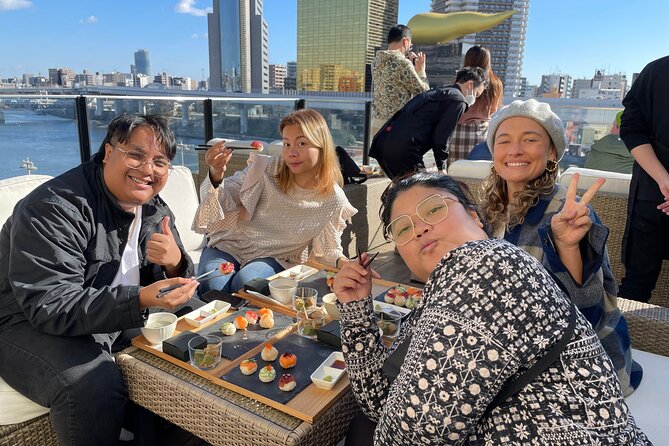
This experience is designed for convenience, but Tokyo still demands a little street-smart planning.
- Bring time to find the spot. Some people note the place can be a bit tricky to locate, so arriving about 15 minutes early reduces stress.
- Skip hotel pickup. There’s no hotel pickup and drop-off, so plan to get there using public transportation on your own.
- Use your mobile ticket. The tour uses a mobile ticket, which makes check-in easier if your phone is charged and handy.
- Plan for a real lunch. You’re making and eating sushi afterward, so it’s a good activity when you don’t want to hunt for food right after.
- Consider pairing it with Senso-ji. Since it’s near the temple, you can time it so the neighborhood walk comes first, then the class, then dinner elsewhere.
If you’re traveling with dietary restrictions, the class data here focuses on included ingredients but doesn’t list special accommodations. If that’s a concern, you’ll want to confirm details with the operator when booking.
Should you book Sushi Making Tokyo Roll and Authentic Japanese Sushi Class?
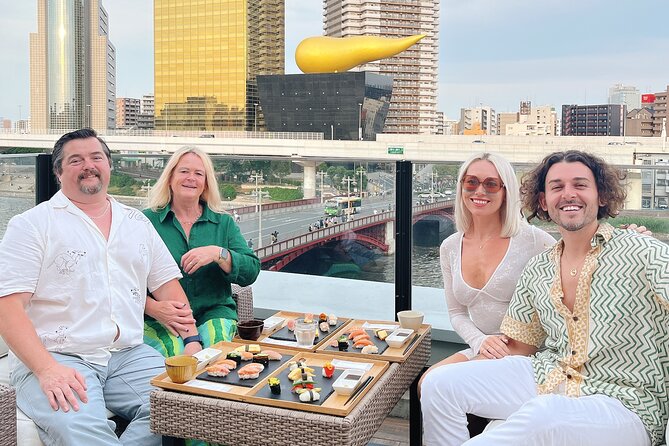
I’d book this if you want a memorable Tokyo experience with a practical outcome. The class checks the boxes most travelers care about: English instruction, hands-on learning, a meal you make, and a Tokyo setting near Senso-ji that saves you time.
It’s also a strong value because you’re not paying just for entertainment. You’re paying for guidance plus ingredients plus lunch. And the format works for mixed groups, including families.
If you dislike cooking activities, or you’re only interested in eating sushi at top restaurants, then this might feel like a detour. But if your goal is to understand sushi beyond ordering, this is one of the cleaner, more satisfying ways to do it in Tokyo.
FAQ
How long is the sushi making class?
The class runs for about 1 hour 40 minutes.
Where do I meet for the experience?
The start location is 2-chōme-17-9 Kaminarimon, Taito City, Tokyo 111-0034, Japan, and the activity ends back at the meeting point.
Is sushi-making experience required?
No cooking experience is required. The class is described as beginner-friendly.
What’s included in the price?
The price includes an English speaking instructor and the ingredients of the cooking class and meal.
Is hotel pickup and drop-off provided?
No. Hotel pickup and drop-off are not included.
What will I make and eat?
You’ll learn to make sushi rolls and authentic Japanese nigiri, and you’ll enjoy the sushi and rolls you make afterward.
How large is the group?
The experience has a maximum of 30 travelers.
What if I need to cancel?
You can cancel for a full refund if you cancel at least 24 hours before the experience’s start time.
If you tell me your travel dates and whether you’re going as a couple or with kids, I can help you decide the best time of day to fit this near Senso-ji.
More Workshops in Tokyo
- Tokyo: Roll and Authentic Sushi Making Class in Asakusa
★ 4.9 · 1,957 reviews - Tokyo Shinjuku Chopsticks Making Class
★ 5.0 · 1,763 reviews - Tokyo: Sushi Making Class in a Happi Coat near a Famous Spot
★ 4.9 · 1,377 reviews - Chopstick Making Workshop in Ginza
★ 4.8 · 1,366 reviews - Tokyo Sushi Making Class in Tsukiji with Professional Chef
★ 5.0 · 1,177 reviews
More Tour Reviews in Tokyo
- Mt Fuji and Hakone 1-Day Bus Tour Return by Bullet Train
★ 5.0 · 26,383 reviews - 1-Day Tokyo Bus Tour
★ 5.0 · 14,250 reviews - Tokyo: teamLab Planets TOKYO Digital Art Museum Entry Ticket
★ 4.6 · 9,779 reviews - Mt Fuji & Hakone Cruise, Drum Show Bullet Train 1 Day from Tokyo
★ 4.0 · 7,413 reviews - Tokyo: Shinjuku Food Tour (13 Dishes at 4 Local Eateries)
★ 5.0 · 6,603 reviews
More Sushi Counters to Book
- Tokyo: Roll and Authentic Sushi Making Class in Asakusa
★ 4.9 · 1,957 reviews - Make Sushi and Create Unforgettable Memories in Tokyo
★ 5.0 · 1,413 reviews - Tokyo: Sushi Making Class in a Happi Coat near a Famous Spot
★ 4.9 · 1,377 reviews - Tokyo Sushi Making Class in Tsukiji with Professional Chef
★ 5.0 · 1,177 reviews - Tsukiji Fish Market Guided Tour and Sushi Making with Pro Chef
★ 5.0 · 775 reviews
Latest Tokyo reviews off our desk




Sushi Making Classes, compared.
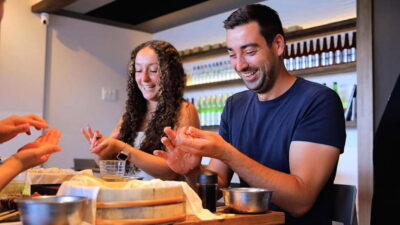 ★ 4.9Roll and Authentic Sushi Making Class in AsakusaFrom $581,957 reviews
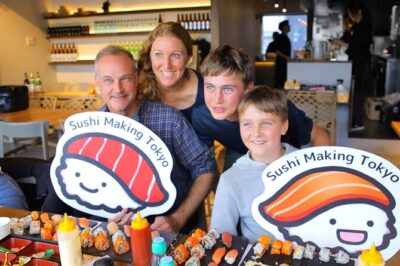 ★ 5.0Make Sushi and Create Unforgettable Memories in TokyoFrom $791,413 reviews
 ★ 4.9Sushi Making Class in a Happi Coat near a Famous SpotFrom $421,377 reviews
 ★ 5.0Tokyo Sushi Making Class in Tsukiji with Professional ChefFrom $491,177 reviews
 ★ 5.0Tsukiji Fish Market Guided Tour and Sushi Making with Pro ChefFrom $104775 reviews
 ★ 4.9Tsukiji Fish Market Sushi Making Class with Pro ChefFrom $63506 reviews
 ★ 5.0Tokyo Tsukiji Fish Market Tour and Sushi Making LessonFrom $99390 reviews
 ★ 4.9Sushi Making ClassFrom $67390 reviews
Browse the lists this tour appears in