
Reviewed · SUSHI MAKING CLASSES
Tokyo: Sushi Making Class in a Happi Coat near a Famous Spot
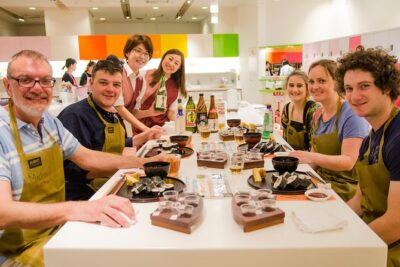
Tokyo turns ordinary food lessons into street-level culture. This sushi class does that with hands-on nigiri making plus the fun of a traditional happi coat near a famous spot. In 90 minutes, you go from rice and fish basics to a plate you made yourself.
Two things I really like: you get guided practice (so you’re not just watching), and you finish with sushi you can actually eat. The instruction is in English and Japanese, and the vibe tends to feel friendly and personal, even for first-timers like you’d be.
One possible drawback: the meeting point can vary by the option you pick, and the venue may seat you with other customers depending on how busy it is. If you have allergies, you also need to message ahead, since dietary changes on the day may not be possible.
In This Review
- Key takeaways before you book
- Sushi and a happi coat in Tokyo: more than a photo op
- What you’ll make: nigiri sushi with tuna and salmon
- How the 90-minute class flows, step by step
- Chef-led teaching style: what to expect from instructors
- The value question: is $42 worth it in Tokyo?
- Dietary needs, allergies, and kids: plan ahead or you’ll regret it
- Making it taste right: practical technique tips you can use at home
- Turn the class into a real Tokyo afternoon near a famous sight
- Who should book this sushi class, and who might not
- Should you book Sushi Garyu in Tokyo?
- FAQ
- How long is the Tokyo sushi making class?
- What is the price per person?
- What will I learn during the class?
- What languages do the instructors speak?
- Do they offer vegetarian, vegan, or gluten-free options?
- What should I know about allergies and kids?
Key takeaways before you book
- Happi coat fun: You’ll wear the tube-sleeved chef-style coat while learning.
- Real nigiri focus: You’ll make sushi from scratch using tuna and salmon.
- Chef-led step-by-step: A sushi instructor guides you through shaping and assembling.
- Dietary options with notice: Vegetarian, vegan, and gluten-free versions are available if you inform them early.
- It’s a meal, not just a demo: The portions are described as generous in past sessions.
Sushi and a happi coat in Tokyo: more than a photo op
Tokyo already has a way of turning food into theater, and this class leans into that. You’ll work in a Japanese-style setting and put on a traditional tube-sleeved happi coat, which instantly changes the energy in the room from casual tourist mode to chef mode.
That costume detail matters more than it sounds. When you’re dressed for the role, you tend to pay attention to small steps—like how you handle rice, where ingredients go, and how you keep the station tidy—because you feel like you’re part of the process, not just observing it.
And yes, you’ll likely end up with great photos. Past students specifically called out outfit picture moments, plus photos and videos taken during the workshop. It’s an easy way to remember the experience without turning it into a frantic gadget session.
More sushi counters to book, ranked
- Tokyo: Roll and Authentic Sushi Making Class in Asakusa
★ 4.9 · 1,957 reviews - Make Sushi and Create Unforgettable Memories in Tokyo
★ 5.0 · 1,413 reviews - Tokyo: Sushi Making Class in a Happi Coat near a Famous Spot
★ 4.9 · 1,377 reviews - Tokyo Sushi Making Class in Tsukiji with Professional Chef
★ 5.0 · 1,177 reviews
What you’ll make: nigiri sushi with tuna and salmon
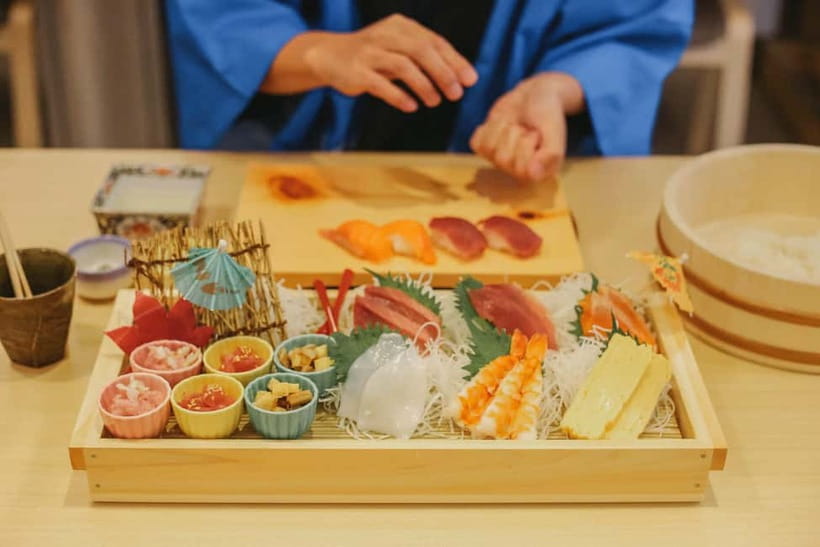
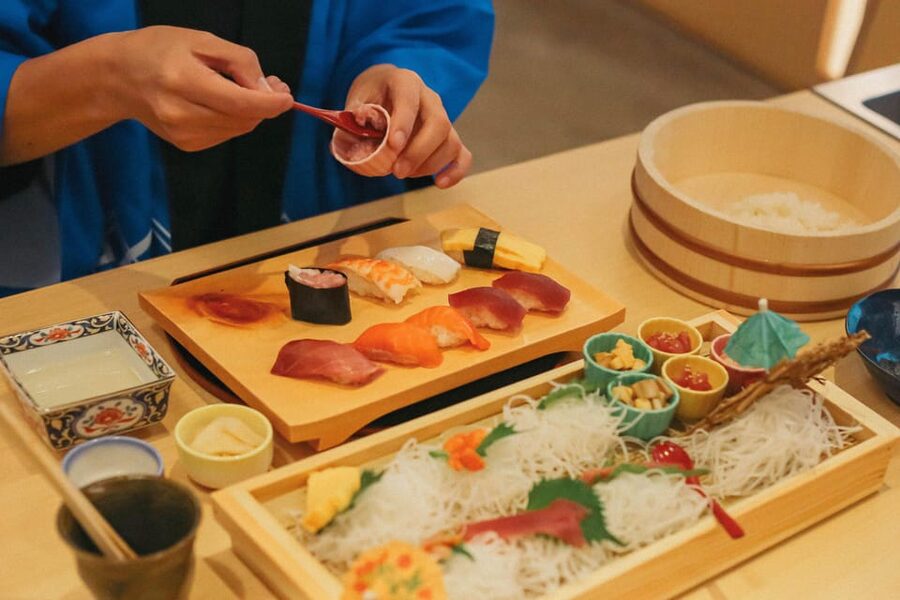
The core goal is nigiri sushi, made from scratch using popular ingredients like tuna and salmon. Nigiri is the style most people picture when they think of Japanese sushi: a small mound of seasoned rice topped with sliced fish, often with a touch of wasabi depending on the chef’s approach.
If you’ve never made sushi before, this is a smart entry point. Nigiri is more straightforward than you might expect because it rewards careful rice handling and clean assembly, not advanced rolling technique. For most first-timers, the biggest learning curve is rice texture and portion size—getting it just right so the topping sits neatly and doesn’t slide.
You’ll also get practice under the instructor’s watch. That matters because nigiri is one of those skills where “close enough” can still taste off. With guidance, you’ll learn how to build consistency so your final plate looks better and tastes more like what you’re used to seeing in Tokyo.
How the 90-minute class flows, step by step
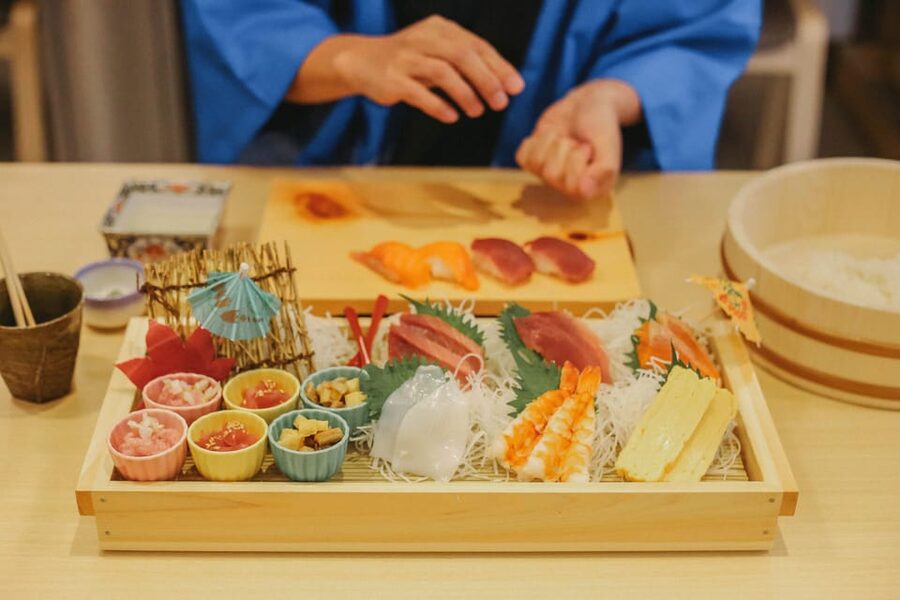
This is a 90-minute workshop, so the pacing is practical: short explanation, then you do the work. You start with an intro that sets you up with the basics of sushi-making and the ingredients you’ll use. Then the chef shows key moves so you can copy the technique instead of guessing.
Next comes hands-on practice. You’ll shape rice portions, assemble nigiri, and keep adjusting as you go. The class is set up so you can ask questions, and instructors are comfortable switching between English and Japanese to make sure you understand the steps.
Finally, you eat what you made. Multiple past participants described the experience as a real meal, not a tiny snack. That’s one of the best parts: you get immediate feedback on your work in the form of taste and texture—your own sushi, right there in front of you.
Chef-led teaching style: what to expect from instructors
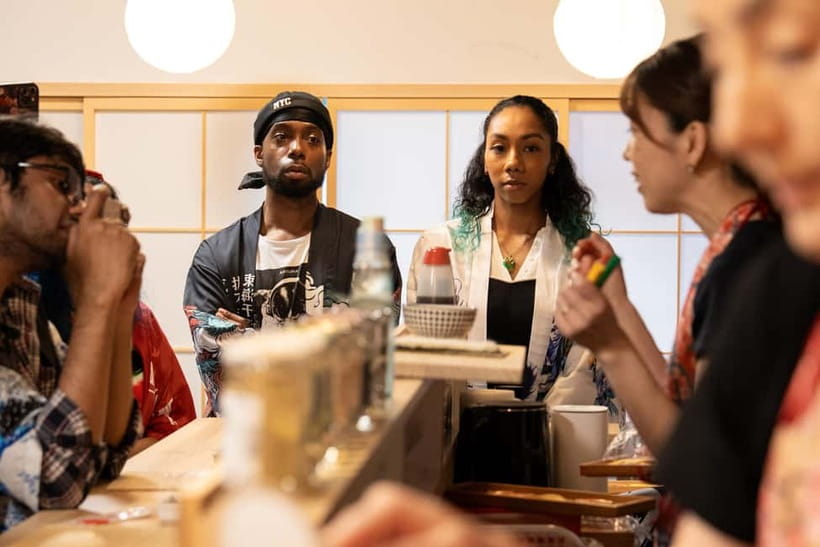
What makes this class work is how the teaching is handled. Past sessions mention chefs and hosts who were patient, funny, and quick to help when someone’s hands move too fast or your rice is a little uneven.
You might work with a chef such as Chef Hide, or a teacher like Mikoto, Emi/Emmy, Masa, or Mizuki. The names change by schedule, but the pattern in the feedback is consistent: clear step-by-step guidance, strong English support, and a focus on getting you comfortable enough to repeat the steps later at home.
A small but important detail: the class may be held with other customers, depending on how busy the venue is. That doesn’t mean it feels rushed, but it does mean your experience could be slightly more shared than private. If you want maximum attention, try to book a time when you’re less likely to be in a full room.
The value question: is $42 worth it in Tokyo?
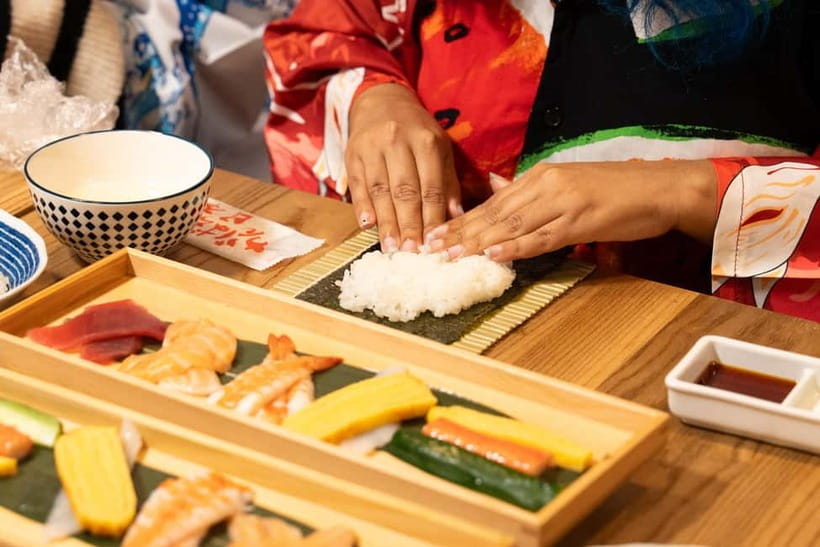
For $42 per person over 90 minutes, you’re paying for more than ingredients. You’re paying for an instructor who stands next to you and corrects technique, plus the equipment and the food supplies to actually make multiple pieces.
A normal sushi meal in Tokyo can be a splurge if you’re trying to do it as a “real sit-down” experience. Here, you’re not just consuming the product—you’re learning the process. Even if you only make sushi a couple times after the trip, the skill is portable, and that can make the price feel fair.
Also, the included items matter: cooking class, ingredients, and the instructor are part of the package. That reduces the mental load of travel shopping. You don’t have to track down specialized items right after your class while jet-lagged and hungry.
If you like hands-on activities that feel like a meal, this is one of the better uses of a Tokyo afternoon. If you’re purely looking to eat without learning, you might prefer a sushi restaurant instead.
Readers also shortlisted these Tokyo bookings:
- Sushi Making Tokyo Roll and Authentic Japanese Sushi Class★ 5.0 · 3,971 reviews
- Tokyo: Roll and Authentic Sushi Making Class in Asakusa★ 4.9 · 1,957 reviews
- Tokyo Shinjuku Chopsticks Making Class★ 5.0 · 1,763 reviews
- Tokyo: Sushi Making Class in a Happi Coat near a Famous Spot★ 4.9 · 1,377 reviews
- Chopstick Making Workshop in Ginza★ 4.8 · 1,366 reviews
Dietary needs, allergies, and kids: plan ahead or you’ll regret it
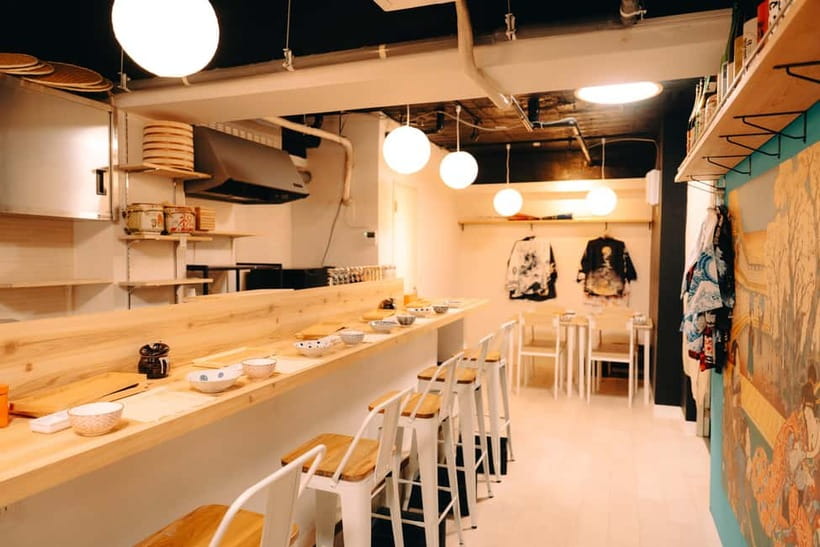
This class is friendly about dietary adjustments, but there’s a catch: you need to communicate in advance.
If you have food allergies, you should message them ahead of time. This is one of those cases where waiting until the day-of can limit what they can safely prepare. The same goes for vegetarian, vegan, and gluten-free requests. These options are listed as available, but you should request them early so they can accommodate you.
There’s also a child note: you’re charged for children over 4 years old, and the guidance suggests sharing a dish for a child under 4. If you’re traveling with kids, consider that your youngest may not fully participate in the hands-on shaping, so plan for a shorter attention span.
Making it taste right: practical technique tips you can use at home
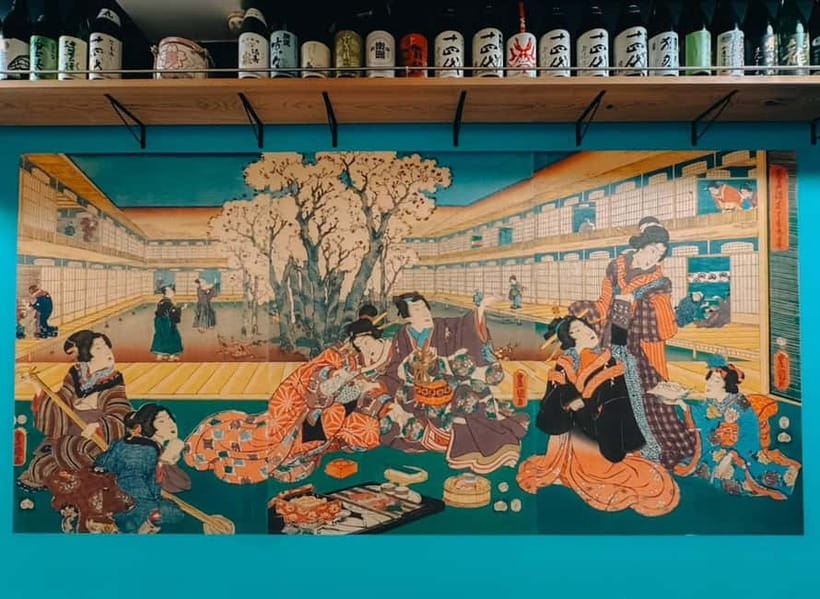
Even though the class provides the instruction, you’ll get more out of it if you watch for a few technique cues while you’re there.
First, focus on rice handling. In sushi-making, rice texture is everything, and it’s also where beginners most often struggle. Pay attention to how much pressure you use, how you shape without compacting too hard, and how you keep the rice from sticking where it shouldn’t.
Second, watch the fish placement. Nigiri should look balanced: fish topping centered on the rice, with no sliding. Notice the instructor’s timing and grip—how they handle the fish slice and how they avoid tearing or breaking the piece.
Third, treat cleanup like part of the process. A tidy station leads to steadier work. When your hands are clean and your tools are placed logically, you’ll assemble with more confidence and waste less.
When you return home, these are the small habits that matter. You won’t need Tokyo-level supplies to practice the core steps, and your homemade nigiri will improve quickly once you nail rice portion and assembly.
Turn the class into a real Tokyo afternoon near a famous sight
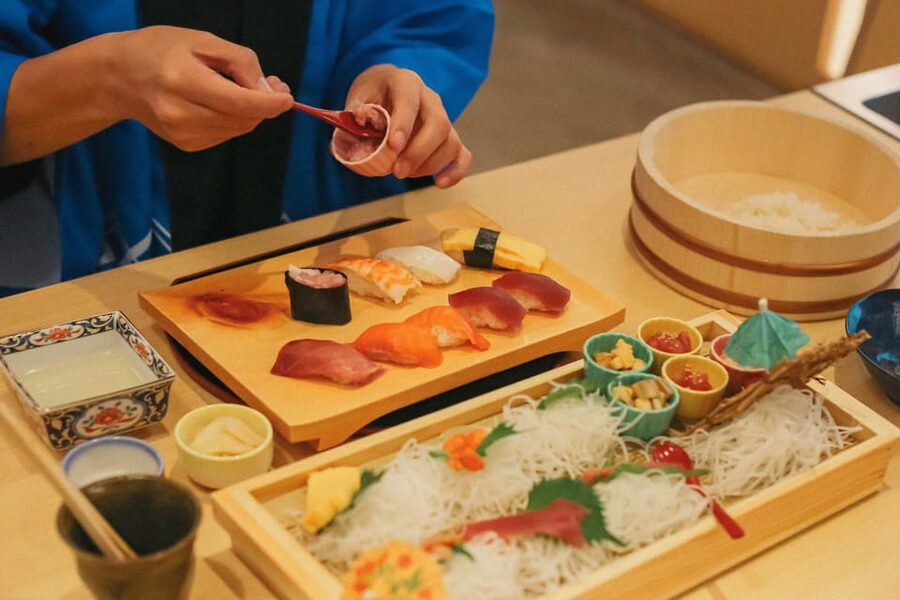
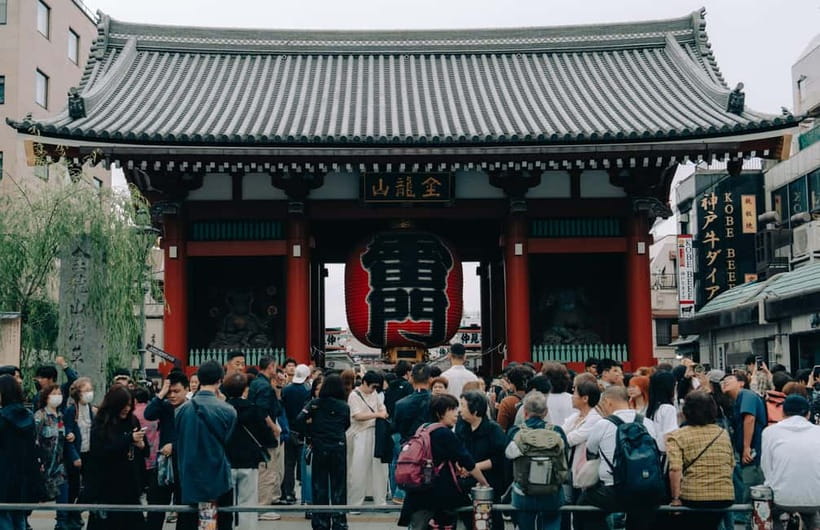
The class is positioned near a famous spot, which is a huge travel advantage. It means you can book this as part of a half-day plan instead of losing hours to transportation.
After class, take advantage of the proximity. A common pattern is to wander toward nearby streets for markets and temple-area scenery on foot. Keep it simple: grab a drink, walk slowly, and let the hunger reset after your lesson so the rest of your day feels relaxed.
If you want photos, plan them before you’re exhausted. The happi coat moments work best when you’re not rushing, and it’s easier to enjoy the experience when you’re not sprinting from station to station.
Who should book this sushi class, and who might not
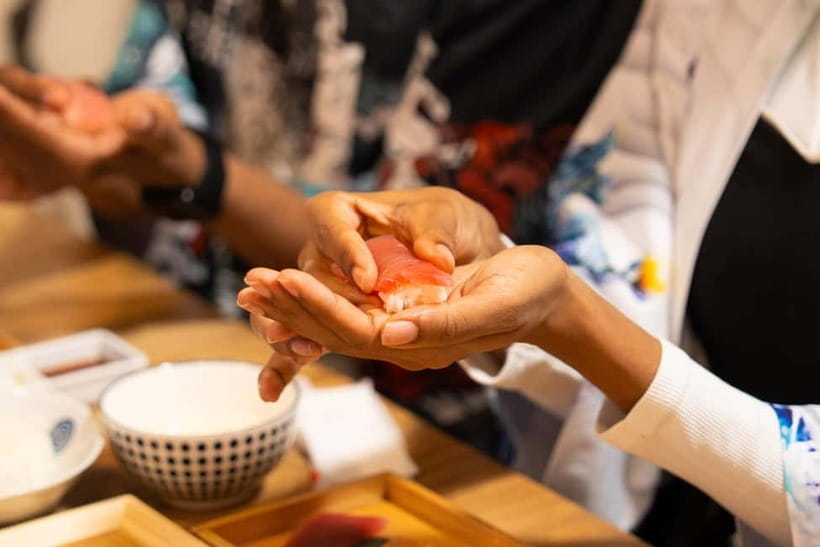
You’ll likely love this if you:
- want a beginner-friendly way to learn sushi without needing special skills first
- enjoy eating what you make, not just watching others
- want a cultural activity that feels hands-on and genuinely Tokyo
- are traveling as a couple and want a date with a shared task
You might skip it if:
- you’re only interested in eating and don’t care about technique
- you have a dietary situation that you’re not willing to plan for in advance
- you strongly prefer private, quiet settings, since you may be seated with other customers
Should you book Sushi Garyu in Tokyo?
If you want a straightforward, hands-on Tokyo experience, I’d book it. The format is built for beginners, you’ll learn a sushi style you can repeat, and the price includes ingredients plus a real instructor. The happi coat adds a playful touch that helps you stay in the moment, and the final tasting means you leave with a full belly and a skill you can actually use.
Before you go, do two things: message about allergies or dietary needs early, and confirm your meeting point for your specific option. Get those right, and the rest is the fun part—working with a chef, making tuna and salmon nigiri, and carrying that technique home.
FAQ
How long is the Tokyo sushi making class?
The class is 90 minutes long.
What is the price per person?
It costs $42 per person.
What will I learn during the class?
You’ll learn to make nigiri sushi from scratch, including tuna and salmon. You’ll also get time to try making nigiri yourself.
What languages do the instructors speak?
The instructor languages listed are English and Japanese.
Do they offer vegetarian, vegan, or gluten-free options?
Vegetarian, vegan, and gluten-free options are available. You should inform them in advance by message, since requests made on the day may not be accommodated.
What should I know about allergies and kids?
If you have allergies, you need to inform them in advance by message. For kids, they charge for those over 4 years old, and the guidance suggests sharing a dish for children under 4. Children fee details depend on the listed information for your booking.
More Workshops in Tokyo
- Sushi Making Tokyo Roll and Authentic Japanese Sushi Class
★ 5.0 · 3,971 reviews - Tokyo: Roll and Authentic Sushi Making Class in Asakusa
★ 4.9 · 1,957 reviews - Tokyo Shinjuku Chopsticks Making Class
★ 5.0 · 1,763 reviews - Chopstick Making Workshop in Ginza
★ 4.8 · 1,366 reviews - Tokyo Sushi Making Class in Tsukiji with Professional Chef
★ 5.0 · 1,177 reviews
More Tour Reviews in Tokyo
- Mt Fuji and Hakone 1-Day Bus Tour Return by Bullet Train
★ 5.0 · 26,383 reviews - 1-Day Tokyo Bus Tour
★ 5.0 · 14,250 reviews - Tokyo: teamLab Planets TOKYO Digital Art Museum Entry Ticket
★ 4.6 · 9,779 reviews - Mt Fuji & Hakone Cruise, Drum Show Bullet Train 1 Day from Tokyo
★ 4.0 · 7,413 reviews - Tokyo: Shinjuku Food Tour (13 Dishes at 4 Local Eateries)
★ 5.0 · 6,603 reviews
More Sushi Counters to Book
- Sushi Making Tokyo Roll and Authentic Japanese Sushi Class
★ 5.0 · 3,971 reviews - Tokyo: Roll and Authentic Sushi Making Class in Asakusa
★ 4.9 · 1,957 reviews - Make Sushi and Create Unforgettable Memories in Tokyo
★ 5.0 · 1,413 reviews - Tokyo Sushi Making Class in Tsukiji with Professional Chef
★ 5.0 · 1,177 reviews - Tsukiji Fish Market Guided Tour and Sushi Making with Pro Chef
★ 5.0 · 775 reviews
Latest Tokyo reviews off our desk






Sushi Making Classes, compared.
 ★ 5.0Sushi Making Tokyo Roll and Authentic Japanese Sushi ClassFrom $593,971 reviews
 ★ 4.9Roll and Authentic Sushi Making Class in AsakusaFrom $581,957 reviews
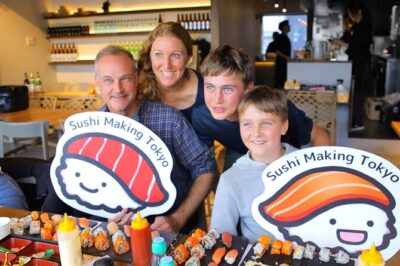 ★ 5.0Make Sushi and Create Unforgettable Memories in TokyoFrom $791,413 reviews
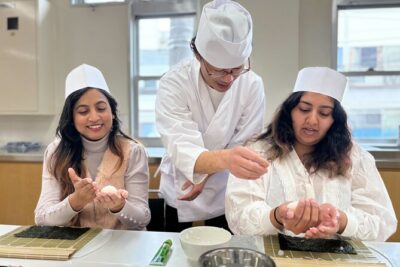 ★ 5.0Tokyo Sushi Making Class in Tsukiji with Professional ChefFrom $491,177 reviews
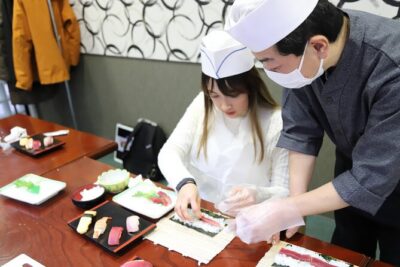 ★ 5.0Tsukiji Fish Market Guided Tour and Sushi Making with Pro ChefFrom $104775 reviews
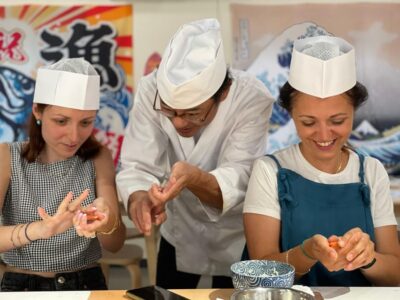 ★ 4.9Tsukiji Fish Market Sushi Making Class with Pro ChefFrom $63506 reviews
 ★ 5.0Tokyo Tsukiji Fish Market Tour and Sushi Making LessonFrom $99390 reviews
 ★ 4.9Sushi Making ClassFrom $67390 reviews
Browse the lists this tour appears in