
Reviewed · FOOD
Shimbashi Tastes & Stories A Culinary Foodie Tour By Local Guide
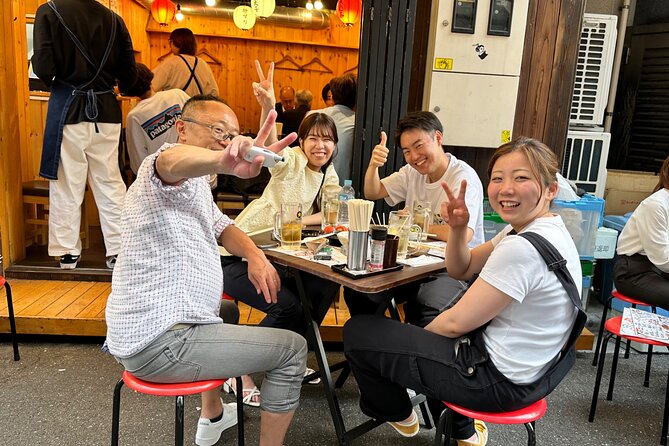
Skip Shibuya, taste Shimbashi. This Shimbashi food tour swaps big-billboard Tokyo for a more working-district feel, pairing station landmarks and a local shrine with real bites you’d likely miss on your own. What I love most is the food variety and the guide’s local storytelling that turns everyday corners into something you can actually feel. One watch-out: it’s a walk-and-eat format in a business area, so if you want zero walking or a nightlife-heavy evening, you’ll want to adjust your expectations.
The route runs about 4 hours and keeps the group to a maximum of 15, which makes it easy to ask questions and move at a human pace. You’ll also get a mobile ticket, and the tour starts at SL Square and ends back at the same meeting point.
At $171 per person, the value is strongest if you want a guided sampling of sushi, seafood, and Japanese beef wagyu, plus desserts and soft drinks and water. Alcohol is not included, so if you plan on drinking, budget extra.
In This Review
- Key points I’d highlight before you book
- Why Shimbashi feels like real Tokyo (not a postcard)
- The meat of the tour: what you eat and what that means
- Walking plan: from Old Shimbashi Station to NTV Plaza
- Stop 1: Old Shimbashi Station
- Stop 2: SL Square
- Stop 3: Karasumori-jinja
- Stop 4: New Shimbashi Building
- Stop 5: Shiodome City Center (NTV Plaza and NTV Tower area)
- Stop 6: Shimbashi overview from your guide
- Guides and real-person hospitality: Akira and Kaori energy
- Timing and pace: how the 4-hour format feels in practice
- Price and value: what $171 buys you in Shimbashi
- Who this tour suits (and who should skip)
- Should you book Shimbashi Tastes & Stories?
- FAQ
- How long is the Shimbashi Tastes & Stories food tour?
- Where does the tour start?
- Where does the tour end?
- What food is included?
- Are alcoholic drinks included?
- Does the tour use a mobile ticket?
- How large is the group?
- Are the stops admission fees included?
- Can I get a refund if I cancel?
Key points I’d highlight before you book
- Small group (max 15) helps the tour feel personal instead of rushed.
- Four hours hits a sweet spot for getting food + context without losing a whole day.
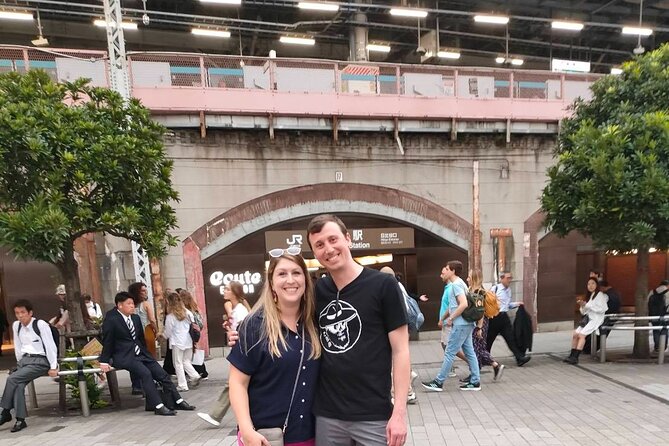
- Included bites cover sushi, seafood, and Japanese beef wagyu, with desserts and drinks.
- Offbeat stops in Shimbashi go beyond the usual Ginza, Shinjuku, Shibuya circuit.
- Free-admission landmarks keep costs predictable while you’re moving on foot.
Why Shimbashi feels like real Tokyo (not a postcard)
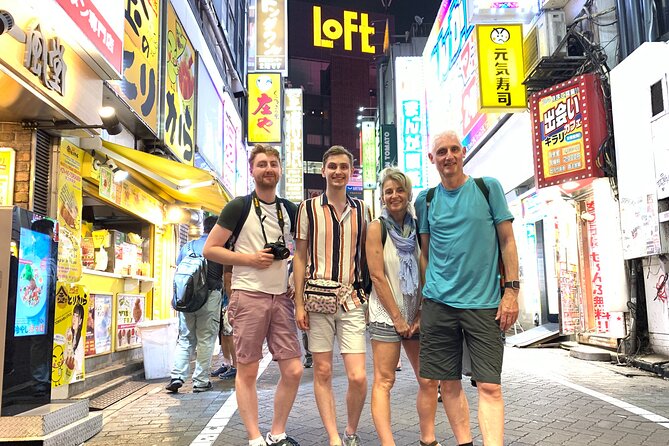
Shimbashi has a specific vibe: the trains are busy, office workers move with purpose, and the streets feel like they’re built for everyday life. That’s exactly why this tour works. You’re not spending your time chasing the same highlights you’ve already seen in a hundred photos.
I like that the tour leans into the salaryman culture angle without turning it into a lecture. You get walking context plus food stops that fit the neighborhood’s rhythm, so the area doesn’t feel like background scenery. It feels like a place where people actually eat, talk, and unwind after work.
Readers also shortlisted these Tokyo bookings:
- Tokyo: Shinjuku Food Tour (13 Dishes at 4 Local Eateries)
★ 5.0 · 6,603 reviews - Tokyo Tsukiji Fish Market Food and Culture Walking Tour
★ 5.0 · 3,184 reviews - Tokyo: Shinjuku Food Tour (15 Dishes and 4 Eateries)
★ 4.9 · 2,033 reviews - Best of Shinjuku: Izakaya Food Tour (4 Stops, 14+ Tastings)
★ 5.0 · 1,863 reviews
The meat of the tour: what you eat and what that means
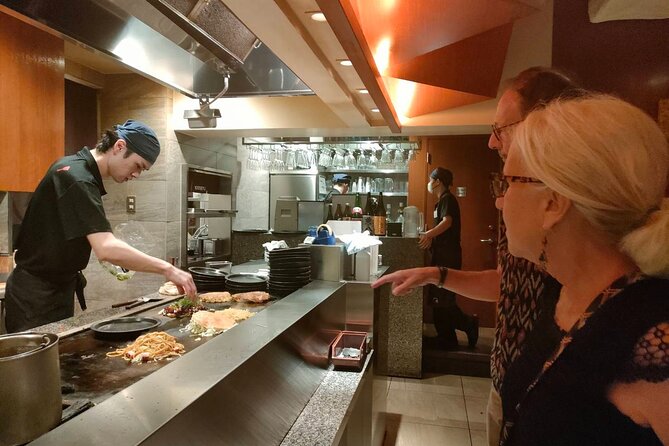
This is a foodie-style sampling tour, not a single sit-down meal. The included food list is clear: you’ll try sushi, seafood, and Japanese beef wagyu, and you’ll finish with desserts. On top of that, you get two soft drinks and water.
So what does that mean for your day? It means you’ll likely leave with a full stomach and a better sense of what Shimbashi is known for. Instead of guessing at menus (or pointing at pictures and hoping), you’re tasting across categories, which helps you understand local preferences fast.
Two practical notes:
- If you’re picky about seafood, speak up early in the tour so the guide can help you choose in the moment.
- Since alcohol isn’t included, this stays more in the “tasting and sightseeing” lane than “bar crawl.”
Walking plan: from Old Shimbashi Station to NTV Plaza
The itinerary is built like a guided walk through the neighborhood’s layers: rail history, street life, then back into the food zone. Most stops are free admission, which keeps the tour grounded in what you can do and see without extra ticket fees.
Stop 1: Old Shimbashi Station
Old Shimbashi Station sets the tone right away. It’s a big transit area in central Tokyo (near Ginza), but the “old” angle helps you understand why Shimbashi has long been a hinge between places and people. You’ll get that rail-station energy in a way that feels less commercial.
Why it matters: it gives you context for the rest of the walk. Shimbashi’s food scene is strongly tied to movement—workers, arrivals, and quick meals between schedules.
Stop 2: SL Square
SL Square was created in 1972 to celebrate the 100th anniversary of Japan’s railway transport system. It also ties to the start of the railway line from Tokyo to Yokohama. In other words, it’s a reminder that trains have shaped Tokyo routines for a long time.
This stop is mostly about atmosphere and orientation. If you like seeing how Tokyo’s past shows up in everyday space, you’ll enjoy it here.
Readers also shortlisted these Tokyo bookings:
- Tokyo 6hr Private Tour with Government-Licensed Guide★ 5.0 · 3,902 reviews
- Tokyo: Shinjuku Local Bar and Izakaya Guided Walking Tour★ 4.9 · 1,794 reviews
- Tokyo: Private City Highlights Tour with Local Guide★ 4.8 · 1,433 reviews
- Tokyo: Tsukiji Fish Market Guided Walking Tour★ 4.9 · 1,397 reviews
- Tokyo 4hr Private Tour with Government-Licensed Guide★ 5.0 · 1,394 reviews
Stop 3: Karasumori-jinja
Karasumori-jinja is one of the older shrines, and it’s described as a place visited by locals. That’s a useful contrast to the shrines you see on every major route. You’re not just checking a box; you’re learning how religious sites can function as neighborhood anchors.
A small expectation check: this isn’t a dramatic, all-day shrine visit. It’s a short stop that adds texture to the neighborhood.
Stop 4: New Shimbashi Building
The New Shimbashi Building connects the area’s entertainment past to its present shape. It originally related to a bar district known as Tanuki Alley, and an urban restructuring project followed the 1964 Tokyo Olympics.
Why I think this stop works: it helps explain why Shimbashi can feel slightly layered—old nightlife bones under newer city planning. You’ll better understand why food spots and after-work culture belong together in this area.
Stop 5: Shiodome City Center (NTV Plaza and NTV Tower area)
This part shifts from pure neighborhood mood into modern Tokyo. The NTV Plaza is in front of the NTV Tower, which houses studios and offices of NTV. Even if you’re not a TV person, it’s a strong landmark for place-marking.
What you should expect here: a quick orientation moment and a chance to see how different Tokyo sectors sit side-by-side. Then the tour gets you back toward Shimbashi proper.
Stop 6: Shimbashi overview from your guide
The final portion is less about one fixed sight and more about putting the whole neighborhood together in your mind. You’ll get an overview of what makes Shimbashi station area interesting—good for helping you decide where to wander after the tour.
This is a smart move. Tokyo is huge, and a short “here’s how to read this neighborhood” ending can save you time later.
Guides and real-person hospitality: Akira and Kaori energy
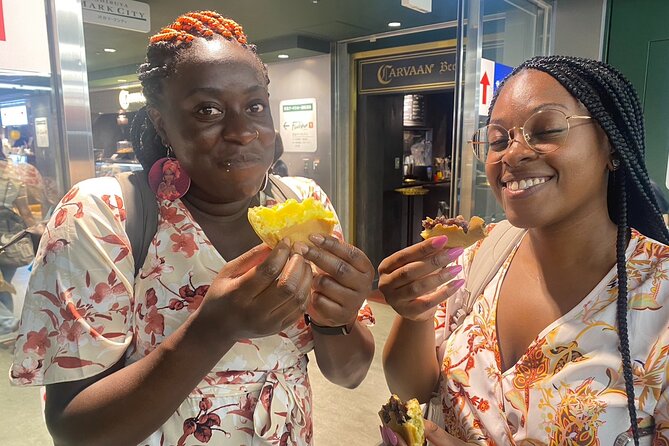
This tour is guided by a professional English-speaking guide with Japanese language ability. The personality matters a lot on food tours, and the guide-led approach is a big part of the reason this experience scores high.
I’ve seen firsthand how much difference a guide makes when the food choices feel unfamiliar. In this case, names like Akira and Kaori show up with the kind of energy you want: taking you to places you wouldn’t stumble into, explaining what you’re eating, and being helpful beyond just the script.
There’s also a practical lesson from a booking mix-up: even if the meeting point is confusing at first glance, help is nearby. One review noted a local woman stepped in to help someone reach the guide when they had trouble matching the exact meeting spot. My advice is simple: double-check the exact SL Square meeting point details before you set off, and if you’re lost, ask anyone who looks like station staff or a nearby shop employee.
Timing and pace: how the 4-hour format feels in practice
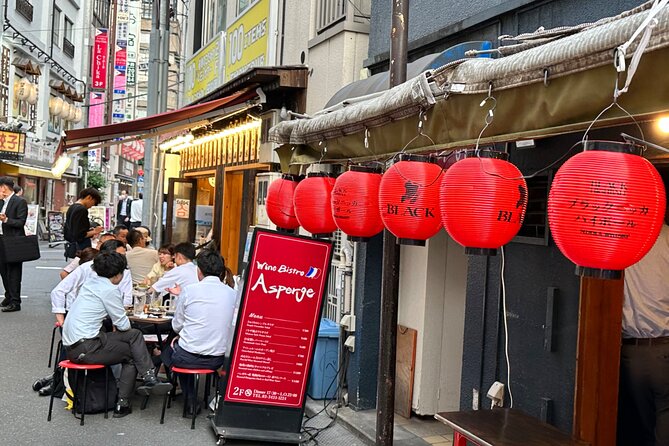
This tour runs about 4 hours and moves on foot with multiple short stops (most around 30–45 minutes). That structure is ideal if you want food without spending your whole day standing in lines or being seated for long stretches.
Because there are several location stops plus eating, the pacing is likely “short and sweet” rather than slow sightseeing. If you’re the type who likes long photo breaks, it helps to wear comfortable shoes and plan on moving often.
The group size limit of 15 is a big deal here. Small groups make it easier to keep the walking flow and get quick guidance when something is confusing.
Price and value: what $171 buys you in Shimbashi
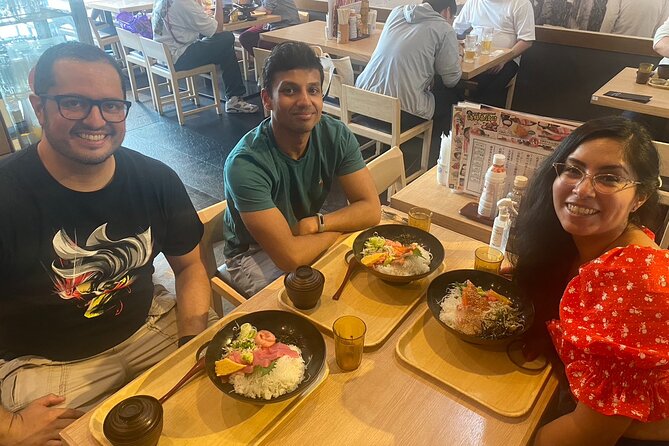
Let’s talk money in plain terms. At $171 per person, the price can feel high if you’re thinking only about walking and landmarks. But this works better when you look at what’s included: sushi, seafood, wagyu, desserts, plus soft drinks and water.
That’s the real value equation. Food tours often charge for “access,” and you’ll feel that here through guided ordering and curated tasting stops. Since alcohol isn’t included, you’re not paying a premium for drinks you might not even want.
If you’re comparing to self-guided eating, the biggest advantage is time and confidence. Tokyo menus can be intimidating, and this kind of guide-led tasting helps you avoid the guesswork.
Who this tour suits (and who should skip)
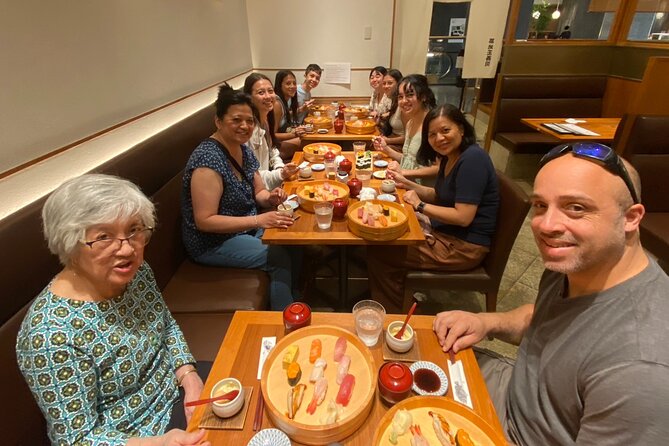
This tour fits best if you:
- Want to see a local Tokyo neighborhood rather than only the biggest-name districts.
- Like walking tours but still want the day anchored by meaningful food stops.
- Are excited by sushi, seafood, and wagyu, and want someone to steer you.
It might not be the best fit if you:
- Want a heavy focus on nightlife or a bar-centered plan (alcohol isn’t included).
- Dislike the idea of multiple short stops and getting around by foot.
- Want only iconic “must-see” mega-attractions, because the value here is the neighborhood feel.
Should you book Shimbashi Tastes & Stories?
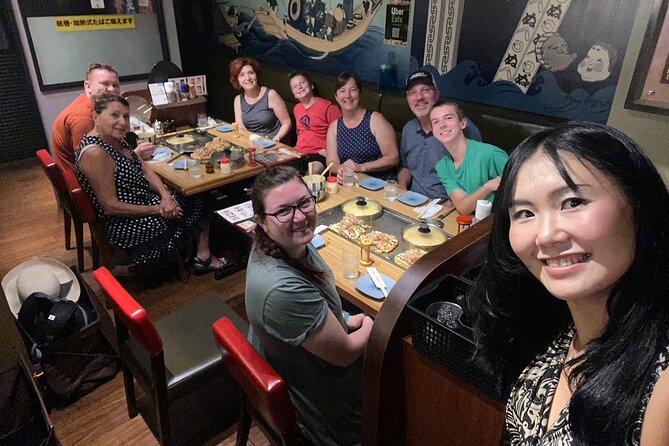
I’d book it if your goal is to understand Tokyo through its food culture in a less obvious area. Shimbashi isn’t trying to be a theme park, and that’s the point. You get a guided walk through rail history, a local shrine, and modern landmarks, then you get fed with a mix that includes sushi, seafood, wagyu, plus desserts.
If you’re already planning to spend lots of time in places like Ginza and the major districts, this is a smart way to balance the schedule. It gives you a different slice of Tokyo—more working-day Tokyo, less tourist-day Tokyo.
FAQ
How long is the Shimbashi Tastes & Stories food tour?
The tour lasts about 4 hours.
Where does the tour start?
It starts at SL Square 2-chōme-7-先 in Shinbashi, Minato City, Tokyo 105-0004, Japan.
Where does the tour end?
The tour ends back at the meeting point.
What food is included?
The tour includes sushi, seafood, and Japanese beef wagyu, along with desserts.
Are alcoholic drinks included?
No. Alcoholic drinks are available to purchase, but they are not included.
Does the tour use a mobile ticket?
Yes, it includes a mobile ticket.
How large is the group?
The tour has a maximum of 15 travelers.
Are the stops admission fees included?
The itinerary shows free admission at the stops listed.
Can I get a refund if I cancel?
Yes. Free cancellation is available up to 24 hours in advance for a full refund. If you cancel less than 24 hours before the start time, the amount paid is not refunded.
More Food in Tokyo
- Tokyo: Shinjuku Food Tour (13 Dishes at 4 Local Eateries)
★ 5.0 · 6,603 reviews - Tokyo Tsukiji Fish Market Food and Culture Walking Tour
★ 5.0 · 3,184 reviews - Tokyo: Shinjuku Food Tour (15 Dishes and 4 Eateries)
★ 4.9 · 2,033 reviews - Best of Shinjuku: Izakaya Food Tour (4 Stops, 14+ Tastings)
★ 5.0 · 1,863 reviews - Tokyo: Tsukiji Fish Market Food and Walking tour
★ 5.0 · 1,724 reviews
More Tours in Tokyo
- Mt Fuji and Hakone 1-Day Bus Tour Return by Bullet Train
★ 5.0 · 26,383 reviews - 1-Day Tokyo Bus Tour
★ 5.0 · 14,250 reviews - Tokyo: Shinjuku Food Tour (13 Dishes at 4 Local Eateries)
★ 5.0 · 6,603 reviews - Tokyo Mt Fuji 5th St & Hakone Cruise Bus Tour w/Bullet Train
★ 4.4 · 5,024 reviews - Flagship 2-Hours Official Street Go-Kart Tour – Tokyo Bay Shop
★ 5.0 · 4,974 reviews
More Tour Reviews in Tokyo
- Mt Fuji and Hakone 1-Day Bus Tour Return by Bullet Train
★ 5.0 · 26,383 reviews - 1-Day Tokyo Bus Tour
★ 5.0 · 14,250 reviews - Tokyo: teamLab Planets TOKYO Digital Art Museum Entry Ticket
★ 4.6 · 9,779 reviews - Mt Fuji & Hakone Cruise, Drum Show Bullet Train 1 Day from Tokyo
★ 4.0 · 7,413 reviews - Tokyo: Shinjuku Food Tour (13 Dishes at 4 Local Eateries)
★ 5.0 · 6,603 reviews
Latest Tokyo reviews off our desk






Food, compared.
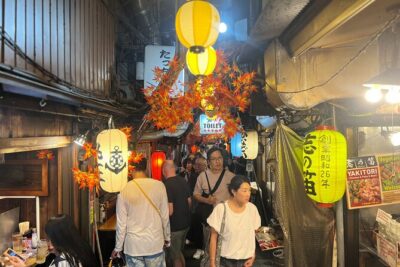 ★ 5.0Shinjuku Food Tour (13 Dishes at 4 Local Eateries)From $866,603 reviews
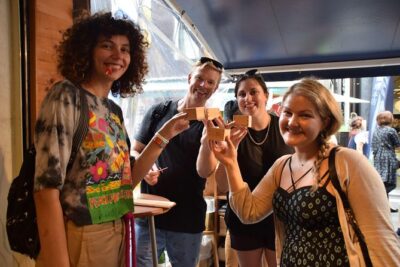 ★ 5.0Tokyo Tsukiji Fish Market Food and Culture Walking TourFrom $993,184 reviews
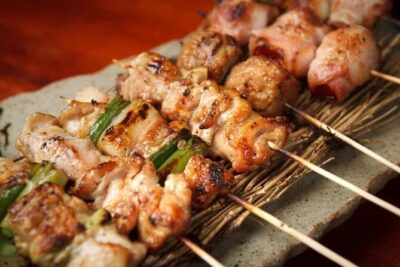 ★ 4.9Shinjuku Food Tour (15 Dishes and 4 Eateries)From $852,033 reviews
 ★ 5.0Best of Shinjuku: Izakaya Food Tour (4 Stops, 14+ Tastings)From $921,863 reviews
 ★ 5.0Tsukiji Fish Market Food and Walking tourFrom $301,724 reviews
 ★ 5.0Tokyo Night Foodie Tour in Shinjuku – Seasonal Sushi, Wagyu BeefFrom $1111,161 reviews
 ★ 5.0Eat and Drink Like a Local: Tokyo Ueno Food Tour-Taverns&RamenFrom $95957 reviews
 ★ 5.0Shibuya Food Tour (13 dishes and 4 Eateries)From $77770 reviews