
Reviewed · SHINJUKU FOOD & BAR TOURS
Shinjuku Highlights Walking Tour
Shinjuku can feel like chaos. This short, guided walk turns it into a series of clear stops—Omoide Yokocho, Golden Gai, and more—so you can enjoy the neon without wandering in circles. You get a guide’s shortcut, plus commentary that adds meaning to the street scenes.
I like two things a lot. First, the small group (max 5) keeps things personal, so you can ask questions while you’re staring at something interesting. Second, the route mixes famous Shinjuku sights with the kind of back-alley details you’d miss trying to navigate solo. One possible drawback: parts of the walk pass through Kabukicho nightlife, which includes adult-entertainment venues—if you want a quiet, family-style outing, this tour may feel a little too urban after dark.
In This Review
- Key Highlights You’ll Actually Feel on the Ground
- A Shinjuku Tour That Feels Like a Short Cut, Not a Lecture
- Meeting Point to Final Steps: Kitakata Ramen to Hanazono Shrine
- Omoide Yokocho: The Showa-Era Alley You Can Actually Walk Through
- Kabukicho: Nightlife Energy With a Reality Check
- Shinjuku Golden Gai: Tiny Bars, Strong Subcultural Mood
- Hanazono Shrine Festival: A Peaceful Reset Before You Leave
- Why the Small Group (Up to 5) Changes Everything
- Price and Value: $39.09 for a Focused Route
- Timing: How to Fit This Tour Into Your Tokyo Day
- Who This Tour Suits Best (And Who Should Think Twice)
- Should You Book the Shinjuku Highlights Walking Tour?
- FAQ
- FAQ
- How long is the Shinjuku Highlights Walking Tour?
- How much does the tour cost?
- How many people are in the group?
- Does the tour include admissions?
- What is included besides the guide?
- Where do I meet the guide, and where does it end?
- Do I get a ticket on my phone?
- Can I get a refund if my plans change?
- When do I receive confirmation?
Key Highlights You’ll Actually Feel on the Ground
- Up to 5 people means you don’t get stuck behind the crowd on narrow streets
- Guided shortcuts through tricky alleyways help you find places fast, not just hear about them
- Omoide Yokocho in the Showa-era vibe gives you that retro street snapshot you can walk through
- Golden Gai’s subcultural mood is different from Omoide Yokocho, and your guide helps you read that difference
- Hanazono Shrine as a calm finish gives your feet and senses a breather before you re-enter Shinjuku
A Shinjuku Tour That Feels Like a Short Cut, Not a Lecture
Shinjuku is big. And it changes block by block. One minute you’re under bright signs; the next minute you’re in a narrow lane that feels like it belongs to another Tokyo entirely.
This tour works because it’s built around contrast. You’ll spend time in older-feeling, alley-like neighborhoods, then shift into the nightlife zone, then end at a shrine. That makes the whole experience easier to follow. Instead of trying to plan three separate outings, you get one route you can trust.
Also, it’s comfortably short. The schedule runs about 1 to 2 hours, with each main stop getting roughly 10–20 minutes. That pace is good if you want to see a lot without burning a half-day. You’ll cover plenty of ground, but you won’t feel trapped at any single photo spot.
More Shinjuku plates and pours our readers rated
- Tokyo: Shinjuku Food Tour (13 Dishes at 4 Local Eateries)
★ 5.0 · 6,603 reviews - Tokyo Bar Hopping Tour in Shinjuku (All-You-Can-Drink + Dinner)
★ 5.0 · 3,587 reviews - Tokyo: Shinjuku Food Tour (15 Dishes and 4 Eateries)
★ 4.9 · 2,033 reviews - Best of Shinjuku: Izakaya Food Tour (4 Stops, 14+ Tastings)
★ 5.0 · 1,863 reviews
Meeting Point to Final Steps: Kitakata Ramen to Hanazono Shrine
This tour starts near Kitakata Ramen BAN NAI Shinjuku-Omoide yokocho (Nishishinjuku 1-chōme) and ends at Hanazono Shrine (Shinjuku 5-chōme). That matters more than it sounds. It means you’re not just walking in a tight circle around one neighborhood. You’re moving through different sides of Shinjuku and ending in a calmer setting.
You’ll also be given a mobile ticket, which is convenient in a city where you’re constantly moving between stations, streets, and alley entrances. And since the stops are listed as near public transportation, you can plug this into a bigger day plan—lunch near Shinjuku, an afternoon wandering session, then this route as your evening anchor (or vice versa).
One practical note: with max 5 people, your group will stay compact. That helps on narrow lanes, but it also means timing depends on your guide keeping everyone together. If you’re the kind of person who likes to pause often for photos, just know the tour is still moving—bring comfortable shoes and let the guide lead the pacing.
Omoide Yokocho: The Showa-Era Alley You Can Actually Walk Through
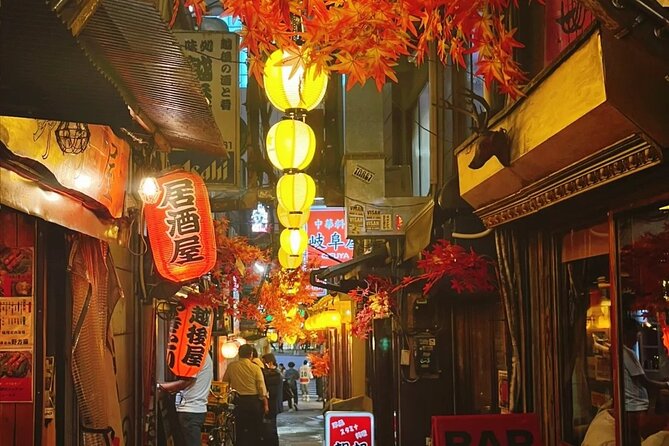
Your first major stop is Omoide Yokocho, a retro alley that preserves a nostalgic Tokyo streetscape from the Showa era (about 50–70 years ago). Even if you’ve seen pictures, it’s different in person. The alley feels tighter, and the atmosphere has that slightly time-warped quality that makes you slow down.
What you’ll likely appreciate here is not just the look of the place—it’s the context. A guide can help you understand why this alley survives amid a city that keeps rebuilding itself. It’s not just a street for tourists. It’s a living reminder of how Tokyo used to feel in older decades.
Also, this is a smart starting point. Omoide Yokocho sets your expectations early: Shinjuku isn’t only skyscrapers and neon. You’ll begin your tour learning how to read the “old Tokyo” texture before moving into the louder neighborhoods.
The main drawback is also simple: this is a compact alley. If you hate crowds or narrow spaces, plan to keep moving with the group rather than stopping dead in the lane for long.
Kabukicho: Nightlife Energy With a Reality Check
Next comes Kabukicho, one of Shinjuku’s best-known nightlife districts. Your guide will point out that it’s packed with night entertainment venues, including hostess clubs and nightclubs—and it also has a darker side. That’s not meant to scare you off. It’s meant to help you understand what you’re seeing.
This stop is valuable for two reasons. First, it prevents the “tourist bubble” effect. You’ll notice signs, people, and storefront activity with a bit of a framework instead of treating it all as one big blur. Second, it gives the tour emotional contrast. After the nostalgic alley, Kabukicho can feel like someone turned the volume way up.
If you’re hoping for a calm, cultural walk only, Kabukicho may feel like the opposite. But if you want the full Shinjuku story—bright and strange and a little intense—this is the reality part of the experience.
Shinjuku Golden Gai: Tiny Bars, Strong Subcultural Mood
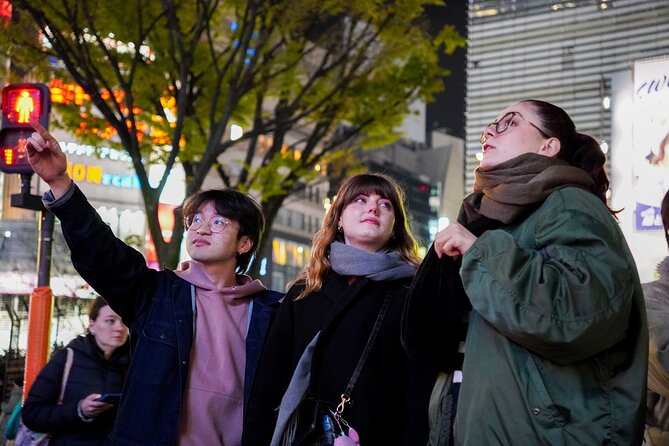
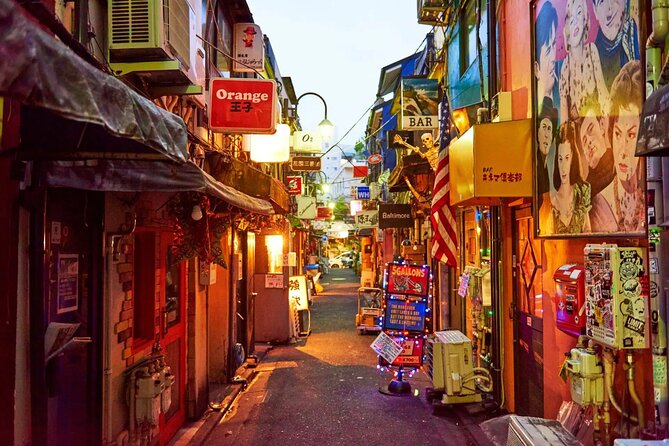
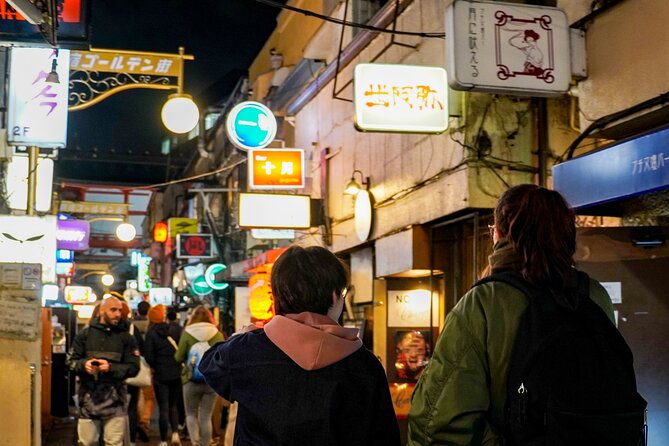
Then you’ll head to Shinjuku Golden Gai, another area known for preserving an older, retro feel. But your guide draws an important distinction: Golden Gai’s vibe is more subcultural than Omoide Yokocho.
In practice, this means the atmosphere feels less like a nostalgic alley you stroll through and more like a place with identity. Golden Gai is famous for its small spaces and distinctive bar culture. Even if you don’t go inside, the street experience tells you something. The point of this stop is to help you see beyond the obvious sightseeing layer.
What I like about including Golden Gai on this route is timing. After Omoide Yokocho, you’re already primed to notice older Tokyo textures. Then Golden Gai adds a different flavor of that retro theme—one tied to creative and performance communities that historically frequented the area (your guide’s commentary helps connect the dots).
A consideration here: Golden Gai is part of Shinjuku’s nightlife ecosystem. If you’re sensitive to loud crowds or you prefer quiet corners, this stop can feel intense. The upside is that the guide helps you navigate it as a cultural place, not just a spectacle.
Readers also shortlisted these Tokyo bookings:
- Tokyo Tsukiji Fish Market Food and Culture Walking Tour★ 5.0 · 3,184 reviews
- Tokyo: Shinjuku Local Bar and Izakaya Guided Walking Tour★ 4.9 · 1,794 reviews
- Tokyo: Tsukiji Fish Market Food and Walking tour★ 5.0 · 1,724 reviews
- Tokyo: Asakusa Walking Tour with Sensoji Temple Visit★ 4.8 · 1,583 reviews
- Tokyo: Tsukiji Fish Market Guided Walking Tour★ 4.9 · 1,397 reviews
Hanazono Shrine Festival: A Peaceful Reset Before You Leave
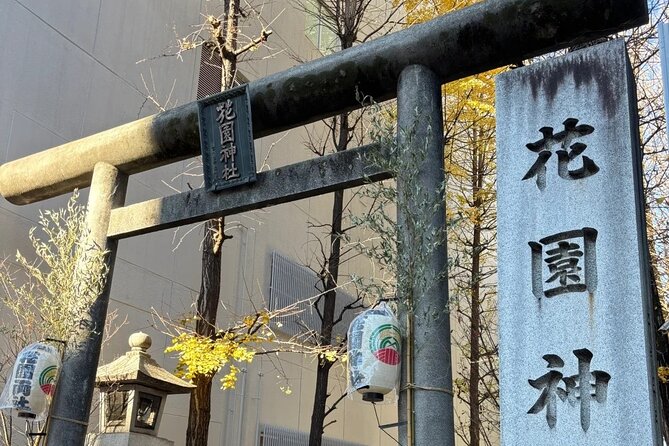
The tour finishes at Hanazono Shrine, where the mood shifts again. Instead of neon energy, you get traditional Japanese shrine grounds and a calmer, more natural space. The schedule lists it as about 10 minutes, which is perfect for a soft landing without turning your walk into a long ceremony or event.
This ending is smart. It gives you a chance to breathe, reset, and mentally “close the loop” on the day. Shinjuku can overwhelm your senses. A shrine visit—short, guided, and focused—helps you step out of that noise with your head clearer.
You also get a cultural contrast to the nightlife stops. Rather than treating Shinjuku as only entertainment and nightlife, the final destination reminds you it’s also a place where older traditions still exist inside the city’s rush.
Why the Small Group (Up to 5) Changes Everything
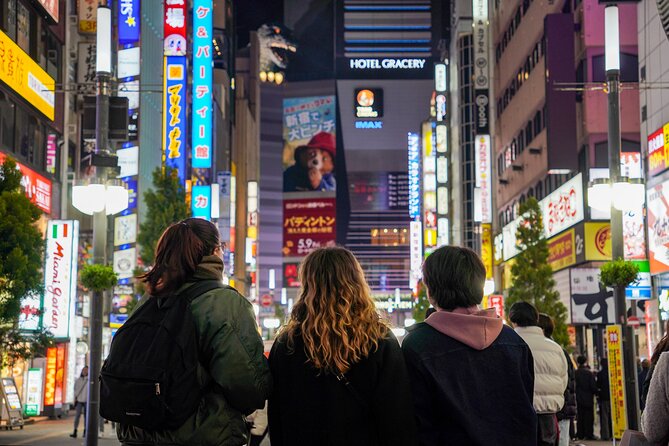
A maximum of 5 travelers sounds like a minor detail until you’re walking through narrow alleys. In crowded districts, small groups reduce the bottleneck problem. You can walk through tight lanes without the whole line becoming a traffic jam.
It also makes the guide’s role more effective. Your guide can answer questions as they come up. You’re less likely to miss key explanations because you’re stuck waiting for the group to shuffle forward.
This is where the guide quality shows. One guide named Arata is specifically noted for being prompt and for showing real interest in what sites you want to prioritize. That matters. When a guide adapts to your interests, the route feels less like a pre-set script and more like a personalized shortcut.
Arata also helped with pacing across the day by making sure the next stop location was clear. That kind of “finish strong” support is underrated when you’re juggling multiple plans in Tokyo.
Price and Value: $39.09 for a Focused Route
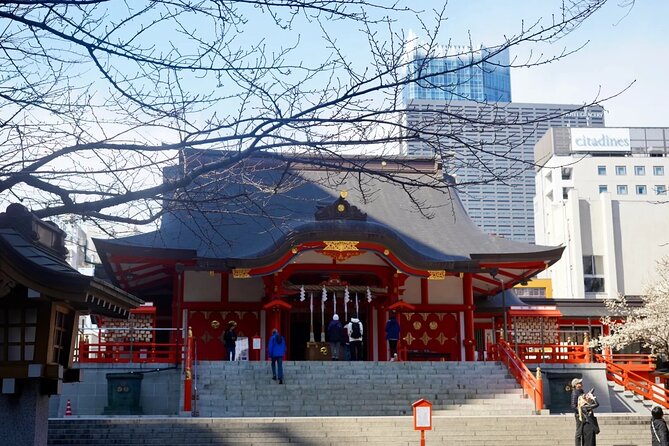
The tour costs $39.09 per person and runs about 1 to 2 hours. That’s not cheap in the “grab a subway ticket and wander” sense, but it’s also not trying to replace your whole day.
Here’s why it can be good value:
- You’re paying for time-saving navigation. Shinjuku’s alley entrances and neighborhood boundaries can be confusing, and the tour is built to help you avoid getting lost.
- You’re paying for guided interpretation, not just movement. The commentary gives meaning to what you’re seeing in Omoide Yokocho, Golden Gai, and the nightlife area.
- You get admission fees listed as included, and the itinerary marks stops like these as free for admission on the tour notes. That’s a practical win.
The best fit for the price is travelers who want the route to do the thinking for them. If you already love independent exploring and you know exactly what you want to see, you might get similar sights by yourself. But if you want fewer false starts and clearer context per minute, this price starts to look reasonable.
Timing: How to Fit This Tour Into Your Tokyo Day
With an average booking window of about 53 days in advance, this tour isn’t last-minute casual. It’s popular enough that you’ll want to plan ahead if your dates are fixed.
Use the timing to your advantage:
- If you’re visiting Shinjuku during a busy time, this tour gives you a structured way to see multiple highlights without spending your whole evening just trying to locate entrances.
- If you’re doing other neighborhood plans, the start and end points make it easier to connect to what comes before and after, especially since the route finishes at Hanazono Shrine.
Also, because most stops are short (about 10–20 minutes each), you can treat this as your “Shinjuku orientation walk.” You’ll leave with a mental map of how the districts connect.
Who This Tour Suits Best (And Who Should Think Twice)
This tour is especially good for you if:
- You want local tips and context while you’re walking, not after you’ve already missed the story.
- You like photography but want help choosing where to look and what to notice.
- You’re trying to cover multiple Shinjuku highlights in a short window.
It’s also a strong option for first-timers to Shinjuku because the guide helps you avoid confusion in places like alleyways and nightlife streets.
Think twice if:
- You strongly prefer quiet, daytime-only neighborhoods.
- You’d be uncomfortable around adult entertainment venues and the nightlife tone of Kabukicho.
- You want a long, slow, deep exploration. This walk is focused and short, by design.
Should You Book the Shinjuku Highlights Walking Tour?
If your goal is to see Shinjuku’s key layers—retro alley feel, nightlife reality, subcultural corners, then a calm shrine finish—this is a smart way to do it. The small group size, guided navigation, and quick stop rhythm make it a practical “get oriented fast” tour.
I’d especially recommend it if you don’t want to spend your limited Tokyo time fumbling for alley entrances or guessing what you’re looking at. Shinjuku rewards curiosity, but it also punishes indecision. A good guide helps you turn that chaos into an ordered route.
Book it if you want a clear path through Shinjuku’s contrasts, not a free-form wander.
FAQ
FAQ
How long is the Shinjuku Highlights Walking Tour?
The tour runs about 1 to 2 hours.
How much does the tour cost?
It costs $39.09 per person.
How many people are in the group?
This experience has a maximum of 5 travelers.
Does the tour include admissions?
Yes. Admission fees are listed as included, and the itinerary notes admission tickets are free for the stops.
What is included besides the guide?
The tour includes an in-person guide.
Where do I meet the guide, and where does it end?
It starts at Kitakata Ramen BAN NAI Shinjuku-Omoide yokocho and ends at Hanazono Shrine.
Do I get a ticket on my phone?
Yes, the tour uses a mobile ticket.
Can I get a refund if my plans change?
There is free cancellation if you cancel up to 24 hours in advance of the experience start time.
When do I receive confirmation?
You receive confirmation at the time of booking.
More Tours in Tokyo
- Mt Fuji and Hakone 1-Day Bus Tour Return by Bullet Train
★ 5.0 · 26,383 reviews - 1-Day Tokyo Bus Tour
★ 5.0 · 14,250 reviews - Tokyo: Shinjuku Food Tour (13 Dishes at 4 Local Eateries)
★ 5.0 · 6,603 reviews - Tokyo Mt Fuji 5th St & Hakone Cruise Bus Tour w/Bullet Train
★ 4.4 · 5,024 reviews - Flagship 2-Hours Official Street Go-Kart Tour – Tokyo Bay Shop
★ 5.0 · 4,974 reviews
More Tour Reviews in Tokyo
- Mt Fuji and Hakone 1-Day Bus Tour Return by Bullet Train
★ 5.0 · 26,383 reviews - 1-Day Tokyo Bus Tour
★ 5.0 · 14,250 reviews - Tokyo: teamLab Planets TOKYO Digital Art Museum Entry Ticket
★ 4.6 · 9,779 reviews - Mt Fuji & Hakone Cruise, Drum Show Bullet Train 1 Day from Tokyo
★ 4.0 · 7,413 reviews - Tokyo: Shinjuku Food Tour (13 Dishes at 4 Local Eateries)
★ 5.0 · 6,603 reviews
More Shinjuku Food and Drink
- Tokyo: Shinjuku Food Tour (13 Dishes at 4 Local Eateries)
★ 5.0 · 6,603 reviews - Tokyo Bar Hopping Tour in Shinjuku (All-You-Can-Drink + Dinner)
★ 5.0 · 3,587 reviews - Tokyo: Shinjuku Food Tour (15 Dishes and 4 Eateries)
★ 4.9 · 2,033 reviews - Best of Shinjuku: Izakaya Food Tour (4 Stops, 14+ Tastings)
★ 5.0 · 1,863 reviews - Tokyo: Shinjuku Local Bar and Izakaya Guided Walking Tour
★ 4.9 · 1,794 reviews
Latest Tokyo reviews off our desk






Shinjuku Food & Bar Tours, compared.
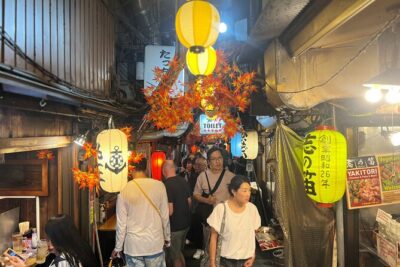 ★ 5.0Shinjuku Food Tour (13 Dishes at 4 Local Eateries)From $866,603 reviews
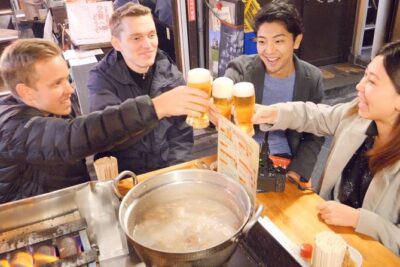 ★ 5.0Tokyo Bar Hopping Tour in Shinjuku (All-You-Can-Drink + Dinner)From $1063,587 reviews
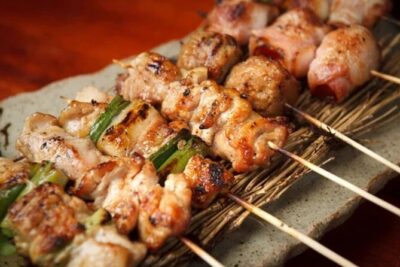 ★ 4.9Shinjuku Food Tour (15 Dishes and 4 Eateries)From $852,033 reviews
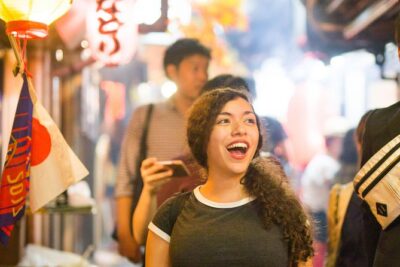 ★ 5.0Best of Shinjuku: Izakaya Food Tour (4 Stops, 14+ Tastings)From $921,863 reviews
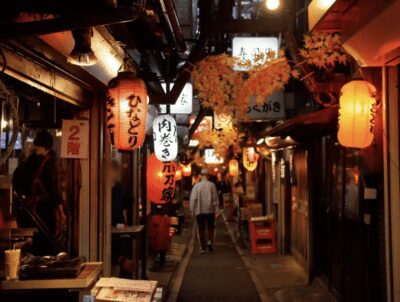 ★ 4.9Shinjuku Local Bar and Izakaya Guided Walking TourFrom $341,794 reviews
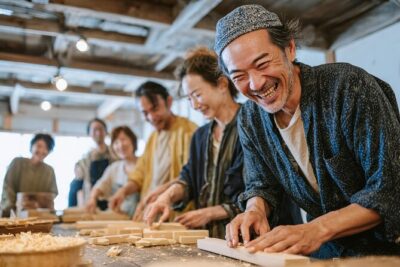 ★ 5.0Tokyo Shinjuku Chopsticks Making ClassFrom $201,763 reviews
 ★ 5.0Tokyo Shinjuku Sumo Show & Experience with PhotoFrom $791,750 reviews
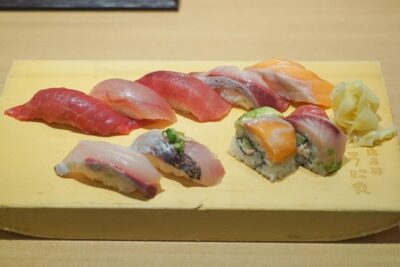 ★ 5.0Tokyo Night Foodie Tour in Shinjuku – Seasonal Sushi, Wagyu BeefFrom $1111,161 reviews
Browse the lists this tour appears in