
Reviewed · YOKOHAMA DAY TRIPS
Shuttle Van 6hr Tokyo Tour to-and-from Tokyo, Yokohama and Narita
A smooth Tokyo day starts with the right route. This shuttle van tour links downtown highlights with a practical driver-guide, so you get sightseeing without the chaos of planning everything yourself. I really like the flexible schedule (you can adjust the order and walking pace), and I also like that your group keeps control of the day with a private vehicle setup. One thing to consider: there is no full interpreter, so English is functional but not guaranteed to be as polished as a dedicated guide.
If you’re arriving for a one-day hit—especially from a cruise in Yokohama or with a later flight—this kind of transfer-style tour can feel like an upgrade. I’ve seen first-hand how the best versions of this day work when you ask early for your priorities, since lunch and pacing are planned around your needs. The big tradeoff is that it’s built around mostly free sights, so if you want more paid attractions, you may see extra entrance fees.
In This Review
- Key things to know before you go
- A driver-guide, not an interpreter: the real feel of the tour
- Price and value: $397.43 per group (up to 5 people)
- Pickup, transfers, and keeping your day from falling apart
- The practical itinerary: how the day is paced
- Tsukiji Outer Fish Market: a no-fee start that sets the tone
- Imperial East Garden: the timing gate you should watch
- Asakusa Old Town and Sensoji: old-school Tokyo in manageable form
- Shibuya Scramble Crossing: modern Tokyo’s instant hit
- Meiji Shrine: the payoff of switching to forest quiet
- Lunch is on you, but you can pre-request your ideal meal
- Accessibility and who this tour is best for
- Guides who can actually adapt: names to remember
- Customization and the entrance-fee reality check
- Should you book this Tokyo shuttle van tour?
- FAQ
- How many people are in a group?
- Is pickup included?
- How long is the tour?
- Is lunch included?
- Are the attractions free?
- What happens if Imperial East Garden is closed?
- Do you have an interpreter during the tour?
- What accessibility support is available?
- What is the cancellation policy?
Key things to know before you go
- Driver-guide setup (no interpreter): one-person operation with a guide license and conversation-level English
- Route flexibility: itinerary order and timing are adjustable if you tell the driver what you need
- Mostly free sightseeing: the standard stops are no-fee sites (with a couple of important exceptions)
- Transfer-friendly design: your time is built around getting from Tokyo, Yokohama, and Narita efficiently
- Manual wheelchair welcome: you can travel with a manual wheelchair, but not an electronic one that requires extra handling
A driver-guide, not an interpreter: the real feel of the tour
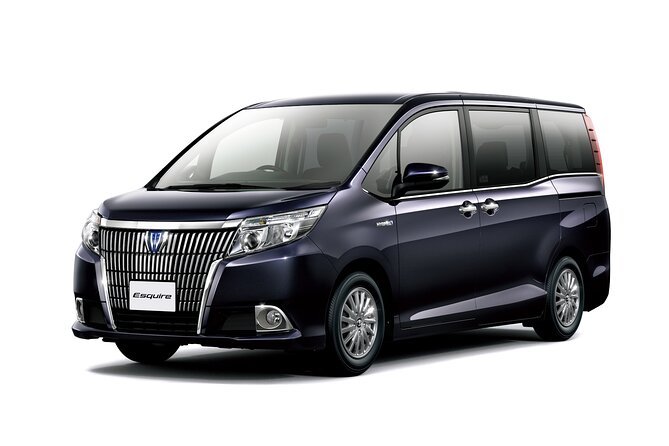
This tour is essentially a private day organized around a licensed driver-guide. It’s designed for people who want the comfort of a van and the brains of someone who knows Tokyo, without paying for a high-end private car plus a full-time interpreter team.
That means the person driving and guiding you may not speak English like a professional interpreter. The good news is that communication is meant to work at the conversation level, and the drivers are described as having deep knowledge of Tokyo. In practice, that combination usually works best when you guide the day with clear priorities: what you want to see most, how far you can walk, and what pace feels right.
Your success here comes from how you use the flexibility. If you want to shop, the driver can help you get pointed in the right direction. If you need shorter walks, they can tighten the route. And if you have family needs—like moving luggage or keeping the day light—this style of tour tends to handle it better than public transit.
I also like that you’re not stuck with a rigid script. There’s a normal itinerary, but the schedule is described as flexible, and you can adjust it to your day.
The harbour city next door, reviewed
- Narita Airport: One Way Private Transfer to Tokyo|Yokohama Hotels
★ 4.5 · 69 reviews - Tokyo/Yokohama: Mt. Fuji and Hakone Private Day Tour
★ 5.0 · 64 reviews - Tokyo: Private One-Way Transfers to/from Yokohama Port
★ 4.5 · 50 reviews - Private Car Tour to see Highlights of Kamakura, Enoshima, Yokohama from Tokyo
★ 5.0 · 48 reviews
Price and value: $397.43 per group (up to 5 people)
The price is $397.43 per group, for up to five people. That pricing structure is what makes this tour feel reasonable: you’re not paying per person for every stop.
Here’s the math so you can judge value fast:
- If you fill all five seats, it’s about $79.49 per person.
- If it’s just two people, it’s about $198.72 per person.
Compared to the most expensive private options (private vehicle plus a full interpreter team), you’re paying for a driver-guide who can handle guiding and logistics without being a full translation service. Compared to rail-and-bus DIY, you’re paying for time savings and less stress—especially on a day with airport or cruise connections.
Booking timing matters too. The tour is typically booked around 83 days in advance, which suggests it’s popular for cruise disembarkation days and flight window schedules. If you’re traveling during peak seasons or have a tight connection, earlier booking can be a smart move.
Pickup, transfers, and keeping your day from falling apart
This is called a shuttle van Tokyo tour with to-and-from coverage for Tokyo, Yokohama, and Narita. Practically, it’s designed for the exact problem most visitors face on disembarkation day: you have a limited window, you have luggage, and you still want Tokyo highlights.
A few logistical details make a difference:
- Pickup is offered, based on the combination you select.
- You’ll get the driver’s name and vehicle plate number about 3 days before the pickup day.
- The driver waits 10 minutes at the meeting point.
- You use a mobile ticket.
- The operator asks you to show the driver your booking details.
One detail people really appreciate is that it can help you avoid the all-day luggage headache. In particular, the tour experience is described as keeping luggage with you until you check in at your hotel. That can be a huge deal on a day that starts with transit and ends with an airport transfer.
Also note: the schedule is described as around 6 hours plus transfers, even though the overall duration is listed as 7 to 9 hours depending on where you’re picked up and dropped off. That means your real planning should focus on a core sightseeing window, with travel time built around it.
The practical itinerary: how the day is paced
The standard flow is built around a strong Tokyo sampler:
- Tsukiji Outer Fish Market
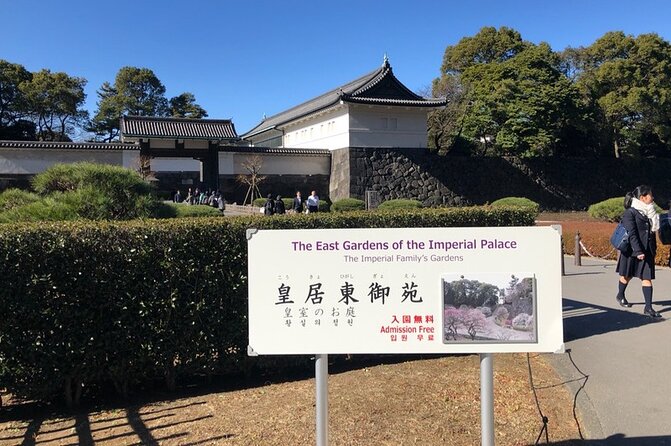
- Imperial East Garden
- Asakusa Old Town
- Lunch (excluded; requested in advance)
- Shibuya Scramble
- Meiji Shrine
- Return to your drop-off location (Tokyo, Yokohama, or Narita)
What I like about this sequence is that it mixes energy levels. You start with food-market Tokyo at Tsukiji. Then you switch to a calmer imperial-garden stop (when open). After that you move into old-street Tokyo with Asakusa, then you hit modern-speed Tokyo at Shibuya. Finally you finish with a shrine and forest feel at Meiji, which tends to cool down the day.
The tour also makes room for real-world adjustments. People who have mobility limitations mention that the driver tailored the walking pace. So if you can’t do long stretches, tell the driver early. The more specific your needs, the easier it is to keep the day comfortable.
Tsukiji Outer Fish Market: a no-fee start that sets the tone
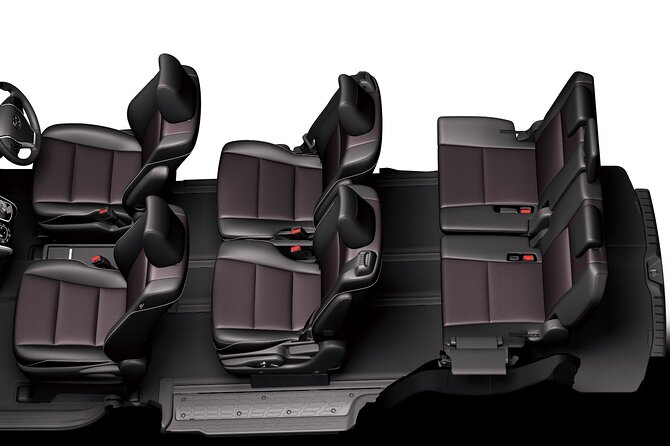
Tsukiji Outer Fish Market is one of the stops with the easiest “yes” factor. It’s described as famous for being the world’s biggest fish market historically, and today it’s the consumer-facing area. The best part for your wallet and your schedule: no entrance fee.
What you get here isn’t a single attraction you can finish in 20 minutes. It’s a whole market neighborhood experience: stalls, shopfronts, and people moving with purpose. That’s why it works well at the start of a day tour—your brain wakes up, and you’re not yet tired.
A practical tip: since this is an active area, it’s a good place to decide what kind of day you want. If you’re energized, you can spend a bit longer here. If you’re conserving energy, you can do a shorter loop and still get the flavor.
Also, because the tour is private, the driver can steer your walk path based on your pace. That matters more than you’d think when you’re trying to fit multiple neighborhoods into a single day.
- Tokyo: Shinjuku Food Tour (13 Dishes at 4 Local Eateries)★ 5.0 · 6,603 reviews
- Tokyo Mt Fuji 5th St & Hakone Cruise Bus Tour w/Bullet Train★ 4.4 · 5,024 reviews
- Flagship 2-Hours Official Street Go-Kart Tour – Tokyo Bay Shop★ 5.0 · 4,974 reviews
- From Tokyo: Mount Fuji Full-Day Sightseeing Trip★ 4.5 · 4,970 reviews
- Tokyo: Hop-On Hop-Off Sightseeing Bus Ticket★ 3.9 · 4,207 reviews
Imperial East Garden: the timing gate you should watch
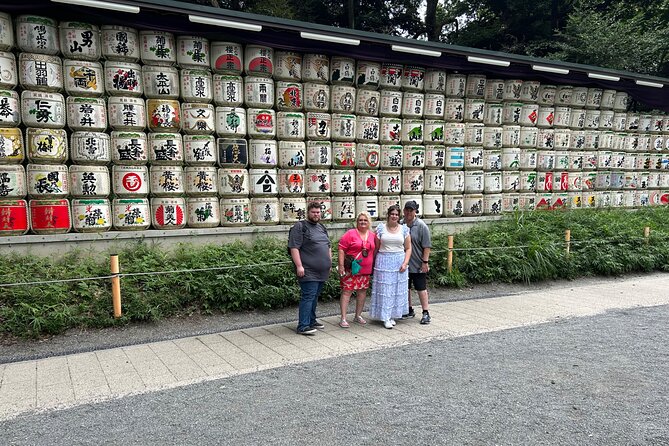
Imperial East Garden is a big-name stop, and it’s presented as a place people can visit connected to the Imperial Palace area. It’s also described as no entrance fee in the normal case.
But there are two key considerations:
- It’s closed on Monday and Friday.
- If it’s closed, alternatives are suggested: Hamarikyu Park or Shinjuku Gyoen Park, and in that scenario there can be an entrance fee (¥500 per person is mentioned for the alternatives).
This stop works because it’s a breather. After Tsukiji’s crowds and Asakusa’s old-town density, the garden reset helps you enjoy Tokyo without feeling squeezed. It can also be a gentler option for families, since the setting supports slower wandering.
Before you commit to your day, check what day you’re traveling. If your date hits the closure days, expect a different garden-style stop, and plan for the possible fee.
Asakusa Old Town and Sensoji: old-school Tokyo in manageable form

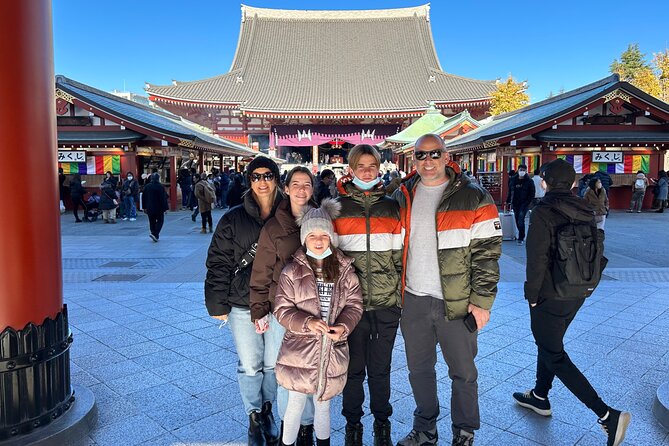
Asakusa Old Town is where Tokyo shows you its older face. This stop is described as famous for holding an old atmosphere, shopping arcades, and the Sensoji Buddhist Temple.
The temple area and the general old-town vibe are listed as no entrance fee, which is a nice way to keep costs under control. More importantly, it’s a place where you can go at different speeds. If you want quick photos and a short stroll, you can do that. If you want to browse the arcades, you can spend more time without feeling like you’re doing an all-or-nothing museum visit.
One smart way to use a driver-guide here is to ask for the best path for your group. When mobility or stroller needs come into play, skipping backtracking saves energy fast. And since the schedule is flexible, the driver can keep you moving without cutting your time too short.
Shibuya Scramble Crossing: modern Tokyo’s instant hit
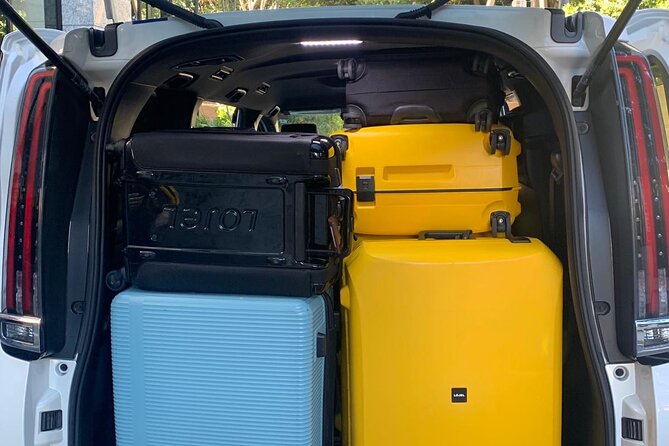
Then comes Shibuya Scramble Crossing, famous for the chaotic-but-organized crossing and the nearby loyal dog statue of Hachi. Like Tsukiji, this stop is no entrance fee and is perfect for a quick payoff: you see the global icon of Tokyo in minutes.
This stop also helps the day’s rhythm. After older neighborhoods, Shibuya makes it feel like you’re experiencing Tokyo across time periods, not just one style of city.
If you’re traveling with older family members or anyone who gets tired, keep Shibuya time tight. You can get your iconic view, take photos, and then move on without turning it into a long sit-down. Your driver-guide should be able to adjust this based on how your group is doing.
Meiji Shrine: the payoff of switching to forest quiet
Meiji Shrine is described as one of Japan’s most famous shrines, connected to the former emperor Meiji, and it’s also framed as an oasis of Tokyo with a thick forest feeling.
That forest setting is the point. It gives you a sensory contrast against the market streets and the crossing crowds. It’s also a good finishing stop because it’s easier to enjoy without needing to rush from one paid attraction to the next.
Like most of the standard stops listed, it’s presented as free to visit. So you get a major emotional payoff without extra ticket costs.
Lunch is on you, but you can pre-request your ideal meal
Lunch is not included. But the good part is that you can request a favorite menu when you book, and the operator will find a restaurant in advance.
This matters for two reasons:
- It saves time on a day when you’re moving between neighborhoods and still dealing with transfers.
- It reduces decision fatigue. When you’re tired, choosing a restaurant on the spot becomes harder.
I’d treat lunch as part of your customization. If your group has dietary needs, walking limits, or a preference for a certain kind of meal, tell the team when you book. A little specificity can make the difference between a convenient lunch and a stressful scramble.
Accessibility and who this tour is best for
This tour is written for real mobility needs. You’re welcome to use a manual wheelchair, and the route can be adjusted for walking limitations. People also specifically describe the driver as considerate about mobility constraints and keeping pace comfortable.
A clear limitation is also stated: the operator can’t handle some guests using an electronic wheelchair and who can’t move on their own. If that applies to you, confirm details in advance so the day doesn’t stall.
Other practical notes:
- Service animals are allowed.
- A child seat is available on request.
- It’s near public transportation, which helps as a backup if you want to hop out briefly—but you’re still primarily using the private van service.
This makes the tour a strong fit for:
- Small families
- Multi-generational groups
- Cruise passengers with limited time
- People who want a highlights loop without micromanaging transit
Guides who can actually adapt: names to remember
One of the best signals in these kinds of tours is adaptability, and the driver-guide performance here shows up repeatedly.
- Kim is mentioned in multiple contexts, including tailoring the pace and communication before and during the day. Kim is also linked with excellent restaurant choices and helpful photo-taking.
- Takehira is referenced as on-time, friendly, and excellent with getting to the exact places you want.
- Sudo, the chief driver, is associated with the service side and responses that clarify things like entrance-fee expectations.
The most useful takeaway: if you want the day to feel smooth, communicate your needs early and clearly. The drivers seem ready to work with you, but your priorities still need to be front and center.
Customization and the entrance-fee reality check
The standard sightseeing spots in the normal itinerary are described as free of charge. But there’s a practical warning in the information: if you customize your schedule, entrance fees may apply.
Also, even when you expect stops to be free, entry fees can depend on the exact location and day. One example is the garden alternative system tied to closure days, where entrance fees are explicitly referenced (¥500 per person for alternatives in that scenario).
So here’s my advice: treat this tour as a mostly-free highlights day, then budget a little extra for anything you swap in that’s ticketed. If you want to minimize surprises, tell the driver which paid sites you’re considering before the day begins.
Should you book this Tokyo shuttle van tour?
Book it if you want:
- A private, driver-led day with flexibility
- Tokyo highlights that work with cruise or airport timing
- A setup that can be tuned for mobility limits
- The convenience of a van without paying for a full interpreter team
Skip it (or at least question it) if:
- You need guaranteed high-level English interpretation for every stop
- You want a heavy schedule of ticketed museums and paid attractions (the core list is mostly free, and customization can add fees)
- You rely on an electronic wheelchair that needs handling beyond what’s described as manageable
If your goal is a one-day, see-a-lot Tokyo sampler with less stress, this is the kind of tour that can make that happen.
FAQ
How many people are in a group?
This is a private tour/activity with up to five people per group.
Is pickup included?
Yes. Pickup is offered, and the exact pickup and drop-off combinations affect the duration and price.
How long is the tour?
The duration is listed as 7 to 9 hours (approx.), with the note that the real tour duration is around 6 hours plus transfer.
Is lunch included?
No. Lunch is excluded. You can request your favorite menu when booking, and the operator will find a restaurant in advance.
Are the attractions free?
Most of the listed sightseeing spots are described as no entrance fee, but entrance fees may apply if you customize the schedule.
What happens if Imperial East Garden is closed?
Imperial East Garden is closed on Monday and Friday. In that case, alternatives like Hamarikyu Park or Shinjuku Gyoen Park are suggested, and an entrance fee of ¥500 per person is mentioned for the alternatives.
Do you have an interpreter during the tour?
No. There is no tour interpreter. A driver-guide (with a guide license) accompanies you, with English communication at the conversation level.
What accessibility support is available?
Manual wheelchairs are welcome. The operator notes they can’t handle some guests using an electronic wheelchair and who can’t move on their own. Service animals are allowed.
What is the cancellation policy?
You can cancel for free if you do it up to 24 hours in advance for a full refund. If you cancel less than 24 hours before the start time, the amount paid is not refunded. The experience also requires good weather; if canceled due to poor weather, you’ll be offered a different date or a full refund.
More Tours in Tokyo
- Mt Fuji and Hakone 1-Day Bus Tour Return by Bullet Train
★ 5.0 · 26,383 reviews - 1-Day Tokyo Bus Tour
★ 5.0 · 14,250 reviews - Tokyo: Shinjuku Food Tour (13 Dishes at 4 Local Eateries)
★ 5.0 · 6,603 reviews - Tokyo Mt Fuji 5th St & Hakone Cruise Bus Tour w/Bullet Train
★ 4.4 · 5,024 reviews - Flagship 2-Hours Official Street Go-Kart Tour – Tokyo Bay Shop
★ 5.0 · 4,974 reviews
More Tour Reviews in Tokyo
- Mt Fuji and Hakone 1-Day Bus Tour Return by Bullet Train
★ 5.0 · 26,383 reviews - 1-Day Tokyo Bus Tour
★ 5.0 · 14,250 reviews - Tokyo: teamLab Planets TOKYO Digital Art Museum Entry Ticket
★ 4.6 · 9,779 reviews - Mt Fuji & Hakone Cruise, Drum Show Bullet Train 1 Day from Tokyo
★ 4.0 · 7,413 reviews - Tokyo: Shinjuku Food Tour (13 Dishes at 4 Local Eateries)
★ 5.0 · 6,603 reviews
The Harbour City Next Door, Rated
- Narita Airport: One Way Private Transfer to Tokyo|Yokohama Hotels
★ 4.5 · 69 reviews - Tokyo/Yokohama: Mt. Fuji and Hakone Private Day Tour
★ 5.0 · 64 reviews - Tokyo: Private One-Way Transfers to/from Yokohama Port
★ 4.5 · 50 reviews - Private Car Tour to see Highlights of Kamakura, Enoshima, Yokohama from Tokyo
★ 5.0 · 48 reviews - Private Kamakura plus Yokohama Tour – English Speaking Driver
★ 4.5 · 28 reviews
Latest Tokyo reviews off our desk






Yokohama Day Trips, compared.
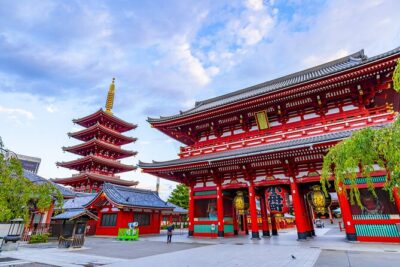 ★ 5.0Tokyo 8hr Private Tour with Licensed Guide from YokohamaFrom $20194 reviews
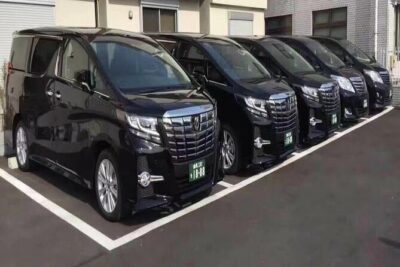 ★ 4.5Narita Airport: One Way Private Transfer to Tokyo|Yokohama HotelsFrom $7769 reviews
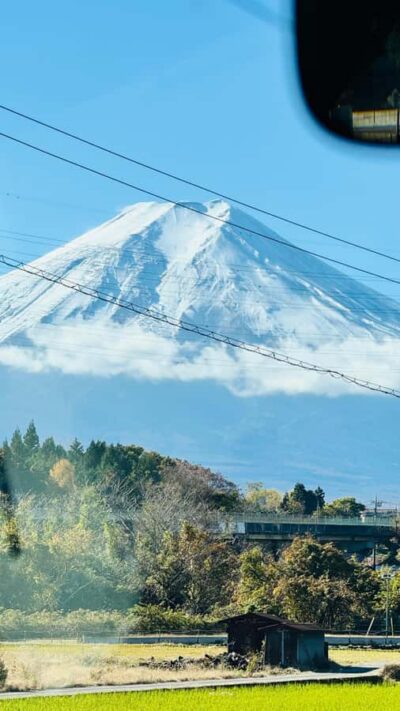 ★ 5.0Tokyo/Yokohama: Mt. Fuji and Hakone Private Day TourFrom $39264 reviews
 ★ 5.0Shuttle Van Transfer, Yokohama(Port)⇒Tokyo, Narita, Haneda, TDRFrom $12263 reviews
 ★ 5.0Yokohama Ramen Adventure From a Local Noodle Factory to HomeFrom $16560 reviews
 ★ 4.5Private One-Way Transfers to/from Yokohama PortFrom $6750 reviews
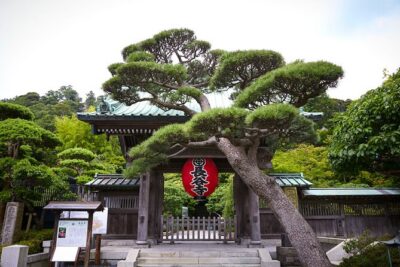 ★ 5.0Private Car Tour to see Highlights of Kamakura, Enoshima, Yokohama from TokyoFrom $1,18348 reviews
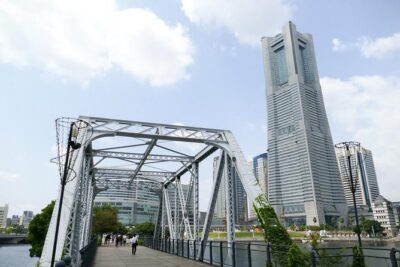 ★ 5.0Yokohama 4hr Private Tour with Government-Licensed GuideFrom $10834 reviews
Browse the lists this tour appears in