
Reviewed · MOUNT FUJI TOURS
Sightseeing Day Trip to Mount Fuji and Hakone Green Number
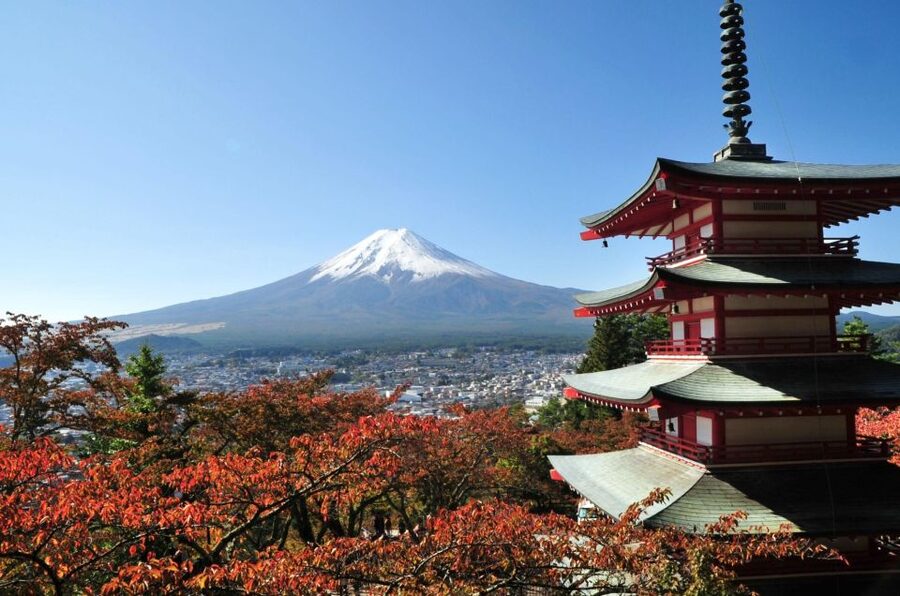
Mount Fuji in one seriously busy day. This private 10-hour trip packs famous viewpoints, ropeways, lakes, and shrines into a smooth roundtrip from Tokyo, guided by an English-speaking driver. I love how the guide plans photo spots for real conditions, and I also like the variety: one moment you’re chasing Fuji views, the next you’re gliding over Hakone’s green scenery.
The biggest thing to think about is the weather dependency around Mt. Fuji 5th Station. And yes, because you’re driving from Tokyo, traffic can steal time—so you may need a flexible mindset about how much you’ll fit in.
In This Review
- Quick hits before you go
- The $419 Private Day: value and what you’re paying for
- Choosing Your Route: Fuji plus Hakone vs Fuji-only focus
- Tokyo pickup, road time, and the weather reality at 5th Station
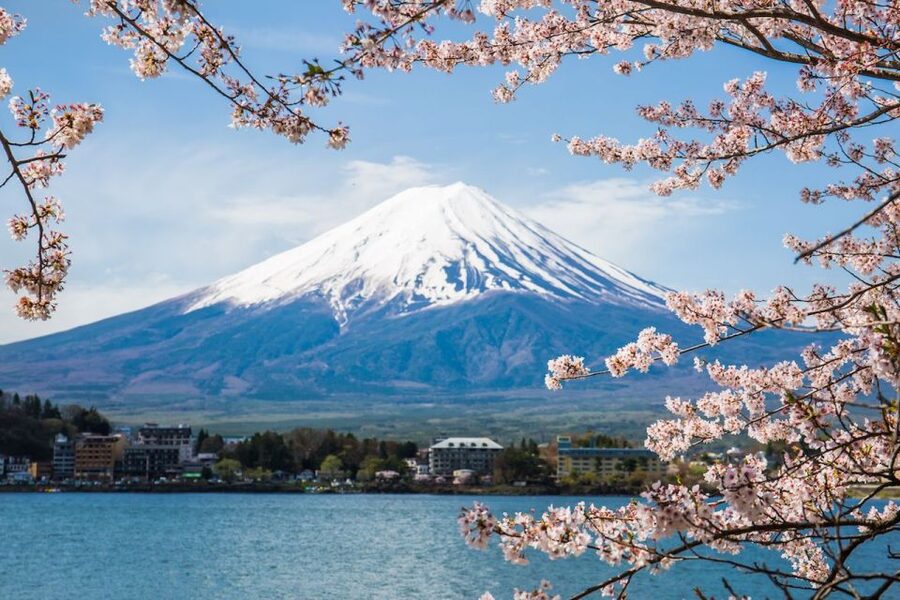
- Fuji’s “wow” circuit: 5th Station, Lake Kawaguchi, and Oshino Hakkai
- Mt. Fuji 5th Station (weather dependent)
- Lake Kawaguchi / Fujikawaguchiko
- Oshino Hakkai
- Kachi Kachi Ropeway and Sengen views: the photo stops that make the day
- Kachi Kachi Ropeway
- Sengen shrine areas: Kitaguchi Hongu Fuji Sengen and Arashiyama/Arakurayama views
- Hakone’s lakes and ropeways: Lake Ashi, Hakone Ropeway, and Wakudani
- Lake Ashi
- Hakone Ropeway
- Wakudani
- How the guide turns stops into a real experience
- Tickets and the one fee you should plan for: Mt. Fuji 5th Station
- Getting the most from this 10-hour format
- Who this tour fits best
- Should You Book This Tour?
- FAQ
- How much does the Mt. Fuji and Hakone Green Number day trip cost?
- Where does the pickup happen?
- Is the tour private?
- How long is the tour?
- What language is the guide?
- What’s included in the price?
- What isn’t included?
- Can I choose between a Fuji-and-Hakone day and a Fuji-only day?
Quick hits before you go
- Private driver-guide means less confusion and more “stop here” moments for photos and timing.
- Mt. Fuji 5th Station + Oshino Hakkai give you the classic Fuji experience, not just a drive-by.
- Two route styles: Fuji plus Hakone in one day, or a Fuji-focused day for a slower-feeling pace.
- Ropeway variety: Kachi Kachi Ropeway and Hakone Ropeway help you see the area from above.
- Lake time matters with Lake Kawaguchi, Lake Ashi, and Oishi Park on the menu.
- Green Number plates are included as part of the private transportation package.
The $419 Private Day: value and what you’re paying for
This tour costs $419 per group (up to 5 people), for a total day out lasting about 10 hours. That price is easier to swallow when you compare it to the real cost of coordinating rail connections, timed buses, and multiple transfers—especially if you want Fuji and Hakone in the same day.
You’re not just paying for a car. You’re paying for someone to make the day work: an English live guide who also drives, plus fully insured private roundtrip transportation. In practice, that means fewer “where do we stand?” moments and more time spent at the actual viewpoints.
More Fuji day trips our readers rated highly
- Mt Fuji and Hakone 1-Day Bus Tour Return by Bullet Train
★ 5.0 · 26,383 reviews - Mt Fuji & Hakone Cruise, Drum Show Bullet Train 1 Day from Tokyo
★ 4.0 · 7,413 reviews - Tokyo Mt Fuji 5th St & Hakone Cruise Bus Tour w/Bullet Train
★ 4.4 · 5,024 reviews - From Tokyo: Mount Fuji Full-Day Sightseeing Trip
★ 4.5 · 4,970 reviews
Choosing Your Route: Fuji plus Hakone vs Fuji-only focus
You get two main ways to shape your day.
Option A: Mount Fuji and Hakone together. You’ll see a mix of Fuji area icons and then shift into Hakone’s scenery—Lake Ashi, Wakudani, and Hakone’s ropeway area. This is best if it’s your first trip and you want breadth: lakes, mountains, and a different atmosphere after lunch.
Option B: Mount Fuji area only. This keeps things tighter around Fuji sights—Mt. Fuji 5th Station (weather dependent), Lake Kawaguchi, Oshino Hakkai, Oishi Park, and Sengen-shrine viewpoints. I like this route when you’d rather maximize time around Fuji rather than worry about how traffic will affect Hakone.
Either way, you can customize with additional requests if time allows. That flexibility is useful if you want a specific photo spot or a particular snack stop style (more on that soon).
Tokyo pickup, road time, and the weather reality at 5th Station
The day starts with pickup in Tokyo and ends back in Tokyo. That roundtrip format is the whole point: you don’t have to play transit planner before and after a long Fuji/Hakone day.
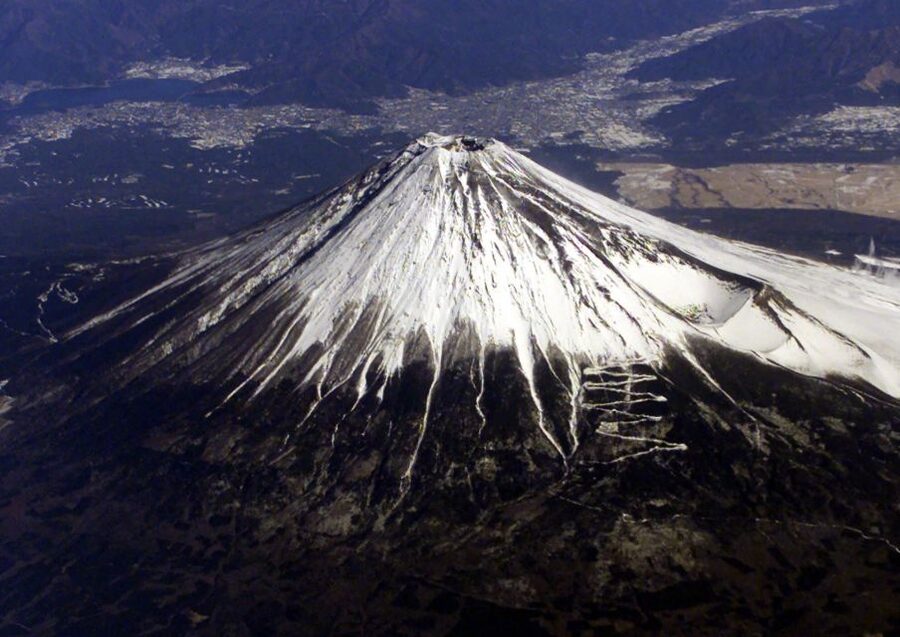
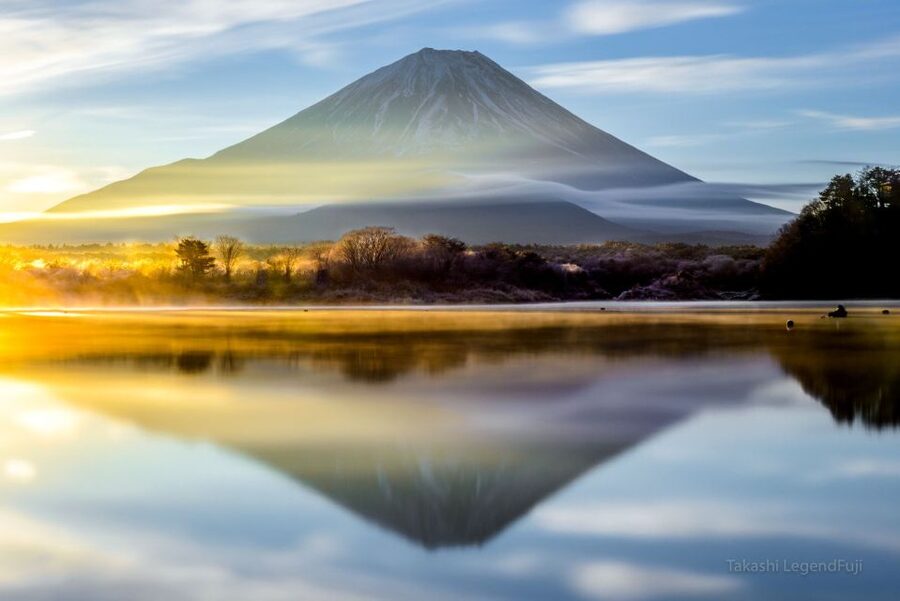
The big variable is Mt. Fuji itself. Mt. Fuji 5th Station is weather dependent, so the view may be crystal-clear or may be muted by cloud. The key is attitude: go to the station expecting the experience, not a guaranteed postcard.
Road time is also real. One departure included a long traffic slog on the way to Hakone, and that kind of delay can affect how much you fit. Your best strategy is simple: wear comfortable layers, keep your schedule flexible, and use the guide’s judgment if plans need to shift.
Fuji’s “wow” circuit: 5th Station, Lake Kawaguchi, and Oshino Hakkai
If you’re aiming for iconic Fuji, the opening stretch does the heavy lifting.
Mt. Fuji 5th Station (weather dependent)
This is the big altitude landmark people come for. Even if visibility isn’t perfect, being there gives you a sense of the mountain’s scale and the pilgrim vibe of the area. Plan for time here—your guide includes about an hour of sightseeing, but the real length can feel different depending on weather and crowds.
Other Hakone loops worth the fare
- Tokyo: Mt. Fuji Tour, Hakone Ropeway, Owakudani, Lake Ashi★ 4.7 · 4,002 reviews
- Private Tour to Mt. Fuji and Hakone (Fully Licenced Operator)★ 5.0 · 1,910 reviews
- Mt Fuji & Hakone Cruise, Drum Show Bus 1 Day from Tokyo★ 4.0 · 1,287 reviews
- From Tokyo: Mt. Fuji & Hakone Tour w/ Return by Bullet Train★ 4.2 · 1,278 reviews
- Mt Fuji and Hakone 1-Day Bus Tour Return by Bus★ 4.5 · 929 reviews
Lake Kawaguchi / Fujikawaguchiko
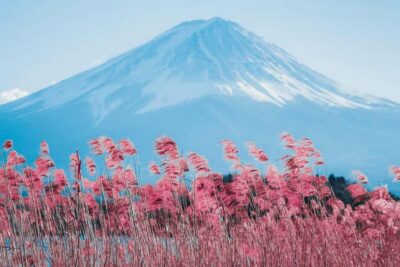
Then you move to the lake zone, where views tend to change fast with the wind and cloud cover. Expect around an hour of sightseeing here, with time to walk viewpoint areas and take photos from a calmer vantage.
One thing I appreciate about a guided format is that you’re not stuck hunting for the exact spot yourself. Guides have a knack for steering you toward places that match the light and angle they’re seeing.
Oshino Hakkai
Oshino Hakkai is where Fuji folklore and everyday reality collide in a good way. You’ll get about an hour here, which is enough time to understand what you’re looking at and still enjoy the slower pace.
This stop works well even on imperfect-weather days. It’s not only about Fuji peeking through; it’s also about the water features and the way the area is set up for an easy stroll.
Kachi Kachi Ropeway and Sengen views: the photo stops that make the day
Between lakes and shrines, the scenic viewpoint stops are what keep the day from feeling like nonstop driving.
Kachi Kachi Ropeway
This is one of the signature “get above it” moments, giving you wider angles over the surrounding region. It’s a classic way to see how everything stacks together: water, slopes, and the mountain mass.
Sengen shrine areas: Kitaguchi Hongu Fuji Sengen and Arashiyama/Arakurayama views
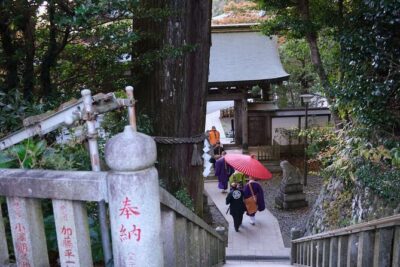
You’ll also visit Sengen shrine sites depending on your route style. The Fuji-focused day can include Kitaguchi Hongu Fuji Sengen Shrine and then a Sengen park/shrine viewpoint area like Arashiyama Sengen Shrine / Arakurayama Sengen Park.
These stops matter because they’re not only scenic. Shrines give structure to the experience—things you can read, symbols you recognize, and a sense that you’re seeing a living place, not just a photo platform. Plus, it’s a nice contrast to the ropeway and lake moments.
One practical note: these viewpoint areas are great for photos, but they can also attract crowds. A private guide helps you time your walking so you spend less time waiting for the perfect moment.
Hakone’s lakes and ropeways: Lake Ashi, Hakone Ropeway, and Wakudani
If you choose the Fuji-plus-Hakone route, the day shifts gears into that Hakone rhythm: green scenery, active geology zones, and water views.
Lake Ashi
You’ll spend about an hour around Lake Ashi, one of Hakone’s most photogenic settings. Lakeside time is valuable because it gives your eyes a break after mountain stations and shrine walks.
From a practical standpoint, Lake Ashi works because the scenery is changeable. Even when the view isn’t dramatic, the water and surrounding slopes still give you depth.
Hakone Ropeway
Next comes the Hakone Ropeway, another elevation jump that turns your view into something you can’t easily replicate from street level. Ropeways are also efficient: they move you quickly between viewpoints that would otherwise require extra walking or transit.
Wakudani
Wakudani is the geothermal stop, adding texture to the day. It’s the part of Hakone that feels more like a natural science detour—steam, earth tones, and that unmistakable active-vibe atmosphere.
This section tends to be memorable for a reason: it makes the day feel like more than just scenery. You’re witnessing how the region actually works.
How the guide turns stops into a real experience
Here’s what I think you should care about most: the guide isn’t just translating signs. They’re shaping the day.
In the past, guides for this kind of private Fuji/Hakone day have been praised for finding excellent photo spots and guiding you toward local food and small local surprises. Names that have shown up include Petteri, Zia, Israr, Mukarram, Ghazi Ali, and Hadir. If you get someone like them, you’re likely to get a day that runs smoother and feels more personal.
A couple of specific examples you might notice when you’re with a strong guide:
- They help you with the best angles, not just the famous stop.
- They often time your walking so you’re not stuck in the wrong place at the wrong moment.
- You may get in some fun side sights, like unusual roadside quirks (one guide was associated with the singing road concept) if timing works.
Also, since your guide drives, you don’t have to juggle directions while trying to enjoy the view. That’s a small thing, but after a long day it really adds up.
Tickets and the one fee you should plan for: Mt. Fuji 5th Station
Most of what you need is included: hotel pickup/drop-off, private roundtrip transportation, a private tour guide (also your driver), Green Number plates, and full insurance coverage.
What’s not included is entry tickets, and the big one is Mt. Fuji 5th Station entry (¥2,800). If you’re budgeting tightly, plan for that extra cash so it doesn’t surprise you mid-day.
Getting the most from this 10-hour format
Ten hours can feel generous—until you hit traffic, weather, or crowds. The smart move is to decide what you’d rather trade if the day gets tight.
- If Mt. Fuji visibility is your top priority, lean toward the Fuji-focused route and plan your expectations for 5th Station.
- If you want the full “water + ropeway + geothermal” arc, pick the Fuji-and-Hakone version and treat it as a scenic sampler with some driving time baked in.
Either way, bring a practical kit:
- Warm layers for elevation/weather changes.
- A camera/phone charged because the views can switch quickly.
- Comfortable shoes for walking at lake and shrine stops.
And don’t underestimate how helpful it is to have the guide decide small timing questions for you. That’s often what keeps the day enjoyable instead of exhausting.
Who this tour fits best
This is a great choice if you want a private day without the stress of transit planning. It’s especially well-suited to:
- First-timers who want Fuji icons and Hakone scenery without switching systems multiple times.
- Small groups (up to 5) who want to keep cost reasonable versus multiple taxis or rentals.
- People who care about photos and timing, since the guide can steer you to better viewing angles.
- Travelers who want English support throughout, not just at one stop.
If you love slow travel and don’t want to rush, the Fuji-only style can feel more natural. If you want variety in one long day, Fuji plus Hakone does that well.
Should You Book This Tour?
Book it if you want maximum “great sights per hour” from Tokyo, with a private guide who can help your day actually run. The value is strongest when you’re traveling in a group of up to 5 and you care about not figuring out logistics while you’re trying to enjoy Mt. Fuji and Hakone.
Skip or rethink if your whole plan depends on a perfect Mt. Fuji day. Weather can change the 5th Station experience, and traffic can shift what you fit in. If you’re the type who needs a guaranteed view at every stop, you’ll feel the pressure.
FAQ
How much does the Mt. Fuji and Hakone Green Number day trip cost?
It’s $419 per group, up to 5 people, and the total duration is about 10 hours.
Where does the pickup happen?
Pickup is in Tokyo, with hotel pickup and drop-off included.
Is the tour private?
Yes. It’s a private group tour.
How long is the tour?
The experience runs for 10 hours.
What language is the guide?
The live tour guide speaks English.
What’s included in the price?
Included are hotel pickup and drop-off, private roundtrip transportation, a private tour guide (also your driver), Green Number plates, and the tour is fully insured.
What isn’t included?
Entry tickets are not included. Mt. Fuji 5th Station entry is ¥2,800.
Can I choose between a Fuji-and-Hakone day and a Fuji-only day?
Yes. You can do a combined Mount Fuji and Hakone day trip, or focus your day trip entirely on the Mount Fuji area. You can also customize if time allows.
More Tour Reviews in Tokyo
- Mt Fuji and Hakone 1-Day Bus Tour Return by Bullet Train
★ 5.0 · 26,383 reviews - 1-Day Tokyo Bus Tour
★ 5.0 · 14,250 reviews - Tokyo: teamLab Planets TOKYO Digital Art Museum Entry Ticket
★ 4.6 · 9,779 reviews - Mt Fuji & Hakone Cruise, Drum Show Bullet Train 1 Day from Tokyo
★ 4.0 · 7,413 reviews - Tokyo: Shinjuku Food Tour (13 Dishes at 4 Local Eateries)
★ 5.0 · 6,603 reviews
Hakone, A Few More Ways
- Mt Fuji and Hakone 1-Day Bus Tour Return by Bullet Train
★ 5.0 · 26,383 reviews - Mt Fuji & Hakone Cruise, Drum Show Bullet Train 1 Day from Tokyo
★ 4.0 · 7,413 reviews - Tokyo Mt Fuji 5th St & Hakone Cruise Bus Tour w/Bullet Train
★ 4.4 · 5,024 reviews - Tokyo: Mt. Fuji Tour, Hakone Ropeway, Owakudani, Lake Ashi
★ 4.7 · 4,002 reviews - Private Tour to Mt. Fuji and Hakone (Fully Licenced Operator)
★ 5.0 · 1,910 reviews
More Mount Fuji Days We Have Reviewed
- Mt Fuji and Hakone 1-Day Bus Tour Return by Bullet Train
★ 5.0 · 26,383 reviews - Mt Fuji & Hakone Cruise, Drum Show Bullet Train 1 Day from Tokyo
★ 4.0 · 7,413 reviews - Tokyo Mt Fuji 5th St & Hakone Cruise Bus Tour w/Bullet Train
★ 4.4 · 5,024 reviews - From Tokyo: Mount Fuji Full-Day Sightseeing Trip
★ 4.5 · 4,970 reviews - Tokyo: Mt. Fuji Tour, Hakone Ropeway, Owakudani, Lake Ashi
★ 4.7 · 4,002 reviews
Latest Tokyo reviews off our desk

Mount Fuji Tours, compared.
 ★ 5.0Mt Fuji and Hakone 1-Day Bus Tour Return by Bullet TrainFrom $16326,383 reviews
 ★ 4.0Mt Fuji & Hakone Cruise, Drum Show Bullet Train 1 Day from TokyoFrom $1497,413 reviews
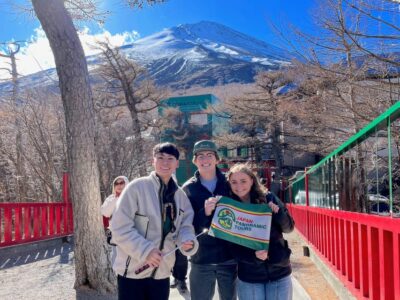 ★ 4.4Tokyo Mt Fuji 5th St & Hakone Cruise Bus Tour w/Bullet TrainFrom $1545,024 reviews
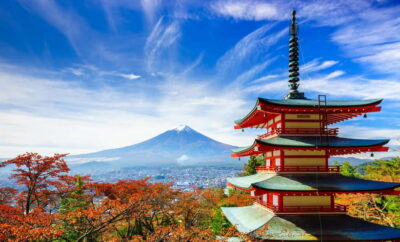 ★ 4.5From Tokyo: Mount Fuji Full-Day Sightseeing TripFrom $684,970 reviews
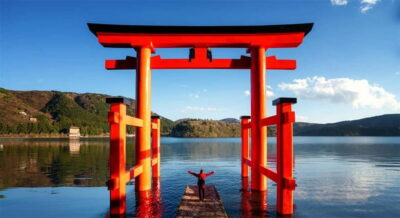 ★ 4.7Mt. Fuji Tour, Hakone Ropeway, Owakudani, Lake AshiFrom $544,002 reviews
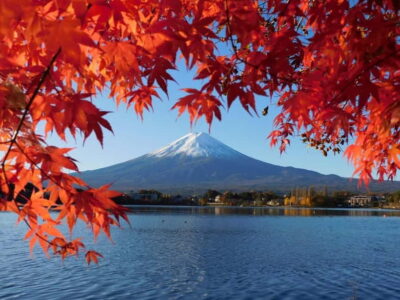 ★ 4.4Mt.Fuji,Kawaguchiko Oishi Park,Arakurayama Sengen ParkFrom $542,682 reviews
 ★ 4.2Mt. Fuji 5th Station & Hakone Cruise 1-Day Bus TourFrom $1292,381 reviews
 ★ 4.7Mt Fuji Top 5 Spots Day Tour: Arakurayama Park,Oshino HakkaiFrom $532,066 reviews
Browse the lists this tour appears in