
Reviewed · TRAIN EXPERIENCES
Snow Monkey Park and Miso Production Tour Bullet Train from Tokyo
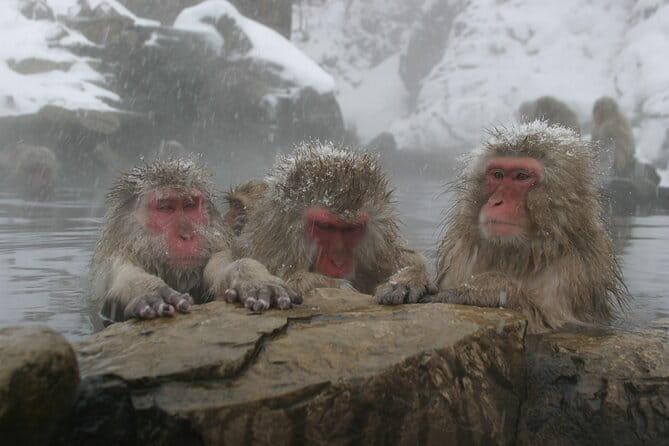
Snow monkeys and shinkansen, all in one long day. You ride the shinkansen from Tokyo, then head to Jigokudani to watch macaques soak in hot springs. The trade-off is simple: the park walk can be steep and slippery in winter, so non-slip boots matter.
I also like the way the day adds real local food culture, not just photo stops. You’ll see miso production at a traditional brewery and get time to wander Obuse for chestnuts and classic town views. If you’re expecting an effortless stroll all day, this tour is still doable—but plan on some work on your legs.
In This Review
- Quick hits for your Nagano snow monkey day
- Shinkansen day-trip setup: Tokyo City i to Nagano Station
- Stop 2 at Shioya Jozo: seeing how miso becomes real food
- Obuse-machi at your pace: Hokusai vibes and chestnut time
- Jigokudani Snow Monkey Park: the hot-spring show, plus the real walk
- The walk is the main effort
- Wild animals, no shortcuts
- What it feels like once you reach them
- Timing, group size, and guide style you can plan around
- Return to Tokyo: last leg and how to end the day right
- Price and value: is $289.91 a fair deal?
- Who this tour fits best (and who should reconsider)
- Should you book this snow monkey and miso day trip?
- FAQ
- What’s included in the tour price?
- Is lunch included?
- Do I get an English guide on the bullet train?
- Where do I meet the guide in Nagano?
- How strenuous is the walk to Jigokudani Monkey Park?
- When can I see the macaques soaking in hot springs?
Quick hits for your Nagano snow monkey day
- Round-trip shinkansen from Tokyo is included, with ordinary car reserved seating (you just follow the steps)
- English-speaking National Government Licensed Guide Interpreter runs the day—then steps back during the train ride
- Miso-making + Obuse free time gives you a second, very Japanese highlight beyond the monkeys
- Jigokudani is altitude-focused (about 850 meters), so expect cooler temps and possible icy paths
- Hot-spring monkey viewing runs through about March and can still depend on weather and timing
Shinkansen day-trip setup: Tokyo City i to Nagano Station
This tour starts early and stays structured, which is a big deal on a long day outside Tokyo. Your pickup point is Tokyo City i, inside KITTE JP Tower (B1F, Marunouchi). You’ll pick up your tickets there on your own, starting 3 days before the departure date through the day before (business days only). Same-day pickup isn’t available, so don’t gamble with last-minute plans.
On tour morning, you’ll make your own way to Tokyo Station. Then you’ll take the Hokuriku Shinkansen to Nagano in ordinary car reserved seating. One key point: there’s no accompanying guide interpreter while you’re on the shinkansen. That’s not a problem if you’re comfortable following signs and instructions, but it does mean you should keep your plan for platform and car number straightforward.
Once you arrive in Nagano, the guide meets you at Nagano Station Concourse (2nd floor), in front of the Nagano City Tourist Information Center, holding a JTB Sunrise Tours sign. The group departs at 10:00 AM, with the meeting time set for 9:50 AM.
The practical value here is time. Nagano is far enough that doing this DIY can eat your whole day—especially if you’re juggling train transfers. The shinkansen portion removes a big chunk of friction.
Readers also shortlisted these Tokyo bookings:
- From Tokyo: Private Tour Snow Monkey Park & Zenko-ji Temple
★ 4.7 · 184 reviews - Tokyo: Snow Monkey Park and Zenkoji Temple Private Day Tour
★ 4.7 · 127 reviews - Nagano Snow Monkey 1 Day Tour with Beef Sukiyaki Lunch from Tokyo
★ 4.5 · 123 reviews - Nagano Tokyo: Snow Monkey Private Day Tour Hotel Pick & Drop
★ 4.7 · 84 reviews
Stop 2 at Shioya Jozo: seeing how miso becomes real food
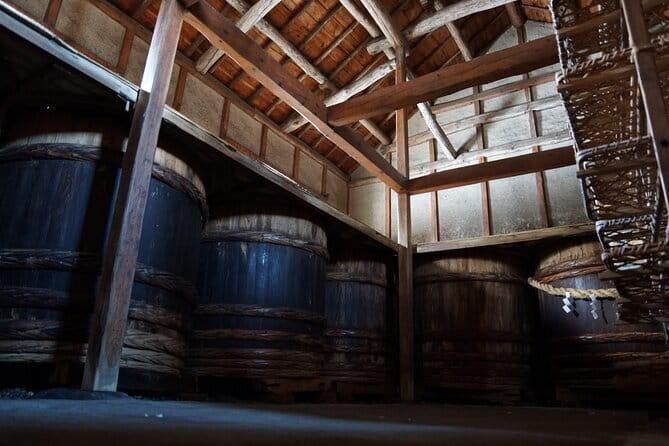
At the miso stop, you’re not just tasting an ingredient—you’re watching how it’s made. The tour takes you to 塩屋醸造 (Shioya Jozozo / Shioya Brewing) for a 40-minute visit. Miso is the backbone of miso soup and a big part of washoku, and the brewery visit is your chance to connect the dots between a jar on a shelf and the process behind it.
What I like about a miso production stop on a snow monkey day is that it breaks up the experience. If you go straight from Tokyo logistics to cold mountain scenery, the day can feel like a sprint. Here, you switch gears into something slow and traditional—food culture, technique, and sampling.
What to watch for during the visit: you’ll likely get a feel for why miso isn’t a single flavor. Fermentation time, ingredients, and the way each producer handles the process can change taste and intensity. Even if you don’t become a miso expert by lunchtime, you’ll walk away with better context for what you’re eating later in Japan.
A small consideration: the miso stop is short. It’s enough to get a clear picture and taste, but not enough to satisfy deep, technical curiosity. If you want “food science class,” you might leave wanting more. If you want a solid taste of culture, this works.
Obuse-machi at your pace: Hokusai vibes and chestnut time
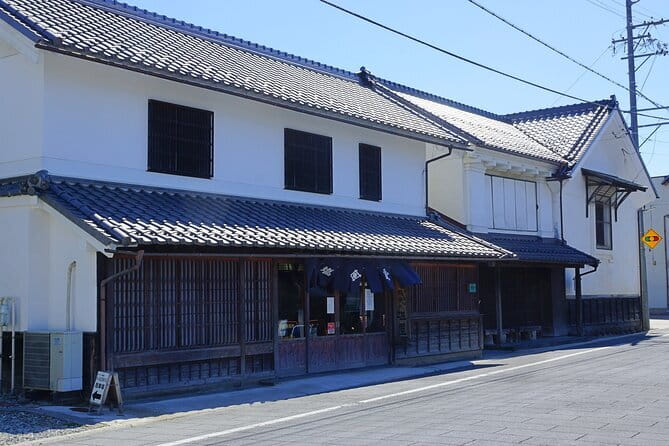
Next is Obuse-machi, with about 1 hour 20 minutes to stroll. Obuse has a strong identity tied to artist Katsushika Hokusai, who spent his later years there. Even if you’re not chasing art museums, the town feel matters: you’re walking through a traditional Japanese streetscape instead of touring inside another big site.
Obuse is also known for chestnuts. This is the part of the tour where you can let your nose lead. You’ll have time to wander, shop, and choose what to snack on. It’s a good moment to reset before the longer, colder push toward Jigokudani.
The timing is also smart. By the time you reach the snow monkey park, you’ve had a cultural stop plus a small snack break, which helps when the day turns physically demanding.
One practical note: lunch is not included. So in Obuse, decide early how you want to handle it. If you wait too long, your best choices can be gone. I recommend you treat this as your meal planning window—pick something easy and warm, then keep your energy for the monkey walk.
Jigokudani Snow Monkey Park: the hot-spring show, plus the real walk
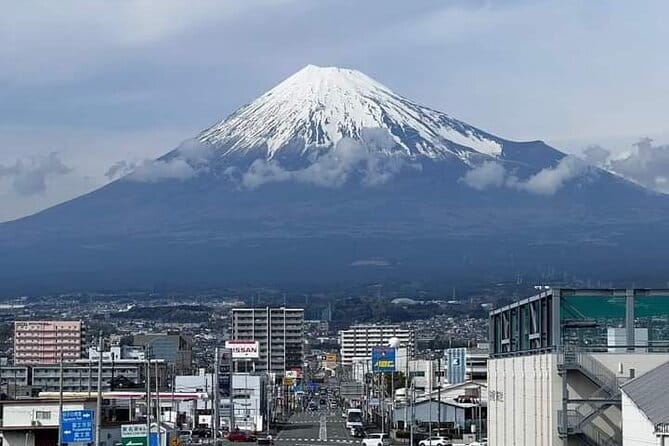
This is the headline. Jigokudani Snow Monkey Park gives you access to wild Japanese macaques up close in changing seasonal scenery. Your visit is 2 hours 30 minutes, and the key event is the hot spring bathing—something you can see until around March. Even in the season, viewing isn’t guaranteed. Weather and timing can affect whether you’ll see them soaking, and there are no refunds if you don’t catch the sighting.
Here’s what to know so you’re not caught off guard:
The walk is the main effort
You should plan for hard walking. The path includes about 50 minutes of walking each way between the drop-off area and the monkey area. The park sits around 850 meters above sea level, so temperatures are cooler than in the plains.
In winter, you may deal with frozen, slippery paths. The guidance is clear: wear warm clothing and winter boots or non-slip footwear. If conditions are bad enough, you might be advised to rent non-slip equipment nearby, but that would be at your cost.
This is where your comfort levels matter most. One thing I really appreciate about this tour is that it doesn’t pretend the walk is effortless. It tells you up front that the terrain is part of the experience. The reward is that the trail is through natural scenery, and you’re moving at a pace that lets you adjust when conditions change.
- Tokyo: Shinjuku Food Tour (13 Dishes at 4 Local Eateries)★ 5.0 · 6,603 reviews
- Tokyo Mt Fuji 5th St & Hakone Cruise Bus Tour w/Bullet Train★ 4.4 · 5,024 reviews
- Flagship 2-Hours Official Street Go-Kart Tour – Tokyo Bay Shop★ 5.0 · 4,974 reviews
- From Tokyo: Mount Fuji Full-Day Sightseeing Trip★ 4.5 · 4,970 reviews
- Tokyo: Hop-On Hop-Off Sightseeing Bus Ticket★ 3.9 · 4,207 reviews
Wild animals, no shortcuts
Macaques are wild, so you can’t feed or touch them. Their behavior can be unpredictable. The park can also close suddenly due to weather, seasonal conditions, or macaque activity. That’s not the tour’s fault, and it’s part of going to a real habitat instead of a theme park.
What it feels like once you reach them
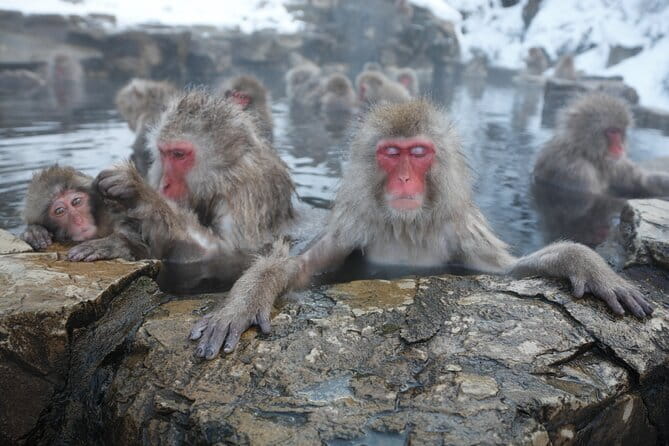
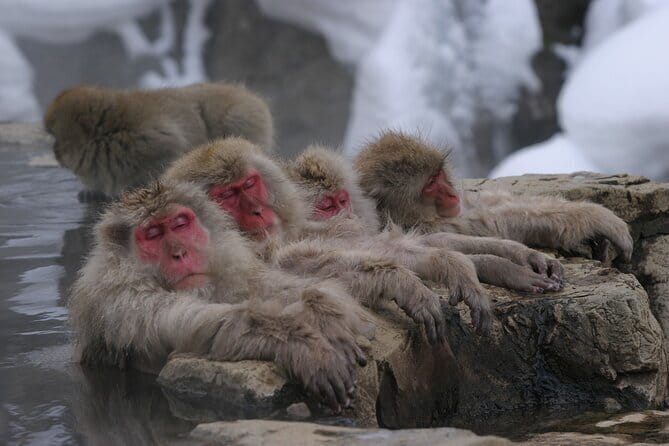
When you finally get to the hot-spring viewpoint, the setting does the work. You’ll see monkeys bathing in the hot springs, and depending on the season you might spot baby monkeys during their birth season in spring, or younger monkeys as they grow.
Even if you’ve seen snow monkeys in photos before, live viewing changes the scale. The animals look smaller than you expect until you get closer—and then you realize they’re right there, doing their own monkey routine. Bring patience for the moment when they decide to move closer to the water line.
Timing, group size, and guide style you can plan around
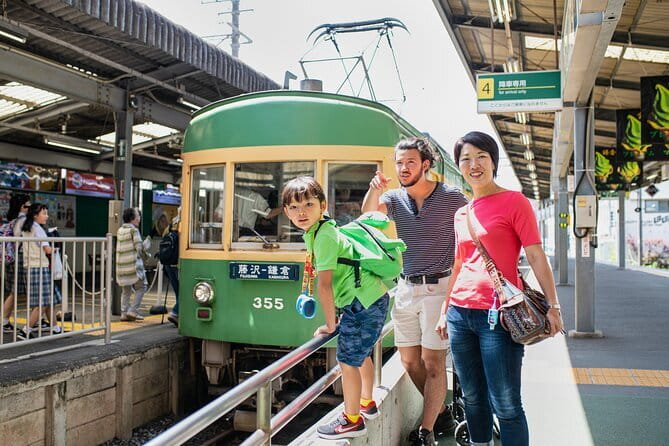
This is a full-day excursion of about 12 hours. The group size is capped at 20 travelers. That smaller scale is helpful on a day like this, because you’re waiting less and moving with more flexibility when the path gets crowded.
You’ll have a National Government Licensed Guide Interpreter to manage the day, keep you oriented, and explain what you’re seeing. In real-world experiences, guides such as Mariko and Ken have been mentioned as especially patient and helpful at keeping everyone on track. Even without those exact names, the guiding function is built into the tour: your day has an organizer, not just a timetable.
One logistics detail worth internalizing: you’ll have guide support on the ground in Nagano and around each stop, but not on the shinkansen ride. So your mental checklist should be:
- Follow instructions for where to meet the guide in Nagano
- Know your train car seating setup from the provided tickets
- Don’t expect live commentary during the train ride itself
Return to Tokyo: last leg and how to end the day right
After the monkey park visit, you’ll head back to Nagano Station. The return shinkansen to Tokyo is scheduled with ordinary car reserved seating, and then the tour ends at Tokyo Station around 8:00 PM.
This ending time matters because you’ll likely be tired. If you can, avoid booking tight evening plans right after arrival. Give yourself a buffer for getting back to your hotel or apartment.
Also remember: the instructions note that you’ll carry your own baggage, and there isn’t much space on the shinkansen. If you travel with a large suitcase, plan for practical handling at Tokyo Station.
Price and value: is $289.91 a fair deal?
At $289.91 per person for an about 12-hour day trip, the big question is what you’re buying besides the monkeys.
You’re paying for several high-value pieces bundled together:
- Round-trip shinkansen tickets from Tokyo to Nagano (often the hardest part to manage)
- A licensed English guide interpreter for the land portion of the day
- Jigokudani Monkey Park admission and other included admission fees and transportation costs
Lunch isn’t included, and you still have to work for the hike, but the overall structure reduces decision fatigue. If you’ve ever tried to coordinate shinkansen timing plus a remote nature site plus multiple stops in one day, you know how quickly costs add up—even before you spend energy.
The best way to judge value is to ask yourself what you’d otherwise do:
- If you’d go by shinkansen anyway, this tour mainly saves setup time and adds cultural stops plus organized routing.
- If you’d likely stay in Nagano only briefly or skip miso/Obuse, then this package earns its price by giving you a fuller day than just the monkey park.
Who this tour fits best (and who should reconsider)
This tour is a strong choice if you want:
- A winter-ready day trip out of Tokyo with a strong nature payoff
- A balance of food culture (miso) + town walking (Obuse) + snow monkey viewing
- Guided support in English for the parts that matter
It may be a tougher fit if:
- You have limited tolerance for steep, icy walking. The climb to Jigokudani is about 50 minutes each way, and winter footing can be risky.
- You’re traveling with small children or someone who needs special walking support. The tour notes it can’t provide special support for trouble walking or small children.
- You’re hoping for guaranteed hot-spring monkey action. You can see them until around March, but weather and timing can still affect viewing.
Should you book this snow monkey and miso day trip?
If you’re visiting Japan in winter and your schedule allows a full day out of Tokyo, I think this is the kind of tour that gives you a lot for your effort. You get the shinkansen solved, a licensed English guide handling the stops, and two cultural anchors—miso production at Shioya Jozozo and Obuse—so the day isn’t just one big photo chase.
I’d book it if:
- You can commit to warm layers and non-slip footwear
- You’re comfortable with a long day and a real walking segment
- You want a Nagano outing that feels more like local life than a single attraction
I’d hesitate if:
- Slippery paths and long uphill walking would be stressful for your group
- You need guaranteed animal viewing no matter the conditions
If your legs are ready and you’ll dress for winter, this tour is one of those “worth planning around” days in Japan—hot springs, macaques, and a taste of miso-making that you’ll actually remember.
FAQ
What’s included in the tour price?
The tour includes round-trip shinkansen tickets from Tokyo, a National Government Licensed English Guide Interpreter, Jigokudani Monkey Park admission, and other admission fees and transportation costs listed as included.
Is lunch included?
No. Lunch is not included, and you’ll need to pay for it yourself.
Do I get an English guide on the bullet train?
Not during the shinkansen ride between Tokyo and Nagano. The itinerary specifies there is no accompanying guide interpreter while on board the shinkansen.
Where do I meet the guide in Nagano?
Meet the guide holding a JTB Sunrise Tours sign at Nagano Station Concourse (2nd floor), in front of the Nagano City Tourist Information Center, by 9:50 AM.
How strenuous is the walk to Jigokudani Monkey Park?
It’s described as a hard walking tour with about 50 minutes of walking each way. The park is about 850 meters above sea level, and in winter the path may be frozen and slippery.
When can I see the macaques soaking in hot springs?
The sight of monkeys soaking in hot springs can be seen until around March, but it may also vary depending on weather and time. There are no refunds if you don’t see it for that reason.
More Winter Activities in Tokyo
- From Tokyo: Private Tour Snow Monkey Park & Zenko-ji Temple
★ 4.7 · 184 reviews - Tokyo: Snow Monkey Park and Zenkoji Temple Private Day Tour
★ 4.7 · 127 reviews - Nagano Snow Monkey 1 Day Tour with Beef Sukiyaki Lunch from Tokyo
★ 4.5 · 123 reviews - Nagano Tokyo: Snow Monkey Private Day Tour Hotel Pick & Drop
★ 4.7 · 84 reviews - From Tokyo/Nagano: Luxury Snow Monkey Private Full-Day Tour
★ 4.9 · 82 reviews
More Tours in Tokyo
- Mt Fuji and Hakone 1-Day Bus Tour Return by Bullet Train
★ 5.0 · 26,383 reviews - 1-Day Tokyo Bus Tour
★ 5.0 · 14,250 reviews - Tokyo: Shinjuku Food Tour (13 Dishes at 4 Local Eateries)
★ 5.0 · 6,603 reviews - Tokyo Mt Fuji 5th St & Hakone Cruise Bus Tour w/Bullet Train
★ 4.4 · 5,024 reviews - Flagship 2-Hours Official Street Go-Kart Tour – Tokyo Bay Shop
★ 5.0 · 4,974 reviews
More Tour Reviews in Tokyo
- Mt Fuji and Hakone 1-Day Bus Tour Return by Bullet Train
★ 5.0 · 26,383 reviews - 1-Day Tokyo Bus Tour
★ 5.0 · 14,250 reviews - Tokyo: teamLab Planets TOKYO Digital Art Museum Entry Ticket
★ 4.6 · 9,779 reviews - Mt Fuji & Hakone Cruise, Drum Show Bullet Train 1 Day from Tokyo
★ 4.0 · 7,413 reviews - Tokyo: Shinjuku Food Tour (13 Dishes at 4 Local Eateries)
★ 5.0 · 6,603 reviews
Latest Tokyo reviews off our desk






Train Experiences, compared.
 ★ 5.0Mt Fuji and Hakone 1-Day Bus Tour Return by Bullet TrainFrom $16326,383 reviews
 ★ 4.0Mt Fuji & Hakone Cruise, Drum Show Bullet Train 1 Day from TokyoFrom $1497,413 reviews
 ★ 4.4Tokyo Mt Fuji 5th St & Hakone Cruise Bus Tour w/Bullet TrainFrom $1545,024 reviews
 ★ 4.2From Tokyo: Mt. Fuji & Hakone Tour w/ Return by Bullet TrainFrom $1171,278 reviews
 ★ 4.0From Tokyo 1-Day Kyoto English-guided Tour by Bullet TrainFrom $452376 reviews
 ★ 4.0Mt. Fuji and Hakone Day Trip From Tokyo with Bullet Train OptionFrom $97368 reviews
 ★ 4.5Mt. Fuji & Hakone Bus Tour Bullet Train Return & 28-Hotel Pick-upFrom $145107 reviews
 ★ 4.4Hakone: Train Pass with Unlimited Rides & Activity DiscountsFrom $45102 reviews
Browse the lists this tour appears in