
Reviewed · SHINJUKU FOOD & BAR TOURS
Takoyaki cooking experience in Kabukicho, Shinjuku
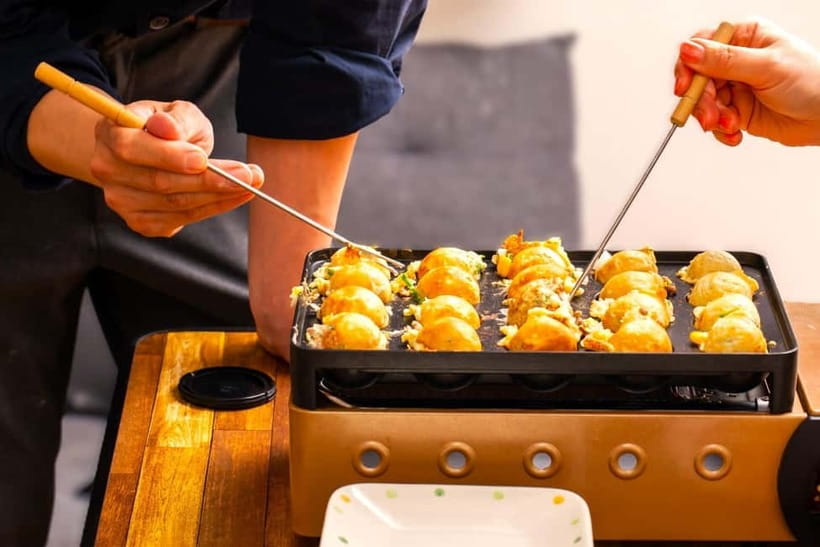
Hot takoyaki tastes better when you make it. In Kabukicho, Shinjuku, you’ll learn how takoyaki is grilled into its round shape, then eat it piping hot right after.
I like the hands-on griddle time—you’re not just watching from the sidelines. And I really value that the instruction is practical and friendly, with guides like Chihiro and Shuma helping people nail the right technique and toppings.
One drawback to know up front: this experience isn’t suitable for gluten intolerance, and children under 4 aren’t accepted.
In This Review
- Key takeaways before you go
- Takoyaki 101: What You’re Cooking in Shinjuku
- Finding your way in Kabukicho (and why the spot works)
- The 1-hour class flow: from first batter pour to final bites
- How the instructors help you get it right (even with language gaps)
- Toppings and sauce: where Japanese street food becomes personal
- Food quality: what you’re really tasting
- Price and value: why $25 makes sense here
- Who should book this takoyaki class in Shinjuku
- Practical tips for a smoother cooking experience
- Should you book this takoyaki class in Kabukicho?
- FAQ
- How long is the takoyaki cooking experience?
- How much does it cost, and what’s included?
- Is it suitable for children?
- Are drinks included?
- What languages are used during the class?
- What about gluten intolerance?
- How many people are in each group?
- Where do I meet the group in Kabukicho?
Key takeaways before you go
- You cook and eat takoyaki yourself, ending right when you finish your meal
- Small group (up to 6) means you’re more likely to get direct help while cooking
- English and Japanese instruction, with translation support if needed
- Toppings are part of the fun: bonito flakes, aonori, sauce, and mayonnaise
- Kabukicho location is convenient for Shinjuku, and it’s close to major photo stops like Godzilla
- Kid-friendly for older children—but not for kids under 4
Takoyaki 101: What You’re Cooking in Shinjuku
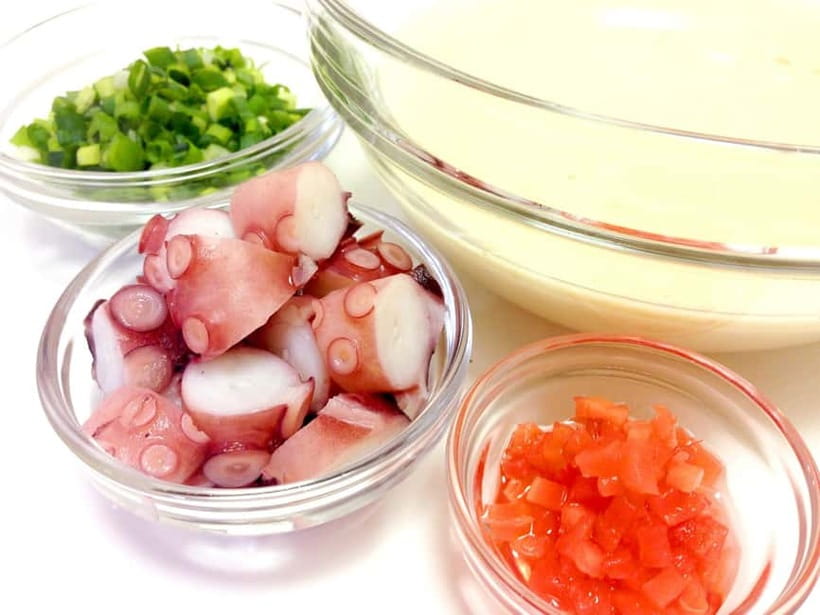
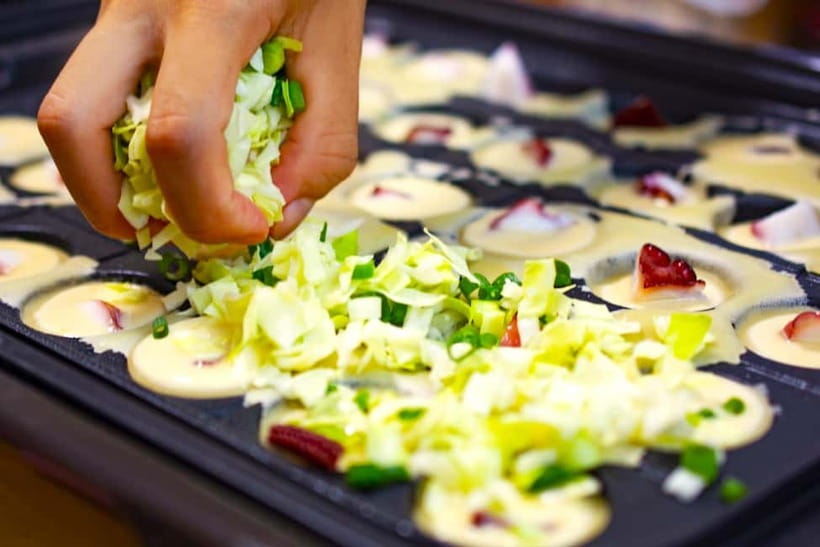
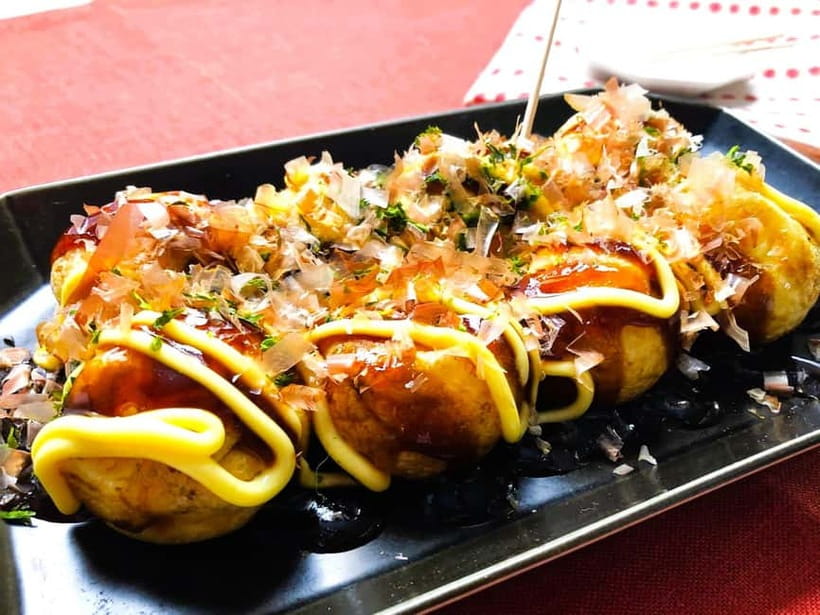
Takoyaki are often called Japanese soul food for a reason: they’re easy to grab, fun to eat, and seriously good hot. The basic method is simple. Flour batter is poured into a round hole on a griddle, chopped octopus goes inside, and the batter cooks until it forms a crisp-edged ball with a soft center.
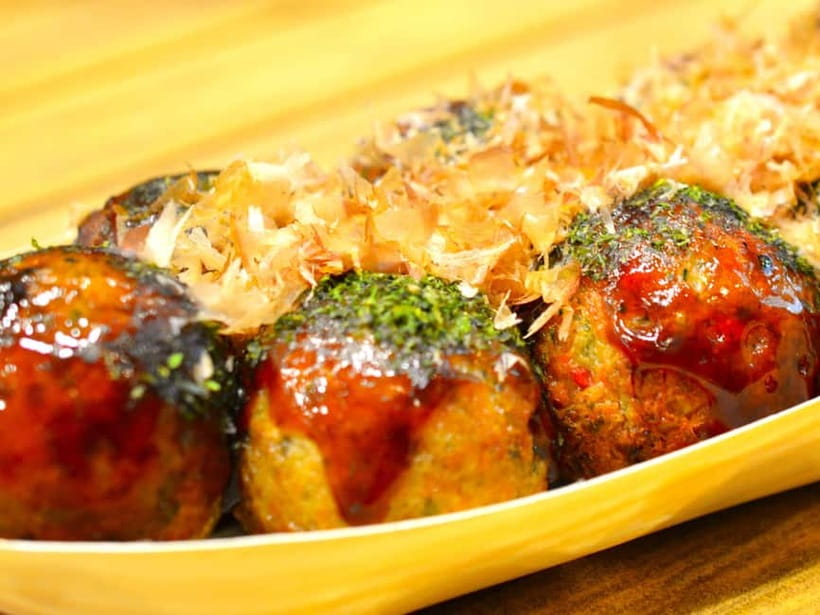
Here’s what you’ll be aiming for as you cook: crispy outside, fluffy inside. That contrast is what makes takoyaki addictive. Once they’re done, you plate them and build the classic topping look—often with dried bonito flakes, aonori (green laver), plus sauce and/or mayonnaise.
Also, takoyaki are designed for casual eating. They’re bite-sized, they cool fast enough to enjoy, and they pair naturally with drinks—especially beer—so the whole meal feels relaxed rather than formal.
More Shinjuku plates and pours our readers rated
- Tokyo: Shinjuku Food Tour (13 Dishes at 4 Local Eateries)
★ 5.0 · 6,603 reviews - Tokyo Bar Hopping Tour in Shinjuku (All-You-Can-Drink + Dinner)
★ 5.0 · 3,587 reviews - Tokyo: Shinjuku Food Tour (15 Dishes and 4 Eateries)
★ 4.9 · 2,033 reviews - Best of Shinjuku: Izakaya Food Tour (4 Stops, 14+ Tastings)
★ 5.0 · 1,863 reviews
Finding your way in Kabukicho (and why the spot works)
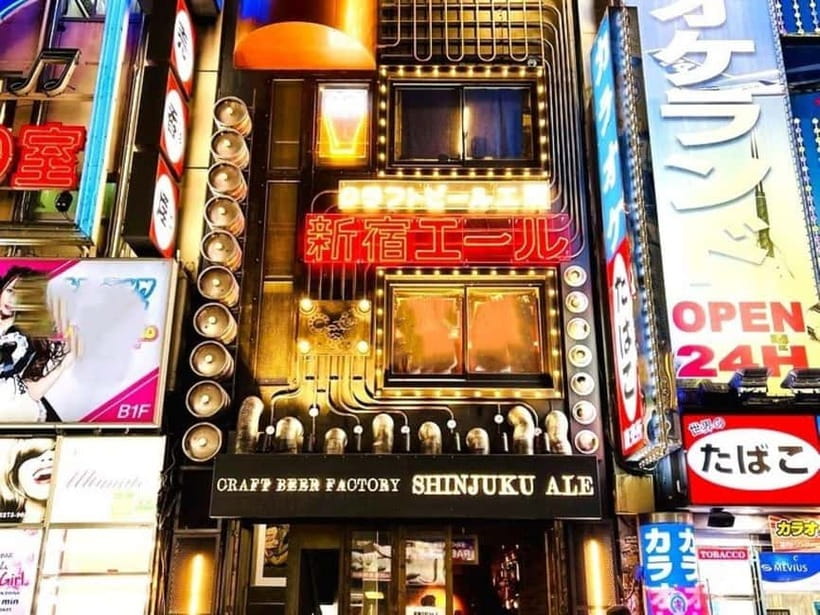
The meeting point is about 5 minutes on foot from Shinjuku Station on the JR Yamanote Line. From there, you walk along Kabukicho Central Road toward TOHO Cinemas. When you’re close to the end of that stretch, you’ll spot Shinjuku Ale next to Karaoke 747 on the right.
The exact address is: 1-14-5 Kabukicho, Shinjuku-ku, Tokyo. You can also use plus code MPV2+VR to locate it on Google.
Practical note: Kabukicho is a dense, neon-heavy pocket of Shinjuku. You don’t need to “explore”—you just need to get to the correct storefront fast. If you’re arriving during peak foot-traffic hours, give yourself a little buffer so you don’t show up stressed.
Good side effect: once you’re done, you’re in the right neighborhood for quick photos. People specifically note that the Godzilla area is very close for pictures afterward.
The 1-hour class flow: from first batter pour to final bites
This is a straightforward experience: the total time is about 1 hour, and it ends when you finish eating. That makes it ideal if you want something hands-on without losing a whole afternoon to planning.
Even if you’ve never cooked anything like this before, you’re guided step by step. Typically, the class works like this:
First, you get the basics of the equipment and how the batter behaves on a round griddle. Then you’ll move into the part that matters most: you make your own takoyaki. The round shape doesn’t happen by magic—you learn how the cooking process turns batter into a ball-like bite.
Next comes the “flip and finish” stage. If you’ve ever watched takoyaki being made, you know the turning is where confidence starts. The instructors focus on helping you get the texture right so the outside turns crisp while the inside stays tender.
Finally, you plate what you made and add toppings. The class wraps up once you’ve eaten your takoyaki meal. It’s a nice format because you don’t just learn technique—you get the payoff immediately.
How the instructors help you get it right (even with language gaps)
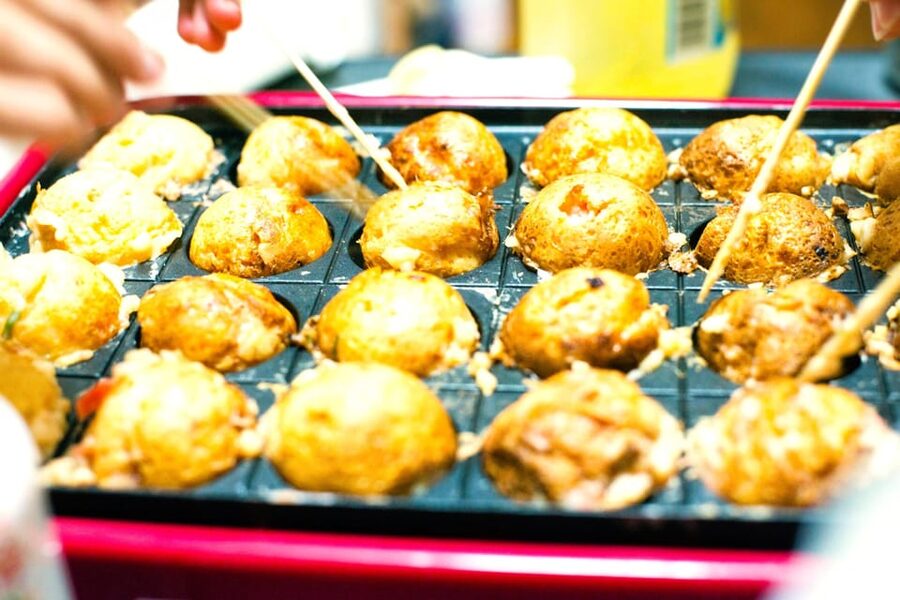
One of the biggest reasons this works for beginners is that the teaching style is hands-on and supportive. The format is small group limited to 6 participants, so it’s not you versus a grill with nobody watching.
The instruction languages are English and Japanese. If a staff member responding to you isn’t fluent in English, they use a translation machine—so you’re not left stranded.
In real terms, that means you can ask practical questions like:
- How do I know it’s cooking properly?
- What should the texture look like before flipping?
- How do I avoid overcooking the outside while keeping the inside right?
The guidance also seems to focus on making you feel comfortable while you work. Several people highlight that instructors don’t just correct you—they help you learn in a relaxed way, including chatting about culture while you cook.
Toppings and sauce: where Japanese street food becomes personal
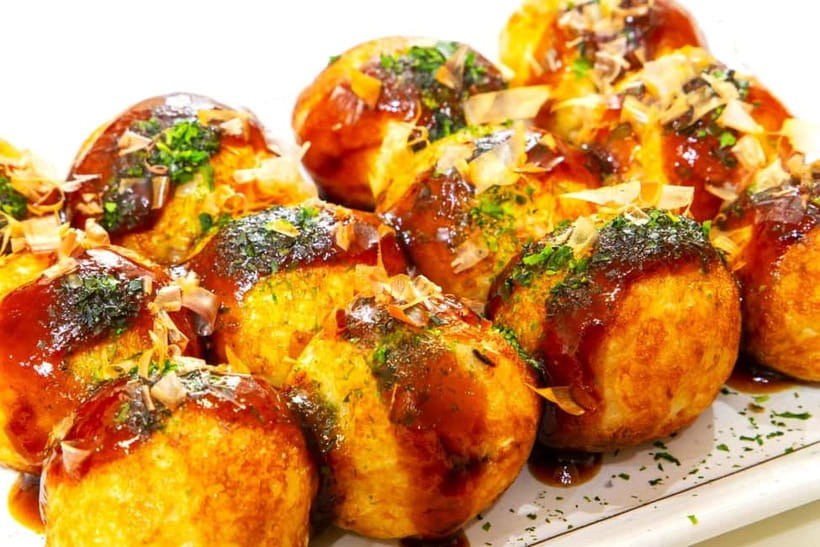
Takoyaki are often served with a mix of toppings, and you get to experience that classic build. The main options you’ll hear about include:
- Dried bonito flakes (katsuobushi)
- Aonori (green laver)
- Sauce
- Mayonnaise
These toppings aren’t random. The sauce brings sweetness and tang, mayonnaise adds creaminess, and aonori adds a salty, sea-like note. The bonito flakes add an instant burst of aroma and texture on top.
What I like about this part is that it turns into a mini customization exercise without making the class complicated. You’re still learning takoyaki technique, but you also get to make the final plate feel like yours.
And because you eat right after, the toppings stay fresh in that “just served” way.
Readers also shortlisted these Tokyo bookings:
- Ramen & Gyoza Cooking Class in Tokyo with Local Supermarket Visit★ 5.0 · 823 reviews
- Tokyo: Easy Ramen Cooking Experience in Kabukicho, Shinjuku★ 4.6 · 321 reviews
- Ramen and Sushi Cooking Class with Sake Pairing Set in Tokyo★ 5.0 · 291 reviews
- Tokyo: Wagyu and 7 Japanese Dishes Cooking Class★ 4.9 · 273 reviews
- Tokyo Washoku 4-hour Cooking Class: From Market to Table★ 5.0 · 253 reviews
Food quality: what you’re really tasting
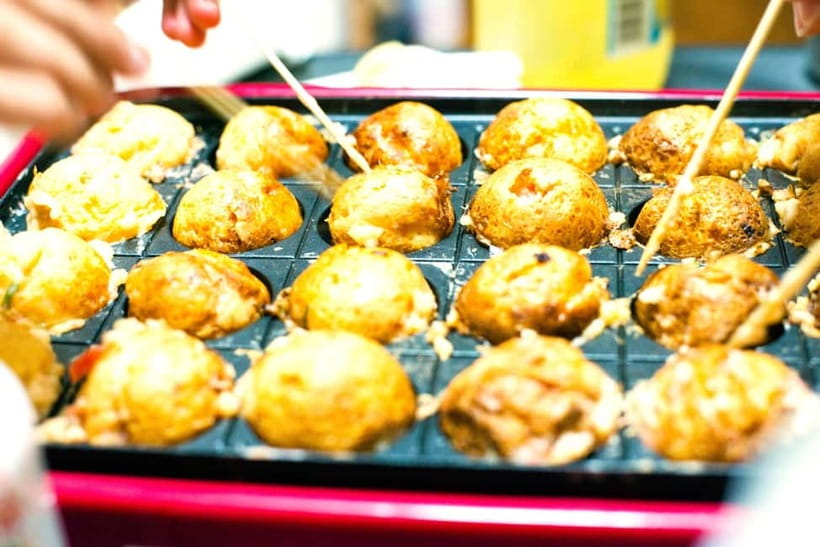
You’re paying for a cooking-and-eating experience, not a decorative meal. That matters because takoyaki are at their best when they’re hot and freshly made.
The goal is the classic bite:
- Crispy outside
- Fluffy inside
- Savory, smoky, octopus-forward flavor
Also, takoyaki are easy to eat. They don’t require a knife or fork, and they’re the kind of food that encourages you to keep going even if you’re full. It’s a great “first Japanese snack” because it’s friendly on the palate while still feeling distinct.
The octopus filling gives takoyaki its identity, but what you really notice is the batter texture once it’s cooked into that round shape. That’s why learning the process is worth it—you can compare your attempt to what you’re tasting in the same sitting.
Price and value: why $25 makes sense here
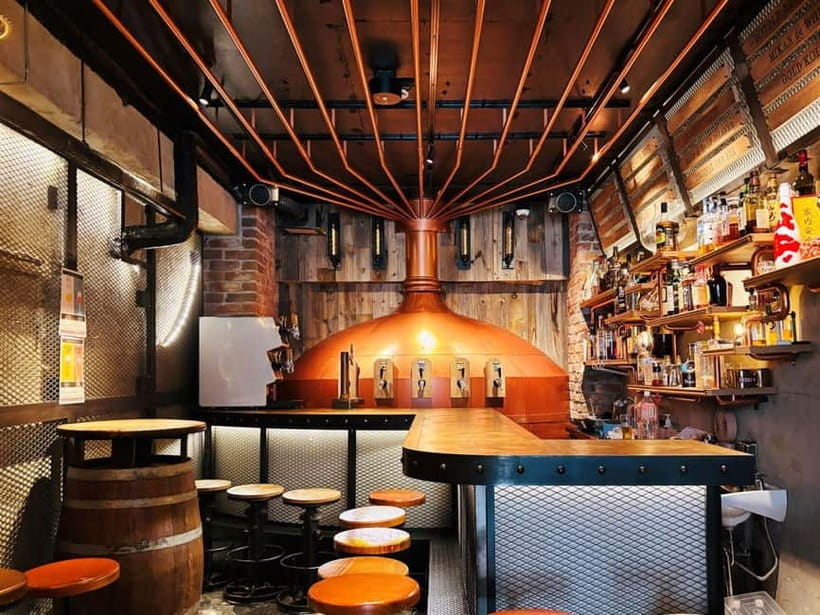
At around $25 per person for a 1-hour class with a meal included, this sits in the “small experience with a real payoff” category.
You’re paying for three things at once:
- Instruction (English/Japanese support)
- Hands-on equipment time (you’re cooking, not just eating)
- A meal made from your work
If you ate takoyaki on your own, you’d likely spend less—sure. But you wouldn’t get the technique coaching, and you’d miss the fun of making the round shape and getting the texture right.
So for many visitors, the value comes down to this: you’re not paying only for food. You’re paying to learn how it’s made, then eating immediately after while it’s at peak quality.
Also, the small group size helps with value. When there are only a few participants, you get more direct attention for the money.
Who should book this takoyaki class in Shinjuku
This experience is a great match if you want:
- A short, hands-on Japanese street food activity
- Something you can do with children old enough to participate (kids under 4 aren’t accepted)
- A welcoming experience where language support is built in
- A meal that feels like a cultural activity, not just dinner
It’s less of a match if:
- You have gluten intolerance (not suitable)
- You’re uncomfortable with hot food and cooking stations (you’ll be working around heat)
- You want a long sightseeing day—this is intentionally compact, because the point is cooking and eating within about an hour
If you’re traveling as a family, this can be an easy win. People also note the staff took good care of kids so they stay safe and comfortable while the adults cook.
Practical tips for a smoother cooking experience
A few small moves will make your class feel easier.
- Arrive a few minutes early. Kabukicho can be busy, and you’ll want time to find Shinjuku Ale next to Karaoke 747 without stress.
- Wear comfortable clothes. You’ll be near a griddle, and you’ll be focused on what you’re doing.
- Watch the instructor’s timing. Takoyaki texture depends on the cooking stage, not just the recipe.
- Be brave with toppings. Sauce, mayonnaise, bonito flakes, and aonori are part of the signature flavor and aroma.
- Ask for help early. The class is small, so it’s worth using the guidance while you’re still getting oriented.
If you care about photos: Kabukicho and the Godzilla area are close after the experience, so you can plan a quick picture stop once you’re done eating.
Should you book this takoyaki class in Kabukicho?
If your idea of a great Shinjuku night includes hands-on street food, clear instruction, and a meal you help create, I think this is a strong booking.
I’d especially recommend it to:
- First-timers who want a beginner-friendly way into Japanese cooking
- Families with kids who are over 4
- Anyone who prefers a small group experience with English support
Skip it if you need a gluten-free setup or you’re looking for a long, multi-stop itinerary. This is short on purpose: about one hour, then you eat what you cooked and you’re out.
In short: if you want to leave Shinjuku with a skill (and a warm plate of takoyaki), this is the kind of activity that feels worth the time.
FAQ
How long is the takoyaki cooking experience?
The experience lasts about 1 hour, including cooking and eating.
How much does it cost, and what’s included?
It costs about $25 per person. The included items are the takoyaki cooking experience and the meal.
Is it suitable for children?
Children under 4 years old are not suitable. The experience description also says you can enjoy cooking takoyaki with your children.
Are drinks included?
Bottled drinks are not included. The experience includes the meal.
What languages are used during the class?
The instructor uses English and Japanese. If an instructor isn’t fluent in English, a translation machine may be used.
What about gluten intolerance?
This experience is not suitable for people with gluten intolerance.
How many people are in each group?
It’s a small group limited to 6 participants.
Where do I meet the group in Kabukicho?
Meet about 5 minutes on foot from Shinjuku Station (JR Yamanote Line). Walk along Kabukicho Central Road toward TOHO Cinemas, and look for Shinjuku Ale next to Karaoke 747 on the right. The address is 1-14-5 Kabukicho, Shinjuku-ku, Tokyo (plus code MPV2+VR).
More Cooking Classes in Tokyo
- Ramen & Gyoza Cooking Class in Tokyo with Local Supermarket Visit
★ 5.0 · 823 reviews - Tokyo: Easy Ramen Cooking Experience in Kabukicho, Shinjuku
★ 4.6 · 321 reviews - Ramen and Sushi Cooking Class with Sake Pairing Set in Tokyo
★ 5.0 · 291 reviews - Tokyo: Wagyu and 7 Japanese Dishes Cooking Class
★ 4.9 · 273 reviews - Tokyo Washoku 4-hour Cooking Class: From Market to Table
★ 5.0 · 253 reviews
More Tour Reviews in Tokyo
- Mt Fuji and Hakone 1-Day Bus Tour Return by Bullet Train
★ 5.0 · 26,383 reviews - 1-Day Tokyo Bus Tour
★ 5.0 · 14,250 reviews - Tokyo: teamLab Planets TOKYO Digital Art Museum Entry Ticket
★ 4.6 · 9,779 reviews - Mt Fuji & Hakone Cruise, Drum Show Bullet Train 1 Day from Tokyo
★ 4.0 · 7,413 reviews - Tokyo: Shinjuku Food Tour (13 Dishes at 4 Local Eateries)
★ 5.0 · 6,603 reviews
More Shinjuku Food and Drink
- Tokyo: Shinjuku Food Tour (13 Dishes at 4 Local Eateries)
★ 5.0 · 6,603 reviews - Tokyo Bar Hopping Tour in Shinjuku (All-You-Can-Drink + Dinner)
★ 5.0 · 3,587 reviews - Tokyo: Shinjuku Food Tour (15 Dishes and 4 Eateries)
★ 4.9 · 2,033 reviews - Best of Shinjuku: Izakaya Food Tour (4 Stops, 14+ Tastings)
★ 5.0 · 1,863 reviews - Tokyo: Shinjuku Local Bar and Izakaya Guided Walking Tour
★ 4.9 · 1,794 reviews
Latest Tokyo reviews off our desk






Shinjuku Food & Bar Tours, compared.
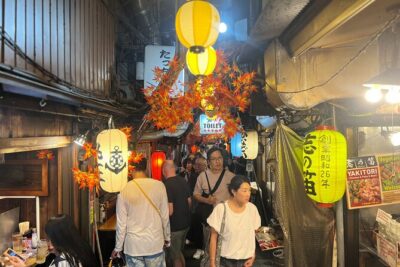 ★ 5.0Shinjuku Food Tour (13 Dishes at 4 Local Eateries)From $866,603 reviews
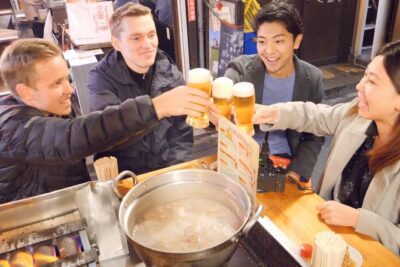 ★ 5.0Tokyo Bar Hopping Tour in Shinjuku (All-You-Can-Drink + Dinner)From $1063,587 reviews
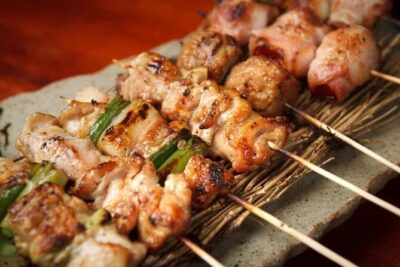 ★ 4.9Shinjuku Food Tour (15 Dishes and 4 Eateries)From $852,033 reviews
 ★ 5.0Best of Shinjuku: Izakaya Food Tour (4 Stops, 14+ Tastings)From $921,863 reviews
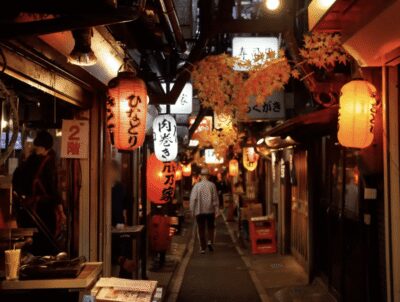 ★ 4.9Shinjuku Local Bar and Izakaya Guided Walking TourFrom $341,794 reviews
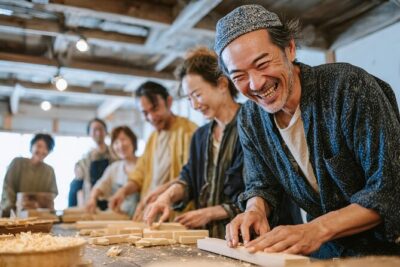 ★ 5.0Tokyo Shinjuku Chopsticks Making ClassFrom $201,763 reviews
 ★ 5.0Tokyo Shinjuku Sumo Show & Experience with PhotoFrom $791,750 reviews
 ★ 5.0Tokyo Night Foodie Tour in Shinjuku – Seasonal Sushi, Wagyu BeefFrom $1111,161 reviews
Browse the lists this tour appears in