
Reviewed · MOUNT FUJI TOURS
Tokyo: 2-Day Mt. Fuji, Kamakura and Izu Hot Springs Tour
One of Japan’s best two-day loops starts with Fuji clouds. This tour threads together Mt. Fuji views, Hakone volcanic sights, and a proper onsen night in Izu, then finishes with classic coastal stops like Enoshima and historic Kamakura. If you get a smooth guide day, it feels relaxed even with lots of moving parts.
I especially like the way the itinerary sets up the big moments in layers: Fuji first (either Fifth Station or a winter viewing alternative), then Owakudani and Lake Ashi in Hakone, where the scenery shifts from steam vents to calm water. I also like that your night is at Izu Shuzenji Onsen Hotel with an onsen soak plus a kaiseki dinner, so you’re not just traveling around Japan’s highlights without any payoff at the end of the day.
One drawback to keep in mind is guide quality and pacing can vary. In one set of experiences, a guide named Wan made the trip feel stress free and well explained, while another guide named Jason struggled with English and didn’t provide much context, which matters a lot when you’re bouncing between volcanic sites and historic towns.
In This Review
- Key highlights you’ll actually feel
- How this 2-day route works (and why it’s a smart value)
- Mount Fuji: Fifth Station in good months, park views in winter
- Owakudani and the black-egg ritual
- Lake Ashi cruise: where the day slows down on purpose
- Izu Shuzenji onsen hotel: the best part to protect your energy for
- Day 2 starts easy: Shuzenji onsen street atmosphere
- Mt. Omuro and Enoshima: views plus coastline variety
- Kamakura: Enoden ride and heritage walking
- Transportation and comfort: what to plan for during long days
- Room and meal setup: what you should know before you go
- What the tour includes (and what it leaves out)
- Guide language can change your experience more than you’d think
- Should you book this Mt. Fuji, Izu onsen, and Kamakura tour?
- FAQ
- What’s included in the $295 per person price?
- Are admission tickets included?
- What does the Mount Fuji stop include?
- Do I get to do the onsen and eat dinner at the hotel?
- What happens for breakfast at the hotel?
- Is lunch included?
- Is the Enoden train ride included for Kamakura?
- What if weather or road conditions are bad?
Key highlights you’ll actually feel
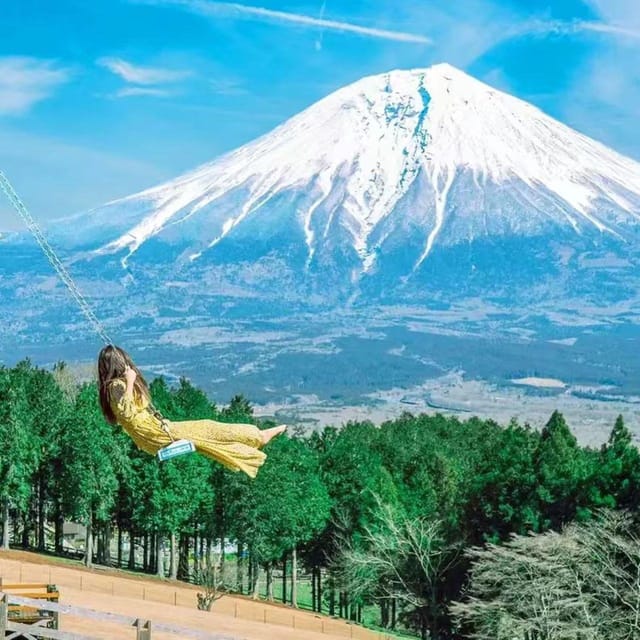
- Mt. Fuji access by season: Fifth Station in warmer months, Nishinomiya-yama Shinshu Park in winter.
- Hakone’s two-part wow: Owakudani volcanic valley views and Lake Ashi cruise time for calmer photo moments.
- An onsen hotel night, not a random stop: soak time plus kaiseki dinner at Izu Shuzenji Onsen Hotel.
- Enoshima + Omuro combo: a hike up Omuro for views, then Enoshima for sea air and postcard angles.
- Kamakura on the coast: a ride on the historic Enoden and a walk through the town’s heritage vibe.
- Group logistics you should plan for: one luggage piece per person, and English explanations may depend on the guide and day.
How this 2-day route works (and why it’s a smart value)
At $295 per person for a 2-day package, this tour is really about bundling transportation, guiding, and one hotel night with dinner and breakfast. That’s the value part. You’re not paying à la carte for each segment while also managing the train transfers yourself.
The rhythm is also practical. Day 1 is built around geology and drama: Fuji first, then Hakone’s volcanic valley at Owakudani, then the serene contrast of Lake Ashi. Day 2 swaps the heavy scenery for coastal and historic atmosphere: Shuzenji street vibes, Omuro views, Enoshima by the water, and finishing in Kamakura.
One more practical point: this is the kind of itinerary where you’ll want to be flexible. Weather and road conditions can change timing and even which sights get emphasized. On a cloudy day, Fuji may be more about viewpoint attempts than a crystal-clear summit moment.
More Fuji day trips our readers rated highly
- Mt Fuji and Hakone 1-Day Bus Tour Return by Bullet Train
★ 5.0 · 26,383 reviews - Mt Fuji & Hakone Cruise, Drum Show Bullet Train 1 Day from Tokyo
★ 4.0 · 7,413 reviews - Tokyo Mt Fuji 5th St & Hakone Cruise Bus Tour w/Bullet Train
★ 4.4 · 5,024 reviews - From Tokyo: Mount Fuji Full-Day Sightseeing Trip
★ 4.5 · 4,970 reviews
Mount Fuji: Fifth Station in good months, park views in winter
Mt. Fuji is the headline. The tour handles the seasonal reality of visibility and access by running two different approaches.
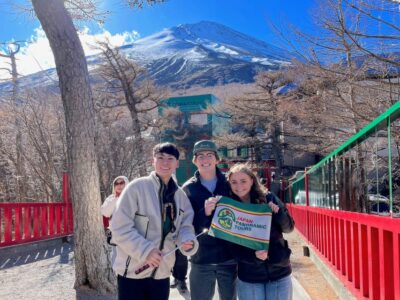
From April 26 to November 30, you’ll go up to the fifth station. That’s a huge deal for first-timers because it’s high enough for proper mountain scale, not just distant postcard angles. You’ll also have time to take in the panoramas from the station area.
From December 1 to April 25, the route switches to Nishinomiya-yama Shinshu Park instead of the fifth station. You’re still getting an outdoor Fuji-related viewpoint, but it’s a reminder that winter logistics in Japan can mean tradeoffs. If Fuji is the reason you booked, think of the winter option as “still worth it” but with a different kind of view than the classic station experience.
Tip: bring layers. Even in months when Fuji access is possible, mountain weather can shift quickly.
Owakudani and the black-egg ritual
After Fuji, the tour moves into Hakone, where the air changes. Owakudani is known for volcanic fumes and striking views over a volcanic valley formed after the eruption of Mount Hakone about 3,000 years ago. This is the kind of place that makes you understand why onsen culture exists here.
One of the most fun, very Japan details: you can buy eggs boiled in volcanic waters. The shells turn black due to a chemical reaction with the spring water. It’s not just a snack stop. It’s a quick way to “see the science” in a memorable, snackable form.
Cable car mention: cable car fees are not included, and on one set of experiences the optional cable car ride wasn’t offered when expected. If this matters to you, ask your guide early and be ready to pay separately.
Lake Ashi cruise: where the day slows down on purpose
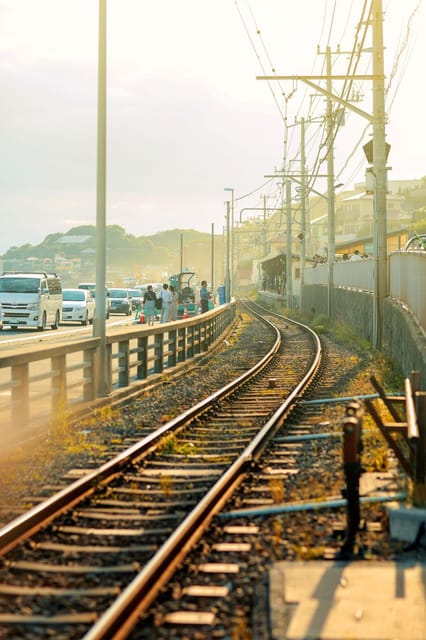
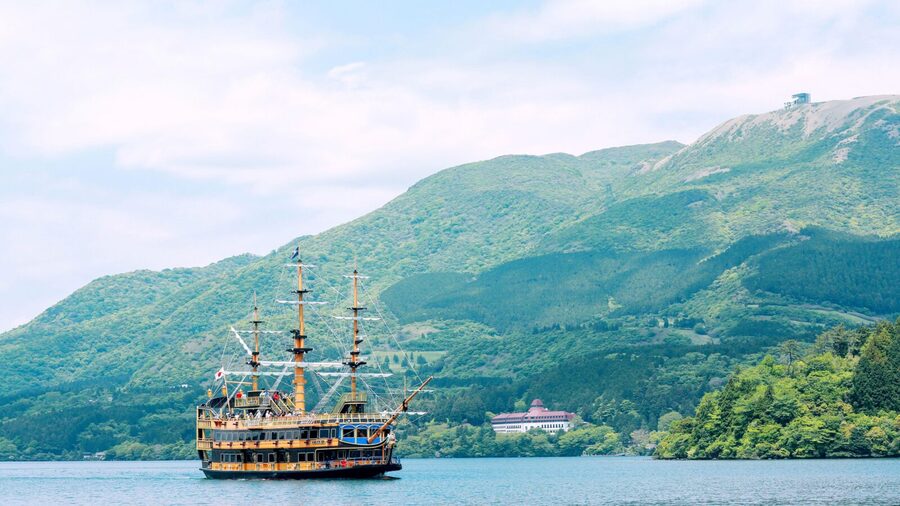
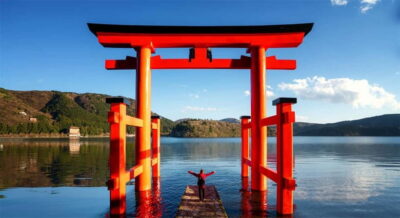
Right after the steam and sulfur intensity of Owakudani, Lake Ashi is the reset button. The lake formed after the same volcanic activity that created the Hakone region features, and it’s surrounded by mountains.
You’ll get time for a cruise. This matters because it gives you a different angle on Hakone than roadside viewpoints. It’s also a relief from constant bus time. If you care about photos, this is one of the most likely places to deliver them because you’re on the water with changing perspectives.
If the weather is rough, the cruise can still be scenic, but it might not be the crisp “poster day” you hoped for. Either way, it breaks up the long travel into something more enjoyable.
Izu Shuzenji onsen hotel: the best part to protect your energy for
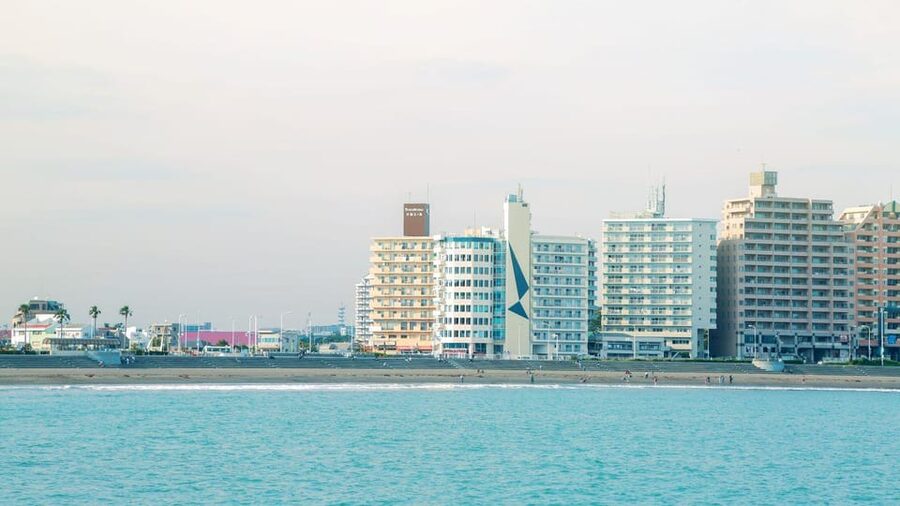
Day 1 ends at Izu Shuzenji Onsen Hotel, and this is where the tour earns goodwill. The package includes onsen access and a kaiseki dinner.
Why that matters: after two days of sightseeing legs, one solid onsen soak is the kind of payoff that makes the whole itinerary feel worth it. Kaiseki dinner also gives you a structured introduction to local flavors, not just a generic meal stop.
In other words, you’re not only chasing sights. You’re getting the Japanese ritual component built into the schedule.
Small practical note: breakfast can be either a set Japanese-style meal or a buffet, depending on group size. Plan to keep your schedule flexible the next morning if you’re in a smaller group and the meal style is more fixed.
Coast-and-Buddha days near Kamakura, rated
- Tokyo: Mt. Fuji, Kamakura, Big Buddha, & Lake Ashi Day Trip★ 4.5 · 867 reviews
- Tokyo:Sea of Mount Fuji, Hakone Ropeway, Ōwakudani, Enoshima★ 4.9 · 84 reviews
- Kamakura 8 hr Private Walking Tour with Licensed Guide from Tokyo★ 5.0 · 80 reviews
- Tokyo: Kamakura & Enoshima Day Tour with Pickup & Train Ride★ 4.1 · 61 reviews
- Kamakura Private & Customizable Tour – All-in-One Experience★ 5.0 · 49 reviews
Day 2 starts easy: Shuzenji onsen street atmosphere
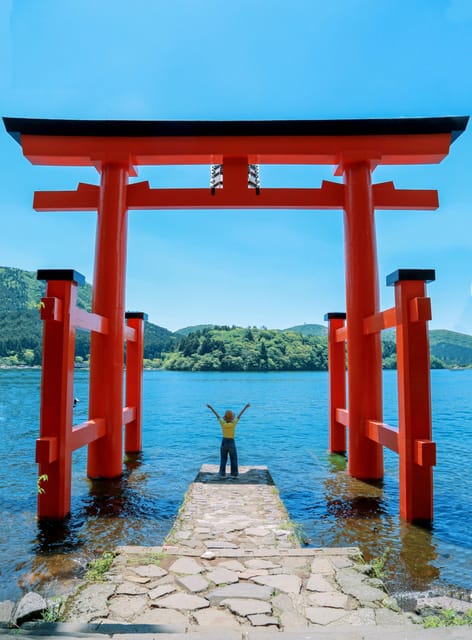
Morning begins with a stroll through Shuzenji Onsen Street. You’ll hear the sounds of nature and get a calmer start than the first day.
This is the part of the tour that helps you shift gears. Day 1 is big sights and steam vents. Day 2 is about atmosphere: older-feeling streets, quieter pacing, and time to absorb the “onsen town” mood.
If you’ve been rushing through Japan’s major hubs, this street walk can feel like a palate cleanser.
Mt. Omuro and Enoshima: views plus coastline variety
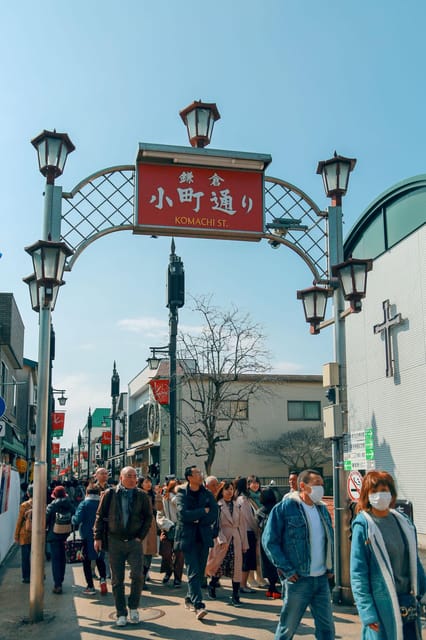
In the afternoon, the tour heads for Omuro, a distinctive peak with a hike option. You’ll get breathtaking views, and lunch is on your own here. That’s actually helpful because it gives you control. If you want something quick and local, you can pick it. If you need a sit-down meal, you can do that too.
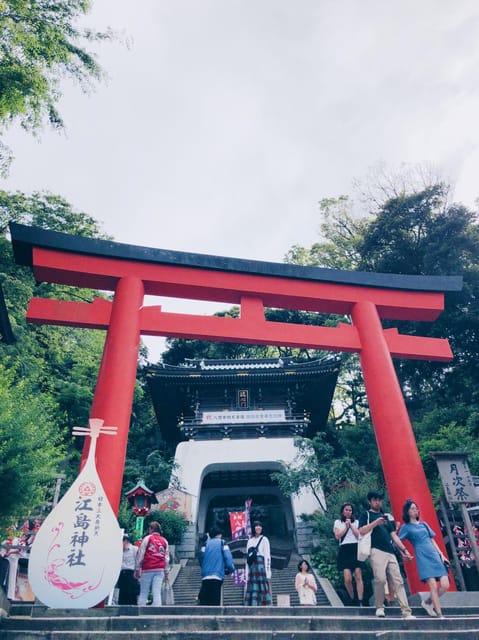
Then comes Enoshima Island, known for coastal beauty and photo-friendly spots, including the Enoshima Sea Candle. This is where the tour switches from mountain-to-volcano energy into sea-air charm.
If you like variety, this is one of the itinerary’s strengths. You’re not stuck in one type of scenery for two straight days.
Kamakura: Enoden ride and heritage walking
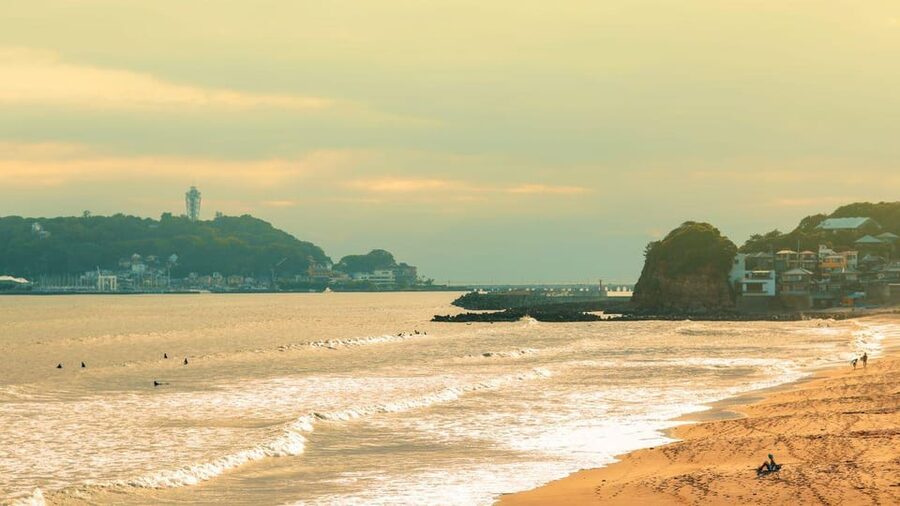
The final act is Kamakura, a coastal town with historic temples and Zen gardens. You’ll ride the historic Enoden train (fare included). Taking an old line through coastal neighborhoods is one of those small things that turns “a stop” into an experience.
The tour also includes a visit to Kamakura High School, popularized through anime and manga. That’s a niche detail, but it’s exactly the kind of cross-over stop many Japan fans like because it connects pop culture to real places.
A consideration: if you’re expecting a very specific major Kamakura landmark (like the famous Buddha), note that one set of experiences mentioned there was no stop for that. The itinerary is set up around heritage walking plus Enoden and the High School visit, so manage expectations about what gets prioritized.
Transportation and comfort: what to plan for during long days
This is a lot of ground covered in two days, so transportation comfort matters. The tour provides air-conditioned transportation and a driver/tour guide, with designated area pickup and drop-off.
Still, bus comfort can vary by vehicle and by day. One negative experience mentioned an uncomfortable bus for a two-day schedule with lots of travel time. If you’re sensitive to long rides, pack something for comfort (a small cushion, neck support, or eye mask).
Also be realistic about timing. When weather changes, the guide may adjust the itinerary and timing. That’s normal in Japan. What’s not ideal is arriving without flexibility.
Room and meal setup: what you should know before you go
Each room can accommodate 2 to 4 people. If you’re traveling solo, there’s a single supplement fee when only one person occupies the room.
For breakfast, you might get a set meal or a buffet depending on group size. Either can be fine, but it’s good to know you won’t always get the same breakfast format across days.
One more practical thing: each person is limited to one piece of luggage because of vehicle space. If you have an infant or extra bags, inform the operator in advance so the group setup doesn’t get awkward.
What the tour includes (and what it leaves out)
To understand value, separate included costs from add-ons.
Included:
- Driver/tour guide
- Air-conditioned transportation
- Designated area pickup and drop-off
- Enoshima Electric Railway fare (Enoden)
- One-night hot spring hotel stay, including onsen and meals
Not included:
- Admission tickets
- Lunch and drinks
- Cable car fees
That mix means you should budget a bit for entry tickets and on-the-go meals. It also means the package price isn’t meant to cover every little ticket cost inside each town.
If you’re the type who hates surprise payments, this is where you’ll want to check what you might pay for on arrival once the final on-day route is set.
Guide language can change your experience more than you’d think
The tour lists live guide languages as Chinese, English, and Japanese. That’s helpful.
But here’s the reality: if you want explanations while you’re at volcanic valleys, train stations, and temple towns, language matters. One experience described an English-poor day where the guide couldn’t explain details at places, which made the whole point of a guided tour feel less satisfying.
My practical advice: when you book, aim to match your language preference. And even with a shared language, ask questions early so the guide knows what you care about. If you’re excited about Fuji geology, Hakone history, or Kamakura temple culture, say so on the first day.
Should you book this Mt. Fuji, Izu onsen, and Kamakura tour?
You’ll likely enjoy this tour if:
- You want two days of major highlights without managing train transfers.
- You care about an onsen hotel night with dinner, not just quick photo stops.
- You like a mix of mountain views, volcanic sites, coastal towns, and historic atmosphere.
You might skip it (or consider a different format) if:
- You’re very dependent on detailed explanations in English and want consistent commentary.
- You need a very specific list of Kamakura sights, not just the classic heritage vibe plus Enoden and the High School stop.
- You hate schedule changes if weather is cloudy, because the route can be adjusted.
Overall, it’s a strong choice for first-time Japan travelers who want a compact “best of” loop and a real onsen payoff.
FAQ
What’s included in the $295 per person price?
The tour includes a driver/tour guide, air-conditioned transportation, designated pickup and drop-off, Enoshima Electric Railway fare, and one night at an Izu hot spring hotel with onsen and meals.
Are admission tickets included?
No. Admission tickets are not included, and you’ll pay separately for any required entry fees.
What does the Mount Fuji stop include?
Depending on the date, you’ll either visit the fifth station from April 26 to November 30, or go to Nishinomiya-yama Shinshu Park from December 1 to April 25.
Do I get to do the onsen and eat dinner at the hotel?
Yes. The one-night stay includes onsen access and a kaiseki dinner at Izu Shuzenji Onsen Hotel.
What happens for breakfast at the hotel?
Breakfast can be a set Japanese-style meal when the group is small, or a buffet when the group is larger.
Is lunch included?
No. Lunch and drinks are not included.
Is the Enoden train ride included for Kamakura?
Yes. The Enoshima Electric Railway fare (the Enoden ride) is included.
What if weather or road conditions are bad?
Your guide may adjust the itinerary and timing depending on weather and road conditions.
If you tell me your travel month and whether you prefer English explanations, I can help you decide if the Fuji seasonal option and pacing match what you’re hoping for.
More Tour Reviews in Tokyo
- Mt Fuji and Hakone 1-Day Bus Tour Return by Bullet Train
★ 5.0 · 26,383 reviews - 1-Day Tokyo Bus Tour
★ 5.0 · 14,250 reviews - Tokyo: teamLab Planets TOKYO Digital Art Museum Entry Ticket
★ 4.6 · 9,779 reviews - Mt Fuji & Hakone Cruise, Drum Show Bullet Train 1 Day from Tokyo
★ 4.0 · 7,413 reviews - Tokyo: Shinjuku Food Tour (13 Dishes at 4 Local Eateries)
★ 5.0 · 6,603 reviews
More Kamakura and Enoshima Days
- Tokyo: Mt. Fuji, Kamakura, Big Buddha, & Lake Ashi Day Trip
★ 4.5 · 867 reviews - Tokyo:Sea of Mount Fuji, Hakone Ropeway, Ōwakudani, Enoshima
★ 4.9 · 84 reviews - Kamakura 8 hr Private Walking Tour with Licensed Guide from Tokyo
★ 5.0 · 80 reviews - Tokyo: Kamakura & Enoshima Day Tour with Pickup & Train Ride
★ 4.1 · 61 reviews - Kamakura Private & Customizable Tour – All-in-One Experience
★ 5.0 · 49 reviews
More Mount Fuji Days We Have Reviewed
- Mt Fuji and Hakone 1-Day Bus Tour Return by Bullet Train
★ 5.0 · 26,383 reviews - Mt Fuji & Hakone Cruise, Drum Show Bullet Train 1 Day from Tokyo
★ 4.0 · 7,413 reviews - Tokyo Mt Fuji 5th St & Hakone Cruise Bus Tour w/Bullet Train
★ 4.4 · 5,024 reviews - From Tokyo: Mount Fuji Full-Day Sightseeing Trip
★ 4.5 · 4,970 reviews - Tokyo: Mt. Fuji Tour, Hakone Ropeway, Owakudani, Lake Ashi
★ 4.7 · 4,002 reviews
Latest Tokyo reviews off our desk






Mount Fuji Tours, compared.
 ★ 5.0Mt Fuji and Hakone 1-Day Bus Tour Return by Bullet TrainFrom $16326,383 reviews
 ★ 4.0Mt Fuji & Hakone Cruise, Drum Show Bullet Train 1 Day from TokyoFrom $1497,413 reviews
 ★ 4.4Tokyo Mt Fuji 5th St & Hakone Cruise Bus Tour w/Bullet TrainFrom $1545,024 reviews
 ★ 4.5From Tokyo: Mount Fuji Full-Day Sightseeing TripFrom $684,970 reviews
 ★ 4.7Mt. Fuji Tour, Hakone Ropeway, Owakudani, Lake AshiFrom $544,002 reviews
 ★ 4.4Mt.Fuji,Kawaguchiko Oishi Park,Arakurayama Sengen ParkFrom $542,682 reviews
 ★ 4.2Mt. Fuji 5th Station & Hakone Cruise 1-Day Bus TourFrom $1292,381 reviews
 ★ 4.7Mt Fuji Top 5 Spots Day Tour: Arakurayama Park,Oshino HakkaiFrom $532,066 reviews
Browse the lists this tour appears in