
Reviewed · KAMAKURA DAY TRIPS
Kamakura 8 hr Private Walking Tour with Licensed Guide from Tokyo
Kamakura rewards a smart plan. This 8-hour private walking tour from Tokyo hits the biggest sights with real guidance, from Kotoku-in’s Great Buddha to the ocean views at Hasedera, and guides like Taka and Kenji are known for shaping the day around your interests. Two things I especially like: the itinerary is genuinely customizable, and you get the practical “how to move” help on public transport so you’re not wrestling the system all day. One drawback to weigh: most temple admissions aren’t included, so your final spend depends on which sites you choose.
The vibe is classic Kamakura—shrines, big Buddhist statuary, quiet Zen halls, bamboo, snack stops, and a sea breeze—rolled into a single day. You’ll meet your licensed English-speaking guide in Tokyo (pickup is on foot, within a designated area), then ride public transportation while travel time counts inside the 8 hours. It’s not a casual stroll; it’s a full day of walking and stops, and it works best if you go in with comfortable shoes and a flexible attitude.
In This Review
- Key things I’d bet on
- Why Kamakura feels like a real day trip, not just a checklist
- Price and logistics: what you’re really paying for
- Starting with Tsurugaoka Hachimangu: the samurai heartbeat
- Kotoku-in’s Great Buddha: 11.4 meters of wow
- Hasedera’s ocean views and the Kannon connection
- Choosing between Zen classics and hydrangea-season beauty
- Hokoku-ji bamboo grove and the trail option for walking lovers
- The Zen temple cluster: Engaku-ji, Kencho-ji, and the branching cast
- Money-washing, oyster-shell wishes, and the Komachi Street snack break
- Enoshima Island: the sea finale that changes the tempo
- How to pick your 3–4 sites (and still feel like you got the point)
- If you want the “greatest hits”
- If you want quiet Zen and visual variety
- If you want scenery and hands-on rituals
- Walking pace: how to avoid the rushed feeling on an 8-hour day
- Guides make the difference: examples of what the best ones do
- Should you book this Kamakura private walking tour from Tokyo?
- FAQ
- How long is the Kamakura tour?
- Is this a private tour or a group tour?
- What kind of transportation is used from Tokyo to Kamakura?
- How many stops can I choose during the day?
- Are entrance fees included?
- Is lunch included?
- Do I get a guide in English?
Key things I’d bet on
- You choose your mix: pick a handful of sites (listed as 3–4 in the overview, with 4–6 options offered from the selection).
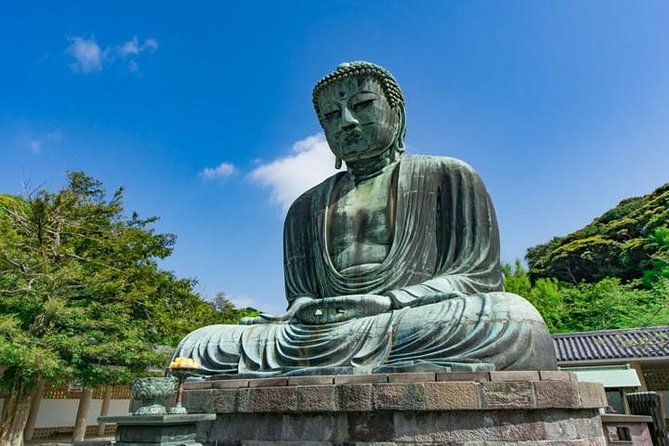
- The Great Buddha is a centerpiece: the Kotoku-in statue is 11.4 meters tall, and it’s a wow moment even if you’ve seen photos.
- Ocean viewpoints are part of the plan: Hasedera is positioned for sea views, not just temple photos.
- Bamboo + trails keep the day from feeling repetitive: Hokoku-ji and the nearby hiking trails add texture beyond temple walls.
- Enoshima is the sea finale: short train time west of Kamakura, with shrine-and-attractions variety on the island.
- Guides handle the “maze”: multiple guide experiences highlight managing trains/buses efficiently and adjusting on the fly.
Why Kamakura feels like a real day trip, not just a checklist
Kamakura sits close enough to Tokyo that it makes sense for a day outing, but it still feels separate—temples tucked into hills, sea air nearby, and streets where you can actually slow down for snacks and shopping. This tour leans into that mix instead of sprinting temple-to-temple with no context.
You’ll also get a personal touch: the route is built around a short list you can select, rather than forcing every stop. Guides such as Shinji and Andy have been noted for asking what you want to see and then adjusting the pace so your “musts” win over generic sightseeing.
Coast-and-Buddha days near Kamakura, rated
- Tokyo: Mt. Fuji, Kamakura, Big Buddha, & Lake Ashi Day Trip
★ 4.5 · 867 reviews - Tokyo:Sea of Mount Fuji, Hakone Ropeway, Ōwakudani, Enoshima
★ 4.9 · 84 reviews - Kamakura 8 hr Private Walking Tour with Licensed Guide from Tokyo
★ 5.0 · 80 reviews - Tokyo: Kamakura & Enoshima Day Tour with Pickup & Train Ride
★ 4.1 · 61 reviews
Price and logistics: what you’re really paying for
At $201.51 per person for about 8 hours, this isn’t a budget bus tour. You’re paying for a licensed local English-speaking guide, a private experience for your group only, and a plan that includes public transportation time. Travel is included in the total hours, so the day doesn’t get eaten alive by commuting.
Here’s what affects your final cost:
- Transportation fees are not included (even though the ride time is).
- Entrance fees are not included (the Great Buddha at Kotoku-in and places like Hasedera are listed as not included).
- Lunch is not included.
So the value hinges on smart site selection. If you pick several paid admissions, your “cheap day trip” math changes. If you keep it to a classics-heavy mix plus a few optional stops, the guide time can feel worth every yen—especially if you don’t want to plan transfers and station navigation yourself.
Quick reality check: this is described as a walking tour, with pickup on foot within a designated Tokyo area. That means you’ll want comfortable shoes and a willingness to move at a steady pace.
Starting with Tsurugaoka Hachimangu: the samurai heartbeat
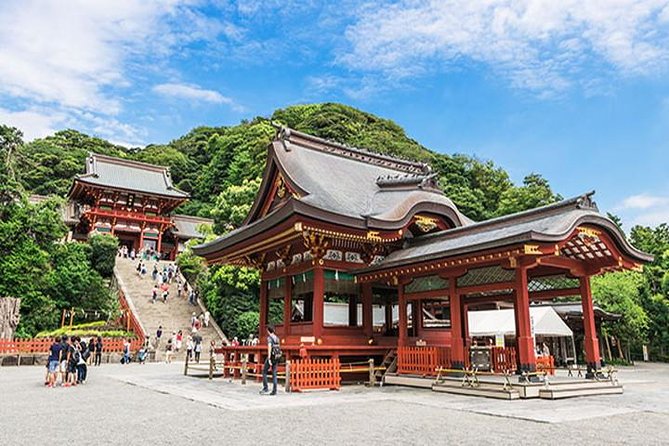
Your day typically opens at Tsurugaoka Hachimangu Shrine, dedicated to Hachiman, patron god of the Minamoto family and samurai. It’s also a strong way to “enter” Kamakura because it frames the town’s historical identity before you shift into Buddhist sites.
What I like about this first stop is the energy. Even when you’re just looking, the shrine gives you a sense of ceremony and scale. Plus, the admission is listed as free, so you can treat this as your calm warm-up—then spend your paid ticket money on the big-ticket sights.
Kotoku-in’s Great Buddha: 11.4 meters of wow
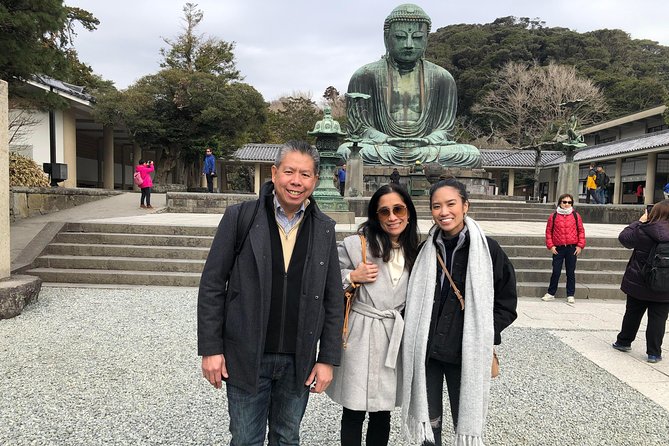
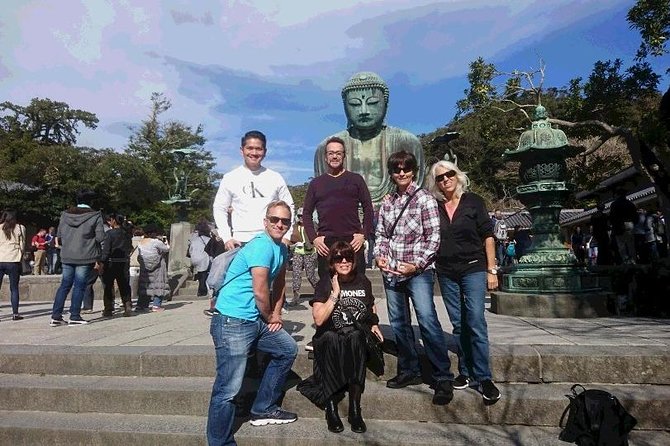
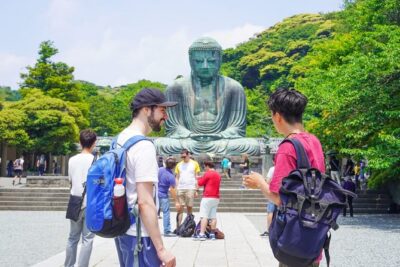
Then comes the main event: Kotoku-in (Great Buddha of Kamakura). The bronze Amida Buddha statue stands 11.4 meters tall, and it’s described as long known as the second of its kind—meaning it’s not just impressive, it’s historically important within that tradition.
Practical note: admission isn’t included for this stop. If you’re budget-sensitive, this is still usually the one admission most people feel they should take. The statue is a “see it in real life” moment, and having a guide helps you understand what you’re looking at instead of just snapping photos and moving on.
Hasedera’s ocean views and the Kannon connection
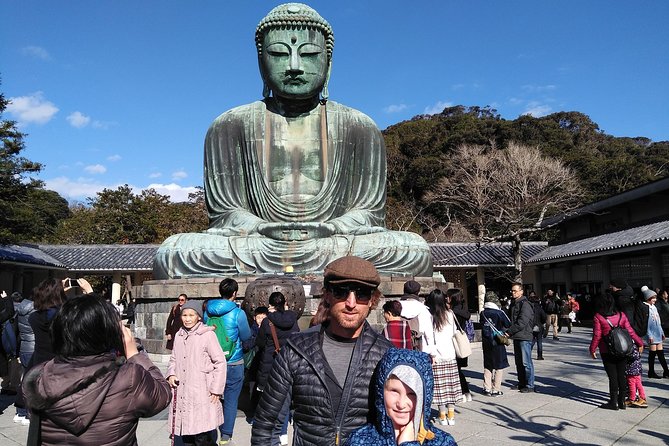
Next, Hasedera Temple (長谷寺) is a highlight for people who want more than tall buildings and stone walls. It’s known for an eleven-headed statue of Kannon (goddess of mercy), and it’s also specifically noted for being a place where you can view the ocean from the highest point on the grounds.
Admission isn’t included here either, so consider this a purposeful spend. The payoff isn’t just the artwork—it’s the viewpoint. If you time it right (and you’re not stuck in fog or heavy rain), the sea-facing perspective can be one of your most memorable images from the day.
Readers also shortlisted these Tokyo bookings:
- Tokyo Tsukiji Fish Market Food and Culture Walking Tour★ 5.0 · 3,184 reviews
- Tokyo: Imperial Palace and Shogun Historical Walking Tour★ 5.0 · 2,251 reviews
- Tokyo: Shinjuku Local Bar and Izakaya Guided Walking Tour★ 4.9 · 1,794 reviews
- Tokyo: Tsukiji Fish Market Food and Walking tour★ 5.0 · 1,724 reviews
- Tokyo: Asakusa Walking Tour with Sensoji Temple Visit★ 4.8 · 1,583 reviews
Choosing between Zen classics and hydrangea-season beauty
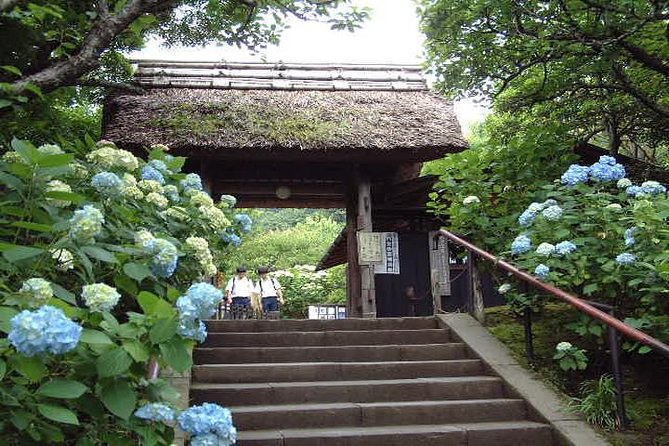
Kamakura’s Zen temples can blur together if you don’t have a guide to explain what makes each one distinct. The tour includes a selection of major Zen sites, including:
- Engaku-ji (円覚寺)
- Kencho-ji (建長寺)
- Zuisen-ji and other branch temples
If your route includes Meigetsuin (Hydrangea Temple), that’s a different vibe—still Zen, but with a strong seasonal identity. Even if hydrangeas aren’t in bloom when you go, Meigetsuin is set up as a “known for its look” stop.
Admission fees aren’t included for these temple options, so again: the value depends on which “you” choose. If you love stillness and architecture, you can lean Zen-heavy. If you prefer scenery, you may prioritize ocean and bamboo.
Hokoku-ji bamboo grove and the trail option for walking lovers
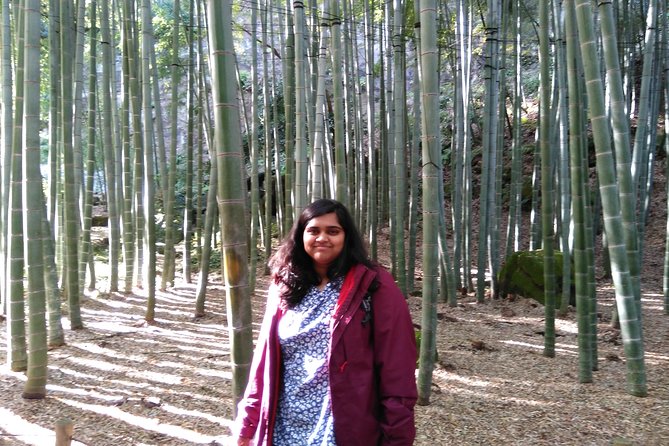
This tour has a built-in rhythm shift: Hokoku-ji Temple is best known for its small bamboo grove behind the main hall, described as having over 2000 dark green stalks. It’s the kind of place where your phone camera suddenly feels too small. Even better, it’s a break from the big ceremonial sites—more sensory, more atmospheric.
Then you may have time for Kamakura hiking trails, which connect temples across the hills and link forest atmosphere to coastal edges. This isn’t “official sightseeing photo time.” It’s a chance to experience Kamakura like a local does: moving through space, not just looking at objects.
A consideration: if you’re not used to walking, the trail time could feel like a lot. Still, it’s one of the most satisfying ways to avoid a day that feels only like standing still.
The Zen temple cluster: Engaku-ji, Kencho-ji, and the branching cast
The listing includes multiple Zen temples and branches, not just the two most famous names. That matters because Kamakura’s temple “personality” changes as you move between compounds.
In the broader selection, you may see:
- Engaku-ji (Eastern Japan’s leading Zen temple in the list of Kamakura’s big five)
- Kencho-ji (number one of Kamakura’s five great Zen temples, founded in 1253)
- Jufukuji, Jochiji, Tokeiji, Zuisen-ji, and other branch temples tied to those schools
What the guide’s role really becomes here is filtering. You don’t want to tour every temple like a museum checklist. Instead, you want a smart set that matches your interests—big-name Zen vs. smaller compounds vs. a quieter walk through hills.
In plain terms: if you’re a temple person, you’ll appreciate how the day can be shaped around Zen pacing, not just arrival order.
Money-washing, oyster-shell wishes, and the Komachi Street snack break
Two cultural bits make Kamakura feel playful, not solemn:
- Zeniarai Benten Shrine, known for “coin washing” (zeniarai means that). It’s popular as a ritual stop.
- The tour description also mentions writing your wish on an oyster shell at a temple.
Those are the kinds of activities that don’t require deep background knowledge to enjoy. A guide helps you understand what they mean and when to do them, but the experience itself is accessible.
And then there’s the food and street life. The day includes exploring the old Komachi shopping street and trying hatosabure, the dove-shaped biscuits. This is a classic Kamakura souvenir-to-snack moment: sweet, iconic, and fun to eat while you stroll.
One more practical plus from the guide experiences: guides have been highlighted for working around dietary needs—for example, finding gluten-free options. That’s not something you should assume for every tour, but it’s a strong signal that the guides take real requests seriously.
Enoshima Island: the sea finale that changes the tempo
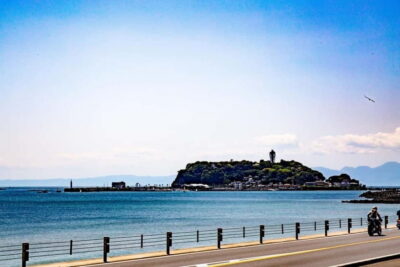
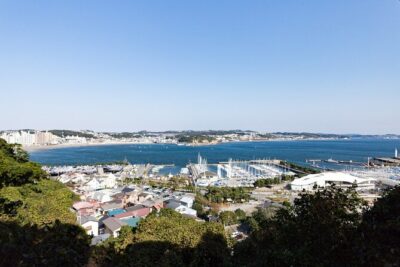
A short train ride west of Kamakura brings you to Enoshima (江の島), a coastal island connected by bridge. The island is described as “pleasantly touristy,” with a mix of attractions including a shrine.
This is a great choice for the end of a temple-heavy day. After hills and incense, you get sea air and more open sightlines. It also helps the day feel like an actual journey instead of a straight line of religious sites.
Admission is listed as free for Enoshima on the schedule, which can keep costs in check if you’ve already paid for the major temple admissions.
How to pick your 3–4 sites (and still feel like you got the point)
Because you choose a handful, the key is deciding what type of Kamakura you want most. Here are three solid ways to steer your selection:
If you want the “greatest hits”
Prioritize:
- Tsurugaoka Hachimangu
- Kotoku-in / Great Buddha
- Hasedera (especially for the ocean viewpoint)
- One Zen stop (often Engaku-ji or Kencho-ji)
This combination gives you shrine culture, Buddha scale, and sea scenery. Add Enoshima if you want the day to end with breathing room.
If you want quiet Zen and visual variety
Pick:
- Kencho-ji or Engaku-ji
- A branch Zen temple from the list
- Meigetsuin if you like seasonal-looking gardens
- Hokoku-ji bamboo grove
This route works well if you prefer walking through compounds and atmosphere rather than only chasing the biggest landmark.
If you want scenery and hands-on rituals
Pick:
- Hasedera
- Hokoku-ji (bamboo)
- Kamakura hiking trails (if your legs are ready)
- Zeniarai Benten plus the snack-and-stroll time at Komachi Street
This setup leans into Kamakura as a place to move through, not just stand in front of.
Walking pace: how to avoid the rushed feeling on an 8-hour day
This is an 8-hour outing that includes travel time and multiple stops. Reviews and guide patterns suggest guides are good at keeping the day moving, but the tour is still physical: you’ll walk between sites and spend time moving on public transportation.
My advice is simple:
- Wear shoes you can walk in for a while.
- Plan for wind and sudden temperature swings, especially near coastal areas.
- If you care about one or two must-sees, tell your guide early so the route protects them.
A private guide is where this tour shines. The day can be shaped so you’re not spending the morning at a site you don’t even care about.
Guides make the difference: examples of what the best ones do
Part of why this tour earns a high recommendation rate is consistency in service style. The guide experiences share a few patterns worth noting:
- They ask what you want first. Several guides (including Taka and Shinji) are noted for contacting you ahead of time and then building the day around your priorities.
- They adjust when your interests shift. Andy and Taka’s examples show the itinerary can pivot toward more sights when you don’t want shopping time.
- They handle logistics confidently. People mention train and bus navigation that can be tricky, with guides smoothing transfers so you spend less time guessing and more time sightseeing.
- They meet practical needs. One guide specifically helped find a gluten-free meal option, which can be a big deal on a day trip.
In other words: you’re not just buying access to temples. You’re buying planning, timing, and translation of culture into something you can actually use.
Should you book this Kamakura private walking tour from Tokyo?
If you’re choosing between “figure it out yourself” and “let someone else make it easy,” this is the easy side. I’d book it if:
- You want a guided, private day trip with flexibility in which sites you hit.
- You don’t want to handle Japan transit and temple logistics in a single day.
- You like mixing big icons (Great Buddha) with smaller atmosphere stops (bamboo grove, trails, and ritual corners).
I wouldn’t book it if:
- You’re planning to move slowly and want lots of long, unstructured wandering.
- You’re trying to keep costs strictly low, since entrance fees and lunch aren’t included and add up depending on your choices.
If you do book, choose your 3–4 sites with a theme. Decide whether you want sea views, Zen quiet, or landscape-walking. Then tell your guide your priorities in plain language. That’s when an 8-hour Kamakura day feels like a story instead of a schedule.
FAQ
How long is the Kamakura tour?
The tour is about 8 hours, and travel time is included in the total time.
Is this a private tour or a group tour?
It’s a private tour. Only your group participates.
What kind of transportation is used from Tokyo to Kamakura?
Travel is done by public transportation, and travel time is included in the tour hours. Transportation fees are not included.
How many stops can I choose during the day?
The overview says you choose between 3 to 4 sites for a personalized tour, and the included description notes choosing 4–6 sites from the available options.
Are entrance fees included?
No. Entrance fees are not included, and admission for several stops (including Kotoku-in and Hasedera) is listed as not included.
Is lunch included?
No. Lunch is not included.
Do I get a guide in English?
Yes. The tour includes a licensed local English-speaking guide.
More Tours in Tokyo
- Mt Fuji and Hakone 1-Day Bus Tour Return by Bullet Train
★ 5.0 · 26,383 reviews - 1-Day Tokyo Bus Tour
★ 5.0 · 14,250 reviews - Tokyo: Shinjuku Food Tour (13 Dishes at 4 Local Eateries)
★ 5.0 · 6,603 reviews - Tokyo Mt Fuji 5th St & Hakone Cruise Bus Tour w/Bullet Train
★ 4.4 · 5,024 reviews - Flagship 2-Hours Official Street Go-Kart Tour – Tokyo Bay Shop
★ 5.0 · 4,974 reviews
More Tour Reviews in Tokyo
- Mt Fuji and Hakone 1-Day Bus Tour Return by Bullet Train
★ 5.0 · 26,383 reviews - 1-Day Tokyo Bus Tour
★ 5.0 · 14,250 reviews - Tokyo: teamLab Planets TOKYO Digital Art Museum Entry Ticket
★ 4.6 · 9,779 reviews - Mt Fuji & Hakone Cruise, Drum Show Bullet Train 1 Day from Tokyo
★ 4.0 · 7,413 reviews - Tokyo: Shinjuku Food Tour (13 Dishes at 4 Local Eateries)
★ 5.0 · 6,603 reviews
More Kamakura and Enoshima Days
- Tokyo: Mt. Fuji, Kamakura, Big Buddha, & Lake Ashi Day Trip
★ 4.5 · 867 reviews - Tokyo:Sea of Mount Fuji, Hakone Ropeway, Ōwakudani, Enoshima
★ 4.9 · 84 reviews - Tokyo: Kamakura & Enoshima Day Tour with Pickup & Train Ride
★ 4.1 · 61 reviews - Kamakura Private & Customizable Tour – All-in-One Experience
★ 5.0 · 49 reviews - Private Car Tour to see Highlights of Kamakura, Enoshima, Yokohama from Tokyo
★ 5.0 · 48 reviews
Latest Tokyo reviews off our desk






Kamakura Day Trips, compared.
 ★ 4.5Kamakura & Enoshima Day Trip including Temple TicketsFrom $581,375 reviews
 ★ 4.5Mt. Fuji, Kamakura, Big Buddha, & Lake Ashi Day TripFrom $49867 reviews
 ★ 4.5From Tokyo: Kamakura & Enoshima 1-Day Bus TourFrom $66189 reviews
 ★ 5.0Kamakura Historical Walking Tour with the Great BuddhaFrom $98129 reviews
 ★ 5.0Kamakura Private Tour: Temples, Nature, and the Great BuddhaFrom $98121 reviews
 ★ 5.0Kamakura Walking Tour – The City of ShogunFrom $35100 reviews
 ★ 4.9Sea of Mount Fuji, Hakone Ropeway, Ōwakudani, EnoshimaFrom $5084 reviews
 ★ 4.1Kamakura & Enoshima Day Tour with Pickup & Train RideFrom $1361 reviews
Browse the lists this tour appears in