
Reviewed · KAMAKURA DAY TRIPS
Kamakura Private & Customizable Tour – All-in-One Experience
Kamakura moves best when you control it. This private, English-guided tour lets you set the pace and shape the day around Kamakura’s temples, shrines, and nearby coastal sights. It’s ideal if you want structure without feeling stuck on rails.
I really like the pre-booking consultation, because your guide starts with your interests and then proposes a route you can follow or tweak. I also like the human factor: guides like Deen, Marco, Sofia, and Lauren are praised for reading the room, adjusting to fast walkers or slower families, and sharing context you can ask follow-up questions about.
One thing to keep in mind: entrance tickets and transport are not included, so you’ll be thinking about your own transit plan and budgeting for fees where needed. Also, the tour isn’t suitable for wheelchair users and favors people with a decent fitness level.
In This Review
- Quick highlights to look for
- Kamakura’s Best Move: A Private Tour You Can Actually Shape
- Planning Ahead: How the Consultation Turns Into a Real Itinerary
- Meeting Up and Getting Around: Pickup, Transit, and Staying Efficient
- A Typical Kamakura Temple and Shrine Route You Can Personalize
- Kotoku-in: A big-name Kamakura stop with story value
- Hasedera: A temple stop that rewards slower pacing
- Hachimangu: Shrine atmosphere plus culture context
- Enoshima Island: The Optional Add-On That Changes the Day
- The Human Part: Why These Guides Feel Like Local Friends
- Price and Value: Is $51 Per Person Worth It?
- Practical Tips That Make or Break the Day
- Bring comfortable shoes and cash
- Plan around a start window and confirmation flow
- Use your consultation to set priorities early
- Who Should Book This Kamakura Tour (and Who Might Skip)
- Should You Book This Kamakura Private & Customizable Tour?
Quick highlights to look for
- A custom route built around your interests (not a one-size checklist)
- English-speaking private guide who can go as in-depth as you want
- Flexible pacing that works for couples, solo travelers, and families
- Core Kamakura stops plus option for Enoshima depending on your timing
- Optional pickup on foot in Tokyo, Yokohama, and Kamakura areas
- Guide-taken photos if available, helpful for solo travelers or family snapshots
Kamakura’s Best Move: A Private Tour You Can Actually Shape
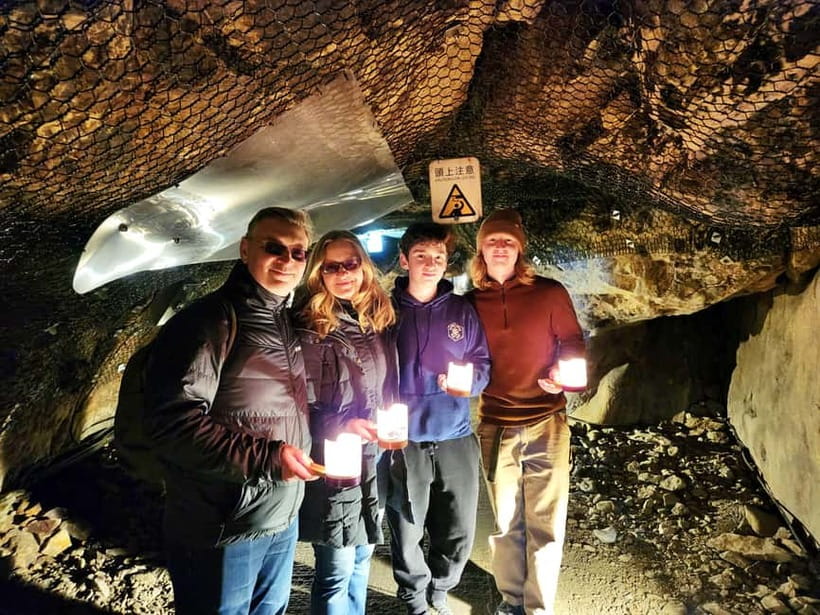
Kamakura is the kind of place where timing matters. Temples and shrine areas can feel peaceful one hour and crowded the next. Streets can be easy walking in the morning and steep-ish later in the day. With a private guide, you’re not locked into someone else’s timing.
This tour is built for flexibility. You’re not just “shown sights.” You’re guided through a route that can stretch from about 2 hours up to 8 hours, depending on what you want to prioritize. That range matters, because Kamakura isn’t only about ticking off major temples. If you want nature pauses, slower photo time, shopping breaks, or a little extra time on a shrine legend, you can ask.
Another big win: the guides aren’t treated like audio guides. They’re conversational. In real terms, that means you can ask questions while you’re standing in front of something, not after you’ve walked away. If you care about religion, stories, or how Japanese culture works today, you’re in good shape.
Coast-and-Buddha days near Kamakura, rated
- Tokyo: Mt. Fuji, Kamakura, Big Buddha, & Lake Ashi Day Trip
★ 4.5 · 867 reviews - Tokyo:Sea of Mount Fuji, Hakone Ropeway, Ōwakudani, Enoshima
★ 4.9 · 84 reviews - Kamakura 8 hr Private Walking Tour with Licensed Guide from Tokyo
★ 5.0 · 80 reviews - Tokyo: Kamakura & Enoshima Day Tour with Pickup & Train Ride
★ 4.1 · 61 reviews
Planning Ahead: How the Consultation Turns Into a Real Itinerary
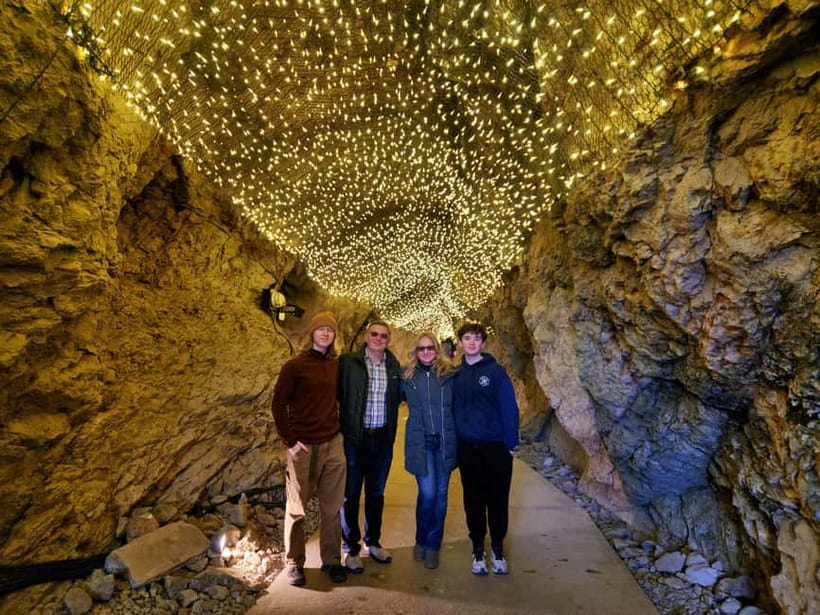
The best versions of customized tours don’t start at the meeting point. They start before it. Here, you can book a pre-tour planning/consultation session, then your guide follows up with a proposed plan that includes suggested destinations and start-time options.
That process is what lets you avoid two common problems:
- arriving with a vague “we’ll just see what happens” plan
- spending the day improvising in a place that rewards a smarter route
Instead, you’re building a day around your priorities. If your focus is spiritual sites, your guide can shape the day around Kamakura’s temples and shrines. If your focus is nature and scenic breaks, you can keep the route lighter and plan more viewpoints and walking time. If you’re traveling with kids (or a parent who gets tired faster), the guide can adjust the day so it stays fun.
In the family-focused experiences, guides are specifically praised for patience and for stepping in to entertain children briefly so adults get real time to enjoy the area. That’s not a small detail. It’s the difference between a day that feels like work and a day that feels like travel.
Meeting Up and Getting Around: Pickup, Transit, and Staying Efficient
The tour can include pickup on foot—and it’s limited to Tokyo, Yokohama, and Kamakura areas. That matters because you’re not signing up for a private car ride. You’re signing up for guidance on how to move through the region.
Also, private transport is not included. So you should expect to handle transit using public options. This isn’t a deal-breaker; it can be part of the fun because it helps you understand how Kamakura is reached from nearby hubs. One practical tip from the guidance style here: your guide can help you navigate routes and platforms so you don’t waste time at stations.
A smart way to think about this:
- If you want comfort and door-to-door convenience, this isn’t the classic “car to each temple” format.
- If you want to see Kamakura like a local walker, and you’re okay managing transit logistics, the private guide is a big upgrade.
What to do before you go: wear comfortable shoes. You’ll be moving. Even when the itinerary is paced well, temple areas and shrine districts tend to involve stairs and uneven footing.
A Typical Kamakura Temple and Shrine Route You Can Personalize
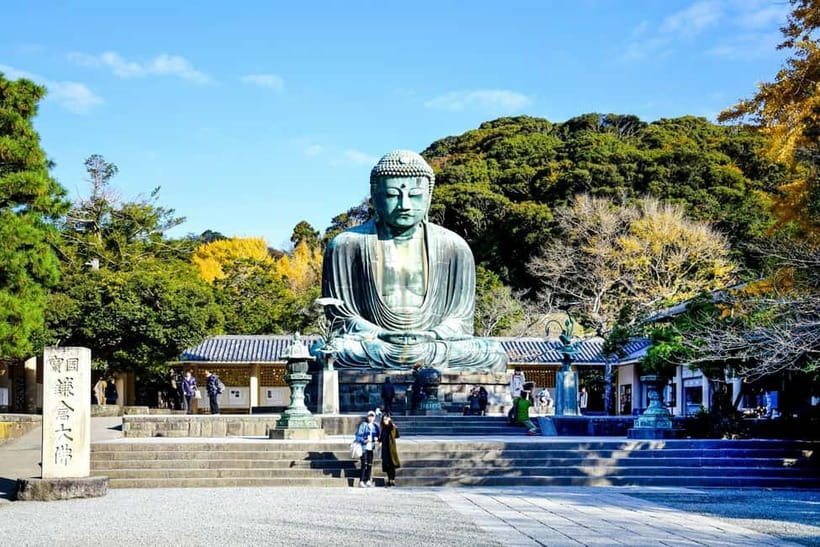
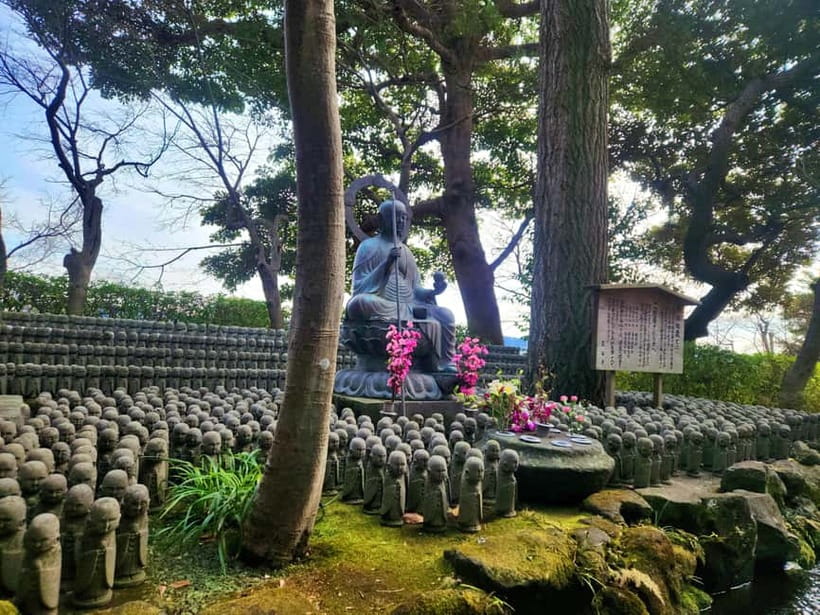
Your day will be built from a menu of core Kamakura spiritual and cultural stops, with flexibility to add or adjust. The consistently mentioned anchor points are Kotoku-in, Hasedera, and Hachimangu. Depending on your interests and your time window, your guide will shape the order and pacing.
Here’s how to think about those stops and what a guide adds beyond the basics:
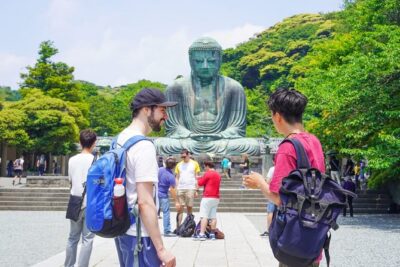
Kotoku-in: A big-name Kamakura stop with story value
Kotoku-in is one of those places that anchors a Kamakura day. The “value” of doing it with a private guide is less about checking a famous box and more about understanding what you’re seeing and why it matters in the city’s religious life.
Guides here tend to connect the stop to broader context, including how religions and traditions show up in everyday Japan. If you like hearing legends and explanations while you’re walking through the grounds, this is the kind of stop that benefits from a good guide.
Potential drawback: if you only want short stops, you might need to set expectations early. Famous sites can take longer than you think, especially if your guide is answering questions.
Readers also shortlisted these Tokyo bookings:
- Tokyo 6hr Private Tour with Government-Licensed Guide★ 5.0 · 3,902 reviews
- Private Tour to Mt. Fuji and Hakone (Fully Licenced Operator)★ 5.0 · 1,910 reviews
- Tokyo Customized Private Tour (Must See Places in 1 Day)★ 5.0 · 1,499 reviews
- Mount Fuji Full-Day Private Tour from Tokyo (Customizable)★ 4.9 · 1,470 reviews
- Tokyo: Private City Highlights Tour with Local Guide★ 4.8 · 1,433 reviews
Hasedera: A temple stop that rewards slower pacing
Hasedera shows up often in these custom routes, and it’s a great example of how the tour avoids rushing. With a private guide, you can slow down for photos, pause for quiet moments, and ask for more detail if you’re the type who reads every sign.
The best part is how a guide can sense when the group wants explanations versus when people just want to look around. One theme from the experiences is guides pacing the day to keep everyone comfortable—adults included.
Potential drawback: you’ll likely want to plan some rest time if anyone in your group has mobility limits, because temple areas can involve steps.
Hachimangu: Shrine atmosphere plus culture context
Hachimangu is another commonly selected anchor. If you’re curious about how shrine traditions work (and what the rituals and symbols mean), a private guide can turn what might feel like a quick visit into an hour that actually sticks in your brain.
This is also where depth matters. One guide is praised for studying various religions so you can choose how in-depth you go. If you want a simple overview, you get one. If you want the longer explanation, you can have that too.
Potential drawback: if your group gets antsy for long explanations, you’ll want to tell your guide early. A good guide can give short context and then step back when you want to simply enjoy the atmosphere.
Enoshima Island: The Optional Add-On That Changes the Day
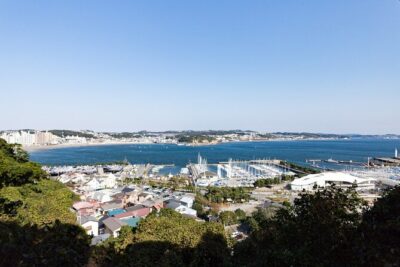
Many Kamakura days get predictable: temples, then photos, then shopping, then back. The smart fix is Enoshima. This tour can incorporate it depending on your timing and interests.
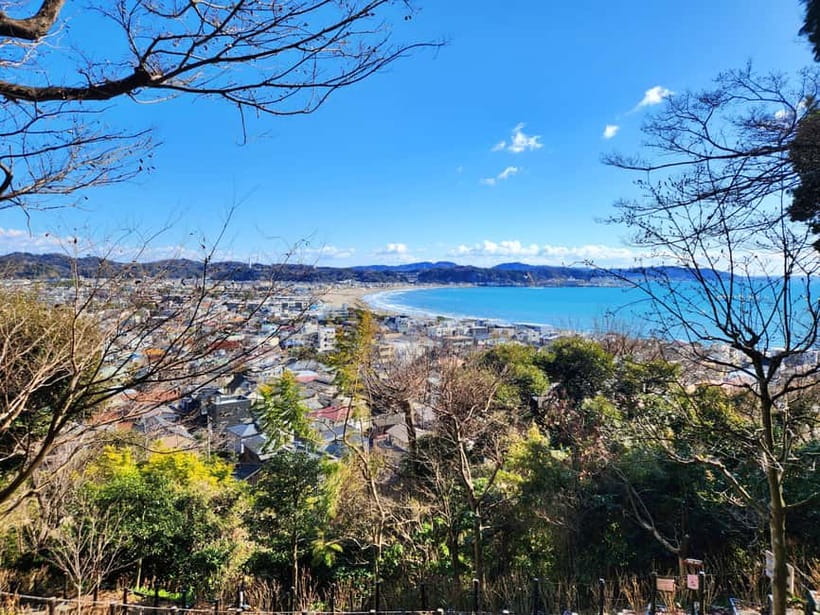
Enoshima adds a different feel: coastal air, island energy, and a change of scenery from the inland shrine-temple circuit. If you want a day that mixes spirituality with nature and views, this is usually the piece that makes it feel like more than a checklist day.
It also helps if you have limited time. When you can add a well-matched side trip, you maximize the return on your travel effort from nearby cities.
One practical note: you’ll want to be realistic about total walking. It’s easy to say yes to Enoshima and then discover you need to take breaks. If that’s your risk, start with the shorter option (around 2–3 hours) and then add time only if everyone’s still feeling good.
The Human Part: Why These Guides Feel Like Local Friends
This tour’s reputation hinges on how the guide performs in real life. You’ll see that theme again and again: guides are described as personable, patient, and genuinely invested in making the day work for your specific group.
Names that show up in the experiences include Deen (including praise for family-friendly pacing and even entertaining kids so parents can relax), Marco (praised for knowledge and patience), Sofia (praised for moving at the pace of the group and offering food recommendations), and Lauren (praised for handling food restrictions with care and engagement).
Here’s what that means for you as a traveler:
- If you’re a fast walker, your guide can keep momentum without turning the day into a sprint.
- If you’re a slower pace traveler, your guide can structure breaks so you don’t lose the flow.
- If you have kids, you’ll likely get more than just “kids are welcome.” You’ll get an approach designed to prevent burnout.
- If you’re curious about Japanese culture beyond the temples, the conversation can go there.
Also, there’s an extra benefit for solo travelers: the guide can take photos during the tour (if available). That’s not glamorous, but it solves a real problem—getting a decent photo of yourself without playing timer roulette.
Price and Value: Is $51 Per Person Worth It?
At around $51 per person, the biggest value isn’t just “a guide.” It’s the guide planning your time.
In practice, private tours can cost much more, so your money here is buying:
- itinerary flexibility across 2 to 8 hours
- an English-speaking guide
- optional pickup on foot (Tokyo/Yokohama/Kamakura areas)
- help with how to move through the day without getting tangled in logistics
- photos taken by the guide (if available)
The tradeoff is that the tour doesn’t include entrance fees or transport. If you’re the type who already knows which tickets you’ll need and how you’ll transit, your costs stay predictable. If you’re still figuring it out, your guide can help you stay organized, but you still pay entry where required.
So yes, the price can feel like a strong value—especially if you’re comparing against the cost of losing time to confusion. The tour is built to save your energy and keep your day on track.
Practical Tips That Make or Break the Day
These tours run on small details. Here are the ones that matter most based on the operating info and what guides do well:
Bring comfortable shoes and cash
Comfortable shoes are not optional. The tour isn’t listed as wheelchair-friendly, and it also isn’t suitable for people with low fitness. Even when a guide paces you, you’ll still be walking.
Cash is requested, so have some ready for purchases and any entry fees you choose or need.
Plan around a start window and confirmation flow
The operating hours are 9:00 AM to 6:00 PM (JST). Start time can be a placeholder in booking systems, then your guide confirms your real start time after reviewing your request. You’ll receive a confirmation email within 72 hours, and then a personal follow-up email with itinerary suggestions and pickup details (if selected).
If you’re flying in and want a tight schedule, build buffer time. This tour model is flexible, but it still runs on human communication.
Use your consultation to set priorities early
When you message your guide with what you care about—nature, traditional culture, spiritual depth, shopping breaks—you’ll get a day that fits. If you only mention a single priority, you’ll still get a good route, but you might not maximize the “custom” part.
Who Should Book This Kamakura Tour (and Who Might Skip)
This is a great match if you want:
- flexibility in pacing and route
- a private, English-speaking guide
- a blend of temples/shrines and possibly Enoshima
- a day that adapts to kids, teens, or mixed mobility levels
- photo help if you’re traveling solo or want family shots
It’s also a good choice if you like asking questions. Guides here are praised for answering at your preferred level, including deeper context on religion and Japanese culture.
You might skip it if:
- you use a wheelchair (not suitable)
- your group has very limited stamina (not suitable)
- you want a driver/vehicle included as part of the base tour (private transport isn’t included)
Should You Book This Kamakura Private & Customizable Tour?
If your ideal day is part temples, part walking, and part asking questions while you go, I’d book this. The best reason is not the price. It’s the control: you decide the pace, and your guide builds the route around your interests instead of forcing a rigid schedule.
I’d especially consider booking if you’re traveling with kids or a mixed group, because the guides described here are good at pacing different needs without turning the day into chaos. And if you’re thinking about skipping the inland sights because you fear the logistics, this format solves that problem by putting a real person in charge of the flow.
If you want to keep it simple, do the shorter option and let your guide focus on the core Kamakura anchors. If you want a day that feels bigger, add Enoshima and plan for a longer route.
Choose this tour when you want Kamakura to feel personal, not pre-packaged.
More Tours in Tokyo
- Mt Fuji and Hakone 1-Day Bus Tour Return by Bullet Train
★ 5.0 · 26,383 reviews - 1-Day Tokyo Bus Tour
★ 5.0 · 14,250 reviews - Tokyo: Shinjuku Food Tour (13 Dishes at 4 Local Eateries)
★ 5.0 · 6,603 reviews - Tokyo Mt Fuji 5th St & Hakone Cruise Bus Tour w/Bullet Train
★ 4.4 · 5,024 reviews - Flagship 2-Hours Official Street Go-Kart Tour – Tokyo Bay Shop
★ 5.0 · 4,974 reviews
More Tour Reviews in Tokyo
- Mt Fuji and Hakone 1-Day Bus Tour Return by Bullet Train
★ 5.0 · 26,383 reviews - 1-Day Tokyo Bus Tour
★ 5.0 · 14,250 reviews - Tokyo: teamLab Planets TOKYO Digital Art Museum Entry Ticket
★ 4.6 · 9,779 reviews - Mt Fuji & Hakone Cruise, Drum Show Bullet Train 1 Day from Tokyo
★ 4.0 · 7,413 reviews - Tokyo: Shinjuku Food Tour (13 Dishes at 4 Local Eateries)
★ 5.0 · 6,603 reviews
More Kamakura and Enoshima Days
- Tokyo: Mt. Fuji, Kamakura, Big Buddha, & Lake Ashi Day Trip
★ 4.5 · 867 reviews - Tokyo:Sea of Mount Fuji, Hakone Ropeway, Ōwakudani, Enoshima
★ 4.9 · 84 reviews - Kamakura 8 hr Private Walking Tour with Licensed Guide from Tokyo
★ 5.0 · 80 reviews - Tokyo: Kamakura & Enoshima Day Tour with Pickup & Train Ride
★ 4.1 · 61 reviews - Private Car Tour to see Highlights of Kamakura, Enoshima, Yokohama from Tokyo
★ 5.0 · 48 reviews
Latest Tokyo reviews off our desk


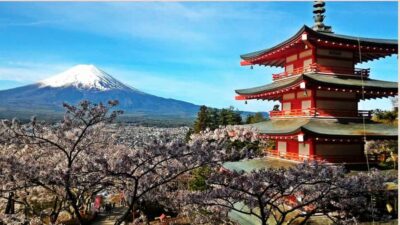
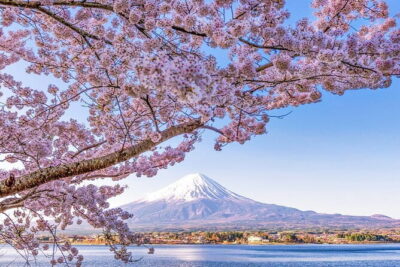
Kamakura Day Trips, compared.
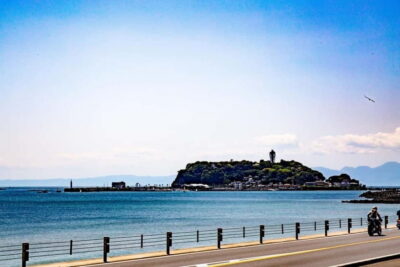 ★ 4.5Kamakura & Enoshima Day Trip including Temple TicketsFrom $581,375 reviews
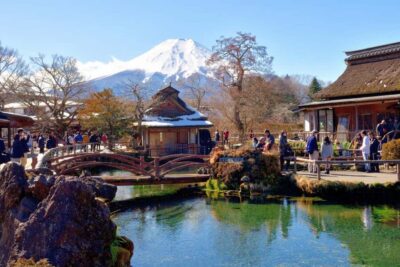 ★ 4.5Mt. Fuji, Kamakura, Big Buddha, & Lake Ashi Day TripFrom $49867 reviews
 ★ 4.5From Tokyo: Kamakura & Enoshima 1-Day Bus TourFrom $66189 reviews
 ★ 5.0Kamakura Historical Walking Tour with the Great BuddhaFrom $98129 reviews
 ★ 5.0Kamakura Private Tour: Temples, Nature, and the Great BuddhaFrom $98121 reviews
 ★ 5.0Kamakura Walking Tour – The City of ShogunFrom $35100 reviews
 ★ 4.9Sea of Mount Fuji, Hakone Ropeway, Ōwakudani, EnoshimaFrom $5084 reviews
 ★ 5.0Kamakura 8 hr Private Walking Tour with Licensed Guide from TokyoFrom $20180 reviews
Browse the lists this tour appears in