
Reviewed · MOUNT FUJI TOURS
Tokyo:Sea of Mount Fuji, Hakone Ropeway, Ōwakudani, Enoshima
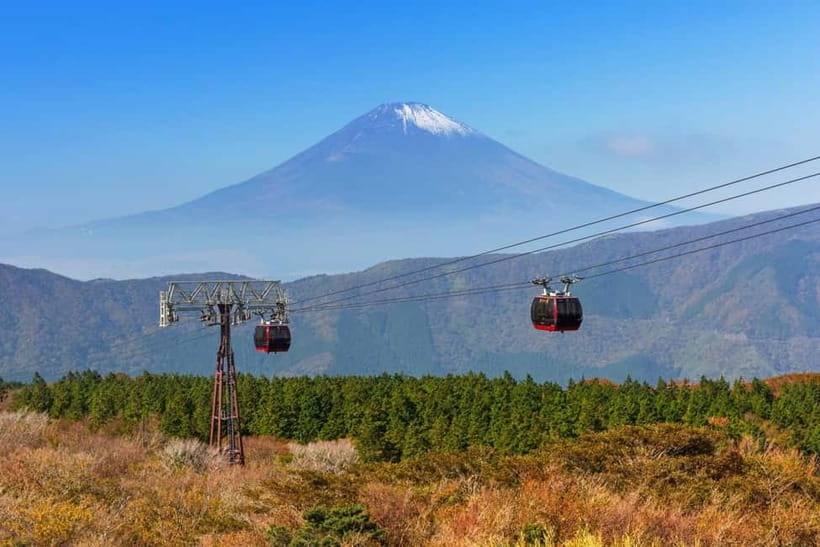
Mt Fuji in three different moods. That’s what I like most about this long day trip: Lake Ashi, Owakudani, and Sagami Bay/Enoshima all try to show you a different face of the same iconic mountain. You’ll also get a well-paced mix of easy sightseeing and short walks that actually feel doable, even when the day starts early.
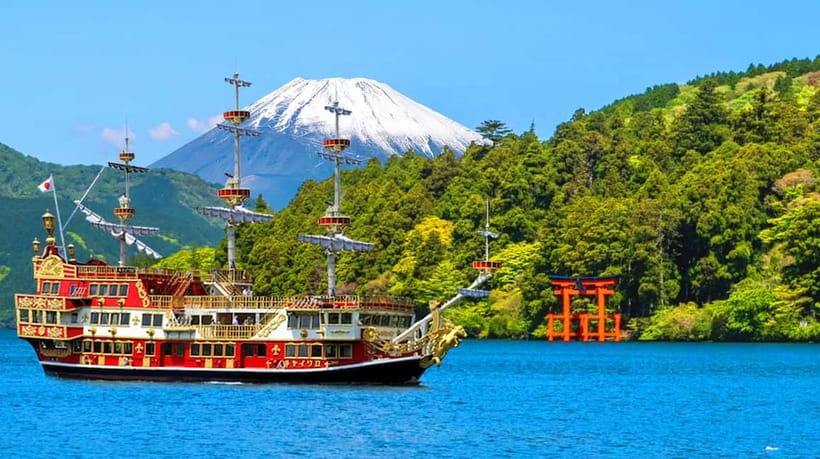
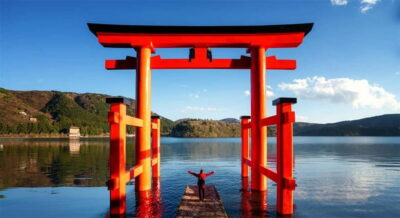
I especially love the pirate ship crossing on Lake Ashi, because the water really can look glassy and sky-like, with that classic red torii gate popping up in the background. I also love that you’re not just riding past viewpoints; you get to experience Owakudani’s geothermal scene and try the kuro-tamago black eggs, plus a full Enoshima shrine-and-street-food stop.
One consideration: Mt Fuji visibility depends heavily on weather. When it’s clear you get the wow factor from multiple angles, but if clouds roll in, the day can still be pretty—just not guaranteed to deliver those perfect mountain silhouettes.
In This Review
- Key Things I’d Watch For
- Why This Day Trip Feels Like a Best-Of Fuji Sampler
- Price and Value: What You’re Really Paying For
- The Early Start From Marunouchi: Smooth Pickup, Busy Day
- Lake Ashi Photo Stop: The Classic Fuji Moment Can Be Fast
- Hakone Sightseeing Cruise on a Pirate Ship: Why It Works
- Hakone Ropeway Over Owakudani: Steam Views With a Real Sense of Place
- Owakudani’s Black Eggs: Legend, Flavor, and How to Do It Right
- Enoshima Island: Shrines, Steps, and the Sea-Mt Fuji View
- Sagami Bay Photo Stop: The “Ocean Side” Finale
- Weather Reality: When Clouds Win, Here’s What Still Works
- Guide Names and the Style You’ll Likely Get
- Who This Tour Fits Best (And Who Should Skip It)
- Should You Book This Pirate-Ship, Ropeway, Fuji-and-Enoshima Day Trip?
- FAQ
- How long is the tour?
- Where is the meeting point?
- What languages are the guides?
- Are meals included?
- Are the pirate ship cruise and Hakone Ropeway tickets included in the price?
- Is Mt Fuji guaranteed to be visible?
- Are smoking and food allowed on the vehicle?
- Is the tour wheelchair accessible?
- What should I bring for shopping and snacks?
Key Things I’d Watch For
- Three Fuji viewpoints in one day: volcano (Owakudani), lake (Lake Ashi), and ocean (Enoshima/Sagami Bay)
- Pirate-ship ride on Lake Ashi with chances for classic torii-gate photos
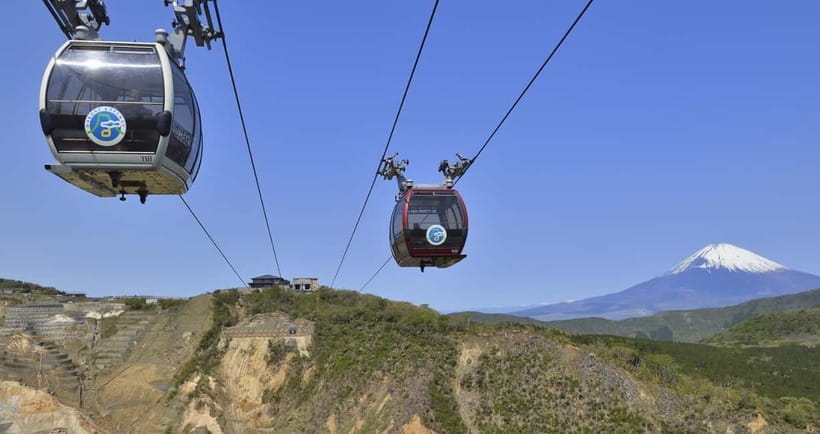
- Hakone Ropeway over steaming Owakudani, where sulfur steam shapes the scenery
- Kuro-tamago black eggs: the legend is fun, and the flavor is memorable
- Enoshima timing is tight, so prioritize either shrines, views, or street snacks
- Cash helps: many small shops don’t take cards, so bring some just in case
Why This Day Trip Feels Like a Best-Of Fuji Sampler
This isn’t a “one view, one stop” excursion. It’s more like a guided route that tries to hit Mt Fuji from three different environments—volcanic terrain, a volcanic lake, and the sea-side scenery around Enoshima. That matters because Fuji can look completely different depending on the air and the angle. Even a partial view can feel satisfying because you’re seeing the mountain in context, not as a single postcard angle.
It also helps that the day is built around short, organized segments. A photo pause here, a real viewpoint there, then a boat/cable car moment where you just sit back and let the scenery move past. That flow keeps the day from feeling like nonstop rushing—though the schedule is still full.
More Fuji day trips our readers rated highly
- Mt Fuji and Hakone 1-Day Bus Tour Return by Bullet Train
★ 5.0 · 26,383 reviews - Mt Fuji & Hakone Cruise, Drum Show Bullet Train 1 Day from Tokyo
★ 4.0 · 7,413 reviews - Tokyo Mt Fuji 5th St & Hakone Cruise Bus Tour w/Bullet Train
★ 4.4 · 5,024 reviews - From Tokyo: Mount Fuji Full-Day Sightseeing Trip
★ 4.5 · 4,970 reviews
Price and Value: What You’re Really Paying For
At about $50 per person, the big value is not just the sights. It’s the combo of a professional English and Chinese speaking guide, round-trip transfers from your Tokyo meet-up area, and the transportation setup that gets you out to Hakone and back without having to figure out connections.
One key detail: admission for the pirate ship cruise and the Hakone Ropeway is not always automatically included. Some booking options include those tickets, others may require you to purchase them with the guide’s help. So when you’re comparing deals, check whether those two transport-ticket pieces are included in your option—because they’re the heart of the experience.
Also plan for spending on your own priorities. Meals and beverages are not included. Most of the Enoshima snacks and local food are part of the fun, but you’ll want cash for small purchases since credit cards aren’t widely accepted at local shops.
The Early Start From Marunouchi: Smooth Pickup, Busy Day
Your day starts with pickup options in the Marunouchi area (near Tokyo Mode Gakuen, STAND T). The meeting point can vary by option, and the pickup spot itself matters because you can’t change it last-minute. I like that the plan is structured and the guide sends clear meeting details ahead of time, which helps a lot on travel days when your brain is already half packed.
Once you’re on the bus, expect it to be a long ride through traffic. Reviews often mention the day running on time and guides doing a good job keeping the group together. Still, peak days can mean congestion, so keep your evening plans flexible when you’re back in Tokyo.
Practical tip: bring a small snack and water. Even if the itinerary includes stops, food breaks can be shorter than you’d like, and you don’t want to be stuck deciding what to eat while you’re hungry.
Lake Ashi Photo Stop: The Classic Fuji Moment Can Be Fast
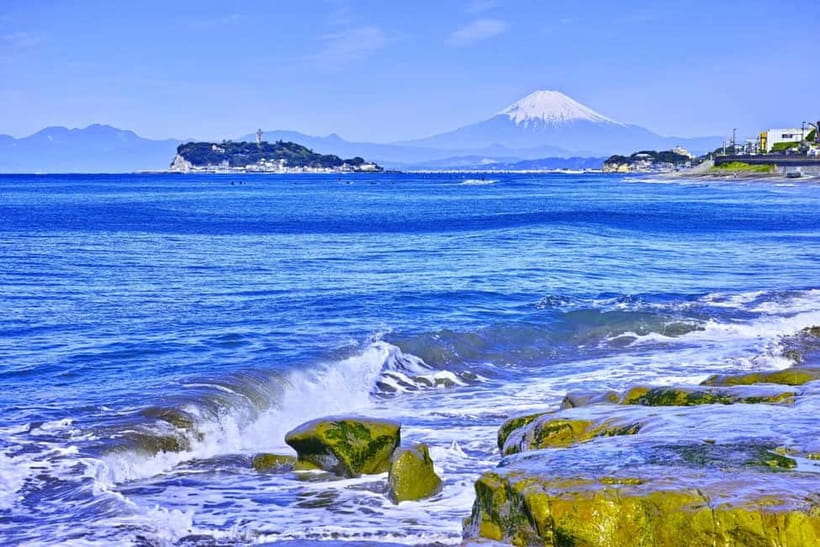
You’ll start with a quick photo stop at Lake Ashi. This is where the day can either click into place—or teach you to be patient. Lake Ashi can be stunning when the air is clear, and you’re looking for that classic composition: mountains framing the lake, and Fuji in the distance if visibility cooperates.
If the sky is bright, this first stop can feel like a warm-up for the main cruise. If clouds are heavy, don’t panic. The tour gives you multiple chances later in the day, including Owakudani and Enoshima, where the lighting and angles can still reward you.
Hakone Sightseeing Cruise on a Pirate Ship: Why It Works
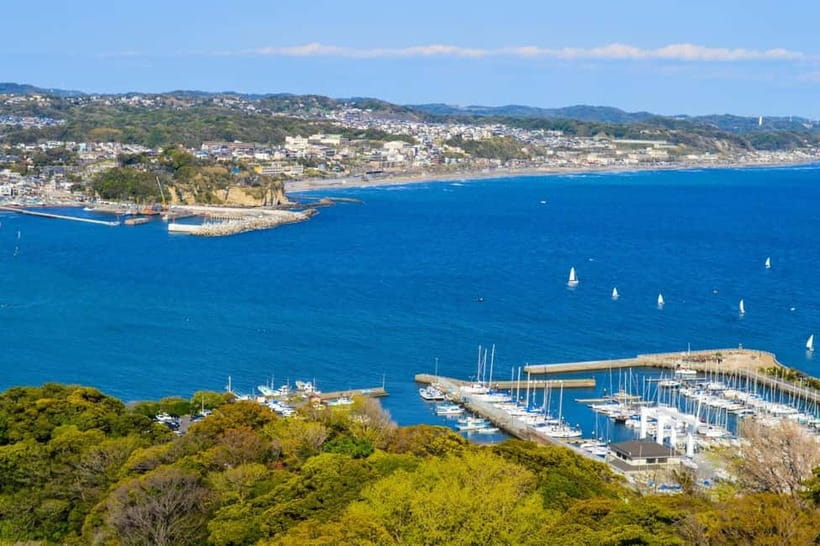
Then comes the pirate ship cruise across Lake Ashi. It’s only about 25 minutes, but it’s the most “holiday” feeling part of the whole route. You walk out onto the open deck and get that cool lake breeze, and the water can look like a polished mirror when conditions are right.
What I like here is the way the cruise simplifies the viewing. Instead of searching for angles on foot, you’re floating through them. That’s how you get that postcard-style mix: Lake Ashi’s deep blue, the distant silhouette of Mt Fuji when it appears, and the red torii associated with Hakone Shrine rising out of the water.
If you’re the type who plans photos, this is a great moment. Your guide can also help you time where to stand for better framing, and several guides are known for giving specific photography tips. If you want the best chance at Fuji, aim for the side with the clearest sightline and be ready when the mountain comes into view.
Other Hakone loops worth the fare
- Tokyo: Mt. Fuji Tour, Hakone Ropeway, Owakudani, Lake Ashi★ 4.7 · 4,002 reviews
- Private Tour to Mt. Fuji and Hakone (Fully Licenced Operator)★ 5.0 · 1,910 reviews
- Mt Fuji & Hakone Cruise, Drum Show Bus 1 Day from Tokyo★ 4.0 · 1,287 reviews
- From Tokyo: Mt. Fuji & Hakone Tour w/ Return by Bullet Train★ 4.2 · 1,278 reviews
- Mt Fuji and Hakone 1-Day Bus Tour Return by Bus★ 4.5 · 929 reviews
Hakone Ropeway Over Owakudani: Steam Views With a Real Sense of Place
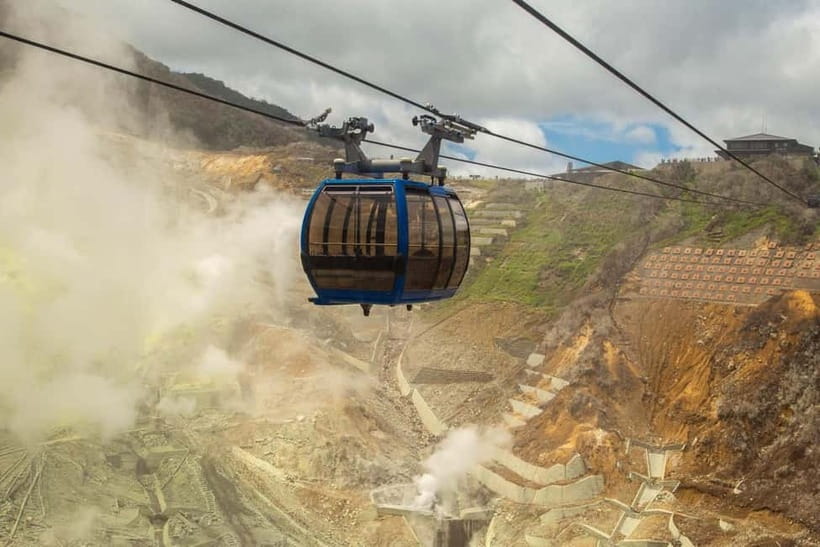
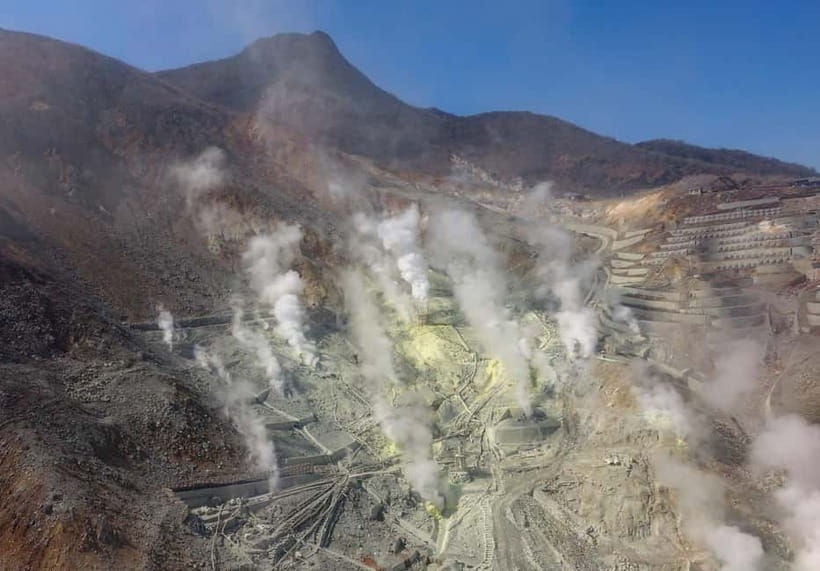
After the cruise, you’ll ride the Hakone Ropeway, about 25 minutes, and it’s built for the reason you came: volcanic scenery. As the cable car rises above the valley, you’ll look down into Owakudani, where the geothermal activity is obvious. Steam drifts from cracks in the earth, and the colors can look like earth tones painted by nature—rust and ochre, depending on what the day is doing.
This part is also where you may finally catch a clean Fuji silhouette on the horizon. The scenery below makes Fuji feel less like a lone mountain and more like the centerpiece of a whole volcanic world.
One practical consideration: the air can be chilly at altitude, and the steam can smell strongly. Wear layers you can adjust quickly, and don’t plan on smelling perfume over sulfur. Just treat it as part of the atmosphere.
Owakudani’s Black Eggs: Legend, Flavor, and How to Do It Right
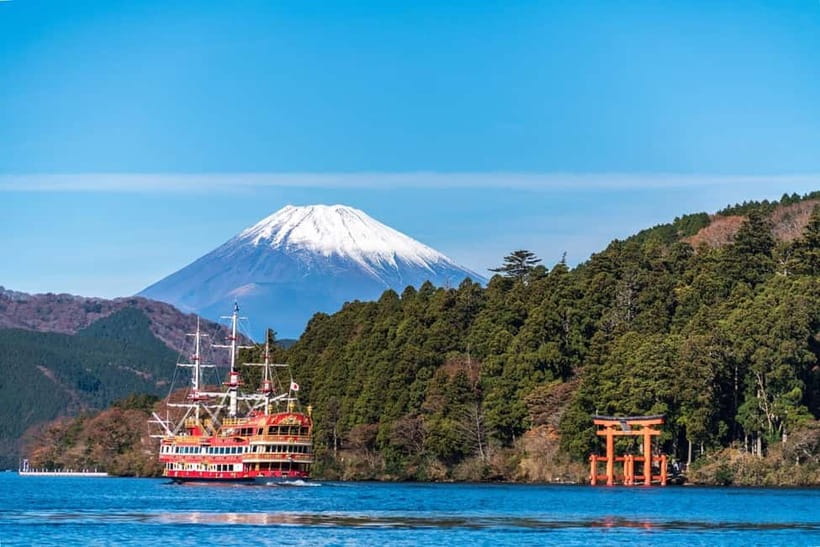
Owakudani isn’t only about looking. You also get a stop for photo and sightseeing (about 30 minutes) and the famous kuro-tamago, hard-boiled eggs that turn black after being cooked in sulfur springs. The legend is simple and fun: eating one is said to add seven years to your life. Even if you don’t care about the folklore, the egg is a memorable taste and a very Hakone-specific moment.
Here’s how I’d handle this stop to make it more enjoyable:
- Be ready for the strong volcanic smell in the area.
- Don’t make this your only bite of the day. If you’re sensitive to sulfur flavors, treat it like a snack, not a full meal.
- Take your photos first, then eat. The line and timing can shuffle quickly.
Enoshima Island: Shrines, Steps, and the Sea-Mt Fuji View
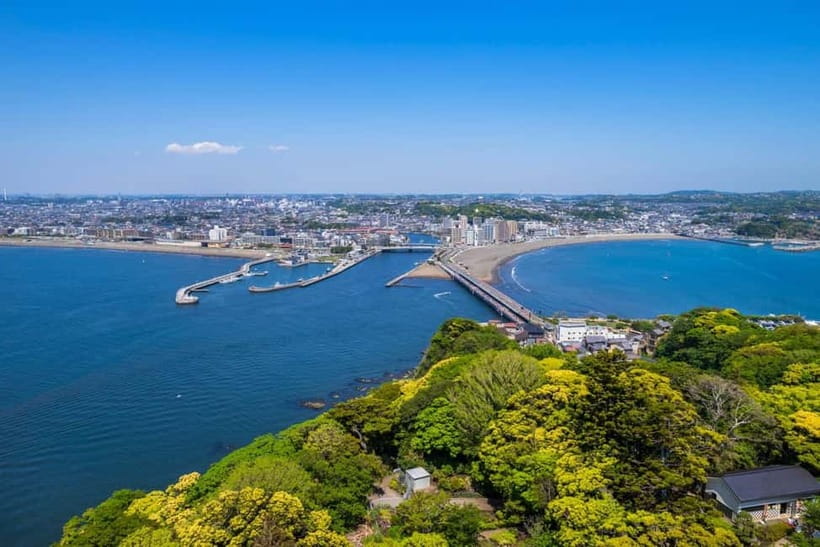
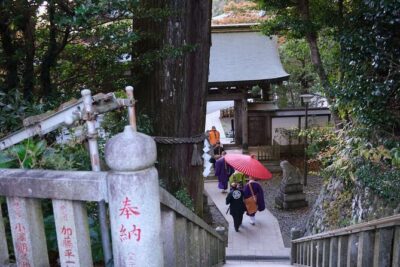
Then you head to Enoshima, where the tone shifts from geothermal power to sea air and shrine atmosphere. You’ll get about 30 minutes for island exploration, plus dedicated time for shrine stops.
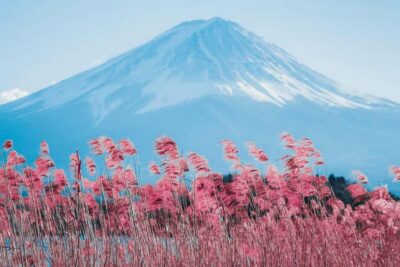
Enoshima is famous for the Sea-Mt Fuji view—when conditions are clear, Fuji can line up on the horizon from the island’s lookout areas so the mountain looks like it’s floating above the sea. On clear days, that’s the kind of image that makes you understand why people plan their photos around the weather.
The shrine portion is a real walk. You’ll visit spots including:
- Enoshima Shrine (Hetsunomiya)
- Enoshima Benzaiten Nakamise Dori, where food stalls and local snacks cluster
- The Bronze Torii of Enoshima Shrine
- Zuishinmon Gate
I like that you’re not stuck only taking pictures. You also get a chance to slow down, read the environment, and nibble your way through the street-food stretch. One heads-up from experience: time here can feel short if you want to browse slowly or do extra activities. If Enoshima is your priority, you might want to keep some flexibility to return on your own later.
Food-wise, look for the local seafood focus—things like anchovies and seaweed items show up often in the area. And yes, there’s often milk ice cream too, which can be a nice break after walking and steps.
Sagami Bay Photo Stop: The “Ocean Side” Finale
Next is a photo stop at Sagami Bay, with about 20 minutes of sightseeing time. The goal is simple: enjoy the sapphire waters and take your final Fuji/sea impressions if visibility cooperates.
This is the point in the day when I like to reset expectations. Even if Fuji has been elusive, Sagami Bay can still feel beautiful. And if you did get Fuji earlier, this is a good place to compare how the mountain looks from the ocean side versus lake and volcano.
Weather Reality: When Clouds Win, Here’s What Still Works
Mt Fuji visibility is weather dependent. If it’s clear, you can get great views from Lake Ashi, the ropeway/Owakudani horizon, and the Enoshima sea-line. If clouds take over, you can still have a solid day because the itinerary isn’t only about Fuji.
Owakudani in particular often delivers even when visibility is reduced. The steam, sulfur activity, and egg stop keep the sense of place strong. And Enoshima still offers shrine scenery plus snack time, which is genuinely enjoyable even without a perfect mountain silhouette.
In the guides’ own words through their actions, the best approach is to show up and watch the sky. Your day can change quickly.
Guide Names and the Style You’ll Likely Get
You’ll have an English and Chinese speaking guide. A lot of the best feedback I saw wasn’t only about the route—it was about how the guide handled the day. Names that have shown up in recent experiences include Chisei and Brewski, plus Kishida, Pin, Joey, Jimmy, Fukuzawa, Aki, Belle, and Augustin.
The common thread: guides keep timing tight, give clear instructions, and help with photography. Some also add extra cultural context when the timing lines up with seasonal events (for example, one guide helped guests with Hatsumode-style tips during New Year travel).
If you like explanations while you move, this tour style should fit you.
Who This Tour Fits Best (And Who Should Skip It)
This day trip is best for people who want structure and big scenes without wrestling with transit during a long day.
It’s a good match if you:
- Want to see multiple sides of Mt Fuji in one go
- Enjoy short walks and photo stops, plus one or two set “rides” (boat and ropeway)
- Like guided explanations and practical tips during the day
It’s not a match if you:
- Are pregnant (not suitable)
- Use a wheelchair (not suitable)
- Have altitude sickness concerns (not suitable)
- Are over 70 years old (not suitable)
Also note: you should expect steps at Enoshima and general walking across the Hakone areas. This isn’t a sit-in-a-bus-only day.
Should You Book This Pirate-Ship, Ropeway, Fuji-and-Enoshima Day Trip?
If you want a value-packed Mt Fuji sampler with real variety—lake cruise, ropeway volcano views, black eggs, and an ocean shrine island—I’d book it. The strongest selling point for me is that the day isn’t dependent on one single viewpoint. Even when conditions aren’t perfect, you still get several “this is Japan” moments in one route.
I’d reconsider if you’re the type who needs deep, unhurried exploration at every stop. Enoshima in particular can feel time-compressed if you want to browse every side street or linger for food. In that case, you might do better pairing this with an additional half-day on your own later.
If your weather forecast looks promising and you’re okay with a packed schedule, this is a very sensible way to spend your time outside Tokyo.
FAQ
How long is the tour?
The duration is listed as 10 hours.
Where is the meeting point?
Pickup is in the Marunouchi area with multiple starting options. The exact meeting point can vary depending on the option booked.
What languages are the guides?
The tour includes live guides in English and Chinese.
Are meals included?
No. Meals and beverages are not included.
Are the pirate ship cruise and Hakone Ropeway tickets included in the price?
Admission to the Hakone Sightseeing Cruise and the Hakone Ropeway may be included depending on the option you choose. Check your booking option.
Is Mt Fuji guaranteed to be visible?
No. Visibility can be affected by weather, and Fuji views are dependent on conditions.
Are smoking and food allowed on the vehicle?
Smoking is not allowed, and food is not allowed in the vehicle.
Is the tour wheelchair accessible?
No. The tour is not suitable for wheelchair users.
What should I bring for shopping and snacks?
Bring some cash, since many local shops may not accept credit cards. It also helps to bring small snacks for a long day.
More Kamakura and Enoshima Days
- Tokyo: Mt. Fuji, Kamakura, Big Buddha, & Lake Ashi Day Trip
★ 4.5 · 867 reviews - Kamakura 8 hr Private Walking Tour with Licensed Guide from Tokyo
★ 5.0 · 80 reviews - Tokyo: Kamakura & Enoshima Day Tour with Pickup & Train Ride
★ 4.1 · 61 reviews - Kamakura Private & Customizable Tour – All-in-One Experience
★ 5.0 · 49 reviews - Private Car Tour to see Highlights of Kamakura, Enoshima, Yokohama from Tokyo
★ 5.0 · 48 reviews
Hakone, A Few More Ways
- Mt Fuji and Hakone 1-Day Bus Tour Return by Bullet Train
★ 5.0 · 26,383 reviews - Mt Fuji & Hakone Cruise, Drum Show Bullet Train 1 Day from Tokyo
★ 4.0 · 7,413 reviews - Tokyo Mt Fuji 5th St & Hakone Cruise Bus Tour w/Bullet Train
★ 4.4 · 5,024 reviews - Tokyo: Mt. Fuji Tour, Hakone Ropeway, Owakudani, Lake Ashi
★ 4.7 · 4,002 reviews - Private Tour to Mt. Fuji and Hakone (Fully Licenced Operator)
★ 5.0 · 1,910 reviews
More Mount Fuji Days We Have Reviewed
- Mt Fuji and Hakone 1-Day Bus Tour Return by Bullet Train
★ 5.0 · 26,383 reviews - Mt Fuji & Hakone Cruise, Drum Show Bullet Train 1 Day from Tokyo
★ 4.0 · 7,413 reviews - Tokyo Mt Fuji 5th St & Hakone Cruise Bus Tour w/Bullet Train
★ 4.4 · 5,024 reviews - From Tokyo: Mount Fuji Full-Day Sightseeing Trip
★ 4.5 · 4,970 reviews - Tokyo: Mt. Fuji Tour, Hakone Ropeway, Owakudani, Lake Ashi
★ 4.7 · 4,002 reviews
Latest Tokyo reviews off our desk

Mount Fuji Tours, compared.
 ★ 5.0Mt Fuji and Hakone 1-Day Bus Tour Return by Bullet TrainFrom $16326,383 reviews
 ★ 4.0Mt Fuji & Hakone Cruise, Drum Show Bullet Train 1 Day from TokyoFrom $1497,413 reviews
 ★ 4.4Tokyo Mt Fuji 5th St & Hakone Cruise Bus Tour w/Bullet TrainFrom $1545,024 reviews
 ★ 4.5From Tokyo: Mount Fuji Full-Day Sightseeing TripFrom $684,970 reviews
 ★ 4.7Mt. Fuji Tour, Hakone Ropeway, Owakudani, Lake AshiFrom $544,002 reviews
 ★ 4.4Mt.Fuji,Kawaguchiko Oishi Park,Arakurayama Sengen ParkFrom $542,682 reviews
 ★ 4.2Mt. Fuji 5th Station & Hakone Cruise 1-Day Bus TourFrom $1292,381 reviews
 ★ 4.7Mt Fuji Top 5 Spots Day Tour: Arakurayama Park,Oshino HakkaiFrom $532,066 reviews
Browse the lists this tour appears in