
Reviewed · SHOW
Tokyo: Authentic Japanese Dance Show ticket by professionals
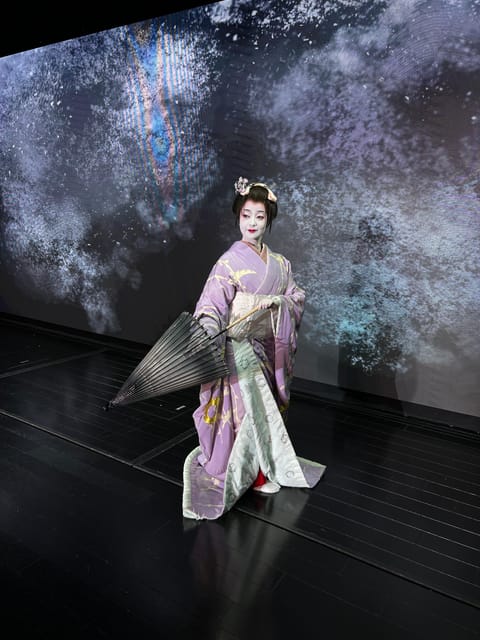
Kimonos, breath, and history in one show. This Japanese dance performance in Shinjuku turns traditional stage technique into something you can almost feel, with professional performers (including YUKI YOSHIDA as the listed provider) and the sense that you’re watching skills shaped over 400 years. I love the up-close access, where you can catch facial expressions and tiny changes in movement instead of just seeing a stage from far away.
What I love most is the way the show pairs performance with clear explanation, so you don’t need to already know the vocabulary of Japanese dance to follow the emotion. I also like how the staff and performers make interaction easy before and after, with English help available during the experience. One key consideration: photography is not allowed during the performance, and that means you’ll want to plan to watch first (there’s a photo-taking window at the end).
In This Review
- Key highlights to look for
- Shinjuku Theater Energy: A traditional art night in the middle of Tokyo
- The performers: why this feels different from a casual dance demo
- The kimonos aren’t decoration—they’re part of the story
- What the show feels like: close-up emotion and careful pacing
- Before, during, and after: how to plan your time in Shinjuku
- Price and value: is $54 worth it in Tokyo?
- Who should book this dance show?
- Kids, extra support, and family-friendly planning
- Practical etiquette tips so you enjoy it more
- Should you book this Tokyo traditional dance show?
- FAQ
- Where is the Japanese dance show located?
- How much does the ticket cost?
- What’s included in the ticket?
- Is food and beverage included?
- Is hotel pickup included?
- Can I take photos during the performance?
- Is there any time to take photos?
- What language is used during the show?
- Is childcare available?
- Can I reserve and pay later?
- What is the cancellation window?
Key highlights to look for
- Shinjuku convenience: Central Tokyo area, easy to build into a night out
- Award-winning professionals: Japanese dancers who’ve competed and earned recognition
- Kimonos up close: You’ll notice the beauty of costume details and decoration
- 400-year technique made visible: Movements carry cultural meaning, not just choreography
- English support when it counts: Explanations happen between performance segments
- No photos during the show: Cameras down during performances, photo time after
Shinjuku Theater Energy: A traditional art night in the middle of Tokyo
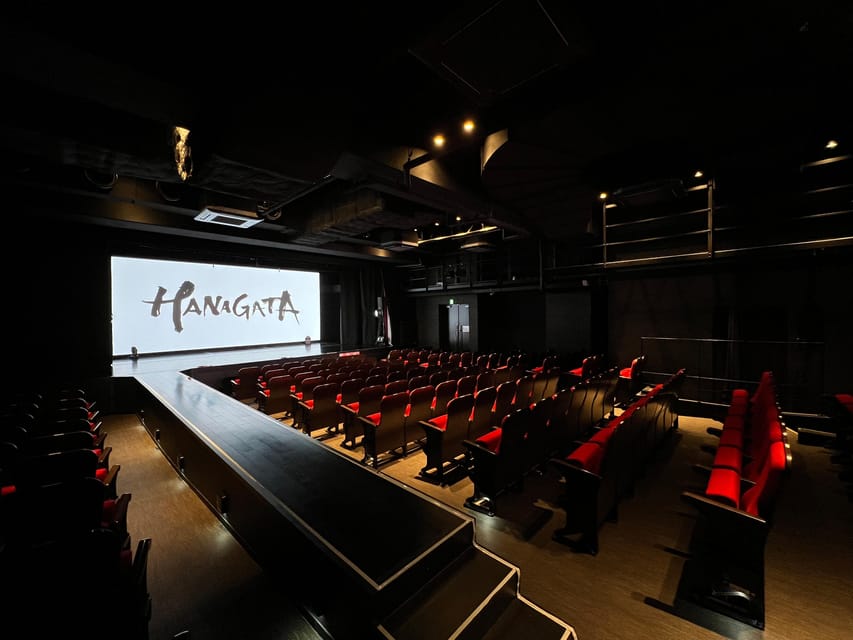
Tokyo’s Shinjuku can feel like a living video screen—lights, crowds, and constant motion. That’s exactly why a traditional Japanese dance show in this area works so well. You get to walk out of high-speed modern Tokyo and sit down for something slow, precise, and deeply expressive.
The show is located in Honshu, with the experience centered in Shinjuku, so you can treat it like a real evening plan rather than a complicated add-on. You’ll also appreciate the straightforward setup: you’re buying an entrance ticket, showing up, and spending your time focused on the performance itself.
If you’re the type of traveler who wants culture without a scavenger-hunt, this is your lane. The experience is set up so you can concentrate on dance: the venue is in the city, the performers are the main event, and the atmosphere is built for watching.
Readers also shortlisted these Tokyo bookings:
- Tokyo: teamLab Planets TOKYO Digital Art Museum Entry Ticket
★ 4.6 · 9,779 reviews - Tokyo: Hop-On Hop-Off Sightseeing Bus Ticket
★ 3.9 · 4,207 reviews - Tokyo: Japanese Dance Cabaret Theater Asakusa-Kaguwa Ticket
★ 4.8 · 2,270 reviews - Tokyo Grand Sumo Tournament Viewing Tour with Tickets
★ 5.0 · 692 reviews
The performers: why this feels different from a casual dance demo
This isn’t presented like a casual performance or a training session for tourists. The emphasis is on professional Japanese dancers, including performers described as having received awards at dance competitions. That matters because it changes what you’re seeing: you’re not just watching movement, you’re watching technique under control.
Japanese dance has a long lineage, and the show leans into that. The movements are presented as a reflection of history, culture, and identity—so it’s not only about aesthetic beauty. It’s also about meaning: the pacing, the use of space, the way the body shapes emotion through posture and timing.
The venue also brings you close enough to notice something that’s hard to capture on video: the expressions. In dance like this, emotion often lives in the face as much as in the arms and legs. That’s one reason close seating and a focused environment make a big difference.
The kimonos aren’t decoration—they’re part of the story
You’ll likely think you came to see dancing. Then you notice the costumes. The performers wear kimonos with detailed decoration, and the beauty isn’t just for show—it’s part of how the dance reads.
From a distance, costumes can blur into color. Up close, you start to see how the fabric, patterns, and ornamentation interact with movement. Even if you don’t know the technical language of the choreography, the visual rhythm helps your brain “read” the performance. The effect is almost like watching poetry where the line breaks matter.
The show also creates a “pay attention” environment. Because photography is prohibited during performances, you’re less distracted and more likely to notice costume details and small movements that happen between the big moments.
What the show feels like: close-up emotion and careful pacing
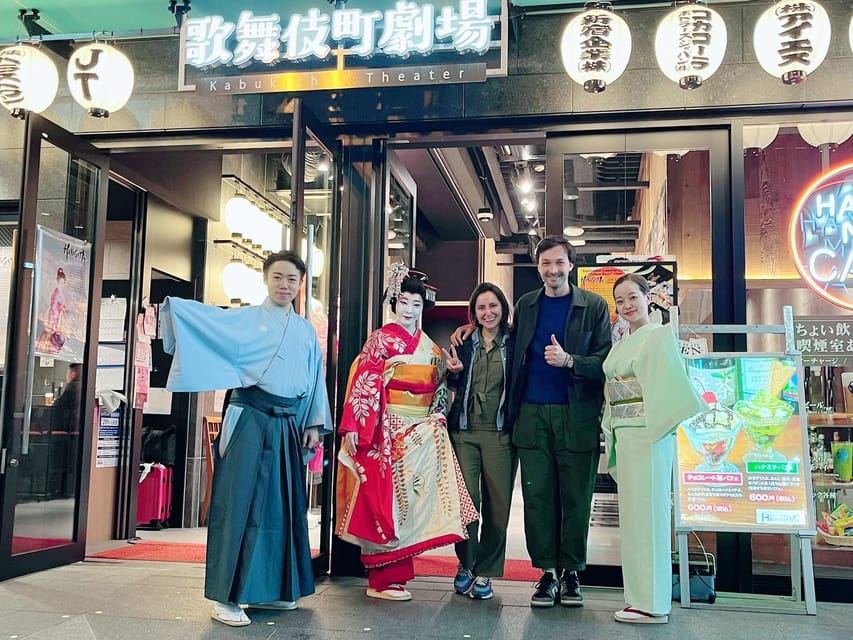
The experience is built for attention. You’re in the room with the performers, close enough that the show can feel physical rather than purely visual. The description emphasizes that you can feel breath and movement almost as if you’re part of the dance. Even if you come in expecting a normal theater performance, this close connection changes the vibe.
Another thing that helps is that the show isn’t one long uninterrupted stretch. There are segments, and between them you get information in English (even though Japanese is listed as the language). That between-pieces context is valuable because Japanese traditional dance can be hard to interpret at first glance. Explanations help you catch the intent behind the motion, so your eyes know what to look for.
And then, during the performance itself, the dancers bring the cultural meaning to life through expression and technique. The result is less like sightseeing and more like understanding how a tradition communicates.
Before, during, and after: how to plan your time in Shinjuku
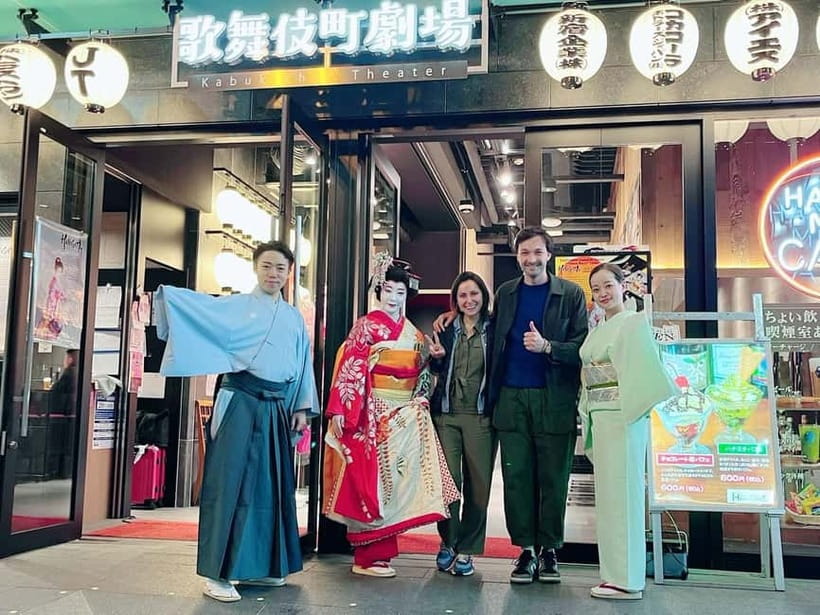
Here’s how I’d think about your evening based on how the experience is framed.
Before the performance
You’re not just walking into a blank room and sitting down. The show includes staff interaction, and you may receive welcome gifts. There’s also English support between segments, plus a chance to talk with staff and performers before or after the show. If you enjoy asking simple questions—How does this movement function? What should I watch for?—this is where the experience can feel personal.
During the performance
Photography is not allowed inside during the performance. That’s a big deal. It means you should treat your phone like it’s on airplane mode emotionally: keep it put away and watch.
Expect strong focus on dance, with the performers’ expressions and costume beauty as key visual anchors. The closeness helps you see details that you’d miss from far seats.
After the performance
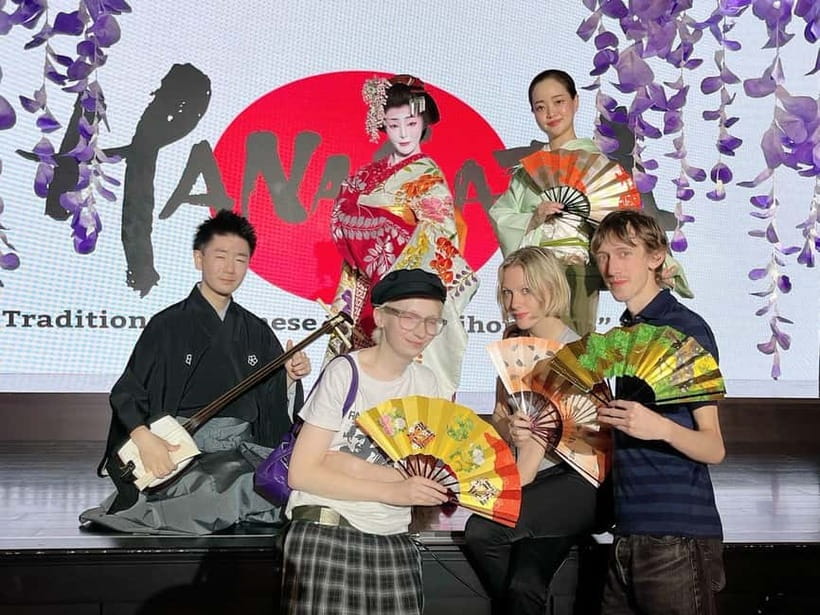
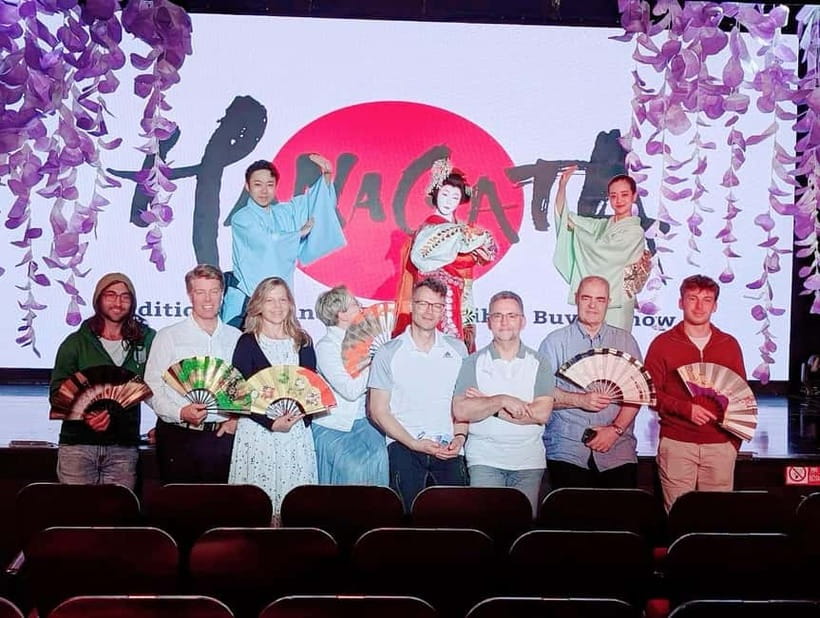
There’s a designated photo time at the end, which lets you capture memories without interrupting the dancers. After that, staff and performers are open to conversation, and English comfort is part of the experience. This is also when you get the satisfaction of connecting what you saw with what it means.
Readers also shortlisted these Tokyo bookings:
- Mt Fuji & Hakone Cruise, Drum Show Bullet Train 1 Day from Tokyo★ 4.0 · 7,413 reviews
- Tokyo: Sumo Show and Dining Experience★ 4.8 · 2,742 reviews
- the SUMO show★ 5.0 · 1,960 reviews
- Tokyo Shinjuku Sumo Show & Experience with Photo★ 5.0 · 1,750 reviews
- Mt Fuji & Hakone Cruise, Drum Show Bus 1 Day from Tokyo★ 4.0 · 1,287 reviews
Price and value: is $54 worth it in Tokyo?
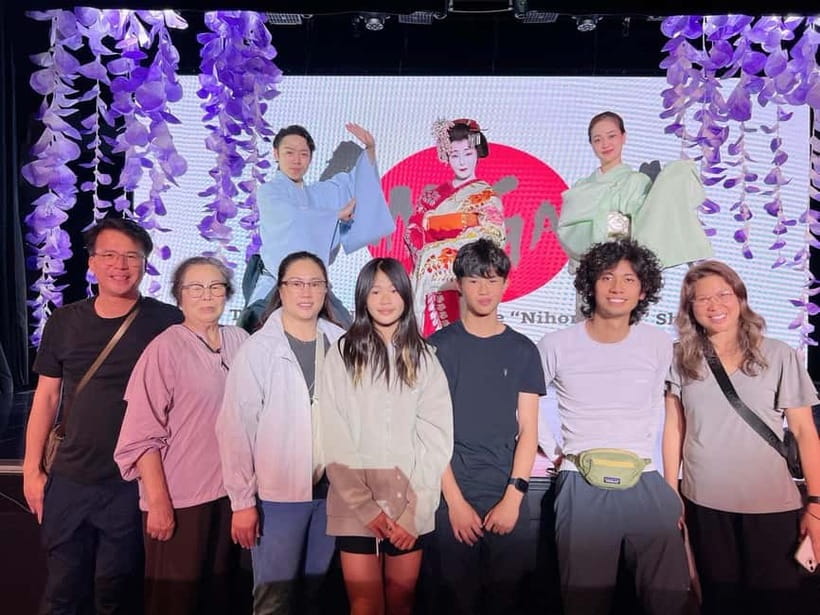
At $54 per person, this isn’t a budget-only activity in Tokyo. But it also isn’t priced like a high-end private performance. The value comes from what’s included: you’re paying for an entrance ticket to a professional show by trained Japanese dancers, with award recognition and close-up access.
Here’s the value logic that makes sense for this kind of experience:
- You’re paying for stage time with professionals, not a casual demonstration.
- You’re paying for a watching environment built for focus (no photos during the performance).
- You’re paying for cultural context, including English explanations between segments.
If you’ve ever watched traditional arts from too-far away, you know how frustrating it can be to miss the details. This show’s framing—especially the close-up emphasis—helps justify the price.
The big “value check” for you is simple: if you like Japanese art forms and want to understand what you’re seeing, this price is easier to defend. If you only want quick entertainment with zero cultural context, you might decide it’s more than you need.
Who should book this dance show?
This is a strong fit for several types of travelers:
- People who love Japanese culture and want more than surface-level “cool, pretty costumes.”
- Travelers who prefer small, focused experiences over long museum hours.
- Anyone who wants to learn how tradition communicates through movement, not just what it looks like.
- Families who can use the childcare option (see below).
It may be less ideal if you strongly prefer filming during shows or you don’t enjoy watching without capturing everything. The photography rule is clear, and the experience is designed so you’ll experience the performance with full attention.
Kids, extra support, and family-friendly planning
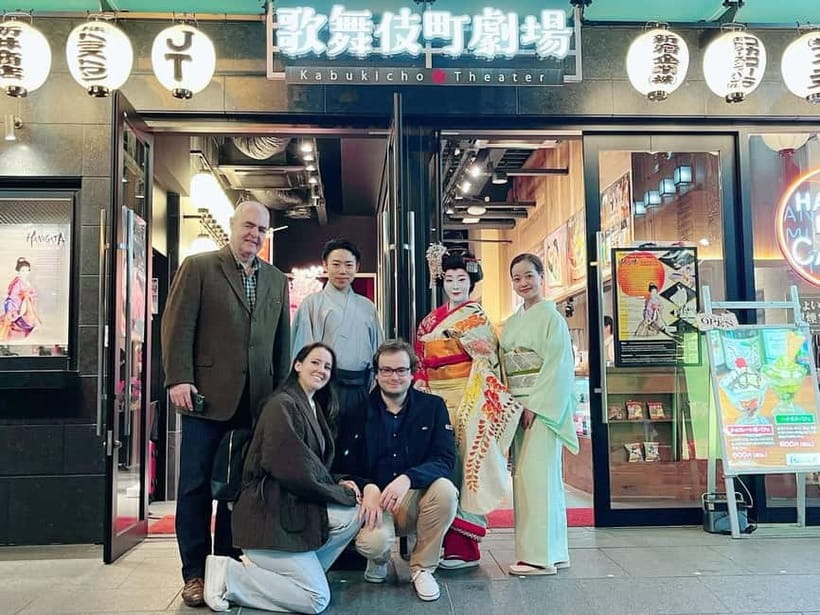
Good news: this experience offers childcare support for your children while you enjoy or participate in activities. There’s also an option to arrange experiences for kids.
The key practical note is that you’ll need to reserve through the provided childcare program link. If you’re traveling as a family and want a calmer adult evening without dragging kids through a quiet performance, this childcare option can turn the show into a realistic plan.
Practical etiquette tips so you enjoy it more
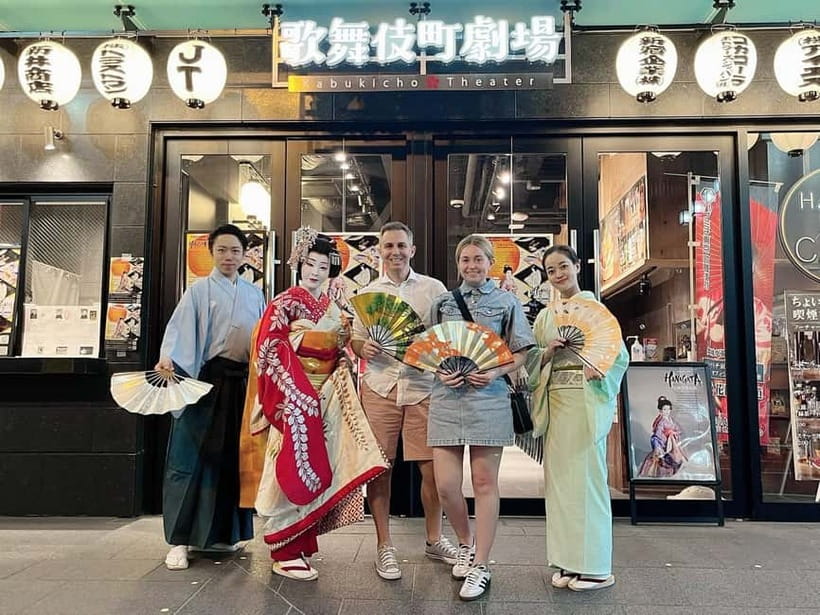
Because the performance environment is built for focus, a little planning goes a long way.
Respect the no-photo rule
Photography is prohibited during performances. That isn’t just a “don’t be rude” rule—it supports the atmosphere so everyone can watch. Keep your phone down until the end photo session.
Arrive mentally ready to watch
This show rewards attention. You’ll get more out of it if you treat it like a slow, story-forward performance rather than a checklist of sights.
Ask yourself what to notice
Even if you’re new to Japanese dance, you can still “read” it:
- watch expressions closely
- notice how movement changes the face and posture
- look at costume details as the performers move
Language expectations
Japanese is listed as the language, but English support is part of the experience through information between performances. If you’re relying on English for context, plan to listen during those breaks rather than expecting constant translation throughout every moment.
Should you book this Tokyo traditional dance show?
You should book it if you want a true traditional performance in Tokyo that takes itself seriously—award-winning dancers, beautiful kimono styling, and enough context in English to help you understand what you’re seeing. The close-up emphasis makes it more engaging than most “sit and watch from afar” cultural options.
Skip or think twice if you need to film during the show, or if you only want casual entertainment without any explanation. The camera restriction is real, and the experience is designed around watching rather than recording.
If you’re building a Tokyo plan and you want one night that feels like you actually learned something—while still enjoying the beauty—you’ll likely feel this was money well spent.
FAQ
Where is the Japanese dance show located?
It’s in Shinjuku, Tokyo, on Honshu, Japan.
How much does the ticket cost?
The price is $54 per person.
What’s included in the ticket?
The ticket includes entrance only.
Is food and beverage included?
No, food and beverage are not included.
Is hotel pickup included?
No, hotel pickup is not included.
Can I take photos during the performance?
No. Photography is prohibited inside during performances.
Is there any time to take photos?
Yes. At the end of the performance, there will be a time for taking pictures.
What language is used during the show?
Japanese is listed as the language. English support is also available through information provided during the experience.
Is childcare available?
Yes. Childcare for your children is available, and you can reserve through the kids program link provided.
Can I reserve and pay later?
Yes. Reserve & Pay Later is offered, so you can book without paying immediately.
What is the cancellation window?
You can cancel up to 24 hours in advance for a full refund.
More Show in Tokyo
- Mt Fuji & Hakone Cruise, Drum Show Bullet Train 1 Day from Tokyo
★ 4.0 · 7,413 reviews - Tokyo: Sumo Show and Dining Experience
★ 4.8 · 2,742 reviews - the SUMO show
★ 5.0 · 1,960 reviews - Tokyo Shinjuku Sumo Show & Experience with Photo
★ 5.0 · 1,750 reviews - Mt Fuji & Hakone Cruise, Drum Show Bus 1 Day from Tokyo
★ 4.0 · 1,287 reviews
More Tickets in Tokyo
- Tokyo: teamLab Planets TOKYO Digital Art Museum Entry Ticket
★ 4.6 · 9,779 reviews - Tokyo: Hop-On Hop-Off Sightseeing Bus Ticket
★ 3.9 · 4,207 reviews - Tokyo: Japanese Dance Cabaret Theater Asakusa-Kaguwa Ticket
★ 4.8 · 2,270 reviews - Tokyo Grand Sumo Tournament Viewing Tour with Tickets
★ 5.0 · 692 reviews - Tokyo Skytree Admission Ticket with Tembo Deck and Galleria
★ 4.0 · 589 reviews
More Tour Reviews in Tokyo
- Mt Fuji and Hakone 1-Day Bus Tour Return by Bullet Train
★ 5.0 · 26,383 reviews - 1-Day Tokyo Bus Tour
★ 5.0 · 14,250 reviews - Tokyo: teamLab Planets TOKYO Digital Art Museum Entry Ticket
★ 4.6 · 9,779 reviews - Mt Fuji & Hakone Cruise, Drum Show Bullet Train 1 Day from Tokyo
★ 4.0 · 7,413 reviews - Tokyo: Shinjuku Food Tour (13 Dishes at 4 Local Eateries)
★ 5.0 · 6,603 reviews
Latest Tokyo reviews off our desk




Show, compared.
 ★ 4.0Mt Fuji & Hakone Cruise, Drum Show Bullet Train 1 Day from TokyoFrom $1497,413 reviews
 ★ 4.8Sumo Show and Dining ExperienceFrom $792,742 reviews
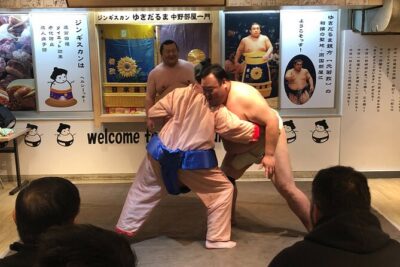 ★ 5.0the SUMO showFrom $891,960 reviews
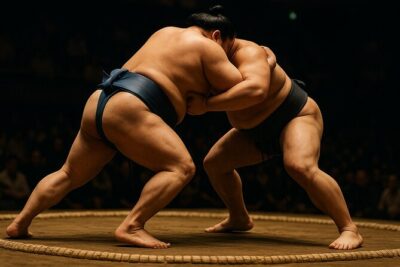 ★ 5.0Tokyo Shinjuku Sumo Show & Experience with PhotoFrom $791,750 reviews
 ★ 4.0Mt Fuji & Hakone Cruise, Drum Show Bus 1 Day from TokyoFrom $1221,287 reviews
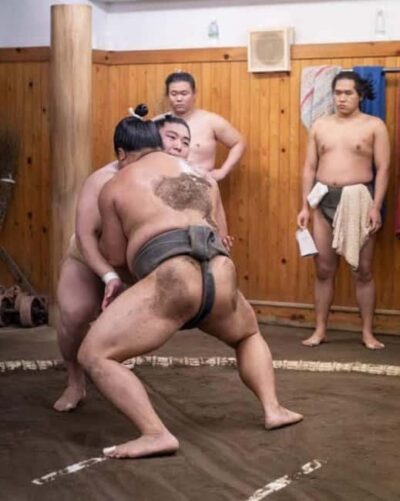 ★ 4.8Sumo Show and Experience in ShinjukuFrom $691,001 reviews
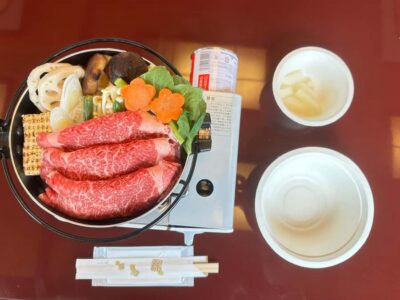 ★ 4.7Yakatabune Dinner Cruise with Japanese Show & DrinksFrom $100871 reviews
 ★ 4.7Luxury Sumo Show Experience & Japanese cuisine & DrinkFrom $103577 reviews