
Reviewed · SHINJUKU FOOD & BAR TOURS
Tokyo: Sumo Show and Experience in Shinjuku
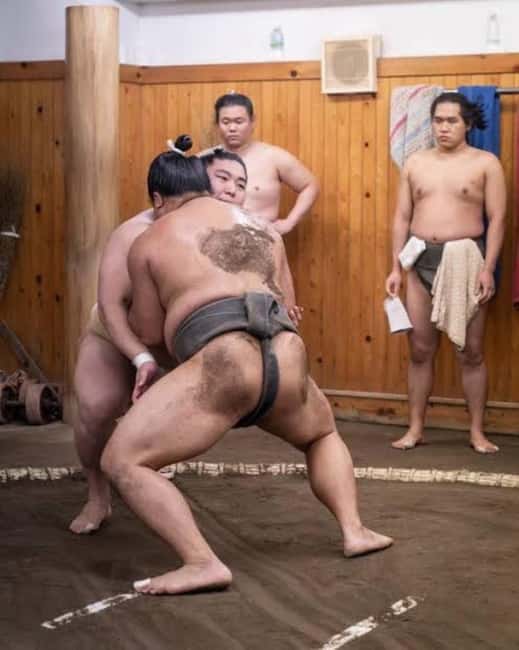
Sumo in Shinjuku sounds like a show, but it plays more like a lesson with muscle. You’ll watch pro sumo wrestlers demonstrate rituals and technique up close, guided by an English-speaking MC (with names like Dai, Paula, Ari, or Ali showing up in past sessions).
I really like how the event explains what you’re seeing in plain terms, including the purpose behind the dramatic steps and match flow. The crowd energy also matters here, and the MCs keep it moving without talking over people.
My favorite part is the hands-on moment: you suit up in a traditional sumo outfit and get a chance to challenge a wrestler in the ring. It’s not just photo-op time; it’s a real, slightly surreal moment where you feel how serious the sport is, even when the tone turns playful.
One thing to keep in mind: this is not a tournament, so you won’t get a full bracket-style competition. You’re there for sparring, demonstrations, and interaction, not official tournament stakes.
In This Review
- Key things I’d circle on the Shinjuku sumo experience
- Shinjuku sumo: what this 90 minutes really feels like
- The meeting point at Sekisaku Building (and why the front door matters)
- What you’ll see: pro sparring, technique demos, and ritual “why this matters”
- The sparring and match segments
- The rituals you’ll actually understand afterward
- The atmosphere: serious sport with a human layer
- When the MC does the work: learning sumo rules in plain language
- “Challenge the rikishi”: putting on the outfit and stepping into the ring
- No tournament bracket here: why it still works for first-timers
- Value in the details: what’s included, what’s not, and how to plan around it
- Who should book this Shinjuku sumo experience
- Quick practical tips before you go
- Should you book it? My take
- FAQ
- FAQ
- Is this a sumo tournament?
- How long is the experience?
- Where is the meeting point in Shinjuku?
- What is included in the ticket price?
- Is food included?
- Is there a language option for the tour?
Key things I’d circle on the Shinjuku sumo experience
- Live pro sparring and match segments that let you see technique, not just pose-and-watch theater
- English MC guidance that turns sumo rules and rituals into something you can follow fast
- Ritual details you’ll recognize afterward, like the pre-bout atmosphere and key in-ring moments
- The chance to wear a traditional sumo outfit and step into the dohyo atmosphere
- A crowd-involved vibe that keeps the 90 minutes from dragging
Shinjuku sumo: what this 90 minutes really feels like
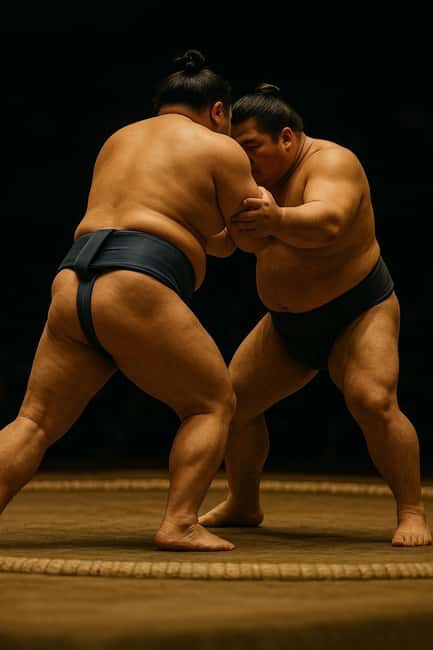
Tokyo loves spectacle, but this one feels personal. You’re in central Shinjuku, yet the event moves at the pace of an old-school sport: focused, formal, and physical. The big hook is simple: you watch pro wrestlers demonstrate how sumo works, then you get to try the tradition yourself.
The event lasts about 90 minutes, and that length is part of the value. It’s long enough to cover rituals, explanations, and live action. It’s short enough that you can fit it into a day of walking, shopping, and train-hopping without feeling like you’ve sacrificed your whole evening.
Cost-wise, $69 per person is not cheap in Tokyo terms. But compared with many “one-room performance” shows, you’re getting more moving parts: pro matches, an English-speaking guide, a welcome drink (bottled water), and the chance to wear the outfit plus challenge a wrestler. If you’re new to sumo, that package is exactly what makes the price feel justified.
More Shinjuku plates and pours our readers rated
- Tokyo: Shinjuku Food Tour (13 Dishes at 4 Local Eateries)
★ 5.0 · 6,603 reviews - Tokyo Bar Hopping Tour in Shinjuku (All-You-Can-Drink + Dinner)
★ 5.0 · 3,587 reviews - Tokyo: Shinjuku Food Tour (15 Dishes and 4 Eateries)
★ 4.9 · 2,033 reviews - Best of Shinjuku: Izakaya Food Tour (4 Stops, 14+ Tastings)
★ 5.0 · 1,863 reviews
The meeting point at Sekisaku Building (and why the front door matters)
You meet on the second floor of Sekisaku Building in Shinjuku. That’s straightforward, but there’s one practical detail that matters: entry is only allowed through the front of the building facing the main door next to Daiso.
Why do I mention this? Because late entry can be a problem. The show follows a time schedule, and late arrival may not be accepted by the front desk. In other words, don’t treat this like a casual hangout where you can stroll in halfway through.
If you’re doing this on a busy day, give yourself a little buffer time to find the right entrance and get upstairs without rushing. Shinjuku can be a maze, and you’ll be in better spirits if you’re settled before the first ritual moment starts.
What you’ll see: pro sparring, technique demos, and ritual “why this matters”
This isn’t presented as a random wrestling-style act. The whole arc is designed to help you understand sumo as a system: rituals, techniques, and the mental rhythm of the ring.
The sparring and match segments
You’ll watch professional sumo wrestlers showcase techniques and then move into live sparring matches. That live component is key. Sumo isn’t just about strength; it’s about leverage, timing, and how you force your opponent into one outcome. When the action happens close by, you start noticing what the wrestlers look for: balance breaking, grips, and sudden shifts.
The rituals you’ll actually understand afterward
The event highlights classic sumo moments like shiko (the foot stomping) and salt-throwing. Even if you’ve seen sumo on TV, this is different. In a smaller venue, the rituals aren’t background noise. They feel like part of a countdown, a way to settle the mind and announce the start of serious competition energy.
And the English-speaking MC ties it together. They explain what you’re seeing and why it’s done. Past sessions have had hosts like Paula and Dai who are known for clear explanations and keeping the crowd engaged, including jokes and interactive moments without losing the point of the sport.
Other ringside bookings readers scored
- Tokyo: Sumo Show and Dining Experience★ 4.8 · 2,742 reviews
- the SUMO show★ 5.0 · 1,960 reviews
- Tokyo Shinjuku Sumo Show & Experience with Photo★ 5.0 · 1,750 reviews
- Tokyo Grand Sumo Tournament Viewing Tour with Tickets★ 5.0 · 692 reviews
- Tokyo Sumo Wrestling Tournament Experience★ 5.0 · 660 reviews
The atmosphere: serious sport with a human layer
Even with the tradition, the tone doesn’t feel stiff. The MCs and wrestlers seem comfortable with the audience and the pace of questions. That’s why it works well for first-timers. You can follow along without already knowing the rules, and you still get authentic sumo technique in action.
When the MC does the work: learning sumo rules in plain language
The MC is the glue of the experience. You don’t just watch; you get guided through the logic of what’s happening. That matters because sumo has its own vocabulary and rhythm, and it can be confusing if you’re trying to decode it alone.
In earlier sessions, guides like Paula and Ari have been praised for explaining the history and rules in a way that makes sense in real time. Ali has also been described as a standout host, mixing humor with real instruction. That combination is hard to fake. When it’s done well, you end up leaving with a mental map of what the wrestlers are trying to do.
Here’s what you should expect from that part of the show:
- You’ll learn how bouts and movements are understood
- You’ll connect ritual actions to match mindset
- You’ll get enough context to appreciate strategy instead of only size
The payoff is that sumo stops looking like random collisions. You start noticing positioning and decision-making. That shift is why this experience is so highly rated.
“Challenge the rikishi”: putting on the outfit and stepping into the ring
This is the moment people remember. After the demonstrations and live action, you’ll be invited to suit up in a traditional sumo outfit and step into the dohyo atmosphere. Then you get a chance to challenge a wrestler.
A few important reality checks help here:
- You’re not supposed to win. This is about feeling the formality and power in close range.
- The experience is often playful, but the wrestlers aren’t acting. They’re trained, and the ring feels different when they’re right there.
- Even if you’re average at sports, the moment still lands because it’s part performance and part cultural participation.
The wrestlers in past sessions include names like George and Guchi, who have shown up as crowd favorites and are described as entertaining and friendly. You might even get a photo opportunity with them, since that’s happened for some participants in earlier sessions. It’s not stated as a guaranteed item in the tour details, but it’s very much within the spirit of the experience.
If you want the “wow” factor of sumo culture without trying to book a full tournament day, this is your best bet.
No tournament bracket here: why it still works for first-timers
This is not a tournament. That’s the biggest potential mismatch if you’re expecting official competition stakes.
But here’s why it still delivers:
- You get guided context before and during the action
- You see professional-level technique and sparring in a shorter format
- You get interaction (outfit + ring challenge) that you usually won’t get at tournament venues
Think of it like this: tournaments are about results. This experience is about understanding. For most visitors, that’s the more satisfying route because you leave Tokyo with a brain that finally knows what sumo is doing.
If you’re the type who likes learning how things work, you’ll get more out of this than you might expect. If you only want the highest-stakes competition vibe, you may prefer planning a real tournament later. But as a first taste of sumo, this is a smart, efficient choice.
Value in the details: what’s included, what’s not, and how to plan around it
Included in the experience:
- Professional sumo wrestling matches
- English-speaking MC
- Welcome drink (bottled water)
- Opportunity to wear a traditional sumo outfit
- Chance to challenge sumo wrestlers
Not included:
- Food
So plan your meal before or after. Since the show is about 90 minutes, you can pair it with an early dinner in Shinjuku or grab something quick nearby. The show itself is focused and structured; eating is not part of the plan.
Also, bring realistic expectations about comfort. You’ll be inside and you’ll be watching, listening, and moving through a short sequence of activities. Wear clothes you can sit in and stand in easily.
Who should book this Shinjuku sumo experience
This fits best if:
- You’re new to sumo and want the rules explained clearly
- You want pro action without the hassle of tournament planning
- You like cultural experiences where you do more than watch
- You’re traveling with family, since the mix of explanation, demonstrations, and humor tends to land with different age groups
From the variety of past participants, the show works for first-timers, families with kids, and even people who arrived thinking sumo would be purely educational. It has that rare balance: learning plus entertainment.
If you’re coming with someone who enjoys performance and another person who wants cultural context, this is a good compromise. The MC handles the meaning, and the wrestlers handle the spectacle.
Quick practical tips before you go
Here are the details that help you enjoy this more from minute one:
- Arrive early enough to handle the building entrance and the second-floor meeting point. Late entry can be refused.
- Expect the show to follow a strict time schedule, so don’t plan to wander right up to the start time.
- Wear comfortable shoes. You’ll be moving around inside.
- Don’t plan on food being provided. Eat before you go so you can focus on the show.
And mentally, go in expecting a mix of tradition and modern hosting. The English MC is there for a reason, and the interaction is part of the charm.
Should you book it? My take
If you’re deciding between a casual sumo show and a more interactive experience, I’d lean toward booking this one. For $69, you get more than viewing: you get an English-guided explanation, pro sparring, cultural rituals, a welcome drink, and the outfit + ring challenge.
The main reason not to book is simple: if you’re specifically hunting for tournament-style competition and official stakes, this is not that. But if you want the fastest path to understanding sumo and feeling the tradition up close in central Tokyo, this Shinjuku format makes a lot of sense.
FAQ
FAQ
Is this a sumo tournament?
No. This experience is not a tournament. It focuses on professional bouts and demonstrations with an English-speaking guide and audience interaction.
How long is the experience?
The tour runs for 90 minutes.
Where is the meeting point in Shinjuku?
You meet on the second floor of Sekisaku Building in Shinjuku.
What is included in the ticket price?
Included are professional sumo wrestling matches, an English-speaking MC, a welcome drink (bottled water), the chance to wear a traditional sumo outfit, and the opportunity to challenge sumo wrestlers.
Is food included?
No. Food is not included.
Is there a language option for the tour?
Yes. The tour is in English.
More Tour Reviews in Tokyo
- Mt Fuji and Hakone 1-Day Bus Tour Return by Bullet Train
★ 5.0 · 26,383 reviews - 1-Day Tokyo Bus Tour
★ 5.0 · 14,250 reviews - Tokyo: teamLab Planets TOKYO Digital Art Museum Entry Ticket
★ 4.6 · 9,779 reviews - Mt Fuji & Hakone Cruise, Drum Show Bullet Train 1 Day from Tokyo
★ 4.0 · 7,413 reviews - Tokyo: Shinjuku Food Tour (13 Dishes at 4 Local Eateries)
★ 5.0 · 6,603 reviews
More Sumo, Ringside and Rated
- Tokyo: Sumo Show and Dining Experience
★ 4.8 · 2,742 reviews - the SUMO show
★ 5.0 · 1,960 reviews - Tokyo Shinjuku Sumo Show & Experience with Photo
★ 5.0 · 1,750 reviews - Tokyo Grand Sumo Tournament Viewing Tour with Tickets
★ 5.0 · 692 reviews - Tokyo Sumo Wrestling Tournament Experience
★ 5.0 · 660 reviews
More Shinjuku Food and Drink
- Tokyo: Shinjuku Food Tour (13 Dishes at 4 Local Eateries)
★ 5.0 · 6,603 reviews - Tokyo Bar Hopping Tour in Shinjuku (All-You-Can-Drink + Dinner)
★ 5.0 · 3,587 reviews - Tokyo: Shinjuku Food Tour (15 Dishes and 4 Eateries)
★ 4.9 · 2,033 reviews - Best of Shinjuku: Izakaya Food Tour (4 Stops, 14+ Tastings)
★ 5.0 · 1,863 reviews - Tokyo: Shinjuku Local Bar and Izakaya Guided Walking Tour
★ 4.9 · 1,794 reviews
Latest Tokyo reviews off our desk






Shinjuku Food & Bar Tours, compared.
 ★ 5.0Shinjuku Food Tour (13 Dishes at 4 Local Eateries)From $866,603 reviews
 ★ 5.0Tokyo Bar Hopping Tour in Shinjuku (All-You-Can-Drink + Dinner)From $1063,587 reviews
 ★ 4.9Shinjuku Food Tour (15 Dishes and 4 Eateries)From $852,033 reviews
 ★ 5.0Best of Shinjuku: Izakaya Food Tour (4 Stops, 14+ Tastings)From $921,863 reviews
 ★ 4.9Shinjuku Local Bar and Izakaya Guided Walking TourFrom $341,794 reviews
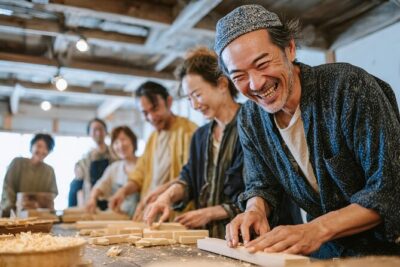 ★ 5.0Tokyo Shinjuku Chopsticks Making ClassFrom $201,763 reviews
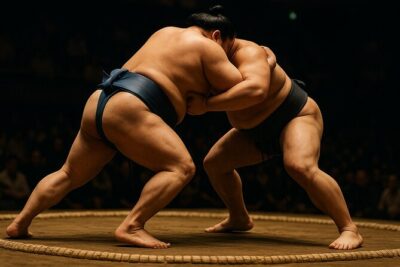 ★ 5.0Tokyo Shinjuku Sumo Show & Experience with PhotoFrom $791,750 reviews
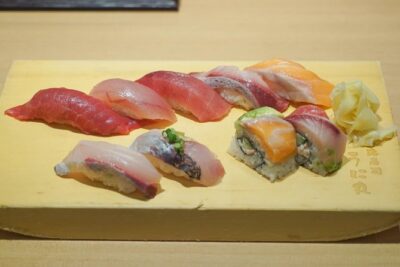 ★ 5.0Tokyo Night Foodie Tour in Shinjuku – Seasonal Sushi, Wagyu BeefFrom $1111,161 reviews
Browse the lists this tour appears in