
Reviewed · CITY TOURS
Tokyo: City Tour B
Tokyo in one day, with a friendly Spanish guide. This 8-hour loop is a practical way to see Tokyo’s range, from calm at Meiji Shrine to neon corners in Akihabara, all explained in Spanish with clear, close guidance.
I especially like the way the tour gives you tips and recommendations so you don’t just walk, snap photos, and vanish. Another big plus is the “move smarter” approach: you’re traveling mostly by public transport, with an eco-friendly mindset that fits Tokyo’s real rhythm. One thing to consider: the schedule packs in a lot of stops, so it can feel a bit ambitious if you prefer slow, long stays in each neighborhood.
In This Review
- Key highlights to know before you go
- Yoyogi Park and Meiji Shrine: calm start, skip some waiting
- Harajuku and Takeshita Street: trends, but with context
- Akihabara: geek-pop culture with a real lunch window
- Ginza and Tokyo Bay: luxury vibes, big-city pacing
- Odaiba: modern Tokyo and a waterfront reset
- Shibuya and the Scramble Crossing: finish where Tokyo feels loud
- Price and Logistics: is $96 good value for this route?
- How the guide style changes the day (and what to expect)
- Eco-friendly approach: public transit and less wasted time
- Who this Tokyo City Tour B fits best
- Should you book Tokyo: City Tour B?
- FAQ
- What language is the tour in?
- How long is Tokyo City Tour B?
- Where do I meet the tour?
- What is included in the price?
- Is transportation included?
- Is the tour done on public transport?
- Does the tour skip lines?
- Does the tour allow luggage or large bags?
- Where does the tour end?
- Is hotel pickup available?
Key highlights to know before you go
- Spanish narration with a close, friendly guide so you’re not left guessing what you’re seeing
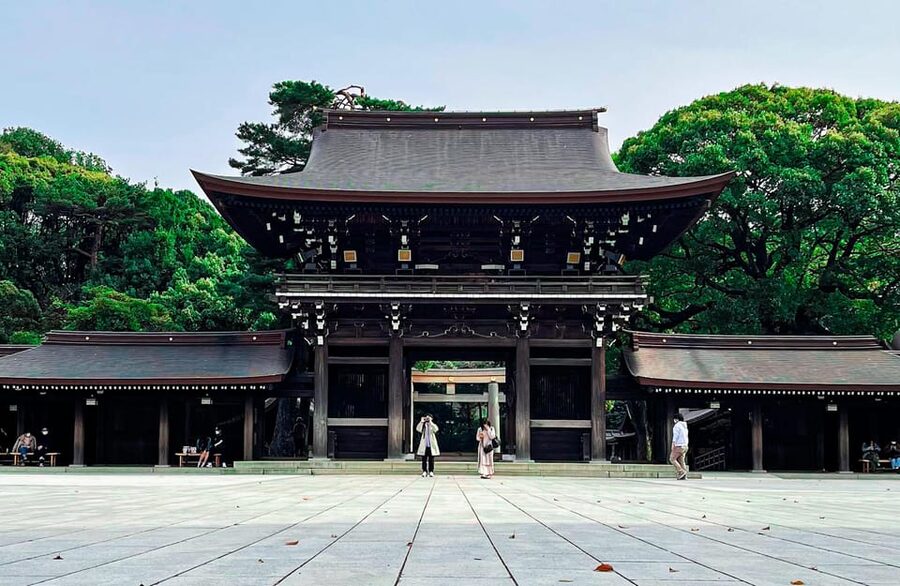
- Yoyogi Park + Meiji Shrine to start with a quiet reset before the chaos
- Harajuku and Takeshita Street with trend-history context, not just shopping time
- Akihabara time for your own lunch plus guided geek-culture wandering
- Ginza to Tokyo Bay and Odaiba for the shift from old-school streets to waterfront modern Tokyo
- Shibuya Scramble Crossing at the end plus the Hachiko statue area for classic photo moments
Yoyogi Park and Meiji Shrine: calm start, skip some waiting
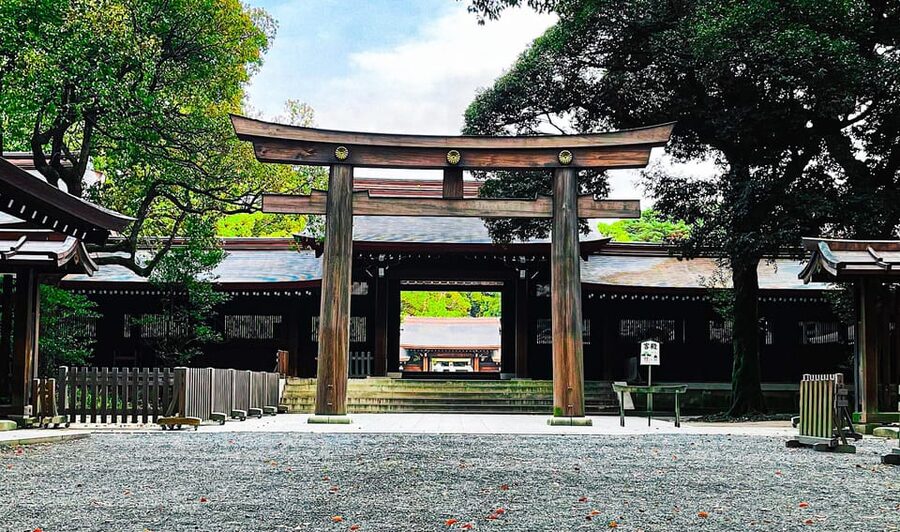
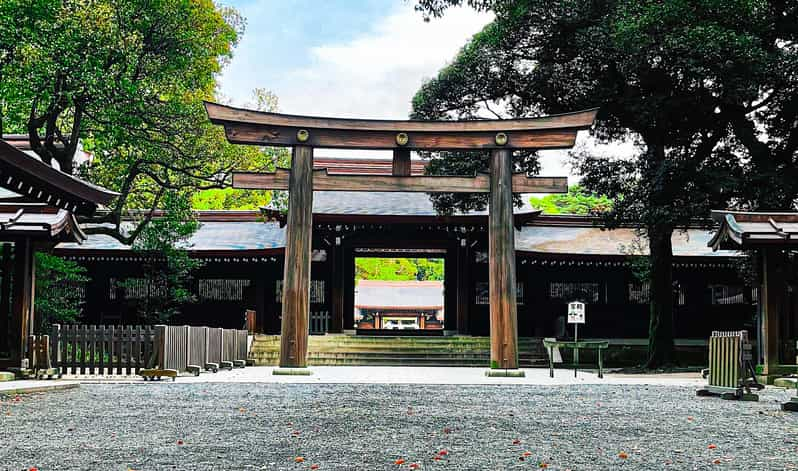
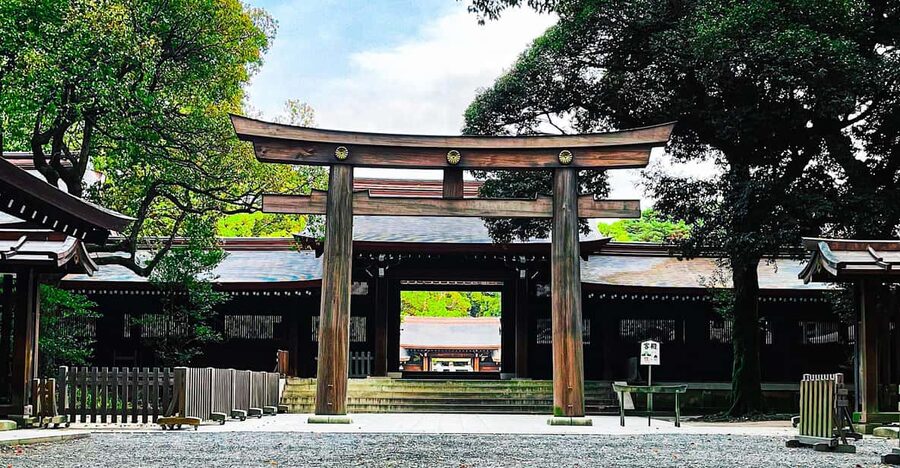
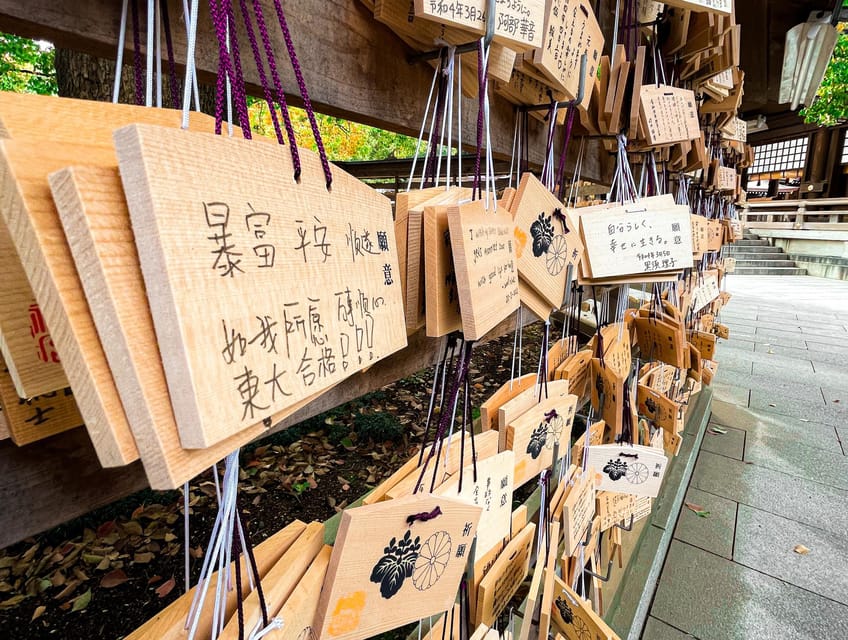
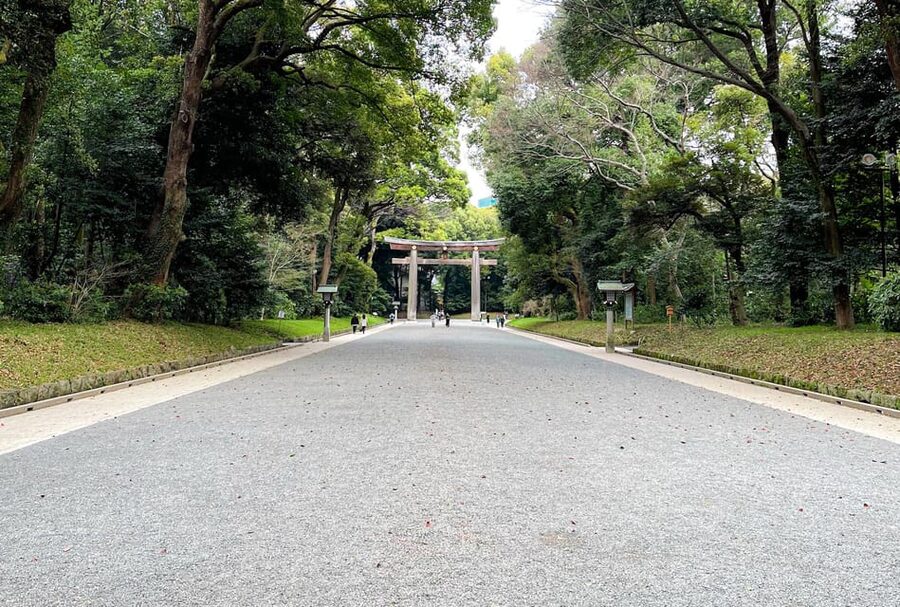
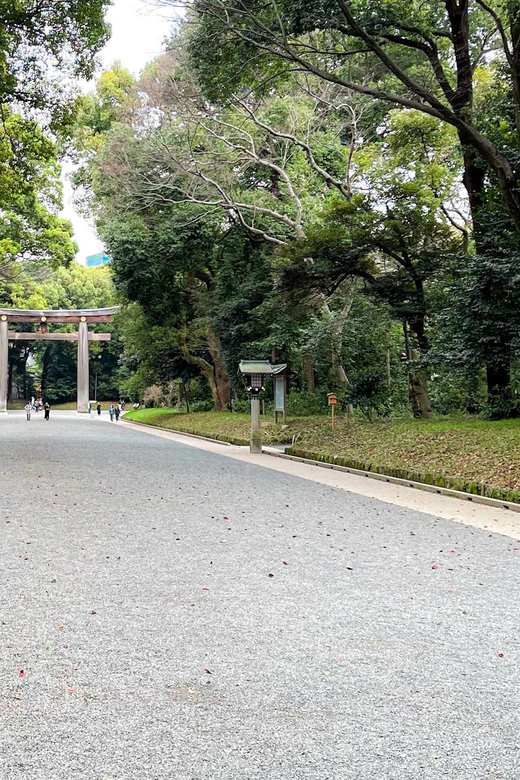
The tour begins in the Yoyogi Park area, at the large wooden Torii gate/arch at the park entrance (West Exit of Harajuku Station). Expect to get oriented fast—then you head straight into Meiji Shrine, one of Tokyo’s most peaceful resets.
Meiji Shrine is tied to the emperor who ended Japanese feudalism, and that background matters because you’re not just looking at buildings. You’re stepping into a place that’s meant to slow you down. Even if you’re short on time in Tokyo, getting here first helps your brain understand the country’s contrasts. One reviewer called out that the stop choices are strong, and this is the kind of foundation stop that makes the rest of the day feel more meaningful.
You’ll also get a guided tour here (about 1.5 hours), and you’ll use a separate entrance to skip some waiting. That’s a real value in a city where lines can quietly eat your schedule.
Practical tip: bring a layer if the weather turns. Shrines can feel cooler than the surrounding streets, and you’ll appreciate it during longer outdoor stretches.
Readers also shortlisted these Tokyo bookings:
- Tokyo: Private City Highlights Tour with Local Guide
★ 4.8 · 1,433 reviews - Tokyo: Asakusa, Skytree & Akhihabara Go-Kart City Experience
★ 4.7 · 761 reviews - Tokyo: 3-Hour Bike or E-Bike City Highlights Tour
★ 4.8 · 435 reviews - Tokyo: Sumo Morning Practice Tour at Sumida City
★ 4.8 · 308 reviews
Harajuku and Takeshita Street: trends, but with context
From Meiji Shrine, the route moves by foot toward Harajuku, with a quick walk (around 10 minutes) into the action. Then comes Takeshita Street, famous for pop fashion and fast trend cycles—roughly 40 minutes of guided time here.
What makes Takeshita Street more than just “look at clothes” is the way the tour frames it: this area is described as a birthplace of trends in Harajuku, which has stayed trend-setting for decades. That context helps you see beyond costumes. You start noticing how style here reflects youth culture, where influences spread quickly, and why the street became a magnet in the first place.
The time is short on purpose. This is a walking-and-looking stop, not a retail marathon. If you’re the type who wants to browse every shop, you might still have fun—but you’ll need to keep moving with the group, because the schedule continues.
Practical tip: wear comfortable shoes. Harajuku can be crowded, and you’ll be standing around for photos while keeping up with the guide.
Akihabara: geek-pop culture with a real lunch window
Next is the tech-savvy side of Tokyo: Akihabara. You travel there by train (about 25 minutes), then you get a long guided segment (about 80 minutes).
Akihabara is known as the geek-pop culture district, and the tour leans into that identity. This is where Tokyo’s “modern doesn’t erase the past, it adds to it” idea becomes obvious. You’ll see how consumer culture, fandom, and technology live in the same streets—often side by side, sometimes in the same storefront.
Then there’s a key piece that I really like: after the guided time, you get a break for lunch (about 70 minutes). Food and drink aren’t included, so you’ll be choosing your own spot. That flexibility is useful because you can pick what fits your taste and budget instead of being locked into a set meal.
One small drawback of packing so much into one day: Akihabara can pull you in. With limited time, it’s easy to feel like you only scratched the surface. Still, the long block plus lunch break is a fair compromise if your goal is to get a strong overview rather than stay in one neighborhood for hours.
Practical tip: if you’re planning to buy anything, keep an eye on bags. The tour doesn’t allow luggage or large bags, so plan to carry only what you truly need.
Ginza and Tokyo Bay: luxury vibes, big-city pacing
After Akihabara, you take another short train ride (about 10 minutes) to Ginza, Tokyo’s luxury district. You’ll have guided time here (about 40 minutes).
Ginza can feel like a different planet compared with Akihabara. The mood is cleaner, more polished, and the shopping scene is more upscale. Even if you don’t plan to buy anything, Ginza is a useful contrast stop. It helps you understand Tokyo’s categories: what changes by neighborhood, what stays consistent, and how the city balances old prestige with new energy.
From there, the tour continues toward Tokyo Bay. The route suggests you’ll reach the impressive Tokyo Bay area before heading to the next big phase of the day. This is where you start seeing Tokyo as more than a street grid. You get a sense of scale—water, skyline, and the “Tokyo is an entire system” feeling.
Practical tip: bring a camera with decent low-light performance. Bay and waterfront areas can look great in changing light, and you won’t have time to wait for the “perfect” moment.
Odaiba: modern Tokyo and a waterfront reset
The next jump is to Odaiba, reached by train (about 15 minutes). You get about 1 hour of guided time there.
Odaiba is one of those places where Tokyo shows off its modern side. It helps the day feel complete: you’ve seen tradition first, pop culture second, luxury third, and now you’re looking at a Tokyo that feels planned, futuristic, and built for big views.
This hour is long enough to walk and absorb, but short enough that you still keep the day moving. That matters because this whole tour is designed as an 8-hour overview, not a slow travel day where you linger until you’re finished.
Practical tip: if you’re sensitive to walking fatigue, pace yourself here. By Odaiba you’ll likely have been on your feet since earlier Harajuku, and the day is still heading toward Shibuya.
- Tokyo: Shinjuku Food Tour (13 Dishes at 4 Local Eateries)★ 5.0 · 6,603 reviews
- Tokyo Mt Fuji 5th St & Hakone Cruise Bus Tour w/Bullet Train★ 4.4 · 5,024 reviews
- Flagship 2-Hours Official Street Go-Kart Tour – Tokyo Bay Shop★ 5.0 · 4,974 reviews
- From Tokyo: Mount Fuji Full-Day Sightseeing Trip★ 4.5 · 4,970 reviews
- Tokyo: Hop-On Hop-Off Sightseeing Bus Ticket★ 3.9 · 4,207 reviews
Shibuya and the Scramble Crossing: finish where Tokyo feels loud
Finally, it’s Shibuya City (about 20 minutes of guided time), and the tour ends at Shibuya Scramble Crossing—the busiest crossing in the world—plus the area with the famous Hachiko dog statue.
Ending here makes sense. Shibuya is Tokyo at full volume: crowds, fast movement, and the kind of street scene that makes you feel like you’re watching a live city movie. The Hachiko statue is a classic stop for a reason. Even if you don’t know the full story in advance, it gives you a real anchor point in a neighborhood that can otherwise blur into motion.
The guided time is shorter here (about 20 minutes), so the best use of that moment is: get your bearings, get your photos, then enjoy the remaining time at the crossing after the tour if you want to stay.
Practical tip: build in a little buffer for stairs and crowd flow. The crossing area gets packed quickly, especially near peak times.
Price and Logistics: is $96 good value for this route?
At $96 per person for an 8-hour guided tour, you’re paying for structure, interpretation, and a nonstop “see the highlights” path across Tokyo.
Here’s how the value breaks down:
- Included: the Spanish tour, the full ~8-hour experience, and hotel pickup only if you add the supplement or choose the Private Tour option.
- Not included: transportation (listed at ¥1,160) and food/drink.
If you’re already planning to use public transport and you want someone to connect the dots—why each neighborhood matters and how Tokyo’s contrasts fit together—this price can feel fair. You’re also getting practical benefit from skipping some waiting with a separate entrance, which helps you protect your time budget.
However, you should budget mentally for two extras:
1) the subway/train rides (that ¥1,160 estimate), and
2) food, since lunch is a break where you buy your own meal.
Also note the tour uses public transport for both group and private options. That’s good for seeing real Tokyo, but it means you’ll move with the schedule and follow transit instructions rather than taking a taxi or customizing the route.
How the guide style changes the day (and what to expect)
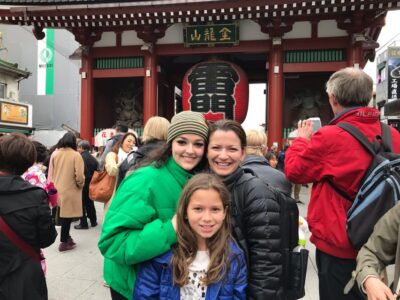
This tour is run in Spanish with a live guide. The vibe is described as close and friendly, which is exactly what you want on a day like this. When you’re hopping between Harajuku, Akihabara, Ginza, Odaiba, and Shibuya, you need more than directions. You need context fast, and you need someone to help you read what you’re seeing.
In particular, the guide approach includes tips and recommendations so you can keep enjoying Tokyo after the tour ends. I like that because Tokyo is too big to “finish” in one day. The goal here isn’t to show you everything. It’s to give you a strong map of what to return to later.
One more human detail: the tour is designed so the guide is easy to find at the start. You meet in front of the wooden Torii/arch and the guide waits with a name tag showing NIPONEANDO. That reduces the stress of your first step in a crowded station area.
Eco-friendly approach: public transit and less wasted time
The tour is labeled eco-friendly, and in practice you can feel that philosophy through the plan: using public transport and keeping the route efficient instead of constantly switching to private vehicles. That also tends to reduce “dead time” in a city where traffic can be unpredictable.
You’ll still be walking a fair amount, especially around Harajuku and the shrine area. But the walking is mostly purposeful—meant to put you in the right places rather than just passing through.
Who this Tokyo City Tour B fits best
This is a great fit if:
- you want a Spanish-led guided overview of several Tokyo neighborhoods in one day
- you like contrasts (tradition, pop culture, luxury, waterfront modern Tokyo, and finally Shibuya energy)
- you prefer structure and don’t want to map transit by yourself across multiple areas
- you’re okay with a tighter pace and shorter guided stops at each stop
It may be less ideal if:
- you hate fast schedules or want long, slow time in just one neighborhood
- you’re bringing luggage or large bags (not allowed)
- you need a tour designed for hearing-impaired accessibility (this tour is not suitable for that)
A quick note on family travel: unaccompanied minors aren’t allowed, so you’ll need an adult with you.
Should you book Tokyo: City Tour B?
If your goal is to get a strong first impression of Tokyo’s major personality types, I’d say yes. The route makes sense: calm shrine start, trend-focused Harajuku, geek-pop Akihabara with a real lunch break, Ginza and Tokyo Bay for polish and scale, Odaiba for modern waterfront views, then Shibuya to close with the classic scene.
Book it if you enjoy guidance and want tips that help your next steps. Skip it if you’re the type who needs lots of free time at each stop. This day is built for movement and contrasts, and that’s exactly why it works.
FAQ
What language is the tour in?
The tour guide leads the experience in Spanish.
How long is Tokyo City Tour B?
The duration is 8 hours.
Where do I meet the tour?
Meet in front of the large wooden Torii gate/arch at the entrance to Yoyogi Park, at the West Exit of Harajuku Station. The guide will be waiting with a name tag indicating NIPONEANDO.
What is included in the price?
Included are the Tokyo tour in Spanish and the 8-hour tour. Hotel pickup is included only if you add the supplement or choose the Private Tour option.
Is transportation included?
No. Transportation is listed as ¥1,160 and is not included.
Is the tour done on public transport?
Yes. This tour uses public transport (for both private and group options).
Does the tour skip lines?
Yes. You skip the line through a separate entrance.
Does the tour allow luggage or large bags?
No. Luggage or large bags are not allowed.
Where does the tour end?
The tour finishes at Shibuya Scramble Crossing.
Is hotel pickup available?
Pickup is optional. If you add the supplement or select the Private Tour option, the guide will pick you up at your hotel reception by public transport (not included).
More City Tours in Tokyo
- Tokyo: Private City Highlights Tour with Local Guide
★ 4.8 · 1,433 reviews - Tokyo: Asakusa, Skytree & Akhihabara Go-Kart City Experience
★ 4.7 · 761 reviews - Tokyo: 3-Hour Bike or E-Bike City Highlights Tour
★ 4.8 · 435 reviews - Tokyo: Sumo Morning Practice Tour at Sumida City
★ 4.8 · 308 reviews - Private Haneda Airport (HND) to Central Tokyo City Transfer
★ 4.5 · 260 reviews
More Tours in Tokyo
- Mt Fuji and Hakone 1-Day Bus Tour Return by Bullet Train
★ 5.0 · 26,383 reviews - 1-Day Tokyo Bus Tour
★ 5.0 · 14,250 reviews - Tokyo: Shinjuku Food Tour (13 Dishes at 4 Local Eateries)
★ 5.0 · 6,603 reviews - Tokyo Mt Fuji 5th St & Hakone Cruise Bus Tour w/Bullet Train
★ 4.4 · 5,024 reviews - Flagship 2-Hours Official Street Go-Kart Tour – Tokyo Bay Shop
★ 5.0 · 4,974 reviews
More Tour Reviews in Tokyo
- Mt Fuji and Hakone 1-Day Bus Tour Return by Bullet Train
★ 5.0 · 26,383 reviews - 1-Day Tokyo Bus Tour
★ 5.0 · 14,250 reviews - Tokyo: teamLab Planets TOKYO Digital Art Museum Entry Ticket
★ 4.6 · 9,779 reviews - Mt Fuji & Hakone Cruise, Drum Show Bullet Train 1 Day from Tokyo
★ 4.0 · 7,413 reviews - Tokyo: Shinjuku Food Tour (13 Dishes at 4 Local Eateries)
★ 5.0 · 6,603 reviews
Latest Tokyo reviews off our desk






City Tours, compared.
 ★ 4.8Private City Highlights Tour with Local GuideFrom $1061,433 reviews
 ★ 4.7Asakusa, Skytree & Akhihabara Go-Kart City ExperienceFrom $96761 reviews
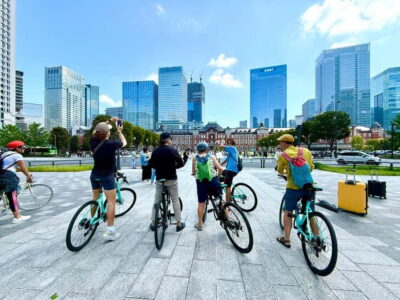 ★ 4.83-Hour Bike or E-Bike City Highlights TourFrom $45435 reviews
 ★ 4.8Sumo Morning Practice Tour at Sumida CityFrom $116308 reviews
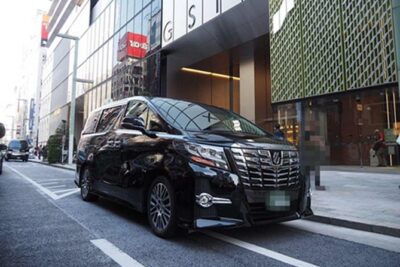 ★ 4.5Private Haneda Airport (HND) to Central Tokyo City TransferFrom $119260 reviews
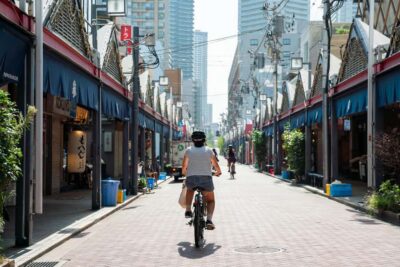 ★ 4.83-hour Guided E-Bike Tour of the City’s Hidden GemsFrom $65251 reviews
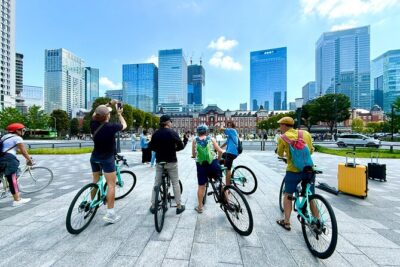 ★ 5.03-Hour Bike/E-Bike Tour of the City’s HighlightsFrom $63209 reviews
 ★ 4.5Private departure transfer from Tokyo city to Tokyo Haneda Airport(HND)From $118123 reviews
Browse the lists this tour appears in