
Reviewed · CITY TOURS
Tokyo City View (Indoor Observation Deck) Admission Ticket
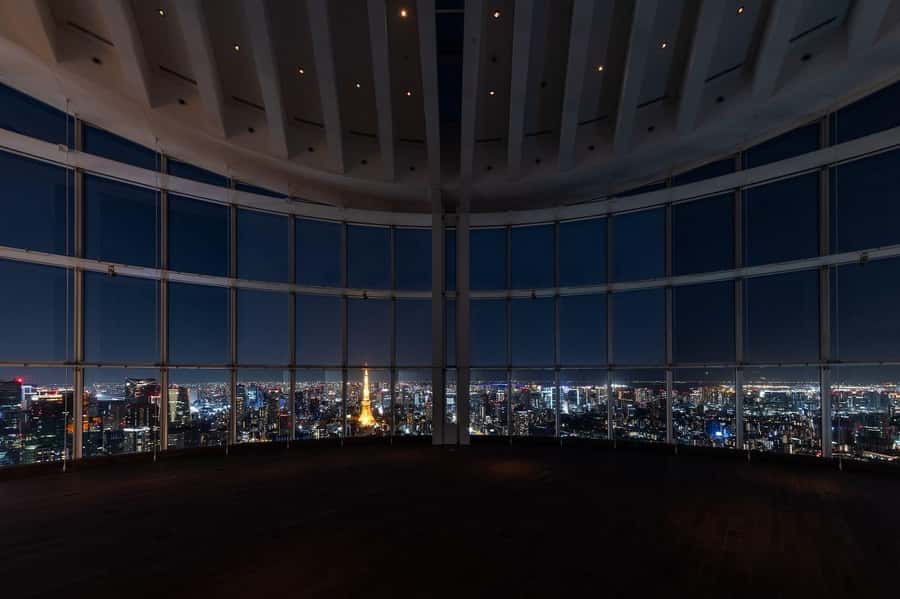
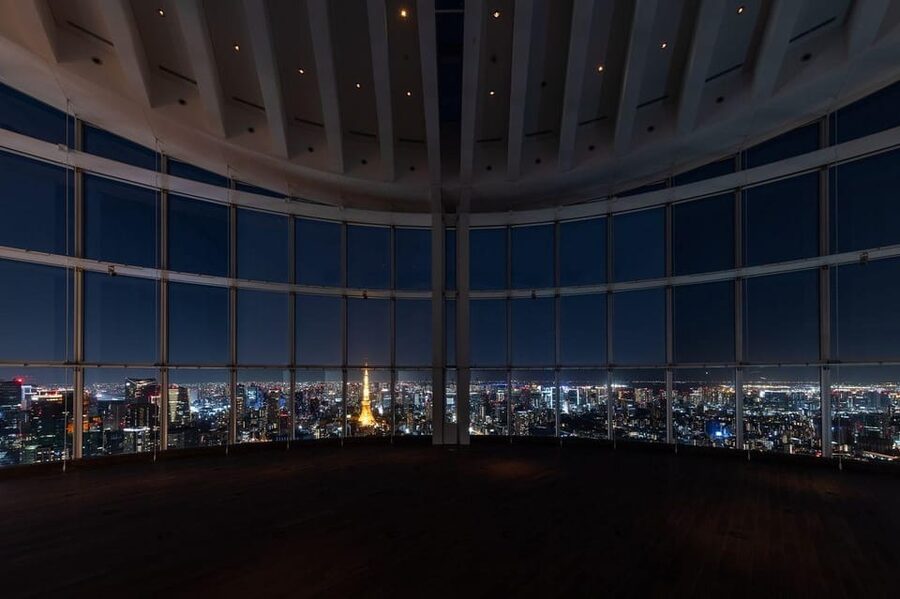
Tokyo from 250 meters is different. Tokyo City View is a one-stop observation ticket in the middle of the city, with an indoor deck at about 250 meters and an outdoor Sky Deck around 270 meters. It’s not only about the skyline; the venue also rotates in exhibits and seasonal changes right where you stand.
I especially like two things. First, the view comes in layers: indoor panoramas for comfort and an outdoor option for that sharper “I’m really up here” feeling. Second, the permanent setup is paired with exhibits that give you something to do besides stare at buildings, which makes the visit feel more like an experience than a quick photo stop.
One drawback to plan around: timing and access can change. There are date-based exhibition restrictions (including limited access to Sky Gallery 2 during setup periods), open hours can shift without notice, and last admission is one hour before closing, so arriving late can shut the door.
In This Review
- Key points I’d plan around
- The Roppongi location that makes the ticket feel easy
- 250m indoor views and the outdoor Sky Deck at 270m
- Exhibits and seasonal changes: why this isn’t only a photo stop
- Ticket value at about $12: what you’re really paying for
- Timing, last admission, and those short access restrictions
- How entry works with vouchers, QR codes, and smartphone access
- COVID-era building rules you should expect to follow
- Student tickets: who qualifies and what to bring
- What the experience feels like once you’re inside
- Who should book Tokyo City View, and who might skip
- FAQ
- FAQ
- What’s the price for Tokyo City View?
- How long is the experience?
- How high are the decks?
- Where is the meeting point?
- Can I buy a ticket as a student?
- What time should I arrive?
- How do I show the ticket at the venue?
- Are there date-based access restrictions?
- Is the ticket refundable or changeable?
- Should you book Tokyo City View admission?
Key points I’d plan around
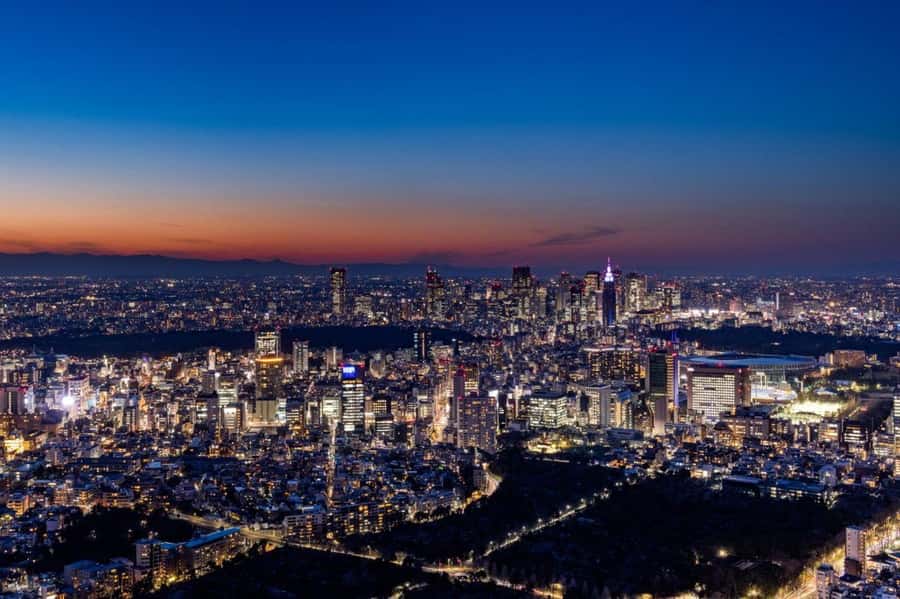
- Indoor and outdoor heights: Indoor deck near 250m plus an outdoor Sky Deck near 270m
- Exhibitions inside the route: A built-in reason to slow down, not just pass through
- Seasonal changes at the permanent venue: The experience can look different across the year
- Short clock for entry: Last admission happens one hour before closing
- Possible access limits during setup: Sky Gallery 2 can be restricted on specific dates
- Roppongi is a strong pairing: Great for dinner and late shopping after the ticket
The Roppongi location that makes the ticket feel easy
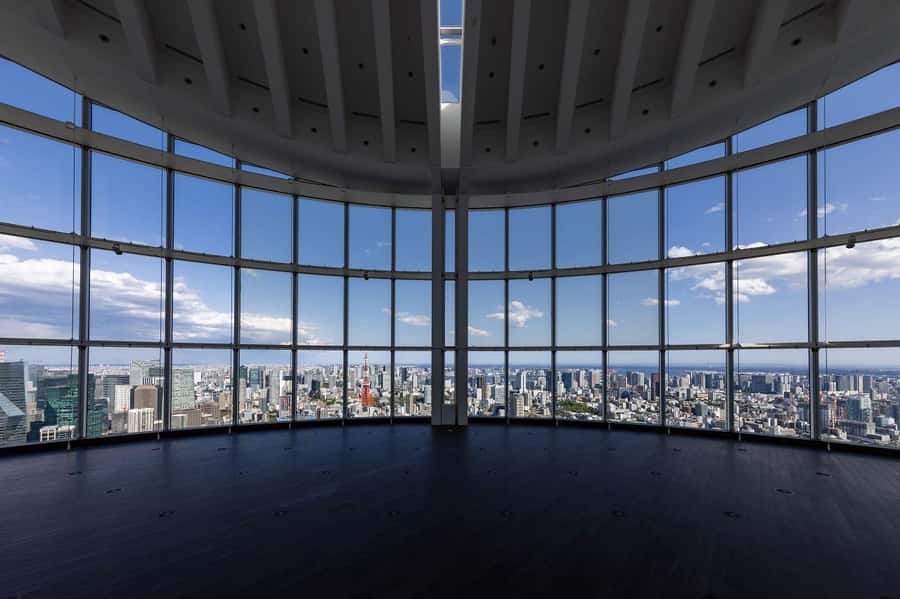
Tokyo City View is in the Roppongi Hills Mori Tower area, and that matters. You’re not tucked away at the edge of town—you’re in a spot where you can stack this into an evening with minimal friction. The ticket gives you access to the observation floors inside the tower, with the entrance point at 52F of the Mori Tower.
For you, this kind of central location means two practical wins. One: you can decide day-of if the weather looks decent and still have time to make it work. Two: you don’t need an entire half-day just to get to and from the viewing point. If your Tokyo days include shopping streets, galleries, or a food plan that doesn’t start too early, this deck fits like a natural pause button.
I also like that the surrounding area is actively used after dark. You can finish the views and then keep moving without feeling rushed. Even if you’re not in the mood for shopping, you’ll still likely find an easy place to grab food and decompress.
Readers also shortlisted these Tokyo bookings:
- Tokyo: teamLab Planets TOKYO Digital Art Museum Entry Ticket
★ 4.6 · 9,779 reviews - Tokyo: Hop-On Hop-Off Sightseeing Bus Ticket
★ 3.9 · 4,207 reviews - Tokyo: Japanese Dance Cabaret Theater Asakusa-Kaguwa Ticket
★ 4.8 · 2,270 reviews - Tokyo Grand Sumo Tournament Viewing Tour with Tickets
★ 5.0 · 692 reviews
250m indoor views and the outdoor Sky Deck at 270m
Think of Tokyo City View as two viewing modes.
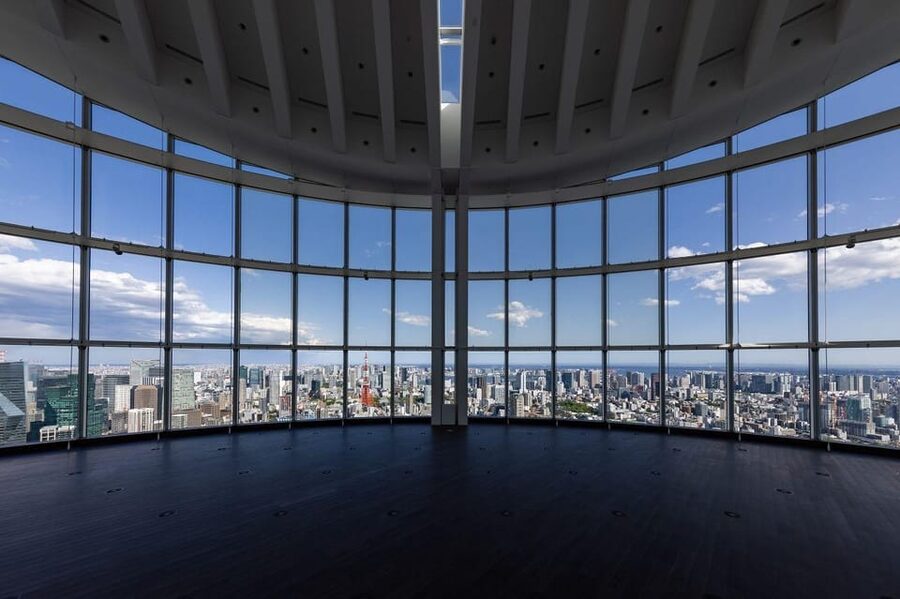
The indoor observation deck is set at about 250 meters above sea level. Indoors tends to mean better comfort: you’re protected from wind and sudden temperature swings, and it’s easier to spend time without battling weather. Indoors is also great for photo composition because you’re not forced to deal with slick railings or harsh gusts (the outdoor part can be more “adventure,” the indoor part is more “hang out and watch”).
Then there’s the Sky Deck at around 270 meters, which is your outdoor moment. Even a small difference in altitude can change how the city feels—street grid patterns look tighter, and the skyline edges can feel more crisp. If you’re the type who enjoys stepping out for a quick “okay, wow” moment, this is the part to wait for.
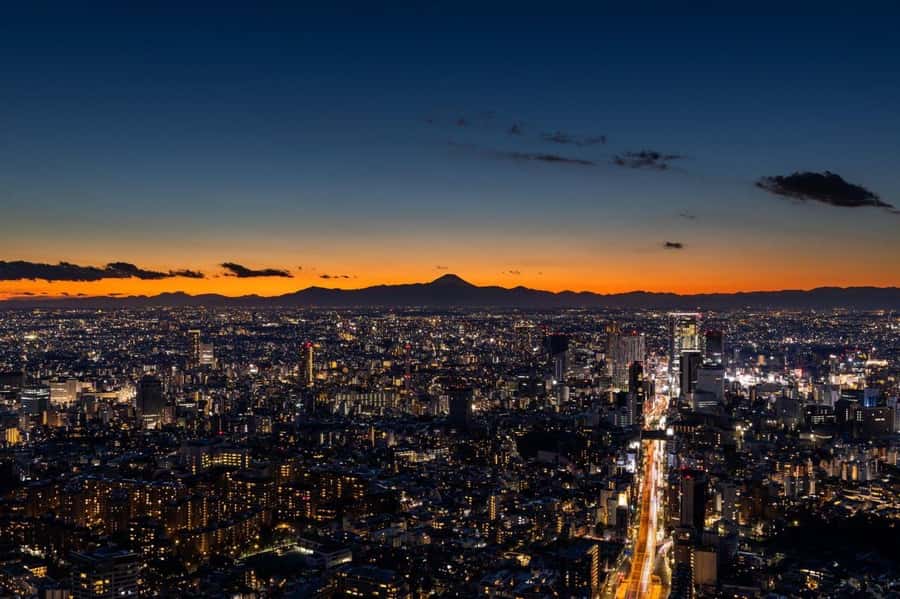
What I’d do if you want the best results: give yourself enough time to do both. If you rush, you’ll end up spending most of your energy just tracking time rather than enjoying the view. If you’re there when the light is shifting, you’ll typically get a better show than if you only see the city at one stage of the day (morning vs. night changes Tokyo fast, even if you don’t stay forever).
Exhibits and seasonal changes: why this isn’t only a photo stop
Some observation decks are basically a long hallway with windows. Tokyo City View adds something smarter: exhibitions plus seasonal changes at the permanent venue.
That means you’re not just buying a viewpoint; you’re buying a small indoor route. Exhibits help in three ways:
- They break up the waiting and slow your pace just enough to enjoy the space.
- They give you context while you look out, so the skyline feels less like random towers and more like a place with layers.
- They create a reason to return at a different time of year (or to visit when the weather isn’t perfect), because the inside experience can shift.
There’s also a small “bonus” effect in a tower complex like this. Events sometimes happen nearby in the building area, so you might catch something going on when you arrive. One visitor described a fashion show happening downstairs as an unexpected extra, and honestly, that kind of energy is exactly what you can hope for in central Roppongi.
The key for you: if you’re in a hurry, the exhibits may feel like an extra step. If you like to take your time—especially when you’re paying a modest ticket price and you want the visit to feel worth it—this added layer is a real plus.
Ticket value at about $12: what you’re really paying for
The price is listed at $12 per person (a relatively light lift for Tokyo, where paid attractions can climb fast). But the value question isn’t only about cost—it’s about how much time and satisfaction you get back.
Here’s the value logic I’d use:
- If you want a skyline snapshot and nothing more, this can still be worth it because you get both indoor and outdoor viewpoints in one place.
- If you enjoy photography, the location helps. You’ll have clear angles to frame the city, and the indoor setting can help with steady shooting.
- If you care about something to do besides staring out windows, the exhibitions and seasonal elements stretch the experience longer than a basic “look and go” deck.
So for the money, Tokyo City View is best seen as an easy add-on that also has structure. It’s not a full-day event, but it can meaningfully upgrade an evening in Roppongi.
Timing, last admission, and those short access restrictions
This is where you should be strict with your planning.
First, last admission is one hour before closing. That’s the cutoff that matters most. If you show up at closing time expecting to squeeze in, you won’t. For you, the best approach is simple: arrive early enough that you’re not rushing through ticket redemption and entry queues.
Second, open hours may change without notice. The right habit is to check the official site before you go—especially if your schedule is tight or you’re traveling during holidays or event weeks.
Third, there’s a specific period when exhibition setup can affect access. From Monday, October 27 to Friday, October 31, and again from Saturday, November 1 to Monday, November 10, entry to the central area is restricted—specifically Sky Gallery 2 only during those setup periods. That doesn’t necessarily mean you can’t enjoy the deck, but it can change your indoor route and what areas are available at that time.
Finally, traffic or event construction can trigger regional traffic restrictions in parts of Tokyo. The important part for your planning is that these situations can affect entry, and refunds aren’t provided in those cases. The practical takeaway: confirm the latest status before purchasing, then make your entry plan early.
If you want a smooth experience: treat this like a timed entry attraction even if you can be flexible with your day. Arrive with time to spare, and you’ll feel in control.
Readers also shortlisted these Tokyo bookings:
- Tokyo: Private City Highlights Tour with Local Guide★ 4.8 · 1,433 reviews
- Tokyo: Asakusa, Skytree & Akhihabara Go-Kart City Experience★ 4.7 · 761 reviews
- Tokyo: 3-Hour Bike or E-Bike City Highlights Tour★ 4.8 · 435 reviews
- Tokyo: Sumo Morning Practice Tour at Sumida City★ 4.8 · 308 reviews
- Private Haneda Airport (HND) to Central Tokyo City Transfer★ 4.5 · 260 reviews
How entry works with vouchers, QR codes, and smartphone access
Tokyo City View uses a voucher flow with a QR code, and your phone is part of the process. The instructions are clear: after you purchase, you’ll get a voucher link. Tap the link, press the Use button, and show the resulting screen to staff.
Two practical notes so you don’t lose time:
- Make sure your smartphone is connected to the internet when you do this.
- Keep your voucher screen ready before you reach the counter, because you may need to wait to exchange tickets and enter if lines are forming.
Also, the voucher works only on the date and time specified at booking. So don’t assume you can drift to a new time slot. If your schedule shifts, you need to know that the voucher won’t automatically carry over.
If you’re the type who likes to travel light, this is one of those moments where you’ll want the phone charged and the screen brightness usable. It’s an easy step, but it’s also an easy one to fumble when you’re already standing in line.
COVID-era building rules you should expect to follow
You should plan for health and safety measures at entry. Requirements in the information include temperature checks and mandatory mask-wearing covering your mouth and nose.
Even if you’ve traveled in Japan recently, it’s smart to assume you may have to queue a bit longer when a building is enforcing checks. If you show up right at a peak time, you’ll likely spend more time waiting than you expect. For a calmer visit, go earlier or plan around lighter crowds.
Also, you may need to wait for ticket exchange and entry in case the facility is crowded. This isn’t a dealbreaker, but it is a reason to treat your arrival time as more than just “I’ll get there before closing.”
Student tickets: who qualifies and what to bring
If you’re eligible for a student ticket, it can be a useful cost saver. The information states student tickets are available for students enrolled in university, vocational school, and high school.
What you must bring: you need to present a valid student ID before entry. If you don’t have it, you should assume you’ll have to follow the standard process instead.
If you’re traveling with friends and you’re not sure who qualifies, check early so you don’t end up missing entry time due to a forgotten document.
What the experience feels like once you’re inside
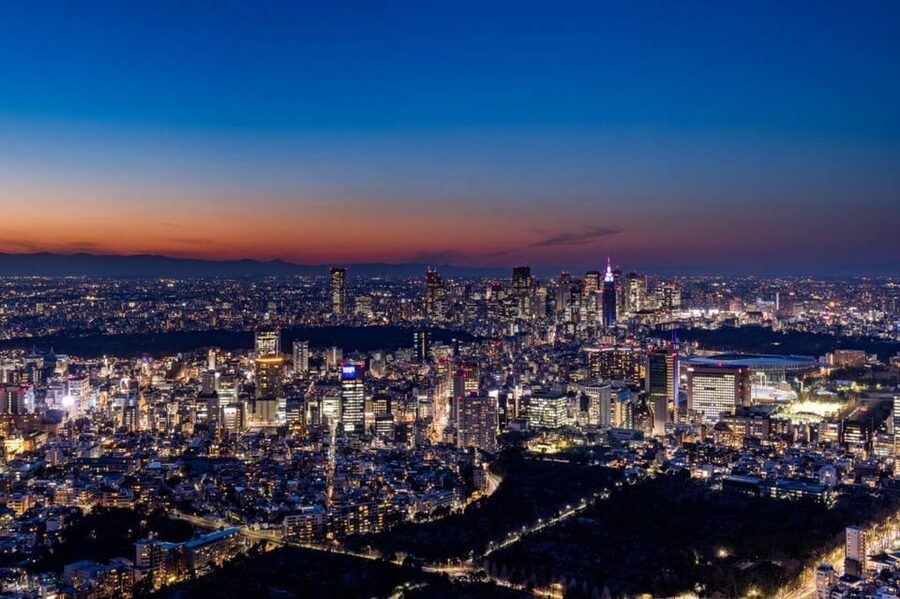
When you step into Tokyo City View, it tends to feel like a mix of “photo mission” and “walk-through exhibit.” You can treat it two ways:
- Fast mode: do the indoor route, capture your skyline shots, then step out to the outdoor Sky Deck for the height punch.
- Slow mode: linger through exhibits, take photos as you go, and let seasonal changes shape where you spend your time.
The observation decks are built for looking outward, but the exhibitions give you something to do at eye level. That’s important in Japan because you often travel with a lot of sensory load already—shops, transit, crowds. Having an organized indoor path can make the whole day feel more manageable.
And because this is in Roppongi, you can plan your day so you’re not instantly exhausted afterward. After the view, it’s easy to continue walking, grabbing food, and staying out late. One visitor highlighted that the shops around the area stay open quite late, and that’s a big deal if your Tokyo schedule runs into the evening.
Who should book Tokyo City View, and who might skip
This ticket is a strong fit if:
- You want a central Tokyo observation option without committing to a long transfer.
- You care about photography and want both indoor and outdoor photo moments.
- You like observation decks that include exhibitions and seasonal updates rather than a one-room view.
It might be less ideal if:
- You’re extremely time-sensitive and can’t afford the risk of last admission one hour before closing.
- You need a specific area (like Sky Gallery 2) during the setup restriction window. That period has access limits, so check dates carefully.
- You prefer totally spontaneous walk-up plans. The voucher is tied to a specific date and time, and delays can matter.
One caution that comes up with towers in busy areas: there can be confusion about which building entrance you need, especially if you’re arriving on foot and the district has multiple tall landmarks. If you’re not familiar with the area, give yourself extra time to find the correct access point at the Mori Tower.
FAQ
FAQ
What’s the price for Tokyo City View?
The admission ticket price is listed as $12 per person.
How long is the experience?
The ticket is valid for 1 day.
How high are the decks?
The indoor observation deck is at about 250 meters, and the outdoor Sky Deck is about 270 meters.
Where is the meeting point?
It’s at 52F, Roppongi Hills Mori Tower, 6-10-1 Roppongi, Minato-ku, Tokyo, Japan.
Can I buy a ticket as a student?
Yes, student tickets are available for students in university, vocational school, and high school, and you must show a valid student ID at entry.
What time should I arrive?
Last admission is one hour before the closing hour, and no entry is allowed after the last admission time.
How do I show the ticket at the venue?
After purchase, open the voucher link on your smartphone, press the Use button, and present the screen with the QR code to staff. Your phone should have internet access.
Are there date-based access restrictions?
Yes. During Oct 27–Oct 31 and Nov 1–Nov 10, entry to the central area for Sky Gallery 2 only can be restricted due to exhibition setup.
Is the ticket refundable or changeable?
The activity is listed as non-refundable, and the ticket cannot be changed or canceled after reservation.
Should you book Tokyo City View admission?
Yes, if you want an observation deck that gives you more than a single-window view. The combination of indoor + outdoor heights, plus exhibits and seasonal changes, makes this a smart use of a half-evening in central Tokyo. And at around $12, it’s an easy ticket to add without wrecking your budget.
Book if your schedule can handle the real-world constraints: arrive with buffer time, check the official hours/status the day you go, and be aware of the Sky Gallery 2 restriction window in late October and early November. Skip if you’re trying to squeeze it in last-minute or you need guaranteed access to specific areas during the setup period.
More City Tours in Tokyo
- Tokyo: Private City Highlights Tour with Local Guide
★ 4.8 · 1,433 reviews - Tokyo: Asakusa, Skytree & Akhihabara Go-Kart City Experience
★ 4.7 · 761 reviews - Tokyo: 3-Hour Bike or E-Bike City Highlights Tour
★ 4.8 · 435 reviews - Tokyo: Sumo Morning Practice Tour at Sumida City
★ 4.8 · 308 reviews - Private Haneda Airport (HND) to Central Tokyo City Transfer
★ 4.5 · 260 reviews
More Tickets in Tokyo
- Tokyo: teamLab Planets TOKYO Digital Art Museum Entry Ticket
★ 4.6 · 9,779 reviews - Tokyo: Hop-On Hop-Off Sightseeing Bus Ticket
★ 3.9 · 4,207 reviews - Tokyo: Japanese Dance Cabaret Theater Asakusa-Kaguwa Ticket
★ 4.8 · 2,270 reviews - Tokyo Grand Sumo Tournament Viewing Tour with Tickets
★ 5.0 · 692 reviews - Tokyo Skytree Admission Ticket with Tembo Deck and Galleria
★ 4.0 · 589 reviews
More Tour Reviews in Tokyo
- Mt Fuji and Hakone 1-Day Bus Tour Return by Bullet Train
★ 5.0 · 26,383 reviews - 1-Day Tokyo Bus Tour
★ 5.0 · 14,250 reviews - Tokyo: teamLab Planets TOKYO Digital Art Museum Entry Ticket
★ 4.6 · 9,779 reviews - Mt Fuji & Hakone Cruise, Drum Show Bullet Train 1 Day from Tokyo
★ 4.0 · 7,413 reviews - Tokyo: Shinjuku Food Tour (13 Dishes at 4 Local Eateries)
★ 5.0 · 6,603 reviews
Latest Tokyo reviews off our desk






City Tours, compared.
 ★ 4.8Private City Highlights Tour with Local GuideFrom $1061,433 reviews
 ★ 4.7Asakusa, Skytree & Akhihabara Go-Kart City ExperienceFrom $96761 reviews
 ★ 4.83-Hour Bike or E-Bike City Highlights TourFrom $45435 reviews
 ★ 4.8Sumo Morning Practice Tour at Sumida CityFrom $116308 reviews
 ★ 4.5Private Haneda Airport (HND) to Central Tokyo City TransferFrom $119260 reviews
 ★ 4.83-hour Guided E-Bike Tour of the City’s Hidden GemsFrom $65251 reviews
 ★ 5.03-Hour Bike/E-Bike Tour of the City’s HighlightsFrom $63209 reviews
 ★ 4.5Private departure transfer from Tokyo city to Tokyo Haneda Airport(HND)From $118123 reviews
Browse the lists this tour appears in