
Reviewed · MOUNT FUJI TOURS
Tokyo: Hakone Fuji Day Tour w/ Cruise, Cable Car, Volcano
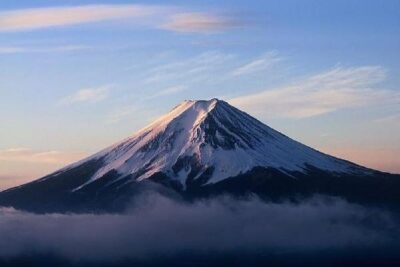
Mt. Fuji, minus the stress of planning. This Tokyo-to-Hakone day tour strings together the big sights in one go, so you can move from skyline views to volcanic steam to relaxing water time without wrestling with trains all day. It’s built around fast, scenic transport and a local guide who helps you get your bearings fast.
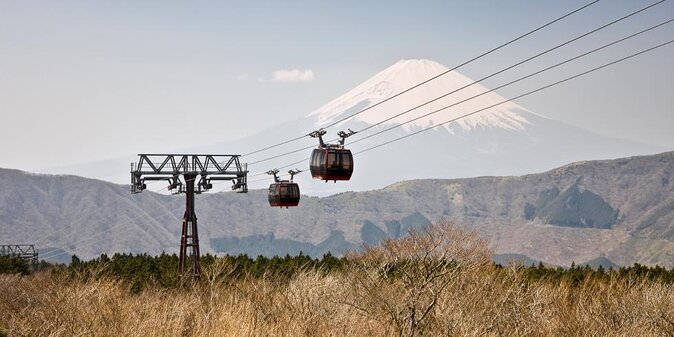
I especially like the Mt. Fuji viewpoints from the Hakone Ropeway area—when visibility is good, the views feel almost unfairly close. I also like the Lake Ashi sightseeing cruise, because it gives you a full hour to slow down after busy Tokyo.
One thing to keep in mind: weather really controls the experience. If Mt. Fuji is obscured, you’ll still get the transport, volcano stop, and cruise, but the wow-factor depends on clear skies.
In This Review
- Key Things I’d Prioritize on This Hakone Fuji Day Tour
- How This Tour Fits the Way You Actually Travel From Tokyo
- Meeting Up at Nishishinjuku Gochome: Make It Easy on Yourself
- Hakone Ropeway: The Fuji View You Can Hope For
- Quick practical tip
- Lake Ashi Sightseeing Cruise: Your Best Chance to Relax
- Owakudani Volcano Zone: Steam, Sulfur, and Kuro-Tamago Energy
- What to expect in real life
- Ropeway and Cable Car Routing: Why This Day Stays Manageable
- Gotemba Premium Outlets: A Useful Finish at the Foot of Mt. Fuji
- Price and Value: What You’re Paying For
- Weather and Mt. Fuji Reality Check
- Group Size, Tickets, and the Pace You Should Expect
- Should You Book This Hakone Fuji Day Tour?
- FAQ
- How long is the Hakone Fuji day tour?
- Where does the tour meet in Tokyo?
- Are tickets for the ropeway and the Lake Ashi cruise included?
- Is lunch included?
- How long do you spend at Owakudani?
- Is the Owakudani Information Center admission included?
- Do I need a printout ticket?
- What if weather is bad and Mt. Fuji can’t be seen?
Key Things I’d Prioritize on This Hakone Fuji Day Tour
- Hakone Ropeway timing: get your Fuji-and-lake photo moment early in the day
- Lake Ashi cruise: a full hour on the water with great sightlines
- Owakudani volcanic zone: crater-area sights plus a Kuro-tamago egg stop
- Ropeway/cable-car style routing: multiple scenic lifts to cut down on effort
- Gotemba Premium Outlets: a smart use of leftover time near Mt. Fuji
How This Tour Fits the Way You Actually Travel From Tokyo
I like Hakone day trips because they cut straight to what you came for: Mt. Fuji views and Hakone National Park nature, without committing to an overnight stay. This one runs about 10 hours and starts with a guide meet-up near Nishishinjuku Gochome Station, then layers in scenic transport that’s famous for a reason.
The tour also leans into time efficiency. You’re not just hopping between places on your own; you’re moving in a set rhythm—ropeway views, cruise, volcanic crater zone, then a fixed stop near the base of Mt. Fuji. For many people, that’s the difference between a fun day and a stressful one.
And yes, it’s priced as a full-day experience at about $70.24 per person, which can be a good deal compared to paying separately for the transport-heavy highlights—especially since the ropeway and sightseeing cruise admissions are part of the plan. Lunch isn’t included, so plan on topping that up yourself.
More Fuji day trips our readers rated highly
- Mt Fuji and Hakone 1-Day Bus Tour Return by Bullet Train
★ 5.0 · 26,383 reviews - Mt Fuji & Hakone Cruise, Drum Show Bullet Train 1 Day from Tokyo
★ 4.0 · 7,413 reviews - Tokyo Mt Fuji 5th St & Hakone Cruise Bus Tour w/Bullet Train
★ 4.4 · 5,024 reviews - From Tokyo: Mount Fuji Full-Day Sightseeing Trip
★ 4.5 · 4,970 reviews
Meeting Up at Nishishinjuku Gochome: Make It Easy on Yourself
Start clean. The meet-up point is at Nishishinjuku Gochome Station, and the tour runs on a group schedule. One practical lesson from people who’ve done this kind of day tour: don’t arrive right at the last minute.
Also, come prepared with your reference number and confirmation details so check-in goes quickly. With a day like this, losing 20 minutes at the start can ripple through the whole schedule, especially because you’ll be switching between scenic transport.
If you’re the type who likes a buffer, give yourself extra minutes to find the right meeting spot and get settled. It’s a small effort that protects the whole day.
Hakone Ropeway: The Fuji View You Can Hope For
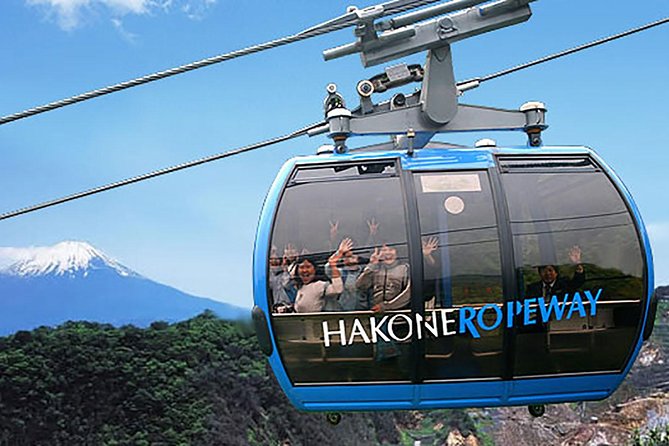
Your first major stop is Hakone Ropeway with about 30 minutes on site. The selling point is straightforward: you get a big panoramic view of Mount Fuji and Lake Ashinoko from the ropeway area.
Here’s how to think about it. Ropeway views are all about perspective. You’re going higher, faster, and more directly than most self-guided routes. That means you spend less time commuting and more time standing in front of the view at the moment the light is right.
If visibility is strong, this is often the part of the day that makes people say the trip was worth it. If visibility is weak, it’s still a good “motion plus scenery” start—Hakone is full of layered viewpoints even when Fuji isn’t fully showing.
Quick practical tip
Wear something comfortable for getting in and out of transport. Ropeways and lifts can mean short walks and quick changes in temperature as you move between viewpoints.
Lake Ashi Sightseeing Cruise: Your Best Chance to Relax
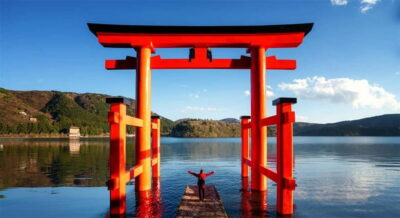
Next up is the Hakone Sightseeing Cruise on Lake Ashi, with about one hour of time. The plan is built for a simple reason: water makes everything feel calmer. You’re not dodging crowds or scanning station signs. You’re just riding.
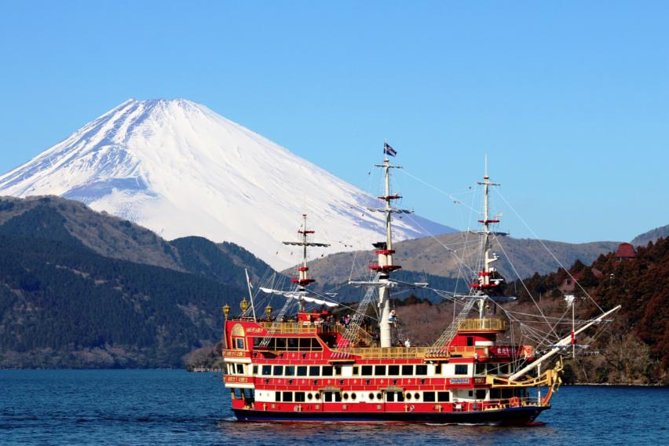
This is also where Mt. Fuji sightlines can be excellent. The lake sits in a wide basin, and boats give you angles you can’t always replicate from shore. Even if the mountain is partially hidden, the lake experience tends to feel like a reset.
The cruise also helps you pace the day. After the ropeway, you’ve had movement and viewpoints. On the lake, you can actually enjoy the scenery without constantly thinking about your next connection.
If you’re the kind of traveler who needs breaks to stay in a good mood, this is a smart included chunk of downtime.
Other Hakone loops worth the fare
- Tokyo: Mt. Fuji Tour, Hakone Ropeway, Owakudani, Lake Ashi★ 4.7 · 4,002 reviews
- Private Tour to Mt. Fuji and Hakone (Fully Licenced Operator)★ 5.0 · 1,910 reviews
- Mt Fuji & Hakone Cruise, Drum Show Bus 1 Day from Tokyo★ 4.0 · 1,287 reviews
- From Tokyo: Mt. Fuji & Hakone Tour w/ Return by Bullet Train★ 4.2 · 1,278 reviews
- Mt Fuji and Hakone 1-Day Bus Tour Return by Bus★ 4.5 · 929 reviews
Owakudani Volcano Zone: Steam, Sulfur, and Kuro-Tamago Energy
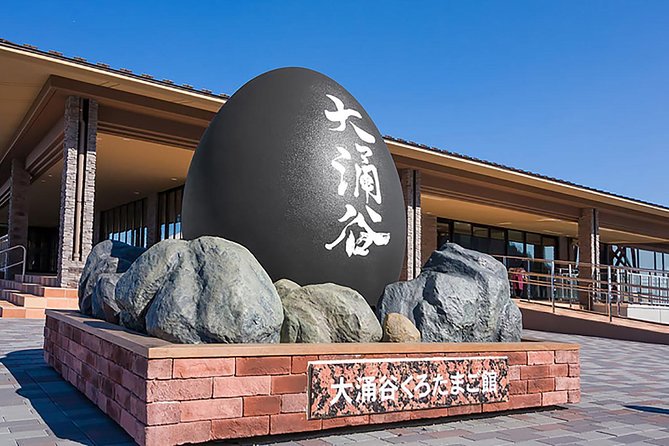
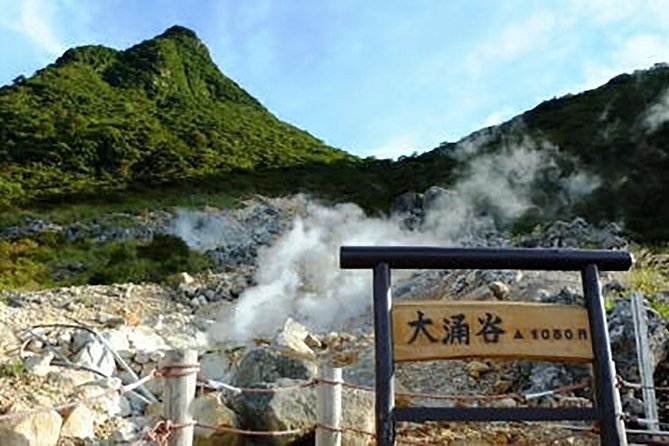
Then comes the dramatic part: Owakudani, around a crater area from past volcanic activity. You’ll spend about 45 minutes at the Owakudani Information Center, where the focus is on what you’re seeing and why the area looks and smells the way it does.
This stop matters for two reasons. First, it’s the most “nature event” on the route. You go from lake calm to volcanic power quickly. Second, it’s a short stop done in a controlled way—enough time to see the key area and get your bearings, without turning the day into a long hike.
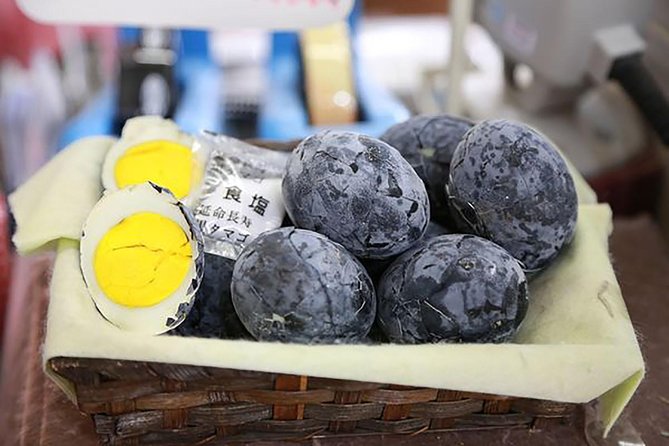
You’ll also have a Kuro-tamago egg as part of the experience at Owakudani. This is the kind of food moment that’s more than just a snack—it ties the volcano theme to something you can taste and remember.
What to expect in real life
Volcanic areas can involve strong smells and changing weather conditions. Bring layers, and don’t plan on lingering too long in steam if you’re sensitive to odor. The stop is time-limited for a reason, and you’ll want to keep your energy for the final viewpoints and the later outlet stop.
Ropeway and Cable Car Routing: Why This Day Stays Manageable
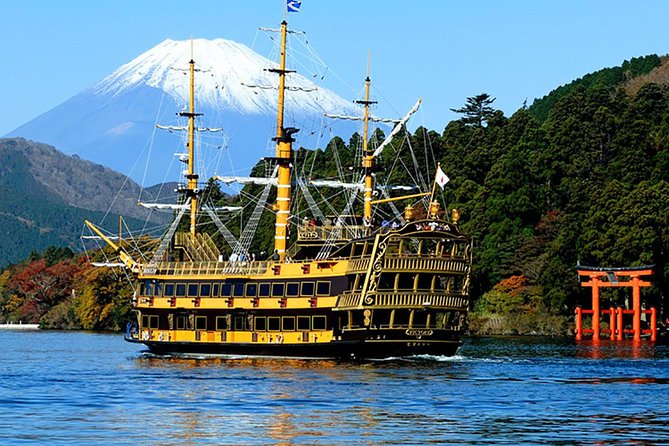
The trip name highlights ropeway and volcano, and the schedule reflects that. The idea is to use scenic lifts and controlled transit to reach viewpoints efficiently, rather than spending the whole day on local streets.
This matters because Hakone is not a small place. If you try to stitch together everything by yourself, you can easily waste time waiting for the next bus or trying to line up connections between different sides of the valley.
With a guided route, you get a smoother flow: ropeway first for the early Fuji/lake angle, then cruise for the calm middle, then the volcanic zone with transport that keeps the day from turning into a slog.
It’s one of those itineraries that feels designed for people who want the highlights without turning the day into a full-time logistics project.
Gotemba Premium Outlets: A Useful Finish at the Foot of Mt. Fuji
After Owakudani, you’ll head to Gotemba Premium Outlets for about 1 hour 40 minutes. This is the “use the time you have” stop at the base area near Mt. Fuji.
I like this kind of ending stop for two reasons. One, it gives you a place to reset and buy things you forgot to pack. Two, it’s a practical way to use the last portion of the day before the long return.
But it’s also worth being honest: this part is optional in spirit, but not in schedule. If shopping isn’t your thing, treat it as a chance to stretch, grab a snack, and walk casually rather than a must-do spending mission.
If you do shop, remember that the day already has a lot of scheduled movement. Keep your purchases light so you’re not burdened on the ride back.
Price and Value: What You’re Paying For
At around $70.24 per person, this tour is priced to cover a lot of what makes a Hakone day trip expensive in time and effort.
Here’s the value breakdown in plain terms:
- Ropeway admission is included for your first major stop
- The Lake Ashi cruise ticket is included
- You also get a local guide plus included taxes and fees
- Owakudani Information Center entry is listed as free for the plan’s stop
The big thing not included is lunch. That’s fairly common for tours, but you should treat it as a budget line item. If you arrive hungry and then realize lunch is extra, it can throw off your day rhythm.
So who does this value work best for? People who want the headline Hakone experiences and don’t want to micro-manage connections. If you already have Hakone transport mastered and you’re a self-guided pro, you might be able to replicate parts of the route cheaper. But for most first-timers, the “one day, big hits” structure is exactly what you’re paying for.
Weather and Mt. Fuji Reality Check
Here’s the truth Hakone teaches fast: good weather matters. This experience notes that it requires good weather, and if it’s canceled due to poor conditions you’ll be offered a different date or a full refund.
So how should you approach that as a traveler?
- If you’re visiting in a season where visibility is often unpredictable, expect Mt. Fuji might not show fully all day.
- If it does show, you’ll likely treasure the ropeway and cruise sightlines more than you expected.
- If it doesn’t, don’t abandon the trip. The volcano stop and the overall Hakone scenery are still part of the point.
When you choose this tour, you’re basically betting on a shared weather window. That’s normal for Fuji-area travel—just don’t schedule anything critical right after the tour the same day.
Group Size, Tickets, and the Pace You Should Expect
The tour has a max group size of 99 travelers, which usually means you’ll be in a larger group environment rather than a tiny private setup. That can be great if you want structure and clear timing, and less great if you prefer lots of personal attention.
The good part: you get a mobile ticket, which simplifies check-in and keeps paper clutter low.
The pace also matters. The schedule is packed but not absurdly rushed. Ropeway (30 minutes), cruise (1 hour), Owakudani (45 minutes), outlets (1 hour 40 minutes), plus transit and guide time for the full day. That’s enough to feel like you did a lot, without having every second turned into a sprint.
Still, you should be comfortable standing, walking short stretches, and moving between transport zones.
Should You Book This Hakone Fuji Day Tour?
I’d book it if you want:
- A structured day from Tokyo that hits Mt. Fuji viewpoints and Hakone National Park highlights
- Included access to Hakone Ropeway and the Lake Ashi cruise
- A straightforward route that uses scenic transport to avoid connection headaches
- A fun volcano stop at Owakudani, plus the Kuro-tamago egg moment
I wouldn’t rush to book if:
- You’re extremely sensitive to weather uncertainty and can’t be flexible with dates
- You hate group schedules or prefer to spend more time lingering at fewer places
- You don’t care about ropeway/cruise viewpoints and would rather build your own Hakone route
Overall, this is a strong “first Hakone day” choice. It’s built to deliver the big icons of the region in one pass, and it’s practical about how you get there—especially if you’re working with limited time in Tokyo.
FAQ
How long is the Hakone Fuji day tour?
It runs for about 10 hours.
Where does the tour meet in Tokyo?
Meet-up is at Nishishinjuku Gochome Station.
Are tickets for the ropeway and the Lake Ashi cruise included?
Yes. The ropeway admission ticket and the Lake Ashi sightseeing cruise ticket are included in the plan.
Is lunch included?
No. Lunch is not included.
How long do you spend at Owakudani?
You spend about 45 minutes at the Owakudani Information Center.
Is the Owakudani Information Center admission included?
It’s listed as free for this stop in the tour plan.
Do I need a printout ticket?
No. The tour uses a mobile ticket.
What if weather is bad and Mt. Fuji can’t be seen?
The experience requires good weather. If it’s canceled due to poor weather, you’ll be offered a different date or a full refund.
More Tour Reviews in Tokyo
- Mt Fuji and Hakone 1-Day Bus Tour Return by Bullet Train
★ 5.0 · 26,383 reviews - 1-Day Tokyo Bus Tour
★ 5.0 · 14,250 reviews - Tokyo: teamLab Planets TOKYO Digital Art Museum Entry Ticket
★ 4.6 · 9,779 reviews - Mt Fuji & Hakone Cruise, Drum Show Bullet Train 1 Day from Tokyo
★ 4.0 · 7,413 reviews - Tokyo: Shinjuku Food Tour (13 Dishes at 4 Local Eateries)
★ 5.0 · 6,603 reviews
Hakone, A Few More Ways
- Mt Fuji and Hakone 1-Day Bus Tour Return by Bullet Train
★ 5.0 · 26,383 reviews - Mt Fuji & Hakone Cruise, Drum Show Bullet Train 1 Day from Tokyo
★ 4.0 · 7,413 reviews - Tokyo Mt Fuji 5th St & Hakone Cruise Bus Tour w/Bullet Train
★ 4.4 · 5,024 reviews - Tokyo: Mt. Fuji Tour, Hakone Ropeway, Owakudani, Lake Ashi
★ 4.7 · 4,002 reviews - Private Tour to Mt. Fuji and Hakone (Fully Licenced Operator)
★ 5.0 · 1,910 reviews
More Mount Fuji Days We Have Reviewed
- Mt Fuji and Hakone 1-Day Bus Tour Return by Bullet Train
★ 5.0 · 26,383 reviews - Mt Fuji & Hakone Cruise, Drum Show Bullet Train 1 Day from Tokyo
★ 4.0 · 7,413 reviews - Tokyo Mt Fuji 5th St & Hakone Cruise Bus Tour w/Bullet Train
★ 4.4 · 5,024 reviews - From Tokyo: Mount Fuji Full-Day Sightseeing Trip
★ 4.5 · 4,970 reviews - Tokyo: Mt. Fuji Tour, Hakone Ropeway, Owakudani, Lake Ashi
★ 4.7 · 4,002 reviews
Latest Tokyo reviews off our desk






Mount Fuji Tours, compared.
 ★ 5.0Mt Fuji and Hakone 1-Day Bus Tour Return by Bullet TrainFrom $16326,383 reviews
 ★ 4.0Mt Fuji & Hakone Cruise, Drum Show Bullet Train 1 Day from TokyoFrom $1497,413 reviews
 ★ 4.4Tokyo Mt Fuji 5th St & Hakone Cruise Bus Tour w/Bullet TrainFrom $1545,024 reviews
 ★ 4.5From Tokyo: Mount Fuji Full-Day Sightseeing TripFrom $684,970 reviews
 ★ 4.7Mt. Fuji Tour, Hakone Ropeway, Owakudani, Lake AshiFrom $544,002 reviews
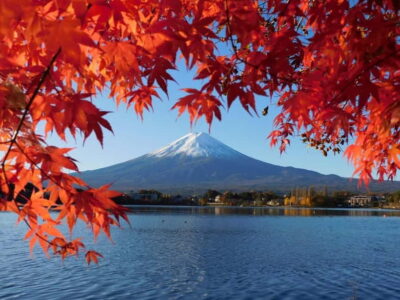 ★ 4.4Mt.Fuji,Kawaguchiko Oishi Park,Arakurayama Sengen ParkFrom $542,682 reviews
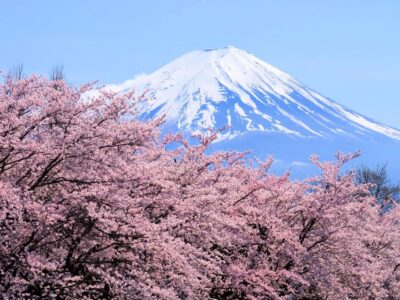 ★ 4.2Mt. Fuji 5th Station & Hakone Cruise 1-Day Bus TourFrom $1292,381 reviews
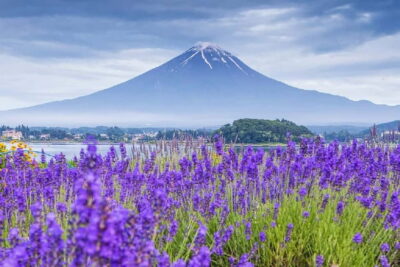 ★ 4.7Mt Fuji Top 5 Spots Day Tour: Arakurayama Park,Oshino HakkaiFrom $532,066 reviews
Browse the lists this tour appears in