
Reviewed · TICKETS
Tokyo: Immersive Experience Anemoia Tokyo Ticket
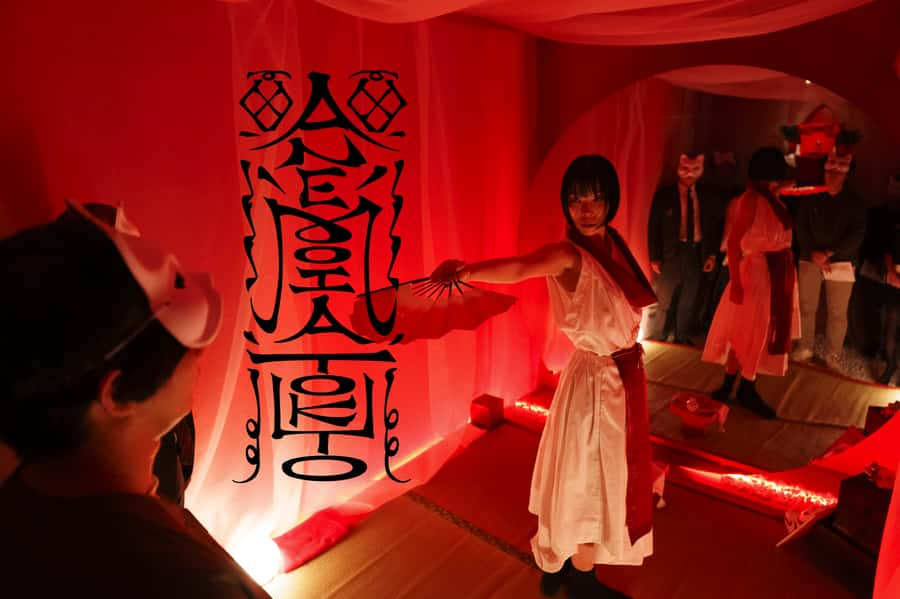
A silent theater where Japanese art hits your senses fast. Anemoia Tokyo is a non-verbal dance-and-media experience that unfolds with actors moving close to you, plus a story that changes depending on what you choose to follow. I especially like the way the show uses bodies, light, and media to communicate without language, and I also love the close-range staging that makes the performance feel personal. One consideration: the rules are strict—once you’re inside, talking is not allowed—so if you need frequent breaks to chat or process out loud, plan for that going in.
This is 70 minutes of tightly controlled pacing: a brief exhibition before the performance, then you enter a world where the venue runs multiple scenes at the same time. Based on what I’ve learned about how audiences engage (including mask use and the speaking ban), you’ll want to arrive ready to be quiet, alert, and a little brave. For a lot of people, that’s the point.
In This Review
- Key things to know before you go
- Anemoia Tokyo’s modern take on Japanese aesthetics
- Price and value: is $96 worth 70 minutes?
- The meeting point: finding the red curtain under the elevated rail
- Timing and show schedule: when the doors open
- Pre-show exhibition time: what you can see and photograph
- Inside the experience: masks, character cards, and quiet focus
- The dance and media art performance by DAZZLE
- Rules you must follow to avoid getting removed
- Accessibility and physical comfort: stairs, darkness, and age limits
- What you’ll be doing moment by moment
- Who should book this ticket (and who might skip it)
- Should you book Anemoia Tokyo?
- FAQ
- How long is the Anemoia Tokyo show?
- What are the show times?
- Where do I meet for the show?
- Can I take photos during the experience?
- Is video or filming allowed?
- Are food and drinks allowed inside?
- Is it suitable for children or wheelchair users?
Key things to know before you go
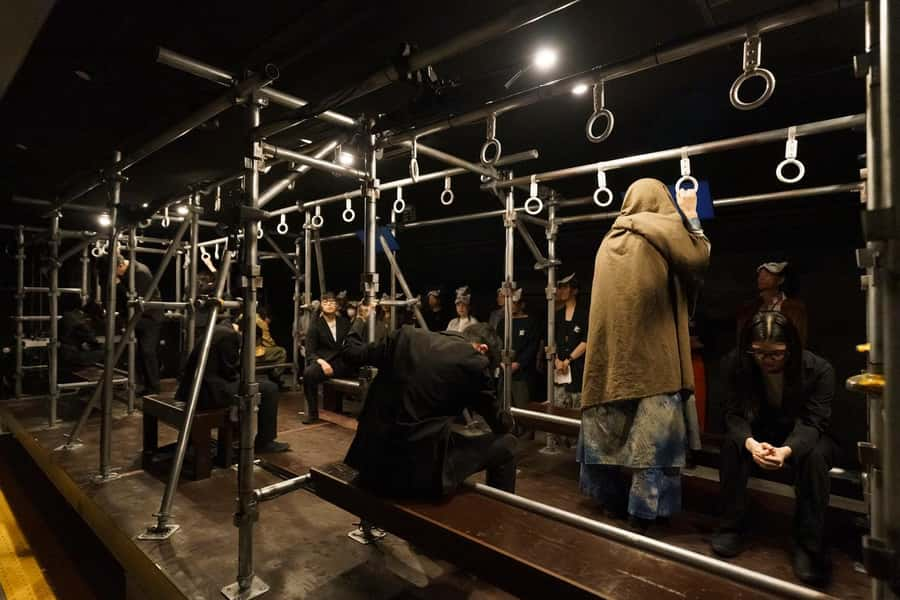
- Non-verbal performance: the story is told through movement, media art, and audience experience design—no language needed.
- You follow a character: before the show, you’ll get a character card and then track your assigned role’s mental journey.
- Multiple scenes at once: different moments can be happening across the venue, so you’ll naturally focus where your role pulls you.
- Photo time before the start: there’s an exhibition period where you can photograph on-site with smartphones (flash not allowed).
- Strict silence after entry: you may be asked not to converse once you’re in the experience space, supporting a reflective, quiet atmosphere.
Anemoia Tokyo’s modern take on Japanese aesthetics
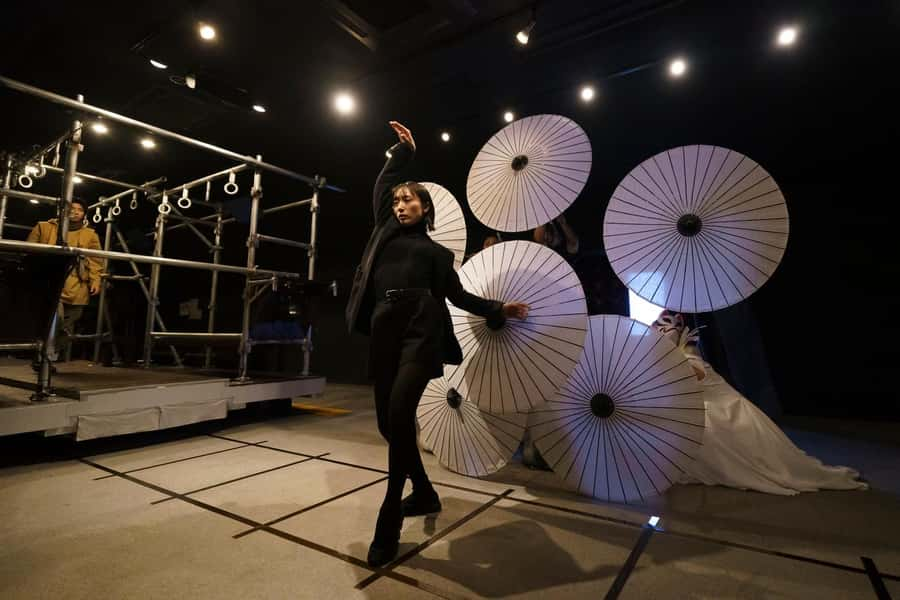
Anemoia Tokyo is built around a modern interpretation of Japanese aesthetics—less about traditional costumes and more about how art can feel when technology and choreography share the same room. The show is designed to communicate through dance, media art, and close-range staging, so you’re not relying on dialogue to understand what’s going on.
One of the smartest parts of the concept is how your experience can change based on attention. The venue runs multiple lines and scenes simultaneously, which means you’re not just watching one fixed stage. Instead, you’re constantly choosing where to look—often following the actor connected to your character card.
This is also one of those experiences where you’ll feel the difference between being entertained and being “included.” You’re not passive. You’re part of the flow, even while the story stays wordless and quiet.
Readers also shortlisted these Tokyo bookings:
- Tokyo: teamLab Planets TOKYO Digital Art Museum Entry Ticket
★ 4.6 · 9,779 reviews - Tokyo: Hop-On Hop-Off Sightseeing Bus Ticket
★ 3.9 · 4,207 reviews - Tokyo: Japanese Dance Cabaret Theater Asakusa-Kaguwa Ticket
★ 4.8 · 2,270 reviews - Tokyo Grand Sumo Tournament Viewing Tour with Tickets
★ 5.0 · 692 reviews
Price and value: is $96 worth 70 minutes?
At $96 per person, you’re paying for more than a seated show. You’re buying (1) a DAZZLE dance-and-media performance, (2) a structured audience pathway that uses character cards and close-range attention, and (3) a HIS special ticket plan gift with original Anemoia Tokyo goods.
Is it a bargain? It’s not cheap. But it’s also not a long dinner-theater situation. For many visitors, the best value here is the format: no language needed, strict rules that shape your focus, and a performance length that’s long enough to feel complete at about 70 minutes, but short enough to fit easily into a Tokyo evening.
If you like experimental art forms and you’re curious about how performance design can shape your attention, this price can feel fair. If you want a traditional “watch from one viewpoint” show and you don’t like rules around silence and phones, you may feel less satisfied.
The meeting point: finding the red curtain under the elevated rail
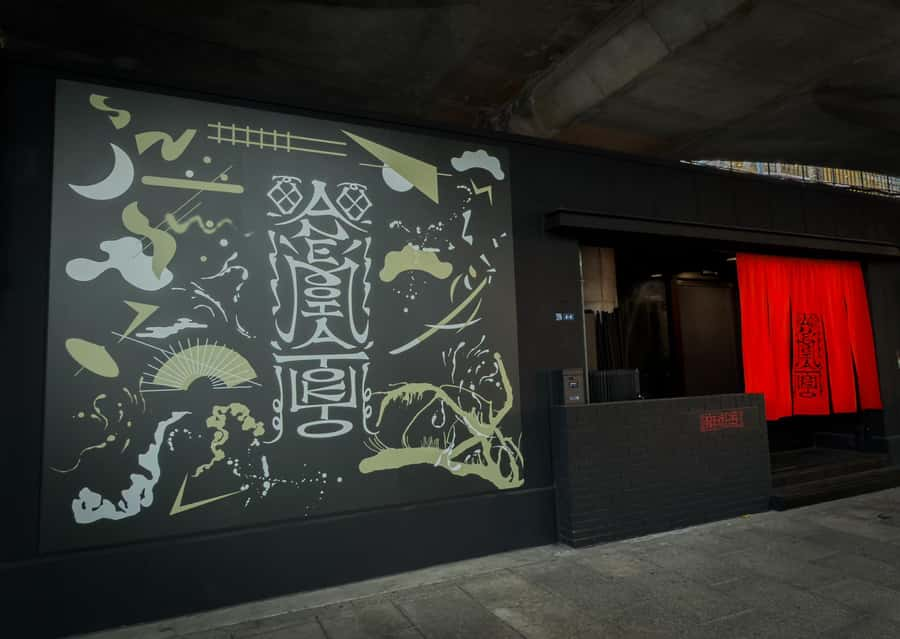
Your start point is very specific. The meeting point is under the elevated railway, and you should look for a landmark: a red curtain (noren) with the Anemoia Tokyo logo displayed at the location.
This matters more than it sounds. Because the show uses a controlled entry rhythm, you don’t want to arrive scattered and then spend time guessing where to line up. Plan to be there early enough that you can find the correct spot calmly, then move with the flow when staff direct you.
If you’re navigating Tokyo transit on the fly, keep it simple: head to the meeting area with a little buffer. The show opens in a way that suggests you’ll be guided in rather than wandering at your own pace.
Timing and show schedule: when the doors open
Doors open 30 minutes before show time. That early window is important because it gives you time for the pre-show exhibition phase—plus time to settle into the character-card process.
Show times are:
- Monday to Saturday: 16:00, 18:30, 21:00
- Sunday and holidays: 13:30, 16:00, 18:30
And a heads-up: it’s closed on Mondays and Wednesdays, except on national holidays.
Performance length is about 70 minutes, so you should treat it as a full event, not a quick detour. Build your evening around it so you’re not rushing across town and then walking into a dark, rule-heavy space already stressed.
Pre-show exhibition time: what you can see and photograph
Before the performance starts—and specifically up to 5 minutes before show time—you’ll have exhibition time. This is your chance to view and photograph the artworks on-site.
Here are the key photo rules that shape your planning:
- Filming is only possible with smartphones.
- You can photograph artworks, except for a few that are restricted.
- Flash photography is not allowed.
- If you disturb other visitors, you can be asked to leave.
I like this setup because it gives you “warm-up mode.” You can look around, get used to the environment, and collect visual impressions before the story goes fully into motion. Just remember: this is not a casual museum visit. It’s still part of the show’s controlled experience.
Also, because some areas are small and dark, you’ll want to be careful with where you point your phone. If you’re tall, you might unintentionally block someone. Good manners matter here—and the venue’s dim conditions make accidental interference easier.
- Tokyo: Shinjuku Food Tour (13 Dishes at 4 Local Eateries)★ 5.0 · 6,603 reviews
- Tokyo Mt Fuji 5th St & Hakone Cruise Bus Tour w/Bullet Train★ 4.4 · 5,024 reviews
- Flagship 2-Hours Official Street Go-Kart Tour – Tokyo Bay Shop★ 5.0 · 4,974 reviews
- From Tokyo: Mount Fuji Full-Day Sightseeing Trip★ 4.5 · 4,970 reviews
- Tokyo: Hop-On Hop-Off Sightseeing Bus Ticket★ 3.9 · 4,207 reviews
Inside the experience: masks, character cards, and quiet focus
Once you step into the venue, you should expect a strong shift in atmosphere. The experience invites silence, and you may not converse with others once it begins. One of the practical reasons is that the show relies on audience focus.
Some audience members also wear masks, and speaking is forbidden. Even if you don’t know the exact mask setup ahead of time, assume the environment is quiet and rule-driven. Arrive ready to communicate minimally—eye contact and following instructions are your tools.
Before the doors open fully (or before you move deeper into the experience), you’ll receive a character card that outlines the personalities of key figures and gives a glimpse of the world you’re about to enter. Then you’re encouraged to follow your particular/favorite actor connected to that role to understand the mental journey.
What does that mean for you in practice? It means you should keep track of your character card early and be mentally flexible. You’re not only watching choreography—you’re tracking a human viewpoint. Your attention becomes part of the storytelling.
And because there are multiple scenes happening at once, your character journey can feel different from someone else’s. That can be a fun reason to go even if you’ve seen other dance media shows in Tokyo—your specific path is part of the product.
The dance and media art performance by DAZZLE
DAZZLE’s performance mixes dance with media art, and the show builds a modern sensibility around Japanese aesthetics. You should expect choreography with emotional emphasis—what I’ve learned from top ratings is that the performers’ body language carries a lot of feeling, even without spoken dialogue.
The story unfolds differently for each audience. That’s not marketing fluff; it’s a structural choice. Because multiple lines are active across the venue, your “center of gravity” is whatever scene catches your role and your attention.
You’ll also be in close range. That’s a major reason this kind of production can land so well: you see how movement is crafted in real time, and you don’t get the distance that can blunt emotion.
One more thing: the production includes elements like sudden darkening and flashing lights, and there may be smoke in some parts. The show can even cause hyperventilation in sensitive people—so if you have anxiety with lights/smoke or breathing-triggering experiences, consider that carefully.
Rules you must follow to avoid getting removed
This is where people often lose the fun if they don’t read carefully. The rules aren’t there to spoil your night—they’re there because this is an active, close-range, multi-scene show.
Not allowed:
- Smoking
- Food and drinks
- Flash photography
- Touching the exhibits
- Making noise
Phones and recording are especially sensitive:
- After the performance starts, mobile phones are strictly prohibited (except in an emergency).
- During exhibition time, photography is allowed with smartphones, but keep it respectful and quiet.
You may be asked to leave if you disturb other visitors. In a dark space with moving scenes, disturbances can be accidental—like bright phone screens, loud conversations, or lingering in walkways.
So my practical advice: turn your phone fully off before the show begins, and keep it out of your hands once the performance starts. If you need photos for memory, prioritize the exhibition window.
Accessibility and physical comfort: stairs, darkness, and age limits
This isn’t set up for every body. It’s not suitable for wheelchair users due to the structure of the venue. Some areas are small and dark because of the production, and there are stairs you should watch your footing on.
Because the show includes sudden darkening, flashing lights, and smoke, it can be intense. If you’re prone to panic with sudden sensory shifts, pace yourself. You might also want to sit out your own expectations about how “relaxing” a show should be.
There’s also an age rule: it’s not suitable for children under 16. That’s consistent with the tone and the strict silent rules, which work best when everyone can follow instructions quickly and quietly.
What you’ll be doing moment by moment
Here’s a simple flow you can plan your evening around:
- Arrive and locate the red noren curtain under the elevated railway.
- Wait for the guided entry rhythm, then get your character card.
- Use the pre-show exhibition time to look at artworks and take photos where allowed, using smartphones only.
- Once the show begins, shift into silent mode: phones off, no conversations, and follow your character’s assigned/connected actor to experience the mental journey.
- Expect choreography and media art to move through the venue, with multiple scenes happening at the same time.
This format is different from a standard ticketed performance. It’s less about finding one perfect seat and more about managing your attention.
Who should book this ticket (and who might skip it)
I’d recommend Anemoia Tokyo if you like modern performance art and you’re open to experiencing story through movement and technology. If you want something that doesn’t depend on language, this is a strong fit.
It’s also a good choice if you enjoy structured “do this now, then that” experiences where rules keep the room focused. The silence and mask/speaking restrictions can actually make the art land harder, because you’re not competing with chatter.
You might want a different option if:
- You get uncomfortable with flashing lights/smoke.
- You prefer casual social time during shows.
- You need a fully accessible venue for mobility devices.
- You’re traveling with someone who finds silence difficult.
Should you book Anemoia Tokyo?
Book it if you want a Tokyo show that’s designed around audience attention, not just a seat. At $96 for about 70 minutes, you’re paying for a controlled, rule-based experience with DAZZLE’s dance-and-media artistry, plus original Anemoia Tokyo goods through the HIS plan.
Skip it if you know you’re sensitive to sudden lighting effects, smoke, or strict quiet rules. Also skip if accessibility is a major concern—wheelchair users won’t be able to use this venue structure.
If you’re on the fence, the best test is simple: ask yourself whether you’re willing to follow a character path and accept that silence and multi-scene viewing are part of the product. If yes, this ticket is likely to feel worth your evening.
FAQ
How long is the Anemoia Tokyo show?
The performance lasts approximately 70 minutes.
What are the show times?
Monday to Saturday showtimes are 16:00, 18:30, and 21:00. Sunday and holidays are 13:30, 16:00, and 18:30.
Where do I meet for the show?
The meeting point is under the elevated railway. Look for the red curtain (noren) and the Anemoia Tokyo logo.
Can I take photos during the experience?
You can photograph during the exhibition time before the show starts. Flash photography is not allowed, and a few artworks may be restricted.
Is video or filming allowed?
Filming is only possible with smartphones, and after the performance starts, phone use is strictly prohibited except in an emergency.
Are food and drinks allowed inside?
No. Eating and drinking are not permitted.
Is it suitable for children or wheelchair users?
It is not suitable for children under 16. It is also not suitable for wheelchair users due to the venue structure.
More Tickets in Tokyo
- Tokyo: teamLab Planets TOKYO Digital Art Museum Entry Ticket
★ 4.6 · 9,779 reviews - Tokyo: Hop-On Hop-Off Sightseeing Bus Ticket
★ 3.9 · 4,207 reviews - Tokyo: Japanese Dance Cabaret Theater Asakusa-Kaguwa Ticket
★ 4.8 · 2,270 reviews - Tokyo Grand Sumo Tournament Viewing Tour with Tickets
★ 5.0 · 692 reviews - Tokyo Skytree Admission Ticket with Tembo Deck and Galleria
★ 4.0 · 589 reviews
More Tour Reviews in Tokyo
- Mt Fuji and Hakone 1-Day Bus Tour Return by Bullet Train
★ 5.0 · 26,383 reviews - 1-Day Tokyo Bus Tour
★ 5.0 · 14,250 reviews - Tokyo: teamLab Planets TOKYO Digital Art Museum Entry Ticket
★ 4.6 · 9,779 reviews - Mt Fuji & Hakone Cruise, Drum Show Bullet Train 1 Day from Tokyo
★ 4.0 · 7,413 reviews - Tokyo: Shinjuku Food Tour (13 Dishes at 4 Local Eateries)
★ 5.0 · 6,603 reviews
Latest Tokyo reviews off our desk






Tickets, compared.
 ★ 4.5TOKYO SKYTREE® Admission ticketFrom $1311,192 reviews
 ★ 4.6teamLab Planets TOKYO Digital Art Museum Entry TicketFrom $259,779 reviews
 ★ 3.9Hop-On Hop-Off Sightseeing Bus TicketFrom $304,207 reviews
 ★ 4.6Tokyo Tower: Admission TicketFrom $93,661 reviews
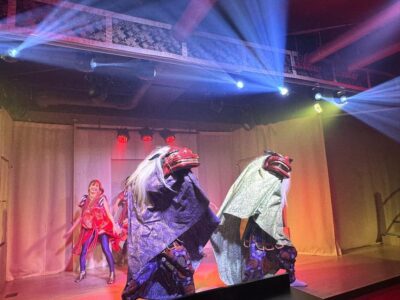 ★ 4.8Japanese Dance Cabaret Theater Asakusa-Kaguwa TicketFrom $492,270 reviews
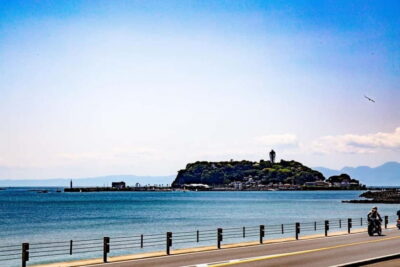 ★ 4.5Kamakura & Enoshima Day Trip including Temple TicketsFrom $581,375 reviews
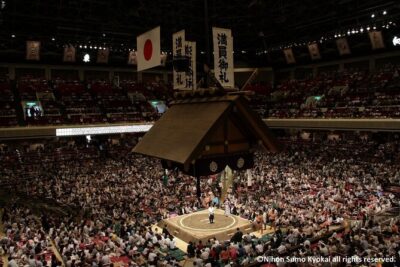 ★ 5.0Tokyo Grand Sumo Tournament Viewing Tour with TicketsFrom $124692 reviews
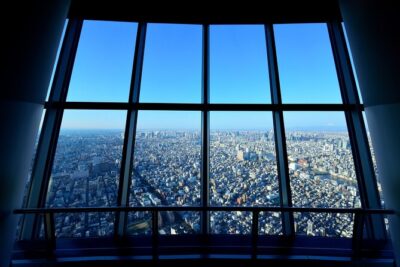 ★ 4.0Tokyo Skytree Admission Ticket with Tembo Deck and GalleriaFrom $15589 reviews