
Reviewed · SHOW
Tokyo: KABUKI Show at Kabukiza Theatre Admission Ticket
Kabuki in Ginza feels like time travel. This show is interesting because the Kabukiza Theatre is dedicated exclusively to Kabuki, so you’re watching a traditional art form in its proper home. The experience is guided by a monthly rotating program, which means you’re not repeating a one-size-fits-all spectacle.
What I really like is the way the night mixes big, theatrical storytelling with live musicianship inside a historic venue. You also get practical help to follow along without Japanese, thanks to the included captioning service.
A second thing I love: the Kabukiza setup makes planning easier than you’d expect. Doors open about 30 minutes before curtain, and there’s time beforehand for an interactive exhibition plus a basement-level shopping stop for Kabuki-themed souvenirs. Even better, the show runs long enough (around 4 hours) to feel complete rather than like a quick taste.
One possible drawback to keep in mind: this is not a short sit. It can feel long in the seat, and some viewers note the chairs are tight, so comfort matters. Also, you can’t pick your seats in advance, so arrive early and be ready to adapt.
In This Review
- Key things to know before you go
- Kabukiza Theatre in Ginza: the Kabuki-only setting that changes everything
- Captions in English or 简体中文: your practical cheat code
- A small heads-up about the device
- The monthly Kabuki program: what you might see in a typical slot
- Examples from the program schedule
- What this means for planning
- Before curtain: exhibition time and the Kabuki souvenir hunt
- A comfort tip that’s also a style tip
- Getting your ticket: what to do on show day at the BOX OFFICE
- The show itself: how to enjoy four segments without losing track
- Segments plus intermissions
- Food and drink inside the theater
- What acting looks like in Kabuki
- Price and value: is $106 per person worth it?
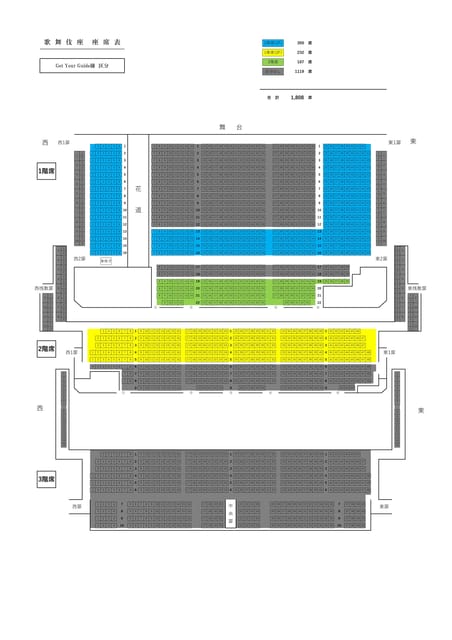
- Seating, comfort, and practical tips that make the night easier
- Who should book Kabukiza, and who might want a different plan
- Who might hesitate
- Should you book Kabukiza Kabuki tickets?
Key things to know before you go
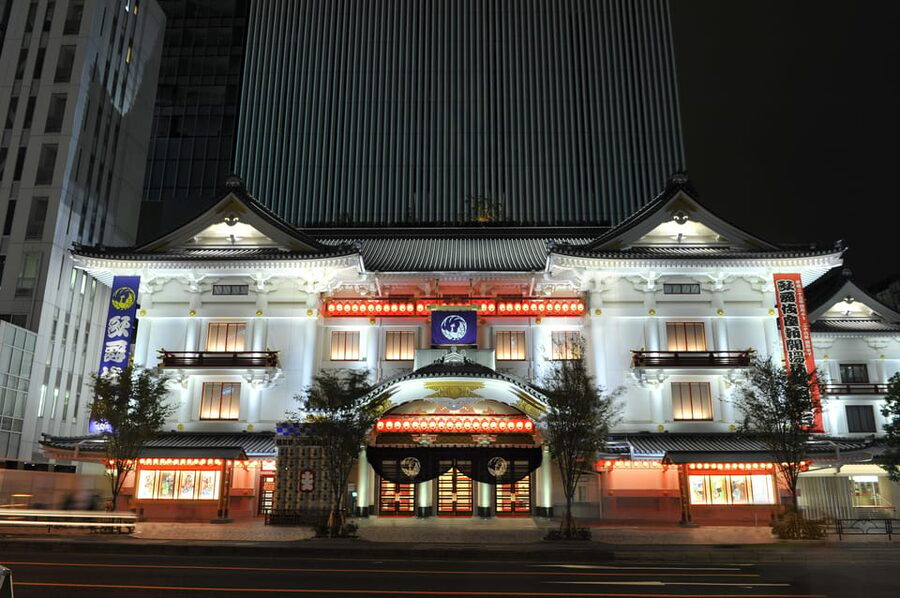
- Tokyo’s Kabukiza is the dedicated Kabuki theater: it’s the place built for this art form, not a generic stage show.
- Monthly programs keep the content fresh: each visit offers different plays, dances, and character stories.
- English or simplified Chinese caption device is included: you can follow the action even if you don’t read Japanese.
- You can handle the schedule with built-in intermissions: the overall 4-hour experience is split into segments with breaks.
- You’ll have time for pre-show culture and shopping: there’s an interactive exhibition and a Kabuki gift shop in the building.
- Seating is assigned without choice: if you’re sensitive to leg room, plan for comfort.
Kabukiza Theatre in Ginza: the Kabuki-only setting that changes everything
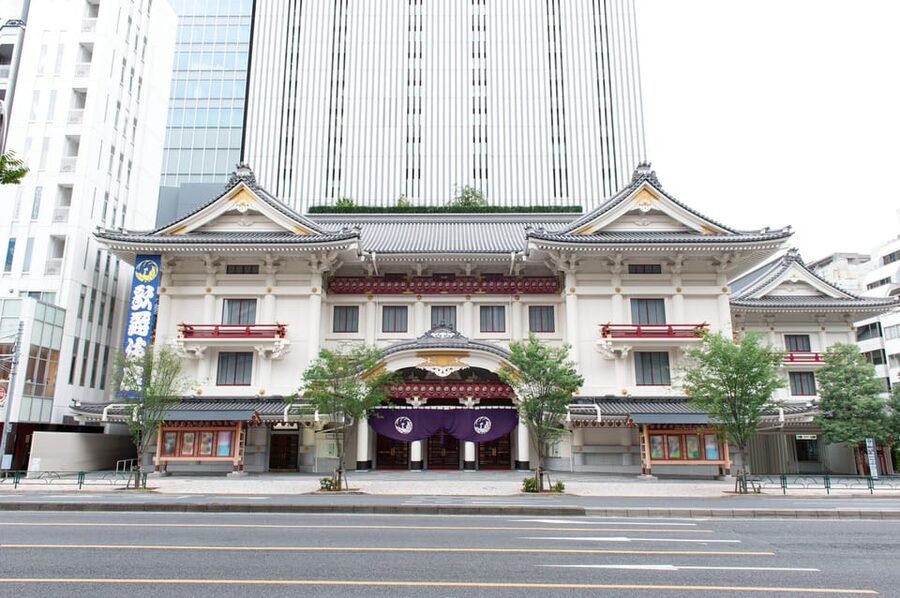
Kabuki can feel mysterious if you only know it from movies. At Kabukiza, the mystery has a place to land. This theater is dedicated exclusively to Kabuki, which matters because the stage design, sightlines, and performance style are all built around the same tradition you’re there to see.
Kabukiza is in Ginza, so you get an interesting mix of old and new. You’re walking into a traditional performance space, then stepping back out into one of Tokyo’s most famous shopping districts. That contrast is part of the fun: you’re not stuck in a theme zone. You can combine the show with a real Tokyo evening.
Inside, the production looks and feels like theater at full volume. Curtains and screens are described as exquisite, and the staging includes careful sets and strong visual effects. If you like your performances to be more than just dialogue, Kabuki at Kabukiza delivers. It’s dance, music, and drama all in one package, plus live musicianship during the show.
Readers also shortlisted these Tokyo bookings:
- Tokyo: teamLab Planets TOKYO Digital Art Museum Entry Ticket
★ 4.6 · 9,779 reviews - Tokyo: Hop-On Hop-Off Sightseeing Bus Ticket
★ 3.9 · 4,207 reviews - Tokyo: Japanese Dance Cabaret Theater Asakusa-Kaguwa Ticket
★ 4.8 · 2,270 reviews - Tokyo Grand Sumo Tournament Viewing Tour with Tickets
★ 5.0 · 692 reviews
Captions in English or 简体中文: your practical cheat code
Here’s the biggest practical advantage for most non-Japanese speakers: your ticket includes a captioning service in either English or simplified Chinese (简体中文).
This isn’t just nice to have. Kabuki stories often move fast, with stylized movement and historical wording that won’t be obvious to beginners. The caption device helps you catch what’s happening scene by scene—especially when the story jumps between characters, places, or time periods.
I also like that the venue is built for this support. Reviews mention that the translation tablets are vital, and they make it easier to understand everything from older plotlines to the emotional turns. Even if you don’t fully grasp every cultural reference, you can still follow the structure: setup, transformation, and the payoff.
A small heads-up about the device
One viewer noted that it was harder to track subtitle timing when the screen changed. That means you’ll want to watch both the stage and the caption moment-to-moment. If you tend to focus only on one thing, adjust your habits before the show starts.
The monthly Kabuki program: what you might see in a typical slot
Kabukiza doesn’t run the same show all year. Each month brings a new program, which is a big deal if you want an authentic experience rather than a single “greatest hits” performance.
Your show is built from multiple segments—think of it like a set of plays and dances across the evening. The total time is about 4 hours, and there’s an intermission in the middle (plus breaks between the main segments). Reviews describe the program as four acts with about 30-minute intermissions between them, so you’re not stuck in one endless chunk.
Examples from the program schedule
For February, the matinee includes a mix such as O-EDO MIYAGE (modern Kabuki), TONBI YAKKO (dance), a domestic play segment (In front of the Saruwakaza Theatre), and another dance story (The Snowbound Barrier). The evening show for that month features historical and dramatic material like The Camp Gate and Grappling on the Shore from The Chronicle of the Battle of Ichinotani, plus dance and modern Kabuki pieces such as Tanjirō’s Love Triangle.
For March, a matinee example includes Assembling the Bones of Iwafuji (historical), and the evening includes dances and domestic drama like Three Thieves Named Kichisa. The point for you: Kabuki at Kabukiza isn’t one style. You’ll see different storytelling methods in a single sitting.
Readers also shortlisted these Tokyo bookings:
- Mt Fuji & Hakone Cruise, Drum Show Bullet Train 1 Day from Tokyo★ 4.0 · 7,413 reviews
- Tokyo: Sumo Show and Dining Experience★ 4.8 · 2,742 reviews
- the SUMO show★ 5.0 · 1,960 reviews
- Tokyo Shinjuku Sumo Show & Experience with Photo★ 5.0 · 1,750 reviews
- Mt Fuji & Hakone Cruise, Drum Show Bus 1 Day from Tokyo★ 4.0 · 1,287 reviews
What this means for planning
Because the program changes, you should choose a date based on what interests you: historical stories versus domestic plays versus dance-forward segments versus modern Kabuki. You can also pick whether you prefer a matinee or an evening show (the schedule varies by program month).
Before curtain: exhibition time and the Kabuki souvenir hunt
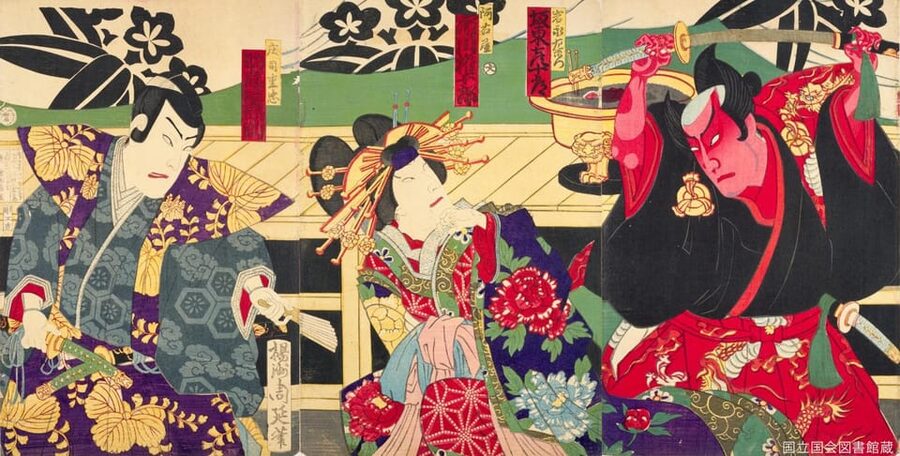
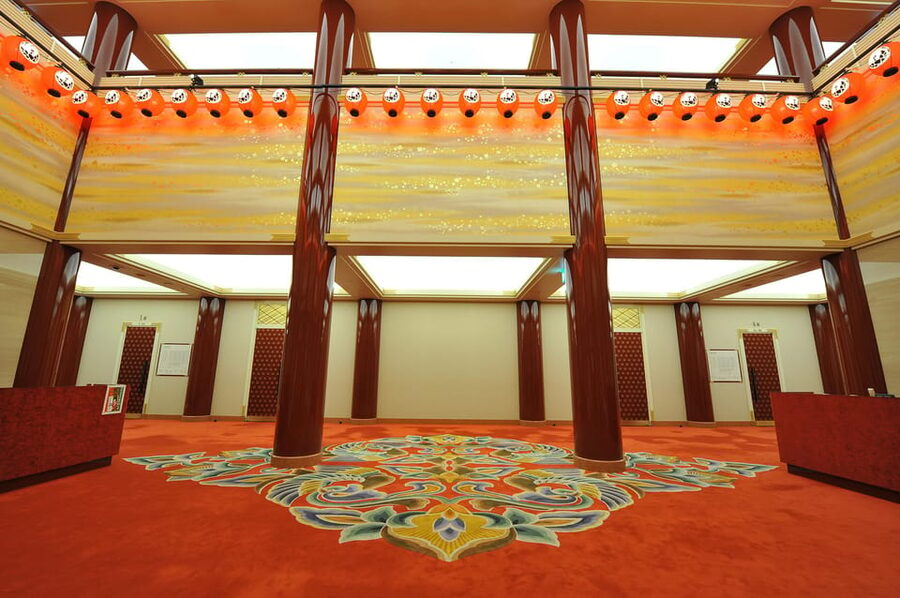
The theater doors open 30 minutes before the show. That matters because you’ll want those half-hours for two tasks: getting settled and soaking in the setting.
First, there’s a permanent interactive exhibition. Even if you know nothing about Kabuki, this is where you pick up the basic building blocks—how the art form is structured, what different styles mean, and why the stage language looks the way it does. If you’re the kind of person who likes to understand what you’re seeing (even just a little), this pre-show time pays off.
Second, Kabukiza includes a shopping center area. There’s a Kabuki-focused souvenir shop on the second basement floor. This is a practical advantage: you don’t have to search the neighborhood for gifts after the show. You can grab postcards, character items, and Kabuki-related goods in one stop.
A comfort tip that’s also a style tip
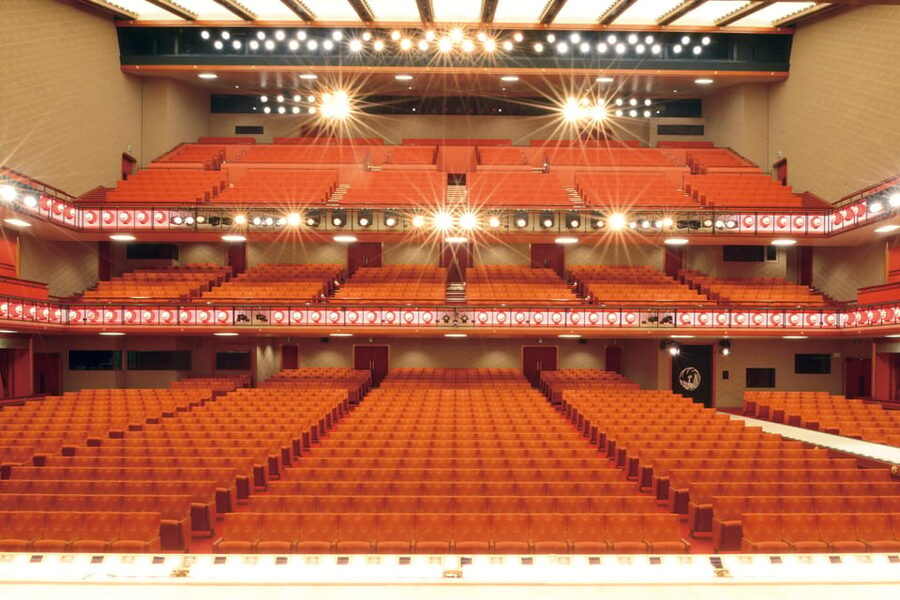
Some viewers mention the chairs are older-style and can feel uncomfortable. If you know you’re sensitive to sitting, it’s smart to go in expecting tight seating and plan a comfort upgrade. Some people bring cushions, and it can make the experience easier to enjoy for the full length.
Getting your ticket: what to do on show day at the BOX OFFICE
Ticket pickup is straightforward, but it’s strict: your voucher alone isn’t enough to enter the theater.
- Pick up your ticket(s) at the venue’s BOX OFFICE on the day of the performance.
- Bring your PDF or mobile GYG Voucher to exchange it for a ticket.
- The Box Office is on Basement Level 2 and is open 10:00AM–6:00PM.
- If you arrive after 6:00PM, go straight to the theater entrance.
This matters because it affects your arrival time. Don’t treat Kabukiza like a “drop in at curtain” situation. Give yourself buffer time to exchange the voucher, walk inside, and still arrive at your seat without rushing.
Also note: you cannot specify your seats with this reservation type. So if you’re traveling with someone who’s picky about sightlines, arrive early enough to take advantage of the time before the show begins.
The show itself: how to enjoy four segments without losing track

Kabuki at Kabukiza is a long night, but it’s built to keep you engaged. Here’s how to think about the pacing.
Segments plus intermissions
The total duration is about 4 hours. The show includes intermission, and breaks happen during the performance structure. That means you can reset your attention periodically—useful when you’re reading captions and watching for subtle acting details.
Plan to use the breaks. Even a quick walk helps you stay comfortable in the older theater seating. And since there’s an intermission, you’ll have a chance to refresh your energy without cutting your enjoyment short.
Food and drink inside the theater
You can bring something to eat or drink, and snacks and alcohol are available for purchase in the theater. For many people, this turns a long performance into something more relaxed. If you’re prone to getting restless during long shows, having a snack planned can help you stay focused on the story.
What acting looks like in Kabuki
Expect intense performance skills: reviews mention acting, singing, dancing, and even acrobatics. Kabuki also relies heavily on stylized movement and expressive facial work, which is why seat position can matter. One person wished they’d been closer because facial expressions are key to the art.
So what should you do if your seats aren’t ideal? Use the caption device to anchor the plot, and watch the movement patterns. In Kabuki, the meaning isn’t only in dialogue. It’s in gesture, timing, and how the performer controls the space.
Price and value: is $106 per person worth it?
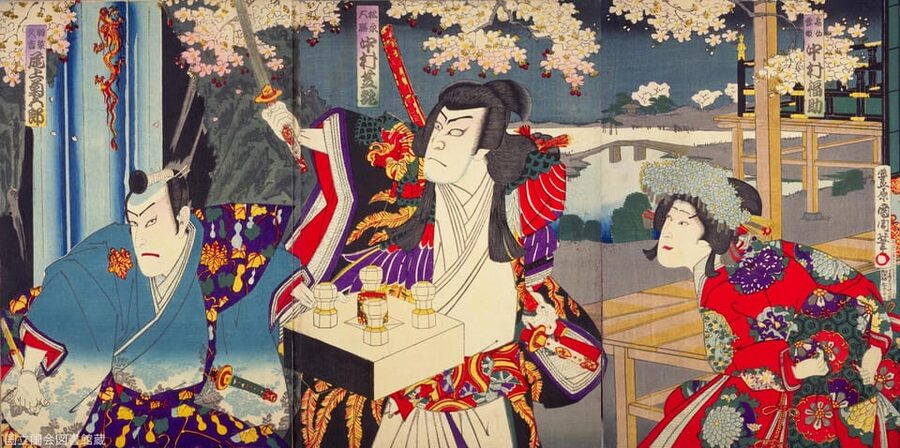
At about $106 per person, you’re paying for more than admission to a stage. You’re paying for:
- A professional Kabuki production with live music
- A theater built specifically for Kabuki
- A caption guide included (English or simplified Chinese)
- A full-length evening experience with multiple segments and intermissions
For many travelers, this price lands in the “worth it” category because the alternatives are either hard to follow without language support or they don’t provide the same theater-specific atmosphere. If you truly want Kabuki in its strongest form—done in the right venue with language help—this ticket is direct value.
That said, it’s not cheap. If you’re on a tight budget, you may want to compare this with other paid cultural events you’re considering and ask one question: do you want the full Kabuki experience, or just a quick introduction? Kabukiza is the full version.
Seating, comfort, and practical tips that make the night easier
Kabukiza’s theater is historic, which can mean compromises. Here’s what I’d plan for based on the feedback you provided:
- Seats can be tight: if you have short legs, knees that don’t like pressure, or you get sore easily, bring comfort tools like a cushion if allowed.
- Arrive early: doors open 30 minutes before curtain. Use that time to settle, check your caption device, and reduce stress.
- Don’t plan a rushed exit souvenir shopping plan: one review noted the souvenir shop was closed when they exited. So if shopping matters to you, do it before the show or before you’re stuck waiting for the crowd to thin.
Also, remember that you can’t choose seats in advance. If you’re traveling with someone who needs the best view, you can still increase your odds by showing up early and staying flexible.
Who should book Kabukiza, and who might want a different plan
Kabuki at Kabukiza suits travelers who want a real cultural event, not just a scenic stop. If you like performances with craft—costumes, staging, musical accompaniment, and disciplined movement—this is a strong fit.
It’s also a good choice if you don’t speak Japanese. The captioning service in English or simplified Chinese is included, and reviews consistently point to the translation device as essential for understanding the plot.
Who might hesitate
If you dislike long seated events, or if you’re extremely sensitive to uncomfortable chair situations, you may find the duration challenging. Some people also didn’t expect exactly how long the experience felt, even though it includes intermissions. And children under 4 are not suitable for this activity.
If you fall into either of those categories, consider whether you’re ready for a 4-hour theater commitment with caption reading.
Should you book Kabukiza Kabuki tickets?
If your goal is to see Kabuki in the right setting—with included captions and a full multi-segment program—then yes, I think you should book it. The value comes from the combination: Kabuki-only theater, professional performance, language support, and a complete evening.
If you’re on the fence, decide based on two things:
1) Can you comfortably handle about 4 hours in a historic theater seat?
2) Will you actually use the English or 简体中文 caption device to follow the story?
Book when you want the real experience. Skip if you only want a quick introduction or if long seated shows are a hard no for you.
More Show in Tokyo
- Mt Fuji & Hakone Cruise, Drum Show Bullet Train 1 Day from Tokyo
★ 4.0 · 7,413 reviews - Tokyo: Sumo Show and Dining Experience
★ 4.8 · 2,742 reviews - the SUMO show
★ 5.0 · 1,960 reviews - Tokyo Shinjuku Sumo Show & Experience with Photo
★ 5.0 · 1,750 reviews - Mt Fuji & Hakone Cruise, Drum Show Bus 1 Day from Tokyo
★ 4.0 · 1,287 reviews
More Tickets in Tokyo
- Tokyo: teamLab Planets TOKYO Digital Art Museum Entry Ticket
★ 4.6 · 9,779 reviews - Tokyo: Hop-On Hop-Off Sightseeing Bus Ticket
★ 3.9 · 4,207 reviews - Tokyo: Japanese Dance Cabaret Theater Asakusa-Kaguwa Ticket
★ 4.8 · 2,270 reviews - Tokyo Grand Sumo Tournament Viewing Tour with Tickets
★ 5.0 · 692 reviews - Tokyo Skytree Admission Ticket with Tembo Deck and Galleria
★ 4.0 · 589 reviews
More Tour Reviews in Tokyo
- Mt Fuji and Hakone 1-Day Bus Tour Return by Bullet Train
★ 5.0 · 26,383 reviews - 1-Day Tokyo Bus Tour
★ 5.0 · 14,250 reviews - Tokyo: teamLab Planets TOKYO Digital Art Museum Entry Ticket
★ 4.6 · 9,779 reviews - Mt Fuji & Hakone Cruise, Drum Show Bullet Train 1 Day from Tokyo
★ 4.0 · 7,413 reviews - Tokyo: Shinjuku Food Tour (13 Dishes at 4 Local Eateries)
★ 5.0 · 6,603 reviews
Latest Tokyo reviews off our desk






Show, compared.
 ★ 4.0Mt Fuji & Hakone Cruise, Drum Show Bullet Train 1 Day from TokyoFrom $1497,413 reviews
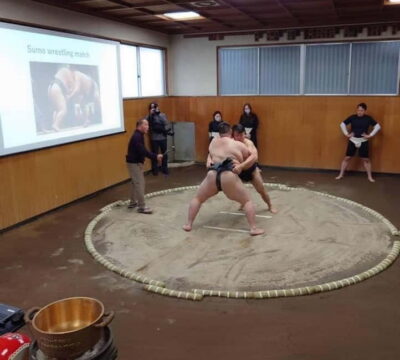 ★ 4.8Sumo Show and Dining ExperienceFrom $792,742 reviews
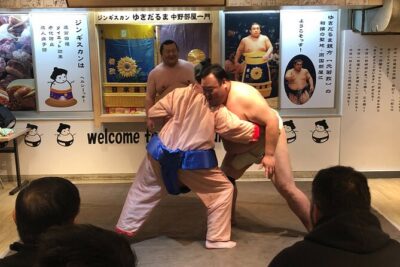 ★ 5.0the SUMO showFrom $891,960 reviews
 ★ 5.0Tokyo Shinjuku Sumo Show & Experience with PhotoFrom $791,750 reviews
 ★ 4.0Mt Fuji & Hakone Cruise, Drum Show Bus 1 Day from TokyoFrom $1221,287 reviews
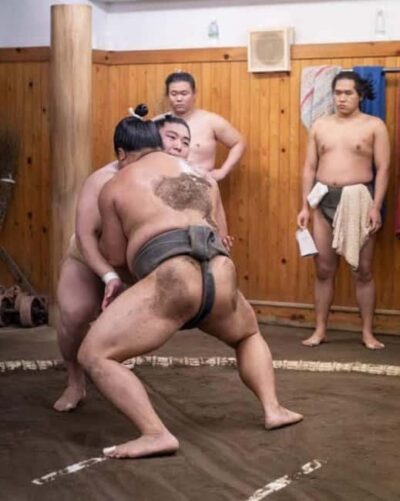 ★ 4.8Sumo Show and Experience in ShinjukuFrom $691,001 reviews
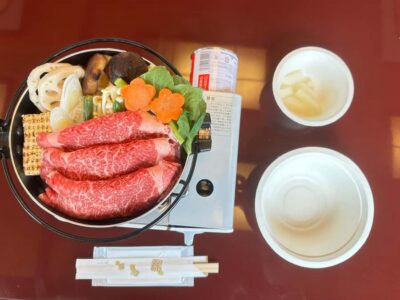 ★ 4.7Yakatabune Dinner Cruise with Japanese Show & DrinksFrom $100871 reviews
 ★ 4.7Luxury Sumo Show Experience & Japanese cuisine & DrinkFrom $103577 reviews