
Reviewed · SHIBUYA EXPERIENCES
Tokyo: Matcha Tea Ceremony Experience at Japanese room in Shibuya
Matcha gets real when you whisk it yourself. In Shibuya, this one-hour tea ceremony teaches etiquette and lets you make matcha the traditional way, not just watch. I like the small group size (up to 8) and the friendly pace for beginners. One possible drawback: it’s a short session, so you’ll taste only a limited set of teas before you’re back outside.
You’ll meet near public transportation in Shibuya at 2-chōme-14-13, and you’ll get everything organized with a mobile ticket. Then you settle into a calm Japanese room setting focused on etiquette and hands-on technique. In past sessions, instructors such as Taku, So-Wa, and Ryota have guided people through the basics and helped them understand what they’re tasting, too.
In This Review
- Key highlights before you go
- A Shibuya matcha class that’s calm, practical, and actually hands-on
- Where it starts (and why it matters)
- Step-by-step: making matcha the ceremony way
- The etiquette part isn’t just rules
- Texture and taste: you’ll learn what to look for
- The tea tasting: comparing flavors like a tea nerd (without trying too hard)
- What you might taste: matcha and other classics
- Why this comparison is useful in real life
- Your instructor sets the tone (and that’s not accidental)
- What to look for in the teaching style
- Expect a relaxed pace
- Price and value: what $32.58 buys you in Shibuya
- Who should treat it as a must-do
- Who this experience is best for (and who might want something else)
- Making the most of your hour in the Japanese room
- Should you book this Shibuya matcha tea ceremony?
- FAQ
- How long is the matcha tea ceremony experience?
- Where is the meeting point in Tokyo?
- How big is the group?
- Is the ticket mobile?
- Will I receive confirmation after booking?
- What will I do during the experience?
- Is this experience beginner-friendly?
- What is the cancellation policy?
Key highlights before you go
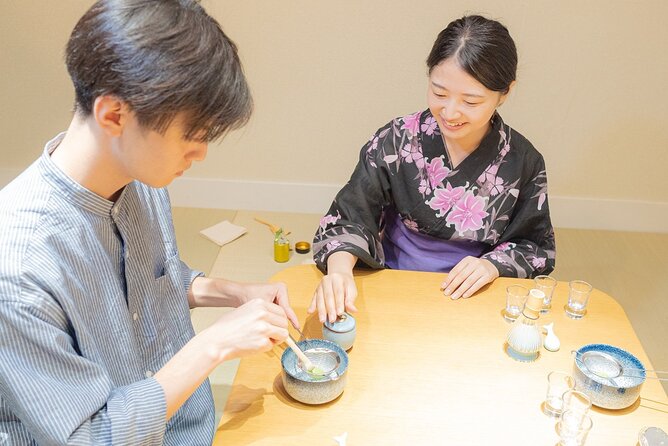
- Hands-on matcha making: You’ll prepare your own bowl step by step, with guidance as you go
- Tea comparisons built in: You’ll taste different Japanese teas and learn what to notice in flavor and feel
- Beginner-friendly etiquette: You’ll learn manners for the ceremony without feeling like you need prior experience
- Small group vibe: With a maximum of 8 people, it stays relaxed and question-friendly
- Instructor-led details: Past classes have stood out for clear explanations and a warm, patient tone
A Shibuya matcha class that’s calm, practical, and actually hands-on
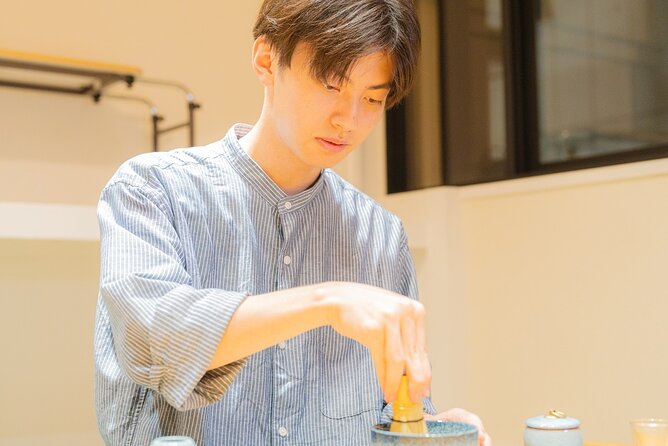
Tokyo can feel like sensory overload. This is the rare activity that slows you down on purpose. For about an hour, you’re in a quieter Japanese room setting learning the basics of a Japanese tea ceremony, including how to behave, how to handle the bowl and tools, and how to make matcha properly.
The best part is that you’re not stuck watching someone else do the work. You’ll be making your own matcha, which means you get the cause-and-effect: whisking changes texture, preparation changes taste, and attention changes the whole experience. It’s also built for first-timers. You’ll get manners and technique in a way that doesn’t assume you grew up in a tea-house.
More booked around Shibuya Crossing
- Official Street Go-Kart in Shibuya
★ 5.0 · 3,435 reviews - Tokyo: Street Kart Experience in Shibuya
★ 4.9 · 1,484 reviews - Shibuya Meltdown Nightlife Tour: All-You-Can-Drink Bar Hopping
★ 5.0 · 1,058 reviews - Shibuya Official Street Go-Kart in Shibuya Annex
★ 5.0 · 972 reviews
Where it starts (and why it matters)
You’ll start at 2-chōme-14-13 Shibuya, Tokyo 150-0002, Japan, and the experience ends back at that meeting point. The location is near public transportation, which is important because Shibuya traffic and crowds can make “getting there” a bigger hassle than it should be.
Since the class lasts about 1 hour, I’d plan your schedule like this: don’t stack a tight appointment immediately afterward. Leave buffer time for your walk back through Shibuya streets, especially if you’re pairing this with dinner.
Step-by-step: making matcha the ceremony way
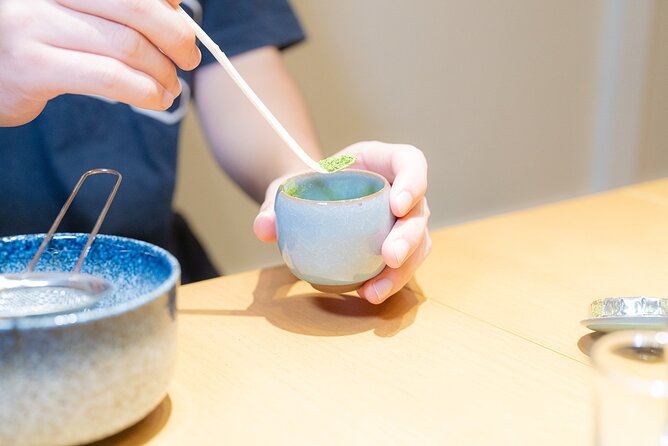
The heart of this experience is hands-on matcha preparation. You’re guided through the steps, from getting ready to making the bowl yourself. What you learn here is practical: how to treat the tools, how to approach the ritual with the right attitude, and how the process affects the final cup.
The etiquette part isn’t just rules
Tea ceremony etiquette can sound abstract until you see it in action. In this class, etiquette is taught alongside the technique, so it’s easier to understand why people do things a certain way. Instead of memorizing a list, you learn what the actions communicate—respect, attention, and calm focus.
That matters because matcha is subtle. If you rush, use a heavy hand, or treat it like instant powder, the cup won’t feel right. The ceremony-style pace helps you pay attention.
Texture and taste: you’ll learn what to look for
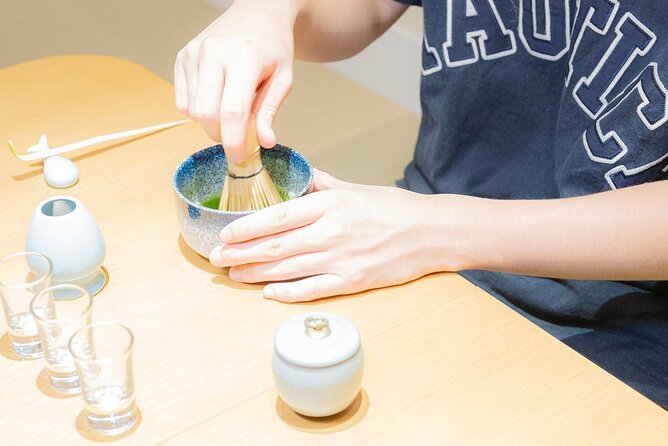
You’re not just mixing green powder into water. You’re whisking matcha until it becomes what it’s supposed to become. In past sessions, people specifically praised how instructors helped them make the cup they wanted—meaning the instructor guidance isn’t vague.
You’ll also taste as part of the ceremony process, which helps you connect technique to result. If your matcha comes out too strong or too thin, you’ll understand that preparation and whisking matter. That’s the kind of knowledge you can actually use when you buy matcha back home.
More tea rooms our readers rated
- Matcha Making Class in Tokyo with Authentic Japanese Sweets Set★ 5.0 · 744 reviews
- Tokyo: Traditional Tea Ceremony with a Tea Master★ 5.0 · 528 reviews
- Tokyo: Matcha Making Experience with Mochi Sweets in Asakusa★ 4.9 · 388 reviews
- Tokyo: Matcha and Kimono Experience★ 4.7 · 219 reviews
- Tea Ceremony Workshop in Tokyo by the Experienced Instrucor★ 5.0 · 189 reviews
The tea tasting: comparing flavors like a tea nerd (without trying too hard)
After you make your matcha, you’ll taste different kinds of Japanese tea. The experience is designed so you can compare flavors and learn the traditions behind them. Some sessions end with a tasting of three different teas, which gives you enough variety to notice differences without turning it into a long tasting marathon.
What you might taste: matcha and other classics
From the information and past feedback, you can expect teas beyond matcha—one example is hojicha, which has shown up as a favorite for people who thought they’d only like the more famous green tea styles. Hojicha’s roasted profile tends to feel friendlier for people who find classic matcha too grassy or intense.
Because the exact lineup isn’t listed in detail here, treat this as a comparison experience rather than a guarantee of specific brands. The value is in learning what to notice: aroma, bitterness, body, and finish.
Why this comparison is useful in real life
In Japan, it’s easy to buy tea and then forget why one type hits you harder than another. This tasting helps you create your own mental map. When you return home and buy a bag later, you’ll be able to say what you liked and why—at least more than just green vs not green.
Your instructor sets the tone (and that’s not accidental)
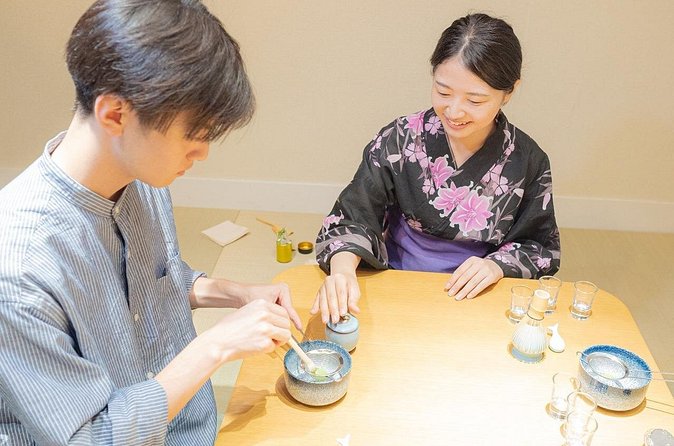
A big chunk of what people loved is the teaching style. Past experiences have highlighted instructors like Taku, So-Wa, and Ryota for being friendly, answering questions, and making the ceremony feel approachable.
What to look for in the teaching style
Even if you’ve never done a tea ceremony, you shouldn’t feel lost. The best instructors do two things:
- They explain the why, not just the how
- They give step-by-step direction so you can succeed quickly
From the kinds of comments this class has received, the instructor role is part of the value. It’s not just cultural theater. You’re learning something you can repeat.
Expect a relaxed pace
The tone is described as calm and welcoming, with a relaxed atmosphere that makes it easier to participate even as a beginner. With a maximum of 8 travelers, you’re less likely to feel rushed, and you can ask questions if something feels confusing.
Price and value: what $32.58 buys you in Shibuya
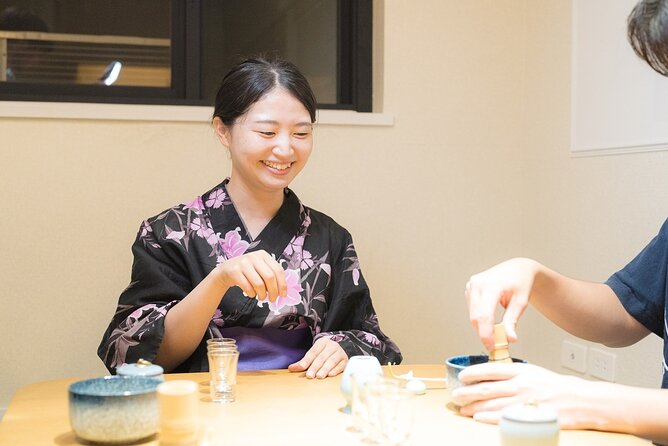
At $32.58 per person, this class sits in the “small, focused experience” category. You’re paying for a mix of things that cost time and staffing in Japan:
- a guided Japanese tea ceremony lesson
- hands-on matcha preparation
- tasting different Japanese teas
- small-group attention (max 8)
- about one hour of structured instruction
If you’re the kind of person who likes souvenirs but also wants a skill or story you can actually use, this is the sweet spot. It’s not a giant tour bus production. It’s a one-time session with a payoff you’ll remember when you’re drinking matcha later.
Who should treat it as a must-do
If you’re in Tokyo short-term and you want something cultural that doesn’t require hours of planning, this fits. It’s also a good fit if you’re curious about Japanese food culture, but you don’t want to take a full cooking class.
Who this experience is best for (and who might want something else)
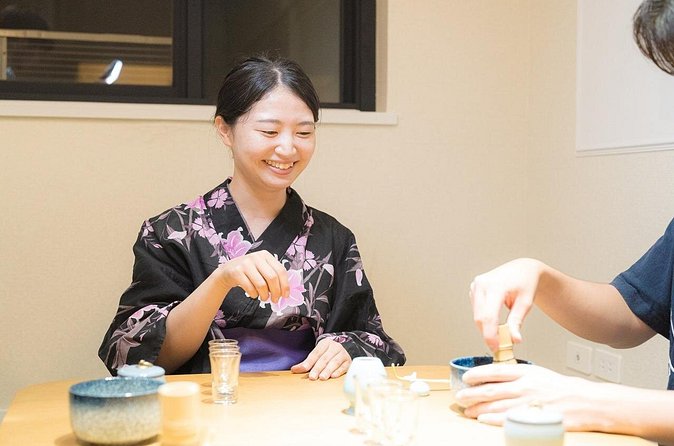
This is a strong match for:
- first-timers who want a beginner-friendly introduction to Japanese tea culture
- tea lovers who like learning what changes in flavor and texture
- travelers who want calm, not chaotic, for part of their Tokyo day
- groups that prefer a small setting (max 8) over a crowd
You might reconsider if:
- you’re looking for a long, multi-stop “day experience” (this is about an hour)
- you only care about trying a lot of different teas and nothing else (this includes tastings, but it’s still a compact session)
- you’re hoping for a high-volume entertainment show rather than a guided ritual
Making the most of your hour in the Japanese room
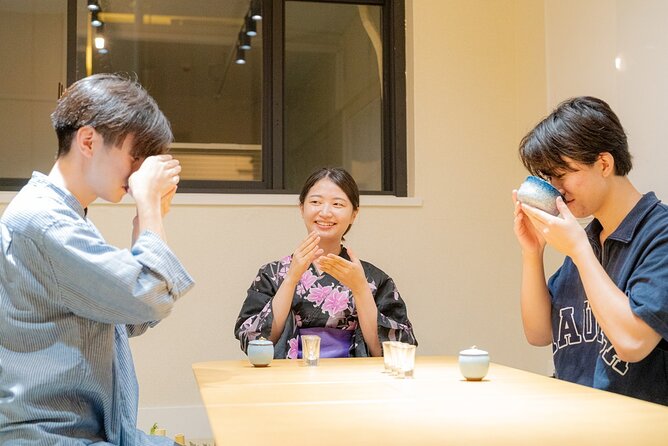
You’ll get the best results if you show up ready to slow down. Even if Shibuya is loud outside, inside the ceremony space the goal is focus.
A few practical tips:
- Ask a question early if you want help with the steps. People do enjoy explaining things, and it helps you feel confident.
- Take a moment to notice differences during the tasting. Matcha vs roasted teas like hojicha can feel very different.
- Don’t rush your own whisking. Texture builds slowly.
If you’re building a tea habit, this class gives you a baseline. You’ll know how to describe what you like, not just whether you like it.
Should you book this Shibuya matcha tea ceremony?
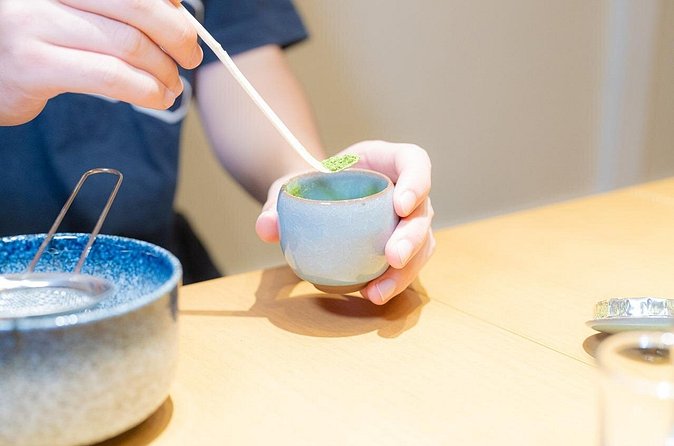
I think it’s a solid booking if you want a real, hands-on taste of Japanese tea culture without needing prior knowledge. For the money, you’re getting instruction, etiquette basics, your own matcha, and a guided tasting of different Japanese teas, all in a small group.
If you’re the type who enjoys learning through doing—whisking, tasting, comparing—this is your kind of activity. If you want something longer or more expansive, you might add a second tea-related stop elsewhere afterward. But as a one-hour Shibuya reset, this class earns its place.
FAQ
How long is the matcha tea ceremony experience?
It runs for about 1 hour.
Where is the meeting point in Tokyo?
The meeting point is 2-chōme-14-13 Shibuya, Tokyo 150-0002, Japan. The experience ends back at the meeting point.
How big is the group?
The activity has a maximum of 8 travelers.
Is the ticket mobile?
Yes, it uses a mobile ticket.
Will I receive confirmation after booking?
Yes, confirmation is received at the time of booking.
What will I do during the experience?
You’ll join a traditional tea ceremony, learn basic etiquette, make your own matcha with hands-on guidance, and taste different kinds of Japanese tea.
Is this experience beginner-friendly?
Yes. It’s described as relaxed and easy to join even if you’re a beginner.
What is the cancellation policy?
You can cancel for a full refund up to 24 hours in advance of the experience start time. If you cancel less than 24 hours before, the amount paid won’t be refunded.
More Tour Reviews in Tokyo
- Mt Fuji and Hakone 1-Day Bus Tour Return by Bullet Train
★ 5.0 · 26,383 reviews - 1-Day Tokyo Bus Tour
★ 5.0 · 14,250 reviews - Tokyo: teamLab Planets TOKYO Digital Art Museum Entry Ticket
★ 4.6 · 9,779 reviews - Mt Fuji & Hakone Cruise, Drum Show Bullet Train 1 Day from Tokyo
★ 4.0 · 7,413 reviews - Tokyo: Shinjuku Food Tour (13 Dishes at 4 Local Eateries)
★ 5.0 · 6,603 reviews
More Tea and Matcha Rooms
- Matcha Making Class in Tokyo with Authentic Japanese Sweets Set
★ 5.0 · 744 reviews - Tokyo: Traditional Tea Ceremony with a Tea Master
★ 5.0 · 528 reviews - Tokyo: Matcha Making Experience with Mochi Sweets in Asakusa
★ 4.9 · 388 reviews - Tokyo: Matcha and Kimono Experience
★ 4.7 · 219 reviews - Tea Ceremony Workshop in Tokyo by the Experienced Instrucor
★ 5.0 · 189 reviews
More Around Shibuya Crossing
- Official Street Go-Kart in Shibuya
★ 5.0 · 3,435 reviews - Tokyo: Street Kart Experience in Shibuya
★ 4.9 · 1,484 reviews - Shibuya Meltdown Nightlife Tour: All-You-Can-Drink Bar Hopping
★ 5.0 · 1,058 reviews - Shibuya Official Street Go-Kart in Shibuya Annex
★ 5.0 · 972 reviews - Tokyo: Shibuya Food Tour (13 dishes and 4 Eateries)
★ 5.0 · 770 reviews
Latest Tokyo reviews off our desk






Shibuya Experiences, compared.
 ★ 5.0Official Street Go-Kart in ShibuyaFrom $763,435 reviews
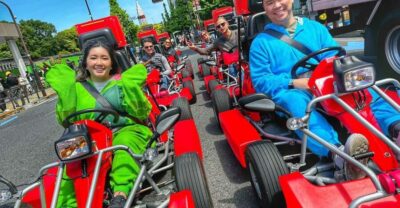 ★ 4.9Street Kart Experience in ShibuyaFrom $741,484 reviews
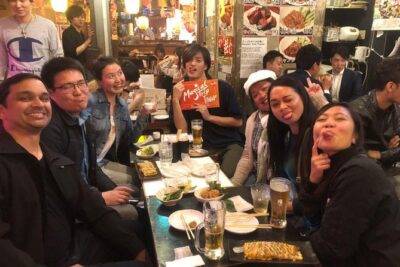 ★ 5.0Shibuya Meltdown Nightlife Tour: All-You-Can-Drink Bar HoppingFrom $1061,058 reviews
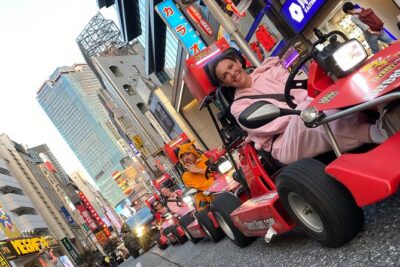 ★ 5.0Shibuya Official Street Go-Kart in Shibuya AnnexFrom $69972 reviews
 ★ 5.0Shibuya Food Tour (13 dishes and 4 Eateries)From $77770 reviews
 ★ 5.0Best of Shibuya Food TourFrom $217612 reviews
 ★ 4.8Shibuya Highlights Walking TourFrom $19601 reviews
 ★ 4.7Premium Go-Kart Tour with Tower & Shibuya CrossingFrom $116528 reviews
Browse the lists this tour appears in