
Reviewed · SHIBUYA EXPERIENCES
Tokyo: Matcha Tea Ceremony Experience in Shibuya
Matcha tastes better when you whisk it yourself. In Shibuya, this one-hour tea ceremony shows you how matcha is made, what makes Japanese tea feel special, and how serving manners fit into everyday calm.
I especially like the hands-on part where you make your own matcha, and the chance to compare teas with guidance while traditional sweets are part of the experience. The atmosphere is quiet and welcoming, so it feels more like a friendly lesson than a performance.
One thing to consider: it’s only one hour, so it’s a solid introduction, not a long, formal deep practice session.
In This Review
- Key highlights to expect
- A One-Hour Matcha Ceremony in Shibuya (That Actually Teaches)
- Finding the Okazaki Building meeting point fast
- The flow of the session: what happens during the hour
- 1) Warm-up and guidance before you whisk
- 2) Make your own matcha with step-by-step instruction
- 3) Taste and compare several Japanese teas
- 4) Pairings with traditional sweets
- 5) Manners, serving, and the calm rhythm
- 6) Photos during the experience and a wrap-up
- Who the experience is best for (and who might want something else)
- The teacher and the real-world value of good guidance
- Price and value: is $30 fair for a Tokyo matcha class?
- Practical tips so you enjoy it more
- Should you book this Shibuya matcha tea ceremony?
- FAQ
- How long is the matcha tea ceremony experience?
- How much does it cost?
- Where is the meeting point?
- Is the instructor available in English?
- How big is the group?
- Is the experience wheelchair accessible?
- What will I do during the class?
- Are photos included?
- What about cancellation and paying later?
Key highlights to expect
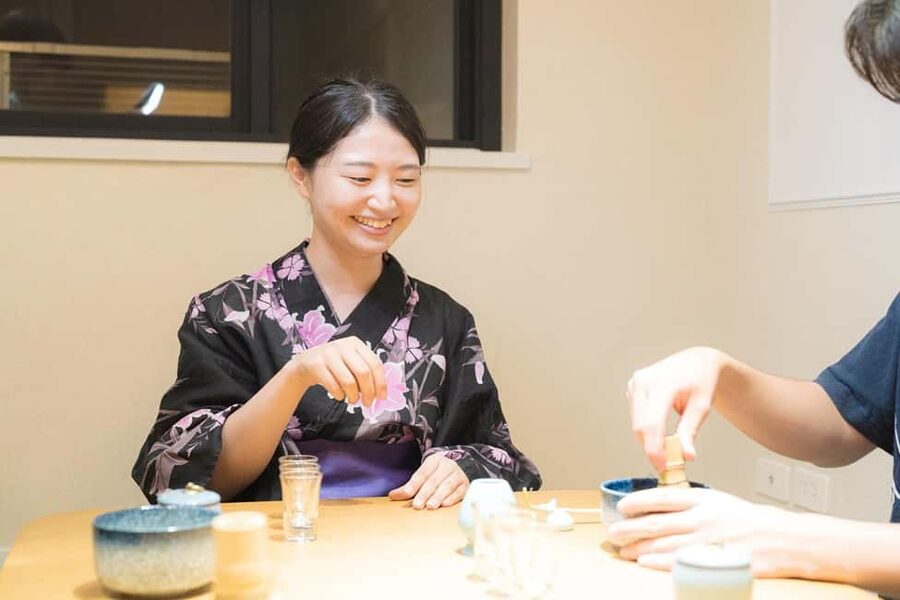
- Make matcha step-by-step with real guidance, not just watching
- Taste and compare multiple Japanese teas and notice how aromas and flavors change
- Learn tea serving manners for a calmer, more respectful routine
- Enjoy a small group (up to 10 people) for easier attention and fewer distractions
- Hear history from your local instructor in plain, story-based explanations
- Get photos during the experience and receive them at the end
A One-Hour Matcha Ceremony in Shibuya (That Actually Teaches)
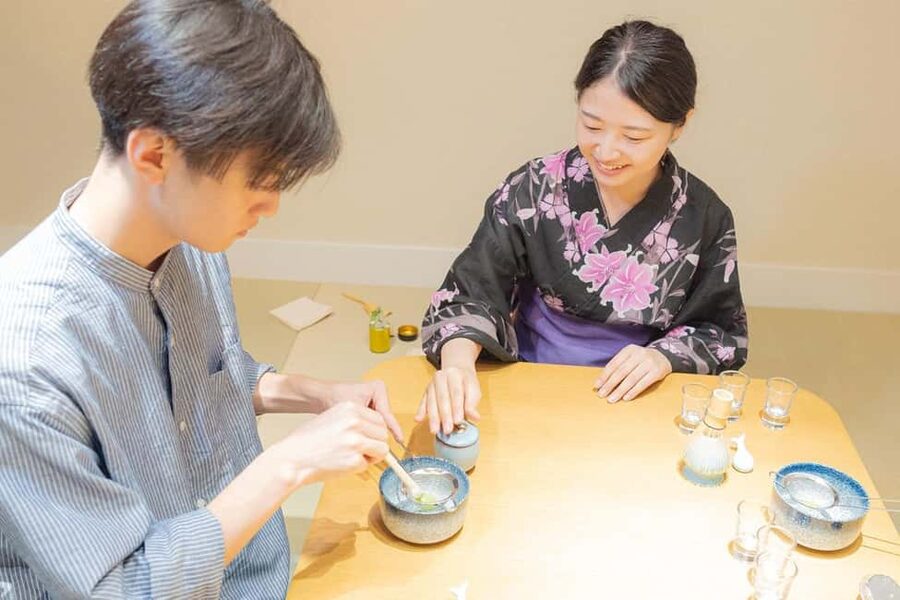
If you’ve ever tried to order matcha in Tokyo and wondered what makes it taste different from cup to cup, this is the fix. You’re not just sampling. You’re learning the basic rhythm behind a Japanese tea ceremony—how to prepare, how to serve, and how to taste with intention.
The best part is that you leave with a clearer sense of what matcha is supposed to be. That matters because matcha is often sold as a trend, but in a tea ceremony it’s treated like a craft. You’ll get step-by-step instruction and a calm pace that lets you focus on aroma, texture, and presentation, not on rushing to the next photo spot.
This is also a good “first cultural activity” when your Tokyo day feels too fast. The ceremony slows things down without being stuffy. You’ll follow the lead of your English-speaking instructor and move through the process at a comfortable speed.
More booked around Shibuya Crossing
- Official Street Go-Kart in Shibuya
★ 5.0 · 3,435 reviews - Tokyo: Street Kart Experience in Shibuya
★ 4.9 · 1,484 reviews - Shibuya Meltdown Nightlife Tour: All-You-Can-Drink Bar Hopping
★ 5.0 · 1,058 reviews - Shibuya Official Street Go-Kart in Shibuya Annex
★ 5.0 · 972 reviews
Finding the Okazaki Building meeting point fast
The instructor meets you in front of the Okazaki Building entrance. There’s a vending machine next to it, which is a handy landmark when you’re navigating Shibuya.
Because the experience is only one hour, you’ll want to plan to arrive with a few minutes to spare. Don’t wait until the last second to find the exact entrance—Tokyo intersections move quickly, and you’ll feel better once you’re settled.
Tip: if you’re coming from inside Shibuya, use the building entrance as your anchor point, not the surrounding street signs. It’s easier to orient when you’re looking for a specific doorway rather than a broad area.
The flow of the session: what happens during the hour
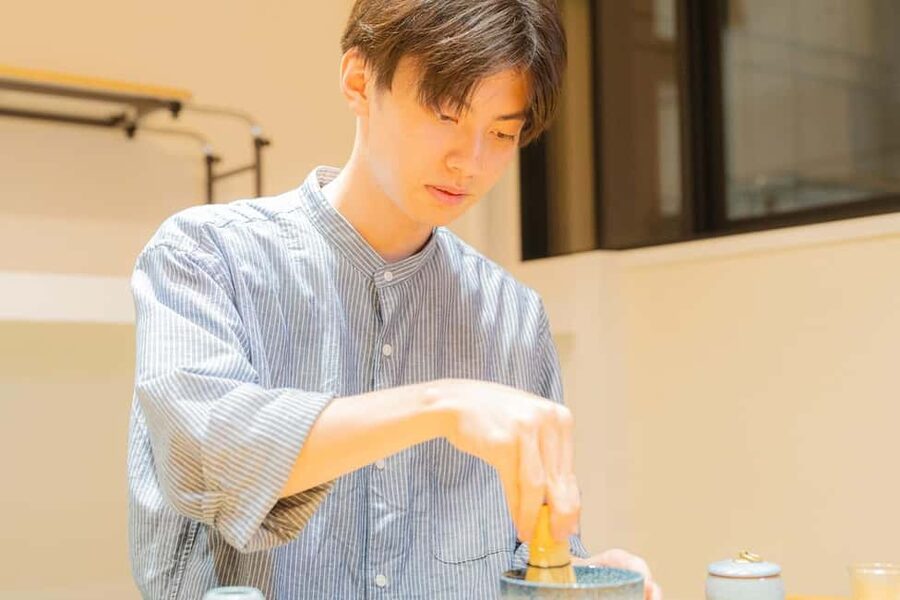
Even though the entire experience is short, it’s structured so you don’t just taste and go. You’ll go through a sequence that helps you understand what you’re doing.
1) Warm-up and guidance before you whisk
You start with expert help from your local teacher. The instructor’s job is to get you comfortable with the basic steps and manners so you can participate properly. Since the session is English-led, you don’t have to guess what’s going on or rely on shaky translation apps.
This is where you learn the “why” behind the movements. Tea ceremony etiquette can look mysterious from the outside. Here, it’s explained in plain language: you’re not trying to perform. You’re trying to handle tea with care.
2) Make your own matcha with step-by-step instruction
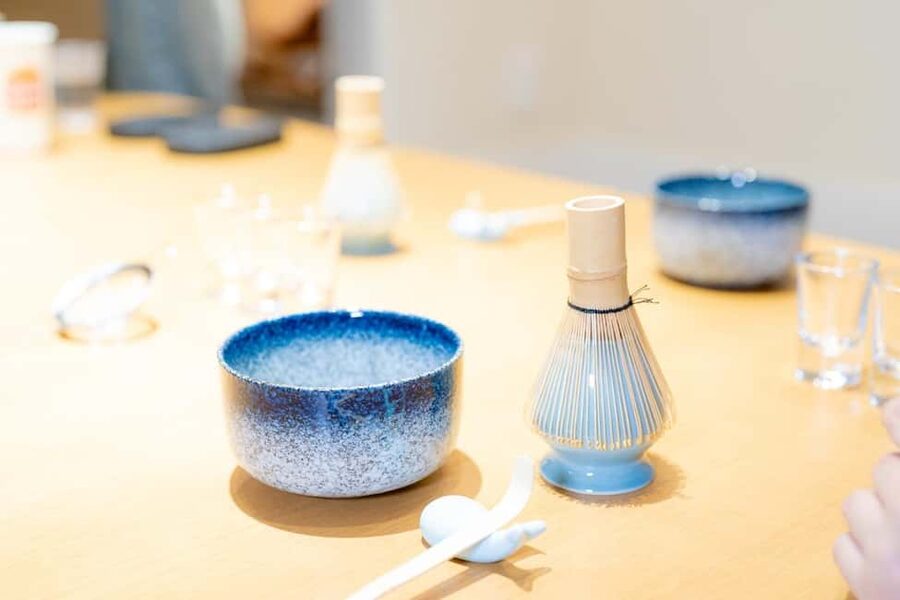
Next comes the hands-on moment: you make your own matcha. That means you get to feel how matcha comes together and what changes when you adjust your technique (even slightly). You’ll be guided through the steps, so you’re not left standing there like an undecorated cake.
Why this is such good value: you’re paying for materials, tools, and instruction—not just a sip. Making it yourself turns matcha from a flavor into an experience you can repeat later.
More tea rooms our readers rated
- Matcha Making Class in Tokyo with Authentic Japanese Sweets Set★ 5.0 · 744 reviews
- Tokyo: Traditional Tea Ceremony with a Tea Master★ 5.0 · 528 reviews
- Tokyo: Matcha Making Experience with Mochi Sweets in Asakusa★ 4.9 · 388 reviews
- Tokyo: Matcha and Kimono Experience★ 4.7 · 219 reviews
- Tea Ceremony Workshop in Tokyo by the Experienced Instrucor★ 5.0 · 189 reviews
3) Taste and compare several Japanese teas
Then the session shifts into tasting. You’ll sample several carefully prepared Japanese teas and learn how each one has its own tradition. This isn’t random variety. It’s a guided comparison, with attention to differences in aroma and presentation.
In practical terms, this helps you learn how to taste beyond sweetness or bitterness. You’ll start noticing details like how the tea smells before the first sip, and how the finish feels after.
4) Pairings with traditional sweets
Along the way, you’ll taste teas paired with a traditional sweet. The sweet isn’t just a snack. It’s used to enhance the tea’s unique flavor and give you a contrast that makes the tasting clearer.
If you’ve ever eaten something and thought the flavor was just strong, pairing helps you separate what’s coming from the tea and what’s coming from the food. It’s a small change in approach, and it makes the whole ceremony more memorable.
5) Manners, serving, and the calm rhythm
You’ll also learn basic manners for serving tea—how to hold yourself, how to treat the moment, and how to present the drink with respect. This is the “mindful” part, but it’s not airy or spiritual. It’s practical etiquette explained clearly.
A tea ceremony is basically a shared routine. Once you understand the routine, you feel less awkward. You’ll know what to do next, and that alone makes the hour feel smooth.
6) Photos during the experience and a wrap-up
Photos are taken during the experience, and they’re shared with you at the end. This is perfect for capturing the moment without turning the session into a selfie marathon.
You’ll likely leave with more than a memory: you’ll have a better sense of what to order, what to ask about, and what to look for when you see matcha offered in different styles around Tokyo.
Who the experience is best for (and who might want something else)
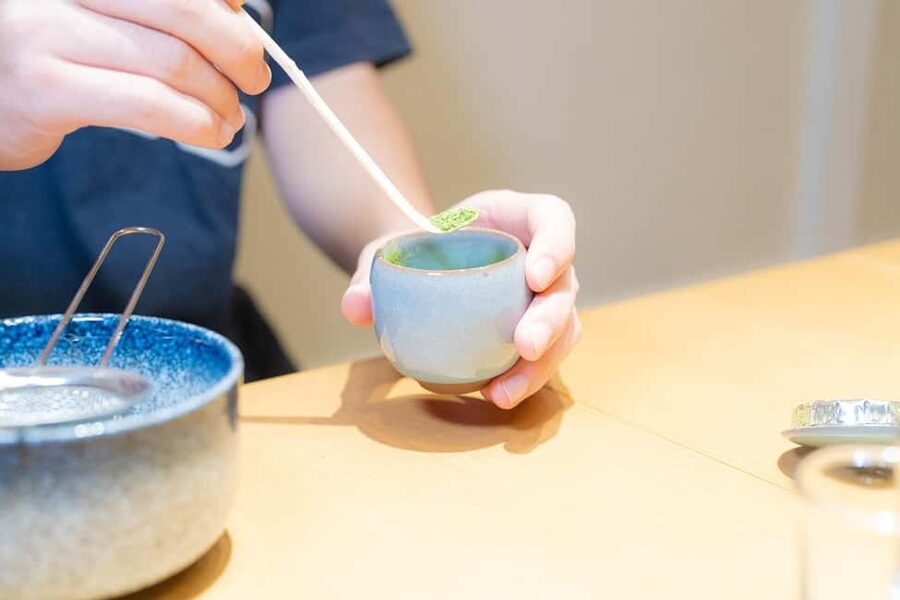
This is a great fit if you want:
- A hands-on cultural activity in Tokyo that’s not exhausting
- An English-led class with small group size
- A calmer activity in the middle of a busy day in Shibuya
- A way to learn basic etiquette without feeling judged
It might not be the right choice if you want a very long, formal multi-course ceremony. The duration is one hour, so it’s structured for beginners and curious newcomers, not for hours of deep repetition. But as a first taste of the tradition, it’s honestly well paced.
Also, it’s wheelchair accessible, which is a real plus when you’re choosing activities in Tokyo.
The teacher and the real-world value of good guidance
The quality of a tea ceremony lives or dies with the guide. Here, the instructor is friendly and leads the class in English, and that makes a difference when you’re learning technique. In one highly praised experience, the host Taku was called out for excellent English and being well prepared.
That matters because tea ceremony learning has a lot of tiny steps. If you don’t understand the steps, you won’t enjoy the tasting part as much. Clear guidance makes the difference between accidental matcha and the kind you actually appreciate.
And because the group is limited to 10 participants, you’re less likely to be rushed through explanations. You get the chance to ask questions or at least follow along without losing the thread.
Price and value: is $30 fair for a Tokyo matcha class?
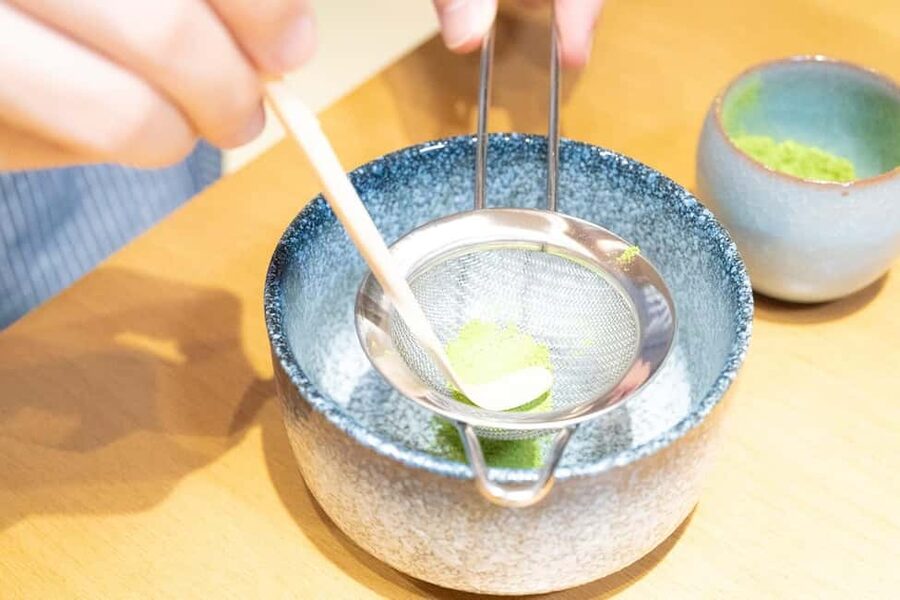
At $30 per person for a one-hour experience, you’re not paying for a tourist show. You’re paying for:
- Expert instruction in English
- Tea ceremony tools
- Tea leaves selection and tasting time
- A small sweet pairing
- Photos taken during the experience
The value is strongest when you treat it as a learning activity. If you were just sampling matcha on the street, you’d still spend money—but you wouldn’t get the technique coaching, etiquette basics, or tasting structure.
For many people, that’s the goal: understanding what you’re drinking. This experience is designed to get you there quickly and kindly.
Practical tips so you enjoy it more
You’ll have the best time if you go in with the right mindset: slow down for the hour. Don’t treat it like a quick stop between train lines. The ceremony is built around attention—aroma, presentation, and the feel of the ritual.
A few practical pointers:
- Arrive a little early and locate the Okazaki Building entrance with the vending machine nearby.
- Wear yourself in a comfortable posture. You’ll be learning manners, so you want to feel at ease.
- When tasting, pause between sips. The guidance you get will make more sense when you give your senses a moment.
- Let the sweet pairing do its job. If you rush through it, you’ll miss the tea comparison.
Also, since it’s a small group, try to stay present. Phones are not the point here. You’ll learn more if you’re watching what your instructor is showing.
Should you book this Shibuya matcha tea ceremony?
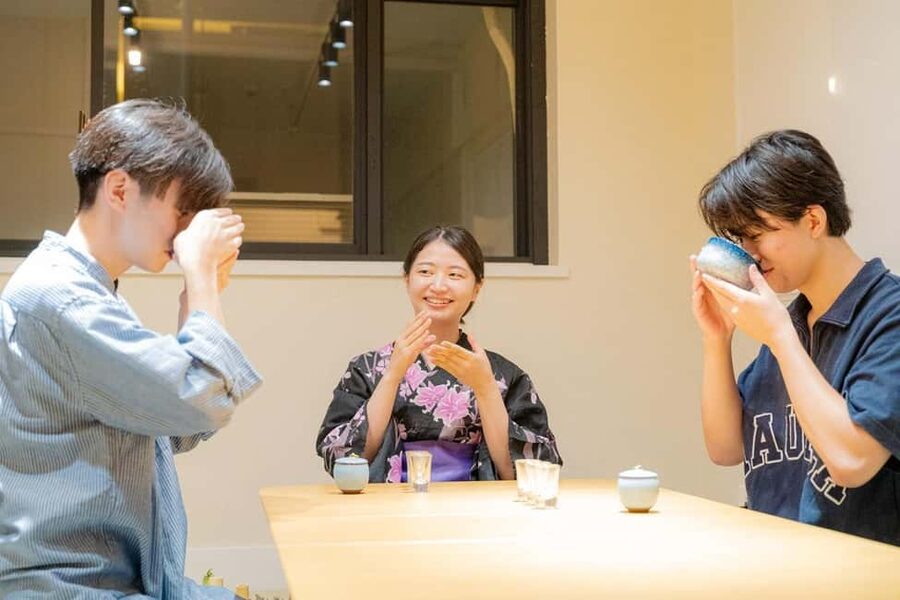
Book it if you want a beginner-friendly introduction to Japanese tea that’s hands-on, English-led, and genuinely structured. The small group size (up to 10), the chance to make matcha yourself, and the tasting comparisons with traditional sweet pairings make this a high-value one-hour activity—especially when Tokyo days feel too fast.
Skip it (or look for something longer) if you’re hoping for a long, ultra-formal ceremony with hours of repetition. This one is short by design, and it works best as a calm, clear starting point.
If you’re after a respectful cultural experience you can actually learn from—this is the kind of thing you’ll remember when you see matcha again later.
FAQ
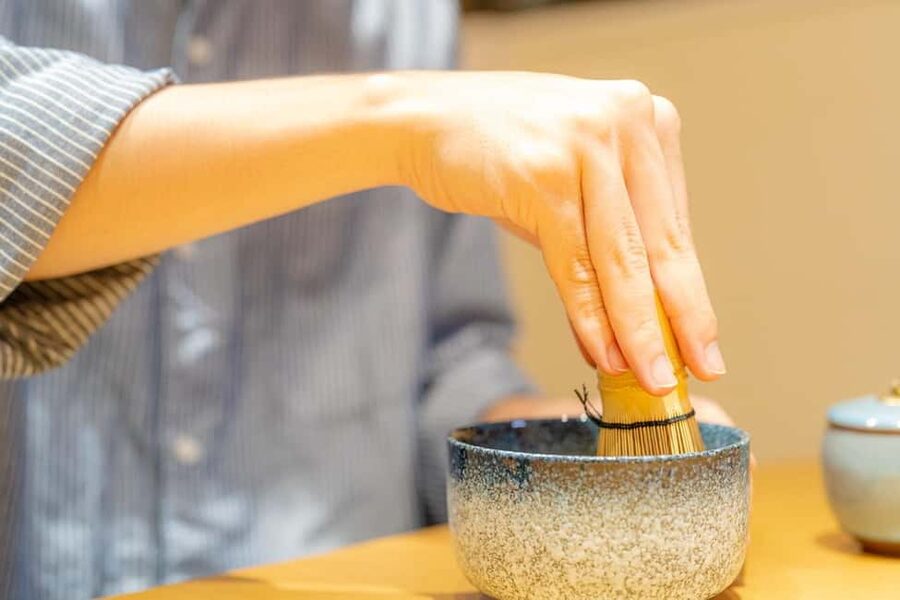
How long is the matcha tea ceremony experience?
It lasts 1 hour.
How much does it cost?
The price is $30 per person.
Where is the meeting point?
Meet the instructor standing in front of the Okazaki Building entrance, with a vending machine next to it.
Is the instructor available in English?
Yes, the instructor speaks English.
How big is the group?
It’s a small group limited to 10 participants.
Is the experience wheelchair accessible?
Yes, it is wheelchair accessible.
What will I do during the class?
You’ll have guidance to make your own matcha, and you’ll also taste and compare different Japanese teas with traditional sweet pairings.
Are photos included?
Yes. Photos are taken during the experience and shared with you at the end.
What about cancellation and paying later?
You can reserve now and pay later. You can cancel up to 24 hours in advance for a full refund.
More Tour Reviews in Tokyo
- Mt Fuji and Hakone 1-Day Bus Tour Return by Bullet Train
★ 5.0 · 26,383 reviews - 1-Day Tokyo Bus Tour
★ 5.0 · 14,250 reviews - Tokyo: teamLab Planets TOKYO Digital Art Museum Entry Ticket
★ 4.6 · 9,779 reviews - Mt Fuji & Hakone Cruise, Drum Show Bullet Train 1 Day from Tokyo
★ 4.0 · 7,413 reviews - Tokyo: Shinjuku Food Tour (13 Dishes at 4 Local Eateries)
★ 5.0 · 6,603 reviews
More Tea and Matcha Rooms
- Matcha Making Class in Tokyo with Authentic Japanese Sweets Set
★ 5.0 · 744 reviews - Tokyo: Traditional Tea Ceremony with a Tea Master
★ 5.0 · 528 reviews - Tokyo: Matcha Making Experience with Mochi Sweets in Asakusa
★ 4.9 · 388 reviews - Tokyo: Matcha and Kimono Experience
★ 4.7 · 219 reviews - Tea Ceremony Workshop in Tokyo by the Experienced Instrucor
★ 5.0 · 189 reviews
More Around Shibuya Crossing
- Official Street Go-Kart in Shibuya
★ 5.0 · 3,435 reviews - Tokyo: Street Kart Experience in Shibuya
★ 4.9 · 1,484 reviews - Shibuya Meltdown Nightlife Tour: All-You-Can-Drink Bar Hopping
★ 5.0 · 1,058 reviews - Shibuya Official Street Go-Kart in Shibuya Annex
★ 5.0 · 972 reviews - Tokyo: Shibuya Food Tour (13 dishes and 4 Eateries)
★ 5.0 · 770 reviews
Latest Tokyo reviews off our desk






Shibuya Experiences, compared.
 ★ 5.0Official Street Go-Kart in ShibuyaFrom $763,435 reviews
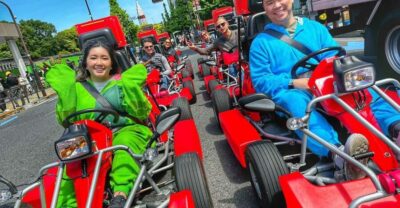 ★ 4.9Street Kart Experience in ShibuyaFrom $741,484 reviews
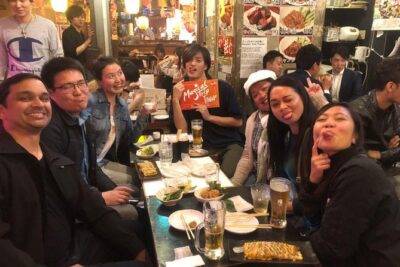 ★ 5.0Shibuya Meltdown Nightlife Tour: All-You-Can-Drink Bar HoppingFrom $1061,058 reviews
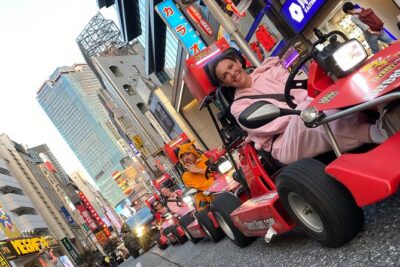 ★ 5.0Shibuya Official Street Go-Kart in Shibuya AnnexFrom $69972 reviews
 ★ 5.0Shibuya Food Tour (13 dishes and 4 Eateries)From $77770 reviews
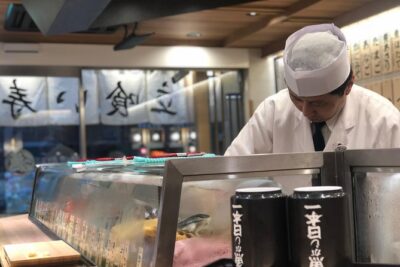 ★ 5.0Best of Shibuya Food TourFrom $217612 reviews
 ★ 4.8Shibuya Highlights Walking TourFrom $19601 reviews
 ★ 4.7Premium Go-Kart Tour with Tower & Shibuya CrossingFrom $116528 reviews
Browse the lists this tour appears in