
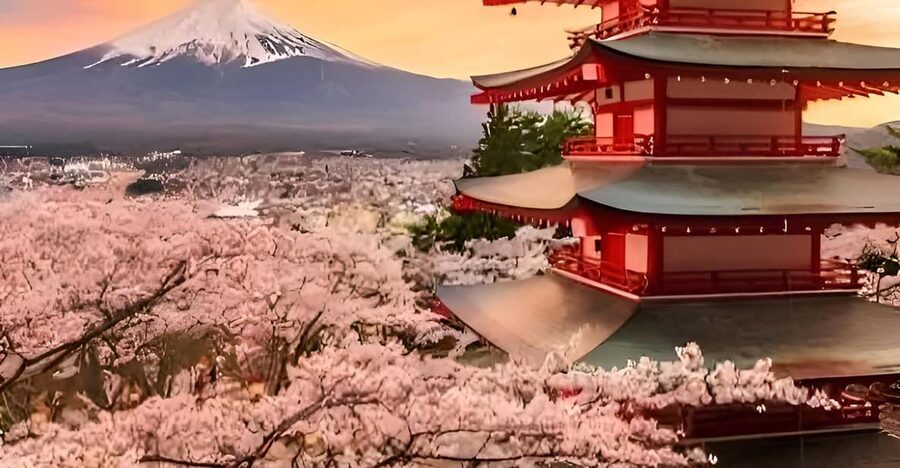
Reviewed · MOUNT FUJI TOURS
Tokyo: Mount Fuji and Hakone private sightseeing tour
Mt. Fuji in one unforgettable morning. Then it’s on to Hakone’s heat and art. This private day is built to feel efficient without rushing: hotel pickup and drop-off, an English-speaking driver/guide, and a tight set of stops around Fuji and Hakone that most people struggle to combine in a single day.
What I like most is the flexibility built into the routing. You can choose the Fuji-focused flow or the Hakone-focused flow, and your guide can tailor the day to your group’s pace. The second big plus is the convenience of a private vehicle with door-to-door pickups in Tokyo, Fujiyoshida, Yokohama, or Hakone. One thing to consider: the extra paid sights (like the Mount Fuji 5th Station ticket, plus the boat and cable car) can add up, and Hakone’s cable car area can get stuck in queues.
In This Review
- Key things you’ll remember
- What this private Fuji-and-Hakone day is really good at
- Price and logistics: where the money goes
- The Fuji-leaning route: chasing views and tradition
- Arakurayama Sengen Park: the quick Fuji fix
- Kitaguchi Hongu Fuji Sengen Shrine: spirituality over spectacle
- Mount Fuji 5th Station: worth it if your weather cooperates
- Lake Kawaguchi and time for the “Fuji in the water” look
- Oishi Park: flowers, framing, and a slower pace
- Oshino Hakkai: ponds, thatched roofs, and a real-food stop
- The Hakone-leaning route: hot springs vibes plus art and sulfur
- Arakurayama Sengen Park + Oishi Park: same Fuji anchors, different day energy
- Hakone Ropeway + Lake Ashi cruise: the postcard route
- Cable car up to Owakudani: sulfur reality check
- Hakone Open Air Museum: art that doesn’t fight the views
- The guide factor: names you might meet, and what to expect
- Best for: who this tour fits perfectly
- When the day might feel tight (and how to make it work)
- Should you book this Mt. Fuji and Hakone private tour?
- FAQ
- What is the duration of the Mt. Fuji and Hakone private sightseeing tour?
- How many people can I book for under this private group option?
- Where can the tour pick you up and drop you off?
- Does the price include the guide and transportation?
- Are lunch and attraction tickets included?
- Which route choices are available for the day?
- What if Mount Fuji is cloudy?
- Is there free cancellation?
Key things you’ll remember
- Two route choices in one 10-hour day, so you can lean Fuji or lean Hakone without giving up the other
- Door-to-door hotel pickup/drop from Tokyo, Fujiyoshida, Yokohama, or Hakone
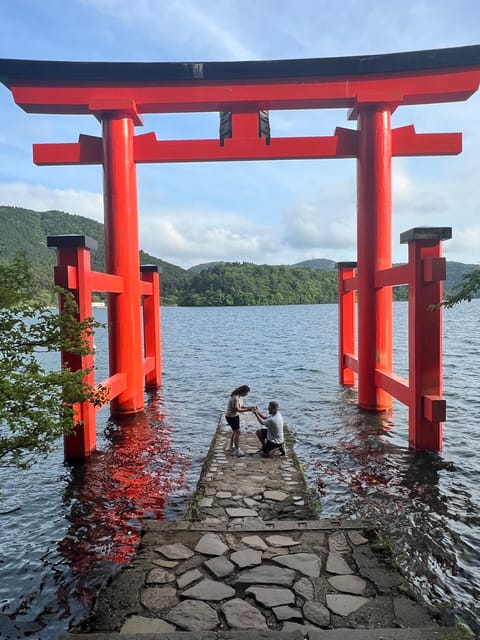
- Arakurayama Sengen Park + the Hakone torii views for classic photo moments, without fighting transit
- Oshino Hakkai ponds and traditional village walking, including time for snacks and shopping
- Owakudani sulfur area stops for the real Hakone feel, with possible queue time
- English-speaking driver/guide who can explain what you’re seeing while you move between sites
What this private Fuji-and-Hakone day is really good at
This tour works when you want three things at once: iconic views, local culture, and minimal logistical stress. A private car means you skip the “how do we get from here to there” headache. Instead, you spend the day at stops like Arakurayama Sengen Park, Oshino Hakkai, Lake Ashi, and Owakudani, in an order designed to keep travel time from eating your daylight.
The group-size math is also part of the value story. It’s priced at $338 per group up to 5. If you’re traveling as 4 or 5 people, the cost per person becomes much easier to justify than typical individual tours or train-and-bus hacks. If you’re just two people, it can still be worth it for the convenience, but you should expect you’re paying for a private vehicle and a guide’s time.
More Fuji day trips our readers rated highly
- Mt Fuji and Hakone 1-Day Bus Tour Return by Bullet Train
★ 5.0 · 26,383 reviews - Mt Fuji & Hakone Cruise, Drum Show Bullet Train 1 Day from Tokyo
★ 4.0 · 7,413 reviews - Tokyo Mt Fuji 5th St & Hakone Cruise Bus Tour w/Bullet Train
★ 4.4 · 5,024 reviews - From Tokyo: Mount Fuji Full-Day Sightseeing Trip
★ 4.5 · 4,970 reviews
Price and logistics: where the money goes
The headline price covers the big ticket items of the trip: parking, fuel/toll charges, a private vehicle, and an English-speaking driver/guide. That’s the heart of what you’re buying: movement plus interpretation, in one coordinated day.
What’s not included is important for planning:
- Lunch (you’ll need to sort this on your own)
- Mount Fuji 5th Station entry ticket: 2,100 yen per group
- Boat cruise entry and cable car entry in the Hakone area
So here’s the practical way to think about it: the base price is for getting you there comfortably. The optional-paid sights are what make the day feel complete. If you want the full experience (especially the Fuji 5th Station piece on the Fuji-leaning route, and the cable car/boat parts on the Hakone-leaning route), budget for the add-ons.
One more logistics note: pickup and drop-off can be in different places (Tokyo, Fujiyoshida, Yokohama, or Hakone). That flexibility can save you time. It can also create a value mismatch if you choose a pickup location that doesn’t match where you’re already spending the night. If you’re flexible, I’d line up pickup/drop with your hotel location so you’re not paying for extra repositioning time.
The Fuji-leaning route: chasing views and tradition
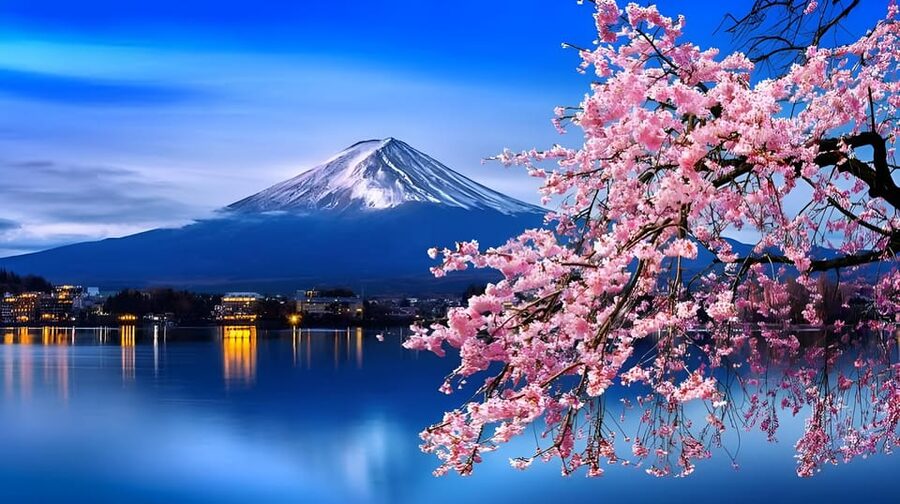
If you choose the Fuji-focused flow, you’ll start with the kind of Fuji scene that people remember for years: the mountain framed by shrine and hill paths, then lakeside calm, then that postcard-perfect village vibe.
Arakurayama Sengen Park: the quick Fuji fix
You’ll visit Arakurayama Sengen Park, where the viewpoint is set up for one purpose: see Mount Fuji. Even on days when clouds get stubborn, the park still delivers atmosphere—temple grounds, winding paths, and that “this is Japan” feeling right away. You typically get around 40 minutes for sightseeing and walking, which is long enough for photos without feeling trapped.
Practical tip: if Fuji is visible early, take your photos, then enjoy the walk. Don’t assume the mountain will stay cooperative all day.
Kitaguchi Hongu Fuji Sengen Shrine: spirituality over spectacle
Next is Kitaguchi-hongu Fuji Sengen Shrine for a shorter 30-minute stop. This is the human side of the Fuji story: you’re not just looking at a mountain; you’re stepping into a spiritual site that treats Fuji with reverence.
This part is quieter than the viewpoints. It’s also a nice break from photo-chasing. If your group wants context (why Fuji matters to local belief systems), a guide’s explanations here can be especially useful.
Other Hakone loops worth the fare
- Tokyo: Mt. Fuji Tour, Hakone Ropeway, Owakudani, Lake Ashi★ 4.7 · 4,002 reviews
- Private Tour to Mt. Fuji and Hakone (Fully Licenced Operator)★ 5.0 · 1,910 reviews
- Mt Fuji & Hakone Cruise, Drum Show Bus 1 Day from Tokyo★ 4.0 · 1,287 reviews
- From Tokyo: Mt. Fuji & Hakone Tour w/ Return by Bullet Train★ 4.2 · 1,278 reviews
- Mt Fuji and Hakone 1-Day Bus Tour Return by Bus★ 4.5 · 929 reviews
Mount Fuji 5th Station: worth it if your weather cooperates
The highlight for the Fuji-leaning route is reaching Mount Fuji 5th Station. You’ll pay an entry ticket of 2,100 yen per group for this stop, and your overall experience here depends heavily on conditions.
When it works, it’s a big deal: you’re higher up, the air feels different, and the sense of scale lands fast. When it doesn’t work and clouds roll in, you still get the mountain setting and the pilgrimage feeling, but you’ll need to adjust expectations. I like having the rest of the day planned around lakes and village stops, because it means the day stays satisfying even if summit views are limited.
Lake Kawaguchi and time for the “Fuji in the water” look
After the shrine and 5th Station, you head toward Lake Kawaguchi. Expect about 1 hour for sightseeing and a boat cruise on the lake (entry is extra).
Lake Kawaguchi is where Fuji becomes calm and reflective. Even if the mountain isn’t perfectly clear, the shoreline walk and the lake atmosphere give you that classic “Fuji character” that doesn’t vanish behind clouds as easily as the summit view.
If you’re sensitive to timing, I’d keep an eye on the schedule here. This is the part where weather and boat timing can affect how much you enjoy the water-side experience.
Oishi Park: flowers, framing, and a slower pace
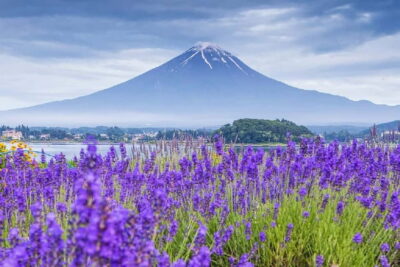
At Oishi Park, you get a break plus time for photos and wandering. This stop is built for scenic views and seasonal color, with a guided tour plus free time. You’ll also have a bit of shop time, which can be handy if you need a snack or simple souvenirs.
Oshino Hakkai: ponds, thatched roofs, and a real-food stop
You finish the Fuji emphasis at Oshino Hakkai, with around 1 hour for a mix of guided tour, free time, walking, and shopping. This village-with-ponds stop is one of the best “slow travel” moments in the whole day. You’ll see crystal-clear spring water ponds fed by Fuji’s melting snow, and it’s the kind of place that feels authentic without being overly complicated.
There’s often time for food tasting too, which is a practical bonus. If your group wants to eat something local without planning, this is where you can make it happen.
The Hakone-leaning route: hot springs vibes plus art and sulfur
If you pick the Hakone-focused flow, you’ll still get Fuji context first, then pivot into the hot-spring-and-art side of Hakone. You’ll spend more time on the water, the air (ropeway), and the sulfur landscapes around Owakudani.
Arakurayama Sengen Park + Oishi Park: same Fuji anchors, different day energy
Even in the Hakone-leaning flow, you’ll hit Arakurayama Sengen Park and Oishi Park. I like this design because it prevents the day from turning into a full-on transportation slog. You start with “mountain Japan,” then shift into Hakone’s more surreal mood.
Arakurayama gives you the classic start. Oishi Park gives you a slightly slower, scenic breath before you go farther into Hakone.
Hakone Ropeway + Lake Ashi cruise: the postcard route
From there, you’ll ride Hakone Ropeway, a cable car-style aerial ride with views that stretch outward as you climb. You’ll get about 30 minutes for the ride itself, plus sightseeing time around it.
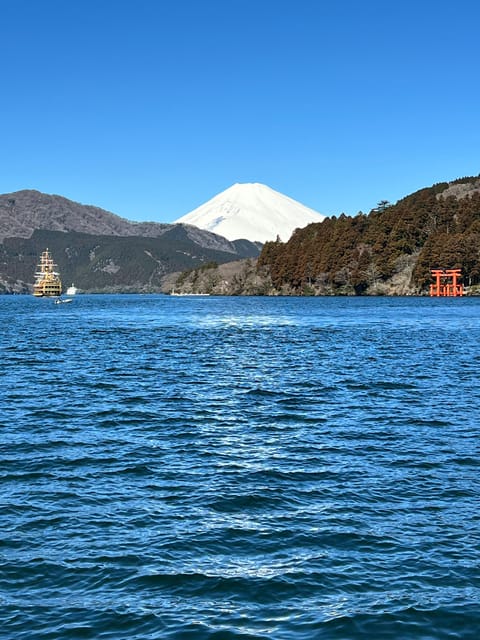
Then comes the signature water moment: a Lake Ashi sightseeing cruise. You’ll spend around 1 hour on the lake, gliding across the water with that famous torii gate of Hakone Shrine visible in the distance. This is the part that feels most different from Tokyo day trips. You’ll feel the Hakone tempo shift: slower, fog-prone, dramatic, and scenic.
Cable car up to Owakudani: sulfur reality check
The Hakone route’s intensity shows up at Owakudani Valley. After the cruise, you’ll take the cable car (time listed at about 30 minutes) and then spend time at Owakudani, with about 30 minutes that includes a break and sightseeing.
This is the place of sulfur fumes and volcanic personality. It can feel almost otherworldly if weather is clear. If the area is crowded, it’s also where your patience matters most.
One practical heads-up: there can be line/queue time around getting to the Owakudani cable car. If your group hates waiting, I’d treat this as the one stop where flexibility and tolerance for crowds matter. The view is usually worth it, but don’t schedule anything right after it.
Hakone Open Air Museum: art that doesn’t fight the views
The day’s art stop is Hakone Open Air Museum. You’ll finish the Hakone flow at this museum with a setting that merges outdoor sculptures and installations into the surroundings.
I like ending this way because it prevents the day from feeling like “only photos.” You get to slow down, look longer at fewer things, and leave with something more human than scenic views.
The guide factor: names you might meet, and what to expect
The tour is built around an English-speaking driver/guide, and the best version of this day depends on how well the guide reads your group. In past experiences tied to this tour, guides like Ali, Khan, and Zohib have shown up as the kind of person who answers questions and adds practical tips during stops.
That said, quality can be uneven in small ways. One guide experience described the communication as a bit terse and another flagged a vehicle that was unusually dirty. Those are not deal-breakers for everyone, but they matter if you’re sensitive to comfort and conversation.
My advice: if you want more explanation, ask for it early. When a guide is flexible (as some have been), you’ll usually get clearer context and better stop-by-stop pacing.
Best for: who this tour fits perfectly
This is a strong match if you:
- Want one-day access to both Mt. Fuji area highlights and Hakone’s most recognizable sights
- Prefer private comfort over train transfers and multiple group schedules
- Travel with up to 5 people and want to make the per-person price feel fair
- Like mixing photo stops with a bit of culture and walking (shrines, ponds, museums)
It’s also a decent choice if you’re staying in or near Tokyo but still want the Hakone “real Japan away from the city” feeling. The pickup/drop options let you reduce wasted time, which is key with a 10-hour day.
When the day might feel tight (and how to make it work)
A single-day Fuji-and-Hakone plan is never fully leisurely. Even with private transport, you’ll be moving between viewpoints, village walking, lake time, and Hakone volcanic stops. If your group wants long sit-down meals or slow shopping marathons, you might feel pressure at the edges.
The two biggest time-pressure spots to plan around are:
- The Mount Fuji 5th Station component if you choose it, since it depends on conditions
- The Owakudani cable car access, where queues can slow the pacing
Solution: treat the day like a “great highlights walk,” not a “no-stress, all-afternoon wandering” experience. If you keep that mindset, you’ll get a lot more satisfaction.
Should you book this Mt. Fuji and Hakone private tour?
I’d book it if you want a high-coverage day with private door-to-door pickup, English guidance, and a clear chance to hit Fuji and Hakone without turning your trip into a transportation project. The pricing makes the most sense when you can fill the group size (because you’re paying for a private vehicle and guide, not just entry tickets).
I’d think twice if:
- You’re traveling solo or as a pair and you hate the idea of add-on ticket costs
- Your top priority is a super relaxed pace (Hakone’s cable car area can mean waiting)
- Your plan requires perfect Fuji visibility all day (clouds can happen)
If you book, do one thing that pays off: align pickup/drop locations with where you’re actually staying. That small choice often decides whether the day feels smooth or “why are we driving so long.”
If you tell me your pickup city (Tokyo/Fujiyoshida/Yokohama/Hakone) and which route you’re leaning toward (Fuji-leaning or Hakone-leaning), I can help you pick a smart order and what to watch for at each stop.
FAQ
What is the duration of the Mt. Fuji and Hakone private sightseeing tour?
The tour lasts 10 hours.
How many people can I book for under this private group option?
It’s priced per group up to 5, with a private vehicle for your party.
Where can the tour pick you up and drop you off?
Pickup and drop-off options include Tokyo, Fujiyoshida, Yokohama, and Hakone.
Does the price include the guide and transportation?
Yes. The tour includes a private vehicle, parking fee, fuel/toll charges, and an English speaking driver/guide.
Are lunch and attraction tickets included?
No. Lunch is not included, and you’ll also pay separately for the Mount Fuji 5th Station ticket (2,100 yen per group) plus the boat cruise and cable car entry.
Which route choices are available for the day?
There are two route options: a Fuji-focused route (including Mount Fuji viewpoints, Lake Kawaguchi, and Oshino Hakkai) and a Hakone-focused route (including Hakone Ropeway, Lake Ashi cruise, Owakudani Valley, and the Hakone Open Air Museum).
What if Mount Fuji is cloudy?
You’ll still visit multiple Fuji-area sites designed for sightseeing and walking, like Arakurayama Sengen Park and the lakeside areas. The mountain may be partially hidden at times, but the rest of the route still gives you meaningful stops.
Is there free cancellation?
Yes. You can cancel up to 24 hours in advance for a full refund.
More Tour Reviews in Tokyo
- Mt Fuji and Hakone 1-Day Bus Tour Return by Bullet Train
★ 5.0 · 26,383 reviews - 1-Day Tokyo Bus Tour
★ 5.0 · 14,250 reviews - Tokyo: teamLab Planets TOKYO Digital Art Museum Entry Ticket
★ 4.6 · 9,779 reviews - Mt Fuji & Hakone Cruise, Drum Show Bullet Train 1 Day from Tokyo
★ 4.0 · 7,413 reviews - Tokyo: Shinjuku Food Tour (13 Dishes at 4 Local Eateries)
★ 5.0 · 6,603 reviews
Hakone, A Few More Ways
- Mt Fuji and Hakone 1-Day Bus Tour Return by Bullet Train
★ 5.0 · 26,383 reviews - Mt Fuji & Hakone Cruise, Drum Show Bullet Train 1 Day from Tokyo
★ 4.0 · 7,413 reviews - Tokyo Mt Fuji 5th St & Hakone Cruise Bus Tour w/Bullet Train
★ 4.4 · 5,024 reviews - Tokyo: Mt. Fuji Tour, Hakone Ropeway, Owakudani, Lake Ashi
★ 4.7 · 4,002 reviews - Private Tour to Mt. Fuji and Hakone (Fully Licenced Operator)
★ 5.0 · 1,910 reviews
More Mount Fuji Days We Have Reviewed
- Mt Fuji and Hakone 1-Day Bus Tour Return by Bullet Train
★ 5.0 · 26,383 reviews - Mt Fuji & Hakone Cruise, Drum Show Bullet Train 1 Day from Tokyo
★ 4.0 · 7,413 reviews - Tokyo Mt Fuji 5th St & Hakone Cruise Bus Tour w/Bullet Train
★ 4.4 · 5,024 reviews - From Tokyo: Mount Fuji Full-Day Sightseeing Trip
★ 4.5 · 4,970 reviews - Tokyo: Mt. Fuji Tour, Hakone Ropeway, Owakudani, Lake Ashi
★ 4.7 · 4,002 reviews
Latest Tokyo reviews off our desk






Mount Fuji Tours, compared.
 ★ 5.0Mt Fuji and Hakone 1-Day Bus Tour Return by Bullet TrainFrom $16326,383 reviews
 ★ 4.0Mt Fuji & Hakone Cruise, Drum Show Bullet Train 1 Day from TokyoFrom $1497,413 reviews
 ★ 4.4Tokyo Mt Fuji 5th St & Hakone Cruise Bus Tour w/Bullet TrainFrom $1545,024 reviews
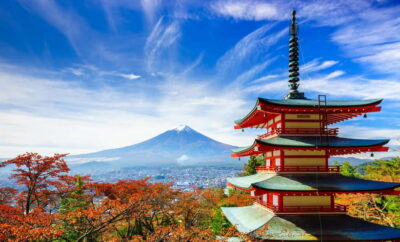 ★ 4.5From Tokyo: Mount Fuji Full-Day Sightseeing TripFrom $684,970 reviews
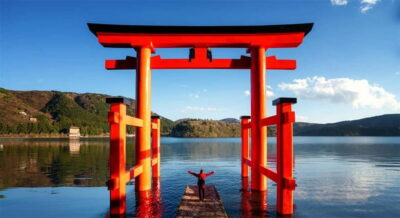 ★ 4.7Mt. Fuji Tour, Hakone Ropeway, Owakudani, Lake AshiFrom $544,002 reviews
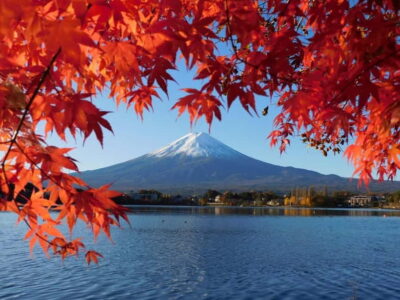 ★ 4.4Mt.Fuji,Kawaguchiko Oishi Park,Arakurayama Sengen ParkFrom $542,682 reviews
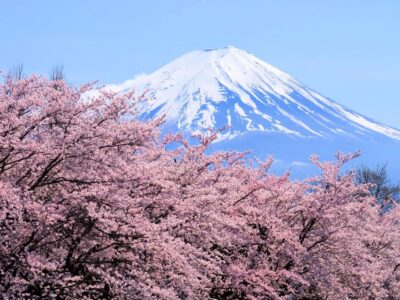 ★ 4.2Mt. Fuji 5th Station & Hakone Cruise 1-Day Bus TourFrom $1292,381 reviews
 ★ 4.7Mt Fuji Top 5 Spots Day Tour: Arakurayama Park,Oshino HakkaiFrom $532,066 reviews
Browse the lists this tour appears in