
Reviewed · MOUNT FUJI TOURS
Tokyo: Mount Fuji, Gotemba & Hakone Day Trip by Luxury Bus
Fuji, shopping, steam vents in one long day. This kind of route is interesting because it stacks Japan’s big-ticket views with real time on the ground, not just quick passing photos. I especially like the Mount Fuji fifth station stop for the up-close altitude views and sea-of-clouds vibes, and I also like that the day keeps moving while still giving you chances to look around. One drawback to plan for: it’s a packed schedule, and lunch isn’t included, so you’ll need to budget time and money for meals on your own.
Next comes Hakone, and that’s where the day feels more fun than standard sightseeing. The Owakudani geothermal valley and its black egg tasting are the most memorable sensory stops, and the Lake Ashi area plus the Hakone Shrine torii sights help the day end on a calmer, scenic note. The only real consideration is pacing: the outlet and some Hakone segments are relatively short, so if you want deep lounging time anywhere, this isn’t built for that.
In This Review
- Key things to know before you go
- Shinjuku morning to Hakone night: how the 12-hour flow actually feels
- Mount Fuji fifth station: the altitude moment that makes it worth waking up
- Fuji winter twist: sledding plans and how rain can reroute things
- Gotemba Premium Outlets: big store energy, quick reality check, plus coupons
- Hakone Ropeway and Owakudani: steam vents, black eggs, and short windows
- Lake Ashi and the Hakone Shrine torii: the scenery payoff between logistics
- Guides and drivers: why this route feels smooth when it counts
- Price and value: is $70 actually a good deal for this much ground?
- Who this Mount Fuji–Hakone luxury bus trip fits best
- What to bring so the day doesn’t feel miserable
- Should you book this day trip?
- FAQ
- How long is the Mount Fuji, Gotemba & Hakone day trip?
- Where does the tour start in Tokyo?
- What time does the tour depart?
- What parts of the trip are included in the price?
- Is lunch included?
- Is the Hakone Pirate Ship cruise included?
- How much time do you get at Mount Fuji?
- How long is the shopping break at Gotemba Premium Outlets?
- What happens if the Hakone Cable Car is closed due to bad weather?
- What should I bring for the day?
Key things to know before you go
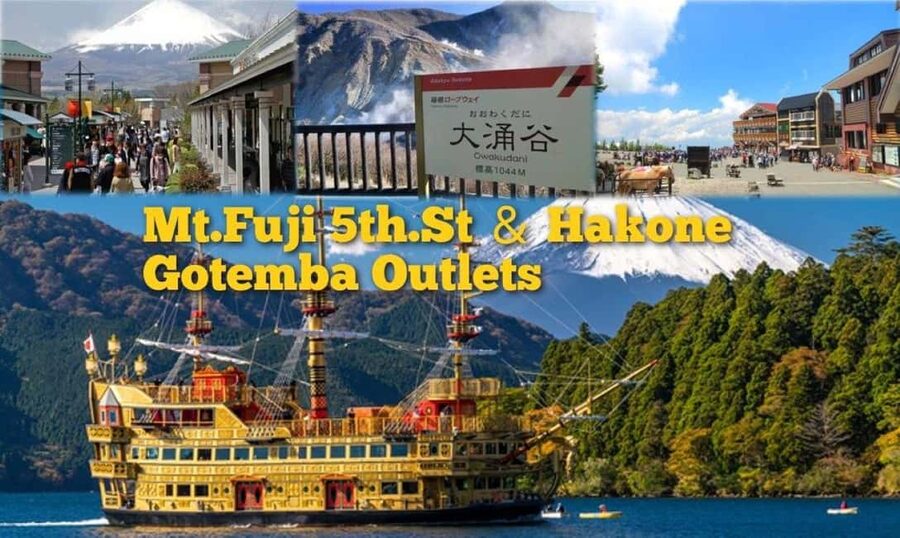
- Fuji fifth station time is short but high-impact: you get 40 minutes there, which is just enough to feel the altitude and grab photos.
- Gotemba Premium Outlets is big on paper and time-boxed in practice: you’ll have 105 minutes with a 5–15% shopping coupon.
- Owakudani is the “wow” stop: geothermal views + black eggs + free time for quick sightseeing.
- You’ll see Hakone’s signature scenery from the route: Lake Ashi and the Hakone Shrine torii are part of the bus-and-look plan.
- Cable car and Fuji access can change with weather: the route can swap to Oshino Hakkai if conditions force it.
Shinjuku morning to Hakone night: how the 12-hour flow actually feels
This trip runs as a true day out, starting early in Shinjuku. You meet at the sidewalk in front of Shinjuku Center Building at 7:15, then depart at 7:30. Expect a long stretch of bus time—part of the deal—so you’ll want to treat the day like a schedule, not a wandering holiday.
The good news: the bus ride isn’t “dead time.” You’re traveling with planned scenic viewpoints, and the route is set up so you’re not just staring at windows for 12 hours straight. Also, with an English-speaking driver and guides on the route, you’re not stuck guessing what you’re looking at.
More Fuji day trips our readers rated highly
- Mt Fuji and Hakone 1-Day Bus Tour Return by Bullet Train
★ 5.0 · 26,383 reviews - Mt Fuji & Hakone Cruise, Drum Show Bullet Train 1 Day from Tokyo
★ 4.0 · 7,413 reviews - Tokyo Mt Fuji 5th St & Hakone Cruise Bus Tour w/Bullet Train
★ 4.4 · 5,024 reviews - From Tokyo: Mount Fuji Full-Day Sightseeing Trip
★ 4.5 · 4,970 reviews
Mount Fuji fifth station: the altitude moment that makes it worth waking up
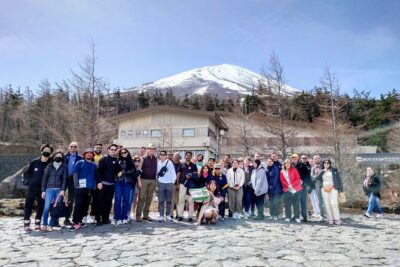
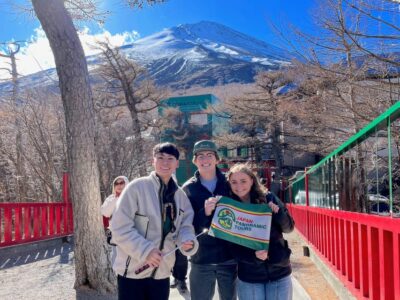
The heart of the trip is the fifth station visit near Mount Fuji. You’ll have about 40 minutes on site—short, but focused on what most people actually want: the chance to be close to the mountain itself, not just watch it from afar.
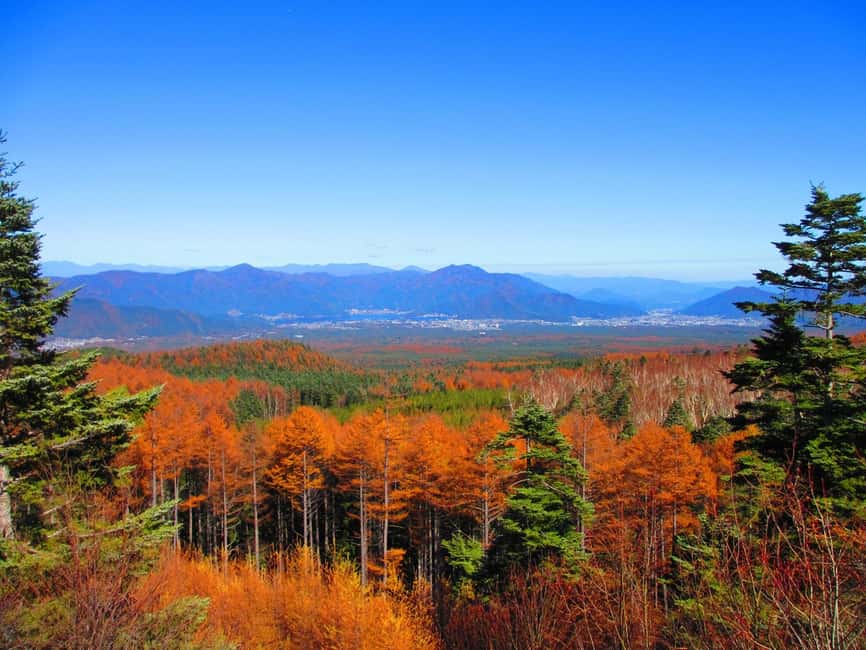
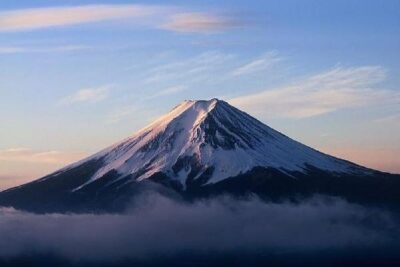
At this altitude, the air can feel cooler and sharper. Even when you’re not thinking about weather, Fuji has a way of reminding you that mountains run on their own rules. You’ll have time to stroll around, soak in the view, and take photos of the sea-of-clouds effect if conditions line up. That up-close feeling is exactly why this stop matters more than the average “photo stop.”
A practical heads-up: conditions can affect whether you get to the fifth station at all. If the Fuji Subaru Line is closed due to weather, the plan changes to Oshino Hakkai. So your “Fuji dream” is still possible, just with a different scenery style.
Fuji winter twist: sledding plans and how rain can reroute things
There’s an extra layer if you’re traveling in late December through mid-March. In that window, sledding can be part of the Fuji experience—but it’s noted as happening at Mount Fuji’s second station, not the fifth. On rainy days, sledding won’t be available at the second station, and the itinerary shifts to Oshino Hakkai.
This matters because it changes what you might expect to do with your time around Fuji. If you’re coming specifically for winter fun, you’ll want to go in knowing the itinerary can adjust based on weather. If you’re coming primarily for Fuji views, the fifth station plan still stays central, unless road access is affected.
Gotemba Premium Outlets: big store energy, quick reality check, plus coupons
Then you hit Gotemba Premium Outlets, billed as Japan’s largest outlet with around 210 stores. Your break time here is 105 minutes—enough to browse, compare, and grab a couple of things if you’re strategic.
This part of the day is best for people who like a mission. Think: buy a missing jacket, replace basics, or pick up gifts. There’s also a shopping coupon provided (listed as 5–15% off), which makes the outlet stop feel more than just free time.
Now the honest part: outlet time can feel rushed if you wander without a plan. One of the guide/route impressions from real bookings is that the outlet visit can be quick and shopping feels difficult if you’re trying to shop broadly. So I’d treat the outlet stop as a “targeted browsing session,” not a leisurely day at a mall.
Hakone Ropeway and Owakudani: steam vents, black eggs, and short windows
After Gotemba, you’ll head toward Hakone with a cable car ride (Hakone Ropeway) listed as 30 minutes. The ropeway piece matters because it helps you get height and a different angle before you reach the geothermal core of Hakone.
Next is Owakudani Valley. You’ll have a stop that’s brief (20 minutes listed), with free time for sightseeing and trying the local black eggs. Those black eggs are part of the stop’s personality: you’ll taste them while you’re looking at the volcanic, geothermal scenery around you. It’s one of those Japan experiences where you don’t just see the feature—you eat one of the local things tied to it.
There’s also a weather contingency: if the Hakone Cable Car is closed due to bad weather, the plan switches to bus transport, and the cable car fee won’t be refunded in that case. Translation: your timing might shift, but you’ll still get Hakone access.
Other Hakone loops worth the fare
- Tokyo: Mt. Fuji Tour, Hakone Ropeway, Owakudani, Lake Ashi★ 4.7 · 4,002 reviews
- Private Tour to Mt. Fuji and Hakone (Fully Licenced Operator)★ 5.0 · 1,910 reviews
- Mt Fuji & Hakone Cruise, Drum Show Bus 1 Day from Tokyo★ 4.0 · 1,287 reviews
- From Tokyo: Mt. Fuji & Hakone Tour w/ Return by Bullet Train★ 4.2 · 1,278 reviews
- Mt Fuji and Hakone 1-Day Bus Tour Return by Bus★ 4.5 · 929 reviews
Lake Ashi and the Hakone Shrine torii: the scenery payoff between logistics
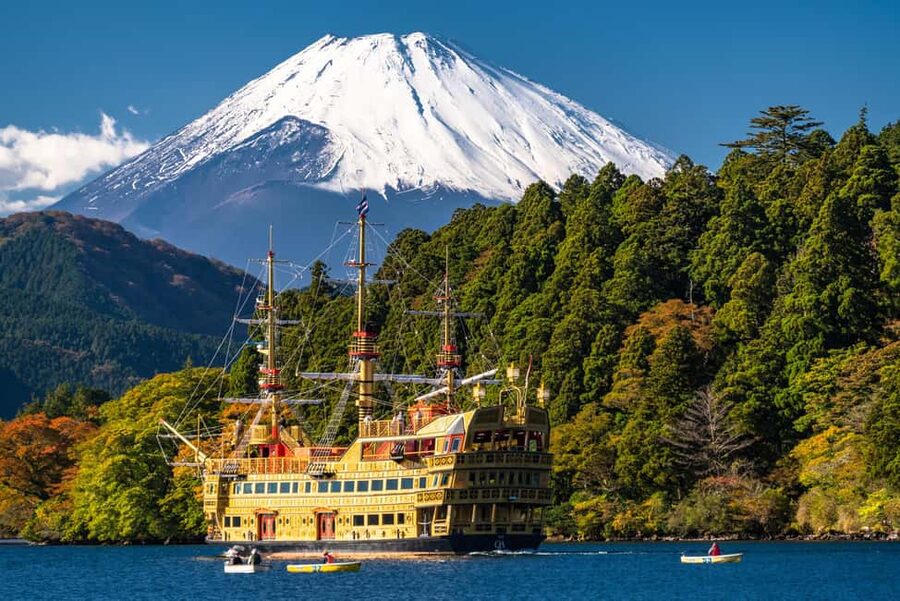
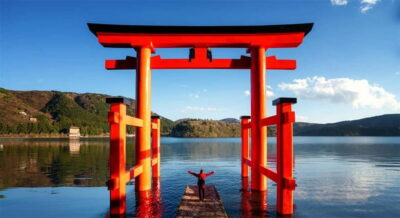
One of the smartest parts of this trip is that the day doesn’t end at Owakudani. You’ll ride between ports and towns and get chances to view Lake Ashi and the Hakone Shrine torii gate from the route and scenic stops.
Lake Ashi is the calming kind of water scenery—less about heat-and-steam, more about reflection and distance. The torii gate view adds that instantly recognizable “Hakone look,” especially when the air is clear enough to see the water and shoreline nicely.
There’s also time built into the schedule specifically for sightseeing and scenic views on the way (Lake Ashi stop listed as 30 minutes). So even though this is a bus day, you’re not only speeding past sights—you get a moment to stand, look, and frame a photo properly.
Guides and drivers: why this route feels smooth when it counts
This is a shared day trip, and that’s where good guiding matters. The route runs with a Japanese/English-speaking driver, and on multiple bookings the driver professionalism showed up in how safely and confidently the bus handled traffic. One named driver mentioned is Masa, described as very safe and skilled, especially during traffic caused by an accident.
Guide experience also shows up in how you understand what you’re seeing. In different bookings, guide names like Yasu, Yazu, Shi-san, Kenji-san, and Seiko-san come up, and several people highlight that the guides were friendly and organized and shared local context—like Japanese history perspectives—so the day felt more meaningful than just a series of stops.
Price and value: is $70 actually a good deal for this much ground?
At about $70 per person for a 12-hour day, the value comes from what’s included. You’re paying for:
- Fuji fifth station visit
- Gotemba Outlets time
- Owakudani stop
- Hakone Ropeway ticket
- Scenic bus travel with viewpoints
Meals and the Hakone Pirate Ship cruise admission are not included, so you’ll need to budget lunch (and any snacks). But for many short-on-time visitors, this is a fair trade: you get multiple major areas in one go from Shinjuku without having to plan transfers.
The only time the value gets shaky is if you want lots of shopping time or a lot of downtime. Since the schedule is tight, this works best when you accept that you’re here for “high points,” not slow wandering.
Who this Mount Fuji–Hakone luxury bus trip fits best
You’ll likely enjoy this tour most if you:
- Have limited time in Tokyo and want a structured day to cover Fuji + Hakone
- Like seeing big landmarks up close (Fuji fifth station, Hakone’s geothermal zone)
- Want a guided route with English support and clear pacing
- Appreciate outlet shopping as a bonus, with coupons and a defined window
You might not love it if you:
- Need lots of long sit-down breaks
- Are planning to do heavy shopping and compare everything for hours
- Get stressed by weather-driven reroutes or quick stop times
Also note the operator lists it as wheelchair accessible, but it’s simultaneously marked as not suitable for people with mobility impairments. That contradiction is worth sorting out directly before booking so you can match the plan to your needs. Respiratory issues are also listed as not suitable.
What to bring so the day doesn’t feel miserable
This day includes altitude, geothermal areas, and walking in outlets and sightseeing spots, so pack for comfort. Bring:
- Comfortable shoes (non-negotiable)
- A camera (you’ll want it at Fuji and for Hakone’s iconic views)
- Sunscreen and water (you’re out and about for most of the day)
- Weather-appropriate clothing (Fuji can be cool; Hakone can be unpredictable)
Should you book this day trip?
Book it if you want a high-visibility day that hits Fuji and Hakone without the hassle of coordinating everything yourself. The included ropeway and the focus on Fuji fifth station make it feel like more than a generic bus tour, and the black eggs at Owakudani give the day a local, memorable twist.
Skip it (or at least think twice) if your ideal Japan day is slow, flexible, and meal-centered. This is a schedule-heavy trip with short stops, outlet time that’s more “pick a few things” than “shop for hours,” and lunch at your own expense.
FAQ
How long is the Mount Fuji, Gotemba & Hakone day trip?
It runs for about 12 hours.
Where does the tour start in Tokyo?
The meeting point is the sidewalk in front of the main entrance of Shinjuku Center Building.
What time does the tour depart?
You meet at 7:15 and the bus departs at 7:30.
What parts of the trip are included in the price?
Included are the Mount Fuji fifth station visit, Gotemba Outlets visit, Owakudani visit, the Hakone Ropeway ticket, and bus travel with scenic views.
Is lunch included?
No. Meals are not included, so you’ll pay for lunch on your own.
Is the Hakone Pirate Ship cruise included?
No. Admission to the Pirate Ship cruise is not included.
How much time do you get at Mount Fuji?
The Mount Fuji stop is listed as 40 minutes.
How long is the shopping break at Gotemba Premium Outlets?
The Gotemba Outlets break time is listed as 105 minutes.
What happens if the Hakone Cable Car is closed due to bad weather?
The plan changes to bus transport, and the cable car fee is not refunded.
What should I bring for the day?
Bring comfortable shoes, a camera, sunscreen, water, and weather-appropriate clothing.
More Tour Reviews in Tokyo
- Mt Fuji and Hakone 1-Day Bus Tour Return by Bullet Train
★ 5.0 · 26,383 reviews - 1-Day Tokyo Bus Tour
★ 5.0 · 14,250 reviews - Tokyo: teamLab Planets TOKYO Digital Art Museum Entry Ticket
★ 4.6 · 9,779 reviews - Mt Fuji & Hakone Cruise, Drum Show Bullet Train 1 Day from Tokyo
★ 4.0 · 7,413 reviews - Tokyo: Shinjuku Food Tour (13 Dishes at 4 Local Eateries)
★ 5.0 · 6,603 reviews
Hakone, A Few More Ways
- Mt Fuji and Hakone 1-Day Bus Tour Return by Bullet Train
★ 5.0 · 26,383 reviews - Mt Fuji & Hakone Cruise, Drum Show Bullet Train 1 Day from Tokyo
★ 4.0 · 7,413 reviews - Tokyo Mt Fuji 5th St & Hakone Cruise Bus Tour w/Bullet Train
★ 4.4 · 5,024 reviews - Tokyo: Mt. Fuji Tour, Hakone Ropeway, Owakudani, Lake Ashi
★ 4.7 · 4,002 reviews - Private Tour to Mt. Fuji and Hakone (Fully Licenced Operator)
★ 5.0 · 1,910 reviews
More Mount Fuji Days We Have Reviewed
- Mt Fuji and Hakone 1-Day Bus Tour Return by Bullet Train
★ 5.0 · 26,383 reviews - Mt Fuji & Hakone Cruise, Drum Show Bullet Train 1 Day from Tokyo
★ 4.0 · 7,413 reviews - Tokyo Mt Fuji 5th St & Hakone Cruise Bus Tour w/Bullet Train
★ 4.4 · 5,024 reviews - From Tokyo: Mount Fuji Full-Day Sightseeing Trip
★ 4.5 · 4,970 reviews - Tokyo: Mt. Fuji Tour, Hakone Ropeway, Owakudani, Lake Ashi
★ 4.7 · 4,002 reviews
Latest Tokyo reviews off our desk

Mount Fuji Tours, compared.
 ★ 5.0Mt Fuji and Hakone 1-Day Bus Tour Return by Bullet TrainFrom $16326,383 reviews
 ★ 4.0Mt Fuji & Hakone Cruise, Drum Show Bullet Train 1 Day from TokyoFrom $1497,413 reviews
 ★ 4.4Tokyo Mt Fuji 5th St & Hakone Cruise Bus Tour w/Bullet TrainFrom $1545,024 reviews
 ★ 4.5From Tokyo: Mount Fuji Full-Day Sightseeing TripFrom $684,970 reviews
 ★ 4.7Mt. Fuji Tour, Hakone Ropeway, Owakudani, Lake AshiFrom $544,002 reviews
 ★ 4.4Mt.Fuji,Kawaguchiko Oishi Park,Arakurayama Sengen ParkFrom $542,682 reviews
 ★ 4.2Mt. Fuji 5th Station & Hakone Cruise 1-Day Bus TourFrom $1292,381 reviews
 ★ 4.7Mt Fuji Top 5 Spots Day Tour: Arakurayama Park,Oshino HakkaiFrom $532,066 reviews
Browse the lists this tour appears in