
Reviewed · MOUNT FUJI TOURS
Tokyo: Mt. Fuji Cruise & Hakone Ropeway Day Trip by Bus
Mt. Fuji day trips can feel rushed. This one is built around classic Hakone sights—Lake Ashi, the floating torii, and the volcanic Owakudani area—so you get the wow moments without fighting trains all day. I especially like the comfortable premium bus seats and the way the route stays paced and photo-friendly, even with real-world road conditions. The only real drawback is simple: if weather isn’t cooperating, those legendary Mt. Fuji views can be hit or miss.
I also like that the day includes a proper cruise experience, not just a short photo stop—complete with a pirate-ship style boat on Lake Ashi. And the guiding team (including multilingual staff such as Ayaka and Mia) helps you understand what you’re seeing so it feels more meaningful than a checklist. Still, with a 10-hour schedule, you’ll want to treat this as an all-in-one day trip, not a slow stroll where you linger anywhere for long.
In This Review
- Key highlights you’ll feel right away
- Shinjuku to Hakone in about 10 hours: the real pacing
- Premium bus comfort and mobile ticket: fewer hassles before you even see Fuji
- Lake Ashinoko cruise with the floating torii: the money moment
- Lunch by the lakeshore at Moto-Hakone Port: when you should slow down
- Owakudani volcanic valley and the ropeway over volcanic terrain: the steam smell test
- Hakone Shrine Peace Torii and Kuzuryu Shrine: calm, faith, and specific meaning
- Fuji Shibasari Peace Park: a quieter Mt. Fuji view when crowds matter
- Price and value: $92.50 feels fair for what you get
- What the guides add: Ayaka and Mia make the day easier
- Who should book this day trip from Tokyo, and who should reconsider
- Quick practical tips before you go
- Should you book: my take on booking this Mt. Fuji Cruise & Hakone Ropeway day trip
- FAQ
- What time does the tour depart from Shinjuku?
- How long is the Mt. Fuji cruise and Hakone day trip?
- What’s included in the experience?
- How many people are on the tour?
- Is a mobile ticket used?
- What is the cancellation policy?
Key highlights you’ll feel right away
- Premium bus comfort from Shinjuku: Start early, sit back, and let someone else handle the driving.
- Lake Ashi sightseeing cruise from Togendai: A pirate-ship style boat plus time for the famous floating torii photos.
- Owakudani volcanic valley steam: You’ll smell the sulfur and see active white steam for a true volcanic feel.
- Hakone Shrine with the Peace Torii: Pray at Hakone Jinja and visit Kuzuryu Shrine for love and relationships.
- Fuji Shibasari Peace Park viewpoint: A quieter Mt. Fuji look from a hilltop spot locals favor.
Shinjuku to Hakone in about 10 hours: the real pacing
This is the kind of day trip that works when you want big scenery without planning. You start from the Shinjuku area (meet at Keio Plaza Hotel) at 8:00 am, then you’re on the move through the Lake Ashi and Hakone area before heading back in the evening.
The pacing is mostly “just enough time” at each stop. You’re not stuck in a single place for hours, which matters because the highlights are spread out: the cruise on Lake Ashi, the volcanic Owakudani area, a shrine stop, and then a viewpoint where you can try to catch a clear Mt. Fuji angle.
One practical note: road traffic can slow things down. The route still holds together well, but if you’re the type who hates delays, keep your expectations flexible. The trade-off is that you’re seeing several signature sites in one day instead of only one region.
More Fuji day trips our readers rated highly
- Mt Fuji and Hakone 1-Day Bus Tour Return by Bullet Train
★ 5.0 · 26,383 reviews - Mt Fuji & Hakone Cruise, Drum Show Bullet Train 1 Day from Tokyo
★ 4.0 · 7,413 reviews - Tokyo Mt Fuji 5th St & Hakone Cruise Bus Tour w/Bullet Train
★ 4.4 · 5,024 reviews - From Tokyo: Mount Fuji Full-Day Sightseeing Trip
★ 4.5 · 4,970 reviews
Premium bus comfort and mobile ticket: fewer hassles before you even see Fuji
The biggest “I’m glad I booked this” factor is the transportation. You ride a bus from Shinjuku with comfortable, premium seats, which makes a long day feel manageable. When you compare this to the effort of hopping between trains and local transfers, it’s a real stress reduction—especially if your Japanese is still warming up.
There’s also a mobile ticket involved, which is convenient for boarding. Even if you’re using your phone for navigation anyway, it’s nice not to have to track paper tickets in a packed day.
Group size is capped at a maximum of 49 people, which is large enough to feel like a proper organized tour but small enough that you’re not disappearing into a crowd at every photo stop. Your guide team can also keep things moving without chaos, which is a big part of why the itinerary feels organized.
Lake Ashinoko cruise with the floating torii: the money moment
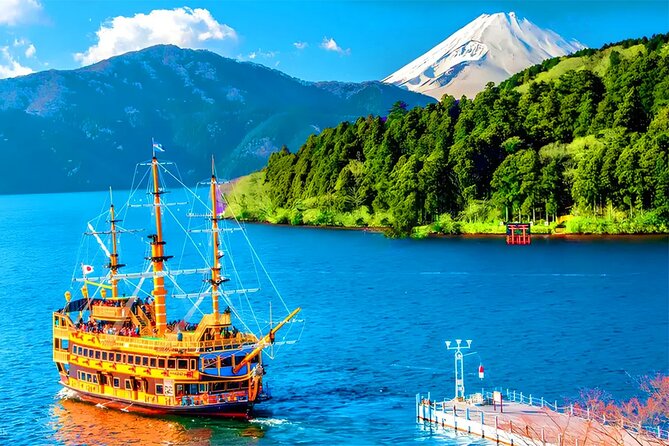
If you want one segment that feels like the heart of the trip, it’s the Lake Ashi cruise. You’ll head to Togendai Station and then ride a sightseeing ship on the lake, described as a charming pirate-ship style boat. That detail matters. It’s not just transportation; it’s part of the fun, and you’re positioned for the best angles.
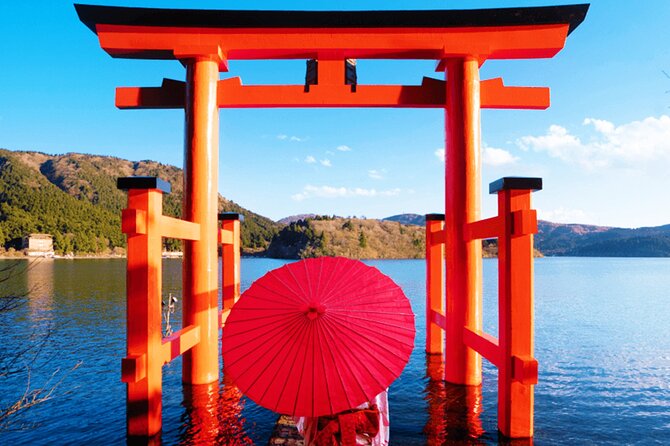
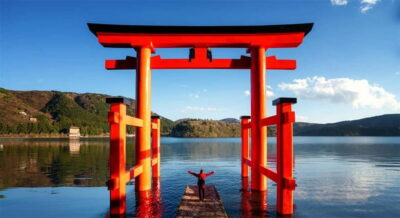
On Lake Ashi, the “classic Hakone” photo is the floating Torii gate. Even if you’ve seen it a hundred times online, seeing it on the water still lands differently. The water and the shoreline create a sense of depth that’s hard to replicate from land.
The cruise time is about an hour, which is long enough to settle in and actually take photos, not just snap a few while you pass by. And because it’s timed into a full-day route, you’re not left scrambling to find viewpoints afterward.
Small reality check: the floating torii look depends on weather and visibility. If clouds roll in, you may need to accept a more moody version of the same scene. That still beats the feeling of being stuck far away from the right vantage point.
Lunch by the lakeshore at Moto-Hakone Port: when you should slow down
After the cruise, you get lunch time around Moto-Hakone Port, right along the lakeshore. You’ll have about 1 hour 20 minutes there, and that’s a useful window. In a day trip, lunch time often feels like an afterthought. Here, you get enough time to sit down, pick something that fits your taste, and still return to the next stop without feeling like you’re sprinting.
Moto-Hakone Port is described as offering a range of choices—traditional Japanese meals, Western-style dishes, and cozy cafés. That variety is one of the practical perks of this part of the day. If you’re traveling with someone who doesn’t want to commit to a single-food plan (or you’re craving something familiar), you’ll likely find options that work.
One thing to remember: you’re in Hakone, so you can expect the food to be convenient rather than bargain-priced. The value here isn’t cheap eats. It’s that you’re eating in the right place, at the right time, with scenery as part of the meal.
Owakudani volcanic valley and the ropeway over volcanic terrain: the steam smell test
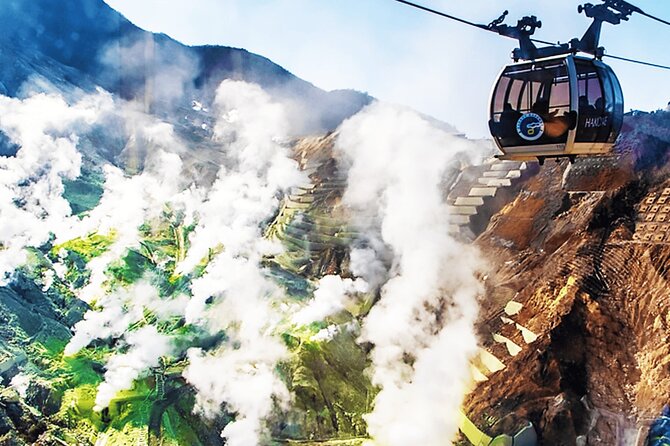
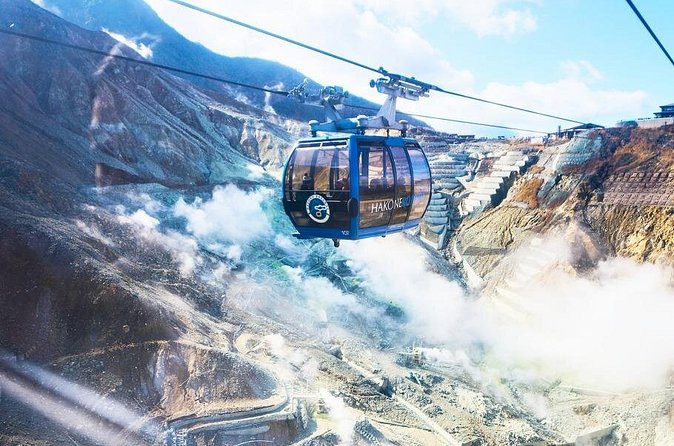
Owakudani is the “real” volcano stop. You’ll visit the Owaku-dani Valley area, where the tour experience is described as active volcanic ground with sulfur smell and white steam rising. This isn’t just scenery; it’s sensory. The air itself tells you you’re at the edge of something alive.
The schedule gives you about 50 minutes at this stop, with admission included. That’s generally enough time to walk around, find a good viewpoint, and take photos without feeling trapped by the fumes.
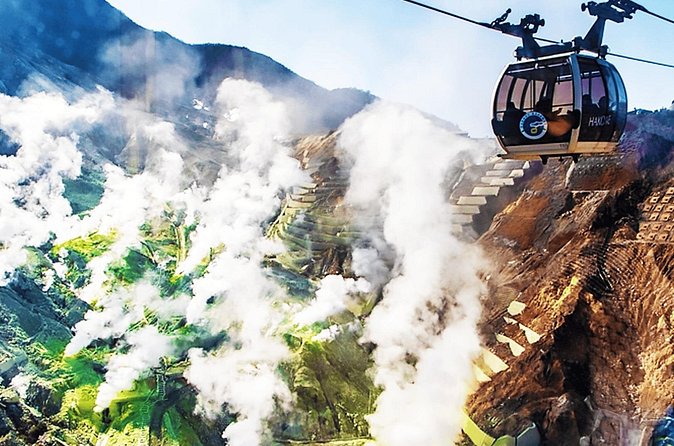
The tour highlights also mention a ropeway over the volcanic valley. Even if you’re not a mountain person, ropeway rides can be the best way to move through an area when roads are limited and viewpoints are scattered. If your goal is the panoramic effect—of steam, rock, and crater-like terrain—this part of the day is built for it.
What to do to enjoy it more: wear shoes you trust on uneven ground and consider a layer you can add or remove. Even in warmer months, volcanic areas can feel changeable. If you’re sensitive to strong smells, stay mindful and keep your breathing comfortable while you move between viewpoints.
Other Hakone loops worth the fare
- Tokyo: Mt. Fuji Tour, Hakone Ropeway, Owakudani, Lake Ashi★ 4.7 · 4,002 reviews
- Private Tour to Mt. Fuji and Hakone (Fully Licenced Operator)★ 5.0 · 1,910 reviews
- Mt Fuji & Hakone Cruise, Drum Show Bus 1 Day from Tokyo★ 4.0 · 1,287 reviews
- From Tokyo: Mt. Fuji & Hakone Tour w/ Return by Bullet Train★ 4.2 · 1,278 reviews
- Mt Fuji and Hakone 1-Day Bus Tour Return by Bus★ 4.5 · 929 reviews
Hakone Shrine Peace Torii and Kuzuryu Shrine: calm, faith, and specific meaning
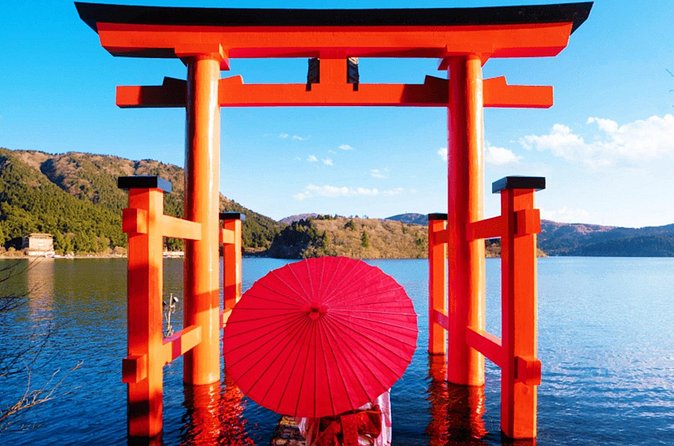
Next you’ll head to Hakone Jinja, where you can enjoy views of the Peace Torii floating on Lake Ashi. This is one of those moments where the same landmark theme shows up again, but from a different angle and with a different mood. The cruise gives you the water-and-gate feeling. The shrine adds a quieter, more grounded atmosphere.
The stop isn’t only about photos. You can pray for good fortune and success, and you’ll also be able to visit Kuzuryu Shrine, known for connections to love and good relationships. That detail is worth noting because it changes the stop from purely scenic to personal. Even if you don’t follow the rituals closely, you’ll feel how central this is to the place.
Time here is about 50 minutes, and that’s ideal. You get enough time to look around, take a few photos, and still continue without feeling rushed through important spaces.
Fuji Shibasari Peace Park: a quieter Mt. Fuji view when crowds matter
This is the part that sounds small on paper but can be huge for your photos. Fuji Shibasari Peace Park is described as a viewpoint known mostly to locals, on a hilltop location that offers one of the clearest Mt. Fuji views without crowds.
You’ll have about 30 minutes here. That may sound brief, but it’s usually enough to walk to a good angle, check the sky, and get at least a couple of different framing options.
You’ll also see a white stupa as part of the grounds. Again, the value is atmosphere. This is not the busiest “everyone lines up here” kind of viewpoint. If Mt. Fuji is visible, this stop often gives you that clean, dramatic angle you came for—without the feeling of fighting for space.
Tip for best results: don’t treat it like a quick stop where you pose and leave. Give yourself a few minutes to wait for Mt. Fuji visibility to shift. Clouds move. Wind changes. A short pause can make a big difference.
Price and value: $92.50 feels fair for what you get
At $92.50 per person, this day trip sits in the mid-range for Tokyo-area excursions—but it’s also packed. You’re paying for more than “transport.” You’re paying for a guided flow that links together several major experiences that can otherwise take a lot of coordination.
Here’s what that cost covers in practical terms:
- A morning departure from Shinjuku with comfortable premium bus seating
- A guided day with multiple stops tied to the big Hakone highlights
- A Lake Ashi sightseeing cruise on Lake Ashi
- Time at key areas like the volcanic Owakudani valley and Hakone Jinja
- Admission notes included at certain stops (like the cruise and Owakudani)
Could you DIY this? Yes, in theory. But you’d be spending time mapping routes, managing transfers, and trying to time a cruise and ropeway experience while your day’s rhythm gets wrecked by delays. This tour is designed to reduce that friction.
Also, the “one-day all-in” style is a value play if you’re visiting Tokyo for a limited number of days. You’re effectively buying time efficiency plus a guide’s help turning sights into something you can understand.
What the guides add: Ayaka and Mia make the day easier
One of the strongest points here is the human side. The guiding team includes multilingual guides such as Ayaka and Mia, and the impact shows in how smooth the day feels.
Multilingual guidance matters because Hakone has a lot of place names and cultural details. It’s not hard to enjoy the views. What’s harder is connecting the dots—why a shrine matters, what a Torii means in context, and how the volcanic area fits into the broader picture of the region.
When the guide is clear and organized, you spend less time guessing what’s important and more time enjoying what’s in front of you. Even with traffic that’s out of anyone’s control, a good guide can keep the day from unraveling.
Who should book this day trip from Tokyo, and who should reconsider
This trip is a good fit if:
- You want Mt. Fuji and Hakone highlights in one day without planning heavy logistics
- You like structured sightseeing with short, focused stop times
- You care about the iconic shots: floating Torii on Lake Ashi and Mt. Fuji viewpoints
- You want a guide to explain the cultural side, not only the photo angles
It might be less ideal if:
- You want a slow, flexible day where you can linger for hours at one site
- You hate riding in a coach for long stretches
- You’re extremely weather-dependent on getting a perfect, cloud-free Mt. Fuji shot (this route can’t guarantee that)
If your priority is maximum time at fewer places, another style of Hakone trip could suit you better. But if your priority is a full sampler of the best-known places, this bus day trip is built for that.
Quick practical tips before you go
A few small choices make this easier:
- Bring a light layer. Fog or changing conditions around the lake and volcanic area are common.
- Plan to take photos, then take a breath. You’ll be hopping through several key points, so don’t let the camera rush you.
- Have a simple snack plan. Lunch time exists, but having a backup can help if you’re hungry earlier than expected.
Also, if traffic happens (it can), don’t panic. The tour’s flow is designed to keep the core experiences covered even when roads slow down.
Should you book: my take on booking this Mt. Fuji Cruise & Hakone Ropeway day trip
I’d book this if you want a high-value, low-stress day that hits the signature parts of Hakone and gives you multiple chances at Mt. Fuji views—starting with the Lake Ashi cruise and continuing through volcanic Owakudani and a quieter viewpoint at Fuji Shibasari Peace Park.
The best part is the way it bundles major experiences together in one go: Lake Ashi on a pirate-ship style cruise, active volcanic steam at Owakudani, shrine time at Hakone Jinja, and a Mt. Fuji angle that doesn’t feel like a mass line.
Hold off if you’re the type who needs long free time or you want to control every minute on your own. But for most people balancing Tokyo sightseeing with one big nature day, this is a solid, straightforward choice.
FAQ
What time does the tour depart from Shinjuku?
The tour starts at 8:00 am and meets at Keio Plaza Hotel in the Shinjuku area.
How long is the Mt. Fuji cruise and Hakone day trip?
It runs about 10 hours (approx.).
What’s included in the experience?
The highlights include a Lake Ashi sightseeing cruise (with admission included) and time at stops such as Owakudani and Hakone Jinja. The tour also references a ropeway over the volcanic valley in its highlights.
How many people are on the tour?
The maximum group size is 49 travelers.
Is a mobile ticket used?
Yes, the tour uses a mobile ticket.
What is the cancellation policy?
You can cancel for a full refund up to 24 hours before the experience starts.
More Tour Reviews in Tokyo
- Mt Fuji and Hakone 1-Day Bus Tour Return by Bullet Train
★ 5.0 · 26,383 reviews - 1-Day Tokyo Bus Tour
★ 5.0 · 14,250 reviews - Tokyo: teamLab Planets TOKYO Digital Art Museum Entry Ticket
★ 4.6 · 9,779 reviews - Mt Fuji & Hakone Cruise, Drum Show Bullet Train 1 Day from Tokyo
★ 4.0 · 7,413 reviews - Tokyo: Shinjuku Food Tour (13 Dishes at 4 Local Eateries)
★ 5.0 · 6,603 reviews
Hakone, A Few More Ways
- Mt Fuji and Hakone 1-Day Bus Tour Return by Bullet Train
★ 5.0 · 26,383 reviews - Mt Fuji & Hakone Cruise, Drum Show Bullet Train 1 Day from Tokyo
★ 4.0 · 7,413 reviews - Tokyo Mt Fuji 5th St & Hakone Cruise Bus Tour w/Bullet Train
★ 4.4 · 5,024 reviews - Tokyo: Mt. Fuji Tour, Hakone Ropeway, Owakudani, Lake Ashi
★ 4.7 · 4,002 reviews - Private Tour to Mt. Fuji and Hakone (Fully Licenced Operator)
★ 5.0 · 1,910 reviews
More Mount Fuji Days We Have Reviewed
- Mt Fuji and Hakone 1-Day Bus Tour Return by Bullet Train
★ 5.0 · 26,383 reviews - Mt Fuji & Hakone Cruise, Drum Show Bullet Train 1 Day from Tokyo
★ 4.0 · 7,413 reviews - Tokyo Mt Fuji 5th St & Hakone Cruise Bus Tour w/Bullet Train
★ 4.4 · 5,024 reviews - From Tokyo: Mount Fuji Full-Day Sightseeing Trip
★ 4.5 · 4,970 reviews - Tokyo: Mt. Fuji Tour, Hakone Ropeway, Owakudani, Lake Ashi
★ 4.7 · 4,002 reviews
Latest Tokyo reviews off our desk






Mount Fuji Tours, compared.
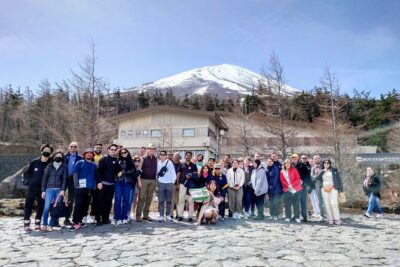 ★ 5.0Mt Fuji and Hakone 1-Day Bus Tour Return by Bullet TrainFrom $16326,383 reviews
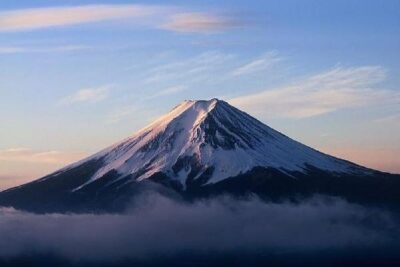 ★ 4.0Mt Fuji & Hakone Cruise, Drum Show Bullet Train 1 Day from TokyoFrom $1497,413 reviews
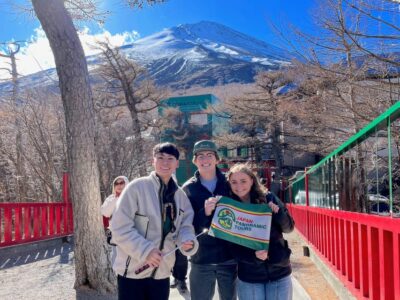 ★ 4.4Tokyo Mt Fuji 5th St & Hakone Cruise Bus Tour w/Bullet TrainFrom $1545,024 reviews
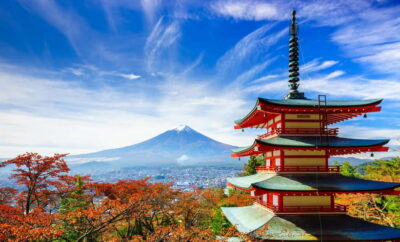 ★ 4.5From Tokyo: Mount Fuji Full-Day Sightseeing TripFrom $684,970 reviews
 ★ 4.7Mt. Fuji Tour, Hakone Ropeway, Owakudani, Lake AshiFrom $544,002 reviews
 ★ 4.4Mt.Fuji,Kawaguchiko Oishi Park,Arakurayama Sengen ParkFrom $542,682 reviews
 ★ 4.2Mt. Fuji 5th Station & Hakone Cruise 1-Day Bus TourFrom $1292,381 reviews
 ★ 4.7Mt Fuji Top 5 Spots Day Tour: Arakurayama Park,Oshino HakkaiFrom $532,066 reviews
Browse the lists this tour appears in