
Reviewed · MOUNT FUJI TOURS
Tokyo Mt. Fuji Hakone Shrine, Owakudani, Lake Yamanakai Day Tour
Hakone’s volcanic spine hits fast. You’ll move from the Hakone Shrine torii to the Owakudani crater valley and then swing by two Fuji-five-lake areas and Oshino Hakkai for classic photo water. I like that the day is built around views that can still pay off even if conditions change, and I also like that several key stops are quick-entry or free, so your money goes toward the experience instead of tickets. One drawback to plan for: weather can strongly affect sightlines, and high winds may disrupt cable car plans.
This is a long but well-paced day that clocks in at about 8 hours 20 minutes. It runs daily, usually for small groups (up to 15 people), and you get a mobile ticket for a smoother start. The tour also leans practical: it’s mostly sightseeing with some short walks, and the free time at each stop is there so you can choose how aggressively you chase Mt. Fuji.
In This Review
- Key highlights before you go
- Hakone, Mt. Fuji, and the Fuji Five Lakes in one day
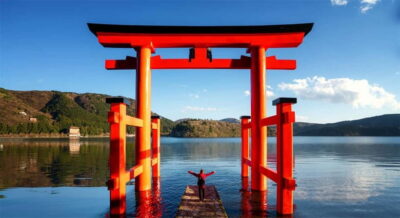
- Hakone Shrine and Lake Ashi torii: where your Fuji photos start
- Hakone Ropeway: the crater-lake view in one included ride
- Owakudani Valley: “Big Hell,” crater remains, and black egg snacks
- Lake Yamanaka Shiratorihama: swans, Fuji, and a quick photo win
- Oshino Hakkai: eight springs and Fuji in the water
- Price and logistics: what you’re paying for at $76.96
- Luggage and day-trip pace
- Guide quality can make or break the day
- Weather reality: plan for Fuji visibility and wind
- Should you book this Tokyo to Hakone Mt. Fuji day tour?
- FAQ
- How long is the Tokyo Mt. Fuji Hakone Shrine, Owakudani, Lake Yamanakai Day Tour?
- How much does the tour cost?
- What stops are included in the day?
- Are the entrance tickets included for each stop?
- Is there a maximum group size?
- What about meals?
- Do I need to bring cash?
- Can I cancel for a refund?
Key highlights before you go
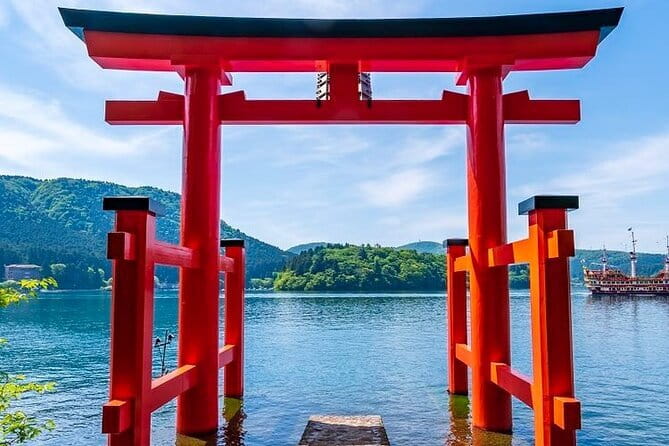
- Hakone Shrine on Lake Ashi: the red torii view sets the tone for the whole day’s Mt. Fuji photos
- Ropeway segment to Owakudani: included cable-car time with one of the best Hakone “crater-to-lake” sight windows
- Owakudani Big Hell walk: a short nature trail plus the famous black eggs stop if you want a snack
- Lake Yamanaka Shiratorihama swans: an easy, quick-photo stop with Mount Fuji in the same frame
- Oshino Hakkai’s eight springs: snowmelt-fed ponds with that iconic, mirror-like Fuji backdrop
Hakone, Mt. Fuji, and the Fuji Five Lakes in one day
This tour is basically a greatest-hits sampler of the Hakone–Fuji region, designed for people who want the classic scenes without stringing together multiple separate tickets. The day connects five major visual stops: Hakone Shrine / Lake Ashi, Hakone Ropeway, Owakudani, Lake Yamanaka, and Oshino Hakkai.
The value is that several of the headline sights don’t charge you entrance: the shrine, Owakudani, Lake Yamanaka’s Shiratorihama, and Oshino Hakkai are all listed as free. Your main built-in paid component in the plan is the ropeway segment (included), plus the transportation that handles the heavy lifting—getting you across the region without juggling trains and buses.
More Fuji day trips our readers rated highly
- Mt Fuji and Hakone 1-Day Bus Tour Return by Bullet Train
★ 5.0 · 26,383 reviews - Mt Fuji & Hakone Cruise, Drum Show Bullet Train 1 Day from Tokyo
★ 4.0 · 7,413 reviews - Tokyo Mt Fuji 5th St & Hakone Cruise Bus Tour w/Bullet Train
★ 4.4 · 5,024 reviews - From Tokyo: Mount Fuji Full-Day Sightseeing Trip
★ 4.5 · 4,970 reviews
Hakone Shrine and Lake Ashi torii: where your Fuji photos start
Your first stop is Hakone Shrine and the Lake Ashi maritime torii, with about 80 minutes on site. This matters because Hakone is all about sightlines. Lake Ashi is a volcanic lake formed about 3,000 years ago and it’s one of the best places in the area to see Mt. Fuji from a distance.
Hakone Shrine itself dates to 757, and it’s tied to long-running mountain worship in the Hakone area. It’s also associated with major historical figures such as Minamoto Yoritomo and Tokugawa Ieyasu, which is a nice context boost when you’re standing there looking at the water and the shrine buildings. The site is also linked with good luck beliefs—things like wishes, love, getting rid of misfortune, and traffic safety—so it’s not just scenery.
Practical tip: your free time is long enough to do more than a quick photo. If Mt. Fuji is visible, take your time dialing in angles for the torii and shoreline views. If it isn’t, the shrine and waterfront atmosphere still feel worth the stop.
Hakone Ropeway: the crater-lake view in one included ride
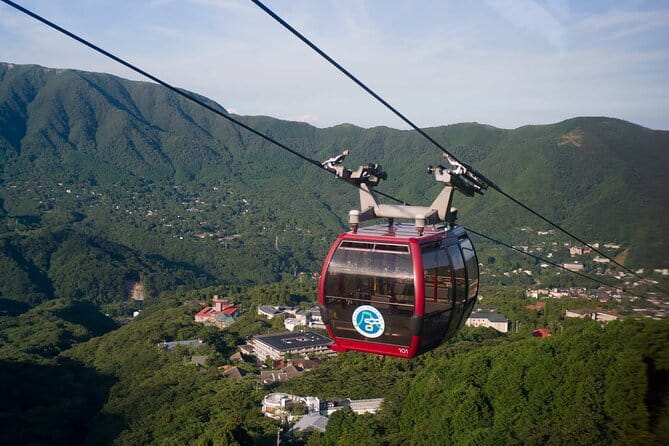
Next up is the ropeway course between Togendai and Owakudani, taking around 30 minutes. The ropeway fee is included, and this segment is timed for viewpoints—especially the stretch near Owakudani where you can see Mt. Fuji in the best conditions.
In clear weather, this is where the day’s “wow” factor often peaks. The ropeway line also helps you understand the geography: you’re traveling between lake surroundings and the volcanic crater zone, with Mt. Fuji—when it cooperates—hanging in the background.
One thing to keep in mind: you may end up dealing with wind. On one of the experiences in the feedback you provided, the cable car couldn’t be used due to strong wind, and the day shifted to more bus time. So if you’re flexible-minded and okay with changing plans, you’ll handle this day better.
Owakudani Valley: “Big Hell,” crater remains, and black egg snacks
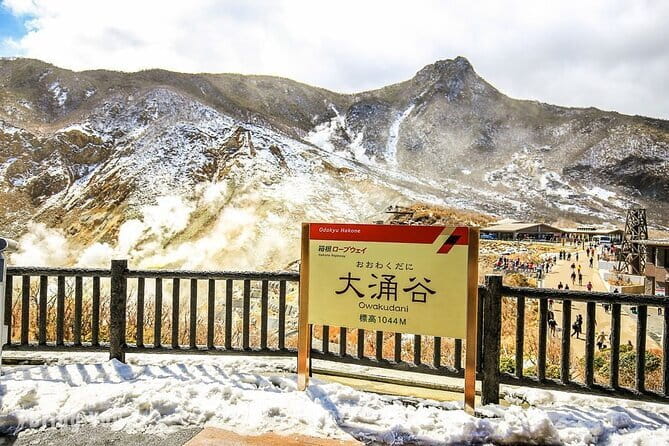
Owakudani is the emotional center of Hakone’s volcanic story. You’ll get about 50 minutes here, including some free time. Owakudani is described as the remains of a crater formed by volcanic activity around the end of the Hakone volcanic period, roughly 1,000 years ago.
It’s also known as Big Hell, partly because much of the spring water in the area is considered poisonous. That sounds intense—but in practice, you’ll be mostly looking from safe paths and enjoying the steam-and-rock atmosphere. If you’re the type who likes to learn why a place looks the way it does, this stop gives you the strongest “how Hakone formed” feeling.
There’s also a short walk from the nature trail entrance (about 15 minutes mentioned), and you may spot small roadside stops along the way. The famous food here is black eggs, cooked in the volcanic area’s hot waters. You won’t be forced to eat them, but they’re an easy optional treat if you want a local food moment without turning the day into a restaurant hunt.
Practical tip: wear good shoes. The ground near volcanic viewpoints and trails can be uneven or slick depending on conditions.
Lake Yamanaka Shiratorihama: swans, Fuji, and a quick photo win
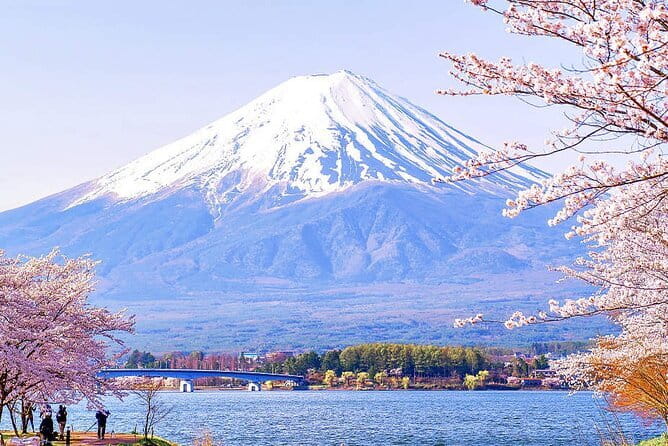
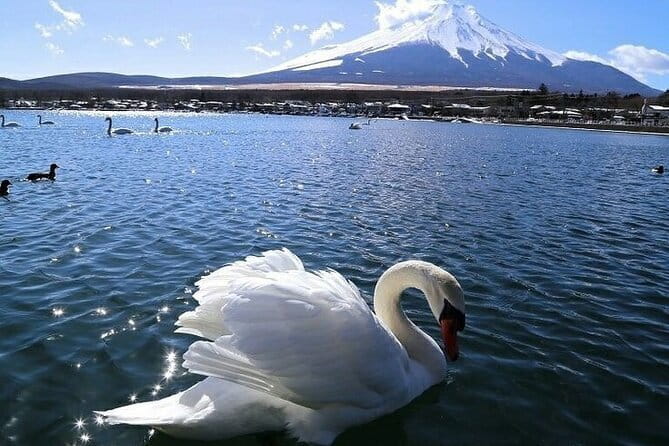
After the heat-and-steam of Owakudani, Lake Yamanaka feels like a breath of calmer air. Your stop is Shiratorihama on the lake, with about 20 minutes. Shiratorihama is known for swans that are often fed by tourists, which makes them unusually comfortable near the shoreline.
This is where you can try for the classic photo: a swan and Mount Fuji in the same frame. The timing is short, so you’ll want to decide early where you want your shot—then wait for the birds to move into place. If visibility for Mt. Fuji is weak, the lake still gives you a pleasant break from the volcanic theme.
Practical tip: if you’re traveling in peak season, the swan shoreline can get busy. Move quickly, keep your camera ready, and try not to block paths while you shoot.
Other Hakone loops worth the fare
- Tokyo: Mt. Fuji Tour, Hakone Ropeway, Owakudani, Lake Ashi★ 4.7 · 4,002 reviews
- Private Tour to Mt. Fuji and Hakone (Fully Licenced Operator)★ 5.0 · 1,910 reviews
- Mt Fuji & Hakone Cruise, Drum Show Bus 1 Day from Tokyo★ 4.0 · 1,287 reviews
- From Tokyo: Mt. Fuji & Hakone Tour w/ Return by Bullet Train★ 4.2 · 1,278 reviews
- Mt Fuji and Hakone 1-Day Bus Tour Return by Bus★ 4.5 · 929 reviews
Oshino Hakkai: eight springs and Fuji in the water
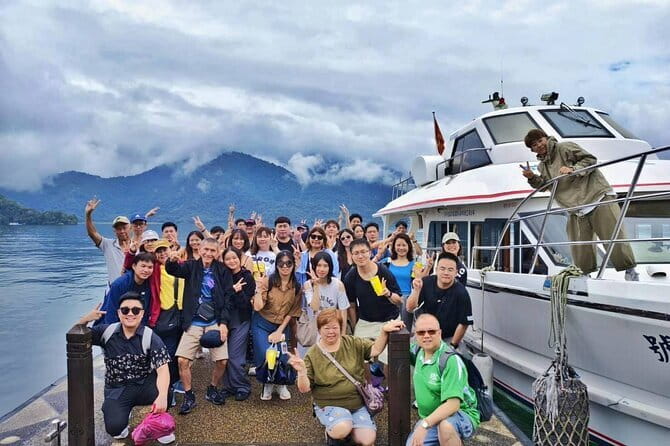
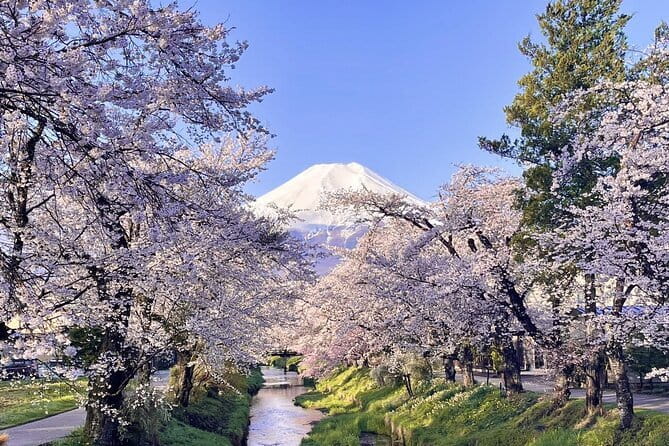
Oshino Hakkai rounds out the day with water that comes straight from the mountain’s snowmelt. The “eight springs” are formed by water flowing through layers of rock and strata, and the area is a national natural monument—so you’re not just looking at a tourist pond. You’re looking at a protected natural water system.
You’ll have about 40 minutes at Oshino Hakkai. The standout here is the visual effect: rippling water plus Mt. Fuji reflections when conditions line up. If clouds roll in, the atmosphere still works; the stone edging and clear spring-fed pools keep it from feeling like a “miss and move on” stop.
This is also a good place to slow your pace a bit. Your earlier stops have more vertical variety—shrine, ropeway, volcanic trail—so Oshino Hakkai is where you can reset your senses and enjoy the quiet.
Price and logistics: what you’re paying for at $76.96
At about $76.96 per person, the price can feel like a bargain when you compare what’s included. You’re covering transportation, including vehicle service fees, fuel costs, tolls, and the driver service fee. The itinerary is designed around a legal driving window (vehicle service time within 10 hours), and the tour lasts roughly 8 hours 20 minutes.
You’re also getting a bundle of entrances taken care of:
- Hakone Shrine (listed as free)
- Owakudani (free)
- Lake Yamanaka Shiratorihama (free)
- Oshino Hakkai (free)
- Hakone Ropeway (included fee for the specified course)
Meals and personal expenses are not included, so you’ll likely need to budget for lunch on your own. The feedback you provided also included a situation where lunch or a boat cruise option was offered as an add-on. That’s not automatically part of your baseline plan, but it’s a reminder: if you’re budget-tight, politely decide your add-on comfort level early.
Group size is capped at 15, which is a plus. Smaller groups make it easier to hear the guide and easier to get back to the right vehicle on time.
Luggage and day-trip pace
This is a one-day outing, and it’s explicitly not recommended to bring luggage. If you must carry luggage, you can bring 1 luggage item per person, and if you don’t clearly note it when booking (or if you bring more than one), there can be an extra charge.
That matters because it keeps the bus ride smoother for everyone. Pack small, keep your day bag light, and plan for a long day that mixes views with short walks.
Guide quality can make or break the day
This is one of those tours where the guide’s style changes the whole experience. The positive feedback you shared highlighted guides like Kousei, Jack, and Tom for being friendly and informative. That kind of guidance helps because Hakone isn’t just scenery—each stop has a reason, from the shrine’s historical roots to why Owakudani looks the way it does.
The flip side is also real in the feedback you provided: on a rainy day, one experience felt rushed and lacked meaningful place information. Another concern was pressure to add a boat cruise and lunch options that were harder to say no to when timing got tight.
How to protect yourself:
- Ask one simple question at the first stop, like what’s the best angle for Mt. Fuji today.
- If weather is rough, ask how they’ll adapt the plan and how much time you’ll get at each stop.
- If add-on activities appear, decide your yes-or-no calmly before the schedule tightens.
Weather reality: plan for Fuji visibility and wind
Because Mt. Fuji is the star of this circuit, visibility is never guaranteed. In the information you provided, one day started with pouring rain, and the group didn’t see much. Another note said strong wind prevented cable car use.
So go in with the right expectations:
- Have a backup attitude for photos (water, steam, shrine buildings, spring pools still look good even without a clear Fuji).
- Bring a rain layer if you can. Even a light umbrella and a poncho-style option can save your energy.
- Wear shoes you trust on damp ground, especially around Owakudani.
If Mt. Fuji shows up, it’s spectacular. If it doesn’t, the day still has enough variety to feel like a real Hakone sampler.
Should you book this Tokyo to Hakone Mt. Fuji day tour?
Book it if you want a structured, single-day route that hits multiple iconic sights without transportation stress. The biggest reasons I’d recommend it are the bundled value (transport + ropeway + several free attractions) and the way the itinerary covers different “faces” of the region—shrine and lake views, volcanic crater energy, swan-and-lake calm, and spring-fed Oshino pools.
Skip it or book with extra caution if:
- You hate schedule pressure and want totally free pacing.
- You’re very sensitive to weather-driven visibility changes.
- You’re on a tight budget and don’t want any add-on nudges for boats or meals.
If you’re a practical photo chaser, a first-time Hakone visitor, or someone who wants the classic Mt. Fuji surroundings in one day, this tour fits. Just show up ready for wind and rain, and you’ll get a day that’s more than a list of stops—it’s a full Hakone-to-Fuji story in about eight hours.
FAQ
How long is the Tokyo Mt. Fuji Hakone Shrine, Owakudani, Lake Yamanakai Day Tour?
It runs for approximately 8 hours 20 minutes.
How much does the tour cost?
The price is $76.96 per person.
What stops are included in the day?
You’ll visit Hakone Shrine and Lake Ashi (with the maritime torii view), Hakone Ropeway toward Owakudani, Owakudani Valley, Lake Yamanaka Shiratorihama, and Oshino Hakkai.
Are the entrance tickets included for each stop?
Hakone Shrine, Owakudani, Lake Yamanaka Shiratorihama, and Oshino Hakkai are listed as free. The Hakone Ropeway fee for the Togendai to Owakudani course is included.
Is there a maximum group size?
Yes. The tour has a maximum of 15 travelers.
What about meals?
Meals are not included, so you’ll cover lunch and any snacks yourself.
Do I need to bring cash?
You may want cash for optional food purchases such as the famous black eggs at Owakudani and other personal spending not included in the tour.
Can I cancel for a refund?
Yes. You can cancel up to 24 hours in advance for a full refund.
More Tour Reviews in Tokyo
- Mt Fuji and Hakone 1-Day Bus Tour Return by Bullet Train
★ 5.0 · 26,383 reviews - 1-Day Tokyo Bus Tour
★ 5.0 · 14,250 reviews - Tokyo: teamLab Planets TOKYO Digital Art Museum Entry Ticket
★ 4.6 · 9,779 reviews - Mt Fuji & Hakone Cruise, Drum Show Bullet Train 1 Day from Tokyo
★ 4.0 · 7,413 reviews - Tokyo: Shinjuku Food Tour (13 Dishes at 4 Local Eateries)
★ 5.0 · 6,603 reviews
Hakone, A Few More Ways
- Mt Fuji and Hakone 1-Day Bus Tour Return by Bullet Train
★ 5.0 · 26,383 reviews - Mt Fuji & Hakone Cruise, Drum Show Bullet Train 1 Day from Tokyo
★ 4.0 · 7,413 reviews - Tokyo Mt Fuji 5th St & Hakone Cruise Bus Tour w/Bullet Train
★ 4.4 · 5,024 reviews - Tokyo: Mt. Fuji Tour, Hakone Ropeway, Owakudani, Lake Ashi
★ 4.7 · 4,002 reviews - Private Tour to Mt. Fuji and Hakone (Fully Licenced Operator)
★ 5.0 · 1,910 reviews
More Mount Fuji Days We Have Reviewed
- Mt Fuji and Hakone 1-Day Bus Tour Return by Bullet Train
★ 5.0 · 26,383 reviews - Mt Fuji & Hakone Cruise, Drum Show Bullet Train 1 Day from Tokyo
★ 4.0 · 7,413 reviews - Tokyo Mt Fuji 5th St & Hakone Cruise Bus Tour w/Bullet Train
★ 4.4 · 5,024 reviews - From Tokyo: Mount Fuji Full-Day Sightseeing Trip
★ 4.5 · 4,970 reviews - Tokyo: Mt. Fuji Tour, Hakone Ropeway, Owakudani, Lake Ashi
★ 4.7 · 4,002 reviews
Latest Tokyo reviews off our desk






Mount Fuji Tours, compared.
 ★ 5.0Mt Fuji and Hakone 1-Day Bus Tour Return by Bullet TrainFrom $16326,383 reviews
 ★ 4.0Mt Fuji & Hakone Cruise, Drum Show Bullet Train 1 Day from TokyoFrom $1497,413 reviews
 ★ 4.4Tokyo Mt Fuji 5th St & Hakone Cruise Bus Tour w/Bullet TrainFrom $1545,024 reviews
 ★ 4.5From Tokyo: Mount Fuji Full-Day Sightseeing TripFrom $684,970 reviews
 ★ 4.7Mt. Fuji Tour, Hakone Ropeway, Owakudani, Lake AshiFrom $544,002 reviews
 ★ 4.4Mt.Fuji,Kawaguchiko Oishi Park,Arakurayama Sengen ParkFrom $542,682 reviews
 ★ 4.2Mt. Fuji 5th Station & Hakone Cruise 1-Day Bus TourFrom $1292,381 reviews
 ★ 4.7Mt Fuji Top 5 Spots Day Tour: Arakurayama Park,Oshino HakkaiFrom $532,066 reviews
Browse the lists this tour appears in