
Reviewed · MOUNT FUJI TOURS
Tokyo: Mt. Fuji, Owakudani, Hakone Shrine, & Open-Air Museum
Hakone hits three totally different moods in one day—art, volcano, and lake views. This tour is interesting because it links Hakone Open-Air Museum sculpture paths with the real geology of Owakudani, then finishes at Hakone Shrine on Lake Ashi for calmer moments.
What I really like: first, the museum is the kind of place you can enjoy even if you are not an art expert—Henry Moore and Joan Miró works in an outdoor setting make the whole walk feel easy. Second, Owakudani delivers the drama you came for: sulfur steam vents and volcanic activity that feel far more immediate than photos.
One consideration: the itinerary can shift with weather and traffic, and optional add-ons like the Ropeway or Pirate Ship depend on local conditions. If you are aiming for one perfect view (especially Mount Fuji), plan for some flexibility.
In This Review
- Key Highlights That Matter
- A One-Day Hakone Mix: Art, Volcanic Steam, and Lake Calm
- Timing From Tokyo: The 10-Hour Vehicle Limit Changes the Flow
- Hakone Open-Air Museum: Henry Moore, Joan Miró, and Picnic-Style Wandering
- Owakudani Valley: Steam Vents and Sulfur Character Up Close
- Hakone Shrine at Lake Ashi: Torii Views and a Little Mineral Water Ritual
- Optional Ropeway and Pirate Ship: Worth It When Weather Works
- Mount Fuji Chances: When the Order Makes a Difference
- Price and Value: Why $79 Feels Fair for a Full Day
- What’s Included vs Not: Simple Rules for Your Planning
- Who This Tour Fits Best (And When It Might Not)
- Should You Book This Tour?
- FAQ
- What stops are included in this Hakone day trip?
- What language is the guide?
- Is transportation included?
- Are admission tickets included?
- What should I bring?
- Are meals included?
- Can the itinerary change?
- Is an infant ticket available?
- How does cancellation work?
Key Highlights That Matter
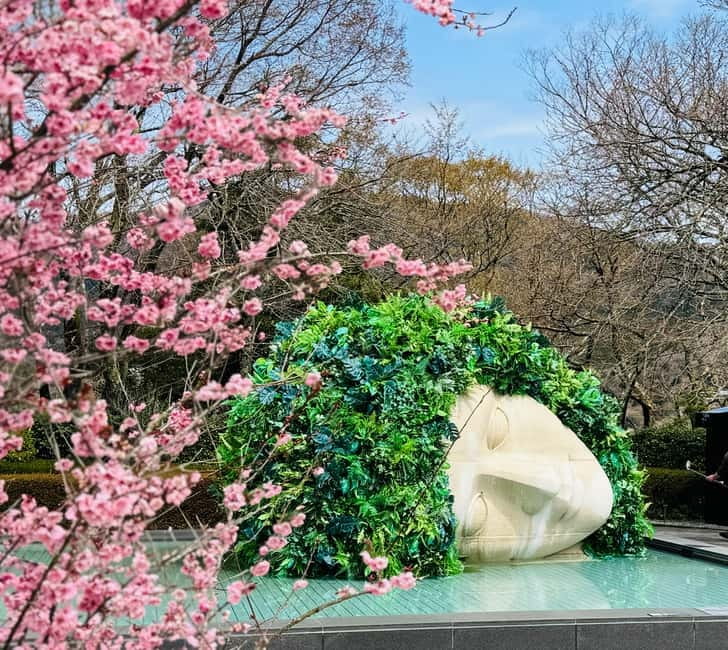
- Open-air art museum walking routes with big names like Henry Moore, Joan Miró, and a Picasso gallery
- Owakudani’s active volcanic valley with steam vents and sulfurous hot-spring character
- Lake Ashi calm at Hakone Shrine with the iconic torii gate view setup
- Guide-led timing tweaks that can improve your chances of seeing Mount Fuji
- Optional Ropeway and Pirate Ship only when weather and conditions cooperate
A One-Day Hakone Mix: Art, Volcanic Steam, and Lake Calm
This is the kind of day trip that works because it never gets stuck in one lane. You start with art outside, move to a volcanic zone that feels almost otherworldly, and end on a lakeshore where the pace slows down.
I love how the stops feel connected. The open-air museum is all about sculpture in nature, so when you step into Owakudani’s sulfur-steam atmosphere, the shift still makes sense. Then Lake Ashi and Hakone Shrine bring you back to quiet views and classic framing for photos.
The biggest win for most people is efficiency. You get multiple top Hakone sights in a single day, with transport handled and tickets included for admissions. That lets you spend your energy on walking, looking, and actually enjoying the scenery.
More Fuji day trips our readers rated highly
- Mt Fuji and Hakone 1-Day Bus Tour Return by Bullet Train
★ 5.0 · 26,383 reviews - Mt Fuji & Hakone Cruise, Drum Show Bullet Train 1 Day from Tokyo
★ 4.0 · 7,413 reviews - Tokyo Mt Fuji 5th St & Hakone Cruise Bus Tour w/Bullet Train
★ 4.4 · 5,024 reviews - From Tokyo: Mount Fuji Full-Day Sightseeing Trip
★ 4.5 · 4,970 reviews
Timing From Tokyo: The 10-Hour Vehicle Limit Changes the Flow
Hakone is close enough for a day trip, but far enough that you will feel the clock. There is also a Japan-specific constraint: vehicles cannot operate for more than 10 hours, so the guide may adjust the itinerary based on real-time conditions.
In practice, that means you should expect the day to be practical, not rigid. If rain or traffic hits, the order might change. Reviews reflect this kind of flexibility, including guides who rearranged the stop order to make the day work better and help you catch views.
So if you are the type who likes a strict schedule, bring a little patience. The upside is that you are unlikely to spend the day stuck between points with no plan.
Hakone Open-Air Museum: Henry Moore, Joan Miró, and Picnic-Style Wandering
Your first real stop is the Hakone Open-Air Museum, widely known as Japan’s first open-air art museum. The setting is a big part of why it works. Sculpture is meant to be seen from multiple angles, and outside you naturally slow down and walk at your own pace.
What I like here is the variety of art formats. You are not only looking at sculptures on pedestals; you are also dealing with garden spaces and installations that encourage you to move. That matters because art can feel intimidating in museums with tight pacing, but outdoors it tends to feel more relaxed.
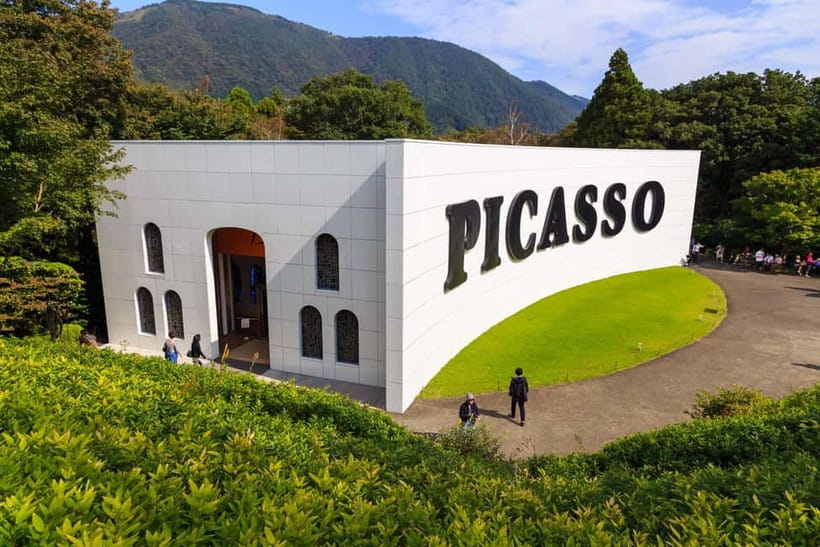
And you get major-name attractions. The collection includes works by Henry Moore and Joan Miró, plus an engaging Picasso gallery. That is a strong mix for a day tour because you do not have to guess whether the museum will be worth it—you already have names that anchor the visit.
What to watch for: comfortable shoes matter. Even if the museum does not feel like a marathon, it is still a lot of walking on outdoor paths. If your legs run low halfway through Hakone, you will feel it more than at an indoor stop.
Owakudani Valley: Steam Vents and Sulfur Character Up Close
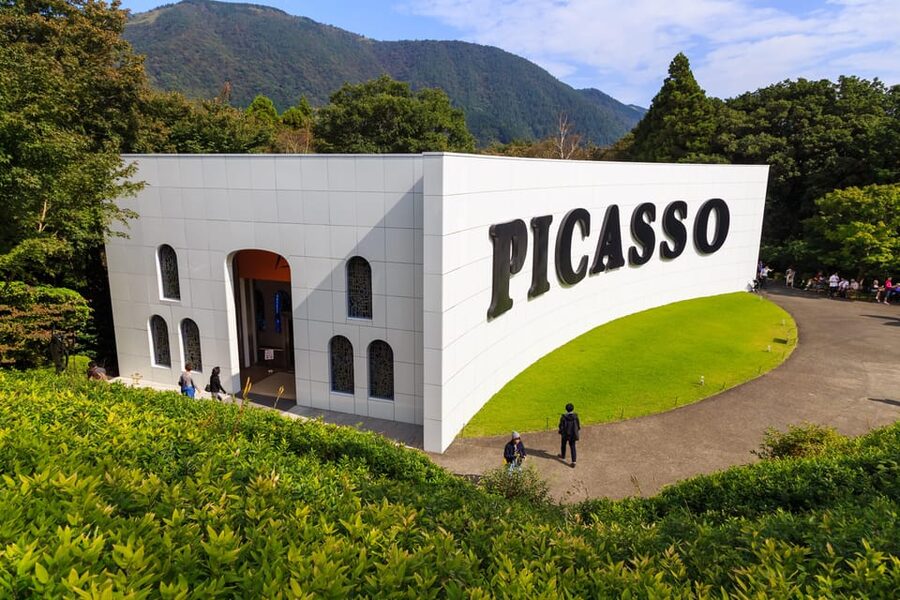
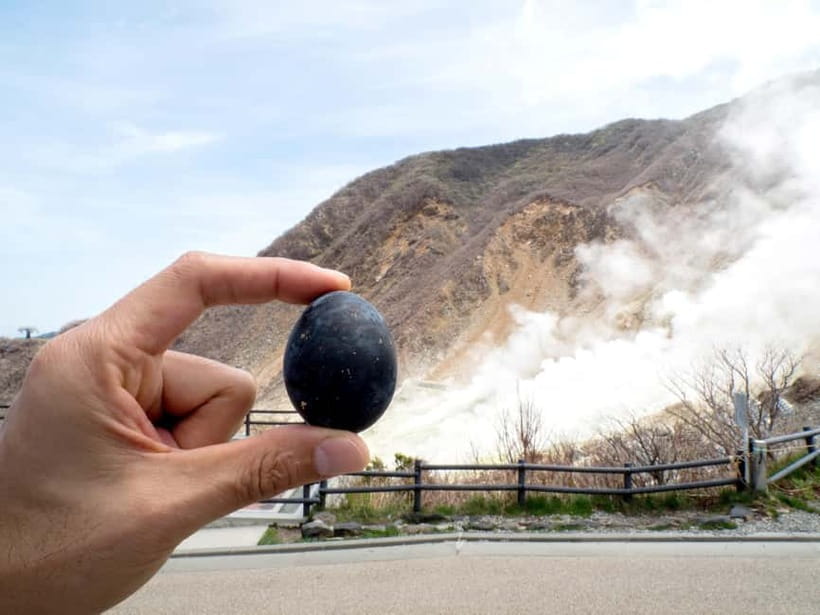
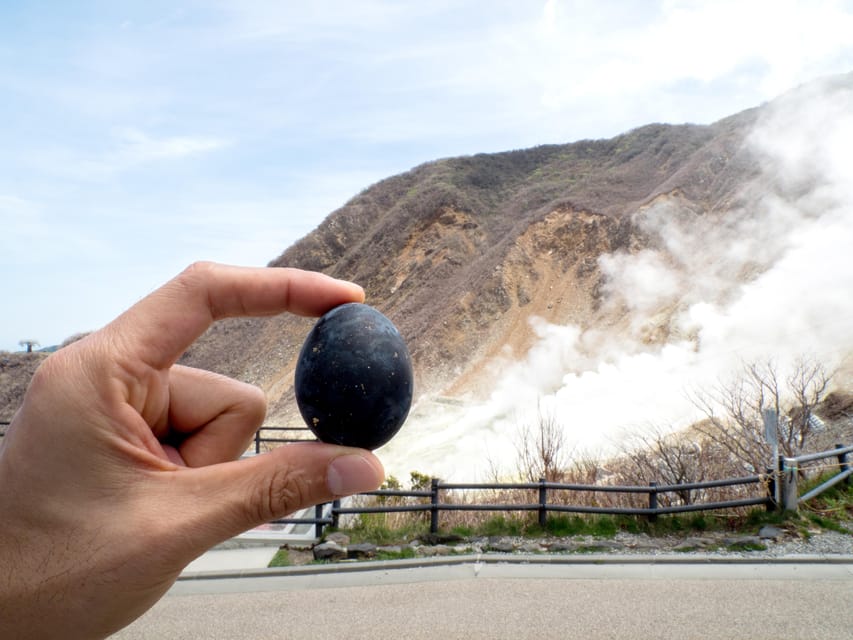
Next comes Owakudani, the volcanic area that people talk about because it looks and smells like active nature. This is an active volcanic valley with dramatic steam vents and sulfurous hot-spring features. In other words: it is not just a view—it is a live geological mood.
I like this part because it breaks the day’s pattern. After art paths, you get heat, steam, and a landscape shaped by volcanic activity. It is the kind of stop that makes your camera work hard, but it is also a great reset for your brain. You stop thinking like a tourist and start thinking like an observer.
A practical tip: expect that conditions can change quickly. Weather can affect visibility and comfort, and the day plan may be rearranged to make it more sensible. The guide you travel with is there to manage the timing, and the best tours in Hakone use that flexibility well.
Hakone Shrine at Lake Ashi: Torii Views and a Little Mineral Water Ritual
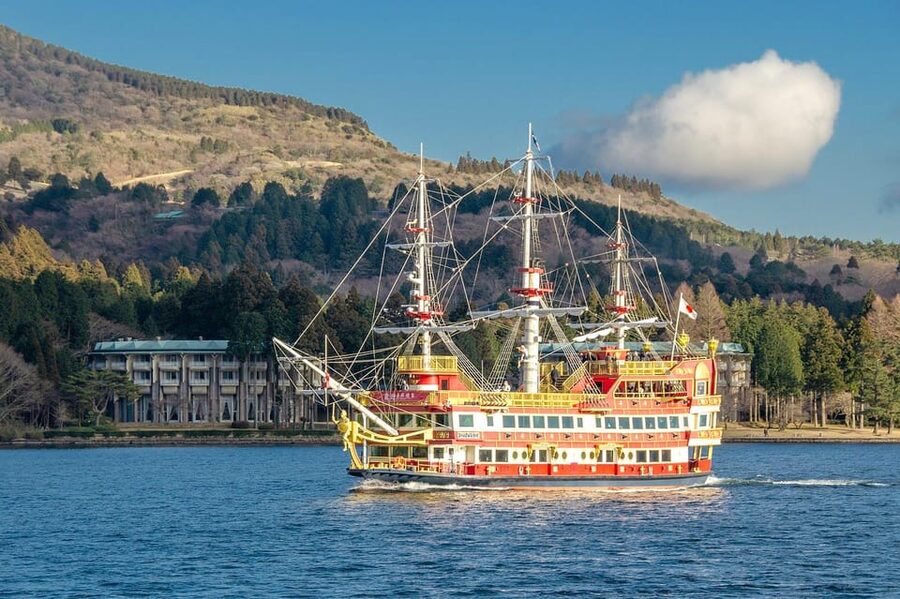
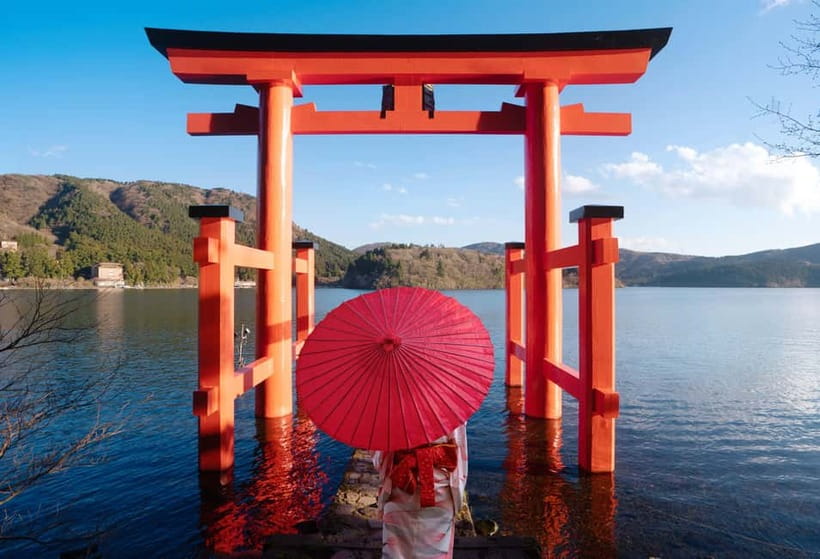
Hakone Shrine is where the day starts to soften. It sits by Lake Ashi, with forests and mountain backdrops that help the famous torii gate setting feel iconic. The atmosphere is more peaceful here, and the photos tend to come out calmer because the environment gives you natural framing.
Here is a detail I strongly recommend you plan for: many people like to bring an extra bottle. One review shared a nice on-site habit—fill up with mineral water at the shrine. It is a small thing, but on a day with walking and steam vents, it is genuinely useful.
Also worth knowing: one guide tip that stood out was about offerings. Icchi mentioned that 5 yen is the most auspicious offering. If you want to participate, bring a few coins so you are not scrambling on the spot.
One consideration: crowds can be loud and distracting, which is exactly why the order of stops can matter. More than once, reviews mention guides adjusting timing so the shrine is less chaotic when you arrive.
Other Hakone loops worth the fare
- Tokyo: Mt. Fuji Tour, Hakone Ropeway, Owakudani, Lake Ashi★ 4.7 · 4,002 reviews
- Private Tour to Mt. Fuji and Hakone (Fully Licenced Operator)★ 5.0 · 1,910 reviews
- Mt Fuji & Hakone Cruise, Drum Show Bus 1 Day from Tokyo★ 4.0 · 1,287 reviews
- From Tokyo: Mt. Fuji & Hakone Tour w/ Return by Bullet Train★ 4.2 · 1,278 reviews
- Mt Fuji and Hakone 1-Day Bus Tour Return by Bus★ 4.5 · 929 reviews
Optional Ropeway and Pirate Ship: Worth It When Weather Works
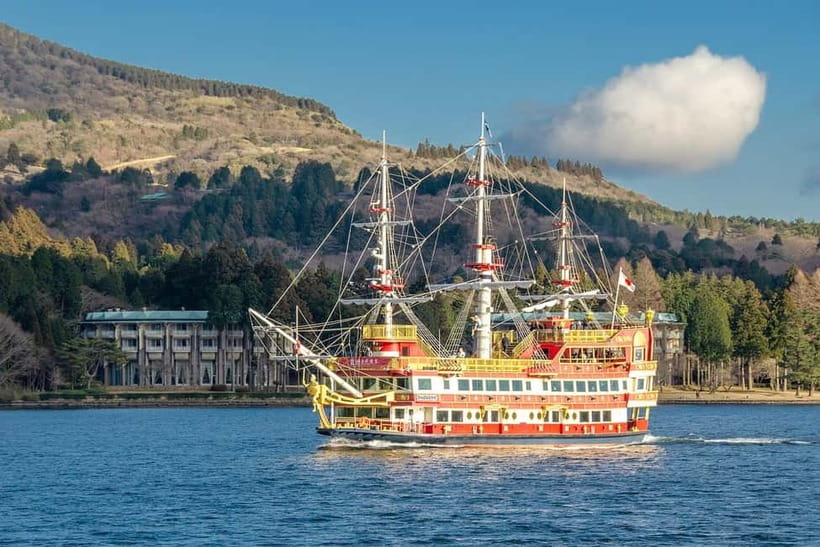
The tour may include assistance with optional add-ons: the Hakone Ropeway and the Pirate Ship across Lake Ashi. These options are not guaranteed because they depend on weather and local conditions, but the guide will help you decide and arrange them if they are available.
I like these add-ons when conditions are right because they add motion and viewpoint variety. You get different angles on the lake area, and that helps break up the day’s rhythm after the museum and Owakudani.
How to think about it: do not treat these as make-or-break. They are “if the weather plays along” experiences. If it is cloudy or rainy, you might prioritize comfort and timing instead of forcing every activity.
Mount Fuji Chances: When the Order Makes a Difference
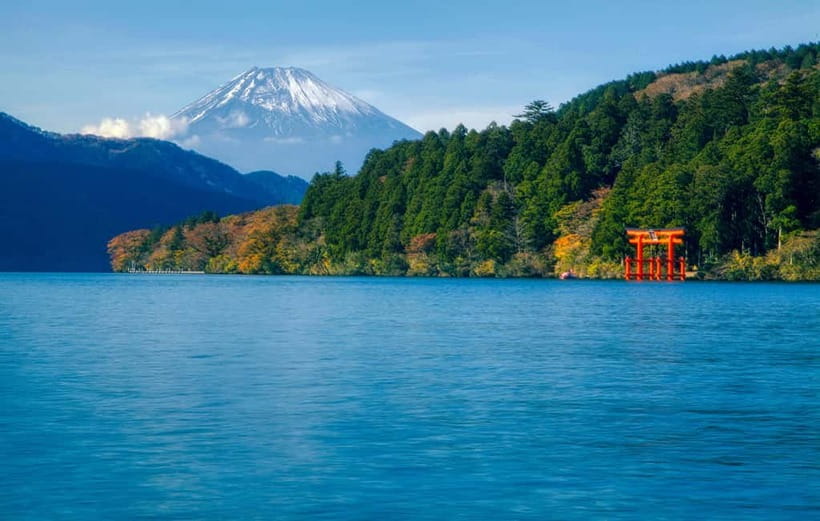
Mount Fuji is the big star in Hakone, but it is also weather-dependent. The good news is that guides can improve your odds by adjusting the flow.
One review described a guide named Yuichi who changed the itinerary specifically to help them see Mount Fuji. The result was arriving early to Hakone Shrine and Lake Ashi, then using a pirate ship crossing to get a view from the lake side before moving on to Owakudani.
That’s a key lesson for you: in Hakone, timing can matter almost as much as luck. Arriving earlier often means less crowding and better visibility windows. Even if Fuji does not show fully, being in the right place at the right time makes a big difference to how the day feels.
And yes, sometimes you will end with clouds. One review noted a Mount Fuji origami keepsake at the end of the trip, even though Fuji was cloudy during the day. That is a reminder to stay flexible: the experience still lands, even when the view does not go perfectly.
Price and Value: Why $79 Feels Fair for a Full Day
At $79 per person, this tour is positioned as a value play for a long day with multiple paid entries and transport included.
Here’s where the value comes from:
- Transportation is included, so you are not piecing together trains, transfers, and walking segments on your own.
- Admission tickets are included for the attractions included in the plan (while Ropeway and Pirate Ship are optional extras you purchase on-site if available).
- You also get an English and Korean-speaking guide, which matters in Japan when you want clarity on what you are seeing and how to move through each stop.
The big trade-off is also clear: meals are not included. The tour suggests bringing snacks or a light lunch, and I agree with that. When you spend a day bouncing between art and volcanic stops, you want something easy on you so you are not dependent on finding food at exactly the right moment.
If you like travel that reduces stress, this is the kind of tour that delivers. If you prefer total DIY control, you might compare options—but for many people, this one is the easiest way to hit Hakone highlights cleanly.
What’s Included vs Not: Simple Rules for Your Planning
To avoid surprises, keep these categories in mind:
Included:
- Transportation
- English and Korean-speaking guide
- Admission tickets
Not included:
- Meals
- Traveler’s insurance
- Other personal expenses
- Hakone Ropeway ticket (optional)
- Pirate Ship ticket (optional)
You should also bring comfortable shoes. That is not just a generic line—this day includes a museum walk, outdoor paths, and time at Owakudani and the shrine area. Your feet will feel it.
If you are traveling with a baby stroller, the tour asks you to inform them. That kind of heads-up matters when routes involve stairs, slopes, and changing crowds.
Who This Tour Fits Best (And When It Might Not)
I think this tour is a strong match if you want:
- a day trip from Tokyo that hits multiple Hakone icons
- a guide to handle the timing, especially when traffic or weather shifts the plan
- a balance of culture (open-air art) and nature (volcanic valley and Lake Ashi)
It is also a good fit if you appreciate small, practical details. Reviews mention guides who manage heavy rain and rearrange the day so you can visit Hakone Shrine with less distraction. When the guide is on it, the experience feels smoother.
When might it not fit? If you hate any schedule flexibility at all, or if you are only interested in one thing (only Fuji views, only the lake, only volcano), you might feel like you are moving too fast. But for most people, the mix is the point.
Should You Book This Tour?
If you want one day in Hakone that balances world-class outdoor art, the intensity of Owakudani’s volcanic setting, and the calmer lake-side feel of Hakone Shrine, then yes—this is a smart booking.
Book it especially if you value a low-stress format: transport handled, admissions included, and a guide who can adapt. Reviews highlight guides like Yuichi and Icchi who actively rearranged timing for better conditions and smoother experience.
If your priority is purely DIY control, you might plan separately. But if you want your day to run without you coordinating transit and ticket logistics across multiple Hakone zones, this $79 option makes practical sense.
FAQ
What stops are included in this Hakone day trip?
The tour includes the Hakone Open-Air Museum, Owakudani volcanic valley, and Hakone Shrine by Lake Ashi. Depending on weather and local conditions, you may also be assisted with optional experiences like the Ropeway and the Pirate Ship.
What language is the guide?
The guide speaks English and Korean.
Is transportation included?
Yes. Transportation is included as part of the tour.
Are admission tickets included?
Yes. Admission tickets are included for the included attractions. Ropeway and Pirate Ship tickets are not included and are optional purchases on-site.
What should I bring?
Wear comfortable shoes. It is also recommended to bring snacks or a light lunch to enjoy at attraction sites or during the bus.
Are meals included?
No, meals are not included.
Can the itinerary change?
Yes. The itinerary is subject to traffic and weather conditions, and the guide may adjust the order. Vehicles also cannot operate for more than 10 hours under Japanese law.
Is an infant ticket available?
Infants are free of charge, but there is no seat available. You should inform the provider if you are bringing a baby stroller.
How does cancellation work?
You can cancel up to 24 hours in advance for a full refund.
More Tour Reviews in Tokyo
- Mt Fuji and Hakone 1-Day Bus Tour Return by Bullet Train
★ 5.0 · 26,383 reviews - 1-Day Tokyo Bus Tour
★ 5.0 · 14,250 reviews - Tokyo: teamLab Planets TOKYO Digital Art Museum Entry Ticket
★ 4.6 · 9,779 reviews - Mt Fuji & Hakone Cruise, Drum Show Bullet Train 1 Day from Tokyo
★ 4.0 · 7,413 reviews - Tokyo: Shinjuku Food Tour (13 Dishes at 4 Local Eateries)
★ 5.0 · 6,603 reviews
Hakone, A Few More Ways
- Mt Fuji and Hakone 1-Day Bus Tour Return by Bullet Train
★ 5.0 · 26,383 reviews - Mt Fuji & Hakone Cruise, Drum Show Bullet Train 1 Day from Tokyo
★ 4.0 · 7,413 reviews - Tokyo Mt Fuji 5th St & Hakone Cruise Bus Tour w/Bullet Train
★ 4.4 · 5,024 reviews - Tokyo: Mt. Fuji Tour, Hakone Ropeway, Owakudani, Lake Ashi
★ 4.7 · 4,002 reviews - Private Tour to Mt. Fuji and Hakone (Fully Licenced Operator)
★ 5.0 · 1,910 reviews
More Mount Fuji Days We Have Reviewed
- Mt Fuji and Hakone 1-Day Bus Tour Return by Bullet Train
★ 5.0 · 26,383 reviews - Mt Fuji & Hakone Cruise, Drum Show Bullet Train 1 Day from Tokyo
★ 4.0 · 7,413 reviews - Tokyo Mt Fuji 5th St & Hakone Cruise Bus Tour w/Bullet Train
★ 4.4 · 5,024 reviews - From Tokyo: Mount Fuji Full-Day Sightseeing Trip
★ 4.5 · 4,970 reviews - Tokyo: Mt. Fuji Tour, Hakone Ropeway, Owakudani, Lake Ashi
★ 4.7 · 4,002 reviews
Latest Tokyo reviews off our desk






Mount Fuji Tours, compared.
 ★ 5.0Mt Fuji and Hakone 1-Day Bus Tour Return by Bullet TrainFrom $16326,383 reviews
 ★ 4.0Mt Fuji & Hakone Cruise, Drum Show Bullet Train 1 Day from TokyoFrom $1497,413 reviews
 ★ 4.4Tokyo Mt Fuji 5th St & Hakone Cruise Bus Tour w/Bullet TrainFrom $1545,024 reviews
 ★ 4.5From Tokyo: Mount Fuji Full-Day Sightseeing TripFrom $684,970 reviews
 ★ 4.7Mt. Fuji Tour, Hakone Ropeway, Owakudani, Lake AshiFrom $544,002 reviews
 ★ 4.4Mt.Fuji,Kawaguchiko Oishi Park,Arakurayama Sengen ParkFrom $542,682 reviews
 ★ 4.2Mt. Fuji 5th Station & Hakone Cruise 1-Day Bus TourFrom $1292,381 reviews
 ★ 4.7Mt Fuji Top 5 Spots Day Tour: Arakurayama Park,Oshino HakkaiFrom $532,066 reviews
Browse the lists this tour appears in