
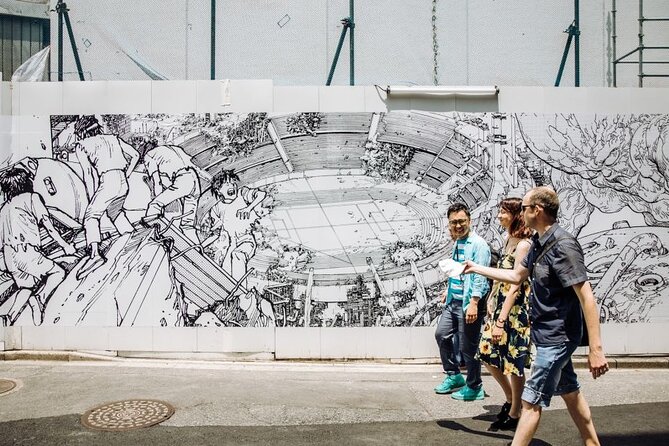
Reviewed · HALF-DAY
Tokyo Private Half-Day Tour with a Local – Secrets & Highlights
Tokyo has a talent for magic corners. This private half-day focuses on Asakusa and Kagurazaka, where you feel the city’s layers without getting stuck in tour-bus time.
The big win here is the personal fit: you answer a short questionnaire first, then your guide shapes the route to your pace and interests. I also like that you’re not just shown sights; you get practical city sense from hosts, like Chiara and Mari, who are praised for being warm, friendly, and responsive.
One thing to plan for: this is mainly a walking experience. There’s no private vehicle, and public transport or local taxis may come with extra costs, plus food and tickets are not included.
In This Review
- Key highlights at a glance
- Starting Point Energy: Asakusa and a Guide Who Sets the Tone
- Private 4-Hour Walks: Why This Beats a Big Group Day
- How the Pre-Trip Questionnaire Changes the Day
- Stop 1: First Walk With Your Local, Beyond the Usual Highlights
- Stop 2: Old Tokyo Temple Time, What to Notice at Senso-ji-Style Grounds
- Stop 3: Asakusa’s Old Shopping Street, Souvenirs and Street Snacks
- Stop 4: Riverside Stroll for Old Downtown Views (Especially Pretty in Spring)
- Stop 5: Showa-Era Alley Walks, Narrow Streets and Real Atmosphere
- Stop 6: Kagurazaka Lanes, Quiet Shrines and Modern-Life Contrast
- Guide Styles That Matter: Warmth, Flexibility, and Real Help
- Price and Value: What $143.14 Buys in Tokyo Time
- Transportation and Getting Between Spots Without Losing the Day
- What to Bring for a Comfortable Half-Day
- Who This Tour Fits Best
- Should You Book This Tokyo Private Half-Day Tour?
- FAQ
- How long is the Tokyo private half-day tour?
- Where does the tour start and end?
- Is this tour private?
- What does the tour include?
- Are food and drinks included?
- Is transportation included?
- Can I choose the start time?
- Do I need to bring tickets?
- Is the tour suitable for most people?
- What if I need to cancel?
Key highlights at a glance
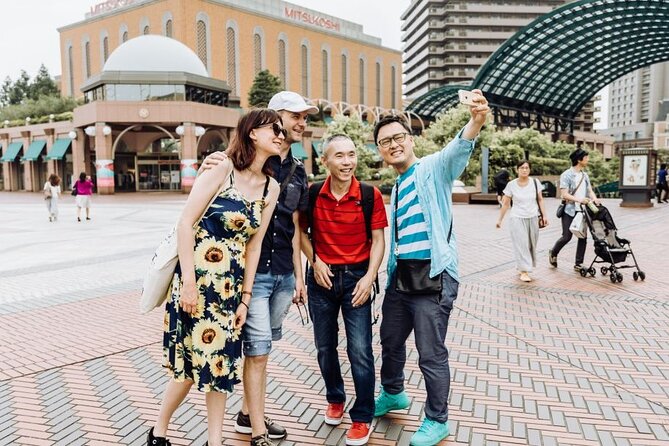
- A tailored route built around your likes, with a pre-tour questionnaire and direct guide contact
- Asakusa first, typically temple grounds and Japan’s oldest shopping street style lane, with photo-worthy backdrops
- Riverside downtime for classic old-downtown views, especially pretty around cherry blossom season
- Historic alley walking with Showa-era atmosphere and story-filled side streets
- Kagurazaka lanes where old Tokyo vibes meet quiet shrines, boutiques, and small cafés
- Guide-led logistics help for crowds and navigation, including calm pacing through busy areas
Starting Point Energy: Asakusa and a Guide Who Sets the Tone
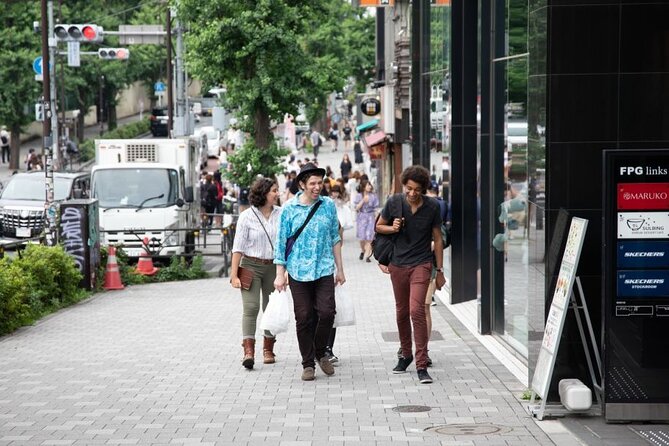
Most people underestimate how much your first hour matters in Tokyo. This tour begins at the Asakusa Culture Tourist Information Center, so you start in the thick of the old-town atmosphere with clear, easy-to-find structure. From there, you’ll work through areas where it’s simple to get “lost” in a good way—if you’re with the right guide.
The service is private, so it’s just your group. That sounds obvious, but it changes everything: you can slow down for photos, ask questions mid-walk, or shift the plan when something catches your eye. If you’ve ever felt like you were racing a fixed schedule, this style helps you breathe.
Readers also shortlisted these Tokyo bookings:
- Tokyo 6hr Private Tour with Government-Licensed Guide
★ 5.0 · 3,902 reviews - Private Tour to Mt. Fuji and Hakone (Fully Licenced Operator)
★ 5.0 · 1,910 reviews - Tokyo Customized Private Tour (Must See Places in 1 Day)
★ 5.0 · 1,499 reviews - Mount Fuji Full-Day Private Tour from Tokyo (Customizable)
★ 4.9 · 1,470 reviews
Private 4-Hour Walks: Why This Beats a Big Group Day
Tokyo can feel like two different cities at once. One moment you’re in a crowd, and the next you’re in a quiet lane with a tiny shrine and a pause in traffic noise. A big group tour often smashes those moments together. A private walk separates them, so you actually notice things.
Here’s what you’ll like about this setup:
- You get a like-minded guide who can keep the day moving while still adjusting to your interests.
- The itinerary isn’t “one size fits all.” You’re doing a personalized experience, not a check-the-box route.
The other practical advantage is time. Four hours in Tokyo is short enough that every detour has to matter. The value comes from avoiding wasted minutes—less time hunting, more time looking.
How the Pre-Trip Questionnaire Changes the Day
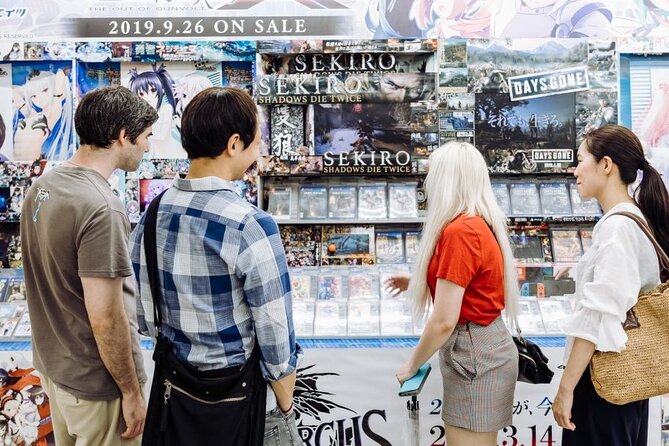
You’ll fill out a short questionnaire after booking. That’s not just a formality. It’s the mechanism that lets your guide tune the walk around what you care about most—history, food, hidden corners, culture, shopping, photos, or a slower pace.
Then you get direct communication with your host for planning and local recommendations. In past experiences with guides on this kind of service, strong communication has been called out—one guest even mentioned WhatsApp contact before the tour. That matters because Tokyo has a lot of moving parts (stations, entrances, crowd patterns), and having a guide coordinate early reduces stress.
If you want more than the headline highlights, this is where you ask. You can tell your guide what you don’t want to do too. That’s a big deal in Asakusa, where there’s plenty to see—but not everything fits every person’s style.
Stop 1: First Walk With Your Local, Beyond the Usual Highlights
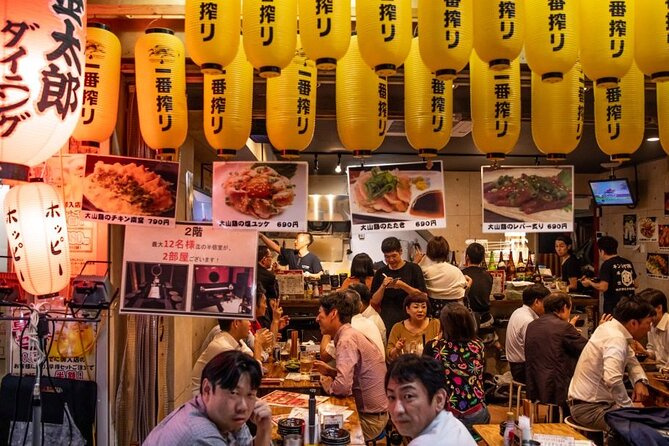
The day typically starts with the guide getting you oriented. Think of this as your Tokyo “translation layer.” You’ll move through lively neighborhoods and quiet backstreets, and your host explains what’s actually going on there—why a street layout looks the way it does, which corners are more for strolling than shopping, and when crowds change.
This is also when you set rhythm. A good guide will help you read the area: where people funnel, where you can step aside for a moment, and how to keep the day comfortable for your group.
One extra benefit: your guide can steer you away from common mistakes. For example, signage is often in Japanese, and navigating busy spots without help can slow you down. Hosts have been praised for making that kind of navigation feel manageable.
Stop 2: Old Tokyo Temple Time, What to Notice at Senso-ji-Style Grounds
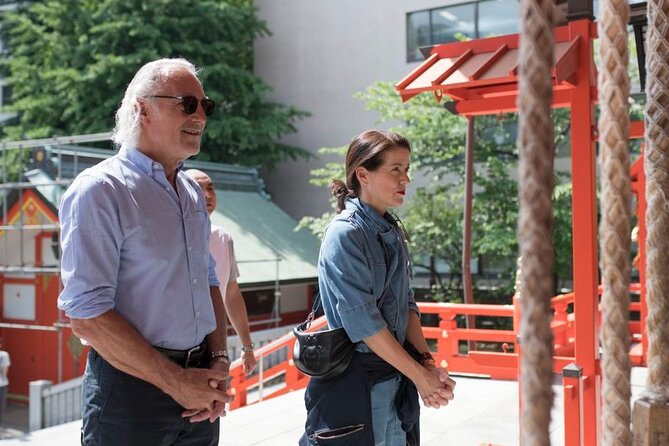
Next comes Japan’s oldest and most famous temple. In Asakusa, that’s the kind of place where photos look good—but the real value is understanding the flow of space.
What to expect on the walk:
- You’ll enter the temple area with guidance on what to look for first.
- Your host will share context and cultural significance as you move through the grounds.
- You’ll have time to soak up the atmosphere without feeling rushed.
Temple visits in Japan are not just sightseeing. They’re a chance to see how daily ritual and tourism share space. A local guide helps you see the difference between a “pretty landmark” and a living place with meaning. If you’re a first-time visitor, this is a fast way to get grounded before you branch into side streets.
Readers also shortlisted these Tokyo bookings:
- Half-day Tokyo Afternoon Tour by Hato Bus★ 4.0 · 269 reviews
- Tokyo: A Half-Day Trip Bus Tour in the Morning★ 4.6 · 236 reviews
- Half-day Tokyo Morning Tour by Hato Bus★ 4.0 · 220 reviews
- Old and Nostalgic Tokyo: Half-Day Yanaka Walking Tour★ 4.9 · 30 reviews
- Half-Day Local Tokyo Tour in Adachi Market and Shibamata★ 5.0 · 16 reviews
Stop 3: Asakusa’s Old Shopping Street, Souvenirs and Street Snacks
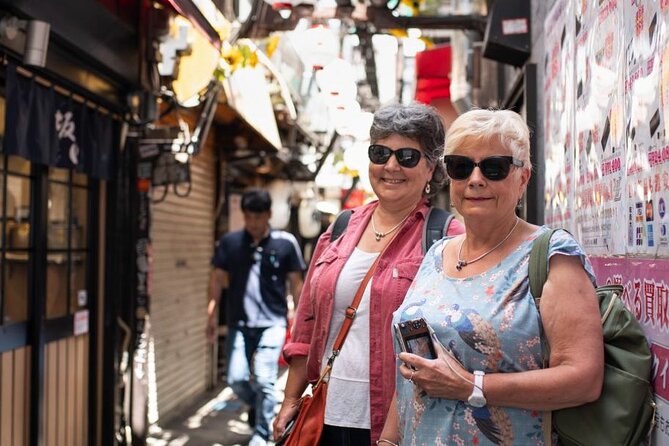
From temple grounds, you shift to the energy of Japan’s oldest shopping street. This is where you’ll feel the old-town pulse: traditional souvenirs, small crafts, and street snacks. Even if you don’t buy much, it’s worth walking slowly here because the details are the point—packaging, patterns, handcrafts, and shop signs.
A guide can help you shop smarter. Not by upselling, but by advising what’s worth tasting, what’s more souvenir-focused, and how to avoid getting stuck in the densest crowd areas.
Practical tip: bring cash if you want snack freedom. Food isn’t included on this tour, so you’ll be choosing your own bites.
Stop 4: Riverside Stroll for Old Downtown Views (Especially Pretty in Spring)
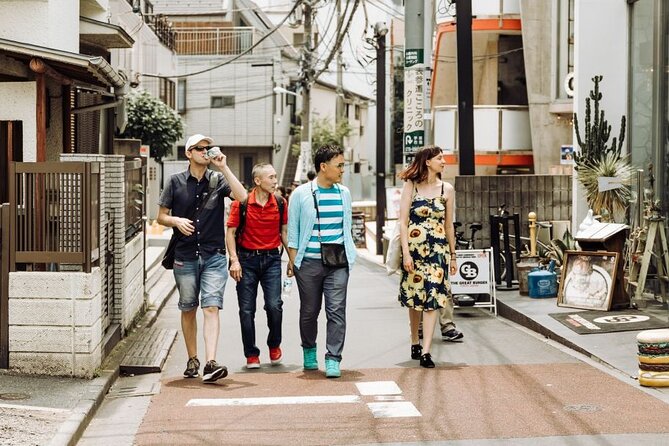
After the shopping energy, you get something calmer: a riverside stroll with views of Tokyo’s old downtown. This stop is valuable because it breaks the crowd cycle. You’ll slow down and let the city open up.
Why this part works in real life:
- It gives your feet a chance to recover while you still see Tokyo.
- Views change with the seasons. Around cherry blossom season, the riverside can look especially beautiful.
Even outside spring, riverside walks help you understand Tokyo’s layout. You’ll start noticing how neighborhoods “face” the water and how bridges and streets connect districts.
Stop 5: Showa-Era Alley Walks, Narrow Streets and Real Atmosphere
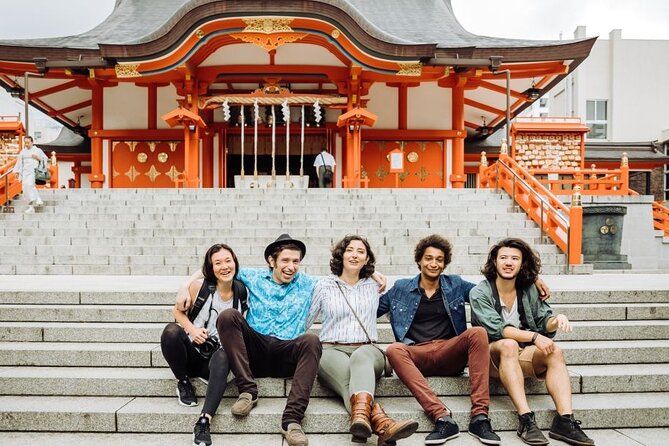
Then you’ll head into narrow, atmospheric alleys of a historic district with Showa-era charm. This is where Tokyo stops looking like a postcard and starts looking like a lived-in city.
What you’ll experience:
- Less open space, more texture: small signs, layered storefronts, and tight street corners.
- Your guide’s stories make the streets feel readable, not random.
- There are usually quieter pockets where you can pause and take photos without blocking others.
This is also a good time to ask questions. Want to know why certain shops survived while others changed? Ask. Curious how people actually spend time in these neighborhoods? Ask that too.
The alley part is also where tour pacing matters most. Hosts who are sensitive to traveler needs (a trait praised in guides like Mari) tend to handle crowd flow and comfort better.
Stop 6: Kagurazaka Lanes, Quiet Shrines and Modern-Life Contrast
The route then shifts into Kagurazaka, one of Tokyo’s most distinctive mood zones. You’ll walk winding lanes that feel like old Tokyo, but you’ll also spot modern boutiques and small cafés tucked into the same streets.
Expect:
- A slower feel than the busiest sightseeing zones.
- Mixed architecture and street energy: quiet shrines next to fashionable storefronts.
- Lots of small corners worth stopping at for photos and people-watching.
Kagurazaka is ideal if you like texture. It’s not only about one famous spot. It’s about the feeling of walking through layers: older residential patterns, cultural landmarks, and today’s design-forward shopping.
If you’re the type who likes exploring on foot without being herded, this is the part that often justifies the whole day.
Guide Styles That Matter: Warmth, Flexibility, and Real Help
One reason people book private guides is simple: your day shouldn’t feel like a negotiation with strangers and schedules. Strong hosts make it easy.
From the guide traits highlighted in past experiences with this service, you can expect patterns like:
- Warm, friendly energy (people have praised guides such as Hiroko and Mari for making the experience feel comfortable)
- Flexibility when start times shift or plans need adjustment (Kay and Hiroko were praised for handling timing changes without stress)
- Clear communication before you meet up (some guides used WhatsApp to coordinate meeting points)
- Tailoring based on your interests, so you don’t waste time on what doesn’t click for you
You can help your guide succeed by giving a little direction upfront. If you love temples but hate long lines, say it. If you want shopping but not street food, say it. That way the route feels like it was built for you.
Price and Value: What $143.14 Buys in Tokyo Time
At about $143.14 per person for roughly four hours, the price is not budget travel. But private Tokyo walking tours can be worth it if you treat time as the currency.
Here’s where your money typically goes:
- A dedicated guide for your group only
- Customized planning through the pre-tour questionnaire
- Local recommendations that help you avoid wasted stops
- The convenience of mobile ticketing and direct coordination
What’s not included is also part of the value equation. Food, drinks, and tickets aren’t included, and transportation isn’t included (walking is primary, with possible public transport or taxi transfers at additional cost). So you’re paying for the human guidance and the time structure—not for entrance fees or your meals.
So the smart way to think about this price is: you’re buying a plan that saves mental energy and routes you through areas most tourists don’t slow down for.
Transportation and Getting Between Spots Without Losing the Day
Because it’s mainly walking, you’ll cover ground at a comfortable pace—then occasionally transfer between areas using public transportation or local taxis. Exact transport costs can be discussed with your host after booking.
This matters because Tokyo’s rail system can be intimidating for first-timers, especially if signage isn’t in English. Guides have been praised for making busy navigation smoother, which is exactly what you want when crowds surge.
Practical advice:
- Wear shoes you trust. Four hours on foot can be more than you expect, even at a steady pace.
- If you’re sensitive to crowds, tell your guide early. They can often adjust where you pause and how you pass through busier sections.
What to Bring for a Comfortable Half-Day
This tour is a walking experience, so pack for comfort more than for sun or fashion. Bring:
- Comfortable walking shoes
- A small day bag for water and your essentials
- An open mind for stairs and narrow sidewalks (alley areas can be less forgiving)
- Cash or a card for shopping and snacks (food isn’t included)
Also, bring a few priorities in mind before you meet. The questionnaire helps, but your real-time preferences matter too. If you’re excited about street culture, say so. If you care more about quiet lanes than crowded temple areas, say that too.
Who This Tour Fits Best
This is a strong choice for:
- First-time Tokyo visitors who want a guided foundation in classic neighborhoods
- Travelers who dislike feeling rushed and want a flexible pace
- People who love walking and want to understand what they’re seeing, not just where to stand for a photo
- Anyone who values a customized experience over a rigid checklist
It may be less ideal if:
- Your group has limited mobility and you can’t handle a walking-first format
- You want a tour with all entrance fees and meals bundled in
- You prefer long rides in a vehicle over short transfers and on-foot exploration
Should You Book This Tokyo Private Half-Day Tour?
Book it if you want Tokyo that feels personal. The mix of Asakusa temple area, street shopping energy, a calm riverside pause, then Showa-era alleys and Kagurazaka lanes is a smart route for people who want texture in one day.
Skip it (or adjust your expectations) if you need a car-based tour with fully covered logistics. This is guided walking, with optional public transport or taxis as needed. If that matches your style, you’ll likely enjoy how quickly your guide helps you read the city.
If you do book, set yourself up for success: answer the questionnaire thoughtfully, share what you love and what you don’t, and plan your footwear like it matters. In Tokyo, it does.
FAQ
How long is the Tokyo private half-day tour?
It’s listed at about 4 hours.
Where does the tour start and end?
It starts at the Asakusa Culture Tourist Information Center (2-chōme-18-9 Kaminarimon, Taito City) and ends back at the meeting point.
Is this tour private?
Yes. It’s a private tour/activity, and only your group participates.
What does the tour include?
You get a private, personalized walking experience with insider tips from a local, plus flexible start times, a pre-tour questionnaire, and direct communication with your host.
Are food and drinks included?
No. Food, drinks, and tickets to attractions are not included.
Is transportation included?
Transportation isn’t included. The experience is mainly walking, and public transport may be used at an additional cost.
Can I choose the start time?
Yes. Flexible start times are offered, and you select your preferred time when booking.
Do I need to bring tickets?
You’ll have a mobile ticket.
Is the tour suitable for most people?
Most travelers can participate, and service animals are allowed.
What if I need to cancel?
Free cancellation is available up to 24 hours in advance for a full refund. If you cancel less than 24 hours before the experience starts, the amount paid won’t be refunded.
More Private in Tokyo
- Tokyo 6hr Private Tour with Government-Licensed Guide
★ 5.0 · 3,902 reviews - Private Tour to Mt. Fuji and Hakone (Fully Licenced Operator)
★ 5.0 · 1,910 reviews - Tokyo Customized Private Tour (Must See Places in 1 Day)
★ 5.0 · 1,499 reviews - Mount Fuji Full-Day Private Tour from Tokyo (Customizable)
★ 4.9 · 1,470 reviews - Tokyo: Private City Highlights Tour with Local Guide
★ 4.8 · 1,433 reviews
More Tours in Tokyo
- Mt Fuji and Hakone 1-Day Bus Tour Return by Bullet Train
★ 5.0 · 26,383 reviews - 1-Day Tokyo Bus Tour
★ 5.0 · 14,250 reviews - Tokyo: Shinjuku Food Tour (13 Dishes at 4 Local Eateries)
★ 5.0 · 6,603 reviews - Tokyo Mt Fuji 5th St & Hakone Cruise Bus Tour w/Bullet Train
★ 4.4 · 5,024 reviews - Flagship 2-Hours Official Street Go-Kart Tour – Tokyo Bay Shop
★ 5.0 · 4,974 reviews
More Tour Reviews in Tokyo
- Mt Fuji and Hakone 1-Day Bus Tour Return by Bullet Train
★ 5.0 · 26,383 reviews - 1-Day Tokyo Bus Tour
★ 5.0 · 14,250 reviews - Tokyo: teamLab Planets TOKYO Digital Art Museum Entry Ticket
★ 4.6 · 9,779 reviews - Mt Fuji & Hakone Cruise, Drum Show Bullet Train 1 Day from Tokyo
★ 4.0 · 7,413 reviews - Tokyo: Shinjuku Food Tour (13 Dishes at 4 Local Eateries)
★ 5.0 · 6,603 reviews
Latest Tokyo reviews off our desk


Half-Day, compared.
 ★ 4.0Half-day Tokyo Afternoon Tour by Hato BusFrom $41269 reviews
 ★ 4.6A Half-Day Trip Bus Tour in the MorningFrom $40236 reviews
 ★ 4.0Half-day Tokyo Morning Tour by Hato BusFrom $41220 reviews
 ★ 5.0Private Hakone Half-day Car Tour with Hotel Pickup – Local GuideFrom $27748 reviews
 ★ 4.9Old and Nostalgic Tokyo: Half-Day Yanaka Walking TourFrom $8330 reviews
 ★ 5.0Tokyo Half-Day Canyoning AdventureFrom $6025 reviews
 ★ 5.0Private Fuji Half-day Car Tour with Hotel Pickup and Local GuideFrom $34120 reviews
 ★ 5.0Half-Day Local Tokyo Tour in Adachi Market and ShibamataFrom $9116 reviews
Browse the lists this tour appears in