
Reviewed · HALF-DAY
Tokyo Half-Day Canyoning Adventure
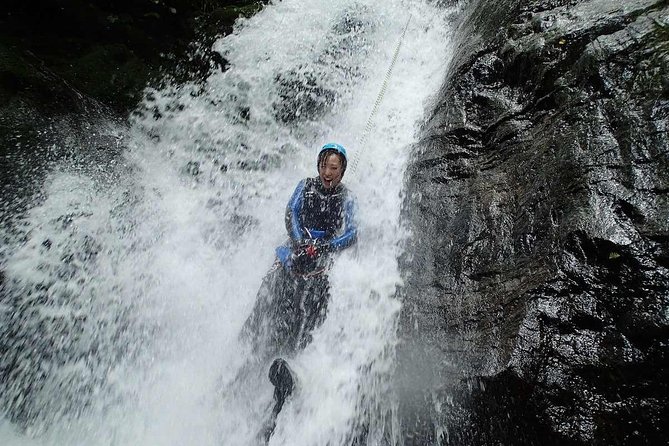
Few places in Tokyo feel this primal. This half-day canyoneering trip trades the city rush for Okutama’s mossy-green canyon scenery, with pro guides, included gear, and a huge amount of time in the water. Two things I’d highlight right away: the choice between MONONOKE and BIG MONONOKE (so you can match your nerves to your skills), and the way guides like Ko and Hickory (and other staff such as Jumbo and Andy) focus on keeping the whole group moving and confident. One thing to think about first: this is real canyon time, so you’ll want a moderate fitness base and you should be comfortable getting wet and tackling technical bits.
You’ll start and end at Mitake Station in western Tokyo, then head out into the forested Okutama area for rappels (with walls reported up to 80 feet / 25 meters), cliff jumps, and natural water slides into clear pools. The day runs about 3 hours on the schedule, and it’s designed as a small-group adventure (maximum 10 travelers, and a stated cap of 13 per booking). It’s not a sit-and-snap photo tour, so if you prefer smooth, low-effort sightseeing, this may feel like too much.
In This Review
- Key Things to Know Before You Go
- Getting Out of Tokyo: Okutama and the Mitake Station Start
- Route Choice Matters: MONONOKE vs BIG MONONOKE
- The Real Core: Gear, Footwear, and 80% Time in the Water
- What the Day Feels Like: Rappels, Cliff Jumps, and Natural Water Slides
- Guides Make the Difference: Ko, Hickory, Jumbo, and Andy
- Price and Value: Why $60.97 Can Feel Like a Deal
- Logistics That Actually Matter: Duration, Group Size, and Meeting Point
- The Skills Question: Who This Trip Fits Best
- Packing and Prep: Your Simple Checklist for Canyon Day
- Weather, Safety, and When the Trip Might Shift
- Should You Book This Tokyo Half-Day Canyoning Adventure?
- FAQ
- How long is the Tokyo Half-Day Canyoning Adventure?
- Where does the tour start and end?
- Is pickup available?
- What’s the price per person?
- What canyon routes can I choose?
- Which route is better for beginners?
- What equipment is included?
- What should I bring?
- Is there a minimum age?
- What weather or cancellation rules should I know about?
Key Things to Know Before You Go
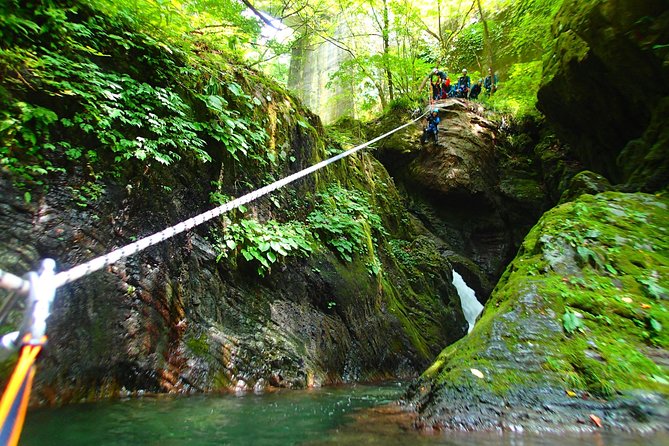
- Two canyon routes let you scale thrill level: MONONOKE for an easier intro, BIG MONONOKE for a step up with more technical riding.
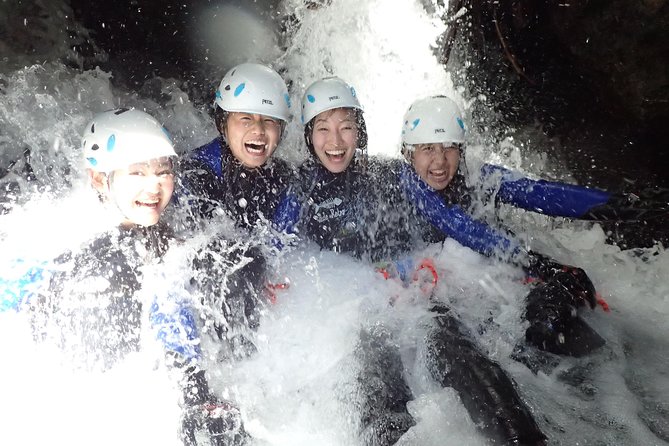
- You’re mostly in the water for the core experience, with natural slides and pools rather than a single splash-and-done moment.
- Rappels can reach 80 feet / 25 meters, so you should be mentally ready for height and controlled descent.
- Included gear and canyoning footwear lowers friction; you only need swimwear and a towel.
- Small groups mean the guide can keep an eye on your timing, comfort, and movement.
- Photos and videos are included, which helps you focus on the canyon instead of filming everything.
Getting Out of Tokyo: Okutama and the Mitake Station Start
The best part of this outing is also the main selling point: it gets you out of central Tokyo and into a canyon world fast. You meet at Mitake Station (Mitakehoncho, Ome, Tokyo 198-0173), and the experience ends back at that same spot. If you like your day trips to feel real instead of rushed transfers, this setup is straightforward.
Okutama is in the western part of Tokyo Prefecture, surrounded by forest and waterways. The tour info notes it’s reachable by car or local train routes departing Tokyo or Shinjuku, so you’re not locked into a private taxi. Once you arrive at Mitake Station, you’ll plug into the group plan.
One detail I appreciate: there’s an on-request pickup/drop-off shuttle provided at Mitake Station in Okutama. That’s useful if your timing is tight or you just don’t want to figure out the last stretch. For your planning, treat the station as the anchor point, not your neighborhood.
Readers booked these Tokyo Prefecture options in the same breath. Here is how each one scored:
- Vegan/Vegetarian Ramen and Gyoza by Bentoya cooking
★ 5.0 · 59 reviews - Tokyo: Samurai Sword Academy in the Hometown of the Last Samurai
★ 5.0 · 24 reviews - 3-Hour Guided Musubi Japanese Home Cooking Class
★ 5.0 · 21 reviews - Tokyo: Mt. Takao Tour with Ramen and Tattoo-Okay Hot Spring
★ 5.0 · 12 reviews
Route Choice Matters: MONONOKE vs BIG MONONOKE
This trip is built around two main canyon courses in Okutama: MONONOKE and BIG MONONOKE. The names are cool, but what really matters is how they match your comfort level.
MONONOKE is pitched as an excellent starter canyon if you’re new to canyoneering or want thrills without going straight to full-on technical strain. If you’re the type who worries about falling behind, MONONOKE tends to be the smarter first step.
BIG MONONOKE is the step up. The info says it’s more technical and has better odds of feeling challenging if you want a fuller workout of skills. If you’ve done canyoning before (or you’ve already handled heights in other water-adventure settings), BIG MONONOKE is the one that fits.
Here’s the practical way to decide: think about what you struggle with most.
- If it’s starting out, picking MONONOKE can help you learn movement patterns without getting overwhelmed.
- If it’s adrenaline and technical reps, BIG MONONOKE will likely feel more satisfying.
The Real Core: Gear, Footwear, and 80% Time in the Water
The schedule aims for a half-day that’s active—more than 80% of your time is in the water. That changes what you should pack, and it changes what you should mentally expect. You’re not coming for one moment of excitement. You’re coming for repeated water obstacles: descent, landing, swimming, and sliding.
Good news: all required equipment is included, including canyoning footwear. That means you don’t have to hunt down the right shoes weeks in advance. I also like that you only need to bring swimwear and a towel. It keeps your prep simple, and it reduces the chance you show up with the wrong gear and get stuck improvising.
You’ll also get tour photos and videos. That’s a sneaky value booster: you can spend less time holding your camera and more time doing the canyon. Even if you’re not a photo person, it helps you keep a memory of the big moments without trying to turn your day into a production.
What the Day Feels Like: Rappels, Cliff Jumps, and Natural Water Slides
This is where the trip earns its keep. The canyoning here combines several elements that usually require different tours on other trips:
- Repelling down into canyon walls (with sections reported up to 80 feet / 25 meters)
- Cliff jumping
- Zooming down naturally formed waterslides
- Landing in crystal-clear pools
How do those elements differ in practice?
Rappelling is control and timing. It’s not just about fear; it’s about listening to the guide, trusting the system, and moving at the right pace. If you’ve ever stood on a high bridge and thought about gravity for a few seconds too long, this is the structured version of that feeling.
Cliff jumps can feel intimidating for one of two reasons: height, or the unknown of what the landing is like. The upside is that cliff jumping tends to get more fun once you commit and feel the group rhythm.
Water slides are the relief valve. After the technical descents, slides turn the canyon into motion. You get that instant payoff of speed—without needing to hike to an amusement-park platform.
One note I’d take seriously: the info calls for moderate fitness. You don’t need to be an athlete, but you should expect movement on uneven terrain and repeated water work.
Guides Make the Difference: Ko, Hickory, Jumbo, and Andy
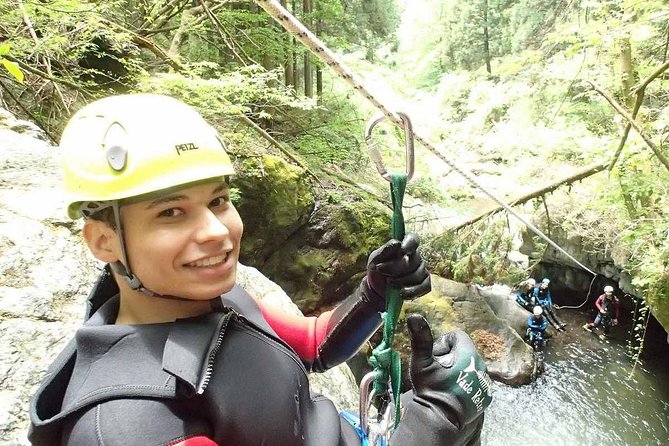
Canyoning success isn’t just about the canyon. It’s about how the day is paced. The guides are the reason this tour stays a 5-star favorite in the feedback.
One theme stands out: guides keep it upbeat and practical while making sure you can participate. People describe staff who are patient, who help the group stay engaged, and who guide you through the obstacles so you’re not just white-knuckling your way through.
If you want a concrete example of the vibe, names like Ko and Hickory show up in the context of guides going above and beyond, and Jumbo and Andy appear alongside comments about being amazing and making a first-timer canyoneer feel like they belong.
You should also expect a professional guide to be the authority for the day’s flow—how to handle rappels, how to approach jumps, and when it’s time to swim, slide, and reset. For a first canyon day, that’s exactly what you want.
- (Private car)Fake It Then Taste It:Japan’s Quirky Cuisine Journey★ 5.0 · 8 reviews
Price and Value: Why $60.97 Can Feel Like a Deal
At $60.97 per person, this can look low for an outdoor adventure that includes gear, a professional guide, and media capture (photos and videos). What makes it feel like value is the package.
You’re not paying extra for:
- equipment and canyoning footwear
- a guide
- photos and videos
- local transport from/at Mitake Station in the Okutama area (on request)
What you might still pay for:
- train fare to and from Mitake Station
- food and drinks (available for purchase)
The smart way to judge value is to compare what you’d spend on a DIY day: gear rental, getting to the canyon area, and paying someone for safety oversight. Here, you pay one price and the hard parts are handled for you.
Also, booking patterns suggest people plan ahead—this is on average booked about 40 days in advance. If you’re traveling in peak periods, don’t treat it as a last-minute wish.
Logistics That Actually Matter: Duration, Group Size, and Meeting Point
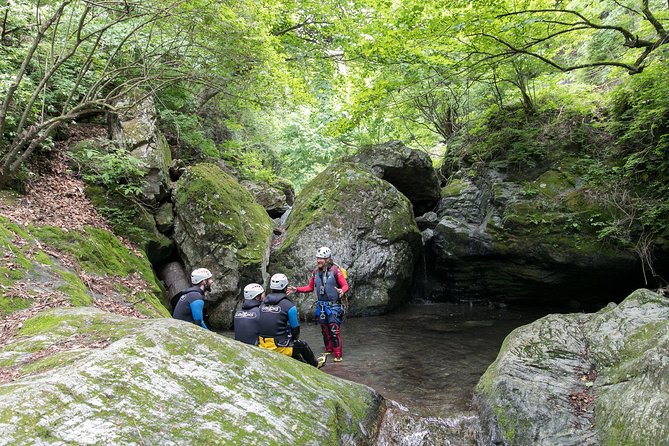
The activity runs about 3 hours, but it’s described as a short excursion in the 4-hour range in the overview. Either way, it’s a half-day chunk you can fit into a Tokyo itinerary without turning the rest of your trip into recovery time.
Group size is capped for a reason. You’ll see:
- maximum 10 travelers listed
- maximum 13 people per booking listed
In plain terms: you’re not getting dropped into a massive crowd on a canyon obstacle. A smaller group is usually better for pacing and attention, especially when the canyon includes things like rappels and jumps.
Meeting point is Mitake Station, and the tour ends back there. That reduces decision fatigue at the end of the day. You’re not trying to navigate a remote return route while wet and tired.
One policy detail to take seriously: alcohol before the tour is prohibited, and anyone under the influence won’t be permitted and can face full cancellation charges. It’s safety and responsibility, not drama.
Minimum age is 13 years, so this is also an option for teen adventurers who can handle gear and water activities.
The Skills Question: Who This Trip Fits Best
This isn’t a “watch from the shore” experience. It’s a hands-on canyoneering day.
Based on the difficulty notes and fitness guidance:
- It fits beginners who want a guided intro, especially if they choose MONONOKE.
- It fits experienced canyon fans who want a more technical day, especially if they choose BIG MONONOKE.
- It fits travelers who enjoy active sightseeing—moving through nature on purpose, not just walking paths.
It may not fit you if you:
- hate heights, even with controlled descent
- want a calm, low-effort outing
- have mobility issues that make getting in and out of water and handling rough terrain difficult
- are expecting a food-forward tour (food and drinks are not included)
If you’re on the fence and you’re worried about being non-athletic, the feedback highlights that even people in their 50s had a great time and felt supported by guides. The key is mindset: come ready to listen and participate.
Packing and Prep: Your Simple Checklist for Canyon Day
Because most things are handled, your prep list is short.
Bring:
- swimwear
- a towel
That’s the only required items list. You’ll also want to think like a wet-day traveler:
- pack spare clothes for after
- keep valuables dry (your towel won’t protect phone-level gadgets by itself)
- wear what you’re comfortable getting waterlogged in, then follow the guide’s gear lead
A small but smart planning move: schedule a little buffer after the tour. Your body will probably feel it—water, friction, and repeated movement. The good news is that the tour length is short enough that you won’t lose your whole day.
Weather, Safety, and When the Trip Might Shift
This experience requires good weather. If it’s canceled due to poor weather, you’ll be offered a different date or a full refund.
Canyons reserves the right to cancel if the minimum number of participants isn’t met (minimum is two). That’s not unusual for active outdoor tours, but it’s good to know so you don’t plan your entire day with zero backup options.
If weather is uncertain during your dates, you’ll sleep better knowing there’s a fallback—either reschedule or refund.
Should You Book This Tokyo Half-Day Canyoning Adventure?
I’d book it if you want a real break from Tokyo’s daily rhythm. This is one of those rare day trips where the main event is hands-on and outdoors, not just a change of scenery.
Book it especially if:
- you like water adventures and want a guide-led day
- you’re comfortable choosing a difficulty level (MONONOKE vs BIG MONONOKE)
- you want included equipment and don’t want gear headaches
- you value photos/videos enough to let someone else document the big moments
Skip it if:
- you’re not ready for heights and controlled descent
- you want a relaxed, minimal-movement tour
- you can’t meet moderate fitness expectations
Final take: for the price, the included gear, the time in the water, and the fact you get a guided, skill-focused canyon day out near Okutama makes this an unusually good value. It’s a half-day that feels like a full-on memory.
FAQ
How long is the Tokyo Half-Day Canyoning Adventure?
It runs for about 3 hours, and it’s described as a short half-day excursion.
Where does the tour start and end?
The tour starts at Mitake Station and ends back at the same meeting point.
Is pickup available?
Pickup from a centrally located meeting point is offered, and there is also a shuttle option at Mitake Station in Okutama on request.
What’s the price per person?
The price is $60.97 per person.
What canyon routes can I choose?
You can choose between MONONOKE and BIG MONONOKE Canyon.
Which route is better for beginners?
MONONOKE is recommended as a fantastic place to start for beginners.
What equipment is included?
All required equipment is included, including canyoning footwear, plus a professional guide. Tour photos and videos are also included.
What should I bring?
Bring swimwear and a towel. Food and drinks are not included.
Is there a minimum age?
Yes, the minimum age is 13 years.
What weather or cancellation rules should I know about?
The activity requires good weather. If it’s canceled due to poor weather, you’ll be offered a different date or a full refund. There’s also a minimum participant requirement of two.
If you tell me your travel dates and whether you’re a first-timer, I can help you pick MONONOKE vs BIG MONONOKE and plan the easiest way to reach Mitake Station.
More Tour Reviews in Tokyo Prefecture
- Vegan/Vegetarian Ramen and Gyoza by Bentoya cooking
★ 5.0 · 59 reviews - Tokyo: Samurai Sword Academy in the Hometown of the Last Samurai
★ 5.0 · 24 reviews - 3-Hour Guided Musubi Japanese Home Cooking Class
★ 5.0 · 21 reviews - Tokyo: Mt. Takao Tour with Ramen and Tattoo-Okay Hot Spring
★ 5.0 · 12 reviews - (Private car)Fake It Then Taste It:Japan’s Quirky Cuisine Journey
★ 5.0 · 8 reviews
Latest Tokyo Prefecture reviews off our desk

Half-Day, compared.
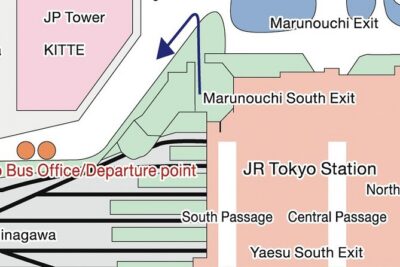 ★ 4.0Half-day Tokyo Afternoon Tour by Hato BusFrom $41269 reviews
 ★ 4.6A Half-Day Trip Bus Tour in the MorningFrom $40236 reviews
 ★ 4.0Half-day Tokyo Morning Tour by Hato BusFrom $41220 reviews
 ★ 5.0Tokyo Private Half-Day Tour with a Local – Secrets & HighlightsFrom $14353 reviews
 ★ 5.0Private Hakone Half-day Car Tour with Hotel Pickup – Local GuideFrom $27748 reviews
 ★ 4.9Old and Nostalgic Tokyo: Half-Day Yanaka Walking TourFrom $8330 reviews
 ★ 5.0Private Fuji Half-day Car Tour with Hotel Pickup and Local GuideFrom $34120 reviews
 ★ 5.0Half-Day Local Tokyo Tour in Adachi Market and ShibamataFrom $9116 reviews
Browse the lists this tour appears in