
Reviewed · MARKETS
Half-Day Local Tokyo Tour in Adachi Market and Shibamata
Fish smells beat museum lines. This 4.5-hour, small-group outing takes you to Adachi Fish Market for real marine-stall life, then to the historic river town of Shibamata—with temple carvings that feel made for slow looking.
I especially like the way the schedule mixes practical food-world Tokyo with a calmer, older neighborhood. I also like that the group is capped at eight, so you’re not just herded through sights.
One thing to consider: food and drinks aren’t included, so you’ll want to plan a snack or early lunch around your own budget.
In This Review
- Key takeaways
- Why Adachi and Shibamata Beat the Typical Tokyo Checklist
- The 8:00 am Start: Getting Where You Need to Go
- Adachi Shijo Fish Market: Seafood Culture Without the Tour Bus Noise
- Shibamata Town Time: Walking the Old River-Edge Vibe
- Taishakuten-Sando: The 200-Meter Street That Feels Like a Time Capsule
- Shibamata Taishakuten (Daikyoji Temple): Wood Carvings and the Lotus Sutra Story
- Yamamototei: The Japanese-Western Architecture Twist
- Guides, Pacing, and Why Small Groups Matter Here
- Price and Value: Is $91.96 a Good Deal?
- What to Pack and How to Enjoy It Without Stress
- Should You Book This Half-Day Adachi and Shibamata Tour?
- FAQ
- How long is the Adachi Market and Shibamata tour?
- What is the group size limit?
- Where do we meet, and what time does it start?
- Where does the tour end?
- What’s included in the price?
- What’s not included?
- Can I get a refund if plans change?
Key takeaways
- Adachi Shijo Fish Market: a specialized marine market where you can see lots of fresh seafood without the usual tourist crush
- Shibamata Taishakuten area: classic shopping street walking, then temple time with standout wood carvings and an ikebana garden
- Small group size (up to 8): easier pacing, more chances to ask questions
- Train fare is included: one-way rail from Senju Ohashi area to Shibamata Station saves hassle
- Yamamototei stop: a Japanese-and-Western architectural surprise you might not find alone
Why Adachi and Shibamata Beat the Typical Tokyo Checklist
Tokyo’s famous seafood stop gets all the attention for a reason, but it’s not the only place where fish culture lives. Adachi Fish Market is the “maritime goods” specialist in this part of Tokyo, and the feel is more local than tourist-stage. You’ll spend your first hour in a working-market atmosphere where people show up for daily seafood, not for souvenirs.
Then you shift gears to Shibamata, an Edogawa River town known for its old-school street layout, traditional shops, and temple presence. It’s a great contrast if you’ve already done the big “see-everything” neighborhoods. Here, walking feels slower and more human.
Also, the structure makes sense: market first, temple second. You’re not trying to cram shrine time into the kind of crowding that turns sightseeing into a sprint.
Readers also shortlisted these Tokyo bookings:
- Tokyo Tsukiji Fish Market Food and Culture Walking Tour
★ 5.0 · 3,184 reviews - Tokyo: Tsukiji Fish Market Food and Walking tour
★ 5.0 · 1,724 reviews - Tokyo: Tsukiji Fish Market Guided Walking Tour
★ 4.9 · 1,397 reviews - Tsukiji Fish Market Guided Tour and Sushi Making with Pro Chef
★ 5.0 · 775 reviews
The 8:00 am Start: Getting Where You Need to Go
You meet at Senju Ohashi Station (千住大橋駅, Senjuhashidocho, Adachi City) at 8:00 am. From there, the tour includes one-way train fare to Shibamata Station, so you’re not doing route math while figuring out your morning energy level.
The day runs about 4 hours 30 minutes total, ending at Shibamata Station (4 Chome-8 Shibamata). That ending point is convenient if you want to keep exploring Shibamata on your own afterward, rather than going back the same way the tour came.
One practical note: because this is a morning start, it helps to wear shoes that can handle walking in and out of market areas and along the temple approach street.
Adachi Shijo Fish Market: Seafood Culture Without the Tour Bus Noise
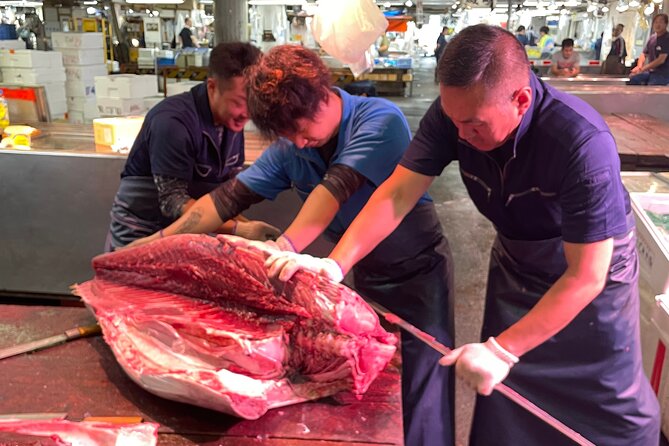
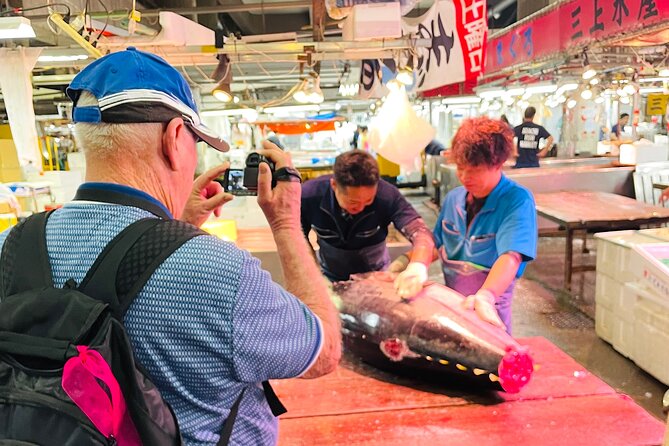
Your first stop is Central Market Adachi Shijo, with about one hour on the stalls. The big advantage here is simple: you’re not competing with day-trippers for space near the counter. This is a specialized marine-products market, so the focus stays on seafood and how people buy it.
I like market tours that don’t just point. A good guide helps you connect the dots—what you’re seeing, how the stalls operate, and what makes a seafood market work as a community habit. On this one, guides are often praised for being clear and friendly while making the questions easy to ask, including for families and mixed groups.
If you’re a “food person,” this is the part that usually clicks fast. Even if you don’t plan to eat there, you’ll come away with a better sense of the day-to-day market rhythm: the movement, the talk, the way people choose what they want.
A small heads-up: you might want to bring a light plan for the rest of your day because food isn’t included. Seeing great seafood can make you hungry, and you’ll want something lined up after the market portion.
Shibamata Town Time: Walking the Old River-Edge Vibe
After the market, you head to Shibamata for about 30 minutes of town walking. Shibamata is on the banks of the Edogawa River, and the streets are known for an older feel—exactly the kind of place where a short stop can change how you see a city.
You’ll also pass the bronze statue of Futen No Tora just outside Shibamata Station. That character is tied to the fictional world of the Otoko wa Tsuraiyo movie series, so it’s a fun cultural pop-in if you recognize the reference—or a quick story hook if you don’t.
This part of the tour isn’t about racing through photo spots. It’s about getting oriented in a town that doesn’t feel like a themed attraction. You’re learning the shape of Shibamata so the next stops hit harder.
Taishakuten-Sando: The 200-Meter Street That Feels Like a Time Capsule
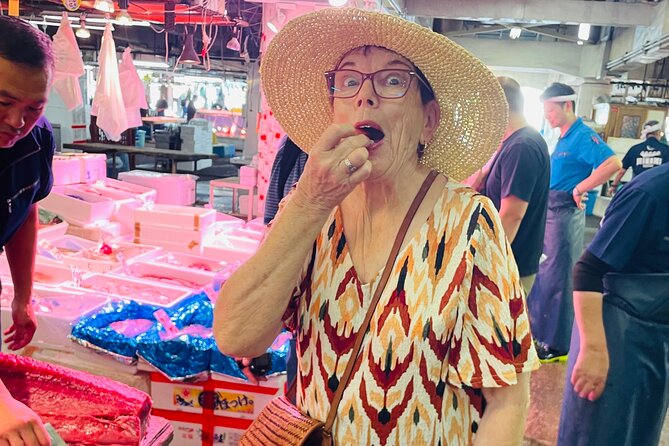
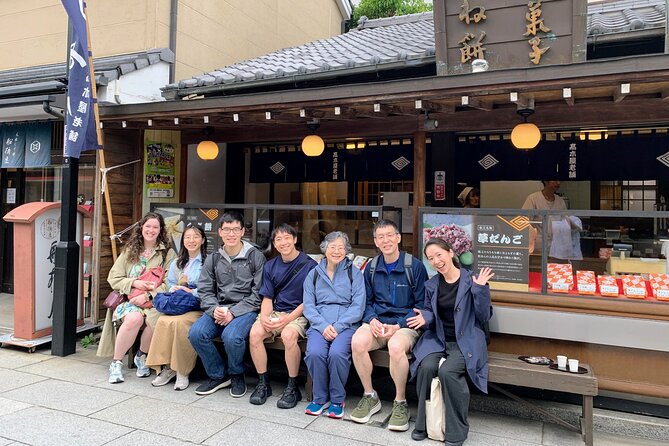
Next comes Taishakuten-Sando, roughly a 200-meter walk from Shibamata Station to Shibamata Taishakuten. This is the stretch where you’ll see the traditional shopping street rhythm—small stalls, sweet shops, and noodle spots in the style that fits the temple neighborhood.
This stop is short, about 20 minutes, but it’s one of the most “Tokyo-by-foot” moments. It’s also a good chance to slow down and do two things:
- check what looks tempting for later, since food isn’t included
- take photos without feeling like you’re stopping strangers behind you
If you enjoy street-level Tokyo—signs, tiny storefronts, everyday commerce—this walk is a strong payoff for the time.
Readers also shortlisted these Tokyo bookings:
- Tokyo: Tsukiji Fish Market Food and Culture Walking Tour★ 4.7 · 757 reviews
- Tsukiji Fish Market: Street Food & Culture Walking Tour★ 5.0 · 669 reviews
- Tsukiji Fish Market Small-Group Food Walking Tour★ 5.0 · 621 reviews
- Tokyo: Tsukiji Fish Market Sushi Making Class with Pro Chef★ 4.9 · 506 reviews
- Tokyo Food Tour Taste Fresh Delights at Tsukiji Market★ 5.0 · 429 reviews
Shibamata Taishakuten (Daikyoji Temple): Wood Carvings and the Lotus Sutra Story
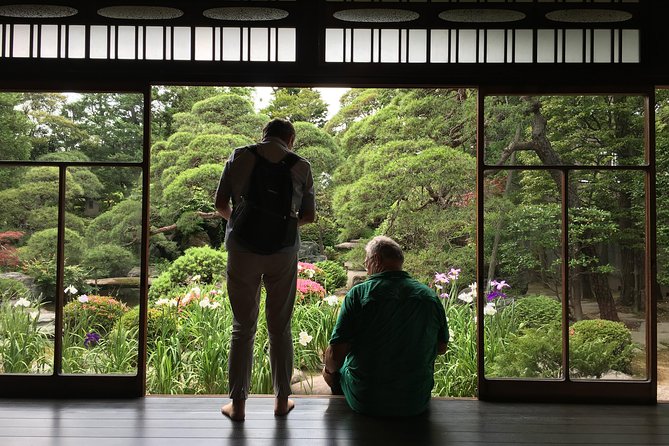
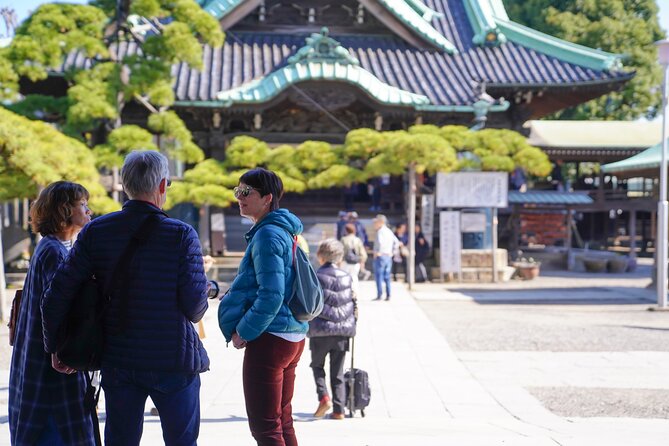
The main temple visit is Taishakuten-Sando’s destination: Shibamata Taishakuten (Taishakuten Daikyoji Temple), about 40 minutes. What makes this stop special is the level of detail in the sacred art.
You’ll see intricately carved wood sculptures installed around the main hall. The carvings cover a Lotus Sutra story, so it’s not random decoration—you can look for the narrative through the figures and scenes. Even if you’re not a scholar of Buddhist art, the craftsmanship does a lot of the explaining.
There’s also a garden of ikebana (Japanese flower arranging). That blend—temple architecture plus artful plant-focused presentation—adds variety and makes your time feel more than just “look at buildings, move on.”
Guides on this tour are often noted for being good at explaining what you’re looking at without turning the stop into a lecture. If your group gets a guide like Kaori, Mutsuko, or Meg, you can expect clear, friendly commentary that helps you notice more than you would alone.
Yamamototei: The Japanese-Western Architecture Twist
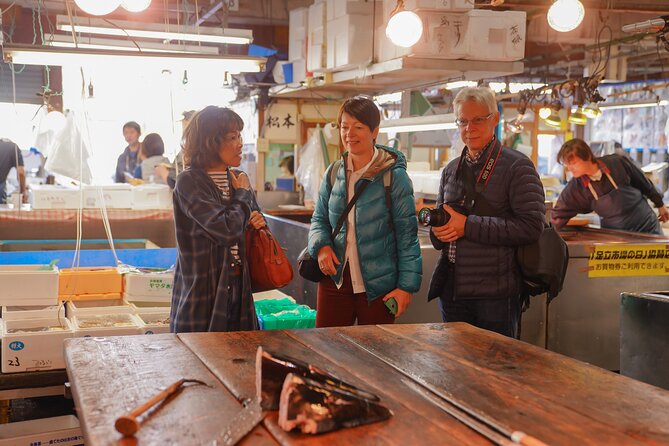
After the temple, you’ll visit Yamamototei, about 30 minutes, with admission included. This is a two-story building that mixes Japanese and Western architectural elements.
One detail called out is the Nagayamon area, described as having a notably unique Western-style feel. For most visitors, this kind of cross-cultural architectural blend is the sort of thing you’d miss if you only focus on the most obvious temple halls.
I like this stop because it breaks up the religious art time with something more architectural and “how did they build that?” It gives your brain a new angle before the tour ends.
Guides, Pacing, and Why Small Groups Matter Here
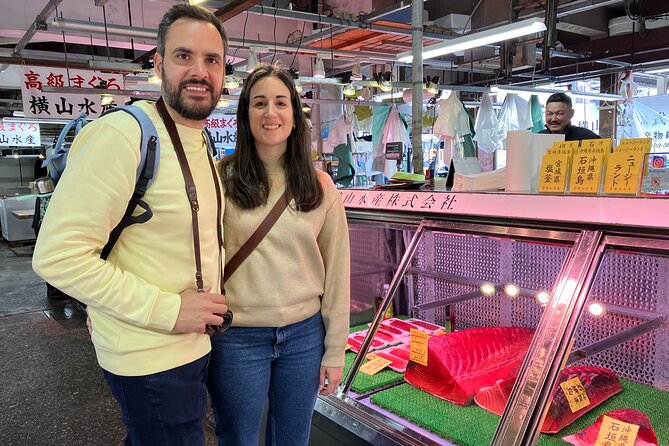
This tour keeps the group to a maximum of eight people. That number matters more than it seems. In a place like a seafood market, you need space to see and ask questions. On a temple approach street, you need room to walk without getting bunched up.
From the guide style you’ll likely experience, the theme is consistent: people like Kaori, Mutsuko, Meg, Masayo-san, Yumi, Mana, Yoshimi, and Fumiko are praised for being approachable, for answering questions, and for making explanations easy to follow. Even if you don’t speak much Japanese, you’ll get enough context to make the places feel intentional rather than random.
Also, because the schedule is tight but not frantic—about four and a half hours—you get a real sense of the area without the “you have 90 seconds per stop” feeling.
Price and Value: Is $91.96 a Good Deal?
At $91.96 per person, this is not a cheap Tokyo add-on, but it also doesn’t try to pretend it’s free.
Here’s what you’re paying for that’s actually practical:
- a professional guide
- local taxes
- small-group walking
- one-way train fare from the Senju Ohashi area to Shibamata Station
- admission is marked as included/free for multiple stops, including Yamamototei
What’s not included is also clear: food and drinks. So the value depends on whether you’re willing to handle your own meal planning. If you’re the type who enjoys buying a snack or having an early lunch afterward anyway, you’ll likely see this as fair.
I think this tour is especially good value if you want “local Tokyo” without the stress of planning a route between an actual market and an older temple town. You’re buying time, translation of what you’re seeing, and a smooth flow between areas.
What to Pack and How to Enjoy It Without Stress
You won’t need special gear, but a few things can make the day smoother:
- Wear comfortable walking shoes; you’ll cover market areas and street walking.
- Bring water or plan to purchase it on your own, since drinks aren’t included.
- Decide in advance whether you want to do a light snack during the Taishakuten-Sando area, or save appetite for later.
If you care about photos, this is a good tour because you’ll have multiple settings: market stalls, street storefronts, temple carvings, and architectural details. Just remember that markets and temples can have their own pace—go with the flow, not over people’s space.
Should You Book This Half-Day Adachi and Shibamata Tour?
I’d book it if you want Tokyo that feels lived-in: seafood markets that aren’t built for tourist crowds, plus a temple town where walking is the main event. The small group size and the included train fare make it easier than DIY if you’re not thrilled with route planning.
Skip it if you want a super food-heavy day with a sit-down meal included, or if you’re only interested in the most famous sights. This tour is about meaning in smaller places, not checkboxes.
If you’re trying to balance your Tokyo trip—mixing big-name energy with a quieter, local rhythm—this one earns a spot on the calendar.
FAQ
How long is the Adachi Market and Shibamata tour?
It runs for about 4 hours 30 minutes.
What is the group size limit?
The tour is limited to a maximum of 8 travelers per booking.
Where do we meet, and what time does it start?
You meet at Senju Ohashi Station (千住大橋駅) at 8:00 am.
Where does the tour end?
The tour ends at Shibamata Station.
What’s included in the price?
Local taxes, a professional guide, a small-group walking tour, and one-way train fare from Senju Ohashi to Shibamata are included. Admission for the listed stops is shown as free for multiple sights, with Yamamototei marked as included.
What’s not included?
Food and drinks aren’t included. Hotel pickup and drop-off aren’t included either, and private transportation isn’t included (available for an extra fee).
Can I get a refund if plans change?
Yes. You can cancel for a full refund if you cancel at least 24 hours before the experience start time. If you cancel less than 24 hours before, the amount paid won’t be refunded.
More Shopping Tours in Tokyo
- Tokyo Tsukiji Fish Market Food and Culture Walking Tour
★ 5.0 · 3,184 reviews - Tokyo: Tsukiji Fish Market Food and Walking tour
★ 5.0 · 1,724 reviews - Tokyo: Tsukiji Fish Market Guided Walking Tour
★ 4.9 · 1,397 reviews - Tsukiji Fish Market Guided Tour and Sushi Making with Pro Chef
★ 5.0 · 775 reviews - Tokyo: Tsukiji Fish Market Food and Culture Walking Tour
★ 4.7 · 757 reviews
More Tours in Tokyo
- Mt Fuji and Hakone 1-Day Bus Tour Return by Bullet Train
★ 5.0 · 26,383 reviews - 1-Day Tokyo Bus Tour
★ 5.0 · 14,250 reviews - Tokyo: Shinjuku Food Tour (13 Dishes at 4 Local Eateries)
★ 5.0 · 6,603 reviews - Tokyo Mt Fuji 5th St & Hakone Cruise Bus Tour w/Bullet Train
★ 4.4 · 5,024 reviews - Flagship 2-Hours Official Street Go-Kart Tour – Tokyo Bay Shop
★ 5.0 · 4,974 reviews
More Tour Reviews in Tokyo
- Mt Fuji and Hakone 1-Day Bus Tour Return by Bullet Train
★ 5.0 · 26,383 reviews - 1-Day Tokyo Bus Tour
★ 5.0 · 14,250 reviews - Tokyo: teamLab Planets TOKYO Digital Art Museum Entry Ticket
★ 4.6 · 9,779 reviews - Mt Fuji & Hakone Cruise, Drum Show Bullet Train 1 Day from Tokyo
★ 4.0 · 7,413 reviews - Tokyo: Shinjuku Food Tour (13 Dishes at 4 Local Eateries)
★ 5.0 · 6,603 reviews
Latest Tokyo reviews off our desk



Markets, compared.
 ★ 5.0Tokyo Tsukiji Fish Market Food and Culture Walking TourFrom $993,184 reviews
 ★ 5.0Tsukiji Fish Market Food and Walking tourFrom $301,724 reviews
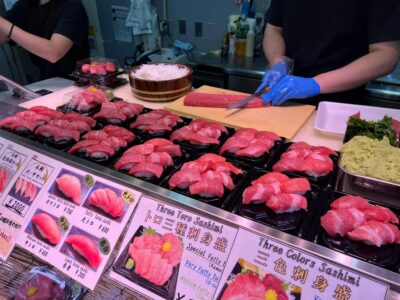 ★ 4.9Tsukiji Fish Market Guided Walking TourFrom $221,397 reviews
 ★ 5.0Tsukiji Fish Market Guided Tour and Sushi Making with Pro ChefFrom $104775 reviews
★ 4.7Tsukiji Fish Market Food and Culture Walking TourFrom $96757 reviews
★ 5.0Tsukiji Fish Market Guided Tour and Sushi Making with Pro ChefFrom $104775 reviews
★ 4.7Tsukiji Fish Market Food and Culture Walking TourFrom $96757 reviews
 ★ 5.0Tsukiji Fish Market: Street Food & Culture Walking TourFrom $33669 reviews
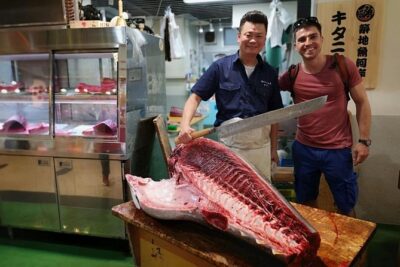 ★ 5.0Tsukiji Fish Market Small-Group Food Walking TourFrom $87621 reviews
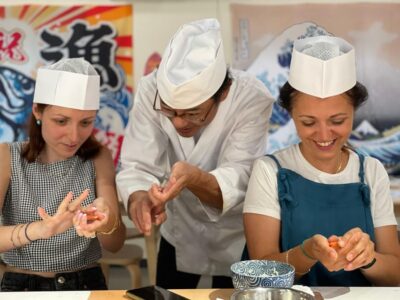 ★ 4.9Tsukiji Fish Market Sushi Making Class with Pro ChefFrom $63506 reviews
Browse the lists this tour appears in