
Reviewed · PRIVATE
Tokyo Private Tour
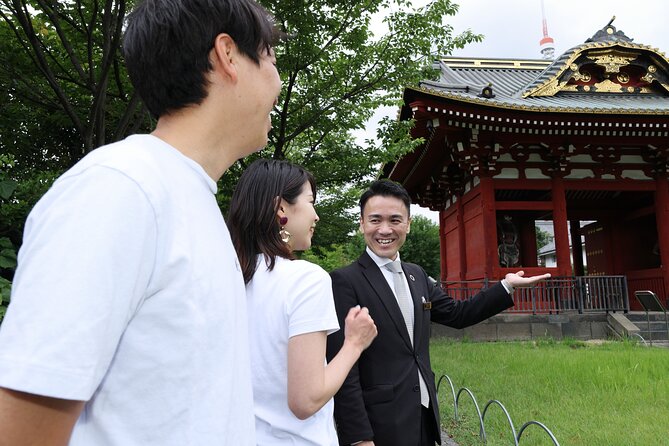
Tokyo can feel like a neon maze. This private day tour gives you a clean route through the top districts while still leaving room to breathe. You get an English-speaking guide in a comfortable car, plus onboard Wi‑Fi so you can stay in sync without burning data.
I especially like two things: the hotel pickup that removes the daily “where do I meet the guide” stress, and the onboard Wi‑Fi and small comforts like bottled water and snacks that keep you moving in an 8-hour window. The main consideration is that lunch and dinner aren’t included, so you’ll want a plan for meals (and a little flexibility) between major sights.
In This Review
- Key highlights worth knowing before you go
- Price and logistics: how this tour can be good value
- The real benefit: a private guide who adjusts your day
- Starting strong: pickup, comfort, and staying connected
- Tsukiji Outer Market: food smells before the big-city rush
- Hama Rikyu Gardens: from duck hunting to calm walks
- Ginza to the Imperial Palace: shopping glamour and government gravitas
- A quick stop that changes how you see the city: the National Diet building
- Akihabara: anime culture and practical tech shopping
- Senso‑ji Temple: the oldest Tokyo vibe, still strong
- Omotesando and Harajuku: fashion architecture and youth culture energy
- Meiji Jingu: a quiet pocket with a weekend wedding chance
- Shibuya Crossing: the photo stop that actually matters
- Daikanyama: calmer browsing after the big-name crowd
- How to make your guide’s personality work for you
- What to pack for an 8-hour highlight day
- Should you book this private Tokyo tour?
- FAQ
- What does the tour include?
- Is lunch or dinner included?
- How long is the tour?
- Is it really a private tour?
- Do I need to pay admission fees during the day?
- Do I get hotel pickup?
Key highlights worth knowing before you go
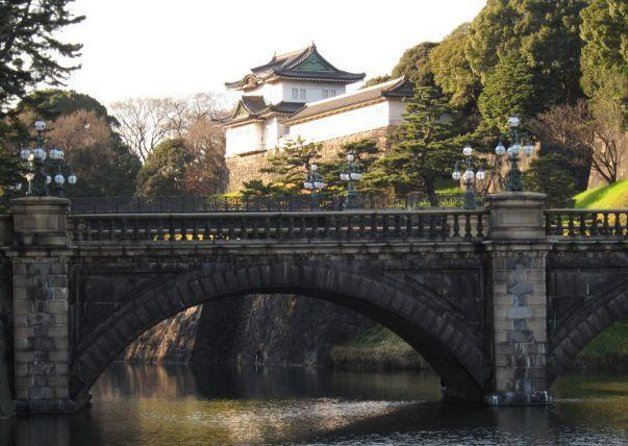
- Hotel pickup + private car: You’ll cover a lot of Tokyo without the train-train-taxi grind.
- Onboard Wi‑Fi: Map, message, translate, and keep everyone calm.
- Guide-led pacing: The best part is how guides adjust stops to your interests.
- Big sights, plus mood changes: You go from Tsukiji food energy to garden quiet, then back to city fashion and shrines.
- Practical problem-solving: Reviews include examples like arranging wheelchair support (Soya) and making extra reservations when needed (like a restaurant for a larger group).
Price and logistics: how this tour can be good value
This is priced at $743.26 per group (up to 9) for about 8 hours. That sounds high until you do the math. If you fill the car with 4 people, you’re roughly at $186 per person. With 6 people, it drops to about $124. With 8 or 9 people, it becomes much more reasonable—close to what you’d pay for separate tickets plus multiple transfers in the city.
So here’s my rule of thumb: this tour is best when you either (1) travel as a family/friend group, or (2) value time enough that avoiding train navigation is worth paying for. If you’re a solo traveler with no one to share the car, it can still be great, just less of a budget win.
Also note: some stops are “free” in the sense that you usually don’t pay an entry fee (several are marked free), but Hama Rikyu Gardens is not included, so you may pay admission there.
Readers also shortlisted these Tokyo bookings:
- Tokyo 6hr Private Tour with Government-Licensed Guide
★ 5.0 · 3,902 reviews - Private Tour to Mt. Fuji and Hakone (Fully Licenced Operator)
★ 5.0 · 1,910 reviews - Tokyo Customized Private Tour (Must See Places in 1 Day)
★ 5.0 · 1,499 reviews - Mount Fuji Full-Day Private Tour from Tokyo (Customizable)
★ 4.9 · 1,470 reviews
The real benefit: a private guide who adjusts your day
In Tokyo, “seeing everything” often turns into walking fast while you can’t hear details. Here, your guide drives the day. You’re not herded. You can ask questions. And if your group has special needs, it’s more likely to be handled in real time.
A few review details that matter for how you’ll experience the day:
- Soya helped a family member use a wheelchair during the tour, which shows the team can sometimes handle accessibility requests when you communicate them.
- Guides like Riley, Richie, Tomo, and Udi are repeatedly praised for adapting on the spot—adding what fits your interests and skipping what doesn’t.
- More than one guide helped with small “make it work” moments, including reservations (for example, a hedgehog cafe reservation arranged ahead of time by one guide) and finding a restaurant option when a friend group popped up mid-day.
You won’t get this kind of attention on a big bus tour.
Starting strong: pickup, comfort, and staying connected
The day is built around an easy start: pickup is offered, and you’re in an air-conditioned vehicle with private transportation. In Tokyo heat, that alone can feel like a paid feature.
You also get bottled water, snacks, and onboard Wi‑Fi. That combo helps more than you’d think. You’re moving between neighborhoods with different vibes. With Wi‑Fi, you can:
- confirm where you’re meeting up,
- check train times if you decide to go rogue after the tour,
- translate a sign quickly without stopping the group.
And because the tour is private, the car time isn’t wasted time. Your guide can tell you what you’re about to see, where to look, and what’s worth photographing.
Tsukiji Outer Market: food smells before the big-city rush
Your day begins at Tsukiji Jogai Market, the outer market area. Even though the main Tsukiji Market was replaced by Toyosu Market in 2018, the outer market still gives you that classic “working market” feel—snack stands, small shops, and a fast sensory kick.
What I like about this stop:
- It’s a short, efficient time slice—about 40 minutes.
- You can sample casually without turning it into a full meal commitment.
A practical tip: Tsukiji is food-centric. If you’re not into eating much early, still go. Walk for the atmosphere and details. If you do want food, choose a couple of small bites rather than going “full feast,” because you’ll be walking and visiting temples and shrines soon after.
Hama Rikyu Gardens: from duck hunting to calm walks
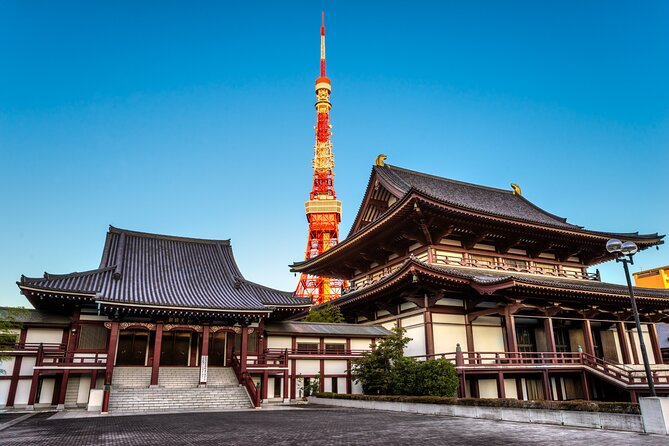
Next comes Hama Rikyu Gardens (about 40 minutes), and this stop has a lot of story packed into a small space. The garden has served different roles over centuries: it started as a feudal lord’s residence and was even used for duck hunting between the 17th and 19th centuries, before becoming the garden experience you can enjoy today.
Why this fits in a full-day plan:
- It’s a reset button after market energy.
- It’s a different type of Tokyo—less storefront, more atmosphere.
One consideration: admission isn’t included, so budget a little extra if you want to go in without surprises. If you dislike gardens, you might still enjoy the quick break from crowds, but your enjoyment will depend on how much you like slow, shaded walking.
- Tokyo: Shinjuku Food Tour (13 Dishes at 4 Local Eateries)★ 5.0 · 6,603 reviews
- Tokyo Mt Fuji 5th St & Hakone Cruise Bus Tour w/Bullet Train★ 4.4 · 5,024 reviews
- Flagship 2-Hours Official Street Go-Kart Tour – Tokyo Bay Shop★ 5.0 · 4,974 reviews
- From Tokyo: Mount Fuji Full-Day Sightseeing Trip★ 4.5 · 4,970 reviews
- Tokyo: Hop-On Hop-Off Sightseeing Bus Ticket★ 3.9 · 4,207 reviews
Ginza to the Imperial Palace: shopping glamour and government gravitas
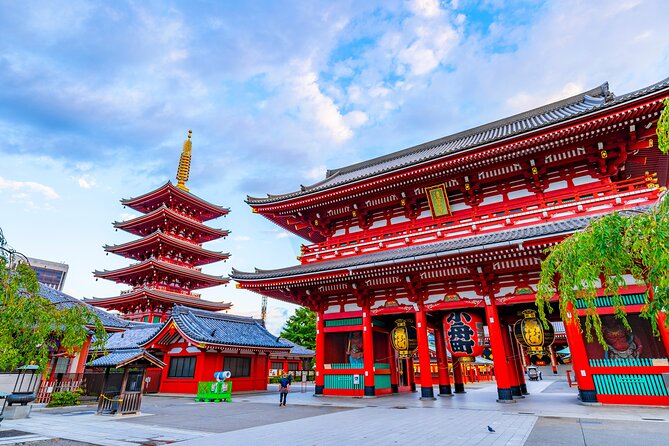
From there, you head into Ginza for about 1 hour. Ginza is where you’ll notice boutique streets, galleries, traditional craft shops, and architecture that feels sharp and modern. It’s a great contrast to the older-feeling neighborhoods earlier in the day.
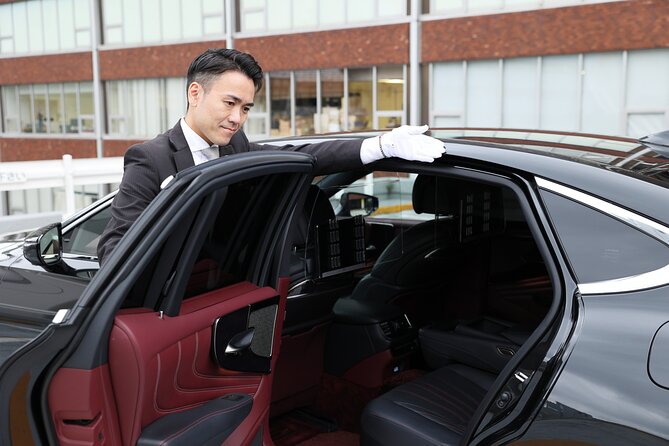
Then you stop at the Imperial Palace area (about 30 minutes). Even if you’re not a “history person,” this place connects you to Japan’s political shift. The grounds were once tied to the Tokugawa shogun family era (1603–1868) and later became the Imperial Palace when political power returned to Emperor Meiji.
Two things you should expect here:
- Tokyo’s scale becomes obvious. You’ll feel how much of the city is shaped by major institutions and large grounds.
- The pace is typically calmer than shopping districts, so it’s a good time to regroup.
Note: you’re not seeing everything in 30 minutes. Think of this stop as “get oriented” rather than “complete the whole palace complex.”
A quick stop that changes how you see the city: the National Diet building

The route includes the National Diet (Parliament) building—one of the few major buildings in Tokyo that survived the air raids of 1945. It was built in 1936, and that age plus survival story gives it a weight that you might not notice at first glance.
This stop is brief, but it helps you understand that Tokyo isn’t only neon and shopping. It’s also old decisions shaping modern life.
Akihabara: anime culture and practical tech shopping
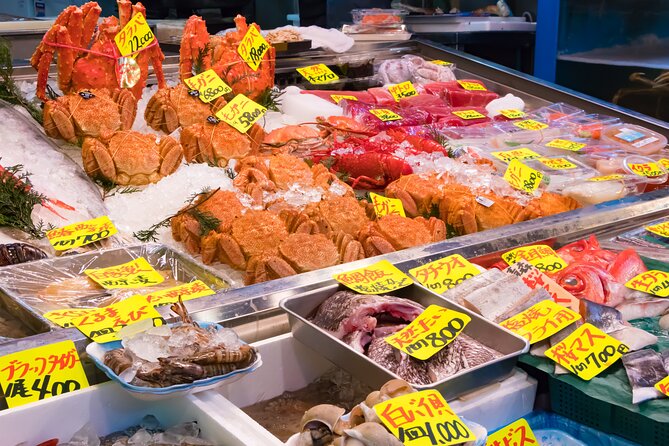
Then it’s Akihabara (about 1 hour). If you’ve seen Japan pop culture online, you’ll recognize it fast: gaming, anime culture, and electronics shopping—everything from tiny specialty stalls to large retailers.
What makes this stop work in a highlight-day format:
- It’s easy to roam. Even if you don’t buy anything, you’ll enjoy the variety.
- Your guide can steer you. In a city where it’s easy to wander in circles, having someone who knows where to go saves real time.
If you’re into electronics, bring curiosity more than a shopping list. The best finds often come from noticing what’s available in that specific shop.
Senso‑ji Temple: the oldest Tokyo vibe, still strong
Next is Senso‑ji Temple (about 1 hour), Tokyo’s oldest temple. The name Asakusa shows up early in Japanese history, dating back to 628, when a Kannon statue was reportedly found by fishermen—one of those origin stories that helps the site feel anchored in something older than modern Tokyo.
Senso‑ji works because:
- It’s a classic “Tokyo sight” for a reason.
- Even with crowds, the sensory layers—smells, textures, incense and stone—make it memorable.
Practical note: plan for walking and standing. This is a place where you’ll want good shoes and a camera you’re ready to use.
Omotesando and Harajuku: fashion architecture and youth culture energy
After the temple, you shift into style districts.
Omotesando (about 30 minutes) is known for architecture by well-known architects and the feeling of a high-fashion street. It’s a good stop for photos if you like clean lines and interesting building shapes.
Then Harajuku (about 30 minutes) brings you youth culture. You’ll see striking fashion trends and loud design in both clothes and buildings. It’s less about calm appreciation and more about active looking—people, patterns, and street style.
This pairing is smart because you get:
- design + fashion (Omotesando),
- then street creativity and youth identity (Harajuku).
If you’re visiting with teens or you love street photography, you’ll feel like the day suddenly “snaps” into a different gear.
Meiji Jingu: a quiet pocket with a weekend wedding chance
Next is Meiji Jingu Shrine (about 30 minutes). This is a welcome change of pace from fashion streets. It tends to feel like the city steps back.
You might even catch a traditional Japanese wedding ceremony on Saturdays and Sundays, if timing lines up. It’s not guaranteed in every visit, but it’s a real possibility mentioned for this shrine.
Why I like this stop for first-timers:
- You learn Tokyo isn’t only concrete and commerce.
- You get a calmer setting where your guide’s cultural explanations land better.
Shibuya Crossing: the photo stop that actually matters
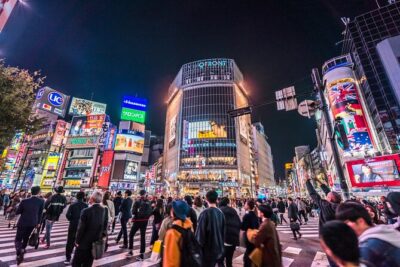
Then you hit Shibuya Crossing (about 15 minutes). It’s described as the busiest intersection in the world—and even if you’ve seen videos, seeing it in real life is different. The movement, the screens, the crowds. It’s a high-energy moment that anchors Tokyo’s modern identity.
A quick note: 15 minutes disappears fast here. Your guide’s job is to get you into a good viewing spot and out before you waste time. Treat this as a snapshot stop, not a long hangout.
Daikanyama: calmer browsing after the big-name crowd
Finally, you close with Daikanyama (about 30 minutes). This area (often paired with Nakameguro) is known for boutiques and cafes and is described as less hectic than the bigger name districts.
I like this ending because it gives you contrast:
- You finish with something softer and more walkable,
- instead of leaving Tokyo with only the loudest, most crowded scenes.
If your group wants a bit more shopping time, this is often where it feels easiest to linger—especially compared to intersections and temple crowds.
How to make your guide’s personality work for you
One reason the reviews read like repeat customers is that guides seem to personalize the day.
Here are ways you can help your guide tailor the route (without turning the day into chaos):
- Tell them your priorities early: history, food, shopping, anime, architecture, shrines.
- Mention any constraints: mobility needs, the pace your group wants, or any must-see “one item” that matters most.
- Ask for swaps if something doesn’t fit. Multiple guides in reviews are praised for adjusting and for communicating well in English.
If you’ve got kids, pay attention to guides who enjoy engaging them. One review highlights how a guide included an 11-year-old by talking directly and listening to what the family wanted to do next. That kind of attention can change the whole mood of the day.
What to pack for an 8-hour highlight day
This isn’t a slow cruise. It’s an 8-hour loop through neighborhoods with different weather and different crowd levels.
Bring:
- comfortable walking shoes (temple + shopping streets add up),
- a light layer for indoors (some attractions and transit can be cooler),
- a charged phone for Wi‑Fi use and photos.
And if you’re visiting in warm months, plan around the fact that you’ll be outdoors at multiple stops. The air-conditioned car helps a lot, but you still need a little sweat-ready mindset.
Should you book this private Tokyo tour?
Book it if you want a first-timer-friendly one-day orientation that covers classic neighborhoods plus Tokyo’s more specific vibes—Tsukiji food energy, Ginza style, Akihabara culture, and the Meiji Jingu calm—without making you wrestle trains all day.
I’d especially recommend it for groups of 2 to 9 who can share the car cost, and for families that want someone to manage pacing. You’ll also like it if you care about comfort: pickup, AC, water, snacks, and onboard Wi‑Fi aren’t just perks; they help you actually enjoy the day.
If you’re traveling ultra-budget solo and you’re fine figuring public transit and choosing sights yourself, this may feel pricey. But if you want one smooth day where your guide handles the route and you focus on walking, looking, and asking questions, this is a strong pick.
FAQ
What does the tour include?
It includes bottled water, snacks, an air-conditioned vehicle, Wi‑Fi on board, and private transportation.
Is lunch or dinner included?
No. Lunch and dinner are not included.
How long is the tour?
The duration is about 8 hours.
Is it really a private tour?
Yes. It’s private, and only your group participates.
Do I need to pay admission fees during the day?
Many stops are listed as free, but Hama Rikyu Gardens is not included (so you may need to pay admission there).
Do I get hotel pickup?
Pickup is offered, and the tour includes a convenient start with pickup offered.
More Private in Tokyo
- Tokyo 6hr Private Tour with Government-Licensed Guide
★ 5.0 · 3,902 reviews - Private Tour to Mt. Fuji and Hakone (Fully Licenced Operator)
★ 5.0 · 1,910 reviews - Tokyo Customized Private Tour (Must See Places in 1 Day)
★ 5.0 · 1,499 reviews - Mount Fuji Full-Day Private Tour from Tokyo (Customizable)
★ 4.9 · 1,470 reviews - Tokyo: Private City Highlights Tour with Local Guide
★ 4.8 · 1,433 reviews
More Tours in Tokyo
- Mt Fuji and Hakone 1-Day Bus Tour Return by Bullet Train
★ 5.0 · 26,383 reviews - 1-Day Tokyo Bus Tour
★ 5.0 · 14,250 reviews - Tokyo: Shinjuku Food Tour (13 Dishes at 4 Local Eateries)
★ 5.0 · 6,603 reviews - Tokyo Mt Fuji 5th St & Hakone Cruise Bus Tour w/Bullet Train
★ 4.4 · 5,024 reviews - Flagship 2-Hours Official Street Go-Kart Tour – Tokyo Bay Shop
★ 5.0 · 4,974 reviews
More Tour Reviews in Tokyo
- Mt Fuji and Hakone 1-Day Bus Tour Return by Bullet Train
★ 5.0 · 26,383 reviews - 1-Day Tokyo Bus Tour
★ 5.0 · 14,250 reviews - Tokyo: teamLab Planets TOKYO Digital Art Museum Entry Ticket
★ 4.6 · 9,779 reviews - Mt Fuji & Hakone Cruise, Drum Show Bullet Train 1 Day from Tokyo
★ 4.0 · 7,413 reviews - Tokyo: Shinjuku Food Tour (13 Dishes at 4 Local Eateries)
★ 5.0 · 6,603 reviews
Latest Tokyo reviews off our desk

Private, compared.
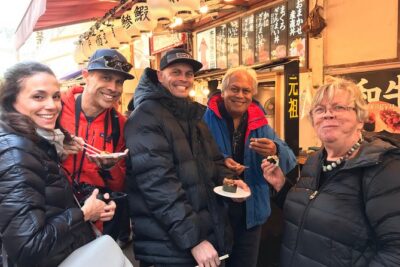 ★ 5.0Tokyo 6hr Private Tour with Government-Licensed GuideFrom $1553,902 reviews
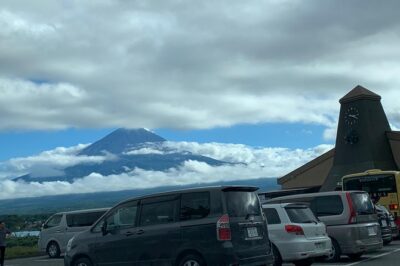 ★ 5.0Private Tour to Mt. Fuji and Hakone (Fully Licenced Operator)From $4971,910 reviews
 ★ 5.0Tokyo Customized Private Tour (Must See Places in 1 Day)From $1451,499 reviews
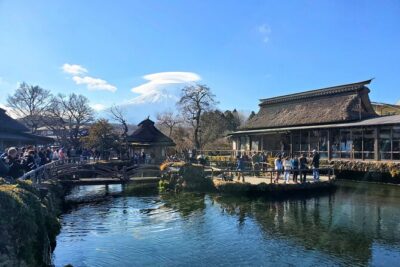 ★ 4.9Mount Fuji Full-Day Private Tour from Tokyo (Customizable)From $3931,470 reviews
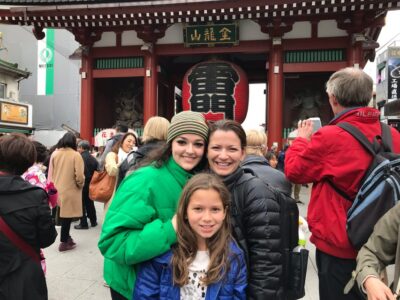 ★ 4.8Private City Highlights Tour with Local GuideFrom $1061,433 reviews
 ★ 5.0Private Custom Tour: Tokyo in a DayFrom $1591,432 reviews
 ★ 5.0Tokyo 4hr Private Tour with Government-Licensed GuideFrom $1091,394 reviews
 ★ 5.0Tokyo Customized Private Tour: See Top Attractions in 1 DayFrom $1451,351 reviews